Stop Demand Barking: How to Ignore Your Puppy’s Barking Without Going Crazy
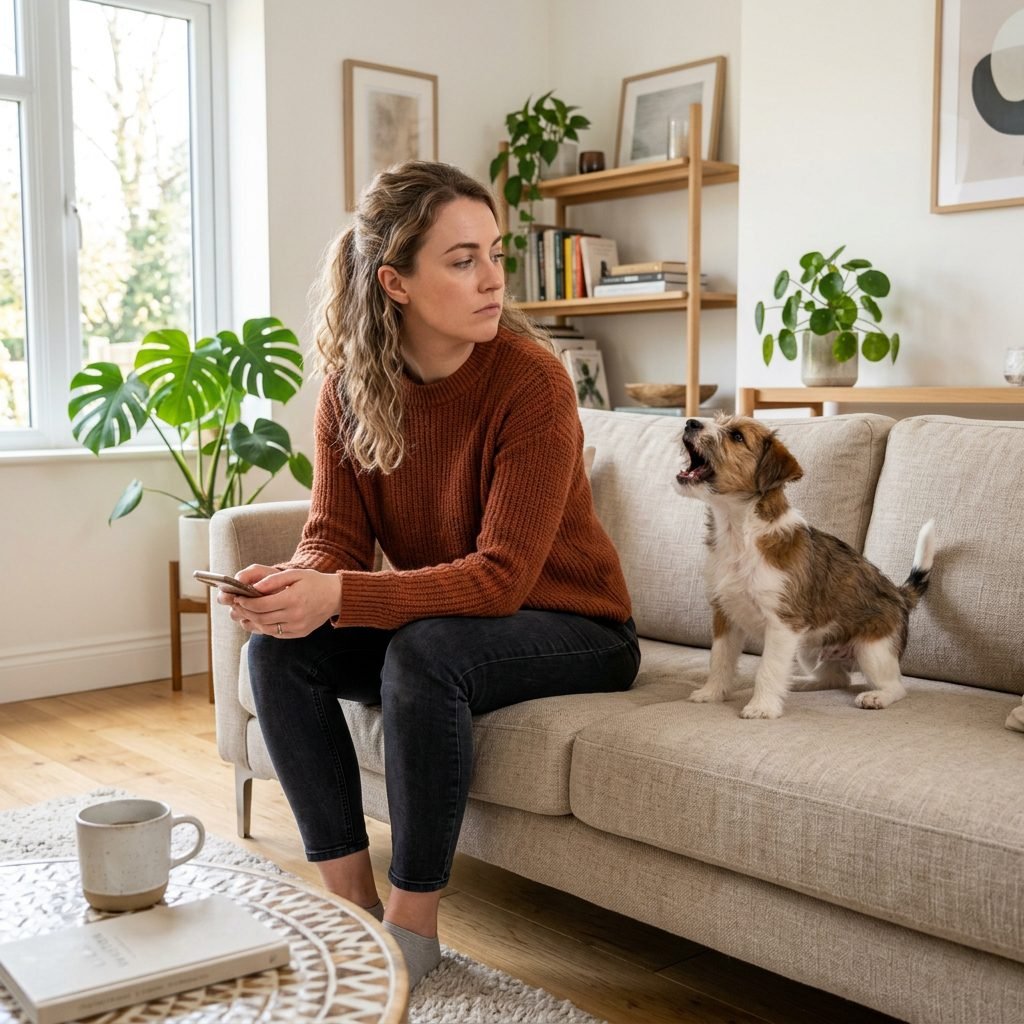
Welcome, savvy dog parents! If you are reading this, chances are your ears are ringing, your patience is wearing thin, and you are desperately wondering how to stop your puppy from barking at you for every little thing. We have all been there. You sit down after a long day, and suddenly, your adorable little furball transforms into a demanding dictator, barking sharply because they want a toy, a treat, or just your undivided attention. This is known as demand barking, and while it is incredibly common, it can quickly drive you up the wall.
As a canine specialist, I can assure you that you are not alone, and more importantly, you are not a bad dog owner for feeling frustrated. Puppies are essentially toddlers in fur coats. They are testing boundaries and figuring out what works to get their needs met. If barking worked even once in the past, they will try it again. The good news? You can absolutely train this out of them using positive reinforcement and a whole lot of consistency. In this comprehensive guide, we are going to dive deep into the psychology of demand barking, the exact steps to ignore it effectively, how to survive the dreaded extinction burst, and what alternative behaviors you should be teaching instead. Grab a cup of coffee, take a deep breath, and let us reclaim your peace and quiet.
Understanding Demand Barking: Why Is Your Puppy Yelling at You?
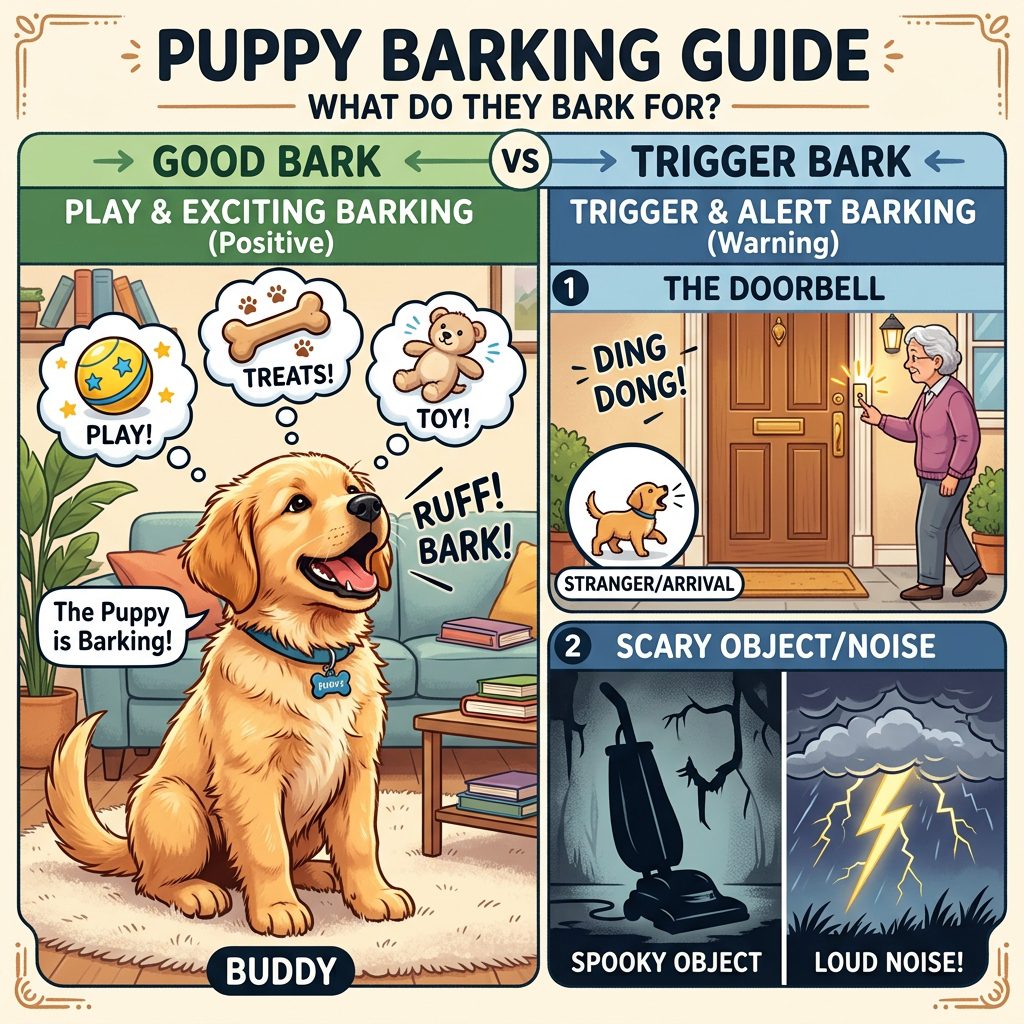
Before we can fix the problem, we have to understand the root cause. Dogs bark for many reasons—it is their primary way of vocalizing their feelings. However, not all barks are created equal. Demand barking is highly specific. It is the sharp, repetitive, and often piercing bark your puppy directs right at you when they want something. They are essentially saying, Hey! Look at me! Give me that! Play with me right now!
The Different Types of Barking
To effectively stop demand barking, you need to be sure that is actually what you are dealing with. If your dog is barking out of fear or a need to go potty, ignoring them is the wrong approach. Here is a quick breakdown to help you differentiate:
| Type of Barking | The Root Cause | How It Sounds and Looks | Appropriate Response |
|---|---|---|---|
| Demand Barking | Wants attention, food, or play | Sharp, repetitive, direct eye contact, stiff but expectant body language | Ignore completely, wait for quiet, then reward |
| Alert Barking | Heard or saw something unusual | Rapid, loud, directed at a window or door | Acknowledge the trigger calmly, then redirect |
| Boredom Barking | Under-stimulated, lonely | Monotonous, continuous, often when left alone | Provide mental enrichment and physical exercise |
| Fear Barking | Scared of a person, object, or noise | High-pitched, backing away, tucked tail | Create distance from the trigger, build confidence |
If you have confirmed that your puppy is indeed demand barking, the psychology is simple: it is a learned behavior. At some point, your puppy barked, and you looked at them, spoke to them (even to say no), or gave them what they wanted. In the dog world, any attention is good attention. Even negative attention reinforces the behavior. Therefore, the only way to break the cycle is to completely remove the reward: your attention.
Essential Tools and the Right Mindset Before You Start
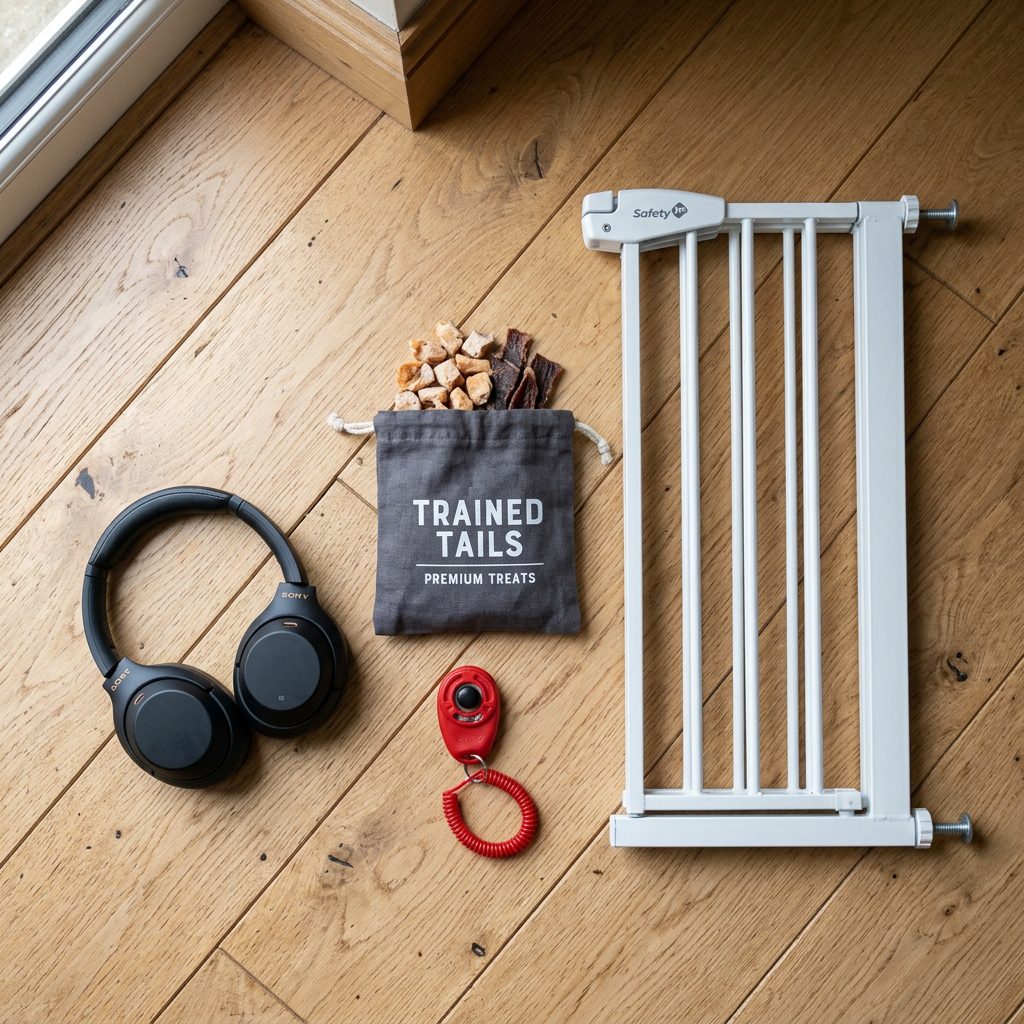
Training a puppy to stop demand barking is honestly 90 percent human psychology and 10 percent dog psychology. You are going to need to change your own habits before you can change your puppy’s habits. This requires a specific mindset and a few helpful tools to keep you sane during the process.
What You Need in Your Training Toolkit
| Tool / Mindset | Why You Need It |
|---|---|
| High-Value Treats | To heavily reward your puppy the moment they offer a quiet, calm behavior. |
| Earplugs or Noise-Canceling Headphones | To protect your sanity and prevent you from accidentally reacting when the barking gets loud. |
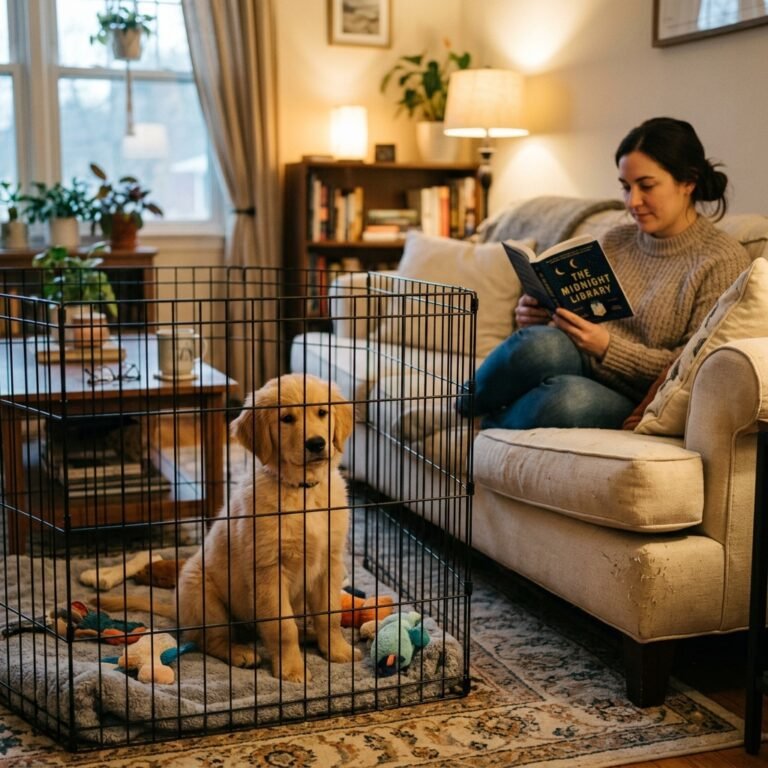
| Tether or Baby Gates | To manage your puppy’s environment so they cannot jump on you or bite your ankles while demanding attention. |
| Absolute Consistency | If you ignore the barking 9 times but give in on the 10th, you just taught your dog that persistence pays off. |
| Patience and Empathy | Remember, your puppy is not trying to make you mad. They are just using a strategy that previously worked. |
The most important tool on this list is consistency. If you live in a multi-person household, everyone must be on the same page. If you ignore the barking but your partner tosses the puppy a toy to keep them quiet, the demand barking will never stop. Sit down with your family and agree on the game plan. The rule is simple: Barking gets you absolutely nothing. Silence gets you everything.
Step-by-Step Guide: How to Actually Ignore the Barking
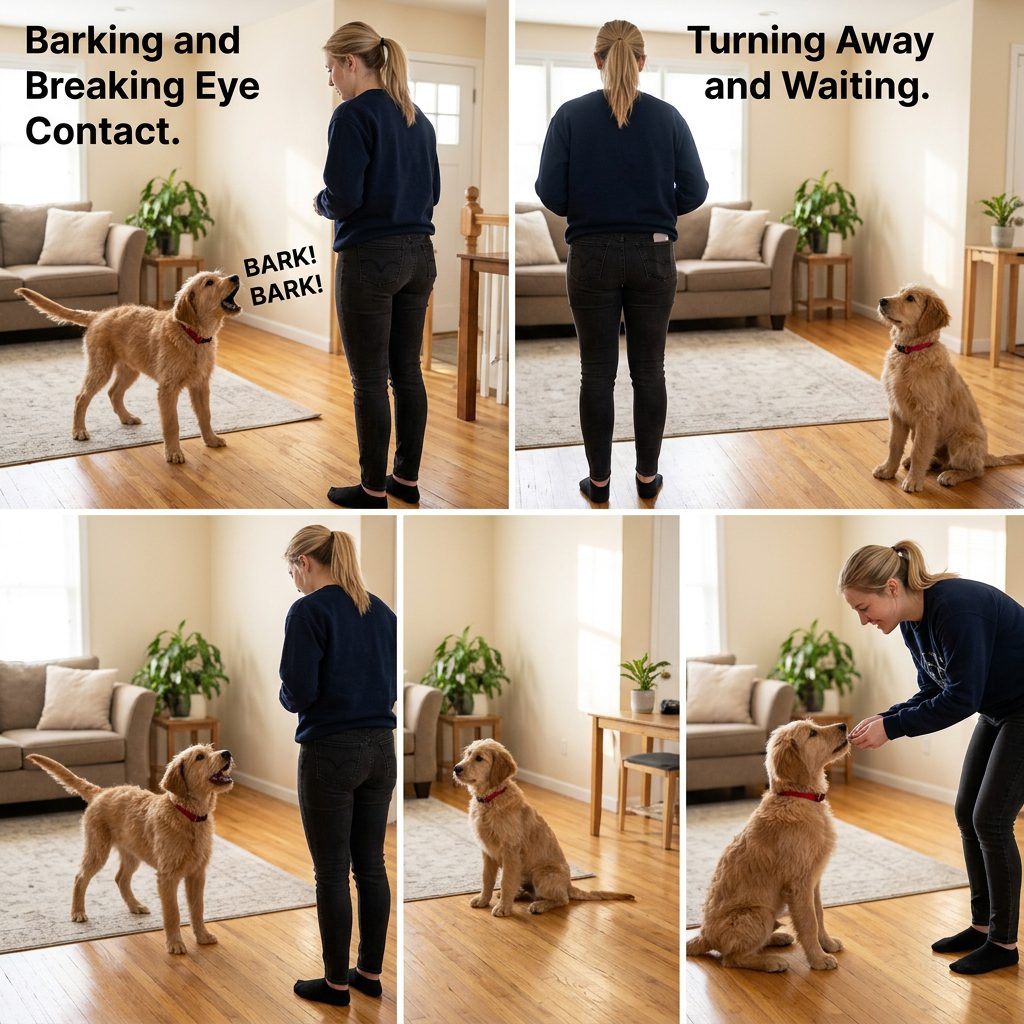
Ignoring a barking puppy sounds incredibly simple in theory, but in practice, it is one of the hardest things a dog owner has to do. It goes against all our human instincts to just sit there while a creature yells at us. However, mastering the art of ignoring is your golden ticket to a quiet house. Here is the exact, step-by-step process you need to follow every single time your puppy demand barks.
The 4 Steps to Extinguishing the Bark
- Remove Eye Contact (The Cold Shoulder): The second your puppy barks at you for attention, break eye contact. Look up at the ceiling, look at your phone, or close your eyes. Eye contact is a massive reward for a dog. By taking it away, you are signaling that the barking is not working.
- Turn Your Body Away: If breaking eye contact is not enough, physically turn your body away from the puppy. Cross your arms and become as boring as a brick wall. Do not speak, do not sigh, and do not push them away with your hands (remember, touch is attention!).
- Leave the Room (If Necessary): Some puppies are incredibly persistent. If they continue to bark, or if they escalate to jumping or nipping at your clothes, calmly stand up and walk out of the room. Step over a baby gate or close the door behind you. Wait for 10 to 15 seconds of complete silence.
- Mark and Reward the Quiet: This is the most crucial step. When your puppy finally stops barking and takes a breath, wait three seconds. If they remain quiet, immediately turn back around, say Yes! or click your clicker, and offer a high-value treat or toss their favorite toy. You must teach them that silence is the key that unlocks the rewards.
Pro Tip: Timing is everything. If you reward too quickly, you might accidentally reward a pause between barks. Wait for a genuine moment of calm—usually indicated by a sigh, a sit, or them looking away—before you deliver the reward.
Troubleshooting: Surviving the Extinction Burst
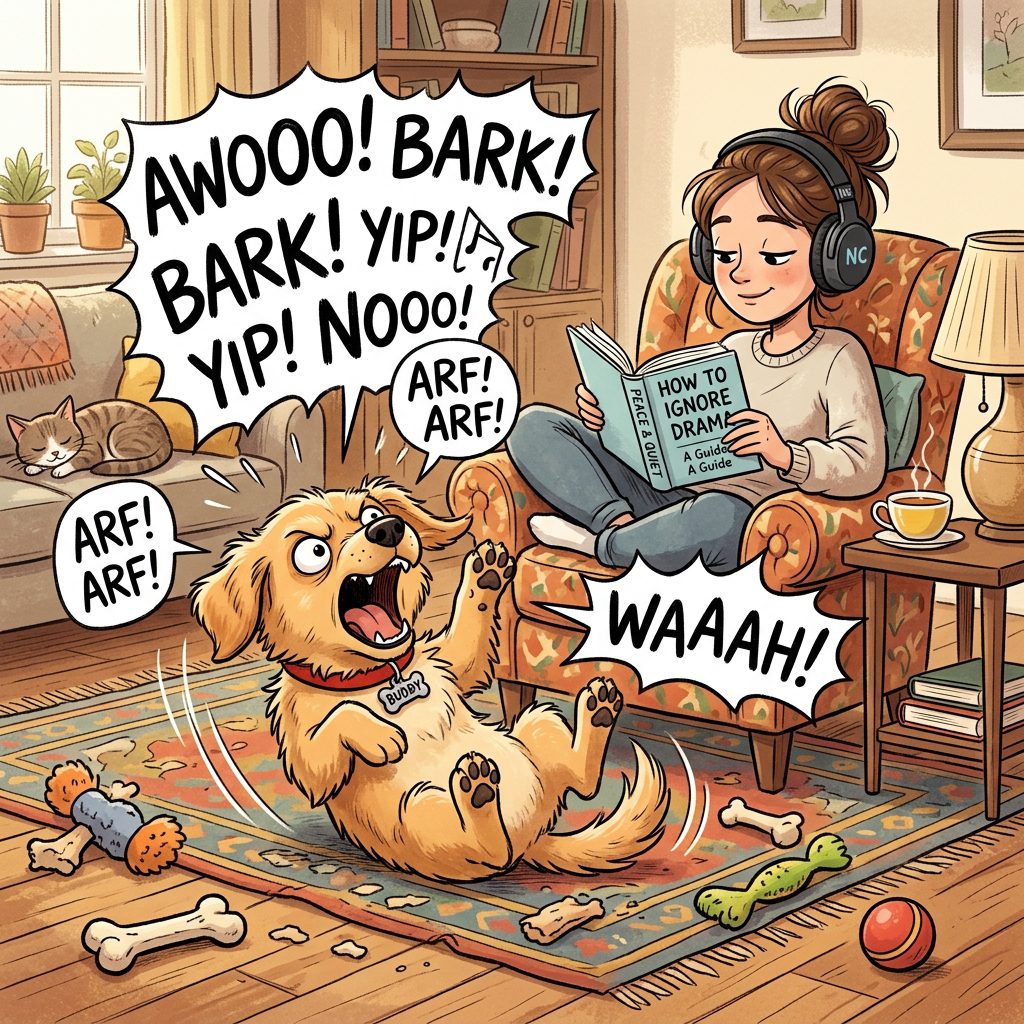
If you have been perfectly consistent with the steps above, you might notice something horrifying: the barking is getting worse. Much worse. Your puppy might start barking louder, faster, and adding in some dramatic whines or foot stomps. Do not panic! You have not broken your dog. You are experiencing what behaviorists call an Extinction Burst.
What is an Extinction Burst?
An extinction burst is a temporary increase in the frequency, duration, or intensity of a behavior before it finally disappears. Imagine you are trying to buy a soda from a vending machine. You put your money in, press the button, and nothing happens. Do you immediately walk away? No! You press the button again. You press it harder. You might even shake the machine. When it still does not work, you finally give up and walk away. Your puppy is doing the exact same thing. Barking has always been their soda button. When it suddenly stops working, they are going to press it harder to see if it is just temporarily broken.
| Phase of Training | Puppy’s Thought Process | Your Required Action |
|---|---|---|
| Initial Ignoring | Why isn’t this working? I should try again. | Maintain no eye contact, stay silent. |
| The Extinction Burst | I MUST BARK LOUDER! THIS ALWAYS WORKS! | Put in earplugs, leave the room if needed, DO NOT GIVE IN. |
| The Breakthrough | Okay, barking is useless. What if I sit quietly? | Immediately praise and reward heavily! |
The extinction burst is the exact moment where most dog owners fail. If you give in during the extinction burst, you have just taught your puppy a terrible lesson: Regular barking doesn’t work anymore, but screaming like a banshee gets me exactly what I want. You must hold your ground. If you survive the burst without giving in, the behavior will extinguish shortly after.
What to Teach Instead: Capturing Calm and Alternative Behaviors
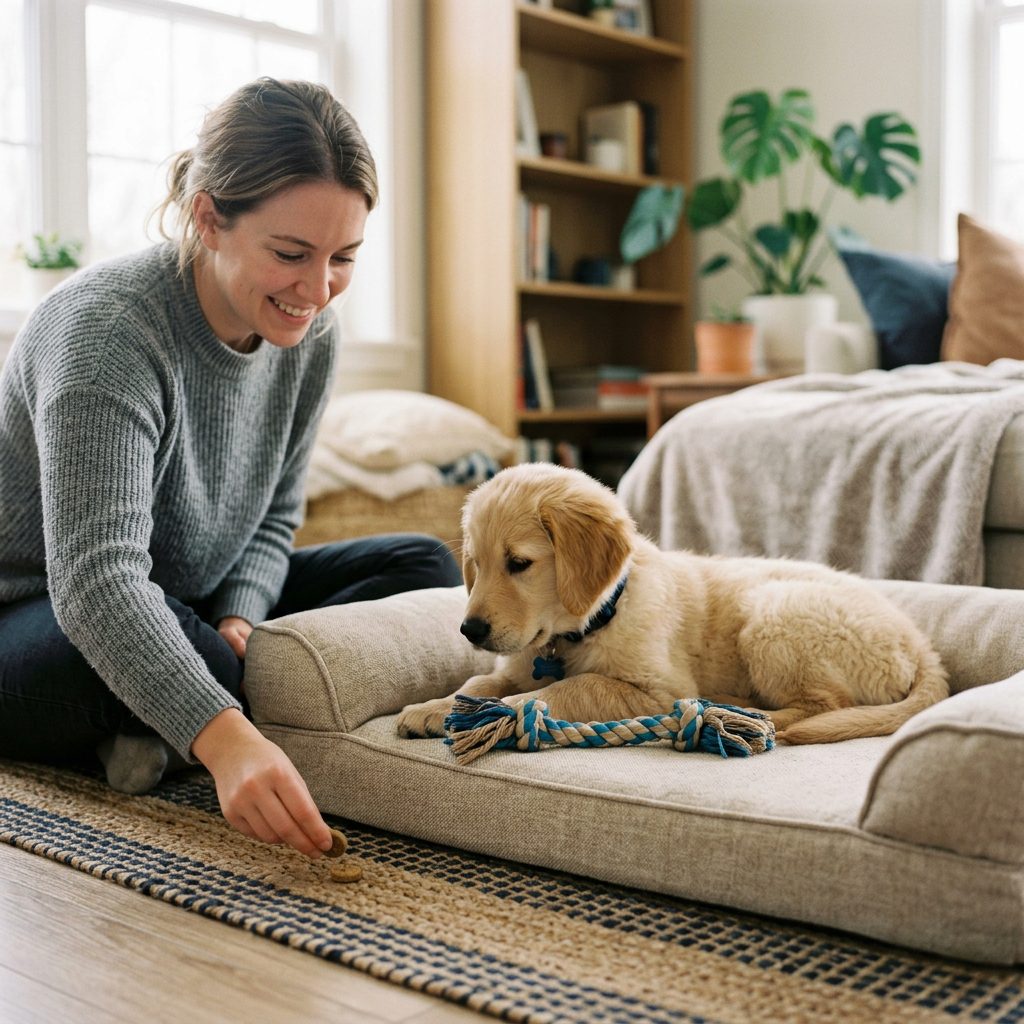
Ignoring the bad behavior is only half the battle. If you want to permanently stop demand barking, you have to tell your puppy what you want them to do instead. Dogs thrive on direction. If they know a polite way to ask for things, they will happily use it.
Teaching “Sit for Please”
One of the easiest and most effective alternative behaviors to teach is the Sit for Please. The goal is to make sitting the default behavior whenever your puppy wants something. Here is how to build this habit:
- Meal Times: Hold your puppy’s food bowl. If they bark or jump, stand still and wait. The moment their bottom hits the floor, lower the bowl. If they break the sit, lift the bowl back up. Repeat until they realize sitting makes the food go down.
- Doorways: Before opening a door for a walk, wait for a quiet sit. If they bark, your hand comes off the doorknob.
- Playtime: If they bring you a toy and bark, ignore them. When they sit quietly, initiate the game of tug or fetch.
Capturing Calmness
You should also proactively reward your puppy for doing absolutely nothing. We often ignore our dogs when they are being good and only pay attention to them when they are being naughty. Let us flip that script! Keep a jar of treats on your counter. Whenever you walk past your puppy and they are quietly chewing a bone or resting on their bed, calmly drop a treat between their paws and walk away. Do not make a big fuss or use an excited voice, as that might rile them up. Just quietly reward the calm. Over time, your puppy will learn that being quiet and relaxed is the most profitable behavior in the house.
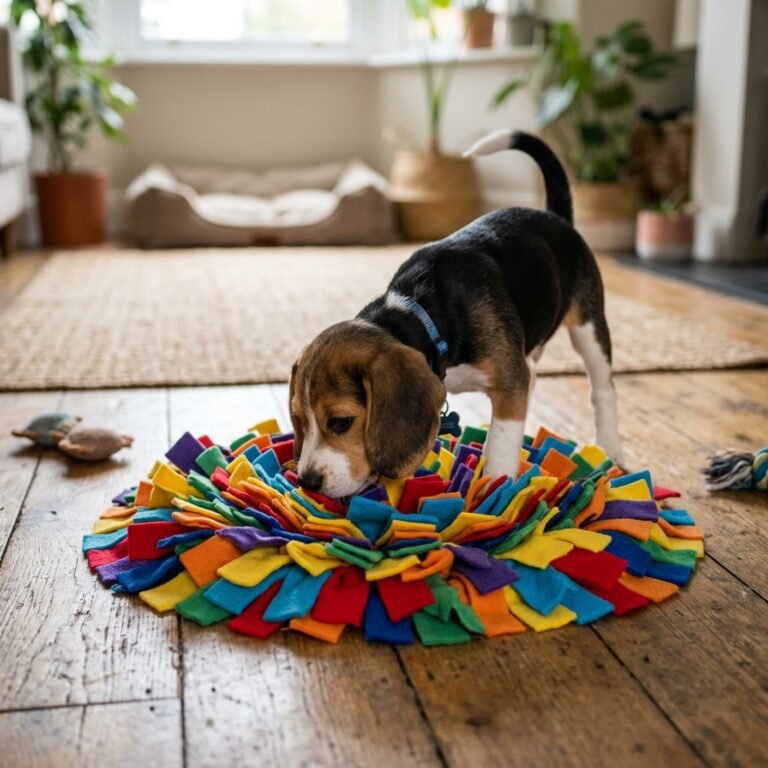
Remember, a tired puppy is a quiet puppy. Ensure your dog is getting enough physical exercise and mental enrichment (like puzzle toys or snuffle mats) every day. Demand barking is often exacerbated by pent-up energy!
Conclusion
Training your puppy to stop demand barking is a journey that requires immense patience, unwavering consistency, and a good sense of humor. It is completely normal to feel overwhelmed when your puppy is vocalizing their demands, but remember that this is just a phase. By understanding the root cause, ignoring the barking completely, surviving the extinction burst, and rewarding alternative behaviors like sitting and calmness, you are setting your puppy up for a lifetime of polite communication.
Stay strong, savvy dog owners! Do not let those big puppy dog eyes (or that piercing bark) break your resolve. Stick to the plan, keep your high-value treats ready, and soon enough, you will be enjoying a peaceful, quiet home with your well-mannered furry best friend. You have got this!