Unstoppable Prey Drive? How To Train A Puppy Not To Chase Squirrels (And Actually Listen!)
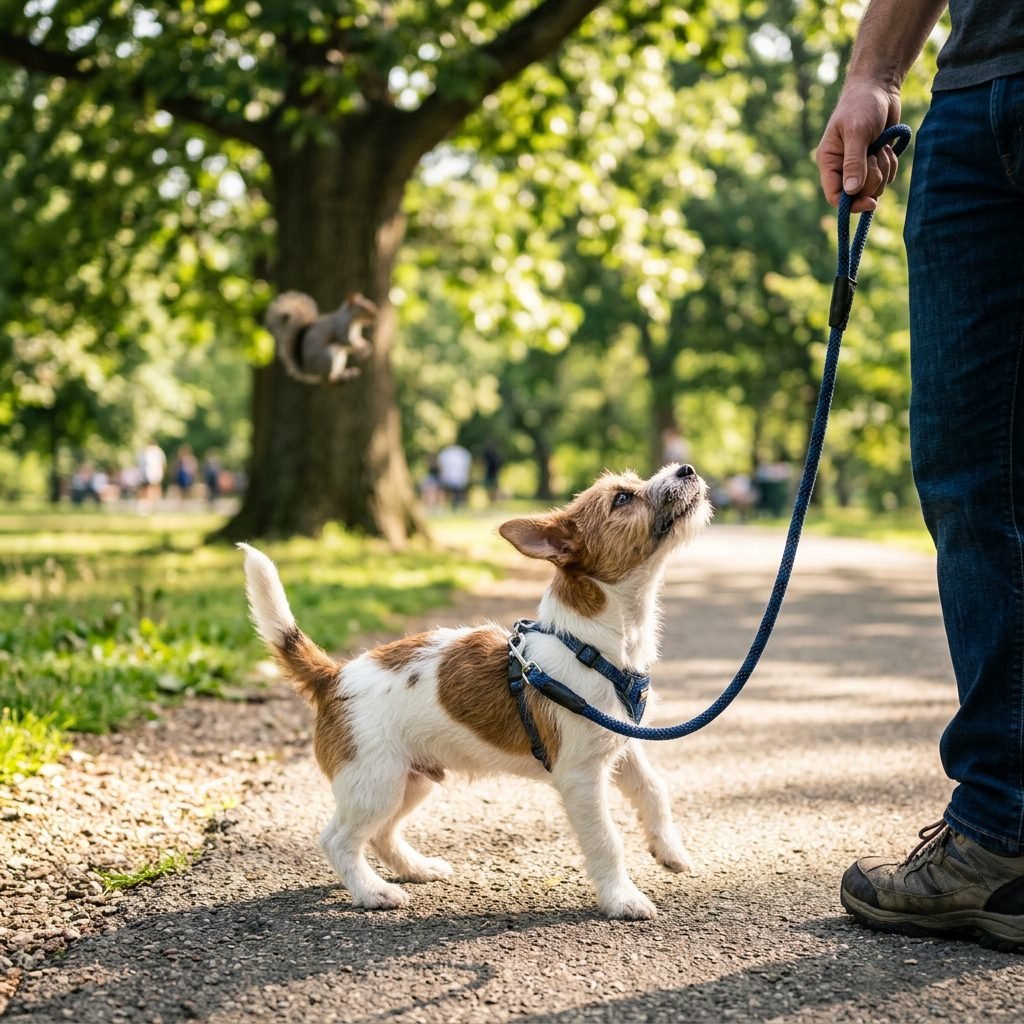
Picture this: you are enjoying a peaceful, crisp morning stroll with your adorable puppy. The birds are singing, your coffee is finally kicking in, and you are feeling like you have this whole dog-parenting thing completely figured out. And then—BAM! Your arm is nearly pulled out of its socket. The leash burns your hand, your coffee spills onto the sidewalk, and your sweet little furball has suddenly transformed into a relentless, wild predator. A squirrel has darted across the path, and your puppy is now completely deaf to your frantic calls, hyper-fixated on the chase.
If this scenario sounds painfully familiar, take a deep breath. You are absolutely not alone, and you are not a bad dog owner. What you are experiencing is your puppy’s natural prey drive kicking in. For many dogs, especially certain terriers, hounds, and herding breeds, the urge to chase small, fast-moving objects is hardwired into their DNA. It is not a sign of stubbornness or disobedience; it is a primal instinct.
However, just because it is natural does not mean it is safe or acceptable for everyday walks. An uncontrolled prey drive can lead to dangerous situations, such as your puppy pulling you into traffic, slipping out of their collar, or getting lost. As savvy dog owners, our goal is not to completely extinguish this instinct—which is nearly impossible anyway—but to teach our puppies impulse control and reliable recall.
In this comprehensive guide, we are going to dive deep into the psychology of why dogs chase, the essential tools you need to regain control, and a step-by-step training protocol to help your puppy learn that paying attention to you is far more rewarding than chasing that fluffy-tailed menace up an oak tree. Let us turn those chaotic walks back into peaceful bonding time!
Understanding Your Puppy’s Inner Wolf: What Is Prey Drive?
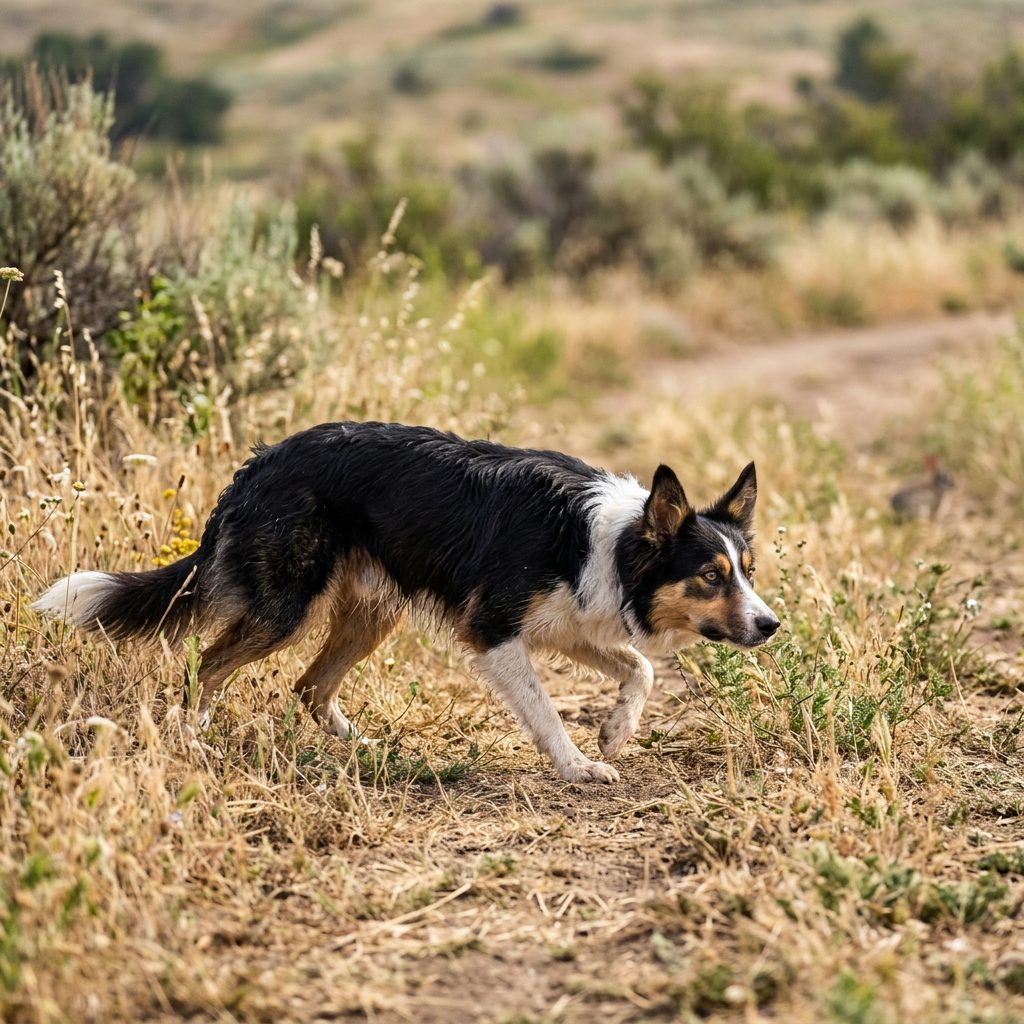
Before we can effectively train your puppy to ignore squirrels, we have to understand exactly what we are up against. Prey drive is the instinctual inclination of a carnivore to find, pursue, and capture prey. While our domesticated dogs no longer need to hunt for their dinner, the sequence of behaviors associated with hunting is still very much alive in their genetics.
The Predatory Sequence
Canine behaviorists break down the predatory sequence into several distinct phases. Depending on your puppy’s breed, they may excel at or get stuck on specific parts of this sequence:
- Search: Using their senses to locate potential prey.
- Stalk: Slowly and quietly sneaking up on the target.
- Chase: The explosive burst of speed to catch the fleeing animal.
- Grab Bite: Catching the prey.
- Kill Bite: Dispatching the prey.
- Dissect/Consume: Eating the prey.
When your puppy sees a squirrel, the sudden, erratic movement triggers the Chase phase of this sequence. The moment they bolt, their brain is flooded with adrenaline and dopamine. This means that the act of chasing is inherently self-rewarding. Even if they never actually catch the squirrel, the thrill of the chase feels incredibly good to them. This is why yelling their name or offering a boring piece of dry kibble rarely works in the heat of the moment; you are trying to compete with a massive neurochemical rush.
Understanding this is crucial because it changes our training approach. We cannot just ask the dog to stop doing something they love; we have to offer them an alternative behavior that is equally or more rewarding, and we have to teach them the emotional regulation required to make the right choice when their instincts are screaming at them to run.
“You cannot train away an instinct, but you can train an alternative response. The goal is to make checking in with you the most exciting part of the hunt.”
The Squirrel-Busting Toolkit: Gear You Need
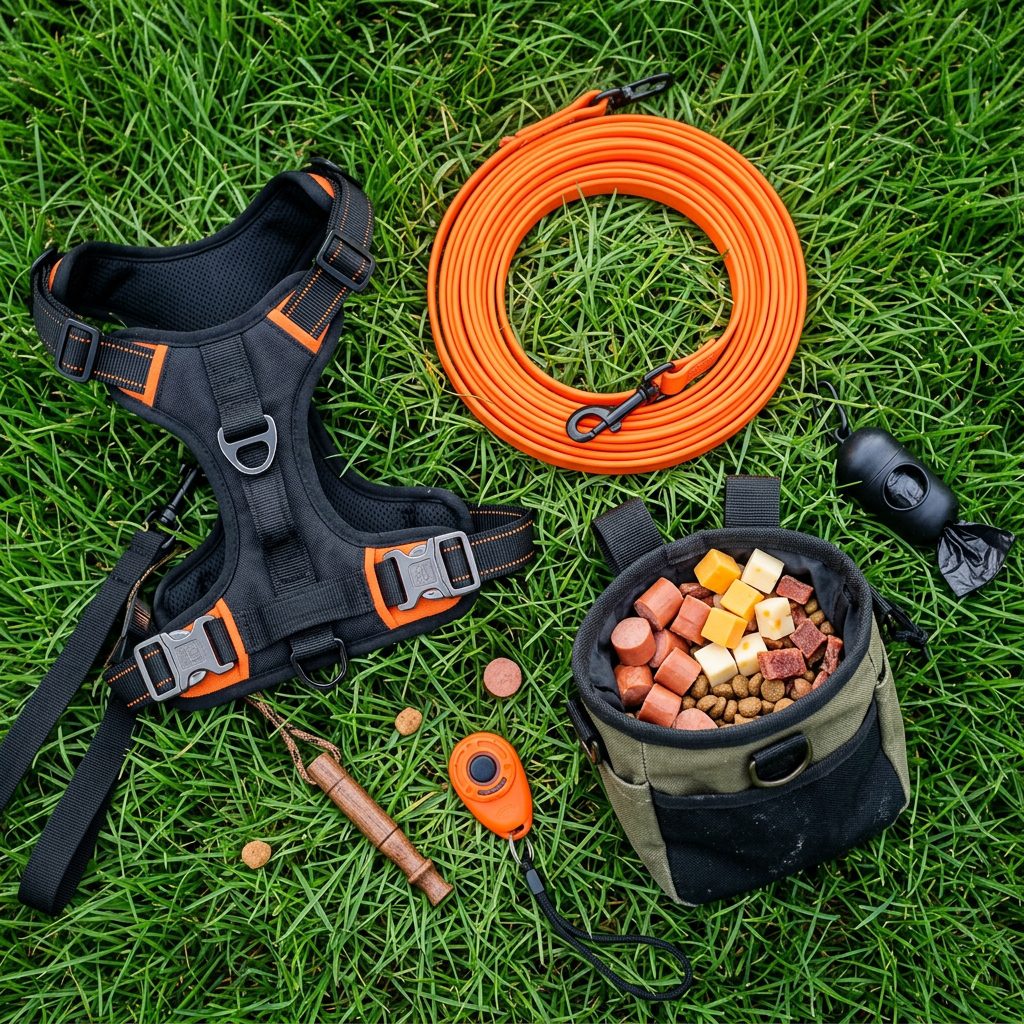
Training a high-prey-drive dog requires the right equipment. If you go to war with a squirrel using only a standard flat collar and a pocket full of boring dry biscuits, the squirrel will win every single time. To set your puppy up for success, you need to upgrade your toolkit.
Safety and management are your first priorities. Every time your dog successfully chases a squirrel (even to the end of the leash), the behavior is reinforced. We need tools that prevent the chase while keeping your dog’s neck and trachea safe from sudden, forceful yanks.
Essential Training Gear
| Training Tool | Purpose | Pro Tip |
|---|---|---|
| Well-Fitted Y-Harness | Distributes pressure across the chest rather than the fragile neck/trachea when the dog lunges. | Look for harnesses with a front-clip option to gently redirect the dog’s momentum back toward you. |
| Long Line (15-30 feet) | Allows the dog freedom to explore and practice recall from a distance safely. | Use a biothane long line; it is waterproof, doesn’t tangle easily, and won’t give you severe rope burn. |
| High-Value Treats | To compete with the adrenaline rush of the squirrel chase. | Ditch the kibble. Use real meat like boiled chicken, hot dogs, string cheese, or freeze-dried liver. |
| Clicker or Marker Word | To precisely mark the exact millisecond your dog makes the right choice (e.g., looking away from the squirrel). | Load the clicker at home first so your dog knows that ‘click’ means a high-value treat is coming immediately. |
| Tug Toy / Flirt Pole | Provides an appropriate outlet for their chasing and biting instincts. | Keep a special toy hidden in your pocket that only comes out as a massive reward for ignoring prey. |
Armed with this toolkit, you are now prepared to manage your dog’s environment. Management means preventing rehearsal of the bad behavior. If you know a specific park is swarming with squirrels and your puppy is not ready, avoid that park. Set them up in environments where you can control the distance between them and the distractions.
Step-by-Step Guide to De-escalating the Chase
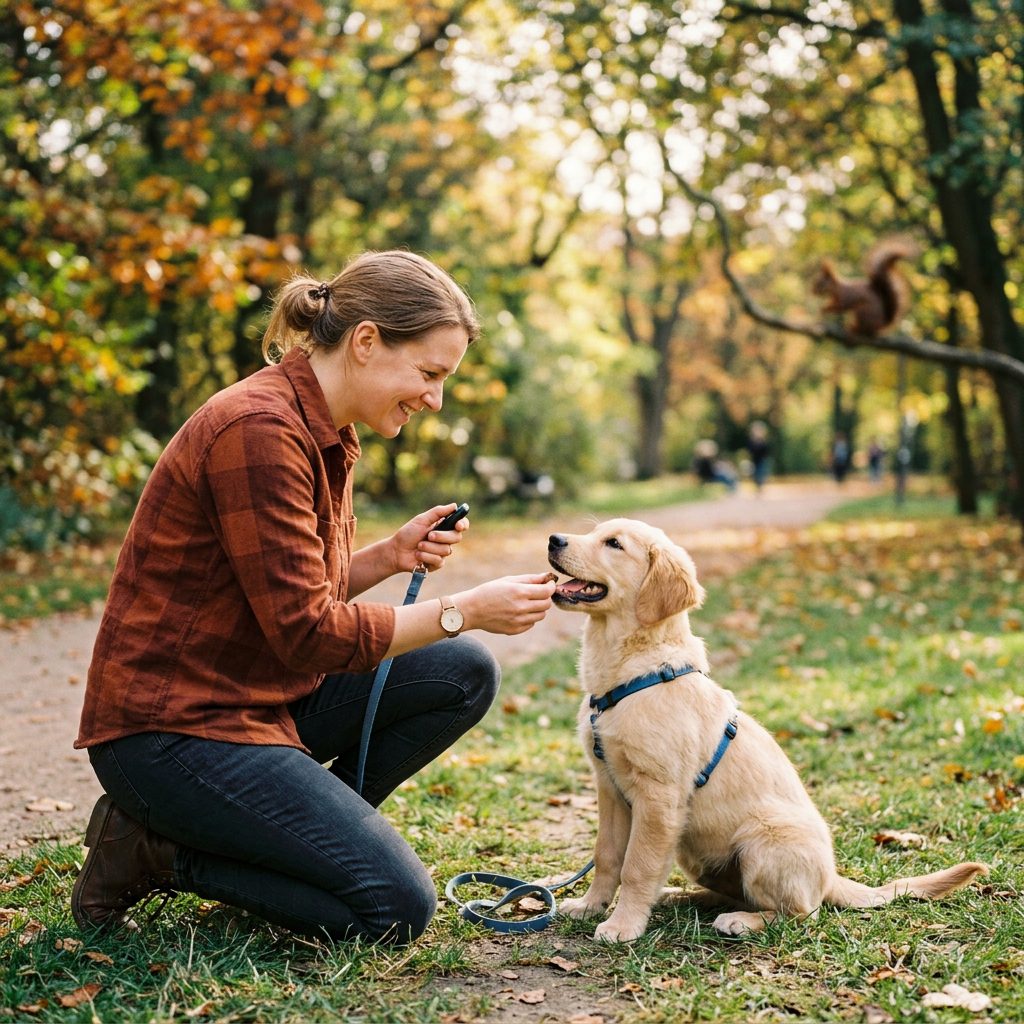
Now that we understand the psychology and have our gear ready, it is time to start training. This process requires patience, consistency, and a lot of high-value treats. We are going to build your puppy’s impulse control from the ground up.
Step 1: Build the Value of Your Name (The Name Game)
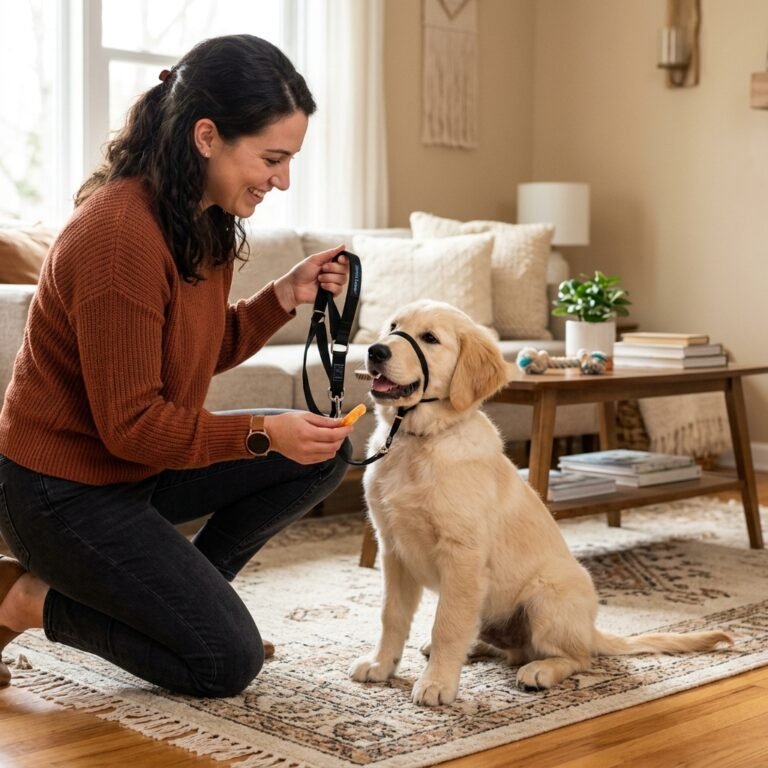
Before you can ask your puppy to ignore a squirrel, they need to know that hearing their name means something amazing is about to happen. Start indoors with zero distractions. Say your puppy’s name in a bright, happy voice. The second they look at you, mark the behavior (with a clicker or the word ‘Yes!’) and give them a high-value treat. Repeat this until they whip their head around the instant you speak. Gradually move this game to the backyard, then the front yard, and finally on quiet walks.
Step 2: The ‘Look at That’ (LAT) Game
This is a game-changer for reactive and high-prey-drive dogs. Instead of punishing the dog for looking at the squirrel, we are going to reward them for observing it calmly. Find a distance where your dog can see a squirrel but isn’t yet losing their mind (this is called staying ‘under threshold’).
- Wait for your dog to notice the squirrel.
- The exact millisecond they look at the squirrel, say ‘Yes!’ or click.
- When they turn back to you to get their treat, reward them generously.
- Repeat. The squirrel becomes a cue to look at you for chicken!
Step 3: The Premack Principle (Using the Chase as a Reward)
The Premack Principle states that a more probable behavior (chasing) can be used to reinforce a less probable behavior (sitting and looking at you). You can practice this with a flirt pole (a dog toy on a string attached to a stick). Ask your dog to sit or down. Wave the flirt pole around. If they break the sit, the toy stops moving. When they hold the sit and give you eye contact, release them with a cue like ‘Get it!’ to chase the toy. This teaches them that impulse control actually unlocks the fun.
Step 4: Decreasing Distance
As your dog masters the LAT game from 50 feet away, slowly start closing the distance over a period of weeks. If your dog lunges or barks, you have moved too close, too fast. Back up and find their success zone again. Training is not linear; some days will be better than others.
Mastering ‘Leave It’ and Emergency Recall
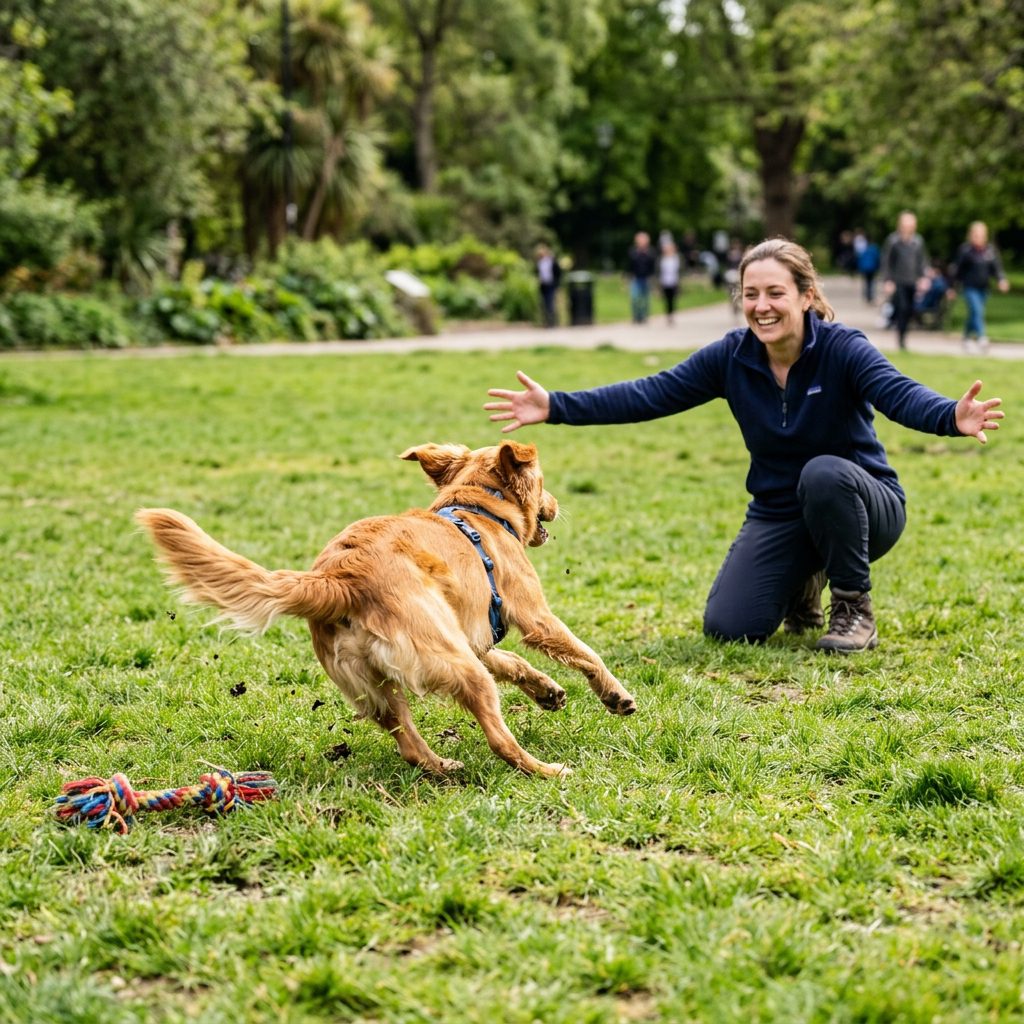
While the ‘Look at That’ game changes your dog’s emotional response to squirrels, you also need solid obedience commands for when a squirrel suddenly drops out of a tree right in front of you. Two commands are absolutely non-negotiable: ‘Leave It’ and ‘Come’ (Recall).
Teaching a Bulletproof ‘Leave It’
The ‘Leave It’ command tells your dog to disengage from whatever they are currently focused on. It is essentially an off-switch for their attention.
- Start Small: Hold a low-value treat in a closed fist. Your dog will sniff, lick, and paw at your hand. Ignore it. The second they pull their nose away, say ‘Yes!’ and reward them with a high-value treat from your other hand.
- Add the Cue: Once they reliably back away from your closed fist, add the words ‘Leave It’ right before you present your fist.
- Open Hand: Progress to having the treat in an open palm, closing it only if they dive for it.
- On the Ground: Place the low-value item on the floor, covering it with your foot if they try to snatch it. Reward them for looking away.
- Moving Targets: Practice ‘Leave It’ with rolling balls or moving toys before ever expecting it to work on a live squirrel.
The Emergency Recall
Your standard ‘come here’ might work in the kitchen, but it will fail against a squirrel. You need an Emergency Recall word (like ‘Touch’, ‘Here’, or a special whistle) that is ONLY used for life-saving situations and always results in a massive jackpot of treats or play.
Practice this on your long line. Let your dog wander. Suddenly shout your emergency word in the most exciting voice possible, and run away from your dog. Running away triggers their instinct to chase YOU. When they catch up, throw a massive party—handfuls of treats, tug-of-war, and lavish praise. Never use this word to call them for something unpleasant (like a bath or leaving the park).
Troubleshooting Common Mistakes When Training Prey Drive
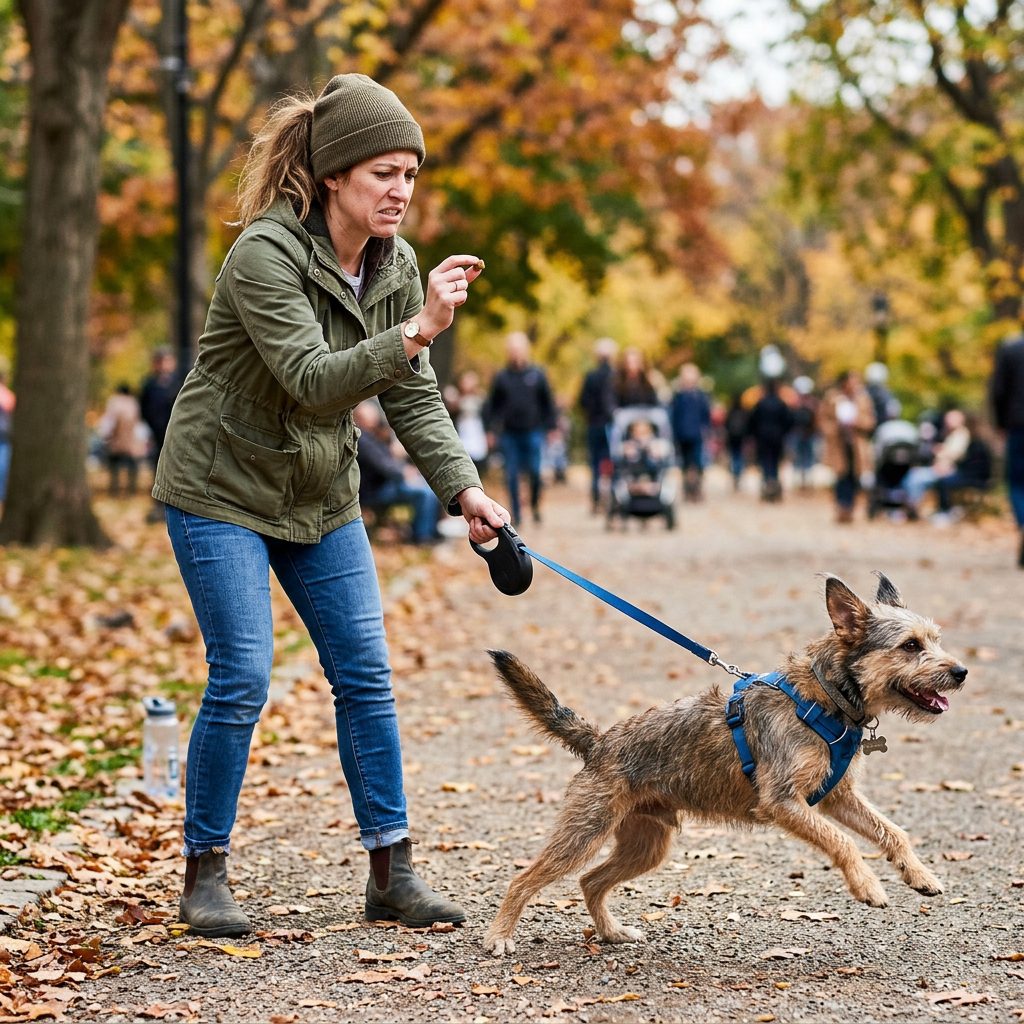
Even the most dedicated and savvy pet parents hit roadblocks when dealing with genetics. If you feel like your training is stalling, evaluate your routine for these common pitfalls.
Common Training Pitfalls
- Mistake 1: Moving Too Fast (Threshold Violations). The most common error is trying to train while the dog is actively lunging. Once your dog is over their emotional threshold, the learning part of their brain completely shuts down. You cannot teach algebra to someone on a roller coaster. Increase your distance from the squirrel until your dog can eat a treat calmly.
- Mistake 2: Low-Value Rewards. If you are using dry kibble to convince a terrier to ignore a rodent, you are bringing a knife to a gunfight. You must use stinky, moist, high-value rewards that your dog rarely gets otherwise.
- Mistake 3: Punishing the Instinct. Yelling, yanking the leash, or using aversives (like shock collars) when the dog sees a squirrel can backfire terribly. The dog may associate the pain or fear not with their lunging, but with the presence of the squirrel itself, turning a prey-drive issue into fear-based reactivity and aggression.
- Mistake 4: Insufficient Physical and Mental Exercise. A bored, under-exercised dog will look for their own entertainment. A squirrel chase is the ultimate thrill. Ensure your puppy is getting adequate breed-specific exercise. Sniffaris (decompression walks on a long line), puzzle toys, and agility training can drain that excess energy so they are calmer on regular walks.
“Patience is your greatest tool. You are literally rewiring millions of years of canine evolution. Celebrate the small victories, like an ear flick in your direction, rather than waiting for perfection.”
Conclusion
Training a puppy with an unstoppable prey drive to ignore squirrels and actually listen to you is not an overnight fix. It is a journey of building trust, enhancing communication, and teaching impulse control. By understanding the predatory sequence, utilizing the right management tools like a front-clip harness and long line, and consistently practicing games like ‘Look at That’ and the Premack Principle, you can reshape your dog’s worldview.
Remember, the goal is to become the most exciting, rewarding thing in your dog’s environment. When you consistently pay out jackpot rewards for their attention, they will eventually realize that while chasing squirrels is fun, hanging out with you is the ultimate prize. Stay patient, keep your sense of humor, and always carry the good treats. Your peaceful, arm-socket-saving morning walks are well within reach!