Homemade Carob Mint ‘Thin Mints’: The Safe and Decadent Chocolate Alternative Your Dog Deserves!
The Great Chocolate Deception and the Carob Solution
Let’s get one thing straight: your dog wants what you’re eating. When Girl Scout cookie season rolls around and you’re crushing a sleeve of Thin Mints, those puppy dog eyes aren’t just looking for attention—they’re looking for a piece of the action. But as any savvy dog owner knows, chocolate is the ultimate enemy. The theobromine in cocoa is a toxic alkaloid that a dog’s metabolism simply can’t handle. It’s a recipe for a vet visit you don’t want and a bill you definitely don’t need.
As the ‘Canine Nutrition Hacker,’ I’ve spent years deconstructing the overpriced ‘gourmet’ treats sold in boutiques. Do you know what I found? Most of them are just wheat flour, sugar, and artificial flavorings wrapped in fancy packaging with a 400% markup. You’re paying for the ribbon, not the nutrition. Today, we’re changing the game. We’re going to hack the iconic ‘Thin Mint’ using carob powder—the naturally sweet, caffeine-free, and 100% dog-safe alternative that actually provides nutritional value. We’re talking about a treat that looks like a luxury item but costs pennies to produce in your own kitchen. Grab your apron; we’re about to expose the secrets of the DIY treat industry.
The Safety Protocol: Why Carob is the Hacker’s Secret Weapon
SAFETY DISCLAIMER
Before we dive into the kitchen, let’s be clear: I am not a veterinarian. While I analyze ingredients with forensic precision, these treats are intended as supplemental snacks, not a replacement for a balanced AAFCO-compliant diet. Always introduce new foods slowly to monitor for allergies. If your dog has specific medical conditions like pancreatitis or diabetes, consult your vet before adding new fats or sugars to their life.
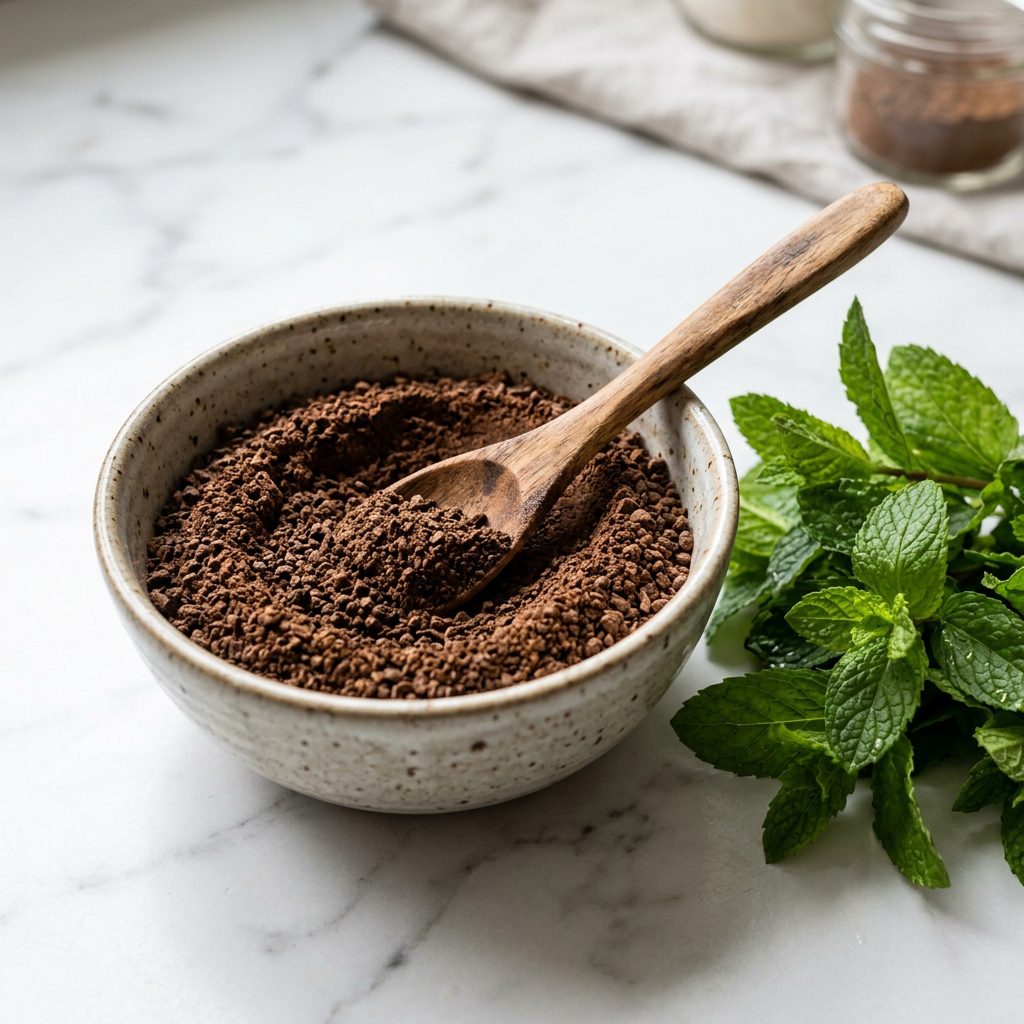
Now, why carob? Unlike chocolate, carob does not contain theobromine or caffeine. It is naturally high in fiber and contains essential minerals like calcium and potassium. In the world of canine nutrition, carob is a ‘hero ingredient’ because it mimics the rich, earthy flavor of chocolate without the heart-racing toxicity. When we pair this with peppermint (which, in small amounts, is excellent for freshening that notorious ‘dog breath’), we create a functional snack that serves a purpose beyond just being a ‘good boy’ reward.
Insider Secret: Most ‘chocolate flavored’ dog treats in big-box stores use ‘synthetic chocolate aroma.’ By using real carob powder, you are providing actual antioxidants and pectin, which helps with digestion.
The Forensic Cost Breakdown: DIY vs. Boutique Brands
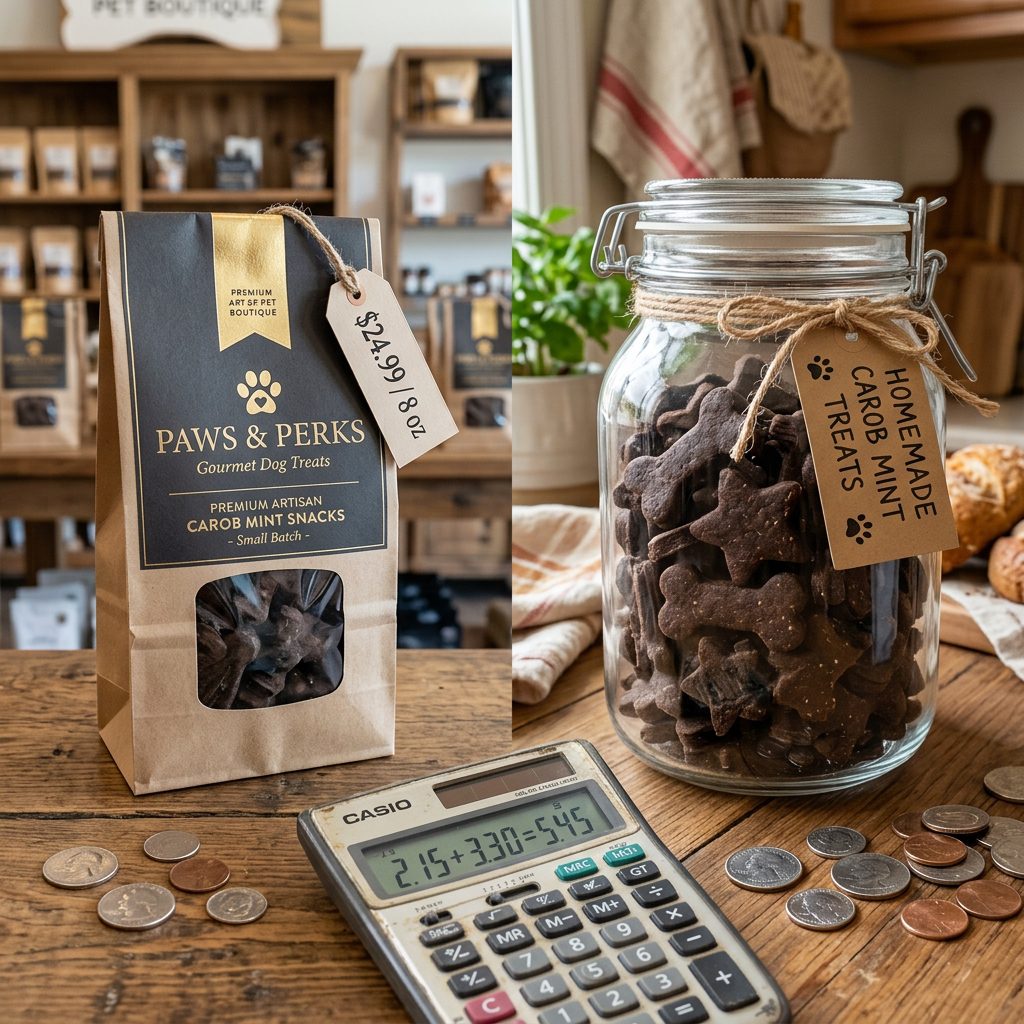
I’ve done the math so you don’t have to. I walked into a high-end pet boutique last week and saw ‘Handcrafted Carob Biscuits’ retailing for $18.50 for a 6-ounce bag. That is highway robbery. When you source your own ingredients in bulk, the cost per treat drops significantly. You aren’t just saving money; you’re controlling the quality of the fats and flours entering your dog’s system.
| Metric | Boutique ‘Gourmet’ Treats | Hacker’s DIY ‘Thin Mints’ |
|---|---|---|
| Price Per Ounce | $3.08 | $0.42 |
| Primary Filler | Wheat Flour / Corn Syrup | Oat Flour (Gluten-Free) |
| Fat Source | Vegetable Oil / Palm Oil | Organic Coconut Oil |
| Preservatives | Potassium Sorbate / BHA | None (Natural Vitamin E) |
| Verdict | Overpriced & Low Quality | Premium Quality & Budget Friendly |
By making these at home, you’re looking at a cost of approximately $0.15 per day for a medium-sized dog, compared to nearly $2.00 per day for the ‘premium’ store-bought equivalent. Over a year, that’s over $600 back in your pocket. That’s money you can spend on high-quality protein for their main meals.
The Ingredient Deep Dive: No Fillers Allowed
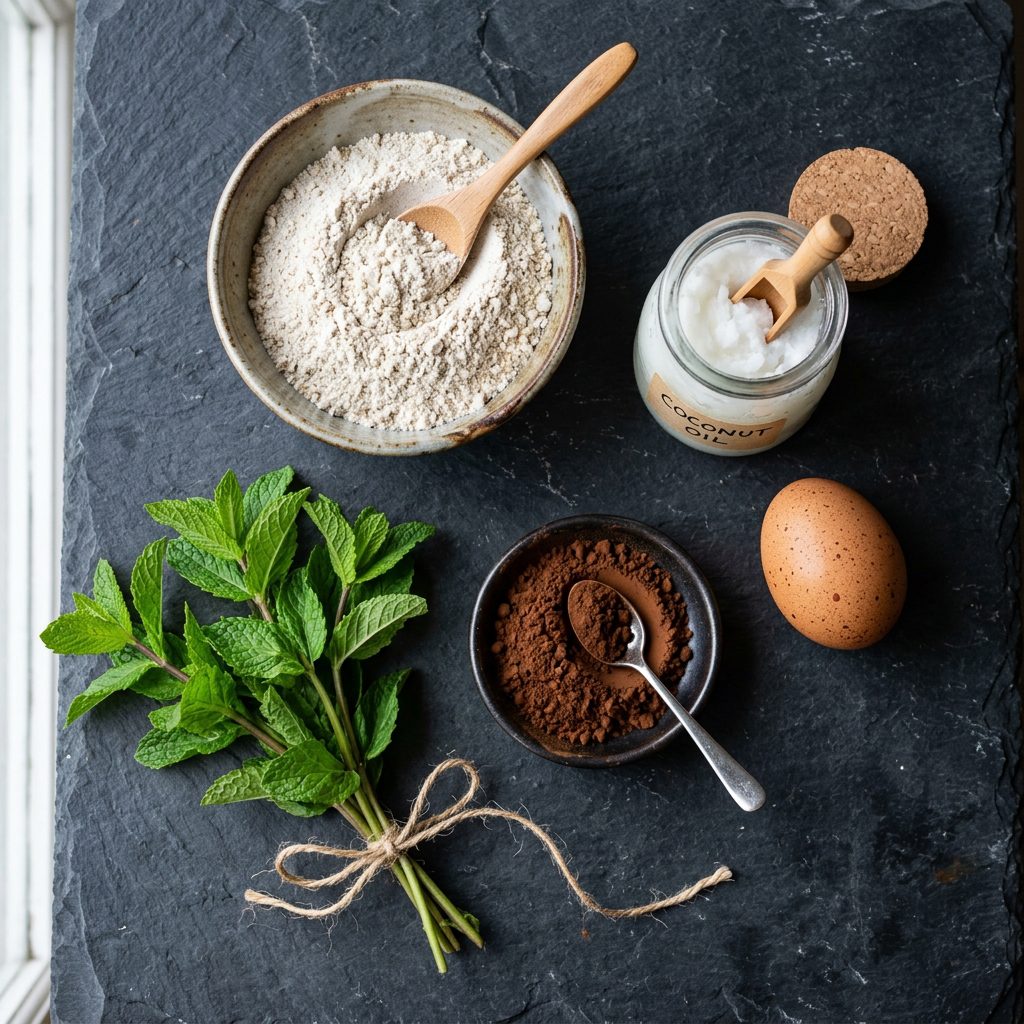
To make a superior treat, we have to look at the ‘First 5 Ingredients’ truth. Most commercial treats lead with grains or sugars. Our DIY recipe focuses on nutrient density.
- Oat Flour: We avoid the ‘corn gluten meal’ and ‘wheat middlings’ found in cheap kibble. Oat flour is easier on the digestive tract and provides a slow-burning energy source.
- Carob Powder: Our star player. It’s a legume that provides a natural sweetness without the glycemic spike of refined sugar.
- Coconut Oil: We use this for the ‘snap’ of the cookie. It’s rich in Medium Chain Triglycerides (MCTs) which support skin, coat, and cognitive function.
- Fresh Mint or Peppermint Extract: A natural breath freshener. Note: Ensure your extract is alcohol-free and does not contain Xylitol (Birch Sugar), which is deadly to dogs.
- Egg: The binder. Provides a boost of high-quality protein and lutein for eye health.
The Hacker Tip: If your dog has a grain sensitivity, you can swap oat flour for chickpea flour. It increases the protein content and lowers the carb count even further. This is the kind of customization you just can’t get from a box at the grocery store.
The Master Recipe: Crafting the ‘Thin Mint’ Protocol
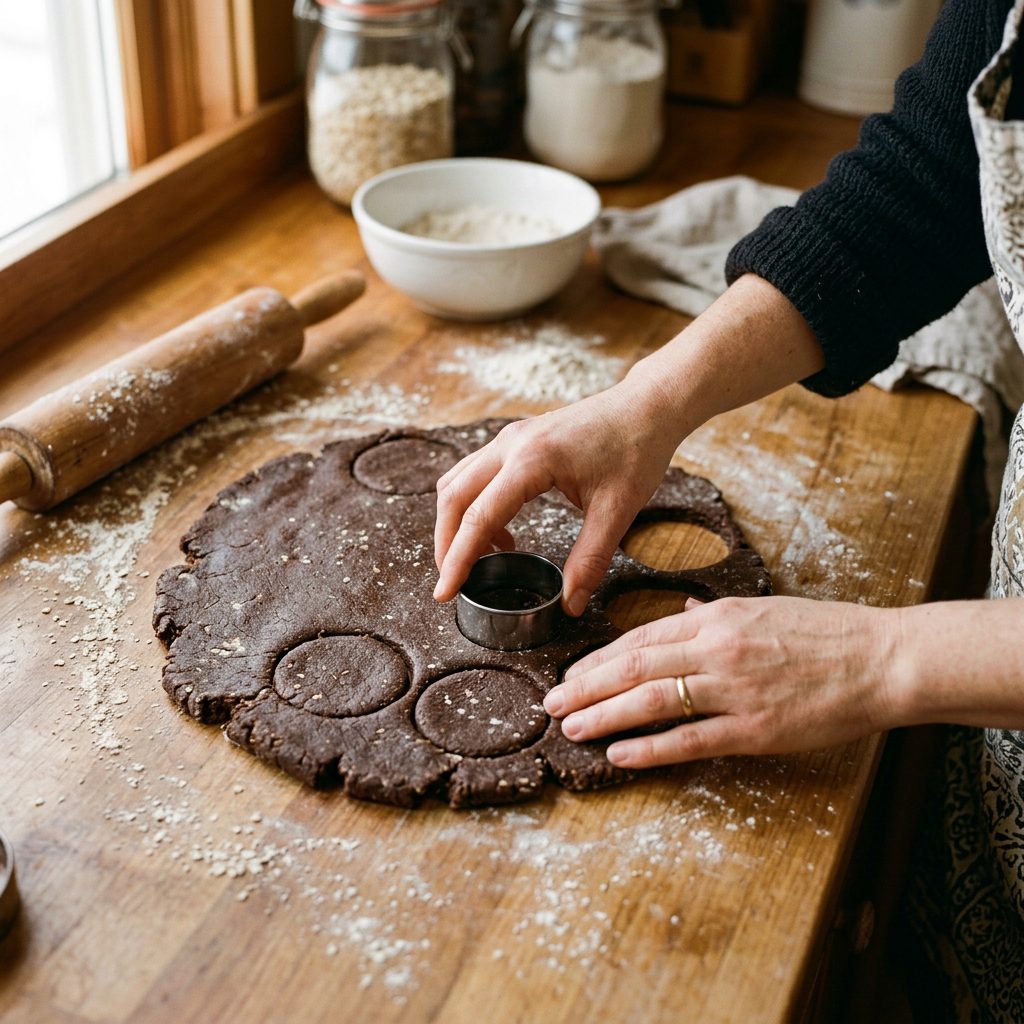
This isn’t just baking; it’s engineering the perfect crunch. Dogs crave texture, and the ‘snap’ of a cookie helps mechanically reduce plaque on their teeth. Follow these ratios for the perfect batch.
The Ratios
- 2 cups Oat Flour (Pulse rolled oats in a blender if you want to save even more money)
- 1/4 cup Carob Powder
- 1/3 cup Melted Coconut Oil
- 1/4 cup Water (add slowly)
- 1 Egg
- 1 tablespoon Finely Chopped Fresh Mint (or 2 drops alcohol-free peppermint oil)
Execution Steps
- Preheat your oven to 350°F (175°C). Line a baking sheet with parchment paper—don’t use non-stick sprays filled with propellants.
- Whisk the flour and carob powder together. Ensure there are no lumps in the carob; it likes to clump.
- In a separate bowl, beat the egg and mix in the coconut oil and mint.
- Combine the wet and dry ingredients. Add water one tablespoon at a time until a stiff dough forms. Hacker Tip: The dough should feel like play-dough. If it’s sticky, add more flour.
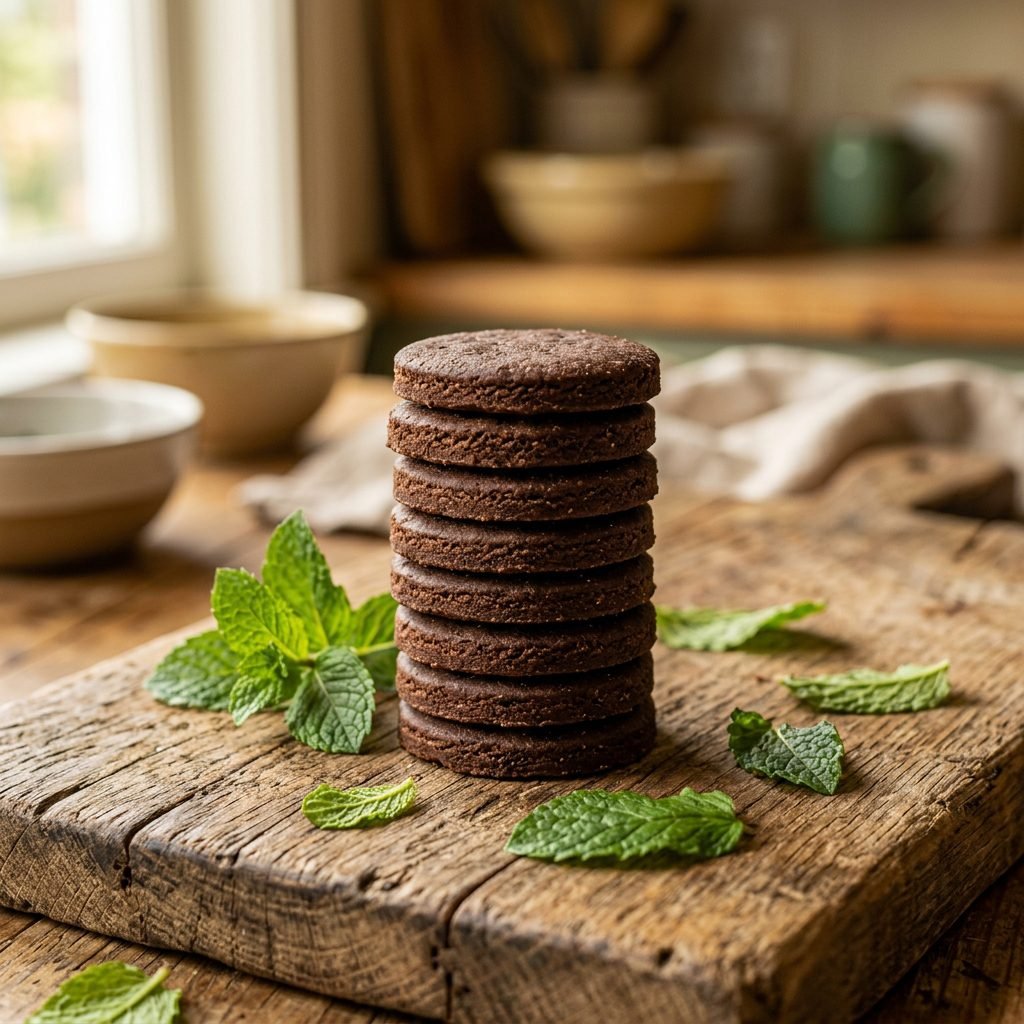
- Roll the dough between two sheets of parchment paper to 1/4 inch thickness. Use a small circular cutter (or a bottle cap!) to create that ‘Thin Mint’ shape.
- Bake for 20-25 minutes. Turn off the oven and let them sit inside for another 10 minutes to reach maximum crispness.
The Hacker’s Storage & Batching Guide
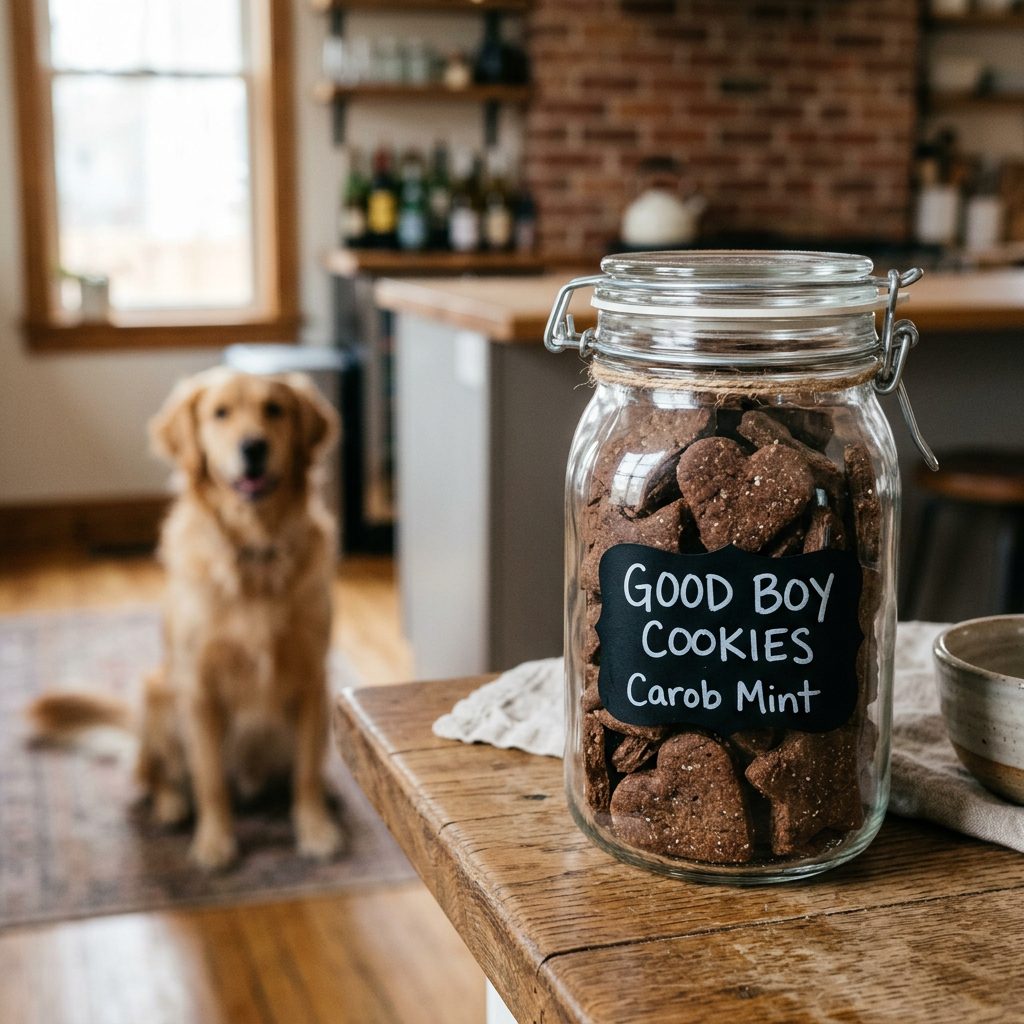
Since we aren’t using chemical preservatives like ethoxyquin (a common preservative in cheap pet foods that I wouldn’t feed to a stray), we need to be smart about storage. These treats have a high fat content from the coconut oil, which can go rancid if left in the sun.
The ‘Deep Freeze’ Strategy
I always recommend double-batching. These treats freeze beautifully. Store the ‘active’ supply in an airtight glass jar on the counter for up to 2 weeks. Keep the rest in a freezer bag for up to 3 months. Feeding a frozen ‘Thin Mint’ on a hot day is a fantastic way to keep your dog occupied and cool.
Hacker Tip: If you want that ‘dipped’ look of a real Thin Mint, melt a extra tablespoon of coconut oil with a teaspoon of carob powder and drizzle it over the cooled treats. Pop them in the fridge to set. It looks professional, and your dog will think they’ve hit the jackpot.
By batch cooking once a month, you reduce your ‘kitchen overhead’ and ensure your dog always has a high-quality reward ready to go. No more emergency trips to the store to buy overpriced junk.
Conclusion
Empower Your Pup’s Palette
You’ve just successfully bypassed the commercial treat industry. You’ve replaced mystery fillers with functional superfoods and saved a significant chunk of change in the process. These Homemade Carob Mint ‘Thin Mints’ aren’t just a snack; they are a testament to your role as a savvy, informed dog owner. You know exactly what’s in the jar, and you know it’s helping—not hurting—your best friend. Remember, nutrition is the foundation of longevity. Every time you choose a whole-food DIY option over a processed store-bought one, you’re adding ‘life miles’ to your dog’s clock. Now, go ahead and give your pup a ‘Thin Mint.’ They’ve earned it, and you’ve earned the peace of mind that comes with being a Canine Nutrition Hacker.