How to Bake Elegant French Cream Puffs Your Dog Can Actually Eat!
Let us talk about a dirty little secret in the pet industry. You have probably walked past one of those high-end dog boutique bakeries. You look in the glass case and see beautiful macarons, cupcakes, and even French cream puffs. They look good enough for you to eat. But as a savvy dog owner, you know better than to just hand over your credit card without reading the fine print.
When you start analyzing the ingredient labels of these so-called ‘gourmet’ treats like a forensic scientist, the illusion shatters. Behind the cute pastel frosting and the premium price tag, you will often find cheap fillers, tapioca syrups, artificial dyes, and preservatives designed to keep those pastries sitting in a display case for months. You are paying a massive premium for aesthetics, while your dog’s digestive system pays the price for the junk ingredients.
Insider Secret: Many commercial dog bakeries use a base of refined wheat flour and sugar substitutes that, while technically ‘safe’ in small doses, offer zero nutritional value and can spike your dog’s blood sugar or trigger yeast overgrowth in allergy-prone dogs.
But what if I told you that you could bake authentic, elegant French cream puffs for your dog right in your own kitchen? What if you could do it using only four simple, wholesome, biologically appropriate ingredients? Welcome to the ultimate canine nutrition hack. Today, we are taking the classic French choux pastry and reverse-engineering it for the canine anatomy. We are going to strip out the refined sugars, ditch the heavy salts, and replace the inflammatory fats with functional, health-boosting alternatives. By the end of this guide, you will be whipping up artisan-level pastries that not only look incredible on your Instagram feed but actually nourish your dog from the inside out. Let us get baking.
The Forensic Breakdown: Store-Bought vs. Homemade Pastries
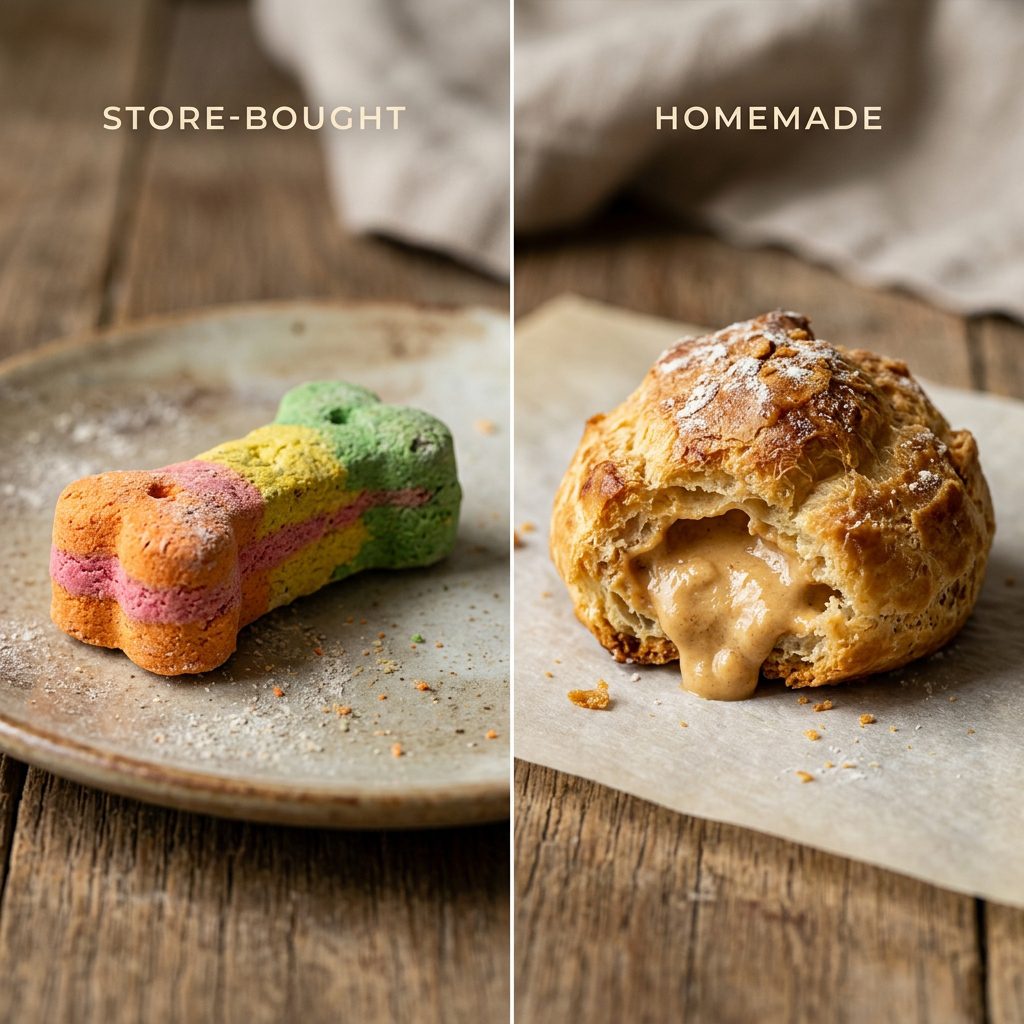
Before we turn on the oven, we need to understand exactly why we are hacking this recipe in the first place. The pet treat industry is a multi-billion dollar machine, and ‘gourmet’ treats are their highest-margin product. They prey on our desire to spoil our dogs, charging exorbitant prices for ingredients that cost pennies.
Let us look at the first five ingredients of a popular boutique dog pastry I recently analyzed: Wheat flour, corn syrup, canola oil, dried egg product, artificial vanilla flavor. Notice anything missing? There is no real, whole-food nutrition there. Corn syrup is an absolute enemy to your dog’s metabolic health, contributing to obesity and systemic inflammation. Canola oil is a highly processed, inflammatory fat. And ‘dried egg product’ is a far cry from the nutrient-dense, bioavailable protein of a fresh egg.
Now, let us compare that to our Canine Nutrition Hacker approach. We are going to use organic oat flour, which is gentle on sensitive stomachs and provides excellent soluble fiber. We are using fresh, whole eggs, packed with essential amino acids. And instead of inflammatory seed oils, we will use a touch of unrefined coconut oil, which contains medium-chain triglycerides (MCTs) that support canine brain health and metabolic function.
The Real Cost Breakdown
Let us look at the numbers. Spoiling your dog shouldn’t mean getting scammed.
| Treat Type | Average Cost | Primary Ingredients | Nutritional Verdict |
|---|---|---|---|
| Boutique ‘Doggy’ Pastries | $12.00 – $18.00 / box | Wheat, Tapioca Syrup, Dyes | Empty Calories / Inflammatory |
| Commercial ‘Gourmet’ Cookies | $8.99 / bag | Corn Flour, Sugar, Preservatives | Filler-Heavy / Low Value |
| Our DIY Cream Puffs | $2.50 / batch | Oat Flour, Eggs, Coconut Oil | Nutrient-Dense / Highly Digestible |
By baking these yourself, you are not only saving a massive amount of money (over $10 saved per batch!), but you are taking 100% control over what goes into your dog’s body. You are trading empty calories for functional nutrition, and that is what being a savvy owner is all about.
Ingredient Deep Dive: Building a Better Puff
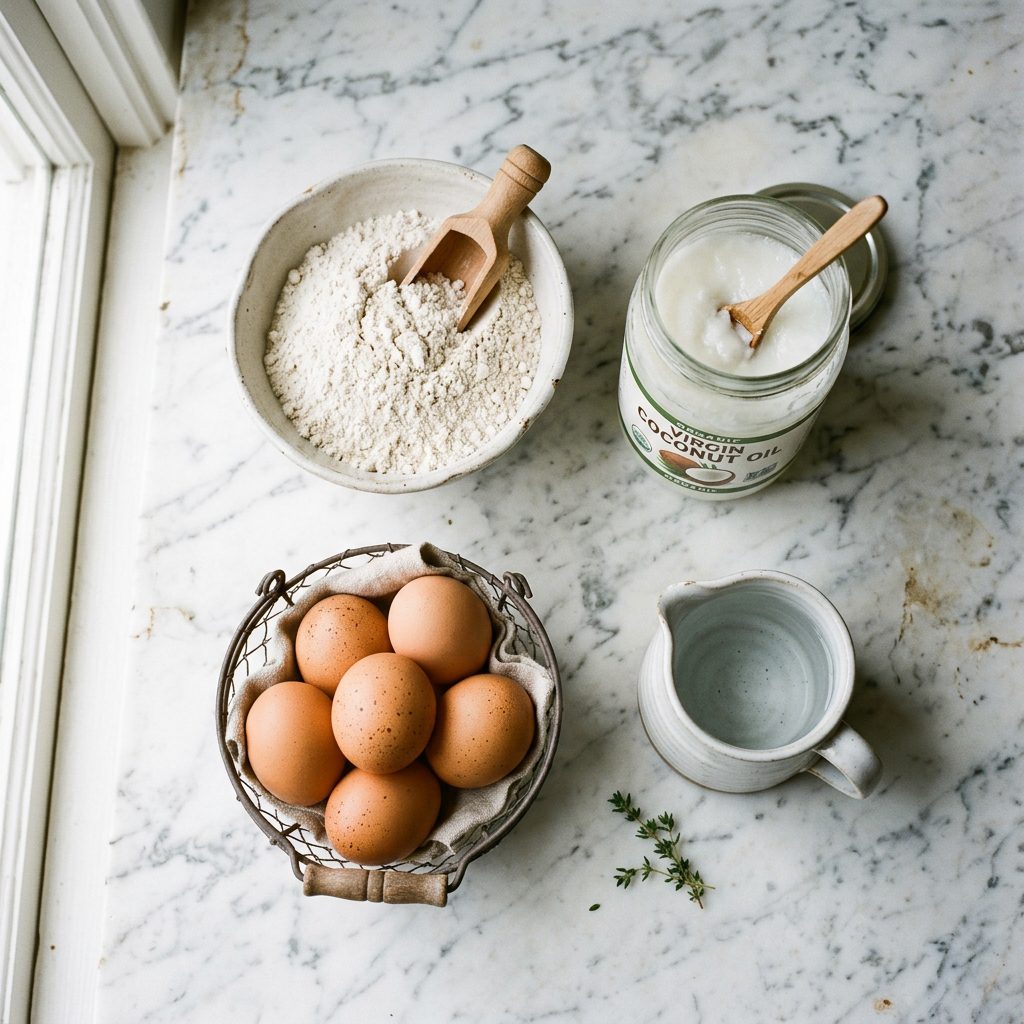
To master the canine cream puff, we have to understand the science of choux pastry. Traditional choux relies on the high moisture content of the dough to create steam in a hot oven, which forces the pastry to puff up, creating a hollow center perfect for filling. It does not use yeast or baking powder. It relies entirely on the mechanical reaction of water, fat, flour, and eggs.
The Flour: Ditching the Wheat
Traditional French baking relies heavily on all-purpose wheat flour. While some dogs tolerate wheat fine, many savvy owners know that modern wheat can be a trigger for skin allergies, itchy paws, and gastrointestinal upset. We are swapping this for Oat Flour. Oats are a fantastic, gluten-free (if certified) alternative that provides beta-glucans for heart health and plenty of fiber to keep your dog’s digestion regular. If you do not have oat flour, you can simply blend rolled oats in a food processor until they form a fine powder.
The Fat: Upgrading to Coconut Oil
A standard choux recipe uses a hefty amount of butter. While a tiny bit of unsalted butter will not harm most dogs, we can do better. We are substituting the butter with unrefined, cold-pressed Coconut Oil. Coconut oil is rich in lauric acid, which has natural antibacterial and antiviral properties. Furthermore, the MCTs in coconut oil provide a rapid source of energy and have been shown to support cognitive function, especially in senior dogs. Note: If your dog has a history of pancreatitis or requires an ultra-low-fat diet, you must consult your vet before adding extra fats, even healthy ones.
The Power of Fresh Eggs
Eggs are the structural backbone of choux pastry. They provide the protein necessary to stretch and hold the steam as the pastry expands in the oven. For dogs, eggs are a superfood. They are considered the gold standard of protein, boasting a biological value of 100, meaning your dog’s body can utilize almost every single amino acid present. They are also packed with lutein for eye health and biotin for a shiny coat.
The Safe Chef Guide: Baking the Canine Choux
SAFETY DISCLAIMER: I am a canine nutrition hacker, not a veterinarian. While these treats are made with dog-safe, healthy ingredients, they are meant for supplemental feeding only. Treats should never make up more than 10% of your dog’s daily caloric intake. Always introduce new foods slowly to monitor for any digestive upset.
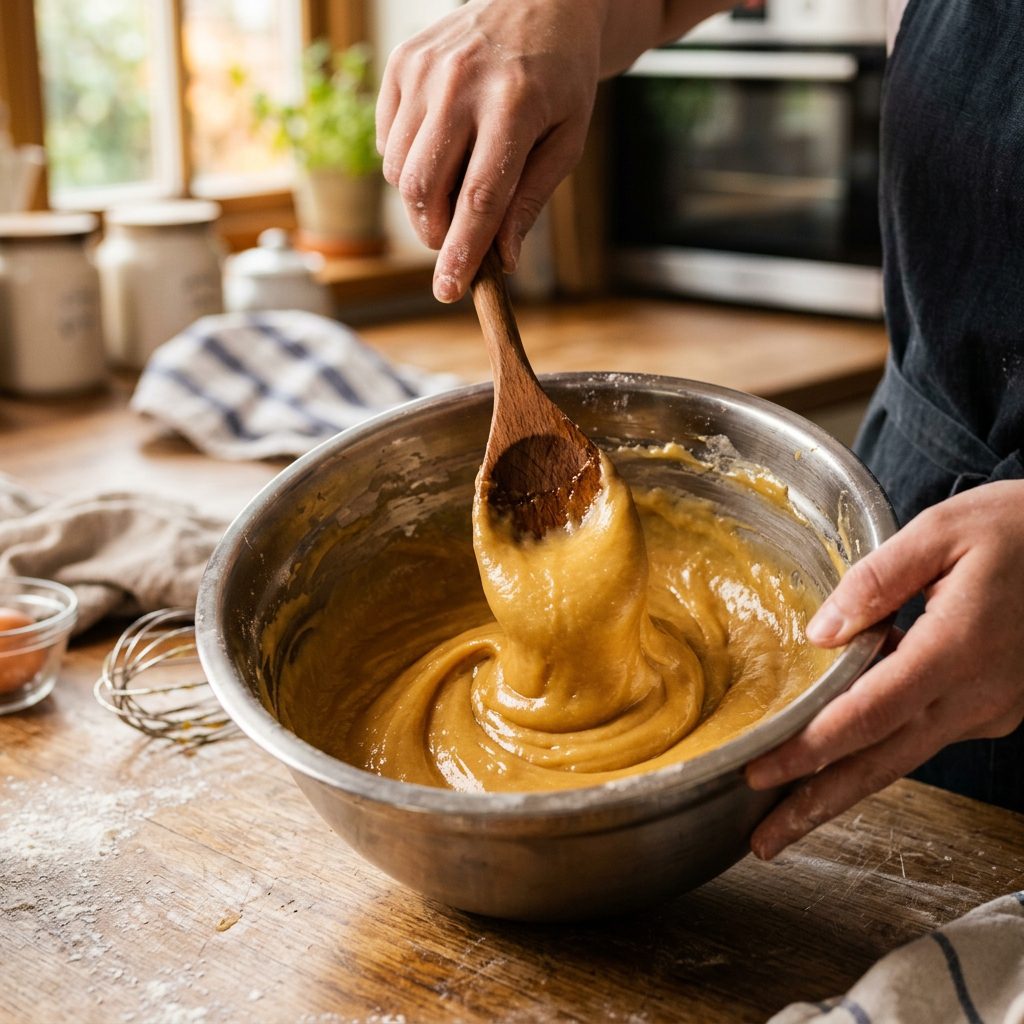
Now that we have sourced our functional ingredients, it is time to bake. The choux method can seem intimidating, but once you understand the rhythm, it is incredibly straightforward. You are essentially making a thick paste on the stove, letting it cool slightly, and then beating in eggs.
The Hacker’s Canine Choux Recipe
- 1/2 cup Water
- 2 tablespoons Unrefined Coconut Oil (or Unsalted Butter)
- 1/2 cup Oat Flour (finely milled)
- 2 Large Eggs (room temperature)
Step-by-Step Instructions
- Preheat and Prep: Preheat your oven to 400 degrees Fahrenheit (200 degrees Celsius). Line a baking sheet with parchment paper. Do not use non-stick sprays, as they often contain unnecessary propellants and soy lecithin.
- The Boil: In a medium saucepan, combine the water and coconut oil. Place over medium-high heat and bring to a rolling boil. It is crucial that the fat is completely melted by the time the water boils.
- The Flour Dump: As soon as the mixture boils, remove the pan from the heat. Dump in the entire 1/2 cup of oat flour all at once. Stir vigorously with a wooden spoon.
- Cooking the Paste: Return the pan to medium-low heat. Continue to stir and mash the dough against the sides of the pan for about 1 to 2 minutes. You are cooking out the raw oat flavor and evaporating excess moisture. The dough should form a smooth ball and leave a slight film on the bottom of the pan.
- Cooling: Transfer the dough ball to a mixing bowl. Let it sit for 5 to 10 minutes. This is a critical step! If you add the eggs while the dough is too hot, you will scramble them, and your puffs will not rise.
- The Egg Emulsion: Once the dough has cooled (it should be warm to the touch, not hot), add the first egg. Beat vigorously with a wooden spoon or a hand mixer. The dough will separate and look clumpy at first—do not panic, this is normal. Keep beating until it comes back together into a smooth, thick paste. Add the second egg and repeat the process. The final batter should be smooth, glossy, and slowly fall from the spoon in a ‘V’ shape.
- Piping: Transfer the batter to a piping bag (or a ziplock bag with the corner snipped off). Pipe small, walnut-sized mounds onto your prepared baking sheet, leaving about two inches of space between them. Use a wet fingertip to gently press down any pointy peaks on top so they do not burn.
- The Bake: Bake at 400 degrees Fahrenheit for 15 minutes. Then, without opening the oven door, reduce the temperature to 350 degrees Fahrenheit (175 degrees Celsius) and bake for another 10 to 15 minutes until they are deeply golden brown and feel hollow when tapped. Opening the door too early will let the steam escape, and your puffs will collapse!
- Cooling: Remove from the oven and immediately poke a tiny hole in the side of each puff with a toothpick to let the remaining steam escape. Let them cool completely on a wire rack before filling.
Elevating the Puff: Functional, Health-Boosting Fillings
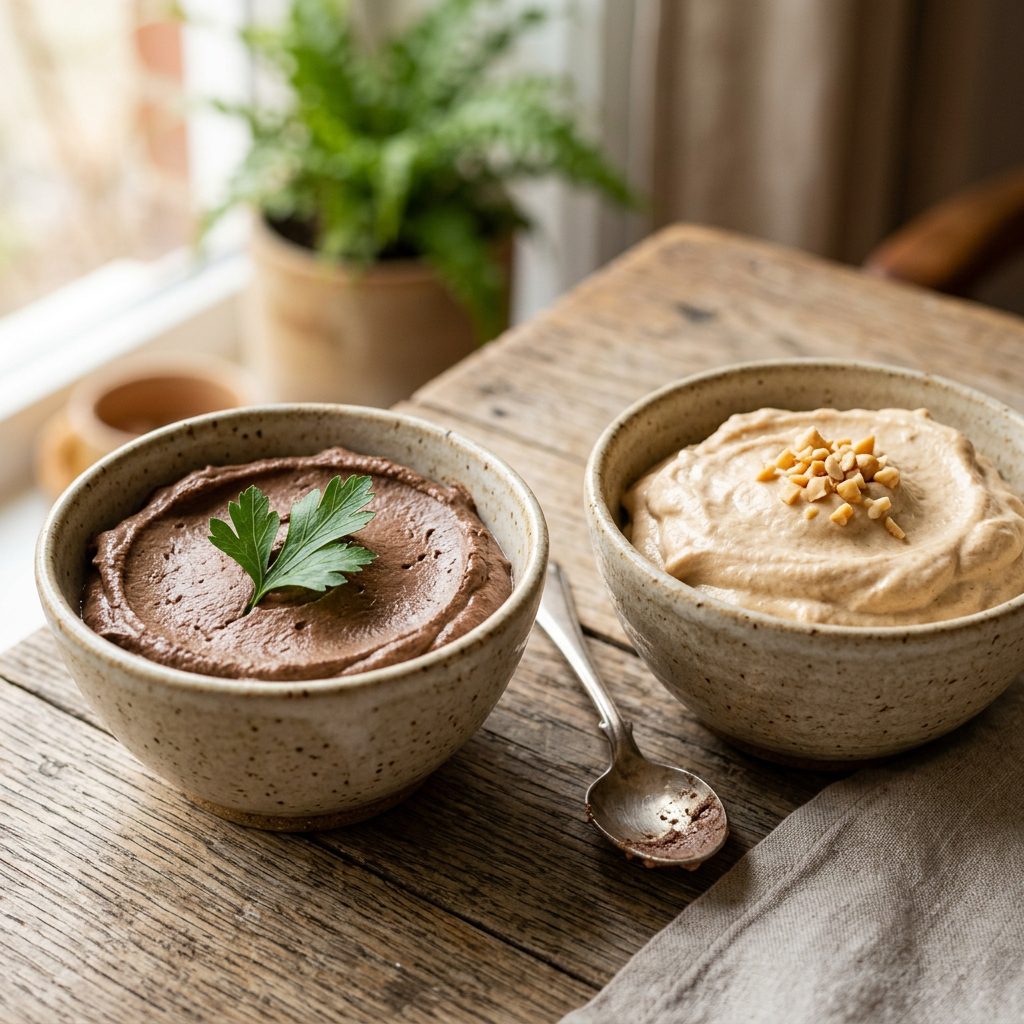
A cream puff is only as good as its filling. While humans use heavy whipped cream and pastry cream loaded with sugar, we are going to use this hollow pastry shell as a delivery system for functional superfoods. We have two main routes here: Savory and Sweet. Both are designed to provide specific health benefits for your dog.
Option 1: The Iron-Rich Liver Mousse (Savory)
If you have a picky eater or a highly active working dog, this savory filling is the ultimate high-value reward. Chicken liver is one of the most nutrient-dense foods on the planet, packed with Vitamin A, iron, copper, and B vitamins.
- 1/2 cup boiled or baked chicken livers (completely plain, no salt or onions)
- 2 tablespoons plain, unsweetened kefir or dog-safe bone broth
- A pinch of dried parsley (great for fresh breath)
Method: Place the cooked chicken livers, kefir (or bone broth), and parsley into a food processor. Blend until completely smooth and airy. If it is too thick, add a tiny bit more liquid. Transfer to a piping bag and pipe into the cooled choux shells.
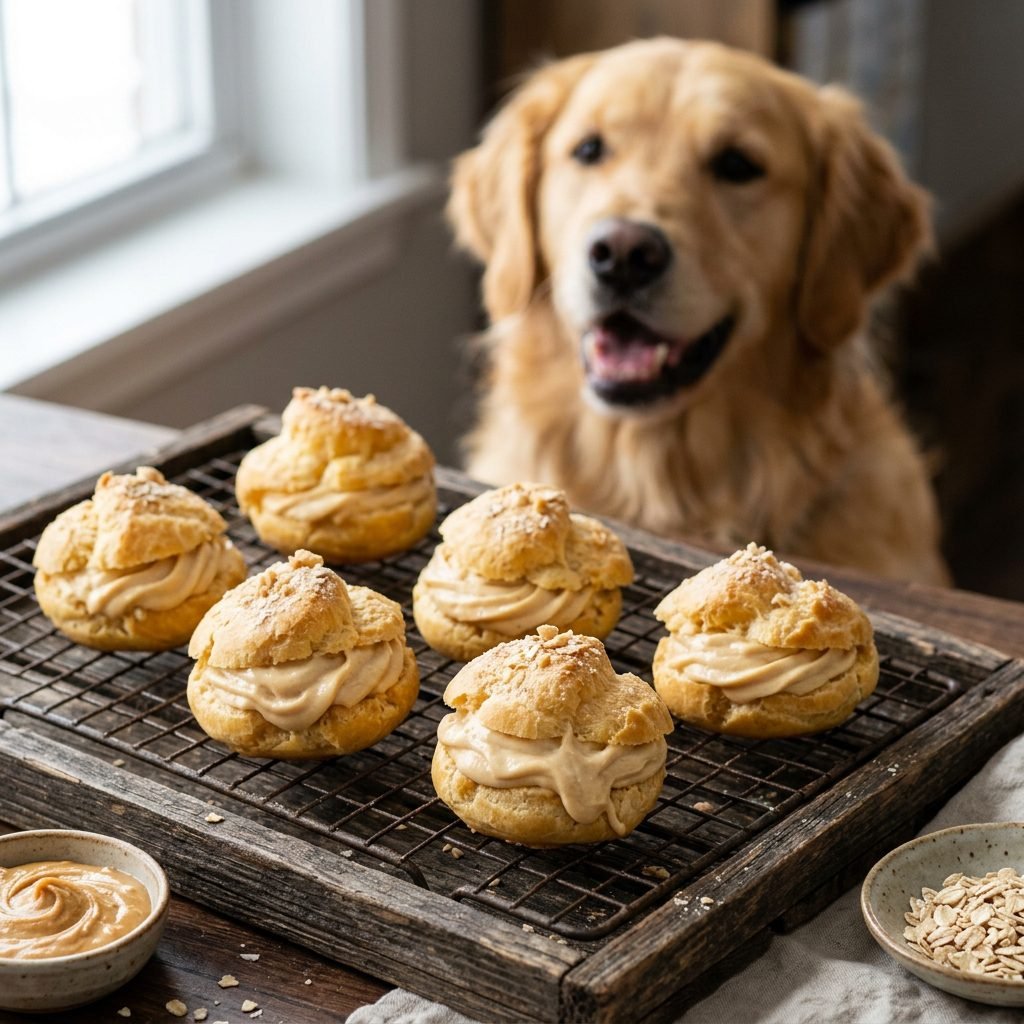
Option 2: The Probiotic Peanut Butter Whip (Sweet)
For a classic ‘dessert’ feel, we are utilizing the gut-healing power of Greek yogurt. Plain, unsweetened Greek yogurt is low in lactose and high in probiotics, which support a healthy canine microbiome.
- 1/2 cup Plain, Unsweetened Greek Yogurt (Make sure there is NO xylitol or artificial sweeteners)
- 2 tablespoons Natural Peanut Butter (Ingredients should be just peanuts, NO xylitol)
- 1/4 teaspoon Ceylon Cinnamon (helps regulate blood sugar)
Method: In a mixing bowl, aggressively whisk the Greek yogurt, natural peanut butter, and Ceylon cinnamon together until it forms a thick, mousse-like consistency. Pipe into the cooled shells. Warning: Always double-check your peanut butter label. Xylitol (sometimes labeled as birch sugar) is highly toxic to dogs.
Troubleshooting Your Bake: The Hacker’s Guide to Perfect Choux
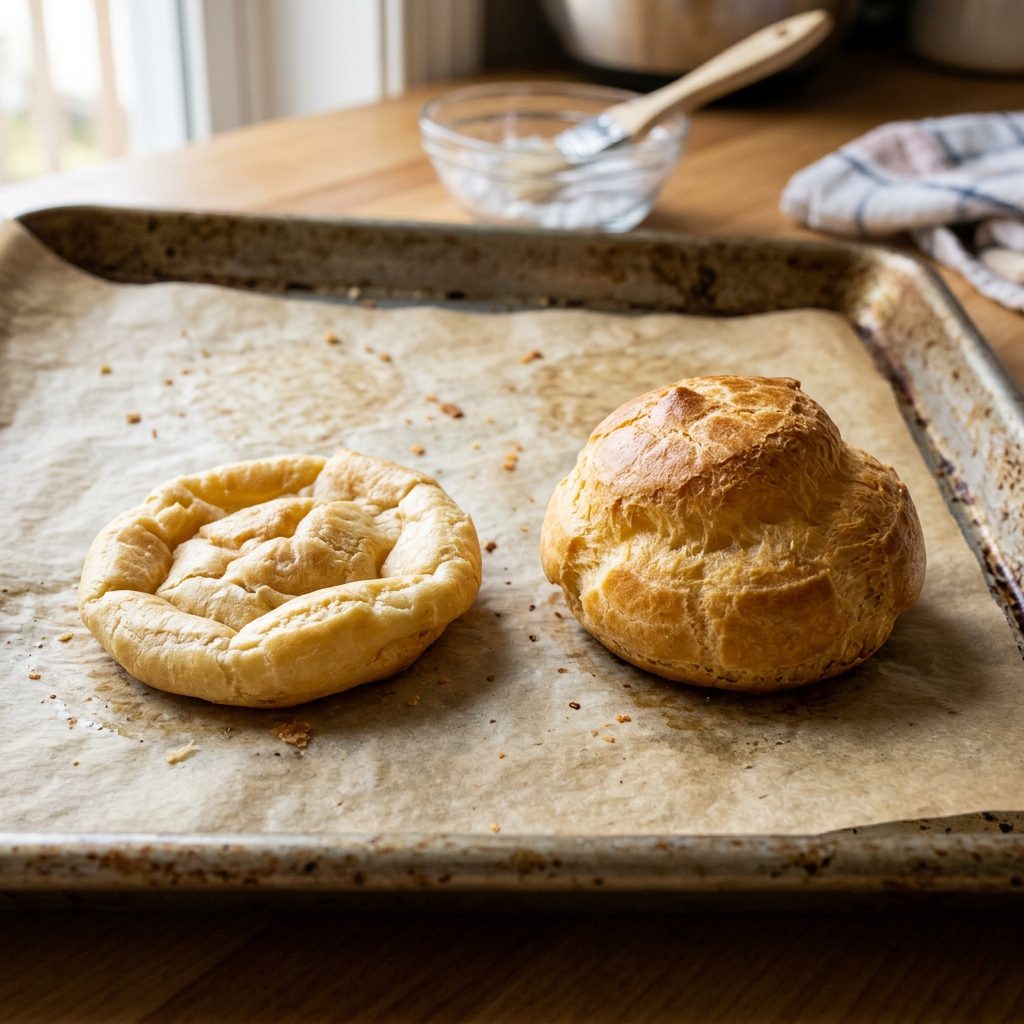
Even the best canine nutrition hackers run into trouble in the kitchen sometimes. Choux pastry is a science, and if one variable is off, the results can be less than stellar. If your dog’s cream puffs did not turn out perfectly, do not throw them away—your dog will still happily eat the ‘mistakes’! But for next time, here is how to troubleshoot the most common issues.
Problem: The Puffs Collapsed and Went Flat
This is the most common issue, and it almost always comes down to moisture. Either your batter was too wet before it went into the oven, or you opened the oven door too early. Remember, steam is the only thing lifting these pastries. If you open the door, the temperature drops, the steam escapes, and the structure collapses before the egg proteins have fully set. Always wait until the final 5 minutes of baking to even think about peeking.
Problem: The Batter Was Too Runny to Pipe
If your batter looks like soup rather than a thick, glossy paste, you likely did not cook enough moisture out of the dough during the stovetop phase. You must aggressively stir the dough over the heat until it forms a tight ball. Additionally, egg sizes vary. If you are using jumbo eggs instead of large eggs, you may have added too much liquid. Next time, whisk your second egg in a separate bowl and add it little by little until you reach the perfect ‘V’ shape consistency dropping from the spoon.
Problem: They Are Soggy Inside
If the outside is brown but the inside is wet and doughy, they simply did not bake long enough. Every oven runs differently. Next time, leave them in for an extra 3 to 5 minutes. Also, do not forget the crucial step of poking a small hole in the side of each puff the second they come out of the oven. This allows the trapped steam to escape, preventing the interior from getting soggy as they cool.
Batch Cooking, Storage, and Smart Portioning
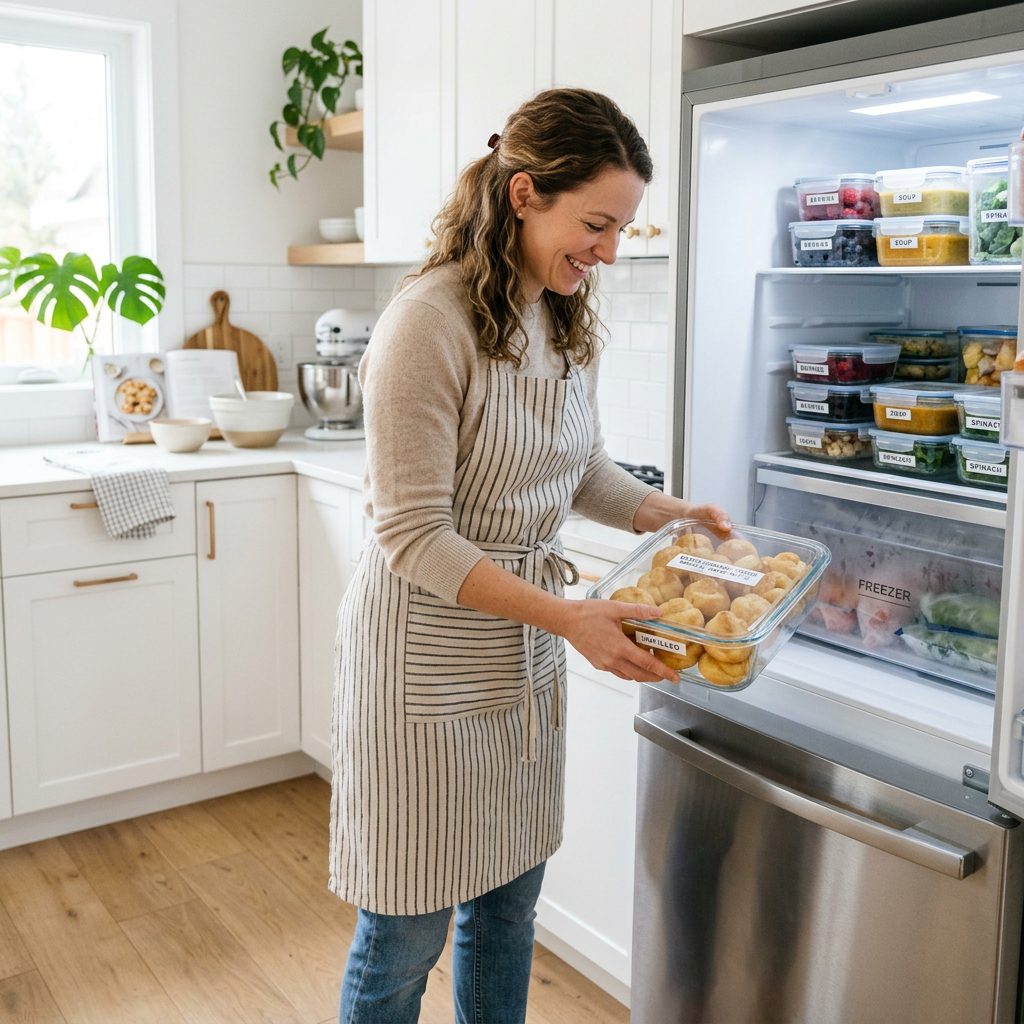
As savvy owners, we value our time just as much as our money. You do not want to be baking fresh cream puffs every single day. The beauty of choux pastry is that it freezes exceptionally well, making it perfect for batch cooking.
The Freezing Strategy
Do not freeze the puffs after they are filled. The moisture from the yogurt or liver mousse will make the pastry soggy and unappetizing (even for a dog). Instead, follow these steps:
- Bake the choux shells completely and let them cool perfectly to room temperature.
- Place the unfilled shells in a single layer in an airtight, freezer-safe container or a heavy-duty silicone freezer bag.
- They will stay fresh in the freezer for up to 3 months.
- When you are ready to treat your dog, pull out a shell and let it thaw on the counter for 15 minutes. They thaw incredibly fast because they are hollow.
- Whip up a quick fresh filling, pipe it in, and serve!
Calculating the 10% Treat Rule
Even though these cream puffs are made with healthy, functional ingredients, they still contain calories. To maintain your dog’s ideal body condition score, treats must be factored into their daily caloric intake. An average unfilled oat flour cream puff from this recipe contains roughly 25-30 calories. The filling will add more.
For a small 10lb toy breed, half of one filled cream puff might be their entire treat allowance for the day. For a 50lb working breed, two filled cream puffs could easily fit into their daily macros. Always monitor your dog’s weight and adjust their main meals slightly if you are feeding rich, high-value treats like these.
Conclusion
Taking control of your dog’s nutrition does not mean you have to deprive them of joy, and it certainly does not mean you have to rely on overpriced, filler-laden boutique bakeries. By understanding the science of ingredients and applying a little culinary hacking, you can create elegant, deeply nutritious treats right in your own home. These dog-safe French cream puffs are a testament to the fact that whole foods, simple preparation, and a lot of love are always superior to commercial processing.
So preheat that oven, grab your oat flour, and get baking. Your dog’s tail wags will be all the proof you need that you have mastered the art of canine pastry. Do not forget to snap a photo of your elegant creations before your dog devours them, and share your baking success with your fellow savvy owners!