Stop the Scoot! This Simple High-Fiber Treat Works Miracle Wonders on Your Dog’s Digestion!
Listen up, savvy dog owners. The Canine Nutrition Hacker is back, and today we are tackling one of the most dreaded, cringe-worthy behaviors in the canine kingdom: the dreaded scoot. You know exactly what I am talking about. You are sitting in your living room, enjoying a peaceful evening, maybe hosting some guests, and suddenly your dog drops their hindquarters to the floor and starts dragging their rear end across your expensive Persian rug. It is embarrassing, it is messy, and more importantly, it is a massive red flag that something is fundamentally wrong with your dog’s digestion.
Before we dive into the ultimate hack to fix this issue, let me drop a quick Medical Disclaimer: I am your resident Canine Nutrition Hacker, a street-smart dog owner who analyzes ingredient labels like a forensic scientist, but I am not a veterinarian. If your dog is in severe pain, bleeding, or if the scooting is accompanied by lethargy or vomiting, get them to a vet immediately. What we are discussing today is the nutritional root cause of everyday scooting and how to fix it with food.
Most dog owners panic when they see the scoot. They rush to the vet, pay a hefty fee for an anal gland expression, and go home thinking the problem is solved. But guess what? A month later, the scoot is back. Why? Because manual expression is a band-aid, not a cure. The real culprit is sitting right there in your dog’s food bowl. The commercial pet food industry has normalized highly processed, low-fiber diets filled with cheap fillers that result in soft, mushy stools. And soft stools are the enemy of healthy anal glands. Today, I am going to expose the filler ingredients causing this nightmare and give you my absolute best, budget-friendly, high-fiber miracle treat recipe that will firm up those stools, naturally express those glands, and stop the scoot for good. Let us get hacking.
The Dirty Truth About Scooting and Your Dog’s Digestion
To understand how to stop the scoot, we first need to understand the mechanics of your dog’s rear end. Dogs have two small sacs located at the 4 o’clock and 8 o’clock positions around their anus, known as the anal glands. In the wild, these glands secrete a foul-smelling fluid that acts as a territorial marker every time a dog defecates. But here is the catch: these glands are designed to be expressed naturally by the mechanical pressure of a firm, healthy stool passing through the anal canal.
The Problem with Modern Dog Food
When your dog eats a diet full of highly processed carbohydrates and low-quality proteins, their stool becomes soft, loose, or unstructured. A mushy stool simply does not provide enough outward pressure to empty the anal glands. Over time, the fluid inside these glands builds up, thickens, and becomes incredibly uncomfortable, leading to itching, inflammation, and—you guessed it—the scoot.
Exposing the Enemy Ingredients
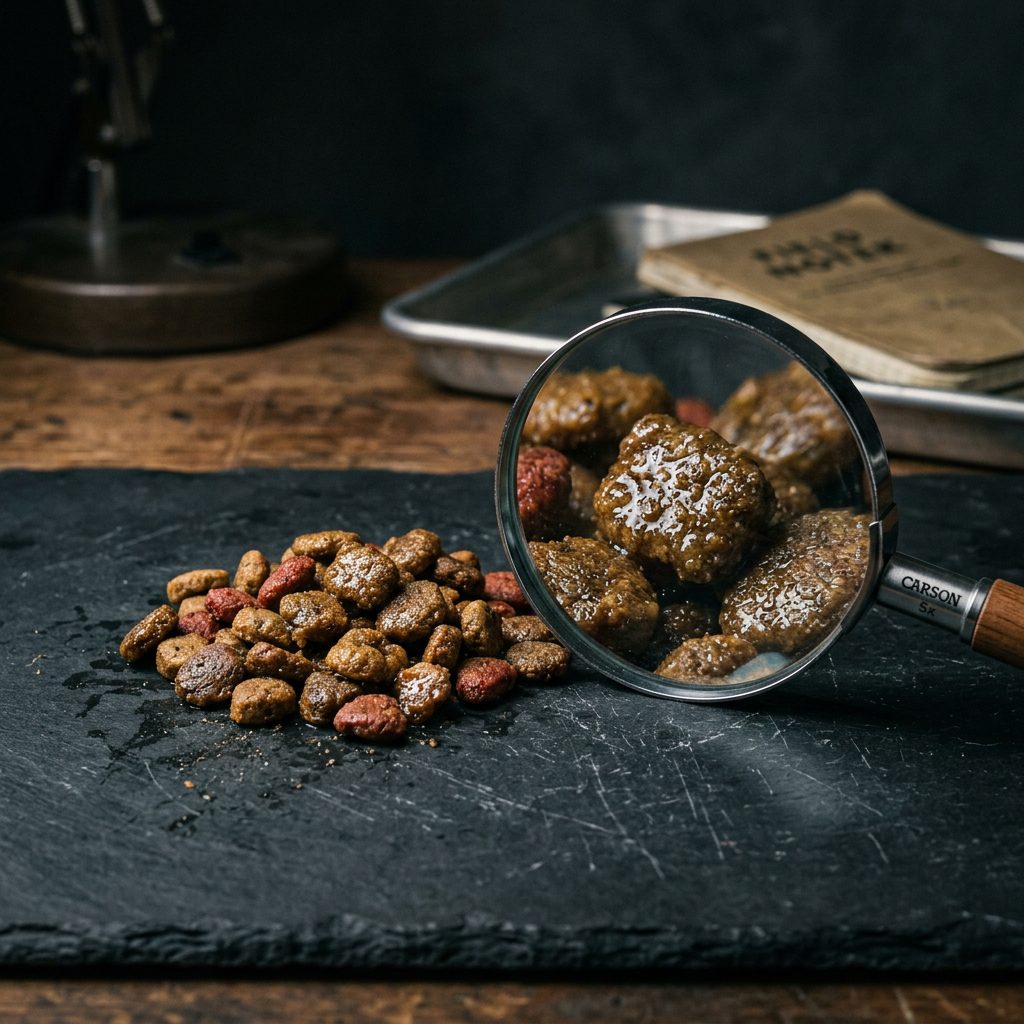
As a forensic ingredient reader, I can tell you that the pet food industry is notorious for using ingredients that wreck your dog’s gut microbiome and stool consistency. Let us look at the Enemy Ingredients you need to avoid if your dog is a chronic scooter:
- Corn Gluten Meal and Wheat Midlings: These are cheap, low-grade fillers. They bulk up the food without providing the right kind of structural dietary fiber, leading to massive, soft stools.
- Carrageenan: Often found in wet dog foods, this additive is used as a thickener but is heavily linked to gastrointestinal inflammation and loose stools in sensitive dogs.
- Low-Quality Meat By-Products: When a label just says ‘meat by-products’ without specifying the animal, you are getting highly variable protein sources that are difficult for your dog to digest, resulting in poor stool formation.
- Excessive Fat Content: While healthy fats are essential, a diet that is too high in rendered animal fats can cause greasy, soft stools that completely fail to express the anal glands.
If you look at the back of your dog’s food bag and see these ingredients in the first five slots, you have found the smoking gun. We need to pivot away from these gut-wreckers and introduce ingredients that actually support a healthy, firm stool.
Hero Ingredients: Fiber to the Rescue
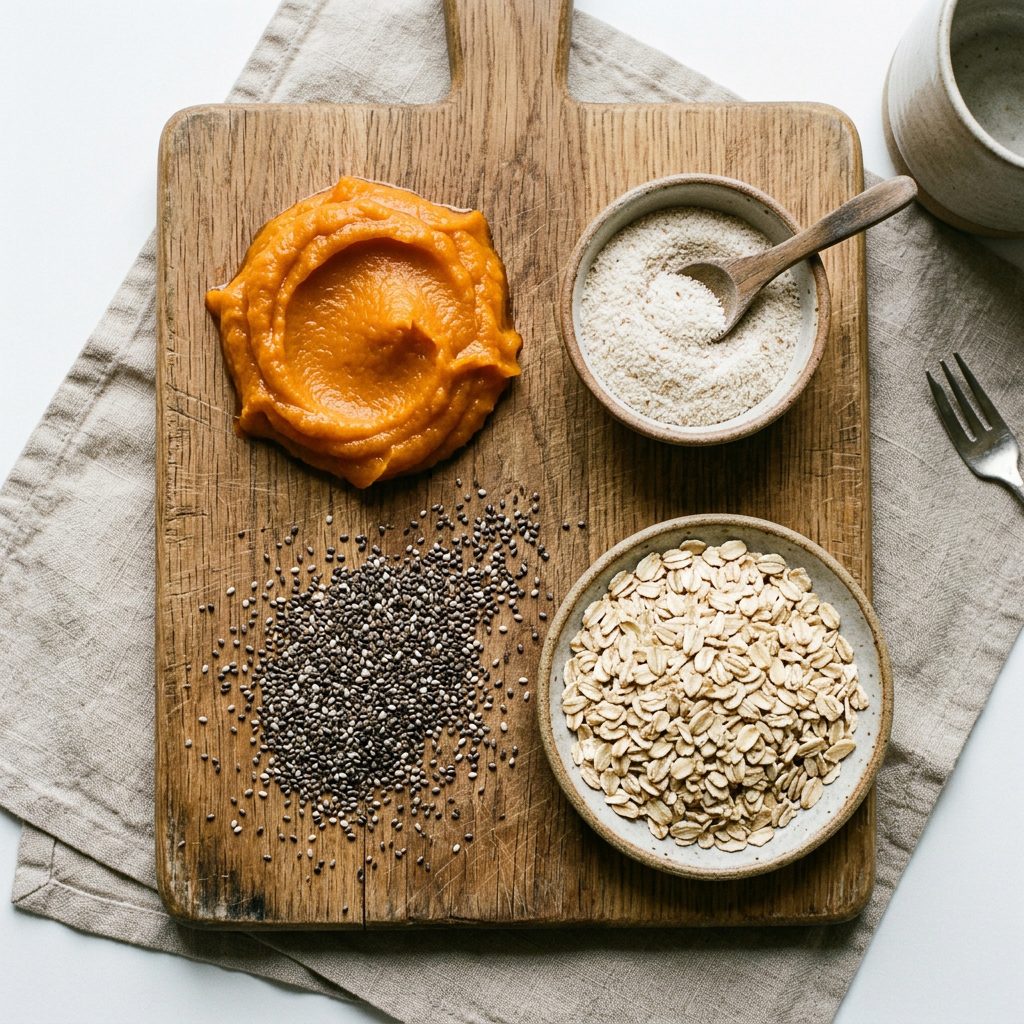
Now that we know what is causing the problem, let us talk solutions. The secret to stopping the scoot is not a magical pharmaceutical; it is structural dietary fiber. But not all fiber is created equal. We need a specific balance of soluble and insoluble fiber to create the perfect stool—one that is bulky enough to press against the anal glands, but soft enough to pass comfortably. Let us break down the Hero Ingredients that will make up our miracle treat.
100% Pure Pumpkin Puree
Pumpkin is the holy grail of canine digestion. It is rich in soluble fiber, which absorbs excess water in the digestive tract. If your dog has soft stools, the soluble fiber in pumpkin will soak up that moisture and add bulk to the stool. It is also packed with essential vitamins like Vitamin A, C, and E, as well as potassium.
Hacker Tip: Always double-check your canned pumpkin label. You want 100% pure pumpkin puree, absolutely NOT pumpkin pie filling, which is loaded with toxic spices like nutmeg and dangerous amounts of sugar.
Psyllium Husk Powder
If pumpkin is the holy grail, psyllium husk is the heavy artillery. Psyllium is a form of fiber made from the husks of the Plantago ovata plant’s seeds. It is highly mucilaginous, meaning it forms a gel-like substance when mixed with water. This helps to bind the stool together, creating a perfectly formed, firm log that acts like a squeegee on your dog’s anal glands as it passes. It is incredibly effective, but it must be used correctly with plenty of water.
Chia Seeds
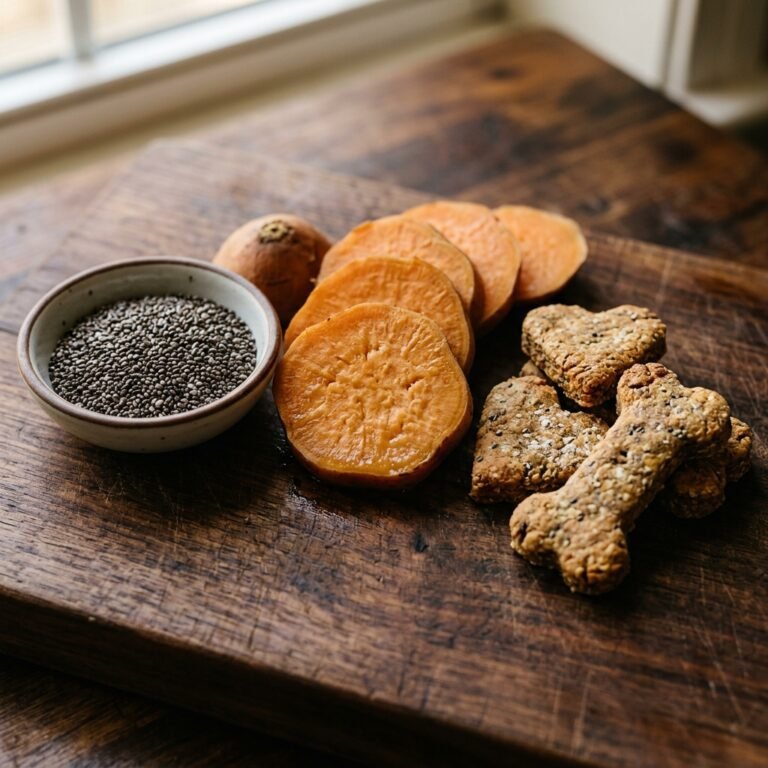
Chia seeds are tiny nutritional powerhouses. Not only do they provide an excellent source of insoluble fiber (which adds sweep-out bulk to the stool), but they are also packed with Omega-3 fatty acids. These fatty acids are crucial for reducing inflammation in the gut and the anal glands themselves. Unlike flaxseeds, chia seeds do not need to be ground up for your dog to absorb their nutrients.
Rolled Oats
Plain, unflavored rolled oats provide a fantastic, gentle source of complex carbohydrates and additional fiber. They help to bind our miracle treats together without relying on cheap, inflammatory wheat flours. They are soothing to the gastrointestinal tract and provide sustained energy.
The ‘Stop the Scoot’ Miracle Treat Recipe
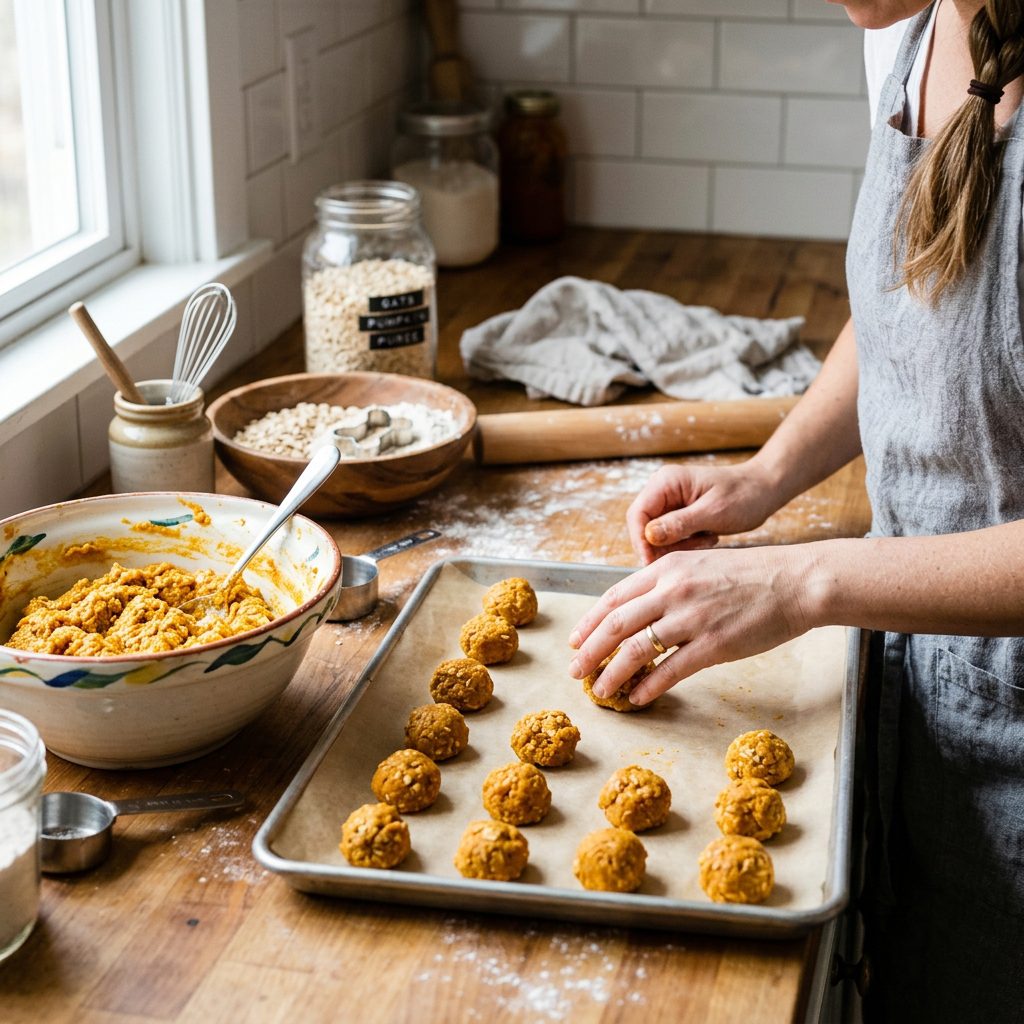
Alright, it is time to put on your Safe Chef hat. We are going to bypass the overpriced, heavily marketed ‘gland supplements’ at the pet store and make our own highly effective, all-natural treats right in your kitchen. This recipe is designed to be simple, affordable, and incredibly powerful for firming up stools.
Ingredients You Will Need:
- 1 cup of 100% Pure Pumpkin Puree (No sugar, no spices)
- 1/2 cup of plain, unsweetened Applesauce (adds a touch of sweetness and pectin, another great fiber)
- 1/4 cup of Psyllium Husk Powder (Make sure it is unflavored and unsweetened)
- 2 tablespoons of Chia Seeds
- 1 and 1/2 cups of plain Rolled Oats (not instant oatmeal)
- 1/4 cup of high-quality, low-sodium Bone Broth (make sure it contains NO onions or garlic)
Step-by-Step Instructions:
- Preheat and Prep: Preheat your oven to 350 degrees Fahrenheit (175 degrees Celsius). Line a large baking sheet with parchment paper. Do not use non-stick sprays, as they add unnecessary fats that we are trying to avoid.
- Mix the Wet Ingredients: In a large mixing bowl, combine the pure pumpkin puree, unsweetened applesauce, and the bone broth. Whisk them together until you have a smooth, vibrant orange mixture.
- Activate the Chia and Psyllium: Sprinkle the chia seeds and psyllium husk powder into the wet mixture. Stir thoroughly and let the bowl sit for about 10 minutes. Hacker Tip: This resting period is crucial. It allows the psyllium and chia to absorb the moisture and create a gel, which is exactly what it will do in your dog’s gut to form perfect stools.
- Incorporate the Oats: Once the mixture has thickened into a gel-like consistency, fold in the rolled oats. Mix until a thick, workable dough forms. If the dough feels too sticky, add another tablespoon of oats. If it is too crumbly, add a splash of bone broth.
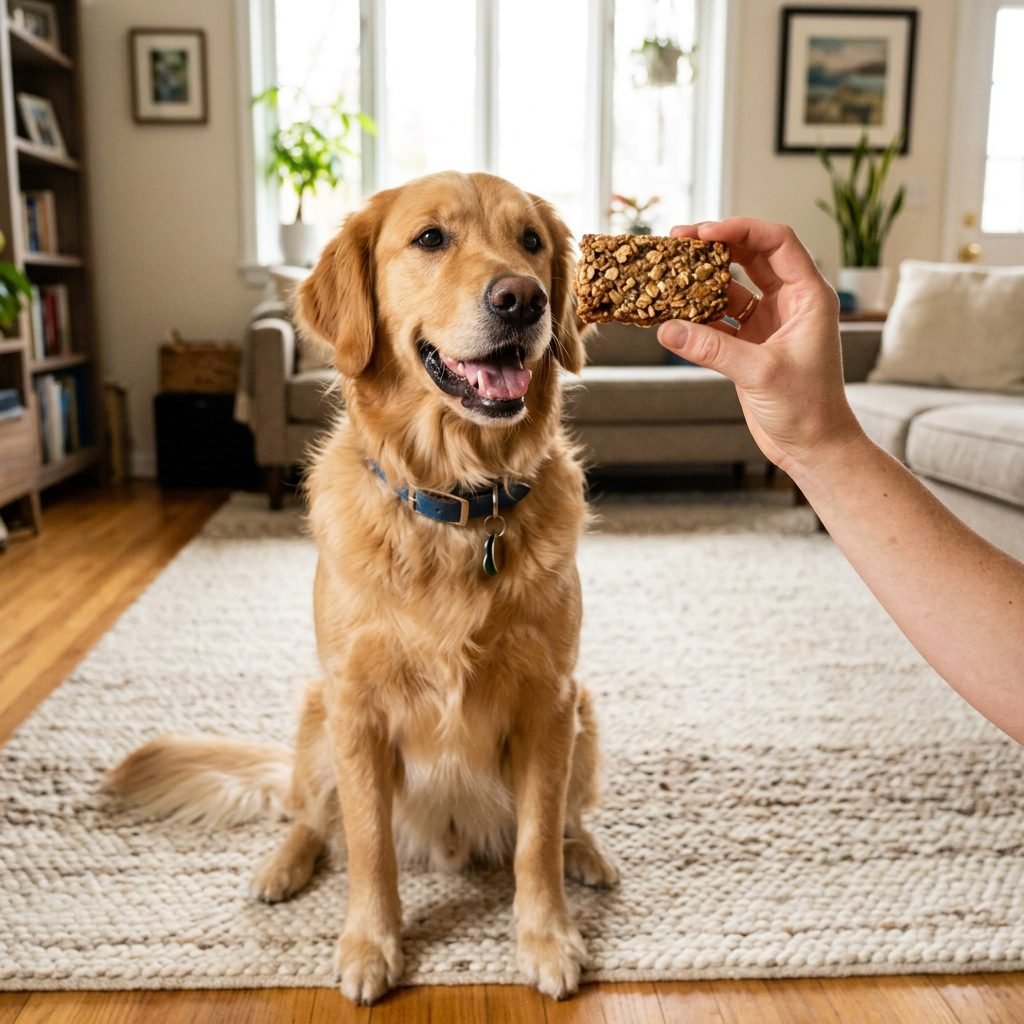
- Shape the Treats: Scoop out small, bite-sized portions of the dough. For a 50lb dog, a treat the size of a ping-pong ball is perfect. Roll them into balls and press them slightly flat onto the parchment paper.
- Bake to Perfection: Bake in the preheated oven for 25 to 30 minutes, or until the treats are firm to the touch and slightly golden on the edges.
- Cool Completely: Remove from the oven and let them cool completely on a wire rack. They will continue to firm up as they cool.
Dosage Instructions: For a medium-sized dog (around 50 lbs), start with one treat per day. Monitor their stool for the next 48 hours. You should see a significant firming effect. If needed, you can increase to two treats per day, but always ensure your dog has access to plenty of fresh drinking water, as fiber requires hydration to work effectively.
Cost Breakdown: DIY vs. Store-Bought Supplements
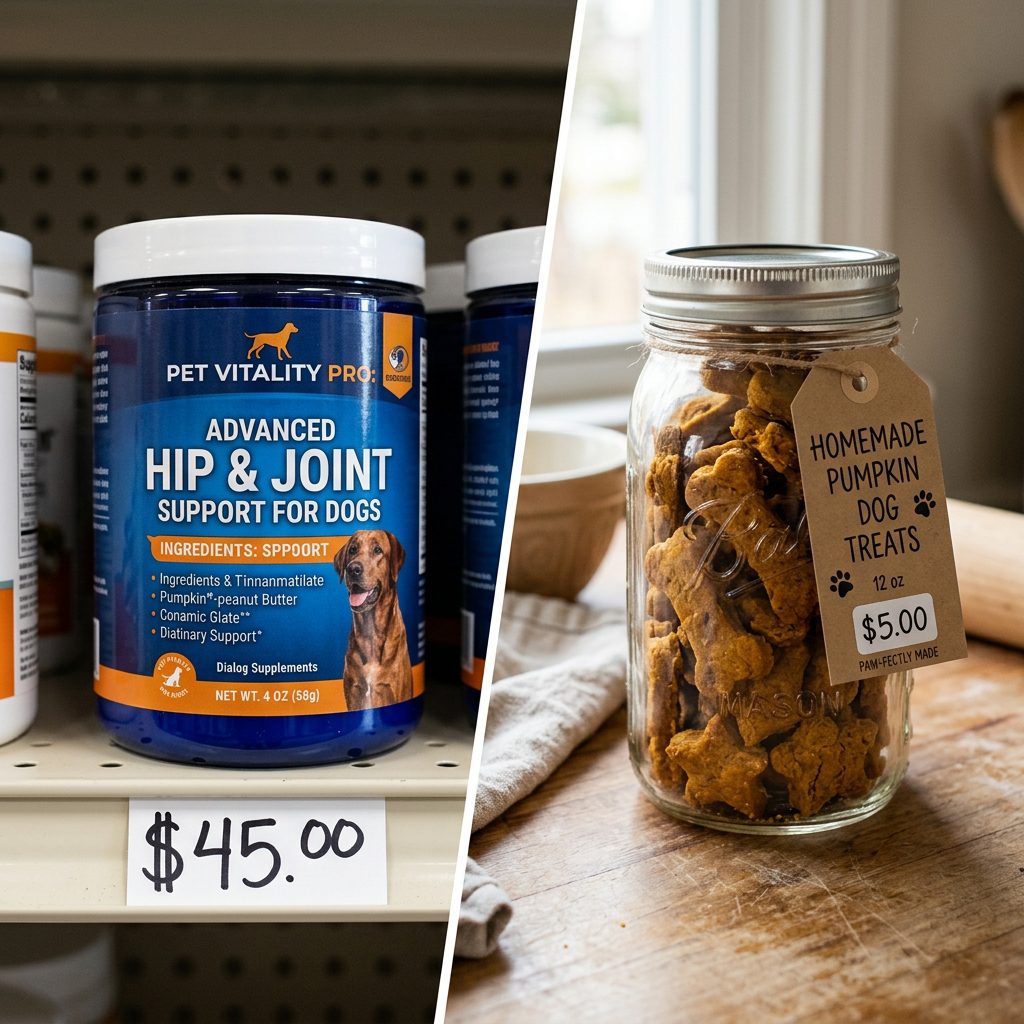
As the Canine Nutrition Hacker, I do not just care about your dog’s health; I care about your wallet. The pet supplement industry is a multi-billion dollar machine, and they love to charge premium prices for products that you can replicate at home for pennies on the dollar. Let us do a forensic breakdown of the costs. When your dog starts scooting, the first thing most owners do is run to the big-box pet store and buy a tub of ‘gland support’ soft chews.
Let us look at the cold, hard numbers for a standard 50lb dog over a 30-day period.
| Solution | Primary Active Ingredients | Fillers / Inactive Ingredients | Cost Per Month (50lb Dog) | Verdict |
|---|---|---|---|---|
| Popular Store-Bought Gland Chews | Pumpkin seed powder, apple pectin | Canola oil, synthetic preservatives, artificial bacon flavor, glycerin | $35.00 – $45.00 | Overpriced with unnecessary inflammatory fats. |
| Vet Visit (Manual Expression) | None (Physical procedure) | None | $50.00 – $80.00+ (per visit) | Temporary fix, does not solve the root cause. |
| The Hacker’s Miracle Treat (DIY) | Pure pumpkin, psyllium husk, chia seeds, oats | None (100% natural whole foods) | $4.50 – $6.00 | Highly effective, perfectly safe, and incredibly cheap. |
Look at that table and let the reality sink in. You are spending upwards of $40 a month on commercial chews that are packed with canola oil and glycerin—ingredients that can actually contribute to gut inflammation. By taking 30 minutes out of your Sunday to bake a batch of The Hacker’s Miracle Treats, you are bringing your cost down to roughly $0.15 to $0.20 per day. That is exactly what I mean when I talk about hacking your dog’s nutrition. You get superior quality, absolute transparency in your ingredients, and you keep your hard-earned money in your pocket.
Hacker Tips for Perfect Doggy Digestion
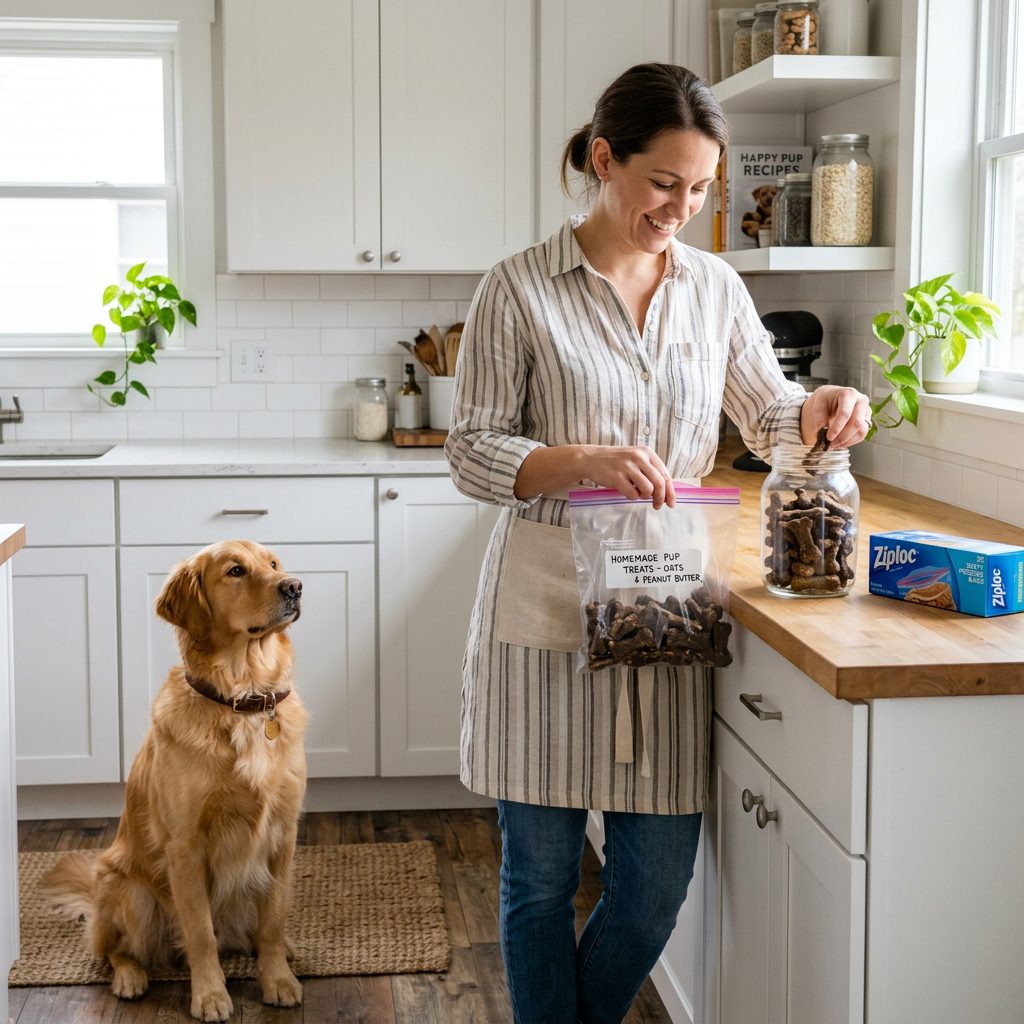
We have got the recipe, we have got the financial breakdown, but a true hacker knows that success lies in the execution and the daily habits. Feeding your dog a high-fiber treat is the primary weapon in our arsenal against the scoot, but you need a holistic approach to canine digestion to ensure the problem never comes back. Here are my top insider secrets for maintaining perfect gut health.
1. Hydration is Non-Negotiable
When you introduce high levels of dietary fiber into your dog’s system—especially soluble fiber like psyllium husk—it acts like a sponge in the intestines. If your dog is not drinking enough water, that sponge will dry out, leading to constipation, which is just as bad for the anal glands as loose stool.
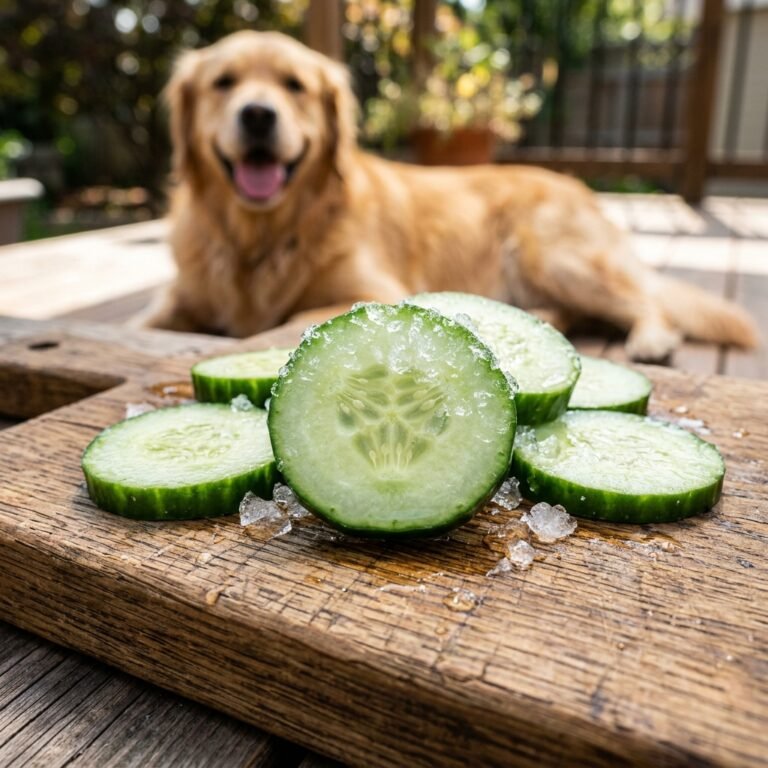
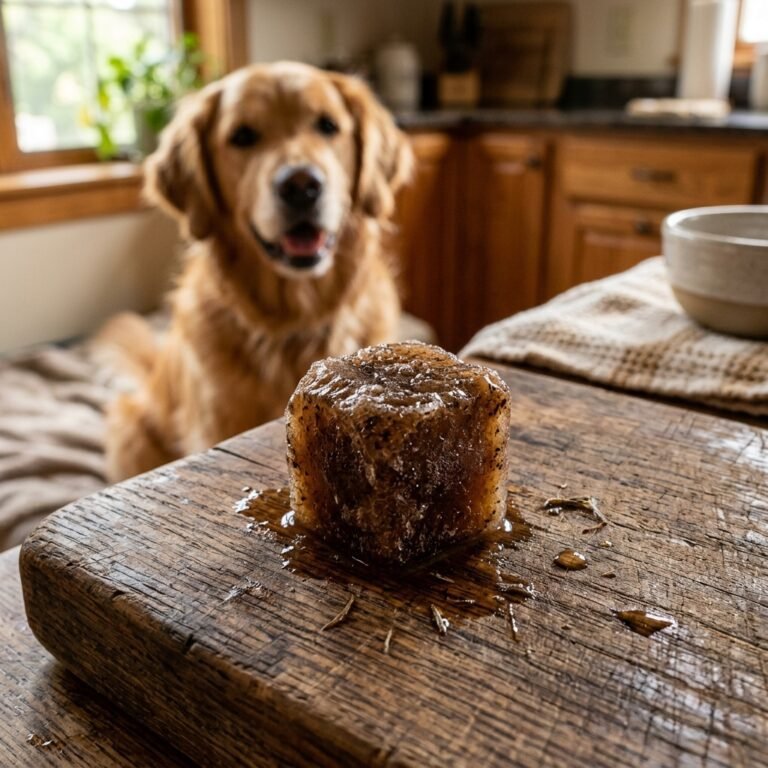
Hacker Tip: Encourage hydration by adding a splash of low-sodium, onion-free bone broth to their water bowl, or by floating a few blueberries in their water. Always ensure multiple bowls of fresh water are available around the house.
2. The Batch Cooking and Freezing Strategy
I know you are busy. You do not have time to bake dog treats every four days. The Hacker’s Miracle Treats freeze beautifully. I recommend doubling the recipe I provided above. Bake a massive batch on a Sunday afternoon. Keep about a week’s worth in an airtight container in the refrigerator (since they contain no synthetic preservatives, they will mold if left on the counter for too long). Take the rest and throw them in a ziplock freezer bag. They will stay fresh in the freezer for up to three months. You can even feed them to your dog frozen—most dogs love the crunchy, cold texture, especially in the summer!
3. Transition Slowly
Do not go from zero to one hundred. If your dog’s digestive system is used to a low-fiber diet, suddenly bombarding their gut with psyllium husk and chia seeds can cause temporary gas and bloating. Start with half a treat per day for the first three days. Let their gut microbiome adjust to the new influx of fiber. Once you see their stool starting to firm up without any signs of discomfort, you can move up to the full recommended dose.
4. Know When to See the Vet
I am all about empowering dog owners to solve problems at home, but you must know your limits. If you have transitioned your dog to a high-quality diet, introduced these high-fiber treats, and given it two weeks, but your dog is still scooting frantically, it is time to see the vet. The anal glands could be impacted, infected, or abscessed, which requires professional medical intervention and antibiotics. Furthermore, scooting can sometimes be a sign of intestinal parasites (like tapeworms) or severe allergies. Use food as your first line of defense, but never ignore severe distress.
Conclusion
There you have it, savvy dog owners. The scoot does not have to be a permanent fixture in your life, and you certainly do not have to accept soft, messy stools as the norm for your dog. By cutting through the marketing fluff of the commercial pet food industry, avoiding those cheap filler ingredients, and taking control of your dog’s fiber intake, you can transform their digestive health.
The Hacker’s Miracle Treat is more than just a recipe; it is a testament to the fact that the best solutions for our dogs are often found in simple, whole foods. Pumpkin, psyllium husk, chia, and oats—these are the nutritional powerhouses that will firm up those stools, naturally express those problematic anal glands, and save your expensive rugs from being used as toilet paper.
So, get into the kitchen, whip up a batch of these treats, and watch the miracle happen. Your dog will love the taste, their gut will love the fiber, and your wallet will love the savings. Until next time, keep reading those labels, keep asking questions, and keep hacking your dog’s nutrition for a longer, happier life together!