Keep Their Eyes Bright: The Homemade Lutein Treat That Prevents Dog Cataracts!
The Eye-Opening Truth About Canine Vision
Let’s get real for a second: seeing your best friend start to bump into furniture or develop that dreaded cloudy haze in their eyes is heartbreaking. Most owners run straight to the vet or the premium pet store, only to get upsold on ‘Vision Support’ chews that cost $60 a bottle and are packed with more glycerin and corn starch than actual active ingredients. As the Canine Nutrition Hacker, I’m here to tell you that you’re being played. Eye health isn’t a medical mystery locked behind a pharmaceutical paywall; it is a matter of targeted, bioavailable antioxidants. Specifically, we are talking about Lutein and Zeaxanthin. These aren’t just fancy buzzwords; they are the internal ‘sunglasses’ that protect your dog’s retinas and lenses from oxidative damage and UV light. In this guide, I am going to strip back the marketing fluff and show you how to manufacture your own high-potency eye-health treats in your kitchen. We are going to use forensic-level ingredient selection to ensure your dog is getting the maximum dosage of what they actually need to keep those eyes sparkling clear well into their senior years.
Hacker Secret: Most commercial ‘eye treats’ use synthetic lutein esters which have a lower absorption rate than the lutein found naturally in egg yolks and leafy greens. You’re paying for 100% of the product but your dog is only using 40% of it.
The Science of the Lens: Why Cataracts Happen
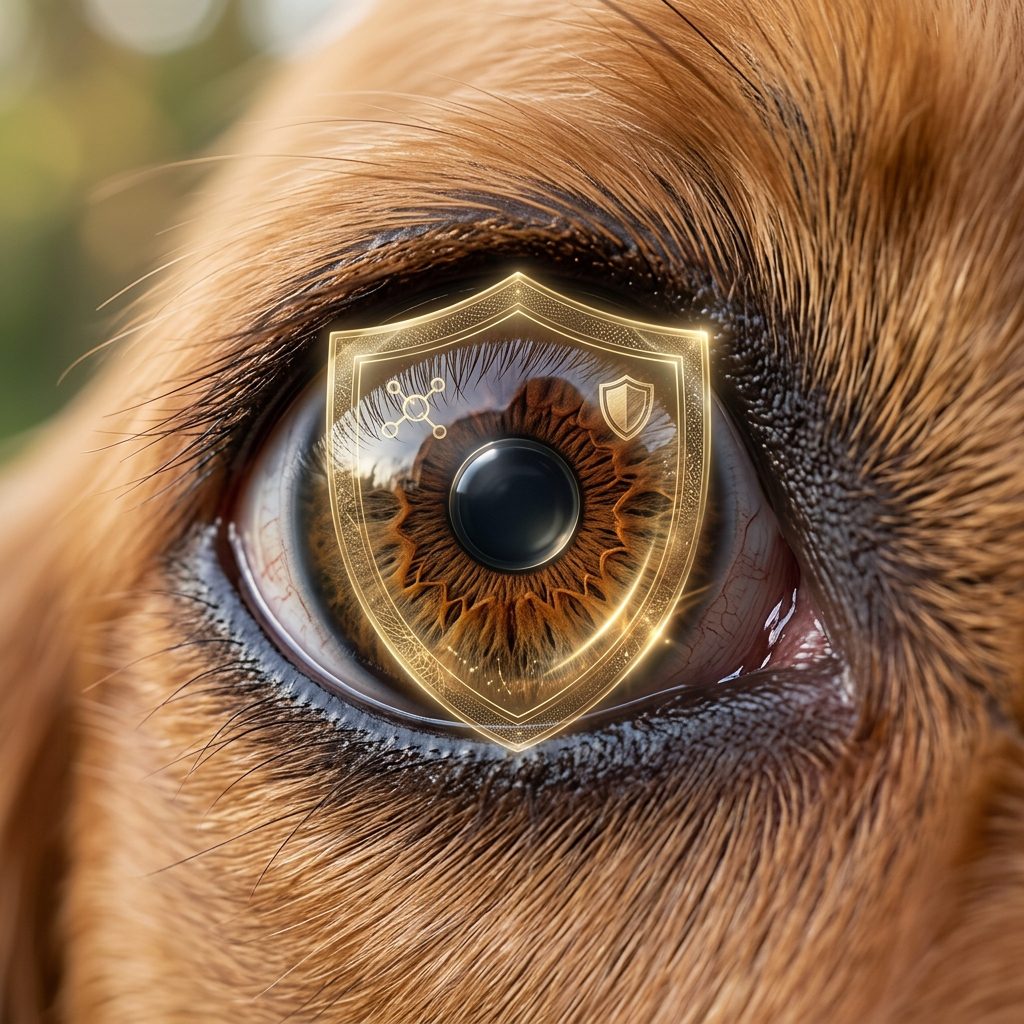
The Biological Breakdown
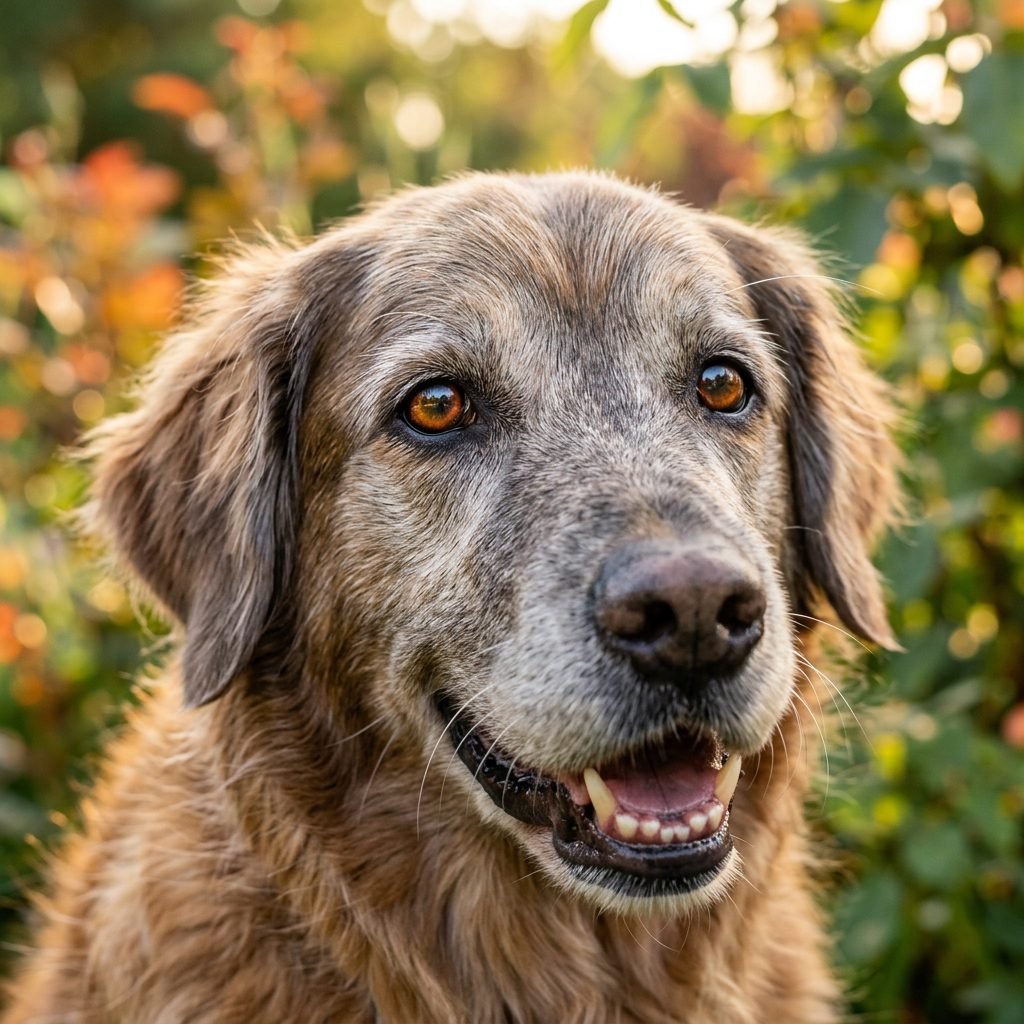
To fix a problem, you have to understand the mechanics. A cataract is essentially the clouding of the lens inside the eye, which prevents light from reaching the retina. Think of it like a window getting covered in frost. In dogs, this is often caused by oxidative stress. Free radicals—unstable molecules caused by everything from UV rays to poor-quality kibble—attack the proteins in the lens, causing them to clump together.
The Role of Lutein
Lutein is a carotenoid that migrates specifically to the eye. It acts as a filter for blue light and a scavenger for those nasty free radicals. By flooding your dog’s system with high-quality, whole-food sources of lutein, you are effectively reinforcing the ‘shield’ around their lens. This isn’t just theory; studies in both humans and canines have shown that high dietary intake of carotenoids is directly linked to a lower risk of age-related macular degeneration and cataract formation. However, the key is bioavailability. You can’t just toss a head of raw kale at your dog and expect results. Dogs have short digestive tracts and lack the cellulase enzyme to break down plant cell walls. To get the ‘good stuff’ out, we have to hack the ingredients through light steaming and pureeing.
The Safe Chef Guide: Safety and Forensics
SAFETY DISCLAIMER
I am not a veterinarian. I am a nutrition hacker who analyzes data and ingredients. While the ingredients in this recipe are generally safe for dogs, you must always consult your vet before introducing new supplements, especially if your dog has pre-existing conditions like diabetes (which is a leading cause of cataracts) or pancreatitis. These treats are intended as a supplement to a balanced diet, not a total meal replacement.
The Real Cost Breakdown
Let’s look at the numbers. If you buy a top-tier ‘Vision Support’ supplement, you are looking at a massive markup. Here is how the DIY route stacks up against the ‘Big Pet’ alternatives:
| Feature | Commercial ‘Vision’ Chews | Hacker’s Homemade Treat |
|---|---|---|
| Cost Per Month | $50.00 – $75.00 | $10.00 – $15.00 |
| Primary Source | Synthetic Lutein Esters | Fresh Egg Yolks & Kale |
| Fillers | Glycerin, Potato Starch, Sugar | None (Zero Glycemic Fillers) |
| Preservatives | Potassium Sorbate | Natural Vitamin E (from seeds) |
By making these yourself, you aren’t just saving over $400 a year; you are ensuring that your dog isn’t consuming the hidden sugars that actually contribute to systemic inflammation and eye issues.
The ‘Golden Sight’ Recipe: Step-by-Step
The High-Potency Recipe
This recipe is designed to maximize the absorption of fat-soluble vitamins. Lutein needs fat to be absorbed, so we are pairing our greens with healthy lipids.
Ingredients:
- 2 Cups Oat Flour: A low-glycemic base that won’t spike insulin (avoid wheat if your dog is sensitive).
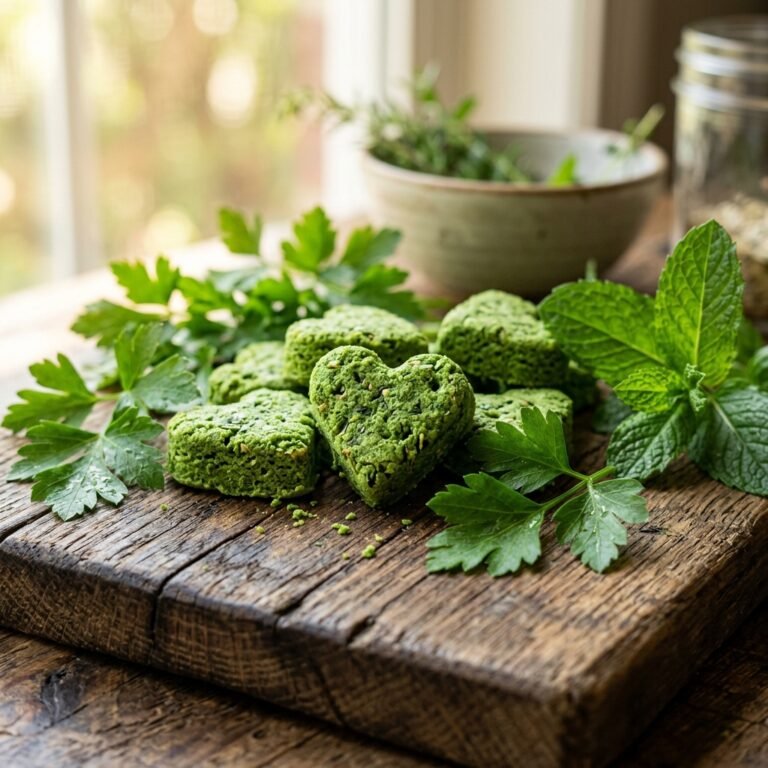
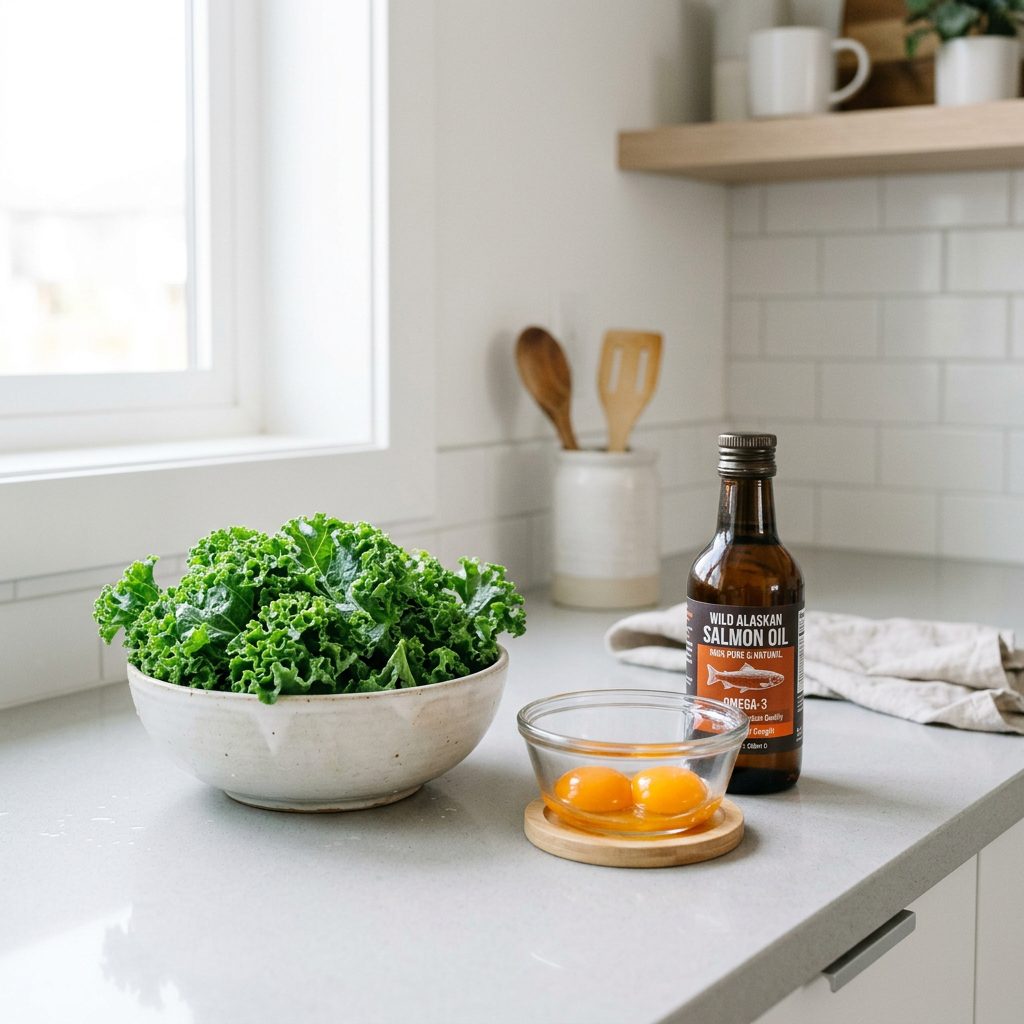
- 1 Cup Fresh Kale or Spinach: Steamed for 3 minutes and then pureed. This breaks the cell walls.
- 3 Large Egg Yolks: The absolute ‘Gold Mine’ of lutein and zeaxanthin. Avoid the whites if you want to keep it concentrated.
- 2 Tablespoons Wild Alaskan Salmon Oil: Provides the Omega-3s necessary for nutrient transport and anti-inflammatory support.
- 1/4 Cup Fresh Blueberries: Packed with anthocyanins for extra retinal support.
Instructions:
- Preheat your oven to 325°F (160°C). We use a lower temp to preserve the integrity of the antioxidants.
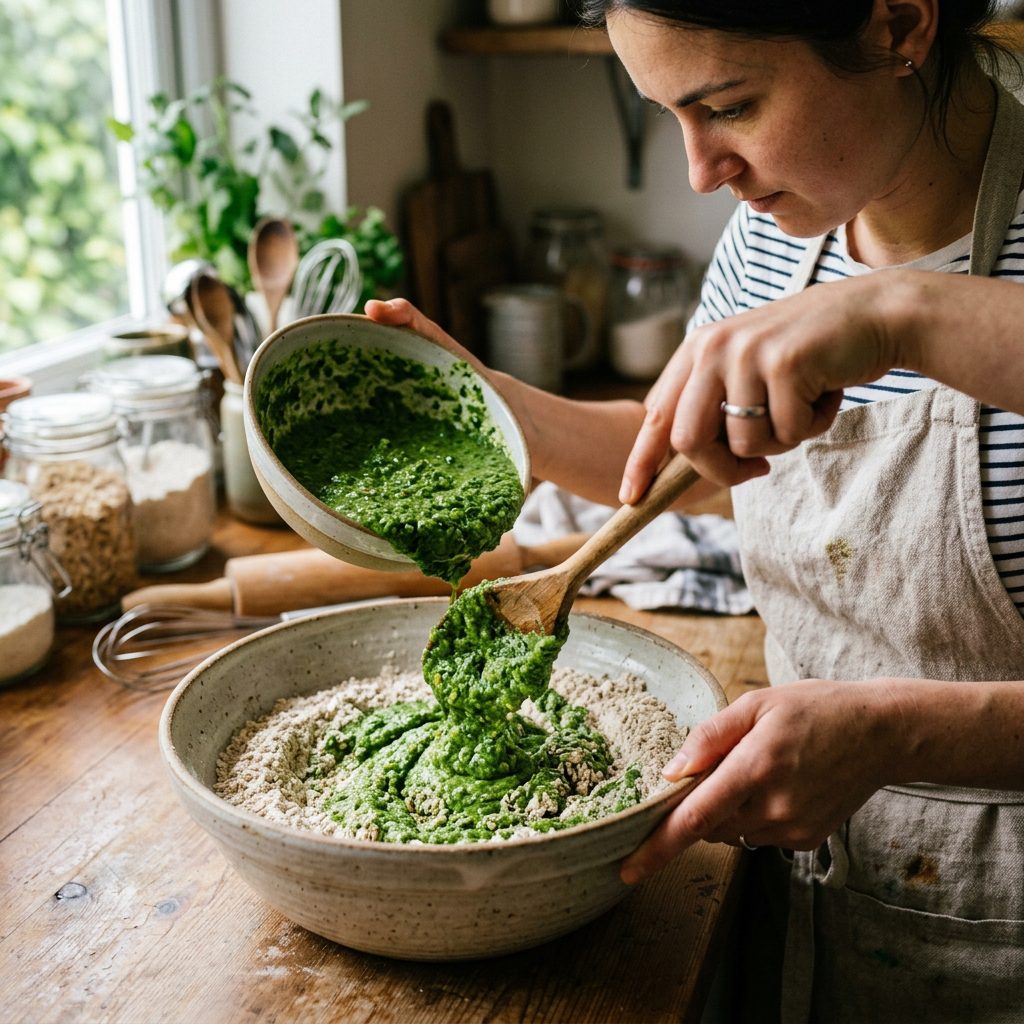
- Steam your greens until wilted, then toss them into a blender with the salmon oil and egg yolks. Puree until it looks like a thick green smoothie.
- In a large bowl, mix the puree with the oat flour and smashed blueberries. Fold until a stiff dough forms.
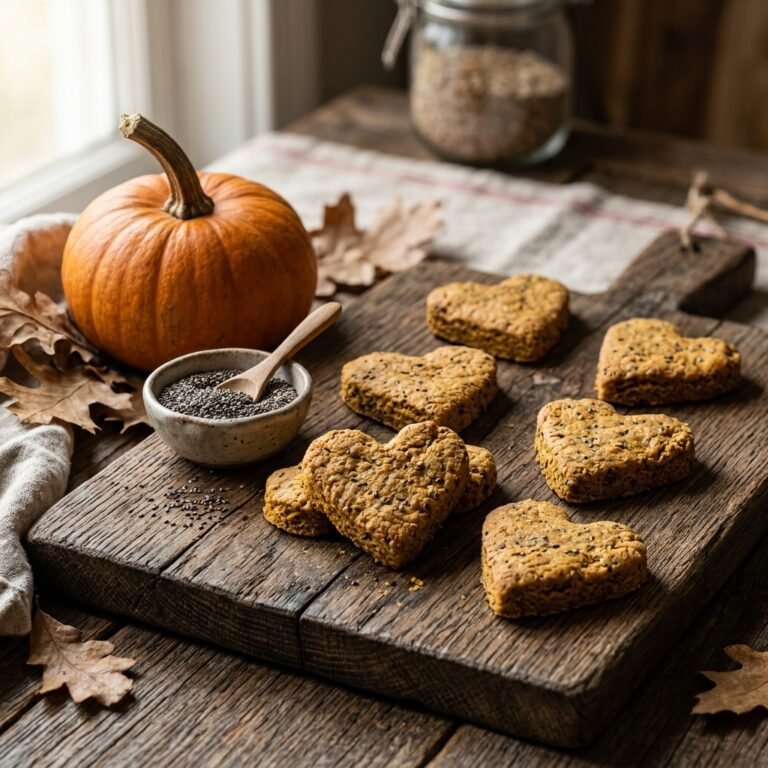
- Roll the dough to 1/4 inch thickness and use a small cookie cutter (or just a knife) to create bite-sized squares.
- Bake for 20-25 minutes. They should be firm but not burnt.
Hacker Tip: If your dog is picky, add a teaspoon of nutritional yeast. It smells like cheese to them but is packed with B-vitamins that support the optic nerve.
The ‘No-Go’ List: Ingredients Killing Your Dog’s Vision
The Enemy Ingredients
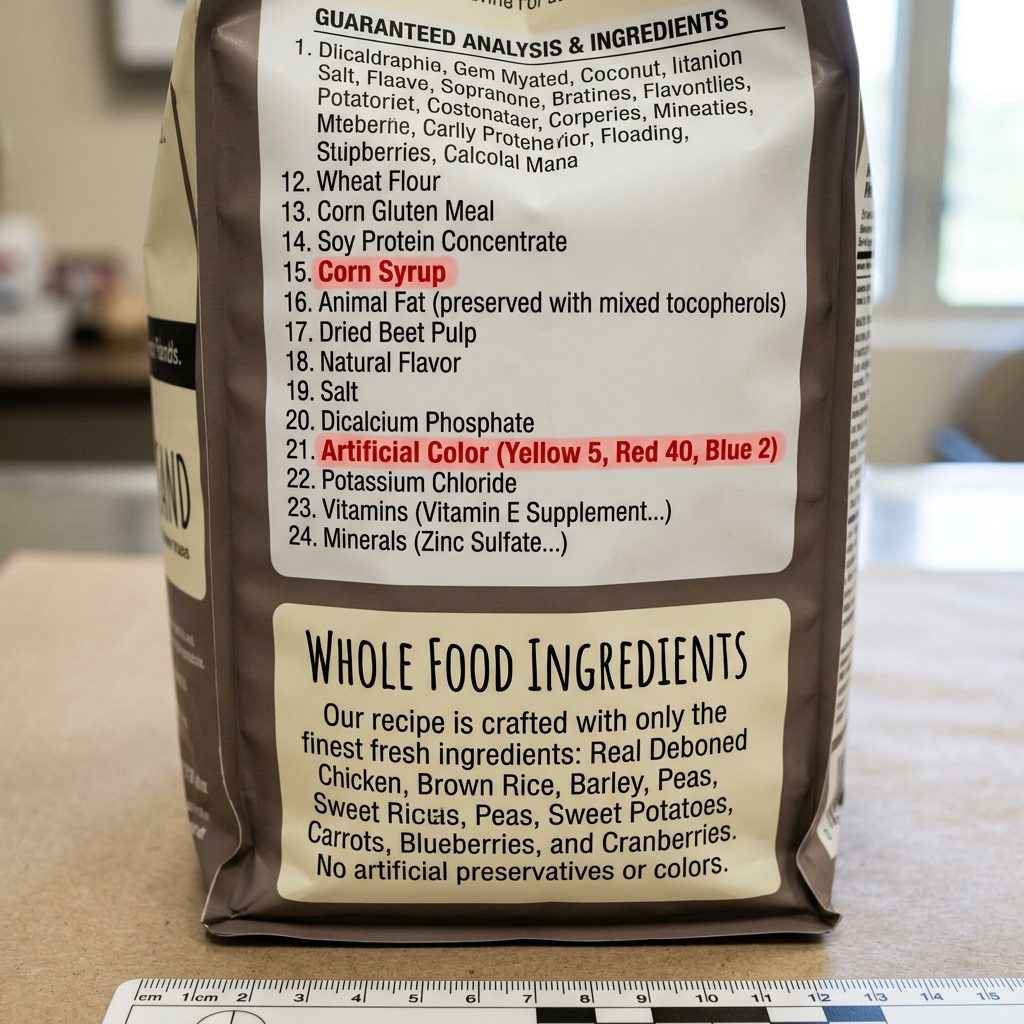
While you’re adding the good stuff, you need to stop the sabotage. Most commercial treats contain ingredients that actually accelerate eye degeneration.
1. High-Glycemic Fillers
Ingredients like corn syrup, maltodextrin, and white flour cause spikes in blood sugar. High blood glucose is the fast track to diabetic cataracts. If the first three ingredients on your treat bag end in ‘-ose’ or ‘starch,’ throw them out.
2. Artificial Colors
Red 40, Yellow 5, and Blue 2 are linked to systemic inflammation. Inflammation in the body eventually manifests in the most sensitive organs—the eyes.
3. Rendered Fats
Generic ‘animal fat’ is often rancid by the time it reaches the bag. Rancid fats are a massive source of free radicals, the very things we are trying to fight with lutein. Always look for named fat sources like ‘Chicken Fat’ or ‘Salmon Oil’ preserved with mixed tocopherols.
Hacker’s Guide to Batch Cooking & Bioavailability
Maximize Your Efficiency
You’re a busy owner; you don’t have time to bake every day. Here is how you scale this like a pro.
Batch Cooking and Freezing
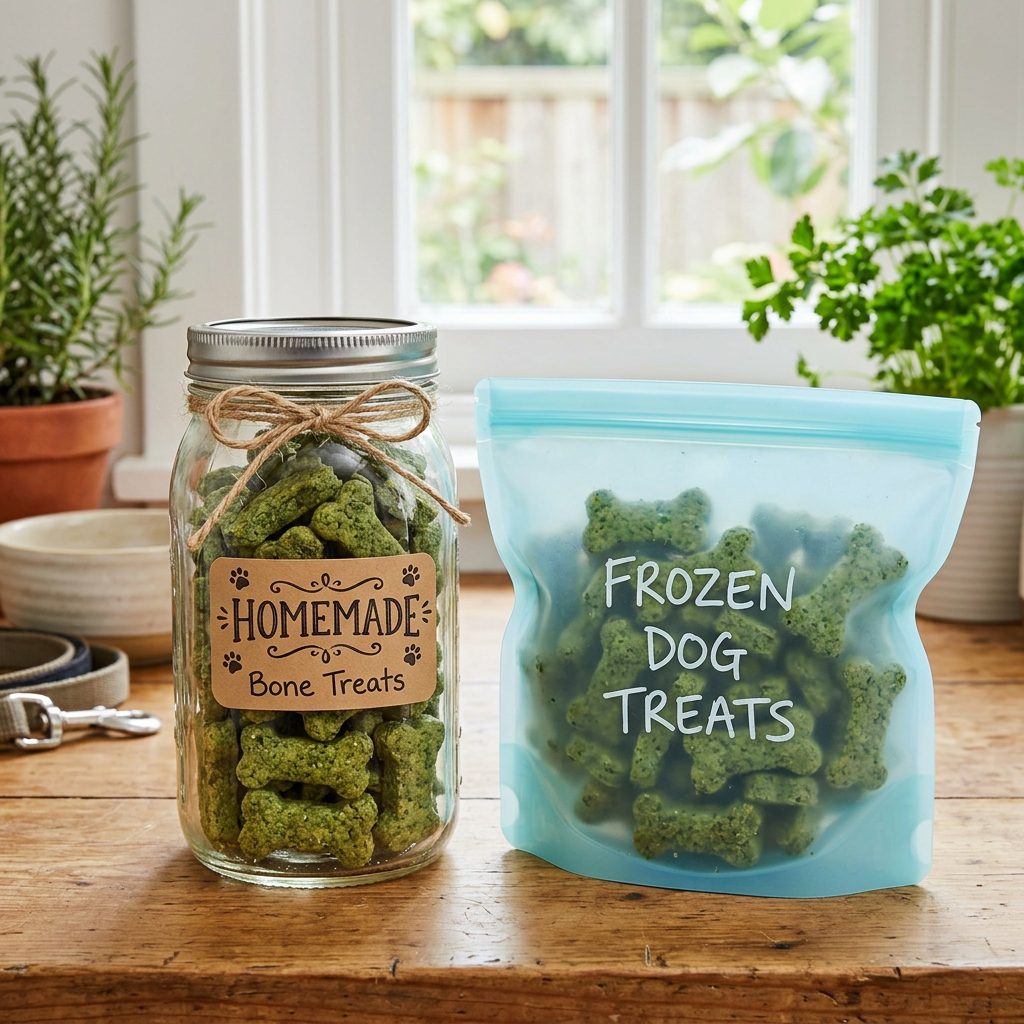
This recipe makes about 40-50 small treats. Because we aren’t using chemical preservatives, these will only last 5 days in the fridge. The Hack: Freeze half the batch. These treats freeze exceptionally well and can be given to your dog straight from the freezer as a crunchy ‘pupsicle.’
Bioavailability Boosters
To get the most out of every treat, feed them after a meal that contains some fat. This ensures the lutein is carried through the intestinal wall efficiently. Also, consider adding a pinch of Turmeric to the dough. The curcumin in turmeric helps reduce ocular inflammation, but remember to add a crack of black pepper to activate it. Yes, even for dogs, the chemistry remains the same.
Conclusion
Empower Your Dog’s Future
Keeping your dog’s eyes bright and clear isn’t about luck; it’s about intentional nutrition. By ditching the overpriced, filler-heavy commercial treats and spending 30 minutes in the kitchen, you are providing a concentrated dose of lutein that can quite literally change the trajectory of your dog’s aging process. You’ve now got the forensic breakdown of what works and what’s a waste of money. Don’t wait for the cloudiness to appear—start hacking their nutrition today. Your dog sees the world through you; make sure they can see it clearly for as long as possible. Stay savvy, and keep those bowls clean!