Vetted Recipes: The Ultimate Low Protein Treats for Dogs with Liver Issues
The Truth About Liver-Friendly Snacking
If you have been told your dog has liver issues—whether it is Copper Storage Disease, Microvascular Dysplasia (MVD), or Chronic Hepatitis—your world probably just got a lot more complicated. Suddenly, that bag of high-protein, grain-free jerky treats in your pantry looks like a bag of poison. As the Canine Nutrition Hacker, I am here to tell you that the pet food industry is failing you. They want you to believe that the only safe option is a $30 bag of ‘prescription’ biscuits that are mostly sawdust and air. I call BS.
The liver is the body’s ultimate filtration system. When it is compromised, it cannot process the nitrogen waste produced by protein metabolism. This leads to a buildup of ammonia in the bloodstream, which can cause Hepatic Encephalopathy (basically, brain fog for dogs). To keep your pup wagging, we need to lower the protein ‘workload’ while keeping the calories high enough to prevent muscle wasting. This article isn’t just a list of recipes; it is a forensic deep dive into hacking the liver diet to provide maximum joy with minimum metabolic stress.
Hacker Secret: Most ‘liver-friendly’ commercial treats use low-quality fillers to keep protein down. We are going to use high-quality complex carbohydrates and healthy fats to do the same job better and cheaper.
The Forensic Audit: Enemy vs. Hero Ingredients
The Red List: What is Killing the Liver?
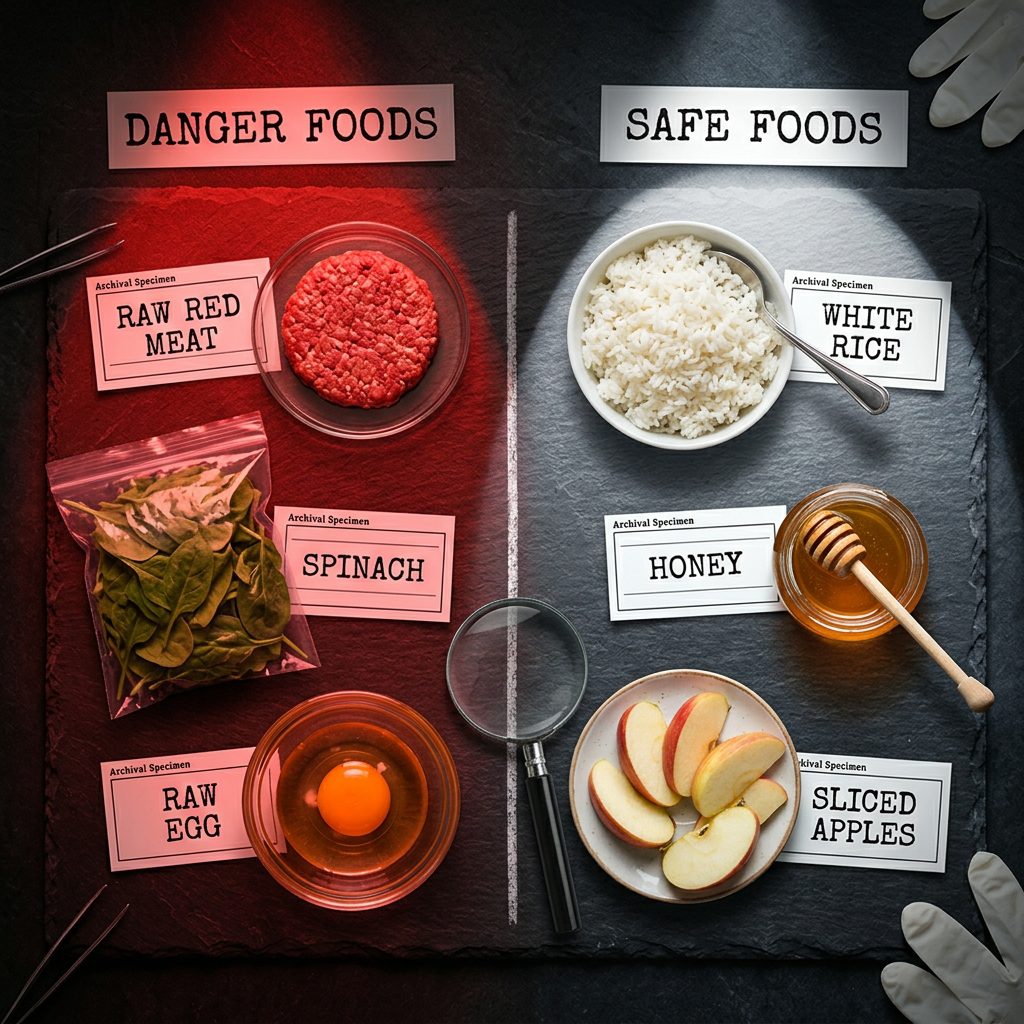
Before we bake, we have to purge. Many common dog treat ingredients are absolute ‘liver-killers’ for a dog with hepatic issues. You must avoid organ meats (liver, heart, kidney) at all costs. While they are usually ‘superfoods,’ for a dog with a sick liver, they are toxic because they are too high in copper and purines. You also need to watch out for sodium. A damaged liver often struggles with fluid retention (ascites), and salt acts like a sponge, making the problem worse.
The Hero List: The Liver’s Best Friends
We are looking for ‘clean fuel.’ This means complex carbohydrates like white rice, oats, and honey. Why white rice? Because it is lower in phosphorus and easier to digest than brown rice for a compromised system. We also love antioxidant-rich fruits like blueberries and apples (no seeds!). These help fight the inflammation happening inside the liver tissues.
| Ingredient Category | The Enemy (Avoid) | The Hero (Include) |
|---|---|---|
| Protein Source | Red Meat, Liver, Shellfish | Eggs (in moderation), Egg Whites |
| Carbohydrates | High-Copper Soy, Wheat Gluten | White Rice, Oats, Sweet Potato |
| Fats | Animal Fat, Bacon Grease | Coconut Oil, Extra Virgin Olive Oil |
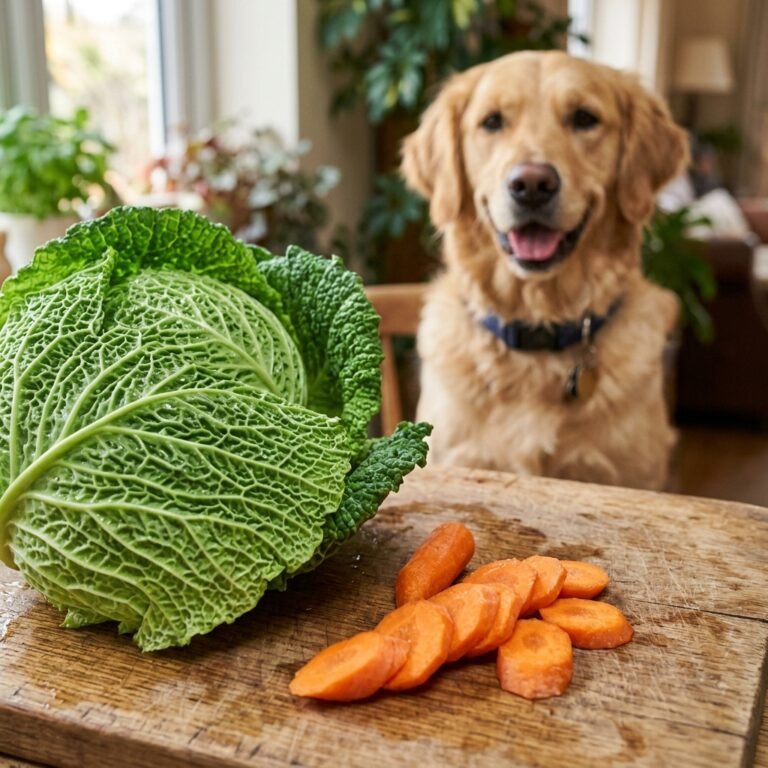
| Vegetables | Spinach, Swiss Chard (High Copper) | Carrots, Green Beans, Squash |
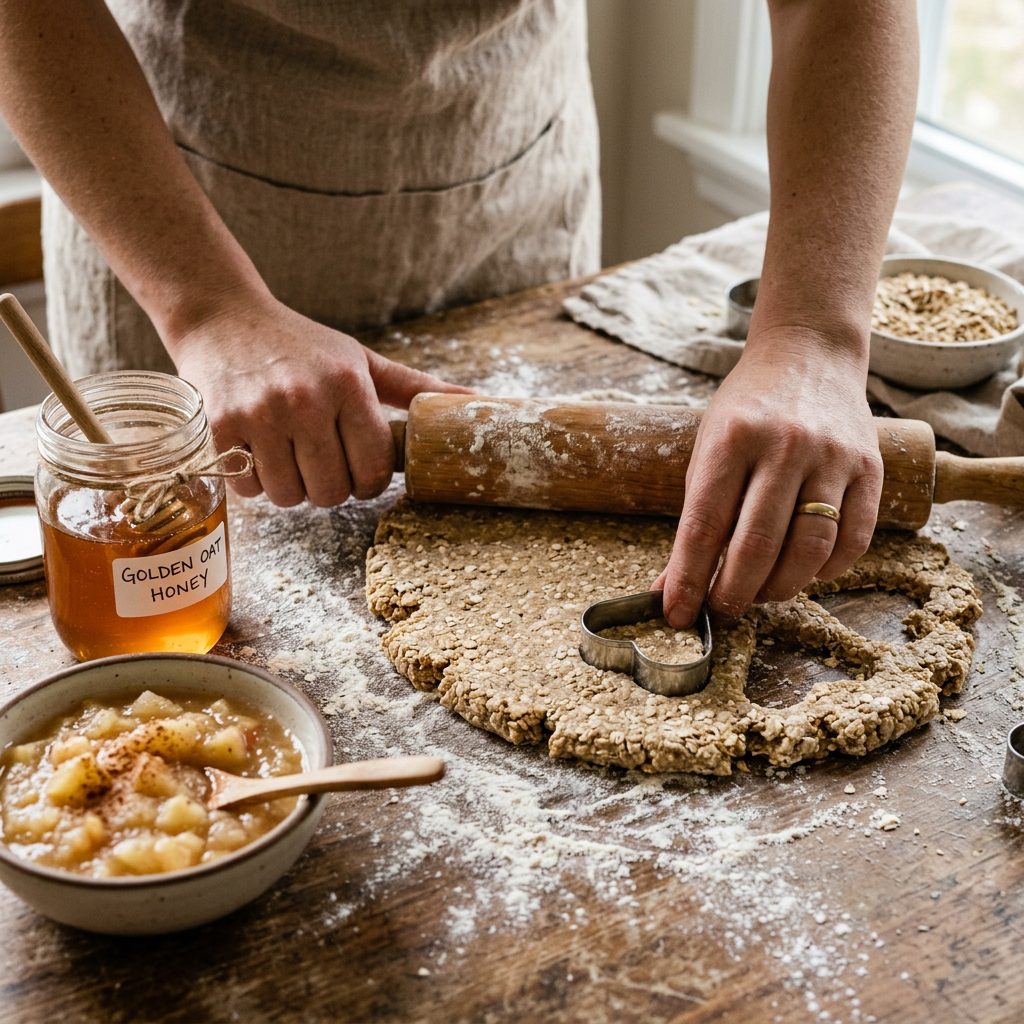
The Safe Chef Guide: Low-Pro Apple & Oat Hack
SAFETY DISCLAIMER: I am a nutrition hacker, not your veterinarian. Liver disease is complex. Always run these recipes by your vet to ensure they fit your dog’s specific stage of disease. These treats are intended as supplemental snacks, not a complete meal replacement.
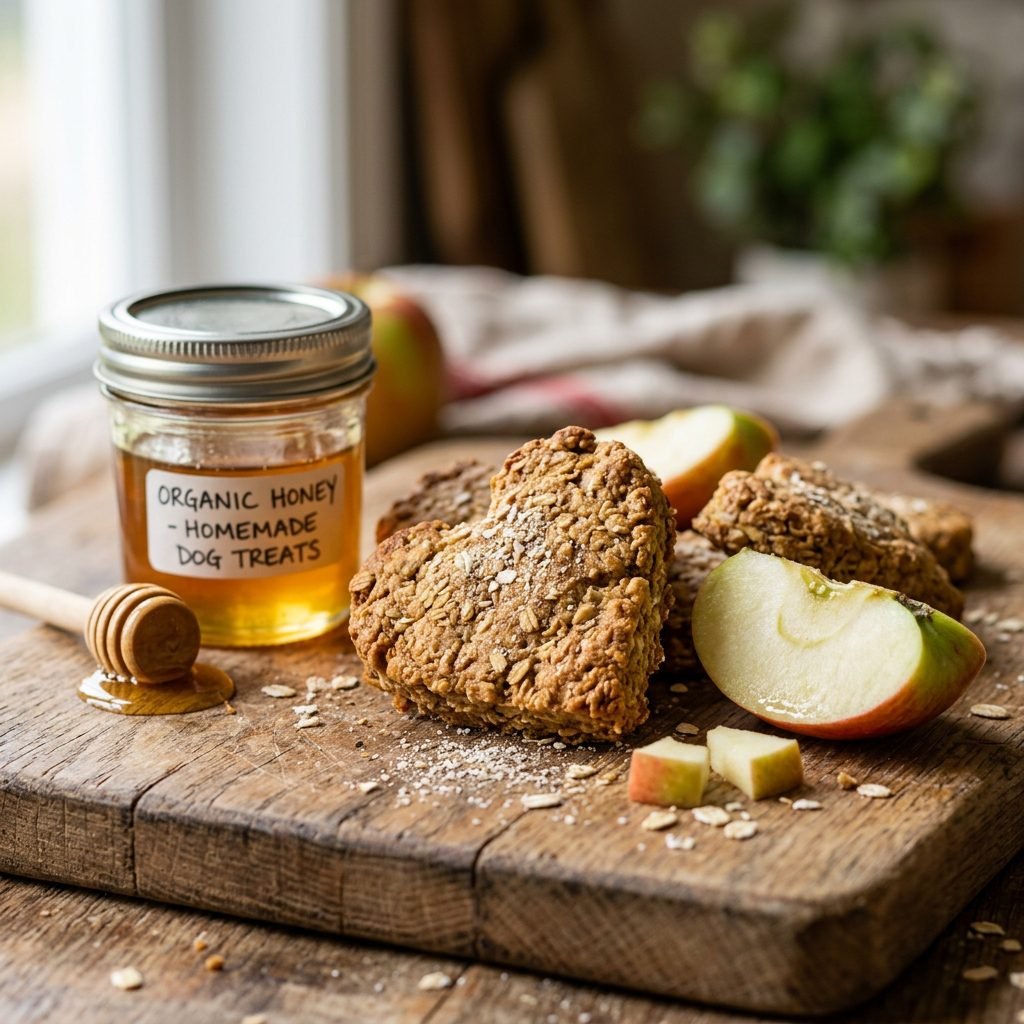
The Recipe: Golden Honey & Oat Nibbles
This recipe is a staple because it provides high-quality calories from simple sources that do not tax the liver. The oats provide fiber to help bind toxins in the gut, while the honey provides an immediate energy boost without the nitrogen byproduct of meat.
- 2 Cups of finely ground rolled oats (pulse them in a blender).
- 1/2 Cup of unsweetened applesauce (look for one with zero additives).
- 1 Tablespoon of organic honey.
- 1 Tablespoon of melted coconut oil.
The Process: Preheat your oven to 325°F. Mix the ingredients until a dough forms. If it is too dry, add a teaspoon of water. Roll it out to 1/4 inch thickness and cut into tiny squares. Remember: for liver dogs, smaller is better. Bake for 20-25 minutes until firm. These provide a satisfying crunch without the ‘protein punch’ that causes lethargy.
Hacker Tip: Use ‘Ceylon’ cinnamon if you want to add flavor. It is safer for the liver than common Cassia cinnamon and helps regulate blood sugar.
The Summer Squash Cooler: A Frozen Liver Hack
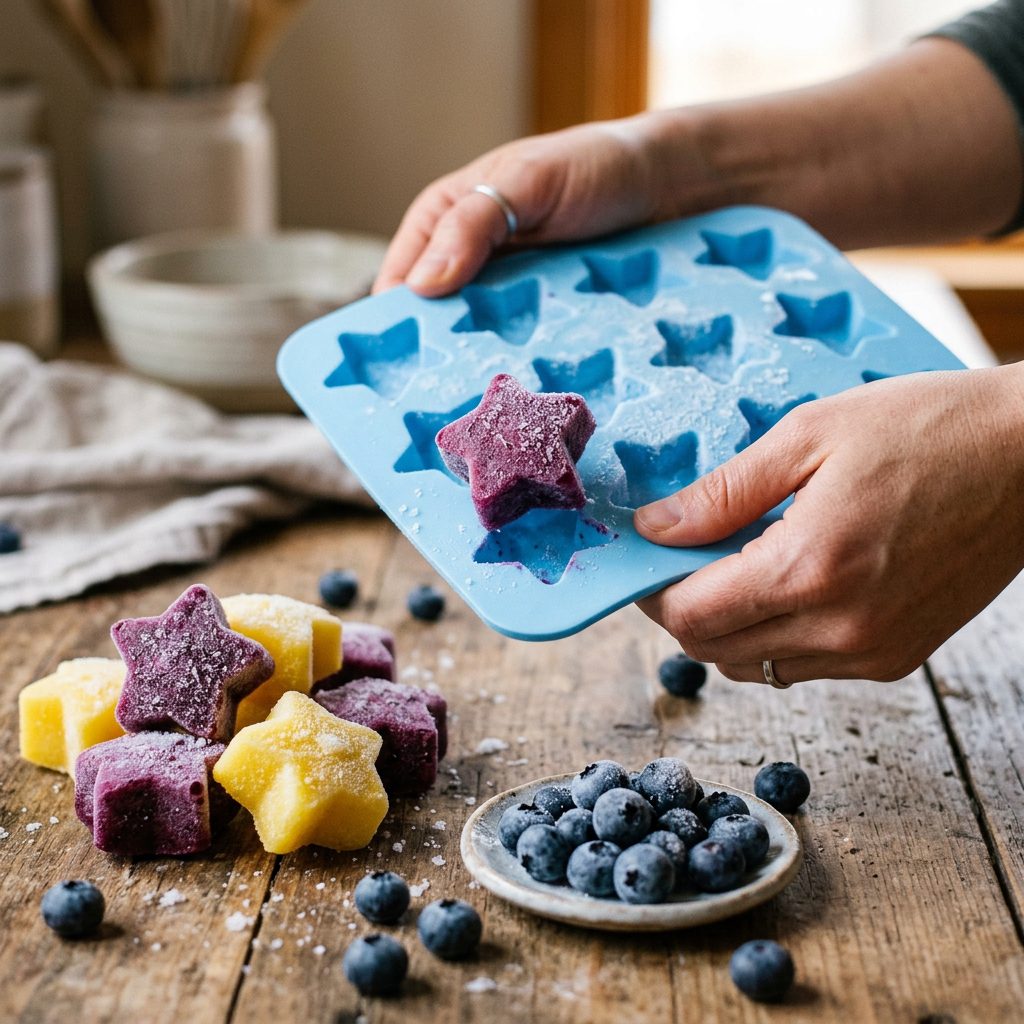
When the liver is struggling, dogs often run ‘hot’ or experience internal inflammation. Frozen treats are a fantastic way to provide hydration and nutrients without adding any significant protein load. This recipe uses Summer Squash, which is incredibly low in copper and high in moisture.
The Recipe: Squash & Blueberry Freeze
- 1 Cup of steamed and mashed yellow summer squash.
- 1/4 Cup of fresh blueberries (mashed).
- 1/2 Cup of coconut water (ensure it has no added sugar or xylitol).
The Process: Mix the mashed squash and blueberries in a bowl. Slowly stir in the coconut water. Pour the mixture into silicone ice cube molds—the ‘tiny star’ or ‘small cube’ shapes work best. Freeze for at least 4 hours. These are perfect for ‘rewarding’ your dog after they take their medication (like Lactulose or Denamarin).
Why This Works
Blueberries contain anthocyanins, which are powerful antioxidants that protect liver cells from further damage. Squash provides the bulk and texture that makes the dog feel like they are getting a substantial treat, but the protein content is virtually negligible.
The Financial Forensic: DIY vs. Store-Bought
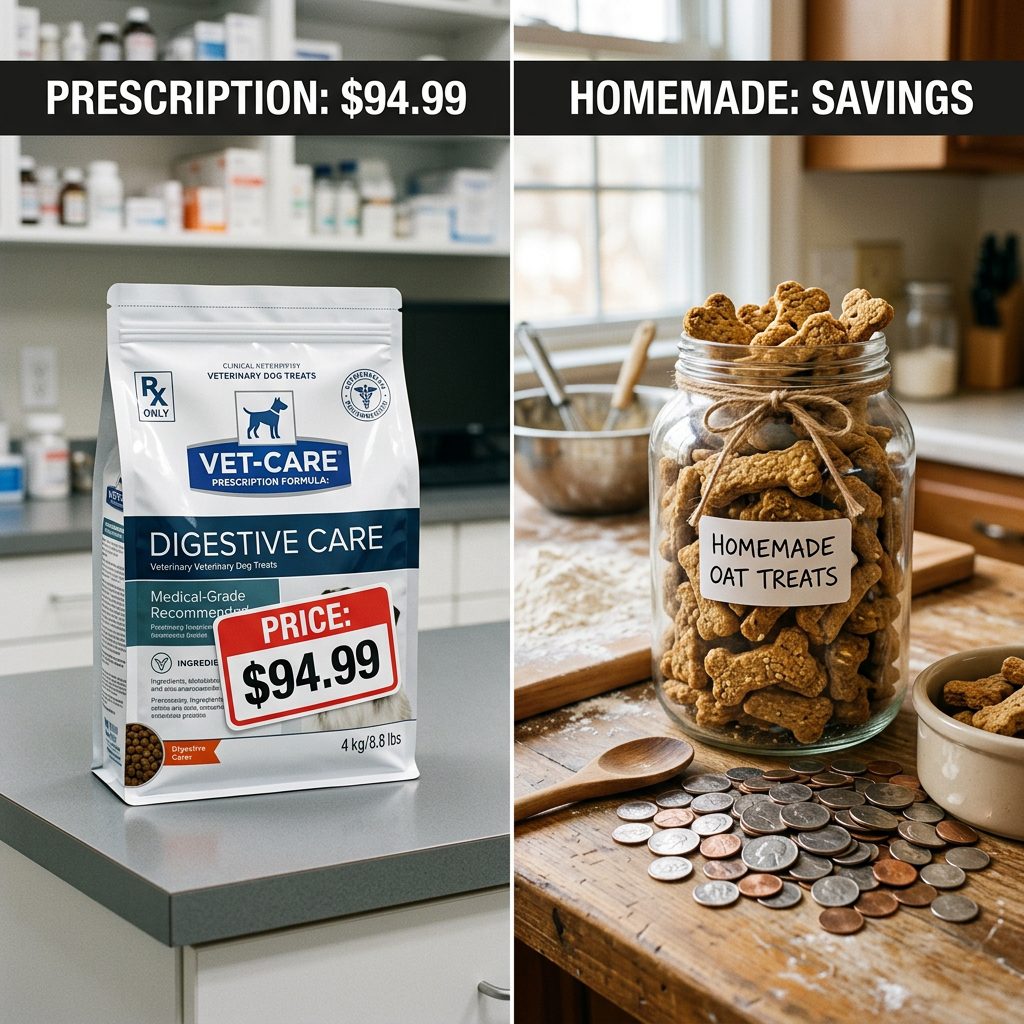
Let’s talk numbers. If you buy ‘Prescription Liver Support’ treats from a vet’s office, you are often paying for the brand name and the ‘medical’ label. Let’s look at the actual cost of hacking your own treats versus buying the ‘big brand’ versions.
| Treat Type | Est. Cost Per Ounce | Primary Ingredient | Hacker Verdict |
|---|---|---|---|
| Prescription Brand X | $2.10 | Corn Starch / Cellulose | Overpriced ‘Air’ |
| Premium Jerky Treats | $1.85 | Chicken / Beef | DANGEROUS for Liver |
| Hacker DIY Oat Treats | $0.45 | Rolled Oats / Honey | Best Value & Safety |
By making your own treats, you are saving approximately $1.65 per ounce. Over a year, for a dog that gets 3-4 treats a day, that is a savings of over $250. More importantly, you know exactly what is in them. No ‘mystery meat,’ no ‘natural flavors’ that could contain hidden sodium or MSG, and no artificial preservatives that the liver would have to work overtime to filter out.
Insider Secret: Batch cook these! The oat-based treats can be frozen for up to 3 months. Spend one Sunday afternoon baking, and you have ‘safe’ rewards for the next quarter.
Managing the ‘Protein Gap’ and Storage Hacks
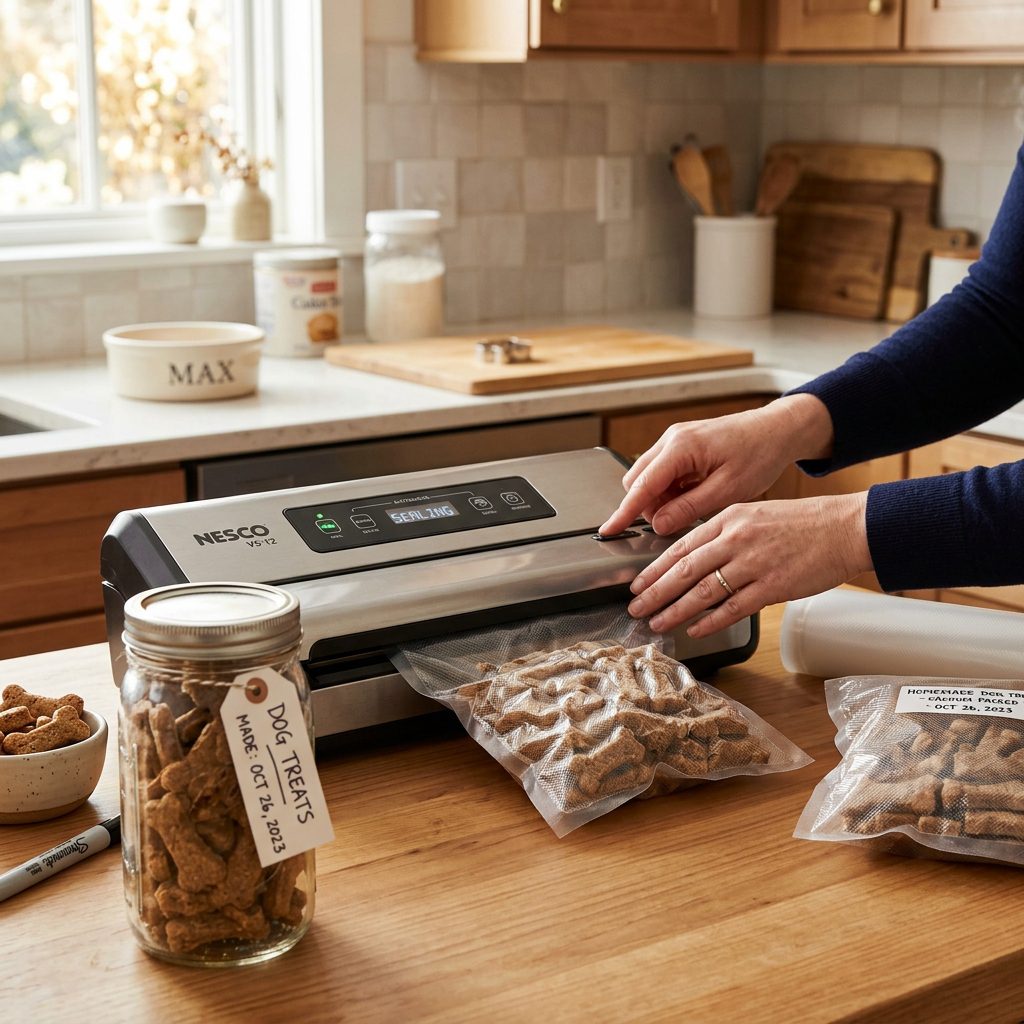
One of the biggest mistakes owners of liver-compromised dogs make is ‘cheating.’ A single high-protein treat can trigger a hepatic crisis. To avoid the temptation to share your dinner, you need to have these vetted treats ready at all times. But how do you keep them fresh without using the chemical preservatives (like BHA or BHT) found in commercial bags?
Storage Hack: The Double-Bag Freeze
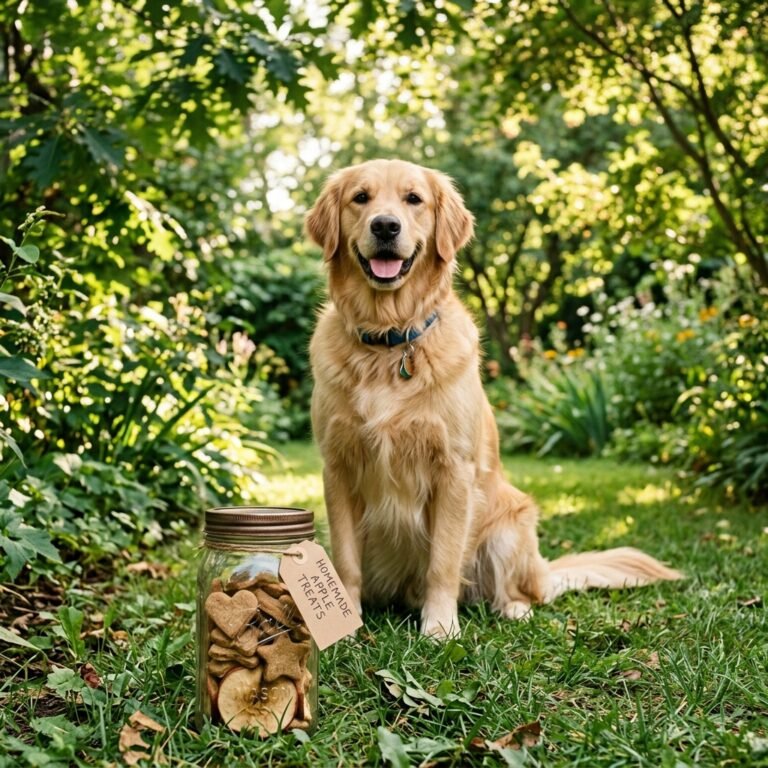
Because our recipes don’t have chemical stabilizers, they will spoil faster at room temperature. Keep a small ‘working jar’ on your counter with a 3-day supply. Keep the rest in the freezer. Oat-based treats stay crunchy even when frozen, so you can give them to your dog straight from the ice box. The cold texture is actually an added sensory bonus for the dog!
The Palatability Hack
Is your dog turning their nose up at low-protein snacks? Dogs are driven by scent. Since we can’t use stinky meats, we use aromatic safe fats. A tiny smear of unrefined coconut oil or a drop of pure vanilla extract (alcohol-free!) can make a bland oat biscuit smell like a gourmet bakery item to a dog. This ‘hacks’ their olfactory system into wanting the treat without adding a single gram of dangerous protein.
Conclusion
Empowering Your Dog’s Healing Journey
Managing liver disease is a marathon, not a sprint. It requires a total shift in how you view food—moving away from ‘protein is king’ to ‘clean energy is queen.’ By using these vetted recipes, you aren’t just saving money; you are actively reducing the toxic load on your dog’s most vital organ. You are giving their liver the ‘rest’ it needs to potentially regenerate or at least stabilize.
Remember the Hacker’s Creed: Analyze the label, question the price tag, and always prioritize the biology of the dog over the marketing of the bag. Your dog doesn’t care if their treat cost $30 or 30 cents; they care that you are rewarding them, and their body cares that the reward isn’t a metabolic burden. Stay savvy, keep baking, and give your pup an extra (low-protein) scratch behind the ears for me.