The Essential Guide to Gluten Free Alternative Flours for Baking Dog Treats Safely
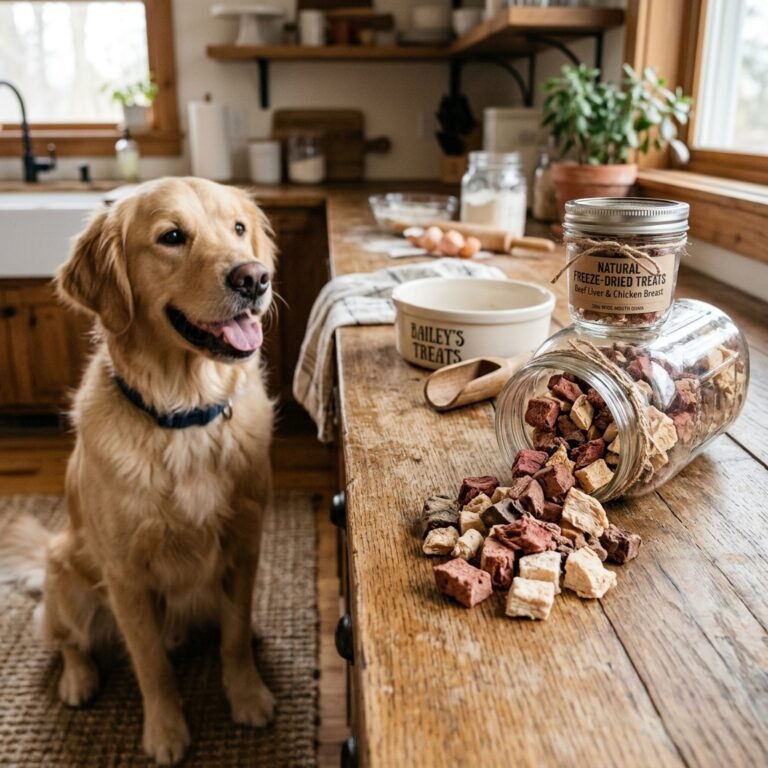
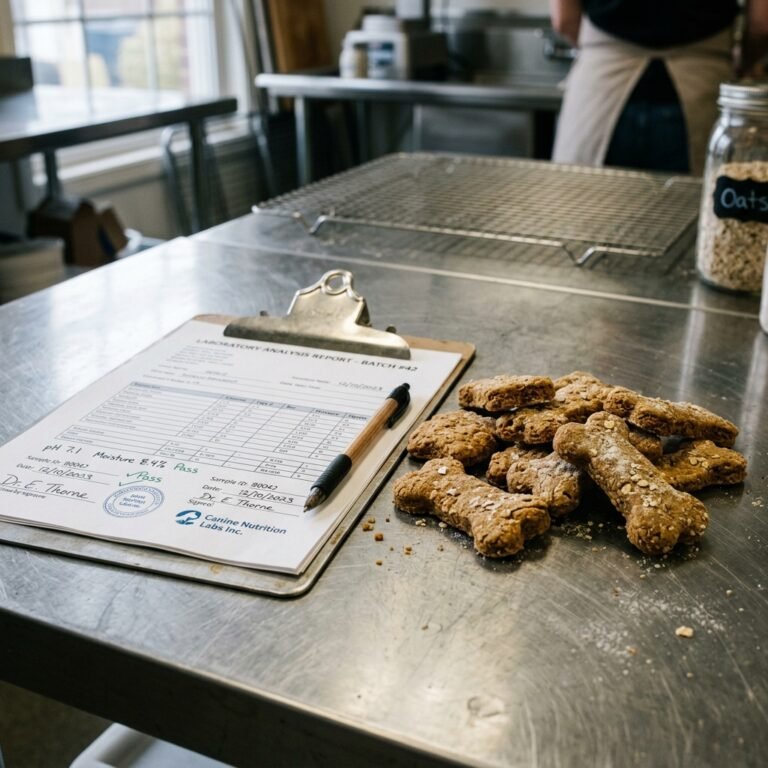
Listen up, pack leaders. If you are tired of paying premium prices for dog treats filled with mystery ingredients, you are in the right place. As a canine nutrition hacker, I analyze ingredient labels like a forensic scientist, and let me tell you—what passes for ‘treats’ these days is often a cocktail of cheap fillers and inflammatory grains.
SAFETY DISCLAIMER: I am a savvy dog owner and nutrition hacker, not a veterinarian. Homemade treats should make up no more than 10% of your dog’s daily caloric intake. Always consult your holistic vet if your dog has severe medical conditions or specific allergies.
So, why are we talking about gluten-free alternative flours? Commercial dog treats rely heavily on wheat flour and corn gluten meal. Why? Because it is dirt cheap and acts as a glue to hold kibble and biscuits together. But dogs do not have a biological requirement for refined carbohydrates. For many dogs, gluten triggers a cascade of inflammatory responses. We are talking about chronic ear infections, obsessive paw licking, itchy skin, and gastrointestinal distress.
Insider Secret: When a commercial treat label lists ‘wheat flour’ as the first or second ingredient, you are paying a massive markup for a filler that offers zero biological value to your carnivore-leaning best friend. Ditching the wheat is the first step to hacking your dog’s health.
By taking control of the baking process, we can swap out these empty calories for nutrient-dense, gluten-free alternatives that actually support your dog’s vitality. It is time to turn your kitchen into a canine health lab.
The Hero Flours: Safe, Nutritious, and Gluten-Free
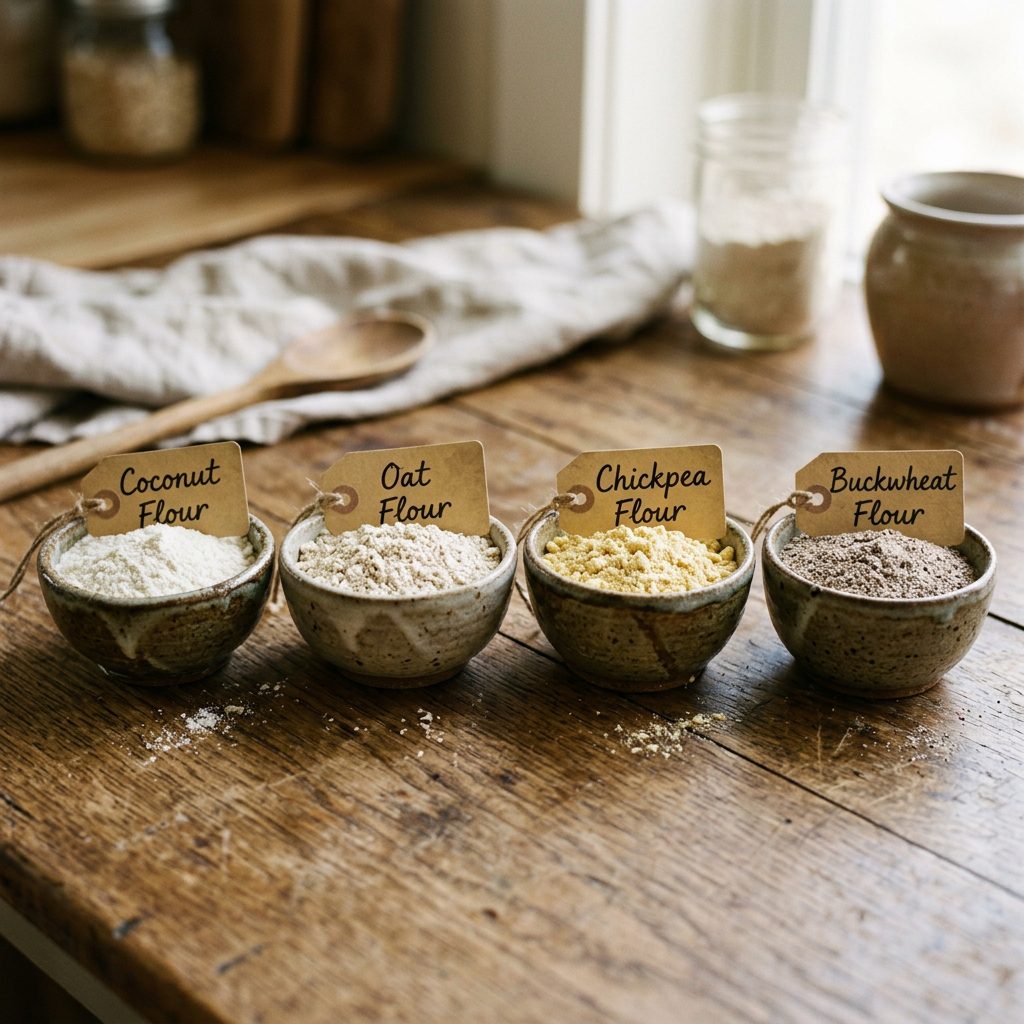
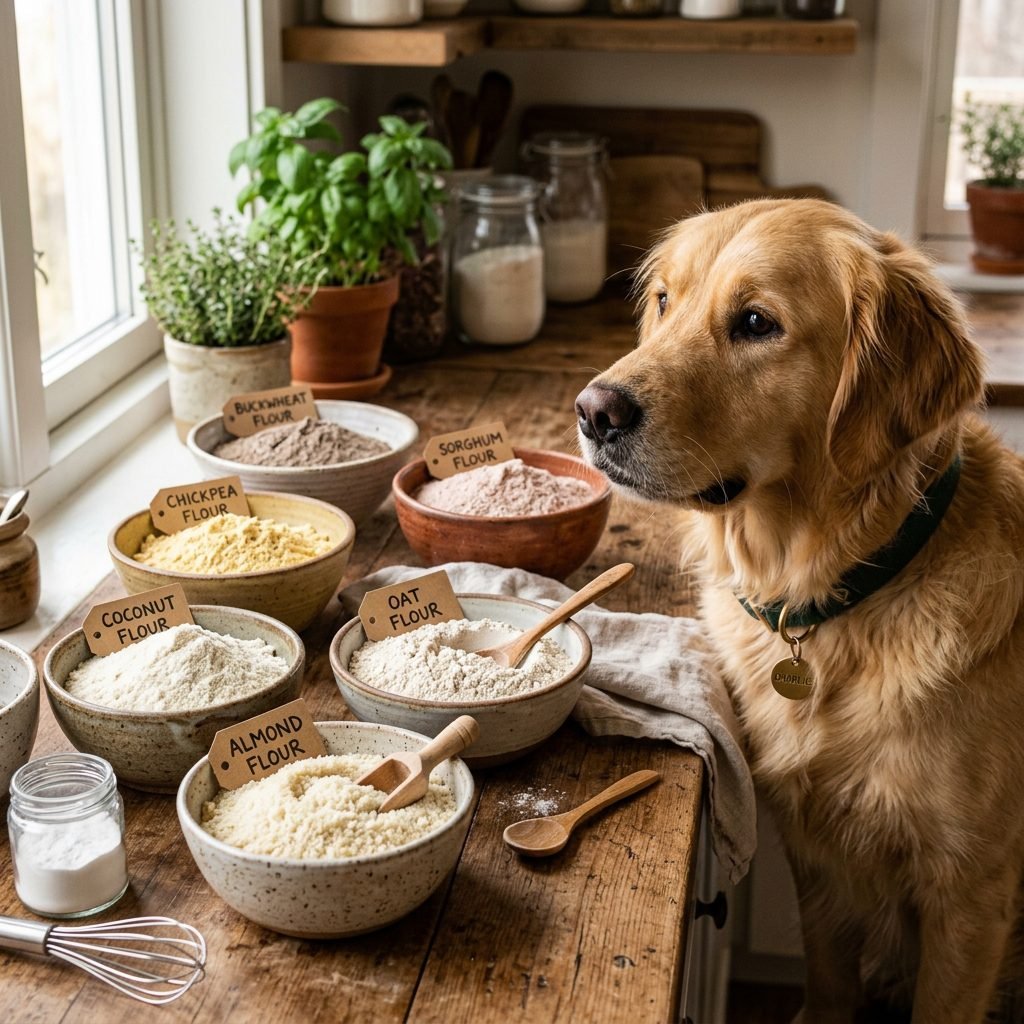
Not all alternative flours are created equal. When baking for dogs, we have to consider digestibility, glycemic index, and safety. Here is my forensic breakdown of the absolute best gluten-free flours you should be stocking in your pantry.
1. Coconut Flour
Coconut flour is a low-glycemic, high-fiber powerhouse. It is incredibly dense and absorbs liquid like a sponge, which means a little goes a very long way. Key Benefit: It is fantastic for overweight dogs or diabetic dogs because it does not spike blood sugar. Hacker Tip: When using coconut flour, you must increase your liquid ingredients (like bone broth or eggs) otherwise your treats will turn into concrete pucks.
2. Oat Flour
Oat flour is simply ground whole oats. It is naturally gluten-free (make sure you buy certified GF to avoid cross-contamination) and is incredibly gentle on a dog’s digestive tract. Key Benefit: Oats contain saponins, which act as natural cleansers, and they are packed with soothing vitamin B and linoleic acid. This is my go-to flour for dogs with sensitive stomachs.
3. Chickpea Flour (Garbanzo Bean Flour)
If you want to boost the protein content of your treats, chickpea flour is your secret weapon. It binds ingredients beautifully without the need for gluten. Key Benefit: High in protein and fiber, making it highly satiating. Just be cautious with the amount, as too many legumes can cause gas in some dogs.
4. Buckwheat Flour
Do not let the name fool you—buckwheat is not a type of wheat. It is actually a pseudo-cereal related to rhubarb. Key Benefit: It is rich in antioxidants and highly digestible protein. It has a robust, earthy flavor that pairs perfectly with meat-based treats, like liver or salmon baked bites.
Flours to Absolutely Avoid (The Enemy Ingredients)
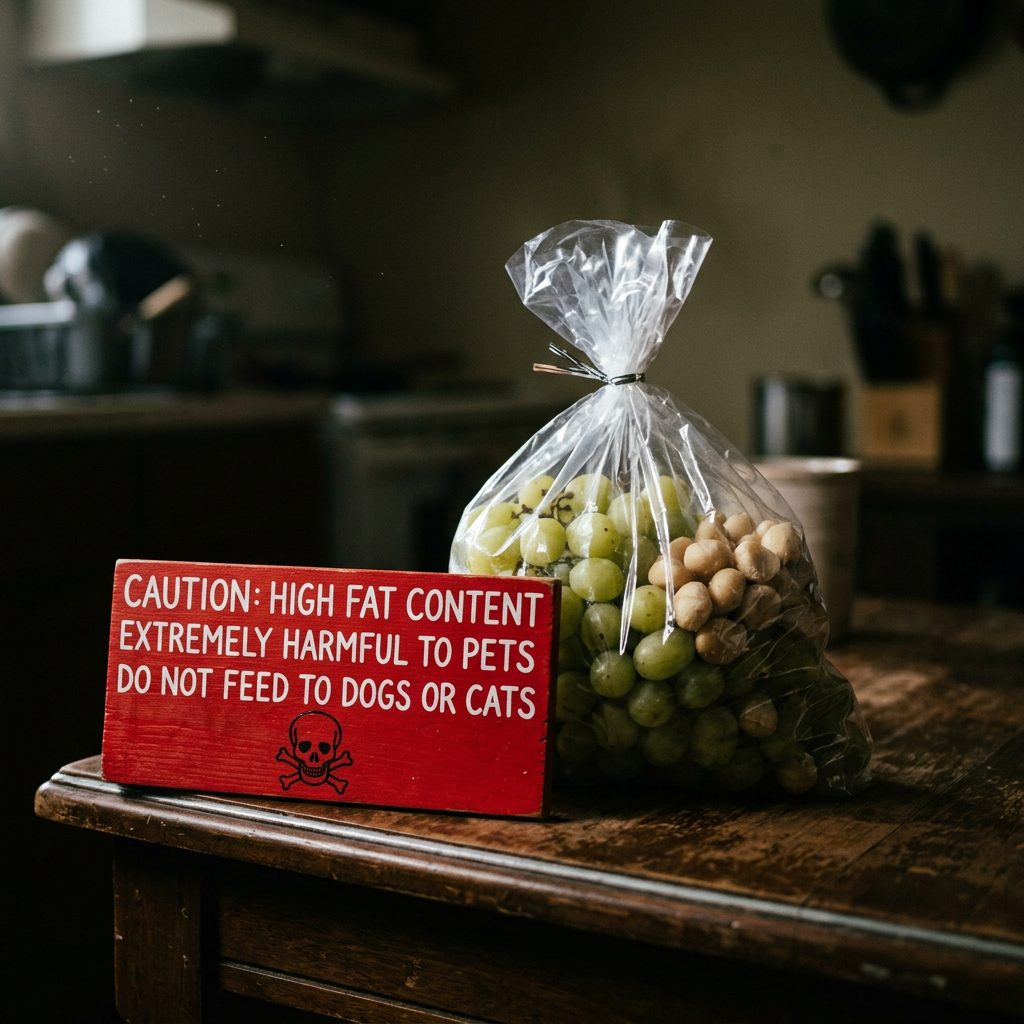
While we are hacking our way to better health, we must navigate the minefield of toxic ingredients. Just because a flour is healthy for humans does not mean it is safe for our dogs.
- Macadamia Nut Flour: Highly toxic to dogs. It can cause weakness, tremors, and hyperthermia. Never allow this in your canine kitchen.
- Grape Seed Flour: Grapes and raisins are notoriously toxic to dogs, causing acute kidney failure. Avoid anything derived from grapes.
- Any Flour Blend with Xylitol: Some human-grade low-carb baking mixes use Xylitol (sometimes labeled as birch sugar) as a sweetener. Xylitol is deadly to dogs, causing a rapid release of insulin and severe hypoglycemia.
Always read the ingredient list on store-bought alternative flour blends to ensure they are 100% pure flour with no added sweeteners or chemical preservatives.
The Real Cost Breakdown: DIY vs. Store-Bought Premium
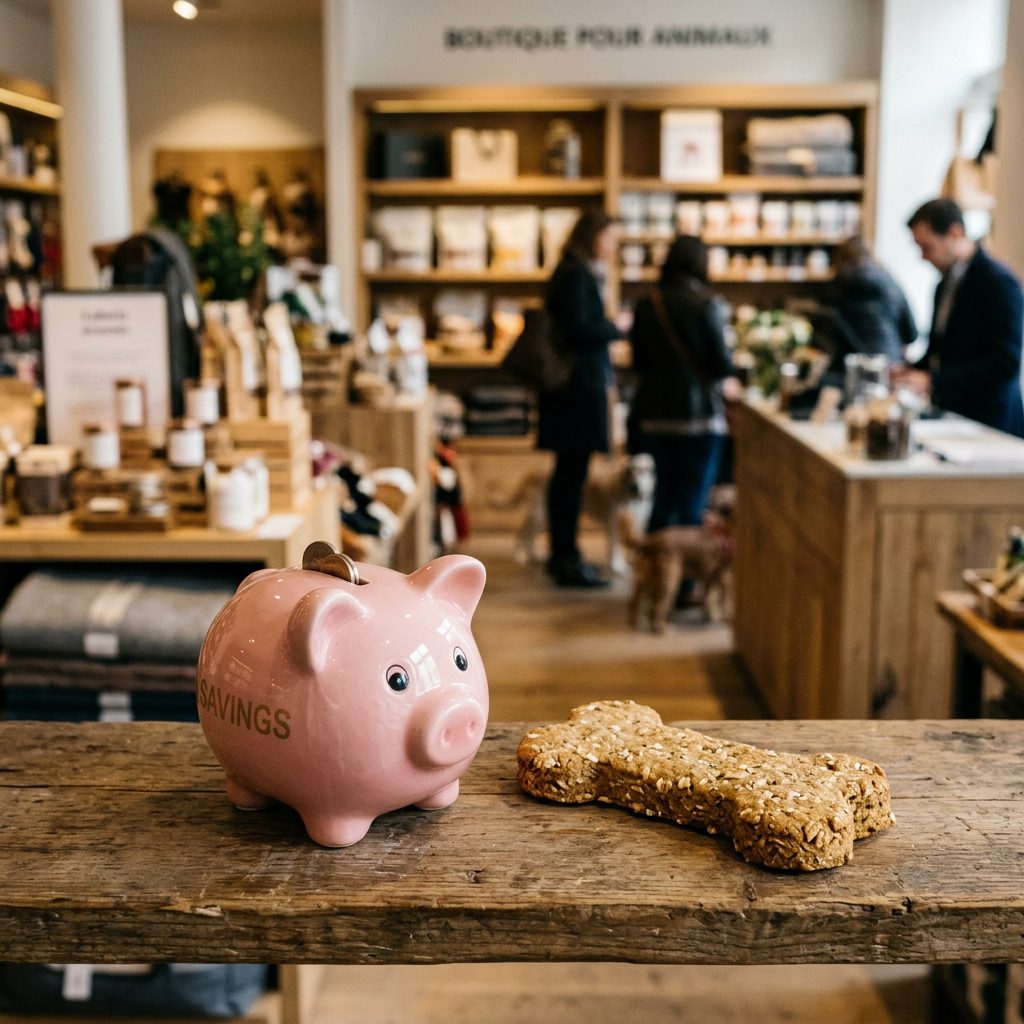
Let us talk numbers. The pet industry makes billions by convincing you that ‘premium’ treats are worth top dollar. As a savvy owner, you need to know the truth about the markup. Baking your own gluten-free treats is not just a health choice; it is a profound financial victory.
| Treat Type | Primary Flour Source | Average Cost Per Ounce | The Hacker Verdict |
|---|---|---|---|
| Store-Bought Premium GF | Tapioca / Potato Starch (Cheap Fillers) | $1.50 – $2.50 | Overpriced hype. You are paying for marketing and packaging. |
| Boutique Bakery Treats | Mixed GF Flours / Sugars | $3.00 – $4.00 | Aesthetic over nutrition. Often packed with hidden sugars. |
| DIY Homemade Treats | Organic Oat / Coconut Blend | $0.25 – $0.40 | Ultimate Value. 100% control over ingredients and massive savings. |
By baking at home, you are saving hundreds of dollars a year. A 50lb dog eating a few premium treats a day can easily cost you $1.50/day. By switching to DIY oat flour treats, that cost plummets to roughly $0.20/day. That is money you can redirect into high-quality raw food, joint supplements, or puzzle toys.
The Safe Chef Guide: The Ultimate GF Master Recipe
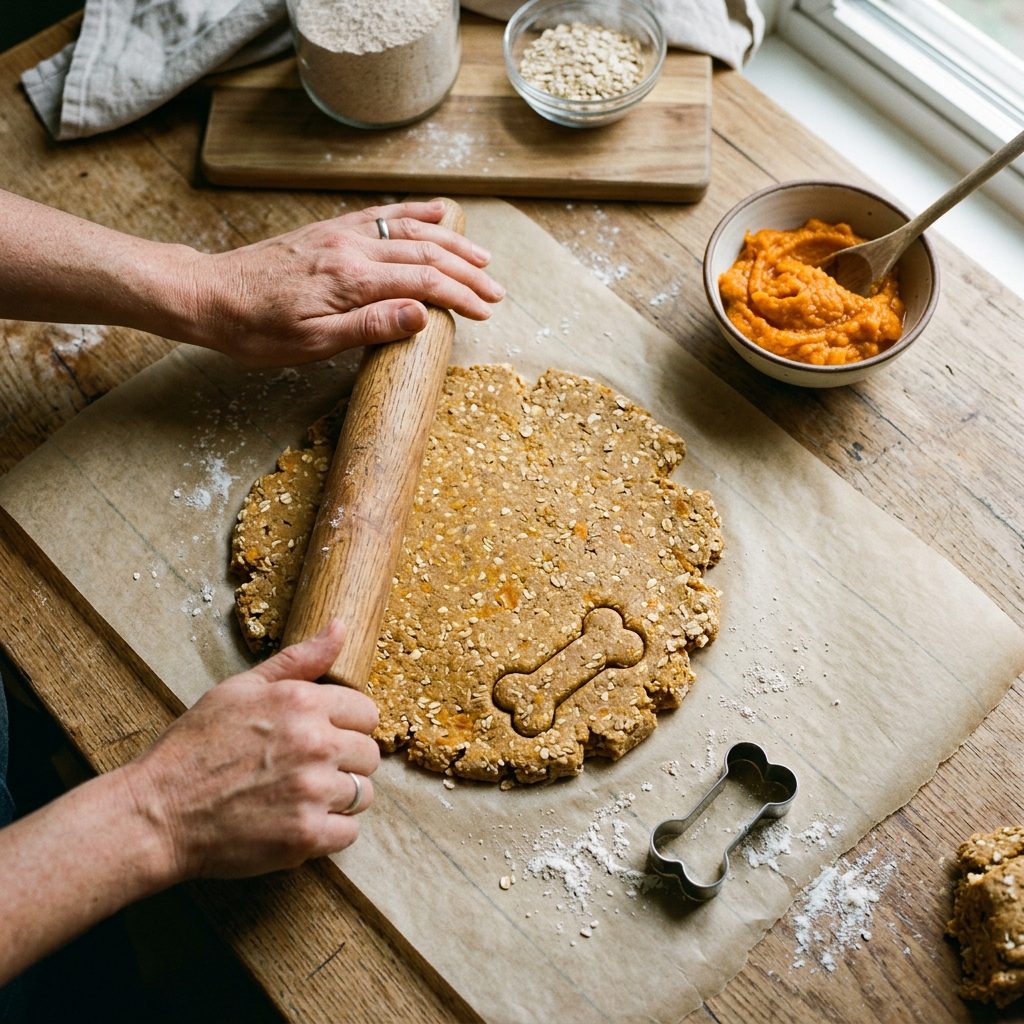
Ready to bake? Here is my bulletproof, highly versatile master recipe for gluten-free dog treats. This ratio works perfectly every time and allows you to swap in your dog’s favorite flavors.
The 3-2-1 Hacker Ratio
The secret to perfect GF dog treats is the ratio: 3 parts flour, 2 parts puree, 1 part binder.
- The Base (3 Parts): 3 cups of certified gluten-free oat flour. (If using coconut flour, use only 1 cup and add 1 extra cup of liquid).
- The Puree (2 Parts): 2 cups of pure pumpkin puree (NOT pie filling) or unsweetened applesauce. This provides moisture and gut-healing fiber.
- The Binder (1 Part): 1/2 cup of organic, dog-safe peanut butter (Xylitol-free!) and 2 large eggs.
Instructions:
- Preheat your oven to 350 degrees Fahrenheit.
- Mix the wet ingredients (puree, peanut butter, eggs) in a large bowl until completely smooth.
- Gradually fold in the oat flour until a thick dough forms.
- Roll the dough out on a parchment-lined surface to about 1/4 inch thickness.
- Use a cookie cutter to cut out shapes, or simply use a pizza cutter to make small training squares.
- Bake for 20-25 minutes. For a crunchier treat, turn the oven off and leave them inside for an extra 30 minutes to dehydrate.
Insider Secret: Add a pinch of Ceylon cinnamon or dried parsley to the dough. Cinnamon helps regulate blood sugar, and parsley acts as a natural breath freshener!
Batch Cooking Tips & Safe Storage
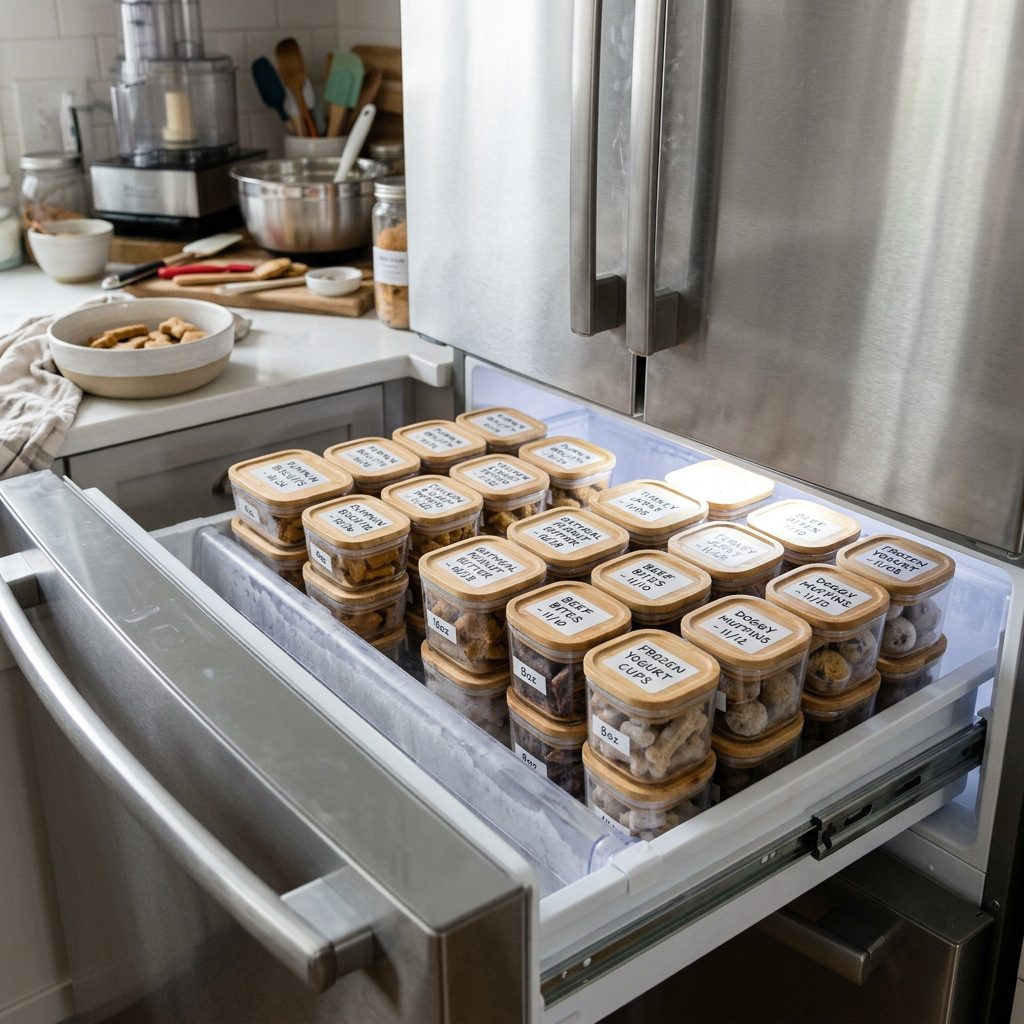
We are busy people, and nobody has time to bake dog treats every single day. Batch cooking is the ultimate hack for the modern dog owner.
Freezing the Dough
This gluten-free dough freezes beautifully. I highly recommend doubling the recipe. Bake half for the week, and roll the other half into a log, wrap it tightly in parchment paper and a freezer-safe bag, and freeze it. Next time you need treats, just slice the frozen log into coins and bake!
Shelf Life and Preservation
Because our homemade treats do not contain the chemical preservatives found in commercial brands (like BHA or BHT), they will not last for months in the pantry. Store baked treats in an airtight container in the refrigerator for up to two weeks. If you want them to last longer, keep them in the freezer and pull them out as needed—many dogs actually love the crunch of a frozen treat!
Conclusion
Baking your own dog treats using safe, gluten-free alternative flours is one of the most empowering steps you can take as a dog owner. You are eliminating toxic fillers, bypassing the outrageous markups of the pet food industry, and providing your best friend with bioavailable nutrition that actually supports their health. Remember, true canine nutrition is not about fancy packaging; it is about transparency, quality ingredients, and understanding exactly what goes into your dog’s body. So preheat that oven, grab some oat flour, and start hacking your dog’s health today!