Stop the Itch: The Yeast-Starving Dog Treats That Clean Up Yeast Infections Fast
Listen up, savvy dog parents. We need to have a serious talk about the endless scratching, the frantic head shaking, and that unmistakable corn chip smell radiating from your dog’s paws. If you are reading this, you are probably exhausted. You have tried the medicated shampoos, the expensive vet-prescribed allergy pills, and the soothing sprays, but the itch always comes back. Why? Because you are likely fighting a war on the wrong front. You are treating the symptoms, but you are not starving the enemy. I am the Canine Nutrition Hacker, and I look at dog food labels like a forensic scientist. Today, we are going to expose the hidden culprits in your dog’s treat jar that are secretly fueling their yeast infections.
Medical Disclaimer: I am a canine nutrition hacker and a passionate dog owner, not a veterinarian. The information provided here is for educational purposes and should not replace professional veterinary advice. Always consult with your holistic or integrative vet before making major dietary changes, especially if your dog has underlying health conditions.
Yeast infections in dogs, primarily caused by an overgrowth of Malassezia, are a systemic issue. Yeast is a fungus, and fungi thrive on one primary fuel source: sugar. Now, you might be thinking, I do not feed my dog sugar! But if you are handing out conventional commercial dog treats, you are likely feeding them massive amounts of starch, which their bodies instantly convert into sugar. To stop the itch fast, we have to cut off the food supply. We need to switch to yeast-starving dog treats. Let us dive into the science of the canine microbiome and learn how to clean up yeast infections from the inside out.
The Sugar Trap: Enemy Ingredients Feeding the Itch
If you want to stop the itch, you have to know your enemy. Yeast is opportunistic. It lives naturally on your dog’s skin and in their gut in small, manageable numbers. But when the environment becomes hospitable—usually due to a compromised immune system or a diet high in carbohydrates—yeast multiplies rapidly. The result? Red, inflamed skin, blackened ear canals, and constant, agonizing chewing.
Exposing the Fillers
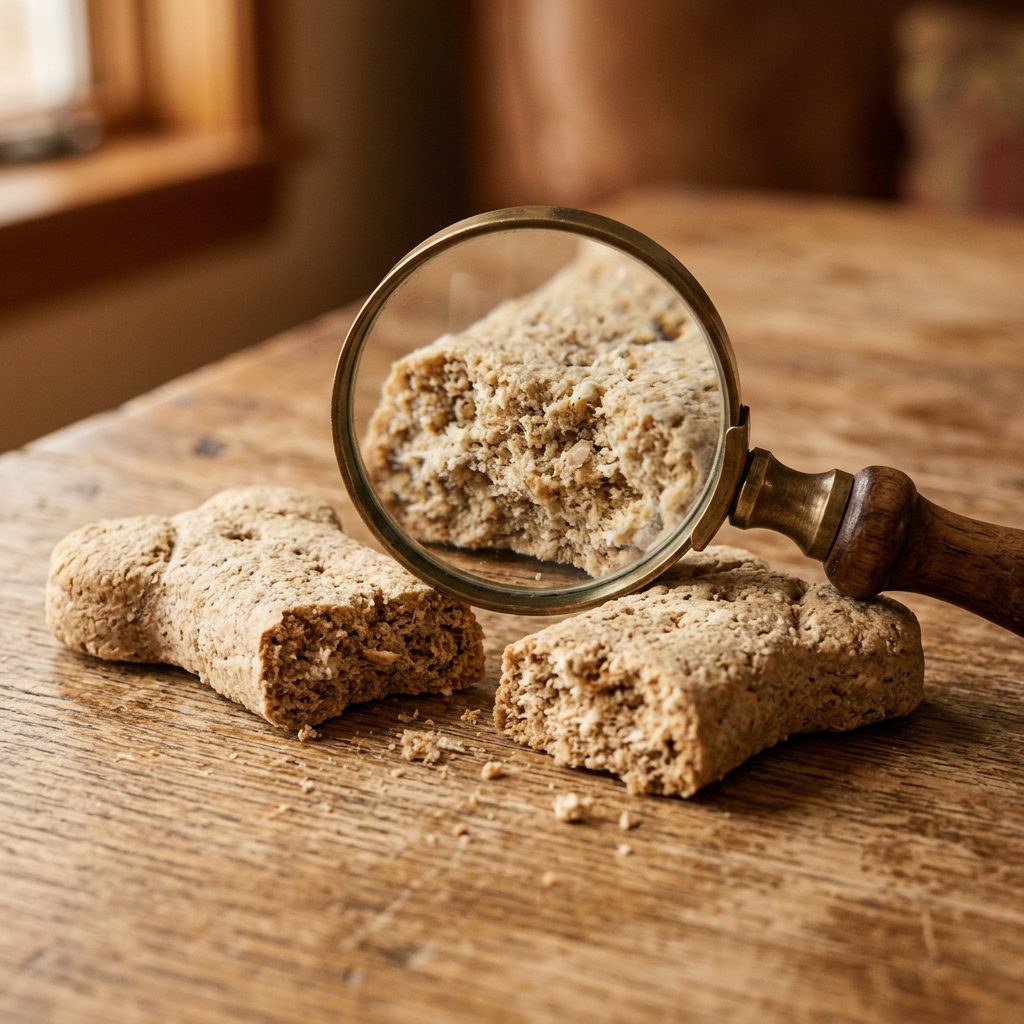
Grab your dog’s current bag of treats and flip it over. We are going to do a forensic label reading. If you see any of the following ingredients in the top five, you are actively feeding the yeast infection:
- Wheat and Corn: These are high-glycemic carbohydrates. They break down into sugars rapidly in the digestive tract, creating an all-you-can-eat buffet for yeast.
- Potatoes and Tapioca: Often used as binders in grain-free treats, these starches are just as bad, if not worse, than grains when it comes to feeding yeast.
- Hidden Syrups: Look out for molasses, corn syrup, or maltodextrin. These are literal sugars used to make cheap treats more palatable.
- Glycerin: Often used to keep chewy treats soft, glycerin is a sugar alcohol that can disrupt gut flora and contribute to yeast overgrowth.
The pet food industry loves these ingredients because they are incredibly cheap binders. They hold the kibble or the biscuit together and provide bulk. But for a dog prone to yeast, these fillers are absolute poison. Every time you reward your good boy with a standard biscuit, you are throwing gasoline on the fungal fire.
The Yeast-Starving Strategy: Hero Ingredients to the Rescue
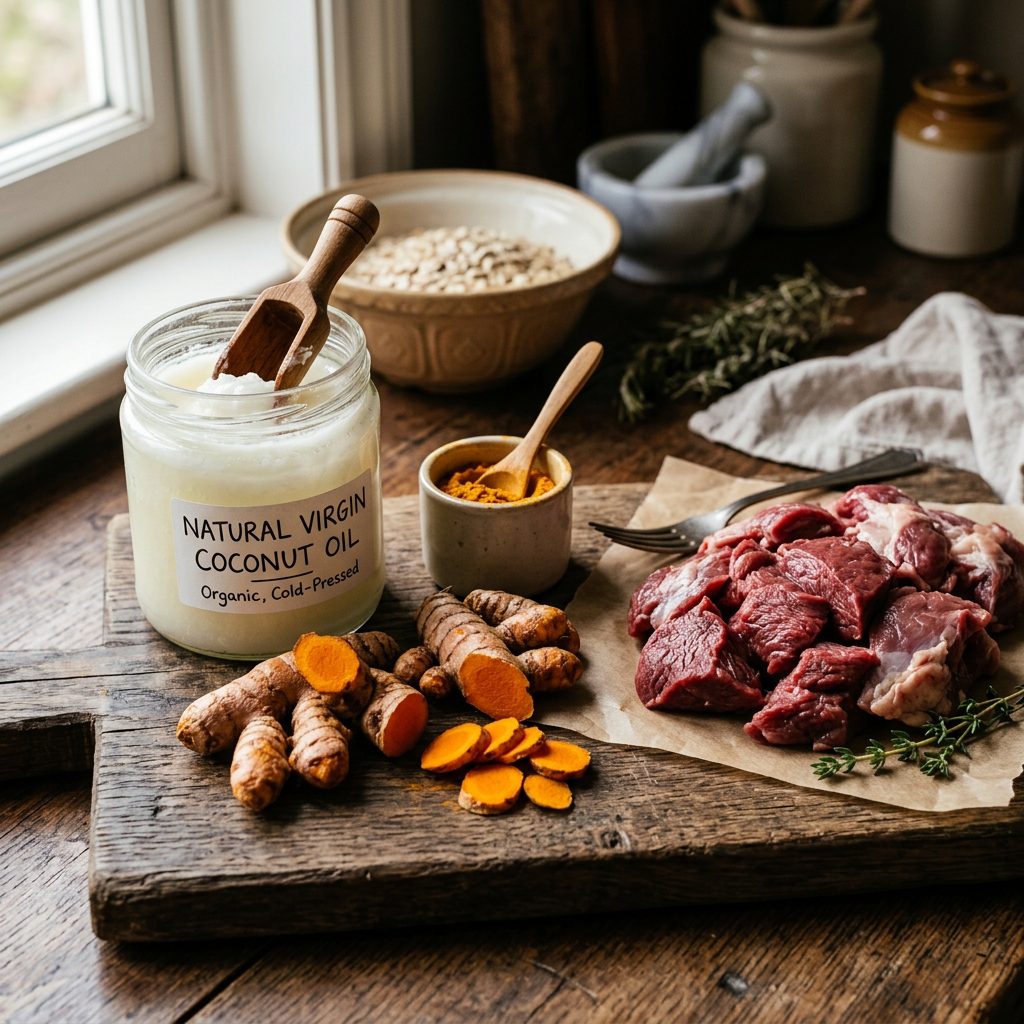
Now that we have eliminated the fuel, it is time to bring in the heavy artillery. A true yeast-starving treat does not just lack carbohydrates; it actively fights the fungal overgrowth and supports a healthy gut microbiome. Here are the hero ingredients you need to look for—or use in your own kitchen.
The Antifungal Powerhouses
- Caprylic Acid (from Coconut Oil): This is the holy grail of natural yeast fighters. Caprylic acid is a medium-chain triglyceride (MCT) that actually penetrates the cell walls of yeast, causing them to rupture and die. It is nature’s antifungal medication.
- Novel, Single-Source Proteins: Yeast thrives on complex, highly processed diets. By switching your treats to single-ingredient, freeze-dried novel proteins like rabbit, duck, or venison, you provide zero carbohydrates while giving your dog the essential amino acids they need for skin repair.
- Apple Cider Vinegar (ACV): Raw, unfiltered ACV helps balance the pH levels in your dog’s gut and on their skin, making it an inhospitable environment for yeast to colonize.
- Oregano and Turmeric: These powerful herbs possess incredible anti-inflammatory and antifungal properties. Turmeric, specifically its active compound curcumin, helps soothe the inflamed skin from the inside out.
Insider Secret: When shopping for commercial treats, look for the word freeze-dried rather than baked. Baked treats require a carbohydrate binder (like flour or potato) to hold their shape in the oven. Freeze-dried treats are usually 100% pure meat.
Store-Bought vs. Homemade: The Ultimate Treat Breakdown
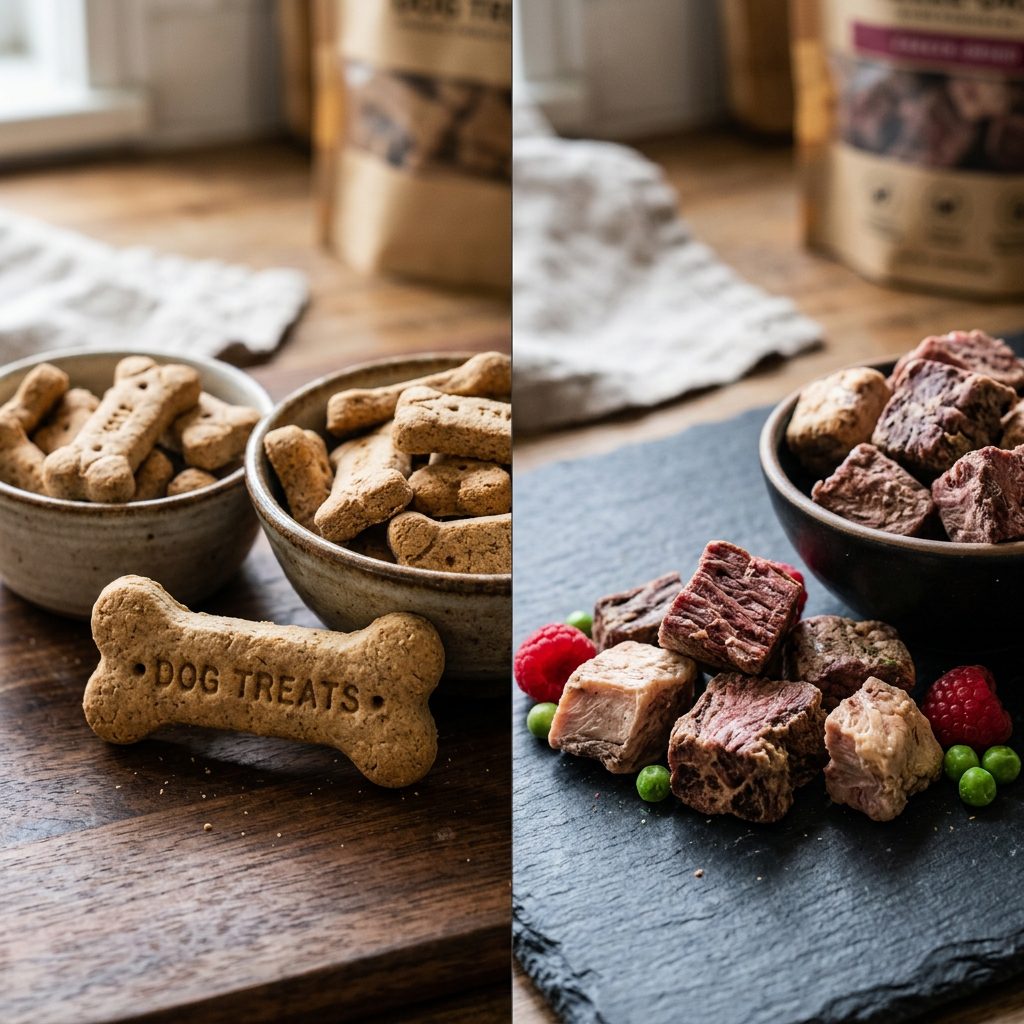
Let us look at the actual math and nutritional profiles. As a savvy dog owner, you need to weigh the convenience of store-bought treats against the absolute control of making them yourself. I have analyzed three different tiers of dog treats to show you exactly what you are paying for and how it impacts your dog’s yeast infection.
| Treat Type | Primary Ingredients | Carb Content | Cost Per Day (50lb Dog) | Yeast Impact |
|---|---|---|---|---|
| Generic Supermarket Biscuit | Wheat flour, poultry by-product, bone meal, corn syrup | High (Over 40%) | $0.30/day | Feeds Yeast Rapidly |
| Premium Freeze-Dried Raw | 100% Beef Liver (or Salmon/Duck) | Zero (0%) | $1.50/day | Starves Yeast |
| DIY Hacker Coconut Drops | Organic coconut oil, turmeric, black pepper | Zero (0%) | $0.45/day | Actively Kills Yeast |
As you can see from the forensic review above, the generic supermarket biscuit might be cheap, but it will cost you hundreds of dollars in vet bills for ear drops and cytopoint injections later. The premium freeze-dried raw treats are excellent, zero-carb options that completely starve the yeast, but they come at a premium price. The sweet spot for the budget-conscious, savvy owner is the DIY route. You get active yeast-killing ingredients for pennies on the dollar.
The Hacker’s Secret DIY Yeast-Busting Recipe
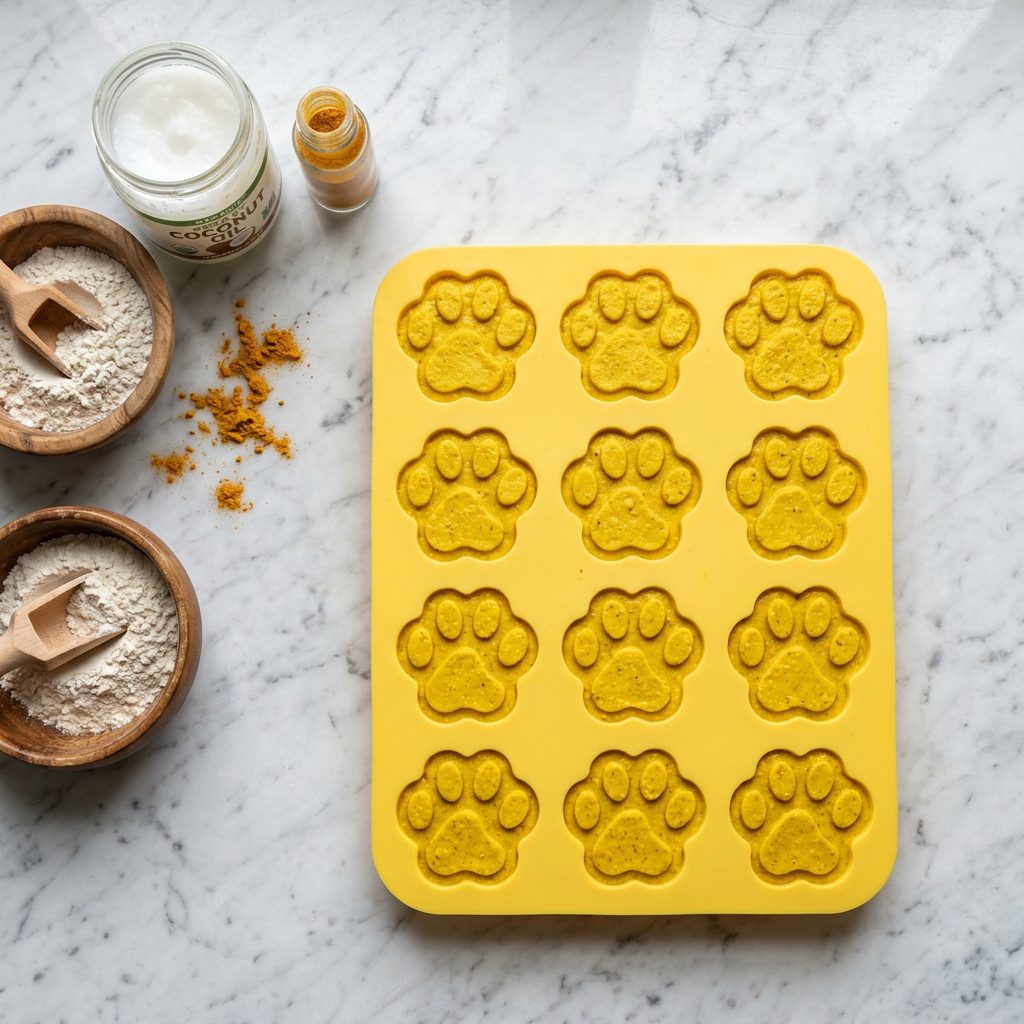
If you are ready to take total control of your dog’s healing process, you need to try my signature Yeast-Busting Coconut Turmeric Drops. This recipe requires zero baking, meaning we do not need any starchy binders. It uses the power of caprylic acid and curcumin to destroy yeast from the inside out.
Ingredients You Will Need
- 1 cup Organic, Unrefined, Cold-Pressed Coconut Oil (Must be unrefined to retain the caprylic acid)
- 1 tablespoon Organic Turmeric Powder
- A tiny pinch of freshly ground black pepper (This increases the bioavailability of the curcumin by 2000%)
- Optional: 1/4 cup freeze-dried meat dust (the crumbs at the bottom of a freeze-dried treat bag) for flavoring
The Actionable Blueprint
- Gently melt the coconut oil in a saucepan over very low heat. Do not let it boil; we want to preserve the beneficial properties.
- Whisk in the turmeric powder and the tiny pinch of black pepper until completely smooth and bright orange.
- If using, stir in the freeze-dried meat dust to make these irresistible to your dog.
- Pour the liquid mixture into small silicone molds (paw print molds work great).
- Place the molds in the freezer for 2 hours until the drops are completely solid.
Batch Cooking Tip: Pop the solid drops out of the mold and store them in an airtight glass container in the refrigerator or freezer. Give one drop per 10 lbs of body weight daily. Start slow to avoid loose stools!
The Healing Phase: What to Expect When the Yeast Dies Off
Here is an insider secret that most vets will not warn you about: things might look slightly worse before they look better. When you abruptly cut off the sugar supply and introduce powerful antifungals like caprylic acid, the yeast cells die off in massive numbers. This process releases toxins into your dog’s bloodstream as their body works to filter out the dead fungus.
The Herxheimer Reaction
This phenomenon is known as the Herxheimer reaction, or simply yeast die-off. During the first week of transitioning to yeast-starving treats and a low-carb diet, your dog might experience a temporary increase in itching, lethargy, or even a slight runny nose. Do not panic, and do not go back to the starchy treats! This is a sign that the strategy is working. The enemy is being eradicated.
To support your dog through this phase, ensure they have access to plenty of fresh, filtered water to help flush the toxins from their kidneys and liver. You can also add a high-quality, canine-specific probiotic to their meals. Probiotics introduce beneficial bacteria into the gut, which act like an army to crowd out the dying yeast and reclaim the territory. Usually, within 10 to 14 days, the die-off symptoms subside, the redness fades, the corn chip smell vanishes, and your dog finally experiences true relief.
Conclusion
Stopping the itch is not about slapping a temporary bandage on the problem with steroids or antibiotics. It is about fundamentally changing the internal environment of your dog’s body. By reading labels like a forensic scientist, exposing the cheap filler ingredients, and switching to yeast-starving dog treats, you are taking back control of your dog’s health. Whether you choose to invest in premium freeze-dried single-ingredient treats or whip up a batch of my DIY coconut drops, you are making the savvy choice. Stay consistent, push through the die-off phase, and watch as your dog transforms from a frantic, itchy mess into a calm, vibrant, and comfortable companion. You have the knowledge now; go clean up that yeast!