Vet-Approved Low Fat Baked Sweet Potato Dog Treats Safe for Dogs With Pancreatitis
The Pancreatitis Nightmare Ends Here
Listen up, savvy dog parents. If your dog has recently been slapped with a pancreatitis diagnosis, I know exactly what you are going through. The sudden vet visits, the terrifying symptoms, the strict dietary overhauls, and the crushing guilt when your pup gives you those puppy-dog eyes and you have to say ‘no’ to their favorite treats. It is heartbreaking.
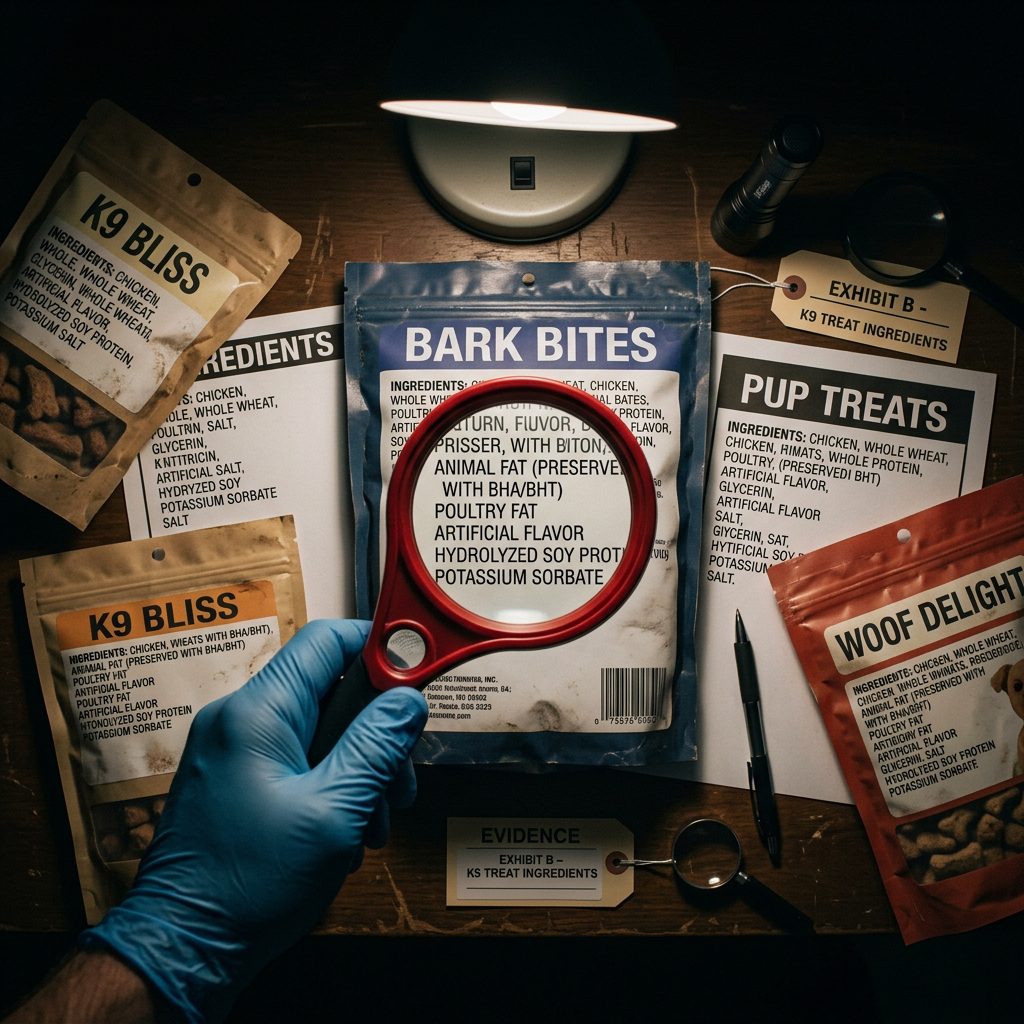
As a canine nutrition hacker, I analyze ingredient labels like a forensic scientist, and let me tell you a harsh truth: the commercial pet food industry makes dealing with pancreatitis incredibly difficult. Walk down any pet store aisle, and you will see bags plastered with terms like ‘all-natural’ and ‘healthy.’ But flip that bag over. You will find hidden fats, mystery meat meals, and glycerin-based fillers that can send your dog’s pancreas into a dangerous tailspin.
MEDICAL DISCLAIMER: I am a savvy dog owner and nutrition hacker, not a veterinarian. Pancreatitis is a serious, potentially life-threatening medical condition. Always consult with your vet before introducing any new food into your dog’s prescribed diet, even safe whole foods.
But here is the good news: a pancreatitis diagnosis is not a life sentence of boring, treat-less days. You just have to outsmart the system. Today, I am giving you the ultimate insider secret: a vet-approved, ridiculously easy, low-fat baked sweet potato dog treat recipe that is 100% safe for dogs with pancreatitis. We are cutting out the middleman, ditching the dangerous fillers, and taking control of your dog’s health right in your own kitchen.
The Pancreatitis Protocol: Why Store-Bought Treats Are the Enemy
To understand why we are making these treats from scratch, you need to understand the enemy. Pancreatitis is the inflammation of the pancreas, usually triggered by a diet too high in fat. When the pancreas gets angry, it prematurely releases digestive enzymes that literally begin to digest the organ itself. It is painful, it is dangerous, and it requires a strict, ultra-low-fat diet to manage.
The ‘First 5 Ingredients’ Truth
Let’s play a game. Pick up a popular, store-bought ‘diet’ or ‘light’ dog treat. Read the first five ingredients. You are likely going to see things like:
- Wheat Flour or Corn Gluten Meal: Cheap, inflammatory fillers that spike blood sugar and offer zero nutritional value.
- Beef Tallow or Animal Fat: Often preserved with BHA/BHT. This is pure gasoline on the fire of a sensitive pancreas.
- Propylene Glycol or Glycerin: Used to keep treats ‘chewy’ on the shelf for years. These can cause gastrointestinal upset.
- Artificial Colors (Red 40, Yellow 5): Completely unnecessary chemicals added solely to appeal to the human eye.
Even treats marketed as ‘low fat’ often hover around the 7% to 10% fat mark, which is still too high for a dog recovering from a severe acute pancreatitis flare-up, or one managing chronic pancreatitis. Your dog needs treats that are virtually fat-free. That is where our hero ingredient steps in.
The Hero Ingredient: Why Sweet Potatoes Are a Pancreatitis Superfood
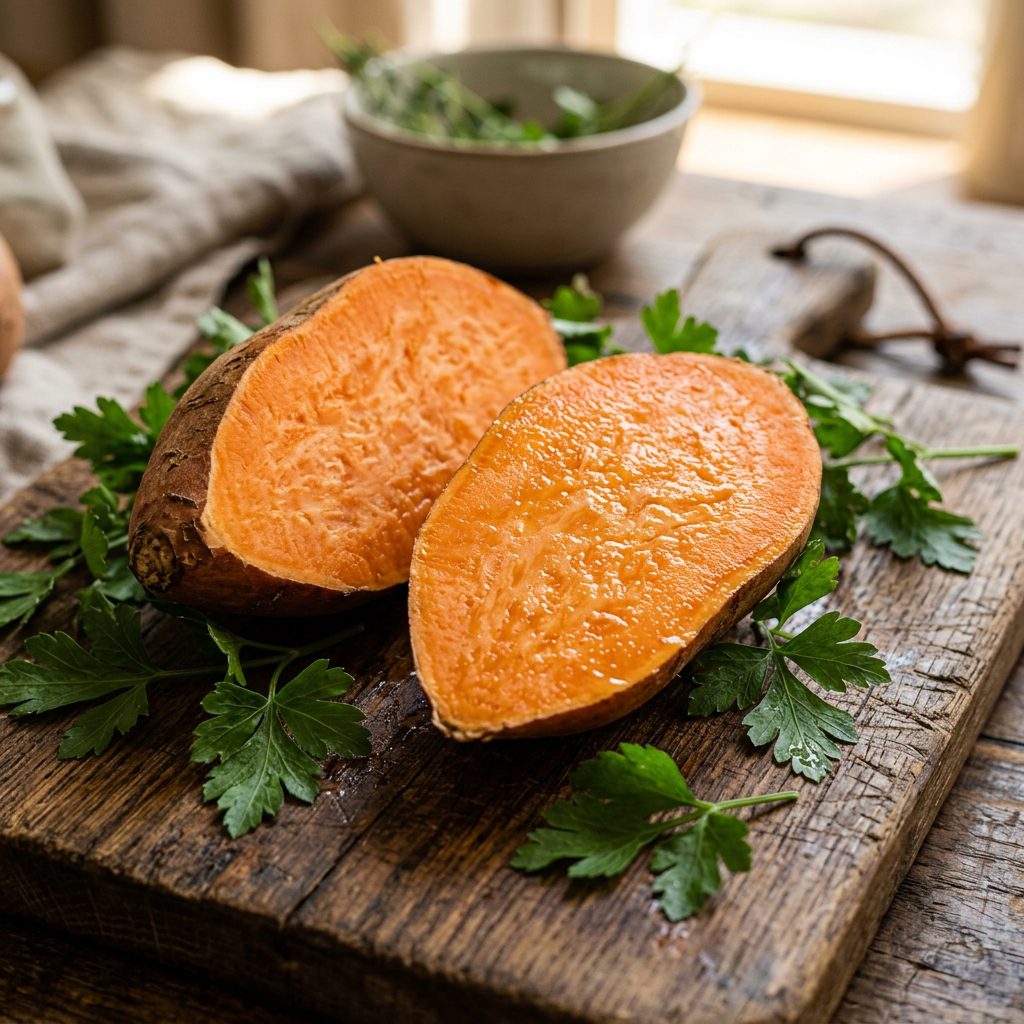
When you are hacking your dog’s diet for pancreatitis, you need ingredients that work double duty: they must be incredibly low in fat, but highly digestible and packed with soothing nutrients. Enter the sweet potato.
Why Sweet Potatoes Work
Sweet potatoes are a complex carbohydrate, meaning they provide a slow, steady release of energy without spiking blood sugar. More importantly, they contain virtually zero fat. But the real magic lies in their fiber content. High-quality dietary fiber is essential for dogs with gastrointestinal issues. It helps regulate bowel movements, soothes the gut lining, and feeds the beneficial bacteria in your dog’s microbiome.
- Virtually Fat-Free: Contains less than 0.1 grams of fat per serving. Perfect for the pancreas.
- Rich in Beta-Carotene: A powerful antioxidant that helps reduce cellular damage and inflammation.
- Vitamin B6 & Vitamin C: Essential for immune system support and recovery.
- High in Potassium: Helps maintain fluid balance, which is vital if your dog has experienced vomiting or diarrhea.
Let’s look at the hard data. Here is a breakdown of why a pure sweet potato treat obliterates a standard commercial biscuit:
| Nutritional Metric | Pure Baked Sweet Potato Treat | Standard Commercial ‘Diet’ Biscuit |
|---|---|---|
| Fat Content | <0.5% (Safe) | 5% – 9% (Risky) |
| Fiber Source | Natural Plant Fiber | Cellulose (Wood Pulp) or Corn |
| Preservatives | None | BHA, BHT, Ethoxyquin |
| Digestibility | Extremely High | Moderate to Low |
Hacker Tip: Always use fresh sweet potatoes, not canned sweet potato puree or pie filling. Canned versions often contain added sugars, xylitol (which is toxic to dogs), or spices like nutmeg that can cause neurological issues.
The Safe Chef Guide: Vet-Approved Low Fat Baked Sweet Potato Treats
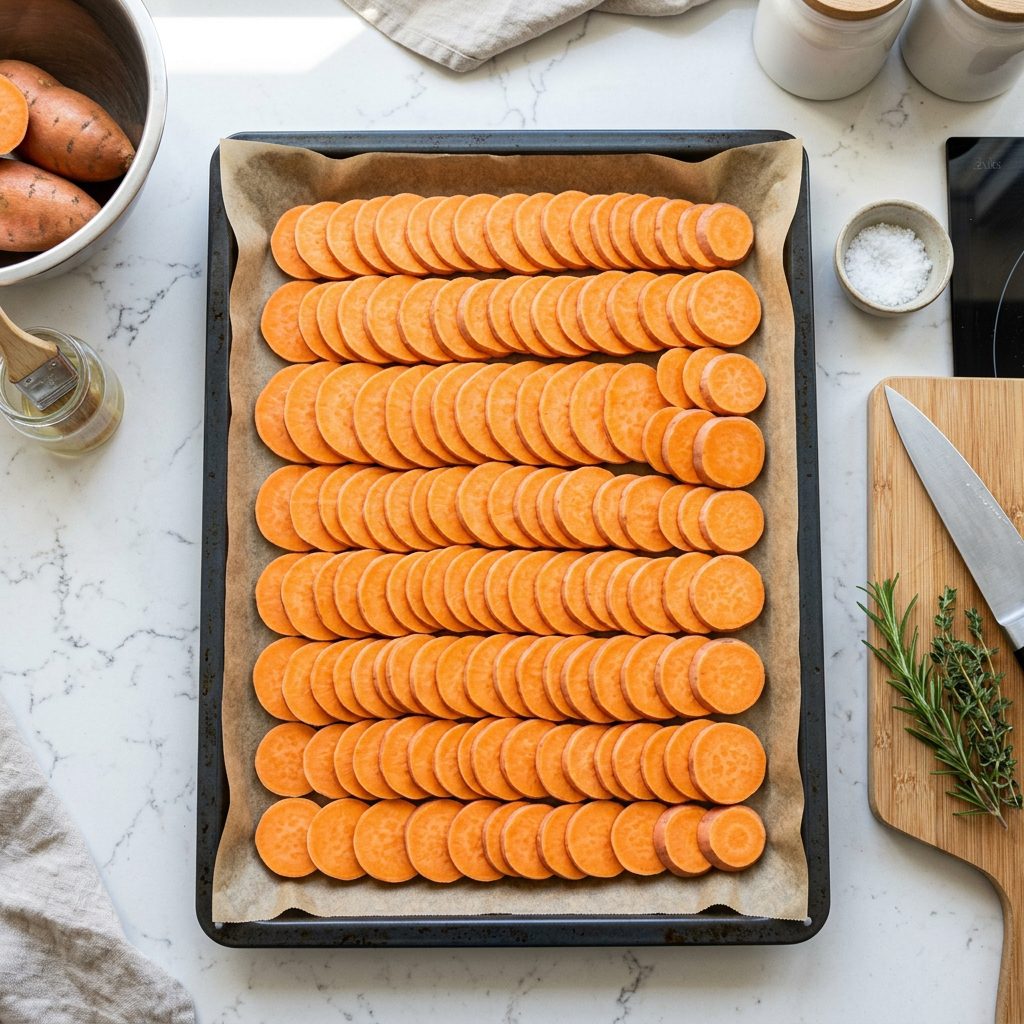
It is time to put on your apron. This is the ultimate, fool-proof recipe for dogs with pancreatitis. We are keeping this to a single ingredient to ensure maximum safety and zero fat triggers. No oils, no butter, no fatty broths.
Ingredients
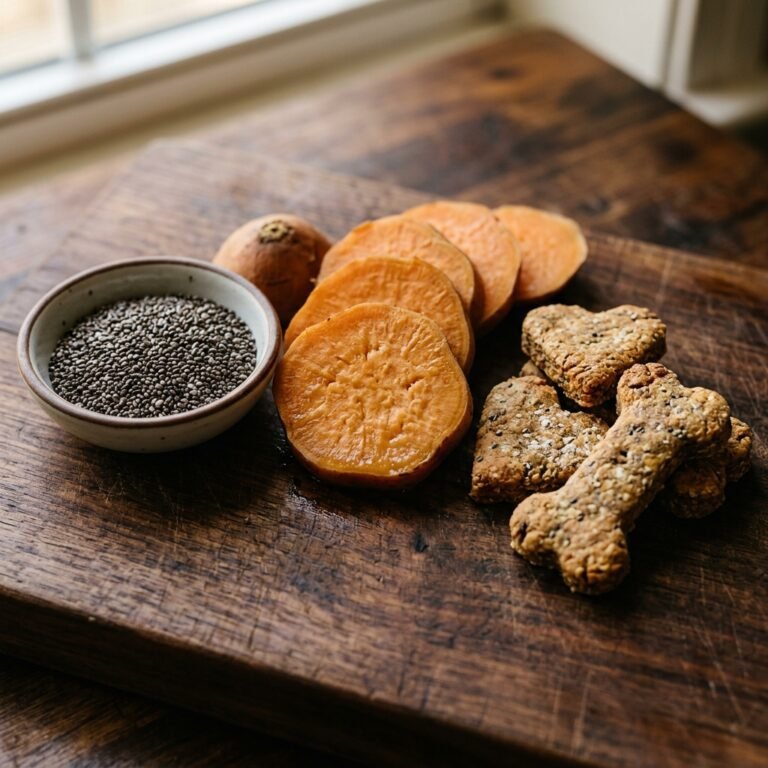
- 2 Large Organic Sweet Potatoes (Washed thoroughly)
- Optional: A light dusting of Ceylon Cinnamon (anti-inflammatory, safe in tiny amounts, but skip if your dog has a super sensitive stomach).
The Actionable Recipe: Step-by-Step
- Preheat and Prep: Preheat your oven to 250°F (120°C). Line two large baking sheets with parchment paper. Do not use any cooking spray or oil to grease the pan!
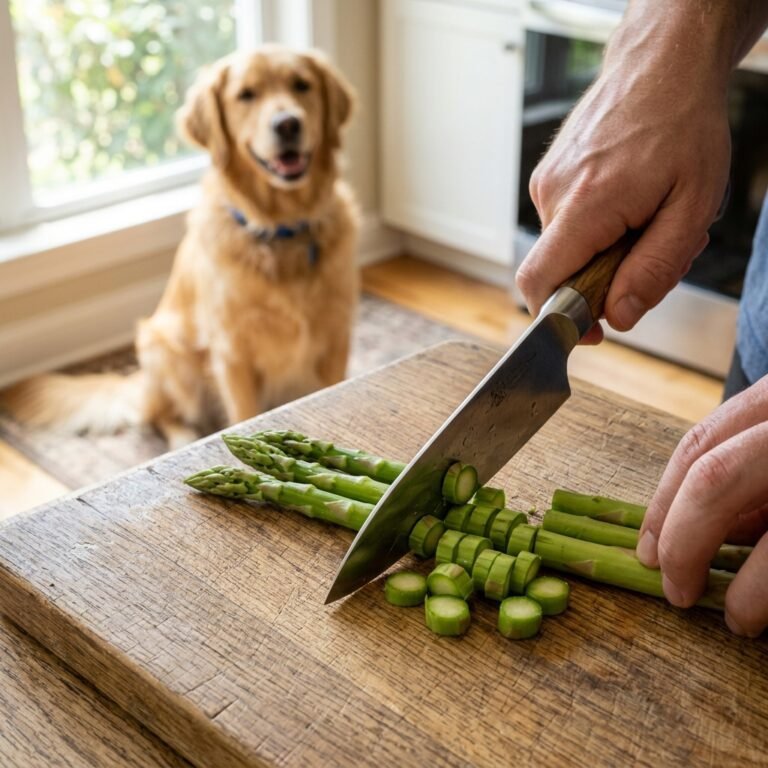
- The Slice: Wash the sweet potatoes but leave the skin on (it holds great fiber). Using a sharp knife or a mandoline slicer, cut the sweet potatoes into uniform slices, about 1/4 inch thick. Consistency is key here so they bake evenly.
- Arrange: Place the slices on the parchment-lined baking sheets. Make sure they are not overlapping. They need breathing room for the moisture to escape.
- The Slow Bake: Bake for 2.5 to 3 hours. You want to flip the slices halfway through the baking time. The goal isn’t to ‘cook’ them like a baked potato, but to slowly dehydrate them until they are chewy or crunchy.
- The Cool Down: This is a critical step. Turn the oven off, crack the oven door slightly, and leave the treats inside as the oven cools down. This draws out the last bit of moisture, giving them that satisfying, shelf-stable crunch.
Texture Hack: If your senior dog has dental issues, cut the baking time to 1.5 hours for a softer, chewier treat. Just remember that softer treats retain moisture and must be refrigerated immediately to prevent mold.
Mastering the Bake: Oven vs. Dehydrator vs. Air Fryer
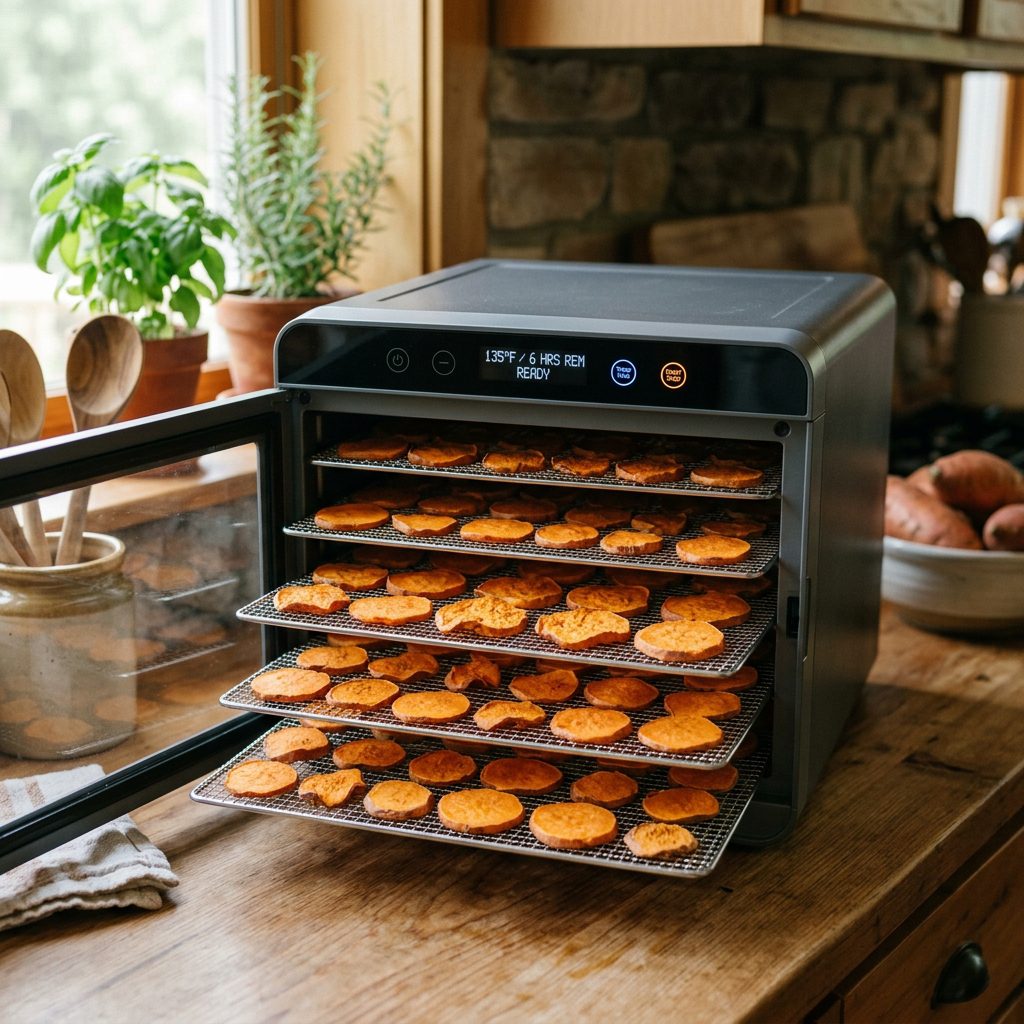
As a savvy dog owner, you probably have a few kitchen gadgets at your disposal. Let’s break down the best ways to execute this recipe based on the equipment you own.
1. The Traditional Oven
This is the method outlined in the recipe above. It is accessible to everyone and produces a great result. The downside? It takes a few hours, and ovens can have hot spots, meaning you have to keep an eye on the thinner slices so they don’t burn.
2. The Food Dehydrator (The Hacker’s Choice)
If you are serious about homemade dog treats, invest in a dehydrator. It is a game-changer. Dehydrating sweet potatoes at 130°F (54°C) for 8-12 hours preserves the maximum amount of nutrients and enzymes because it relies on air circulation rather than high heat. It also creates the most consistent, store-bought-style chew.
3. The Air Fryer (The Quick Fix)
Short on time? You can air fry sweet potato slices at 250°F (120°C) for about 30-40 minutes. You will need to flip them every 10 minutes and watch them like a hawk. They tend to puff up and get crispy rather than chewy. Warning: Absolutely do not add a drop of oil to the air fryer. The zero-fat rule is non-negotiable for pancreatitis.
The Hacker’s Cost Breakdown: DIY vs. Store-Bought Premium
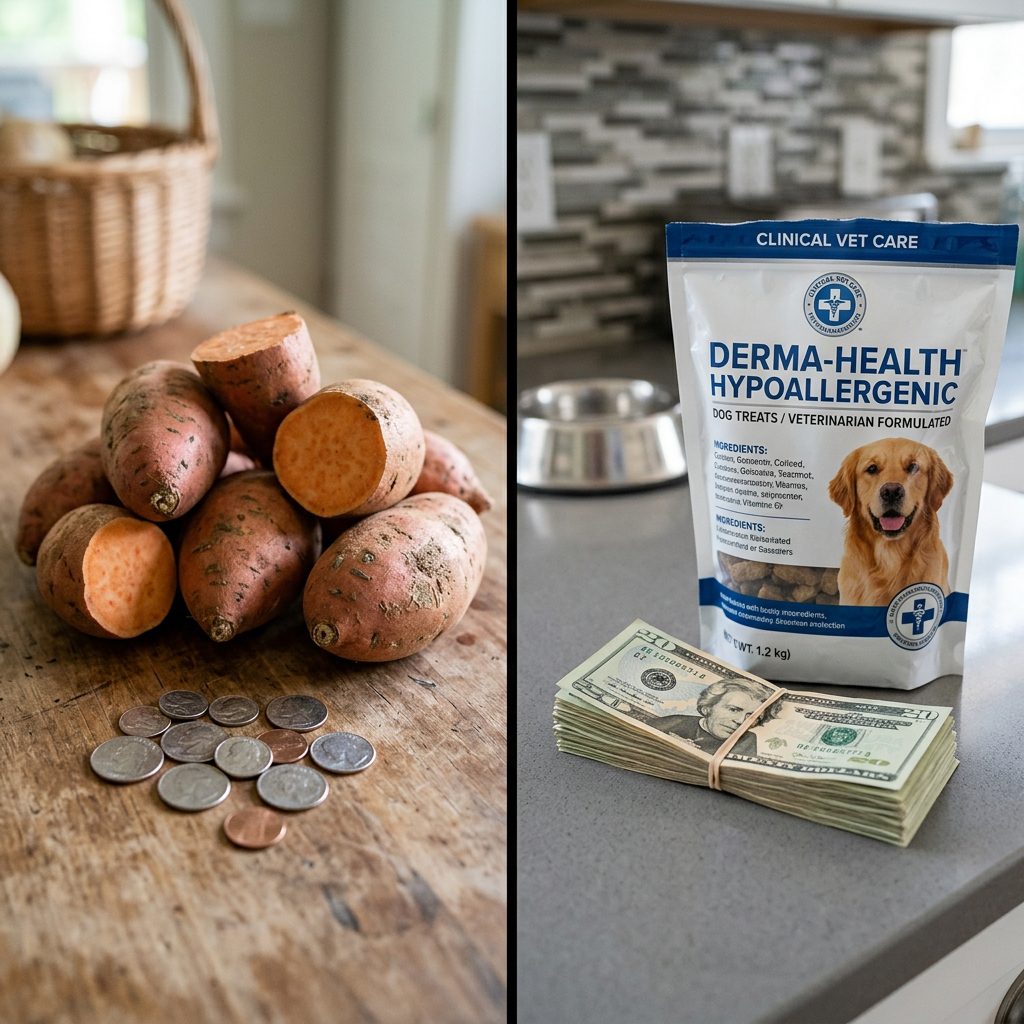
Let’s talk money. Having a dog with medical issues is incredibly expensive. Between the bloodwork, the IV fluids, and the prescription kibble, your wallet has likely taken a beating. The pet food industry knows you are desperate to keep your dog healthy, and they price their ‘prescription’ or ‘veterinary diet’ treats accordingly.
Let’s do the math for a 50lb dog over the course of a month.
| Treat Option | Price per Pound | Approx. Cost Per Month | Verdict |
|---|---|---|---|
| Prescription Low-Fat Treats | $15.00 – $20.00 | $35.00+ | Overpriced, often contains wheat/corn fillers. |
| Boutique Dehydrated Sweet Potatoes | $22.00 – $30.00 | $40.00+ | Great ingredients, but massive retail markup. |
| DIY Baked Sweet Potato Treats | $1.00 – $1.50 | $3.00 – $5.00 | The ultimate hack. Maximum health, minimum cost. |
By taking an hour out of your Sunday to prep and bake these yourself, you are saving upwards of $400 a year. That is money you can put toward your dog’s actual veterinary care, high-quality low-fat food, or joint supplements. Plus, you get the peace of mind knowing exactly what is going into your dog’s body.
Batch Cooking & Safe Storage Secrets
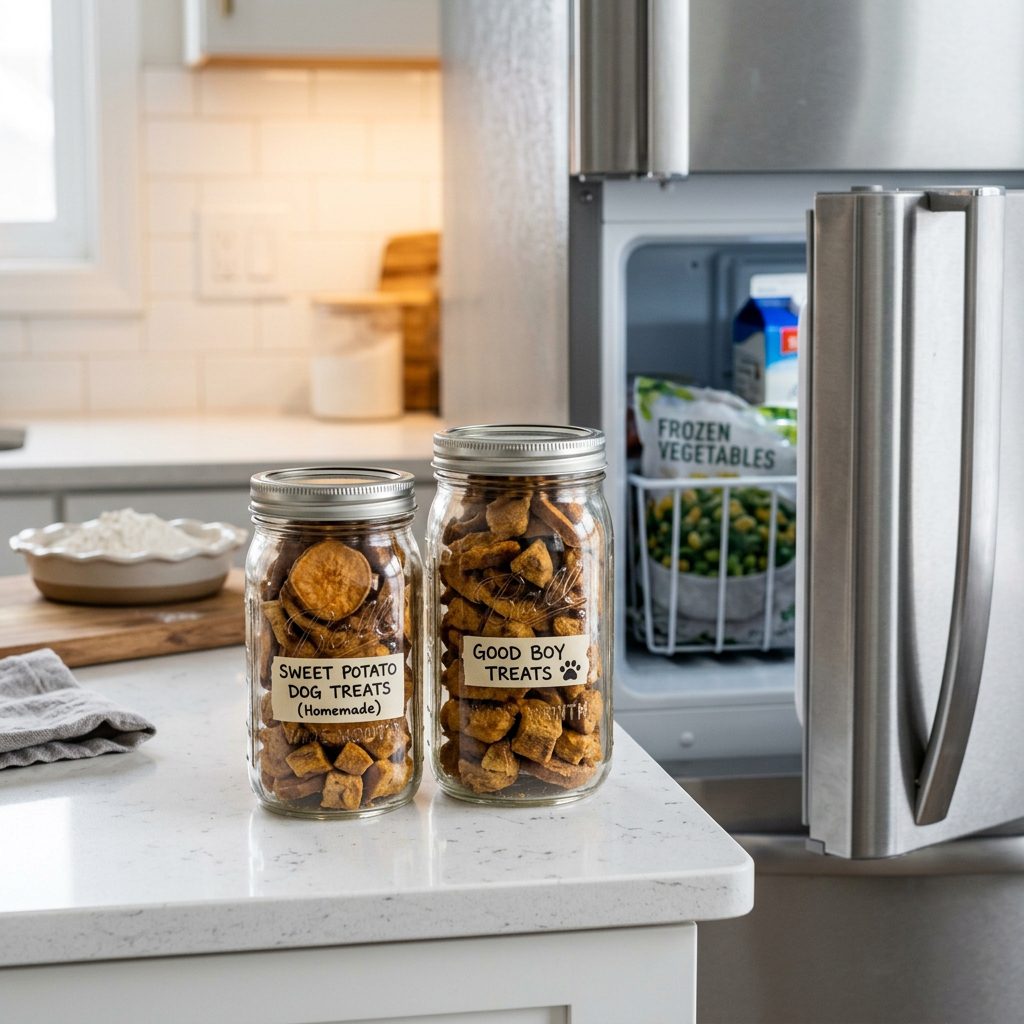
Because you are a smart owner ditching the chemical preservatives (like Propylene Glycol and BHA), your homemade treats are basically fresh food. They will go bad if you leave them sitting in a plastic bag on the counter. Here is how to batch cook and store them safely.
The Moisture Rule
The shelf life of your treats depends entirely on how much moisture is left in them. If you baked them until they snap like a potato chip, they will last longer. If you left them thick and chewy, they are prone to mold.
- Countertop Storage (Crispy Treats Only): Store fully dehydrated, crispy treats in an airtight glass mason jar or a paper bag for up to 1 week. Keep them out of direct sunlight.
- Refrigerator Storage (Chewy Treats): If your treats have any bend or squish to them, they must go in the fridge. Store them in an airtight container for up to 2 weeks.
- The Freezer Hack (Long-Term): This is the best method for batch cooking. Make a massive batch of treats and freeze them in Ziploc bags or vacuum-sealed bags. They will last for up to 6 months. You don’t even need to thaw them—dogs love the icy crunch, and it is incredibly soothing for their gums!
Insider Secret: Throw a food-safe silica gel packet (the kind that comes in seaweed snacks) into your mason jar of treats. It absorbs ambient moisture and keeps your crispy sweet potato treats from getting soggy.
Conclusion
Taking Back Control of Your Dog’s Health
Navigating a pancreatitis diagnosis is stressful, but feeding your dog safely shouldn’t be. By stepping away from the slick marketing of the commercial pet food industry and embracing whole, single-ingredient foods like the humble sweet potato, you are doing more than just saving money. You are actively protecting your dog’s delicate digestive system.
These Vet-Approved Low Fat Baked Sweet Potato Dog Treats prove that you don’t need a degree in veterinary medicine to make smart, safe choices for your best friend. You just need a little bit of insider knowledge, an oven, and the willingness to take control. So preheat that oven, slice up some sweet potatoes, and get ready to see that tail wag again. Your dog’s pancreas—and your wallet—will thank you.