Say Goodbye to Shedding & Scratching: Wild Alaskan Salmon Oil Treats Your Dog Needs!
The Midnight Scratching Symphony Ends Now
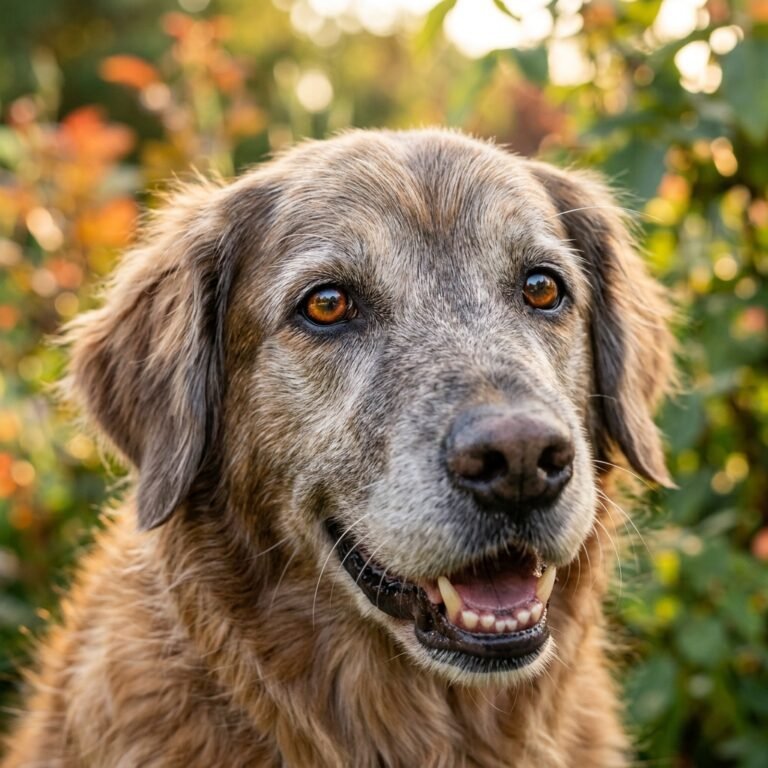
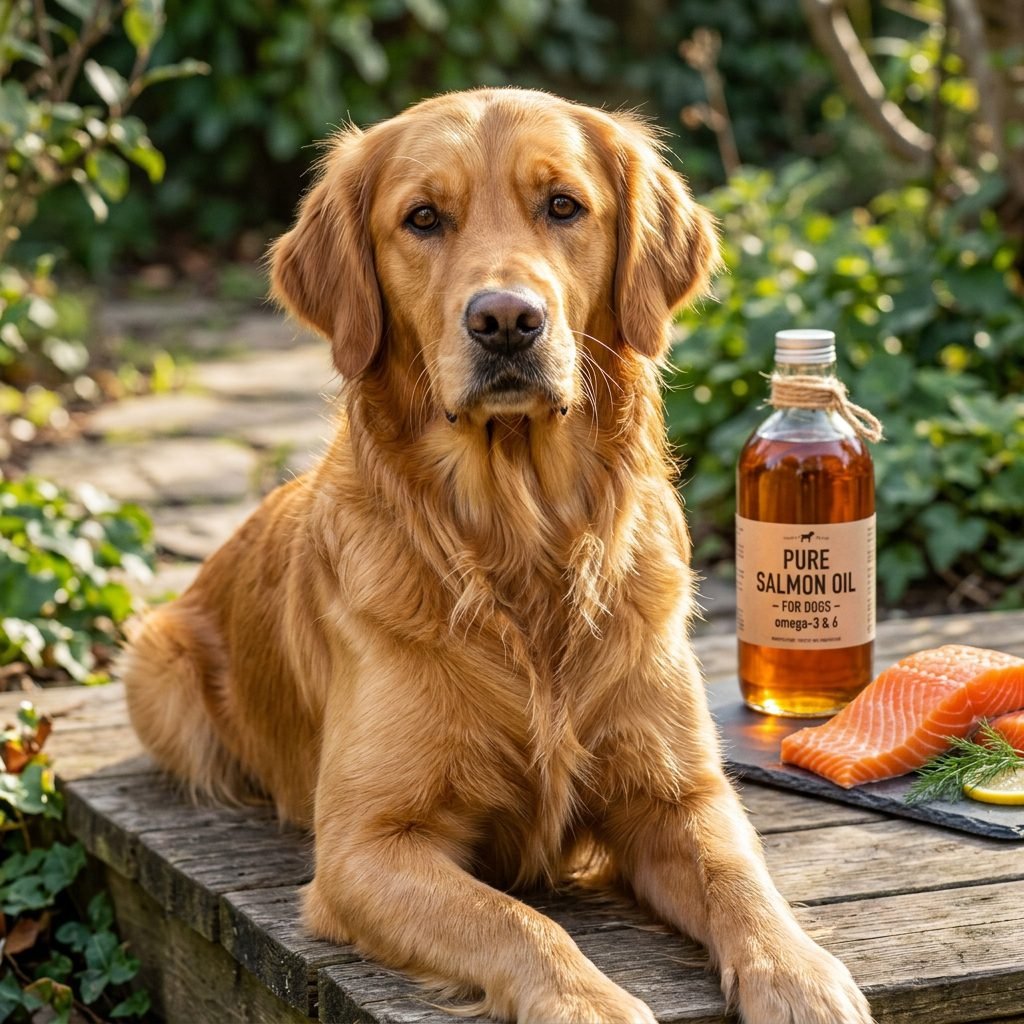
We’ve all been there. It’s 2:00 AM, and the only sound in the house is the rhythmic thump-thump-thump of your dog’s leg hitting the floor as they desperately try to satisfy an itch that just won’t quit. Or maybe you’ve noticed that your once-vibrant Labrador now looks a bit… dusty. The fur is brittle, the skin is flaky, and your vacuum cleaner is waving a white flag of surrender against the mountain of shed hair. As a canine nutrition hacker, I don’t look at these as just ‘pet problems.’ I look at them as nutritional gaps. Your dog isn’t just ‘itchy’; their skin barrier is likely screaming for essential fatty acids. Enter Wild Alaskan Salmon Oil—the literal liquid gold of the pet world. But before you run to the big-box store and grab the first bottle with a picture of a fish on it, stop. Not all oils are created equal. In fact, some ‘budget’ salmon oils are little more than processed waste packaged in a pretty bottle. Today, we’re going to perform a forensic deep dive into why your dog needs these treats, how to spot the high-quality stuff, and how to avoid the ‘filler’ traps that most owners fall into. We’re moving beyond the marketing fluff and getting into the science of the shine.
Hacker Tip: If your dog’s salmon oil smells like a rotting pier, it’s likely oxidized. Fresh, high-quality salmon oil should have a mild, oceanic scent, not a pungent, rancid odor. Rancid oil actually causes more inflammation, defeating the entire purpose.
The Science of the Shine: Why Wild Alaskan Salmon Oil is the Hero
The Omega-3 Powerhouse: EPA and DHA
When we talk about salmon oil, we’re really talking about two specific long-chain omega-3 fatty acids: Eicosapentaenoic Acid (EPA) and Docosahexaenoic Acid (DHA). These aren’t just fancy words for your next trivia night; they are the biological building blocks of a healthy dog. EPA is the heavy hitter when it comes to inflammation. It works at a cellular level to dampen the inflammatory response that causes redness and itching. DHA, on the other hand, is the brain and eye specialist, but it also plays a massive role in maintaining the structural integrity of the skin cell membranes. Savvy dog owners know that dogs cannot produce these fatty acids on their own. They must be ingested. While many dog foods claim to have ‘Omega-3s’ from flaxseed (ALA), dogs are notoriously bad at converting ALA into the usable EPA and DHA they actually need. That’s why direct supplementation via Wild Alaskan Salmon Oil is the most efficient ‘hack’ for skin health.
Wild vs. Farmed: The Dirty Truth
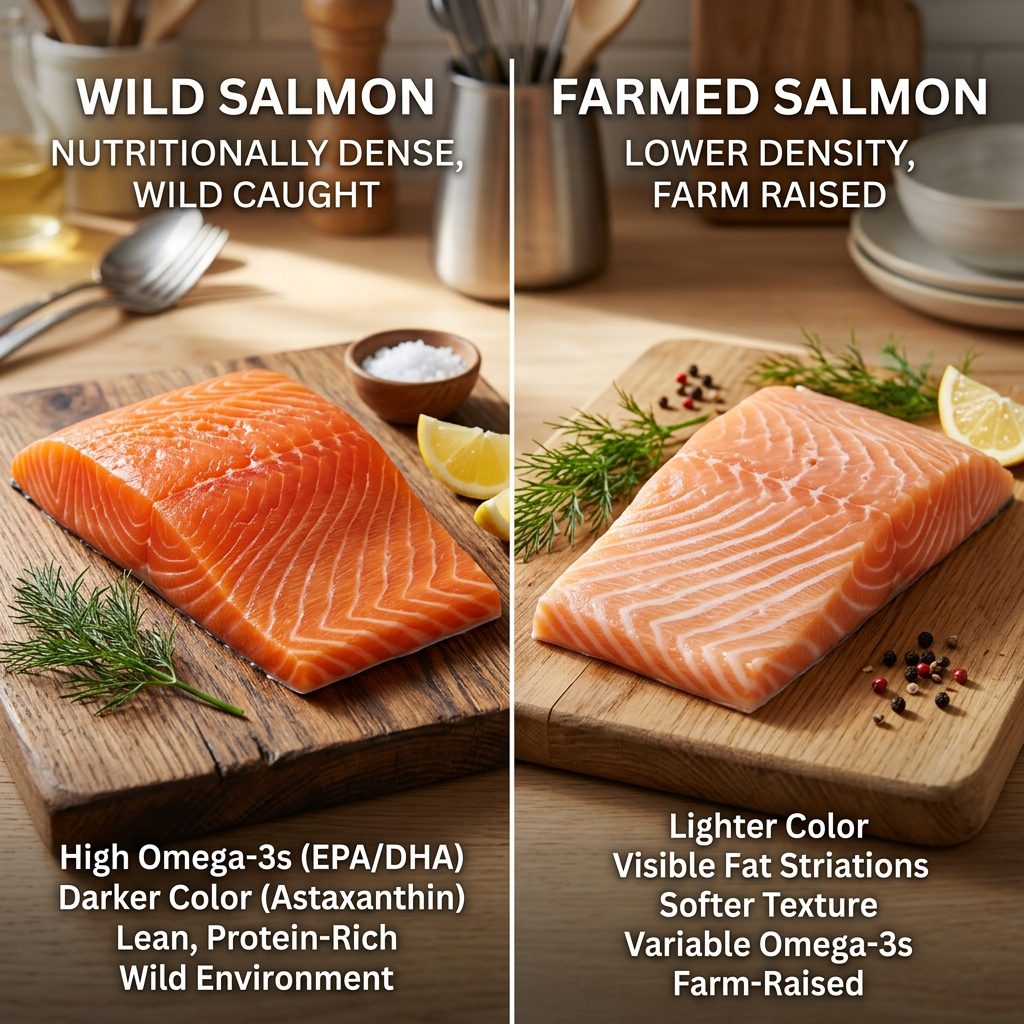
This is where I get a bit fired up. You’ll see plenty of cheap salmon oil treats on the shelf, but if they don’t specify ‘Wild Caught,’ you’re likely getting farmed fish. Farmed salmon are often raised in cramped pens and fed a diet of corn, soy, and synthetic dyes to make their flesh look pink. This results in a fish that is higher in Omega-6 fatty acids (which can be pro-inflammatory in high amounts) and lower in the beneficial Omega-3s. Wild Alaskan Salmon, however, swim in cold, pristine waters and eat a natural diet of plankton and smaller fish. This natural lifestyle produces a superior nutrient profile with a much higher concentration of those itch-fighting EPA and DHA molecules. Don’t let your dog settle for the ‘fast food’ version of fish oil.
Enemy Ingredients: Exposing the Fillers in ‘Fishy’ Treats
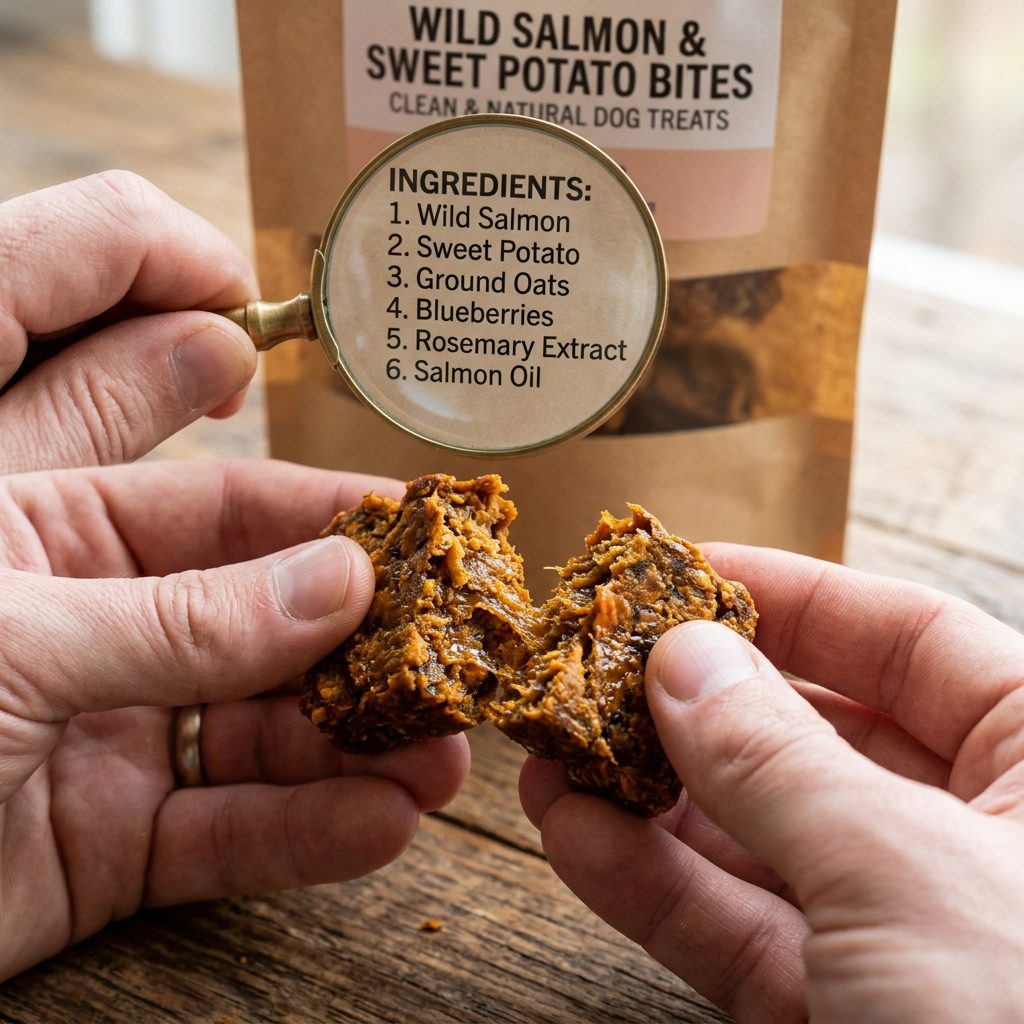
The Forensic Label Review
As a nutrition hacker, the first thing I do is flip the bag over. Most owners are distracted by the ‘Natural’ or ‘Premium’ labels on the front, but the truth is hidden in the fine print. When looking for salmon oil treats, you need to watch out for the ‘Big Three’ enemies: Corn Gluten Meal, Wheat Flour, and Artificial Preservatives like BHA or BHT. These ingredients are often used as binders to make the treats cheaper to produce, but they can actually trigger the very allergies you’re trying to fix. If the first five ingredients aren’t a recognizable protein or the oil itself, put it back on the shelf.
The Preservative Problem
Because salmon oil is highly susceptible to oxidation (going rancid), manufacturers have to preserve it. High-end brands use Mixed Tocopherols (Vitamin E) or Rosemary Extract. Low-end brands use chemical preservatives like Ethoxyquin. Ethoxyquin was originally developed as a pesticide and is a controversial ingredient in the pet food world. If you see it on the label, your ‘healthy’ treat just became a toxic burden for your dog’s liver. Stick to natural preservatives every single time.
| Ingredient Type | The Good Stuff (Hero) | The Bad Stuff (Enemy) |
|---|---|---|
| Primary Protein | Wild Alaskan Salmon, Dehydrated Salmon | Fish Meal, Poultry By-Product Meal |
| Fats/Oils | Cold-Pressed Salmon Oil | Animal Fat (Unspecified), Vegetable Oil |
| Preservatives | Vitamin E (Tocopherols), Rosemary | BHA, BHT, Ethoxyquin |
| Binders | Chickpeas, Sweet Potato | Corn, Wheat, Soy, Brewer’s Rice |
The Cost-Benefit Breakdown: Is Premium Worth It?
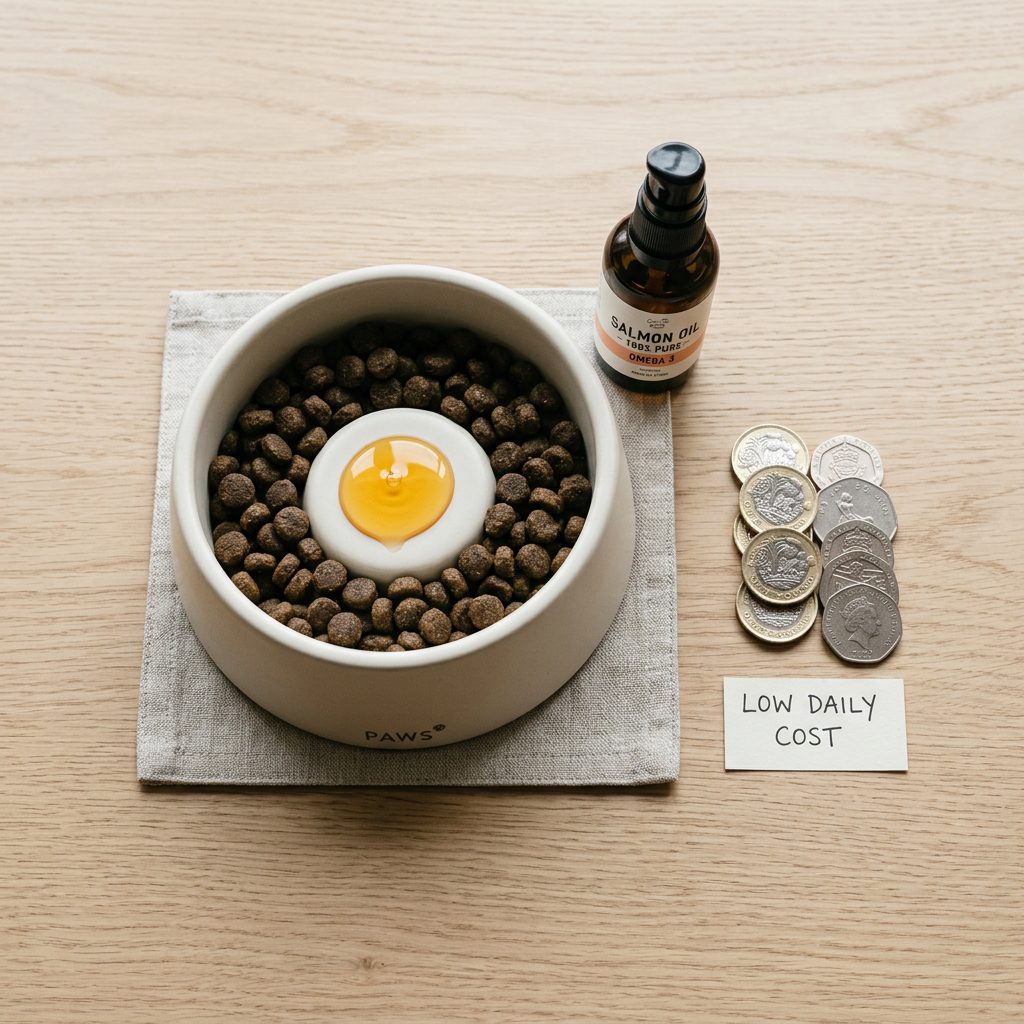
Calculating the ‘Real’ Price of Health
I hear it all the time: ‘But the wild stuff is so expensive!’ Let’s do some quick math. A cheap, 16oz bottle of farmed fish oil might cost you $15.00, but because the concentration of EPA/DHA is low, you have to use three pumps a day for a 50lb dog. A premium, Wild Alaskan Salmon Oil might cost $30.00 for the same size, but because it’s concentrated, you only need one pump. In the end, the ‘expensive’ bottle lasts three times longer, making it the smarter financial move. Plus, you’re saving hundreds of dollars on vet visits for ‘hot spots’ and steroid shots for itching. The real cost of a 50lb dog’s daily supplement is often less than $0.50/day when you buy high-quality concentrates.
Insider Secret: Buying in bulk is great for kibble, but dangerous for oil. Salmon oil has a shelf life. Unless you have a pack of five Great Danes, stick to smaller bottles (8oz to 16oz) to ensure the oil stays fresh and potent until the last drop.
The Forensic Review: Top Salmon Oil Brands Compared
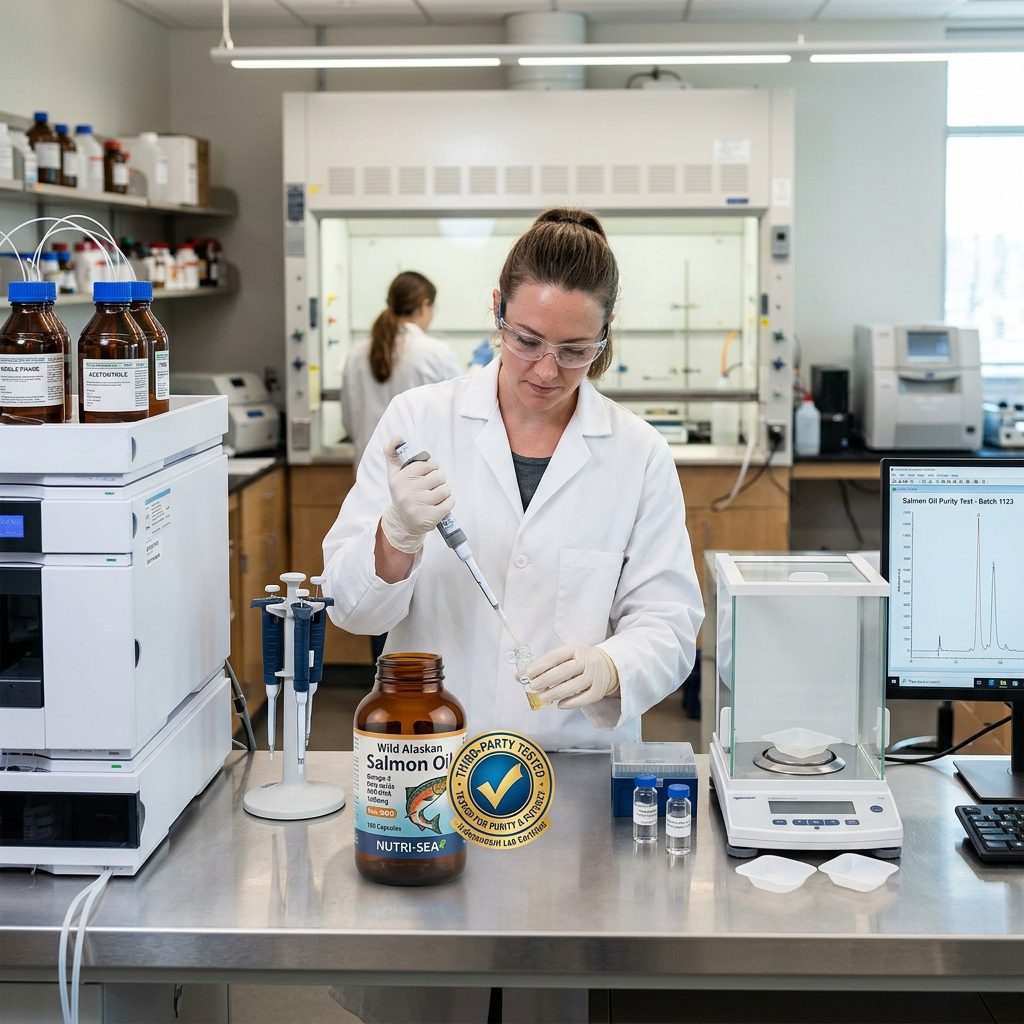
The Battle of the Bottles
I’ve analyzed the top contenders in the market so you don’t have to. We’re looking for purity, source transparency, and the ratio of Omega-3s. If a brand doesn’t tell you exactly where their fish came from, they’re hiding something. Here is how the heavy hitters stack up for a 50lb dog’s needs.
| Brand Name | Protein Source | Grain Status | Price Tier | Verdict |
|---|---|---|---|---|
| Zesty Paws Wild Alaskan | Wild Caught Salmon | Grain-Free | Mid-Range | Best Overall Value |
| Grizzly Salmon Plus | Wild Alaskan Mix | Grain-Free | Premium | Highest Potency |
| Generic Store Brand | ‘Fish’ Oil (Unspecified) | Contains Fillers | Budget | Avoid – High Filler Risk |
| Pure Paw Gold | Single Source Wild | Grain-Free | Luxury | Best for Extreme Allergies |
Recall Check: Staying Safe
Always check the FDA recall list before buying. Fortunately, high-quality salmon oils rarely face recalls for pathogens because the oil extraction process (when done correctly) is very clean. However, always look for ‘Third-Party Tested’ on the label. This means an independent lab verified that the oil is free from heavy metals like mercury and lead, which can bioaccumulate in fish.
The Safe Chef Guide: DIY Salmon Oil Toppers
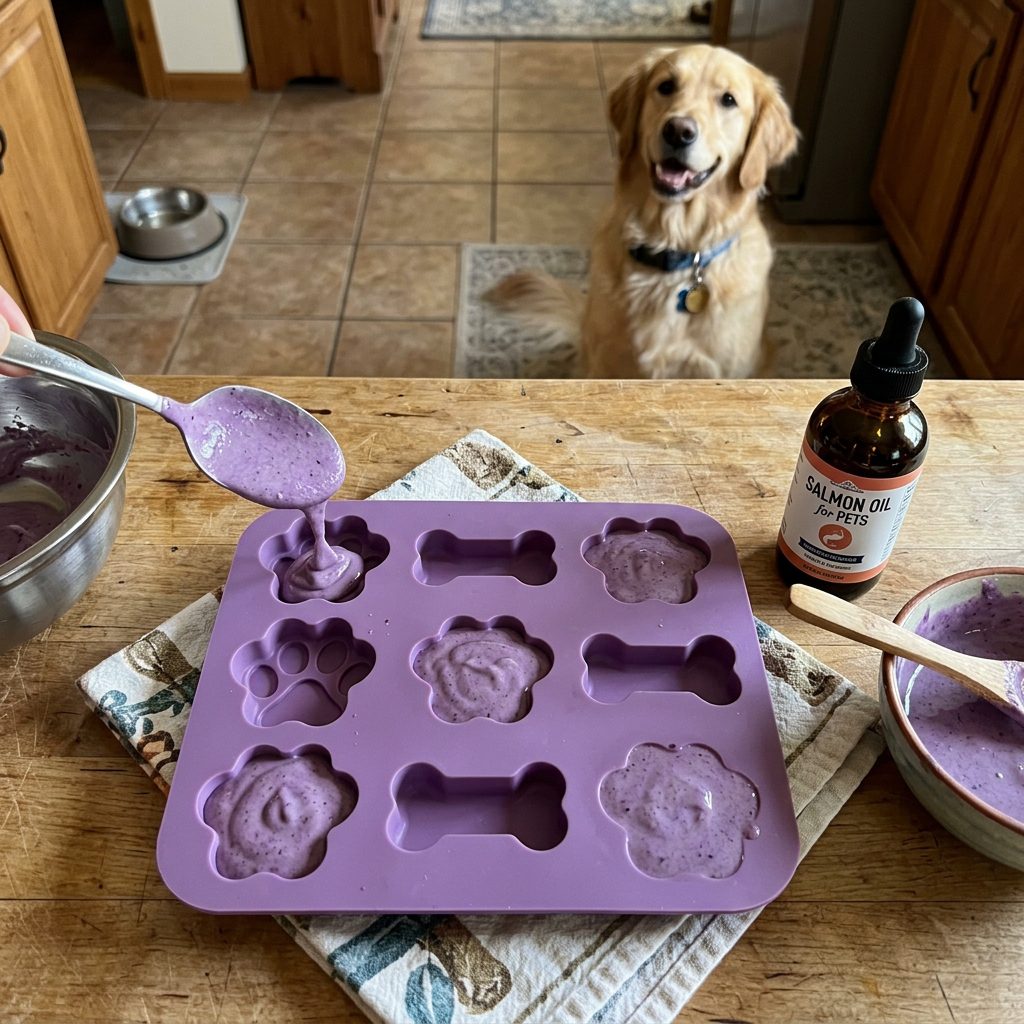
The Hacker’s Kitchen: Homemade Salmon Treats
If you’re tired of overpaying for processed treats, you can make your own ‘power toppers’ at home. This allows you to control every single ingredient and ensure your dog is getting the maximum dose of Omega-3s without any hidden nasties. MEDICAL DISCLAIMER: I am a nutrition hacker, not a veterinarian. These recipes are intended as supplemental treats, not a replacement for a balanced meal. If your dog has a history of pancreatitis, consult your vet before adding high-fat oils to their diet.
The ‘Omega-Bomb’ Frozen Topper
- 1 cup Unsweetened Plain Greek Yogurt (Probiotics for gut health)
- 2 tablespoons Wild Alaskan Salmon Oil
- 1/2 cup Fresh Blueberries (Antioxidants)
- 1 tablespoon Ground Flaxseed (Extra fiber)
Instructions: Mix all ingredients in a bowl. Pour the mixture into silicone ice cube trays. Freeze for 4 hours. Give your dog one ‘cube’ per day as a meal topper. This provides a cooling sensation for itchy skin while delivering a massive dose of skin-supporting nutrients. Batch Cooking Tip: These keep in the freezer for up to 3 months, so you can prep a whole season’s worth in twenty minutes.
Dosage and Safety: How Much is Too Much?
Finding the Sweet Spot
More is not always better. While salmon oil is a ‘hero’ ingredient, over-supplementing can lead to loose stools or, in extreme cases, weight gain (it is a fat, after all). A good rule of thumb is 20-40mg of EPA per pound of body weight. Most high-quality pumps are calibrated to deliver this exact amount for a medium-sized dog. If your dog starts having ‘fishy breath’ or ‘greasy’ fur, you might be overdoing it. Dial it back and watch for that perfect, silky balance.
Storage is Key
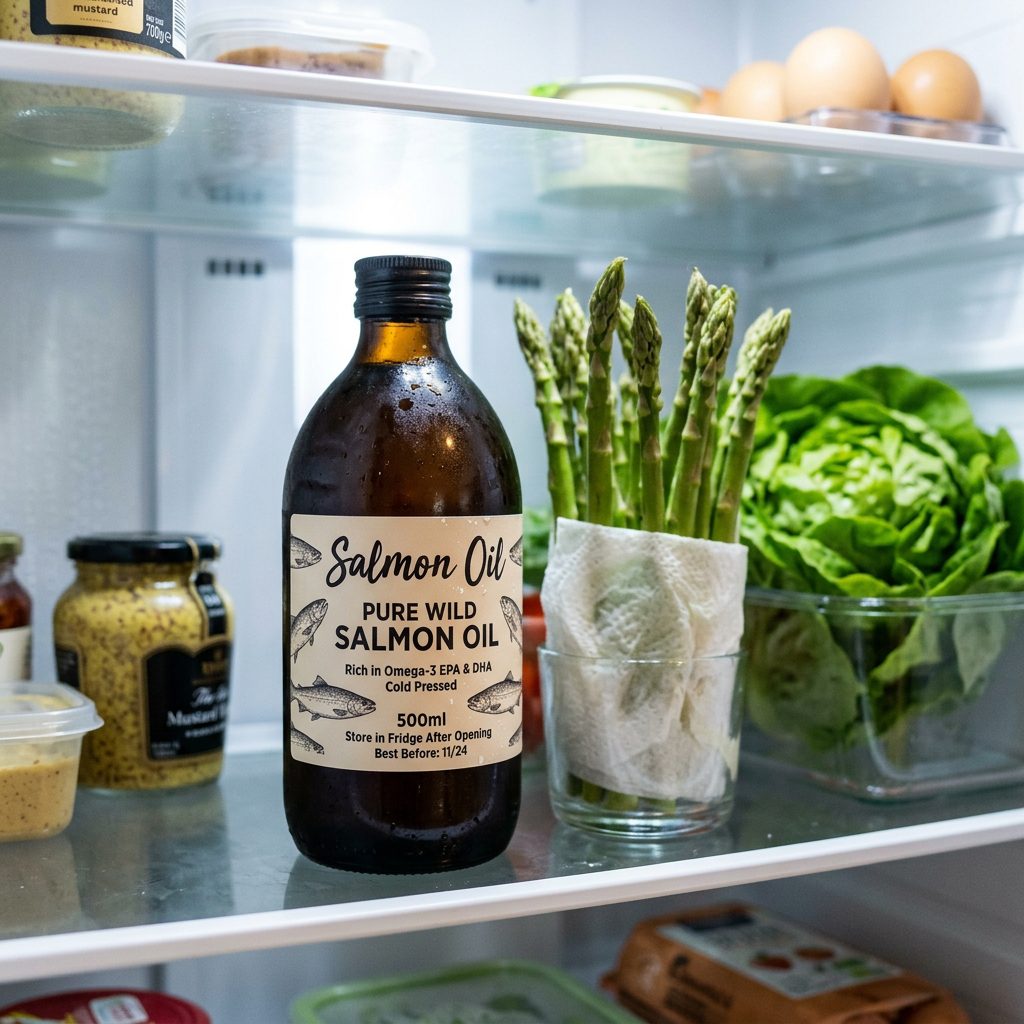
I cannot stress this enough: Keep it in the dark! Light and heat are the enemies of Omega-3s. Look for bottles that are opaque or dark amber. If you buy a clear bottle, wrap it in aluminum foil or keep it tucked away in a dark cupboard. Better yet, keep it in the refrigerator. Cold oil stays fresh longer and reduces the ‘fishy’ smell that some owners find off-putting.
Conclusion
Your Dog’s Transformation Starts with a Single Pump
Stopping the ‘itch-scratch-shed’ cycle isn’t about finding a magic pill; it’s about consistent, high-quality nutrition. By switching to Wild Alaskan Salmon Oil and ditching the filler-heavy treats, you’re not just making your dog look better—you’re making them feel better. You’ve done the forensic work, you know how to read the labels, and you’ve got the ‘hacker’ recipes to save money while boosting health. No more midnight scratching marathons. No more vacuuming three times a day. Just a happy, shiny, healthy dog. Now, go check those labels and start the transformation today!