The Safe and Easy Low Phosphorus Treats for Dogs with Kidney Disease
The Kidney Disease Treat Dilemma
Listen, I get it. When your vet drops the ‘Chronic Kidney Disease’ (CKD) bomb, your world flips upside down. Suddenly, every bite your dog takes feels like a high-stakes gamble. You’re staring at the treat aisle, and everything looks like a phosphorus-loaded landmine. As The Canine Nutrition Hacker, I’ve spent years dissecting labels and calling out the fluff. We aren’t just going to ‘manage’ this; we are going to master it. Your dog doesn’t have to live a life of bland, boring cardboard just because their kidneys are struggling. We are going to find the sweet spot where flavor meets safety.
The kidneys are the body’s ultimate filtration system. When they start to fail, they can’t process phosphorus efficiently. This leads to a buildup in the blood, which makes your dog feel lethargic, nauseous, and generally miserable. But here is the insider secret: you can still be the ‘good human’ who gives treats. You just need to know which ingredients are the Hero Ingredients and which ones are the Enemy Ingredients. In this guide, we are going deep into the forensic science of low-phosphorus snacking. No fluff, no filler—just the hard-hitting facts you need to keep those tails wagging safely.
The Enemy: Why Phosphorus is the CKD Villain
Understanding the Phosphorus-Calcium Seesaw
In a healthy dog, phosphorus and calcium work together like a perfectly balanced seesaw. But when kidney function drops, phosphorus levels in the blood begin to climb. The body, in a desperate attempt to balance the scales, starts pulling calcium out of the bones. This is a recipe for disaster, leading to weakened bones and even more kidney damage. This is why we, as savvy owners, must become Phosphorus Detectives.
The ‘Hidden’ Phosphorus Trap
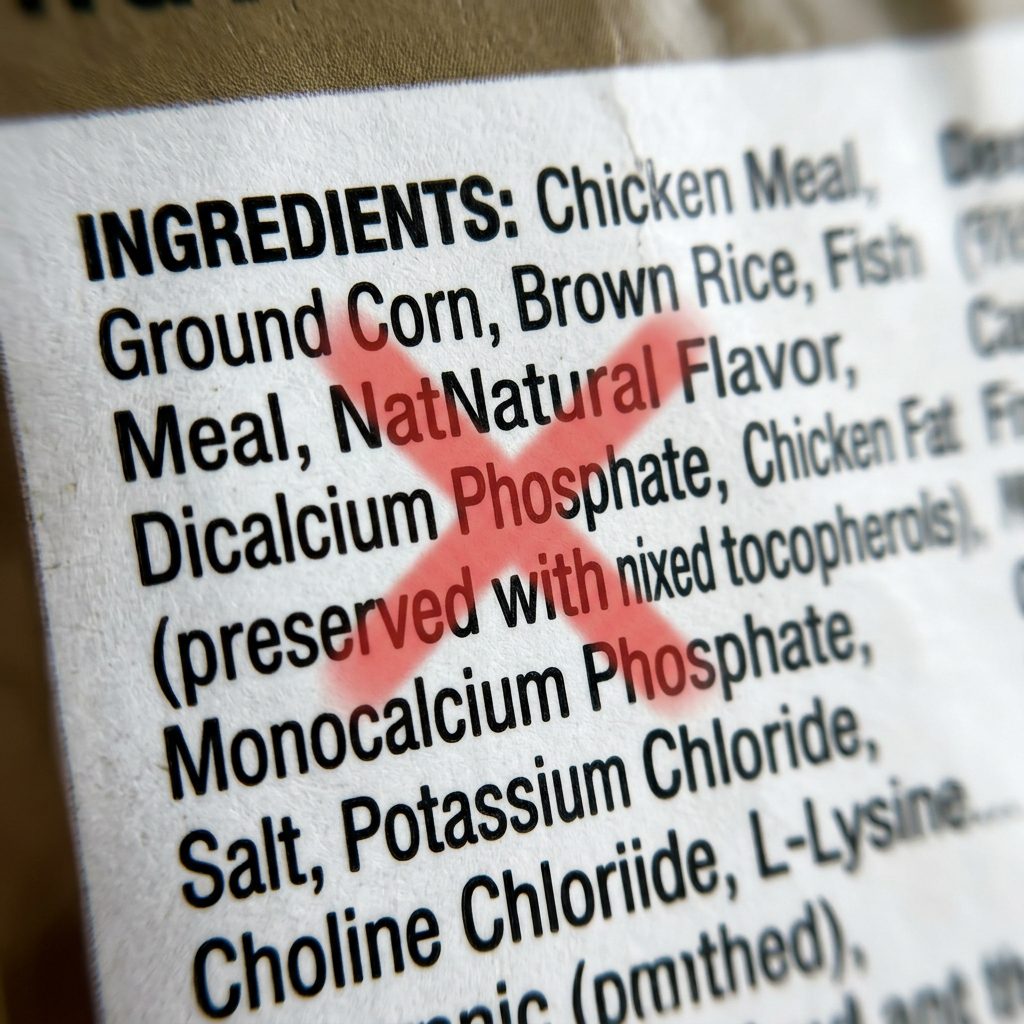
Most commercial treats are loaded with meat by-products, bone meal, and organ meats. While these are usually ‘high-value’ treats, they are absolute phosphorus bombs. Even worse are the chemical additives used as preservatives. When you see ingredients like ‘disodium phosphate’ or ‘sodium hexametaphosphate’ on a label, put it back on the shelf immediately. These inorganic phosphates are absorbed by the body at a rate of nearly 100%, compared to the 40-60% absorption of organic phosphorus found in whole foods.
Hacker Tip: If the label doesn’t explicitly state the phosphorus percentage, it’s likely too high. Always look for treats where phosphorus is guaranteed to be below 0.5% on a dry matter basis.
The Hero Ingredients: Nature’s Low-Phos Superstars
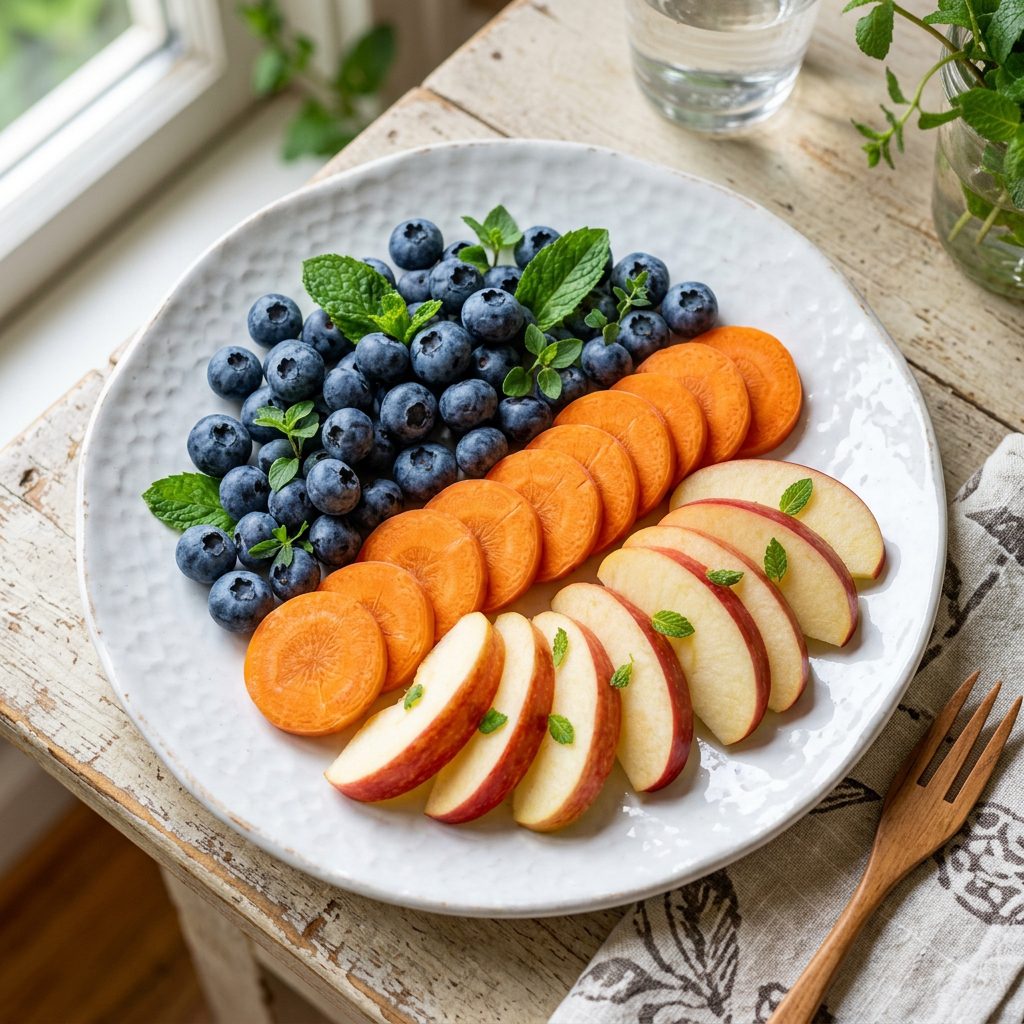
The Green List of Safe Snacks
You don’t need fancy, expensive ‘renal’ treats to keep your dog happy. Some of the best low-phosphorus options are already in your refrigerator. These Hero Ingredients provide the crunch and sweetness dogs crave without overtaxing their kidneys. Here is the breakdown of what is actually safe:
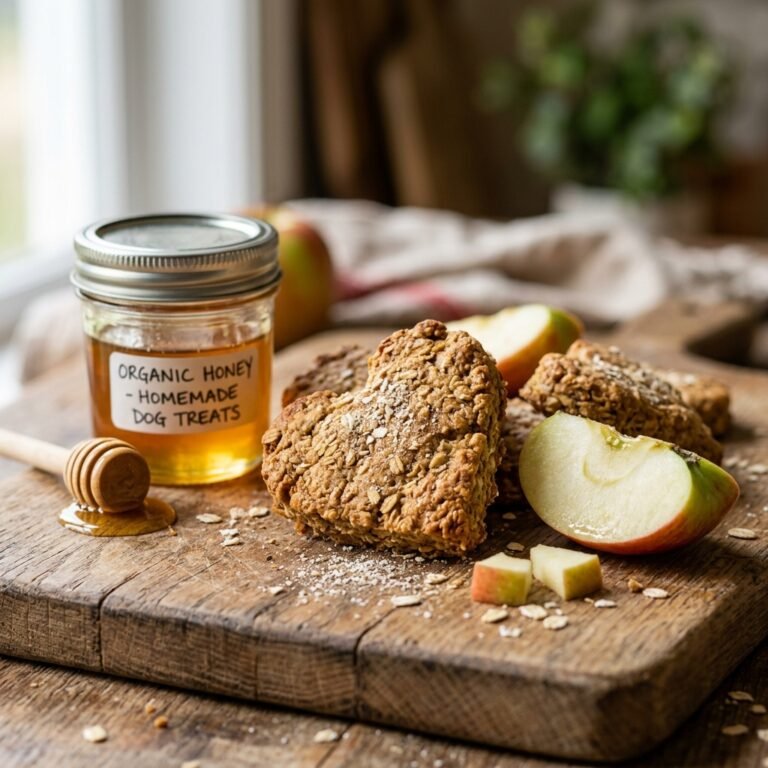
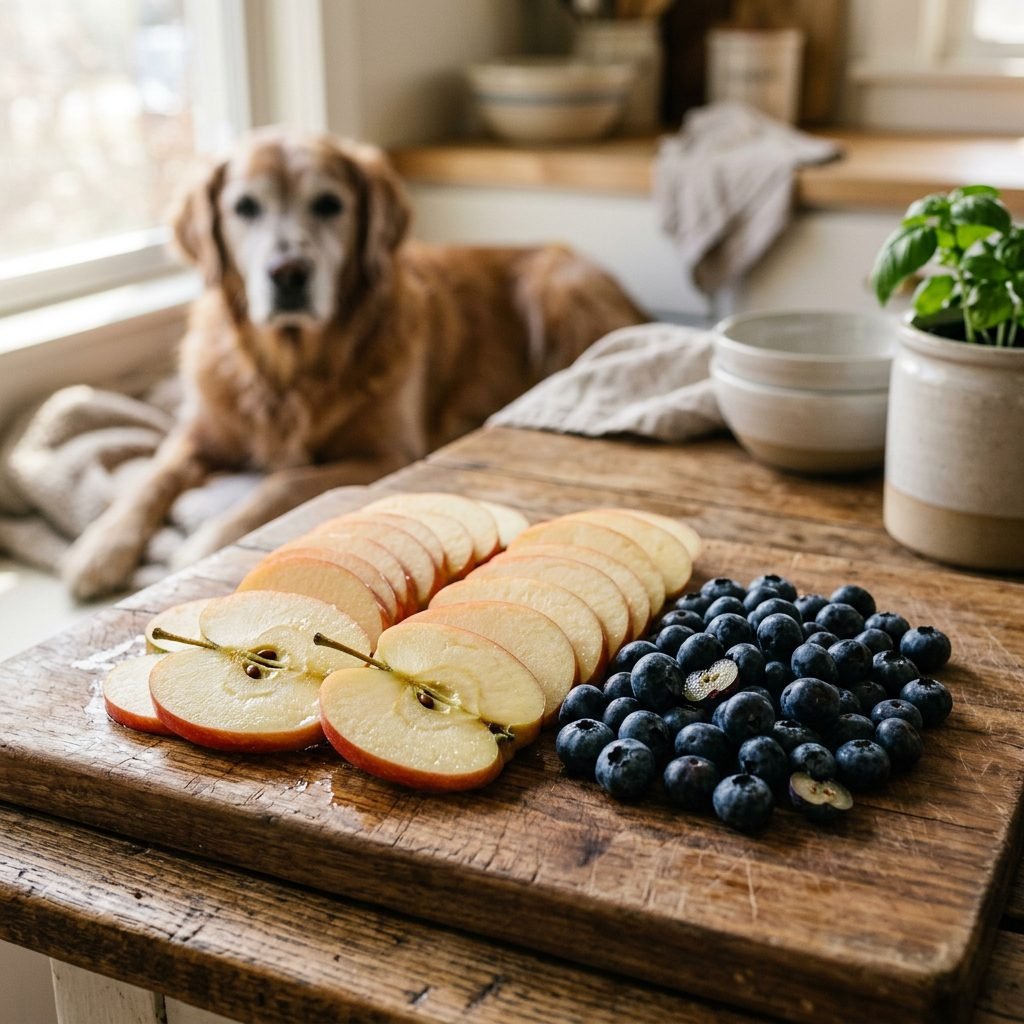
- Apples (No Seeds/Core): The ultimate crunch. High in fiber and pectin, which helps bind toxins in the gut.
- Blueberries: Antioxidant powerhouses that support overall cellular health with negligible phosphorus impact.
- Watermelon: Mostly water, which is great for hydration—the #1 priority for kidney dogs. Just remove the seeds.
- Carrots: Low-calorie and low-phosphorus, perfect for the dog that loves to chew.
- Cooked Egg Whites: Pure protein with almost zero phosphorus. Never give the yolk to a kidney dog!
The Comparison: Real Food vs. Common Treats
Let’s look at the numbers. You’ll see why these natural options win every single time.
| Treat Type | Phosphorus Content | Kidney Safety Tier | Hacker Verdict |
|---|---|---|---|
| Freeze-Dried Liver | Very High | Dangerous | Avoid at all costs |
| Apple Slices | Extremely Low | Gold Standard | The perfect safe snack |
| Commercial Biscuits | Moderate/High | Risky | Check for additives first |
| Plain Egg Whites | Extremely Low | Elite Protein | Best for muscle maintenance |
| Watermelon | Very Low | Hydration Hero | Great for summer treats |
The Safe Chef Guide: DIY Low Phosphorus Recipes

The 3-Ingredient Kidney-Friendly Cookie
Why pay $15 for a small bag of specialized treats when you can batch-cook a month’s supply for under $3? As a Safe Chef, you control exactly what goes into the oven. This recipe is designed to be low-protein, low-phosphorus, and high-palatability.
Ingredients:
- 2 cups of white rice flour (easier on kidneys than whole wheat)
- 1/2 cup of unsweetened applesauce
- 1/4 cup of water (or low-sodium vegetable broth)
Instructions:
- Preheat your oven to 350°F (175°C).
- Mix the flour and applesauce in a large bowl. Slowly add water until a stiff dough forms.
- Roll the dough out to 1/4 inch thickness and cut into small bite-sized squares.
- Bake for 20-25 minutes until firm.
- Let them cool completely before serving.
Hacker Tip: Freeze half the batch! Because these don’t have nasty preservatives, they will spoil faster than store-bought junk. Frozen treats also provide a soothing, cold texture for dogs with mouth sores, a common side effect of CKD.
Forensic Label Analysis: Spotting the Red Flags
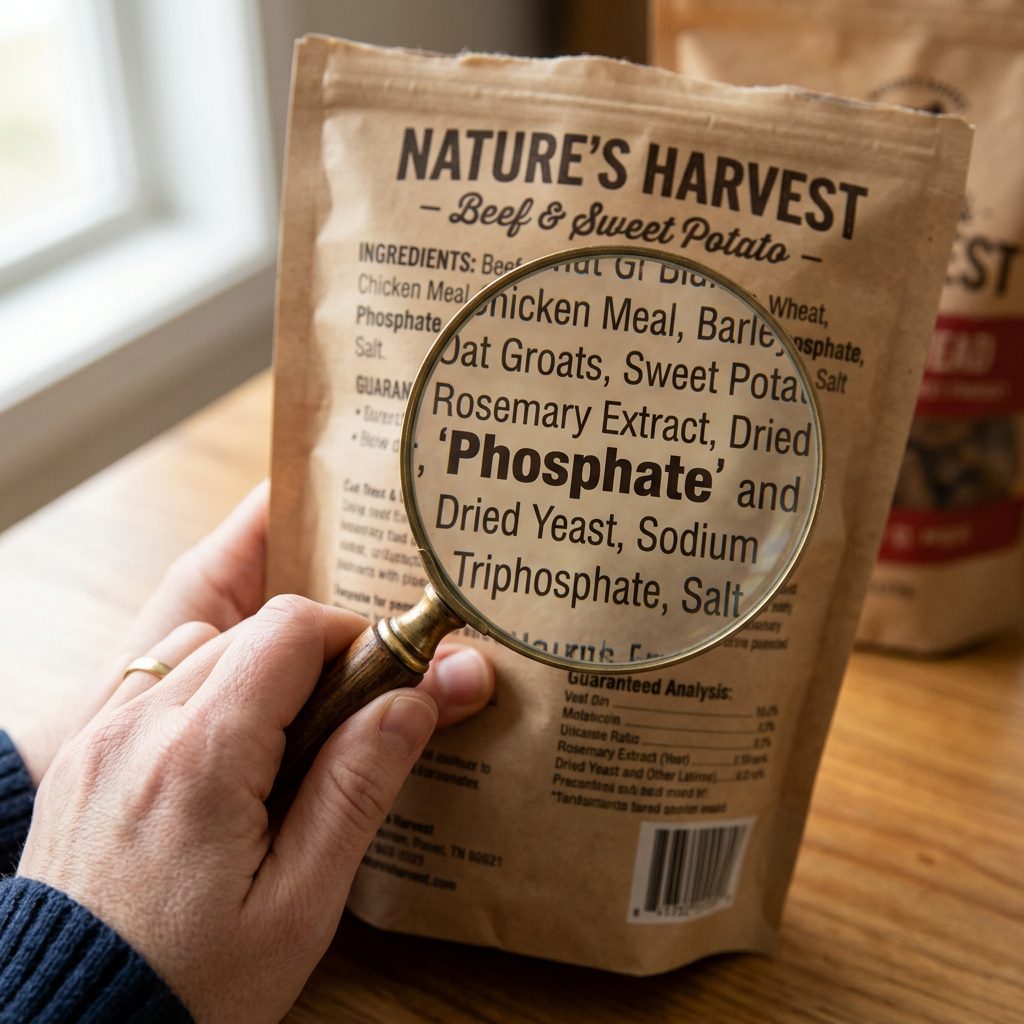
How to Read a Label Like a Pro
If you must buy store-bought treats, you need to look past the cute dog on the packaging. The marketing team wants you to see ‘All Natural’ and ‘Grain Free,’ but we are looking for the First 5 Ingredients. If you see ‘Meat Meal’ or ‘Bone Meal’ in the top five, that treat is a phosphorus trap. Bone meal is essentially ground-up phosphorus.
Specific Additives to Avoid
Manufacturers use phosphorus-based leavening agents and preservatives because they are cheap. Watch out for these specific terms:
- Dicalcium Phosphate: A common supplement that is too much for a renal dog.
- Phosphoric Acid: Often used to add ‘tang’ or as a preservative.
- Sodium Tripolyphosphate: Used for moisture retention in jerky-style treats.
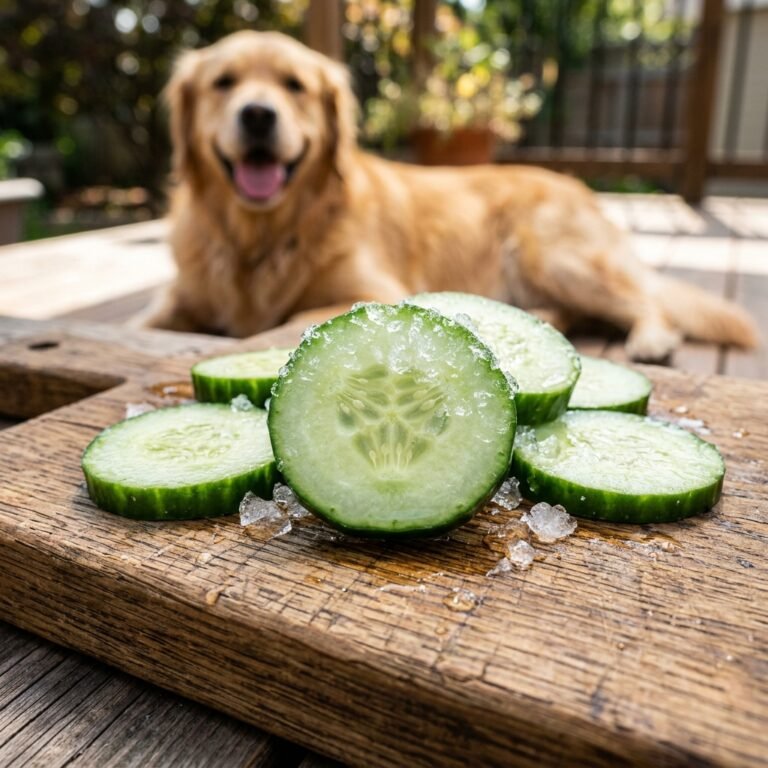
The Cost Breakdown: Premium ‘Renal’ treats can cost upwards of $2.00 per ounce. By switching to fresh cucumber or home-baked rice treats, you can drop your cost to approximately $0.15 per day for a 50lb dog. That’s more money in your pocket for the high-quality renal kibble that actually matters.
The Hydration Hack: Treats That Heal
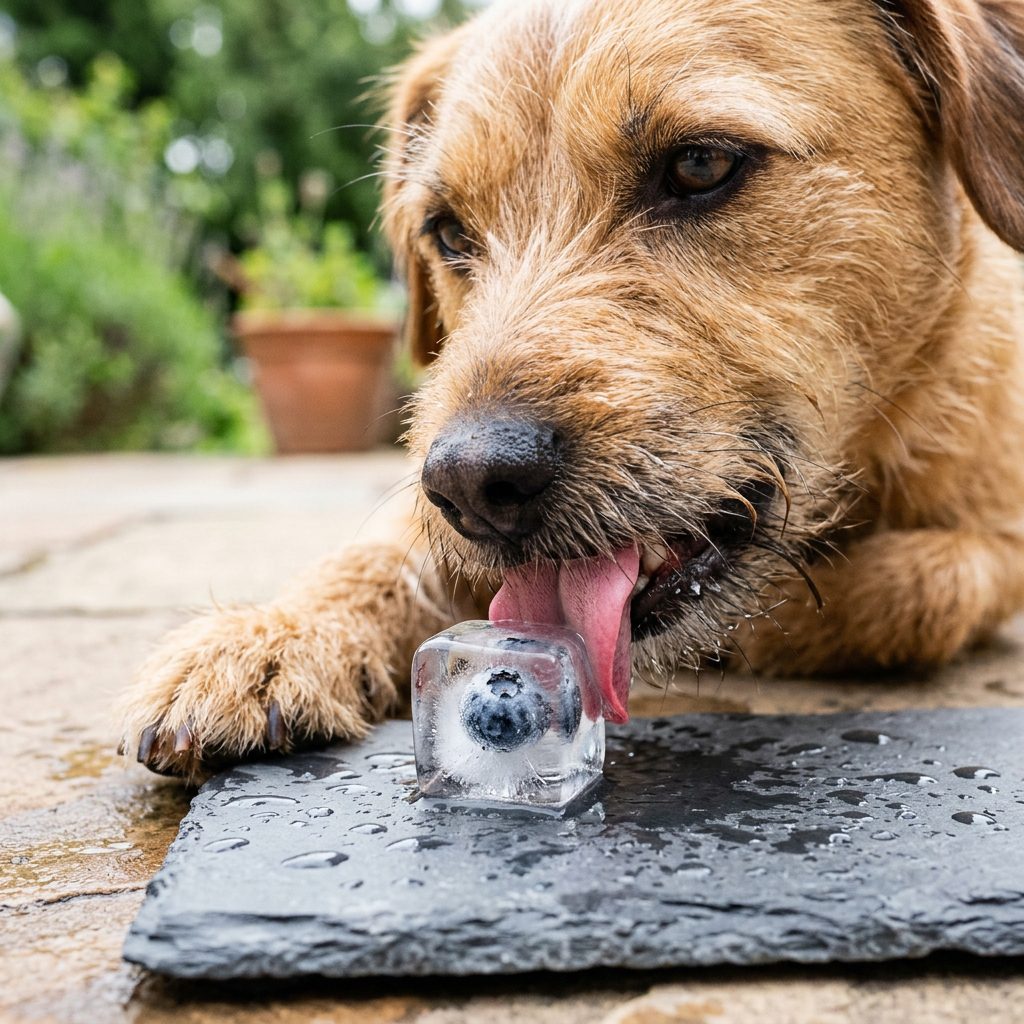
Water is the Best Treat
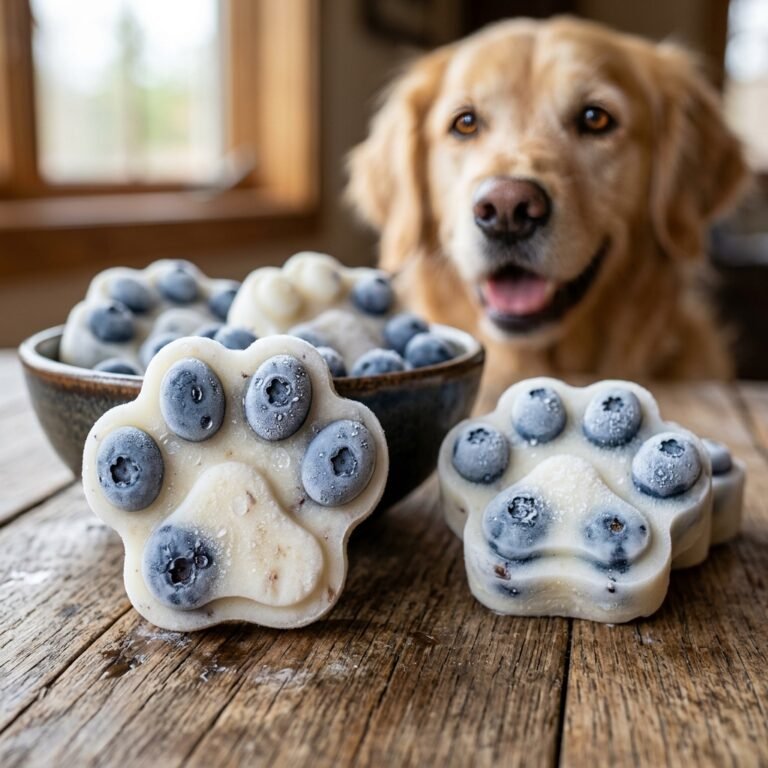
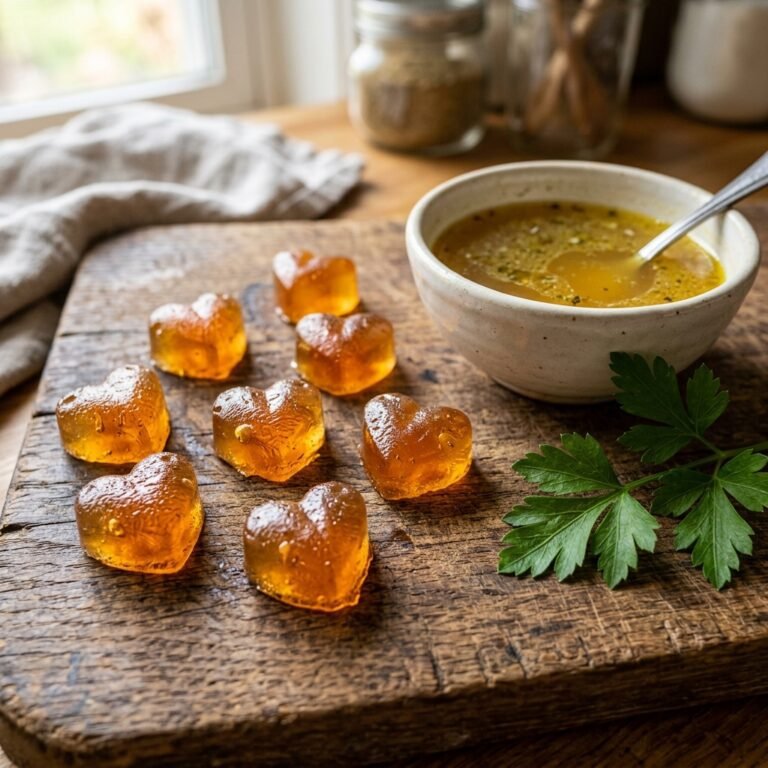
In the world of kidney disease, hydration is your best friend. A dehydrated kidney is a dying kidney. You can turn hydration into a rewarding experience by making ‘Pupsicles.’ Use a low-sodium vegetable broth (ensure no onions or garlic are used in the base) and freeze it in ice cube trays with a single blueberry in the center.
The ‘Wet’ Treat Strategy
If your dog is a ‘dry’ treat addict, they are missing out on crucial moisture. I recommend transitioning to ‘wet’ treats. A teaspoon of plain, canned pumpkin (NOT pie filling) is low in phosphorus, high in fiber, and provides moisture. It’s like a dessert that actually helps their digestion.
Insider Secret: If your dog is losing their appetite (common in later stages of CKD), warm up their treats. Heat releases aromas that can jumpstart a failing appetite without needing to add high-phosphorus flavor enhancers.
Conclusion
Empowering Your Journey
Managing kidney disease is a marathon, not a sprint. By mastering the art of the low-phosphorus treat, you are taking back control from a scary diagnosis. Remember: focus on whole foods like apples and egg whites, avoid hidden chemical phosphates, and always prioritize hydration. You are now equipped with the ‘insider secrets’ to keep your dog feeling like a puppy, even with the challenges of CKD. Keep hacking that nutrition, keep those labels under the microscope, and most importantly, keep enjoying those special moments with your best friend. You’ve got this!