Cheaper Than Rawhide! 5-Minute Microwave Parsnip Dog Chews Your Dog Will Love
Hey there, fellow canine nutrition hackers. If you are anything like me, you scrutinize every single label in the pet store aisle like a forensic scientist. You know the drill: you pick up a bag of dog chews, flip it over, and are immediately confronted with a paragraph of unpronounceable chemicals, artificial preservatives, and mystery meat by-products. We are constantly told that to be good dog owners, we need to spend a fortune on premium chews to keep our dogs’ teeth clean and their minds stimulated. But what if I told you that one of the absolute best, safest, and most budget-friendly dog chews is sitting right now in the produce section of your local grocery store? That is right, we are talking about the humble parsnip.
For years, the pet industry has pushed rawhide as the default chew for dogs. But as savvy owners, we have woken up to the reality of what rawhide actually is: a chemically treated byproduct of the leather industry that poses severe choking and blockage risks. Even the safer alternatives, like premium bully sticks or yak cheese chews, have skyrocketed in price, often costing upwards of five to ten dollars for a single chew. If you have a power chewer, that habit can easily cost you hundreds of dollars a month. It is time to hack the system. In this guide, I am going to show you how to transform a cheap, nutrient-dense root vegetable into a chewy, satisfying treat that your dog will go absolutely crazy for, all using your microwave in just five minutes. Get ready to save your wallet and upgrade your dog’s health.
The Rawhide Industry’s Dirty Little Secret
Why We Are Ditching Traditional Chews
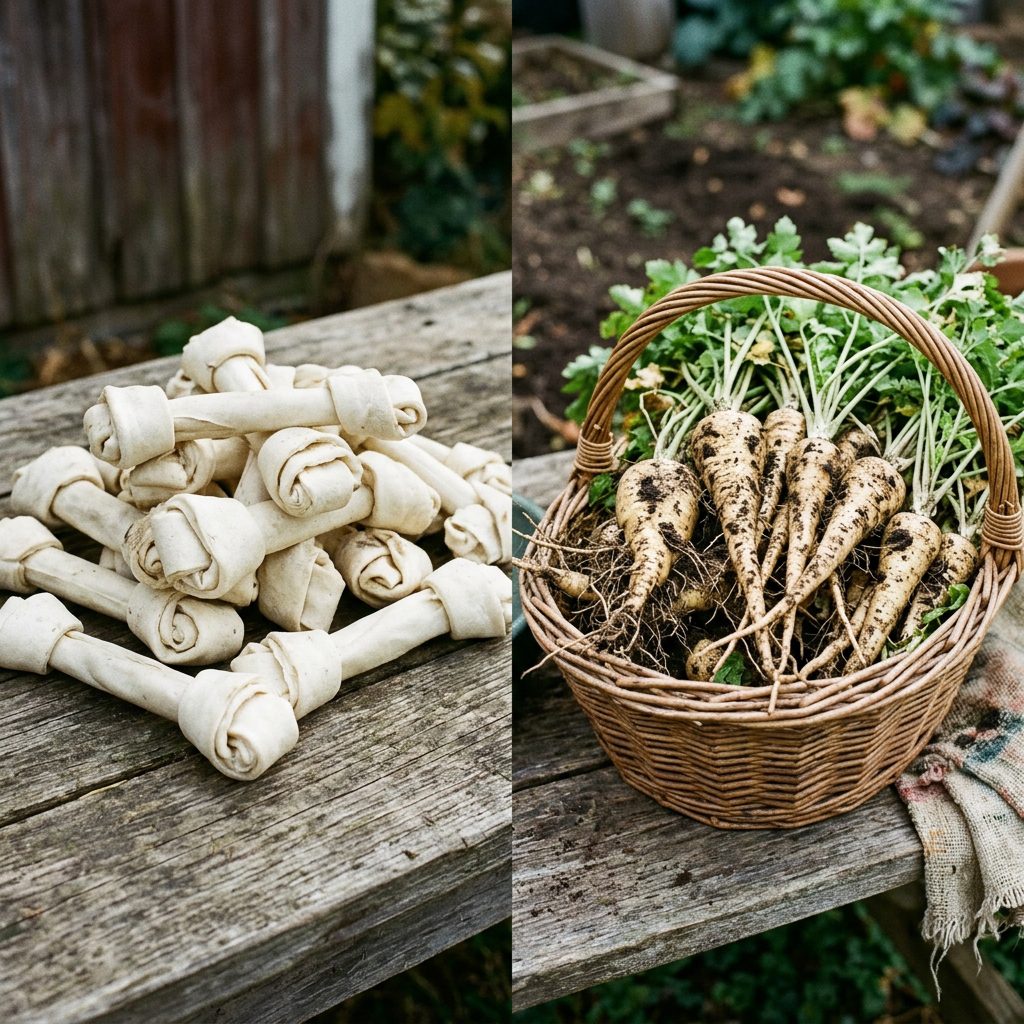
Let us get one thing straight right out of the gate: traditional rawhide is not a meat product. It is a leather byproduct. The process of turning a cow hide into that white, sterile-looking bone shape involves a literal toxic soup of chemicals. First, the hides are soaked in an ash-lye solution or a highly toxic recipe of sodium sulphide to remove the hair and fat. Then, they are washed and bleached using hydrogen peroxide or bleach to remove the smell of decay. Finally, to make them look appetizing, they are painted with artificial flavorings and glued together with chemical adhesives.
Hacker Tip: If a chew gets slimy, gummy, and expands when your dog chews it, it is a massive blockage risk. Rawhide swells in the stomach and cannot be digested, leading to expensive, life-threatening emergency surgeries.
Beyond the chemical exposure, the physical danger of rawhide is simply unacceptable for a savvy dog owner. When dogs tear off large, gummy chunks of rawhide, they swallow them whole. These pieces do not break down in the digestive tract. Compare this to a vegetable-based chew, which is packed with digestible fiber that actually aids in your dog’s gut health rather than threatening it.
Why Parsnips? The Nutritional Powerhouse Hidden in Plain Sight
The Science Behind the Root
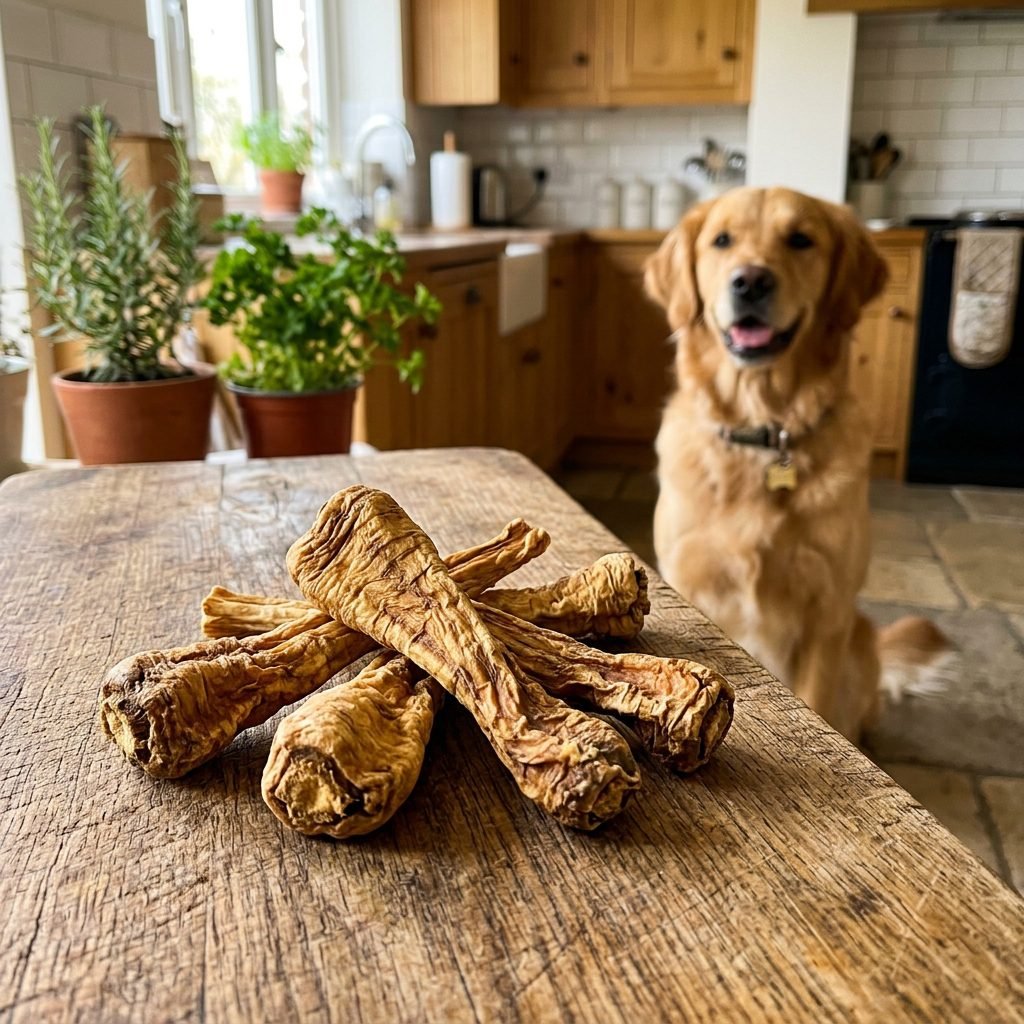
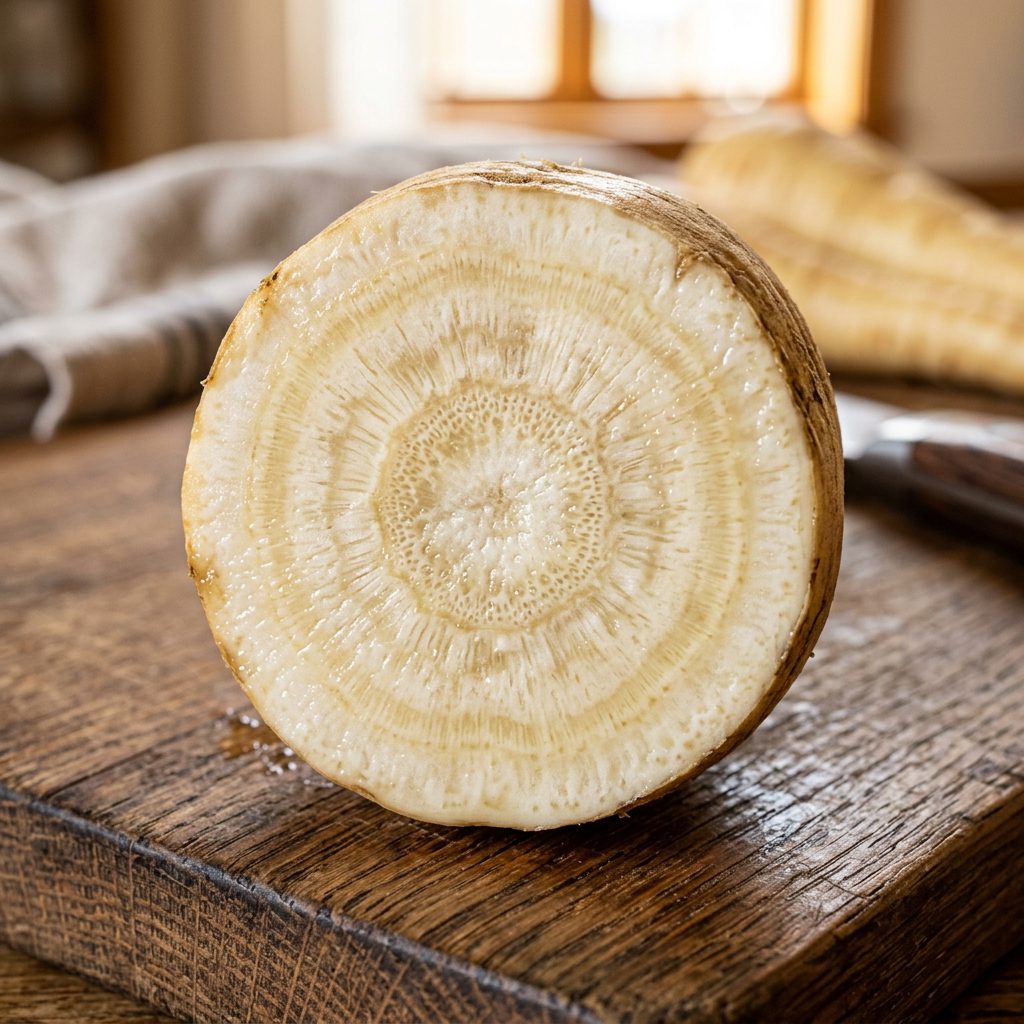
You might be wondering, why parsnips? Why not carrots or sweet potatoes? While carrots and sweet potatoes are fantastic (and can also be dehydrated), the parsnip has a unique fibrous structure that, when dehydrated rapidly in a microwave, creates a surprisingly tough, leathery texture that perfectly mimics a high-value meat chew. But the benefits go far beyond just the texture.
The Nutritional Breakdown
- Vitamin C and K: Essential for immune system support and proper blood clotting. While dogs produce their own Vitamin C, an extra boost helps fight free radicals.
- High Dietary Fiber: Parsnips are packed with soluble and insoluble fiber. This promotes healthy digestion, perfect poops, and helps express anal glands naturally.
- Potassium: Crucial for healthy muscle function and nerve signaling, especially important for highly active dogs or senior dogs maintaining muscle mass.
- Low Calorie: Unlike peanut butter-filled bones or high-fat pig ears, parsnips are incredibly low in calories, making them the ultimate chew for dogs on a weight management plan.
By replacing just one high-fat commercial chew a week with a parsnip chew, you are significantly reducing your dog’s intake of oxidized fats and artificial preservatives while pumping their system full of bioavailable phytonutrients.
The Real Cost Breakdown: Pennies on the Dollar
Stop Bleeding Money on Commercial Chews
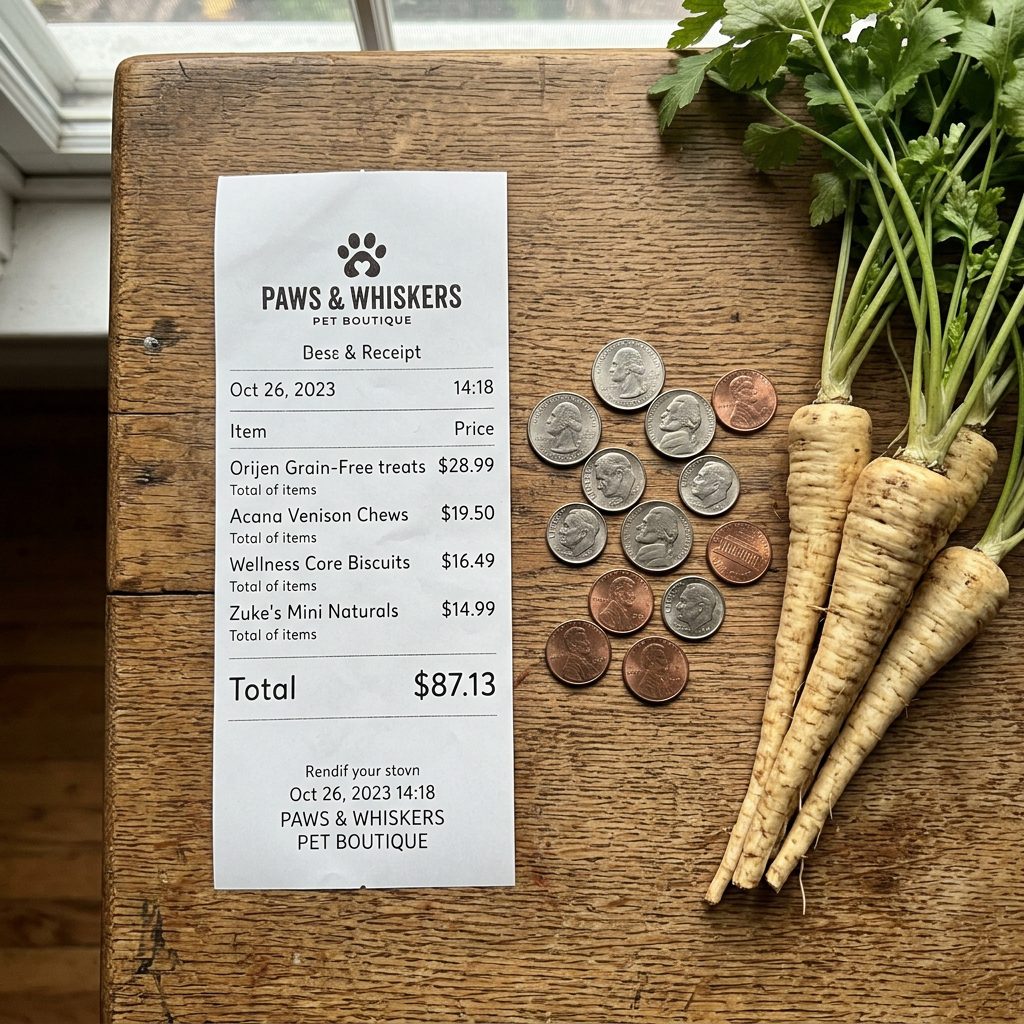
As a canine nutrition hacker, I do not just look at health metrics; I look at the financial metrics. The pet food industry relies on the fact that most owners will blindly pay a premium for convenience. Let us break down the actual math of what you are spending on commercial chews versus our microwave parsnip hack. We will base this on a 50lb dog consuming three chews per week.
| Chew Type | Average Cost Per Chew | Estimated Monthly Cost (12 Chews) | Health & Safety Verdict |
|---|---|---|---|
| Premium Bully Stick (6-inch) | $4.50 | $54.00 | Safe, but high calorie and expensive. |
| Commercial Rawhide | $1.50 | $18.00 | DANGEROUS. Chemical exposure and blockage risk. |
| Yak Cheese Chew | $7.00 | $84.00 | Safe, but risk of tooth fractures for aggressive chewers. |
| Microwave Parsnip Chew | $0.15 | $1.80 | OPTIMAL. 100% natural, digestible, and ultra-cheap. |
By switching to parsnip chews, you are saving roughly $52.00 a month compared to bully sticks. That is over $600 a year that you can redirect into high-quality protein for their main meals, joint supplements, or an emergency vet fund. This is exactly what I mean by hacking your dog’s nutrition budget.
The 5-Minute Microwave Parsnip Chew Recipe
The Safe Chef Guide: Step-by-Step Instructions
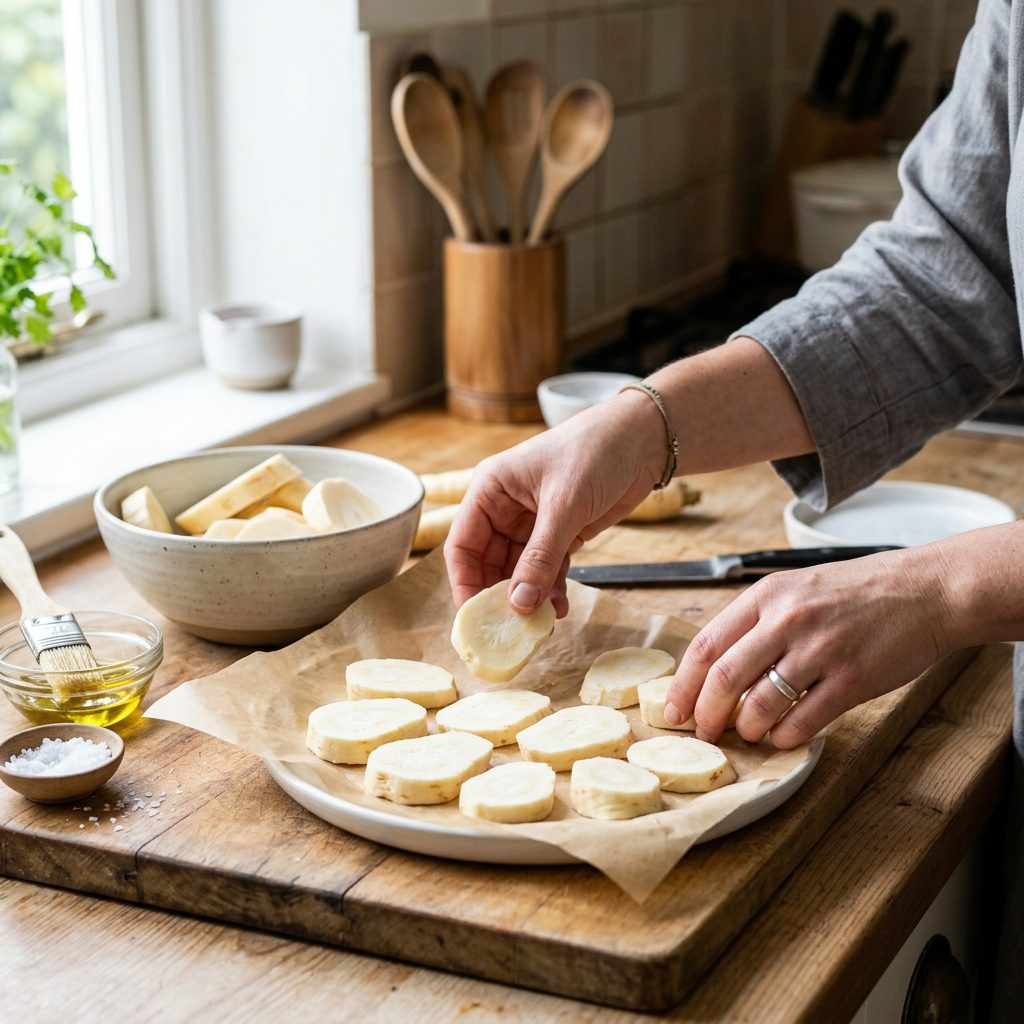
Now, let us get to the magic. You do not need an expensive dehydrator that runs for 12 hours. You just need a microwave, a plate, and a knife. The goal here is to draw the moisture out of the parsnip rapidly without burning it, leaving behind a tough, leathery chew.
Ingredients & Tools:
- 2 Large, thick organic parsnips (the thicker the better for chew time)
- Parchment paper (Do NOT use wax paper)
- A sharp chef’s knife or mandoline slicer
- Microwave-safe plate
The Protocol:
- The Prep: Wash your parsnips thoroughly. You do not need to peel them; the skin contains valuable nutrients and adds to the tough texture. Slice off the very top and the thin tail end.
- The Cut: Slice the parsnip lengthwise into long planks, about 1/4 inch thick. If you cut them too thin, they will turn into crispy chips (which are great for training, but not for chewing). If you cut them too thick, they will not dehydrate properly in the middle.
- The Plating: Line your microwave-safe plate with a sheet of parchment paper. Lay the parsnip planks flat on the paper, ensuring they are not touching or overlapping.
- The Microwave Hack: Place the plate in the microwave. Microwave on HIGH for 2 minutes. The parsnips will start to release steam and shrink.
- The Flip: Carefully remove the plate (it will be hot). Flip each parsnip plank over. You will notice they are getting floppy. Microwave for another 1 to 2 minutes. Watch them closely during this final stretch! Every microwave has a different wattage. You want them to look shriveled and slightly browned, but not blackened or smoking.
- The Curing Process: Remove them from the microwave and transfer them to a wire cooling rack. This is the most critical step. As they cool, they will harden and transform from soft veggies into tough, leathery chews. Let them cure for at least 30 minutes before serving.
Insider Secret: If your dog is a picky eater and turns their nose up at veggies, lightly brush the raw parsnip planks with low-sodium, dog-safe beef or chicken bone broth before microwaving. The broth will bake into the fibers, creating a meat-flavored veggie chew!
Batch Cooking & Storage Insider Secrets
How to Meal-Prep Your Dog’s Chews
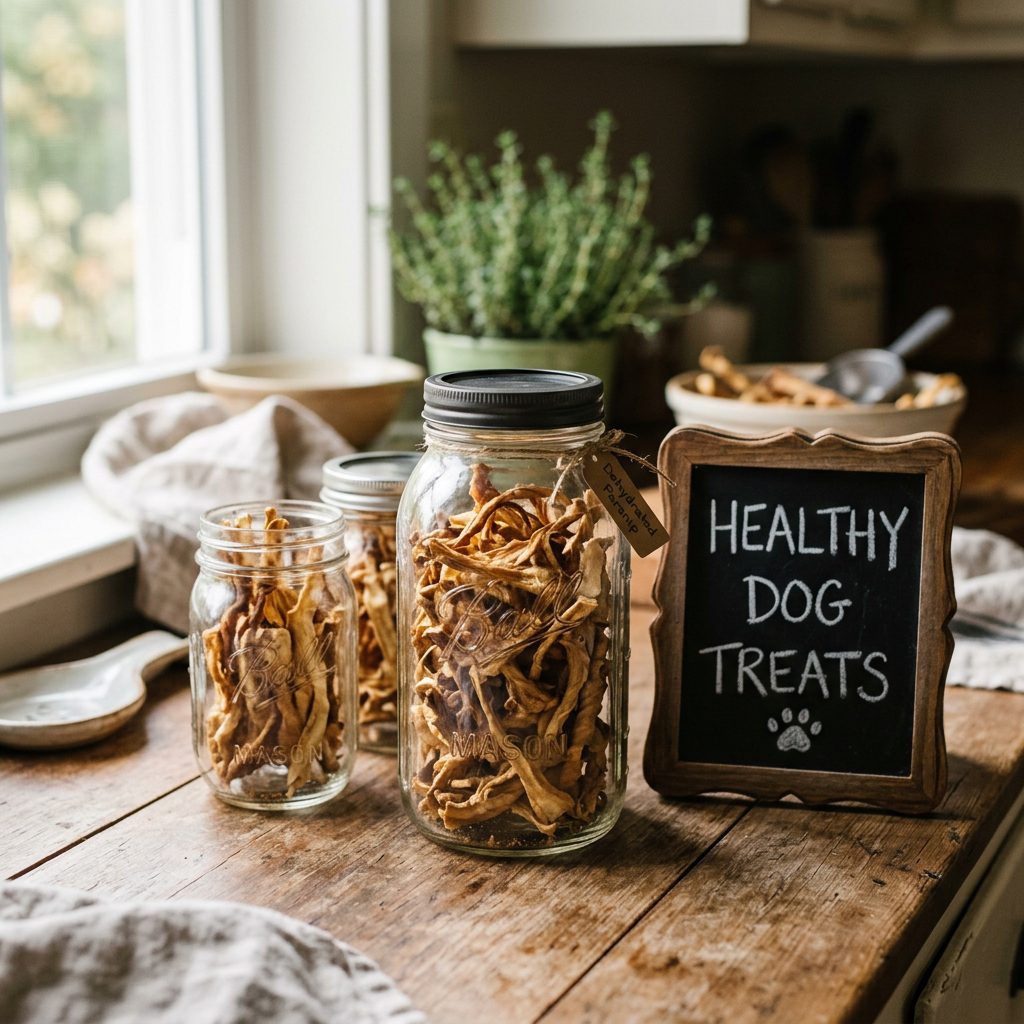
Once you see how much your dog loves these, you are not going to want to make them one at a time. Batch cooking is the secret to maintaining this healthy habit without it becoming a daily chore. Because we have removed the majority of the moisture, these chews store remarkably well.
Storage Protocols:
- Short-Term Storage (1-2 Weeks): Place the completely cooled and cured parsnip chews into an airtight glass mason jar or a silicone Stasher bag. Keep them in the refrigerator. The cool environment prevents any residual moisture from causing mold.
- Long-Term Storage (Up to 3 Months): These chews freeze beautifully. Place them in a freezer-safe bag, squeeze out all the air, and toss them in the freezer. You can actually give them to your dog straight from the freezer! The frozen texture adds an extra level of chewing difficulty and is incredibly soothing for teething puppies or dogs with inflamed gums.
Warning on Moisture: The only enemy of a dehydrated veggie chew is moisture. If you pack them away before they are 100% cool, the condensation will get trapped in the container and they will spoil quickly. Patience during the cooling phase is non-negotiable.
Safety First: The Smart Owner’s Checklist
Disclaimer & Best Practices
SAFETY DISCLAIMER: I am a savvy dog owner and nutrition hacker, not a veterinarian. While parsnips are widely recognized as safe and healthy for dogs, every dog’s digestive system is unique. Always consult with your holistic or traditional vet before introducing new foods, especially if your dog has a history of kidney issues, diabetes, or severe food allergies.
The Problem Solver’s Checklist:
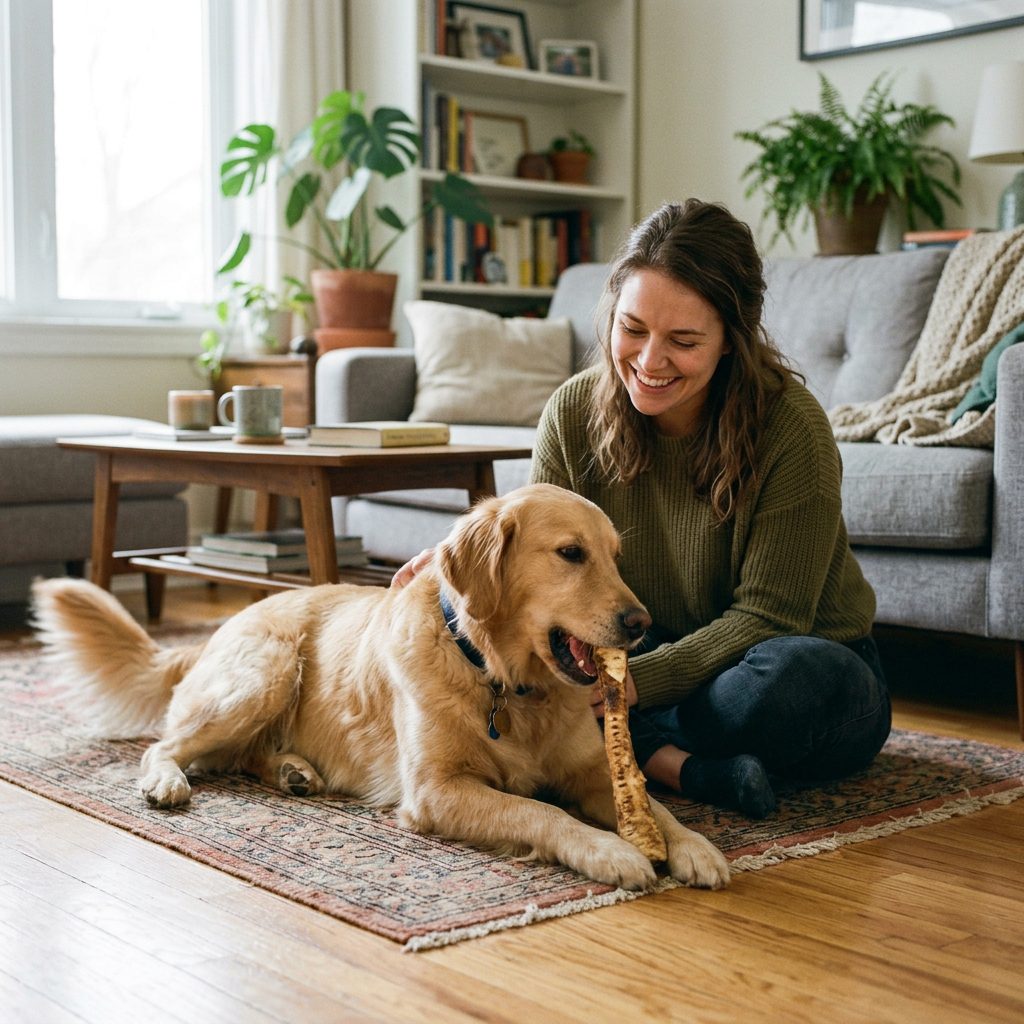
- Supervision is Mandatory: No chew is 100% safe. Whether it is a $10 bully stick or a 15-cent parsnip, you must always supervise your dog while they are chewing. If they manage to break off a large chunk and attempt to swallow it, you need to be there to intervene.
- Know Your Dog’s Chew Style: These chews are perfect for moderate chewers, puppies, and senior dogs. If you have a 100lb Malinois with the jaw pressure of an alligator, they might crunch this in two seconds. Adjust the thickness of the slice to match your dog’s jaw strength.
- Introduce Slowly: Because parsnips are high in fiber, feeding your dog five of these on the first day might lead to gas or loose stools. Start with one chew, monitor their digestion for 24 hours, and adjust accordingly.
By following these simple safety protocols, you are ensuring that treat time remains a fun, enriching, and health-promoting activity.
Conclusion
There you have it. You now possess the knowledge to bypass the overpriced, chemically laden commercial chew industry and create a highly nutritious, single-ingredient treat right in your own kitchen. The 5-minute microwave parsnip chew is the ultimate hack for the savvy dog owner: it costs practically nothing, it is packed with vital nutrients, and it provides the mental stimulation your dog craves. Next time you are at the grocery store, skip the pet aisle entirely and head straight for the produce section. Your dog’s health, and your bank account, will thank you. Now get into the kitchen, start slicing, and watch your dog go wild for the power of the parsnip!