No More Dog Breath! These Bentonite Clay Dental Treats Clean Teeth Better Than Store Brands
Welcome to the Dental Health Underground
Let’s get real for a second. You walk into the pet store, and there’s an entire aisle dedicated to ‘dental health.’ The packaging is bright, the claims are bold, and the prices? Well, they’re enough to make your wallet cry. You see those green-colored toothbrushes or those X-shaped chews, and you think you’re doing your pup a favor. But as The Canine Nutrition Hacker, I’m here to tell you: you’re being sold a bag of sugar and starch. Most store-bought dental treats are essentially doggy candy disguised as medicine. They are loaded with wheat gluten, glycerin, and ‘natural flavors’ that do more to feed the bacteria in your dog’s mouth than to kill it. If you want to actually fix that ‘room-clearing’ dog breath and save your pup from a $1,000 professional cleaning under anesthesia, you need to look at what the pros use. Enter: Bentonite Clay. This isn’t just mud; it’s a powerhouse of detoxification and mechanical cleaning that has been used by wild canids and indigenous cultures for centuries. Today, I’m going to show you how to hack your dog’s dental routine with a DIY treat that actually works, costs pennies to make, and will have your dog’s breath smelling like… well, not a dumpster fire.
Insider Secret: Most commercial dental chews only last 30 to 60 seconds. For a dental chew to actually remove plaque, it needs mechanical abrasion and time. My Bentonite Clay ‘Breath-Blasters’ are designed to be tough, effective, and chemically active.
The Forensic Review: Why Your Store-Bought Chews Are Failing
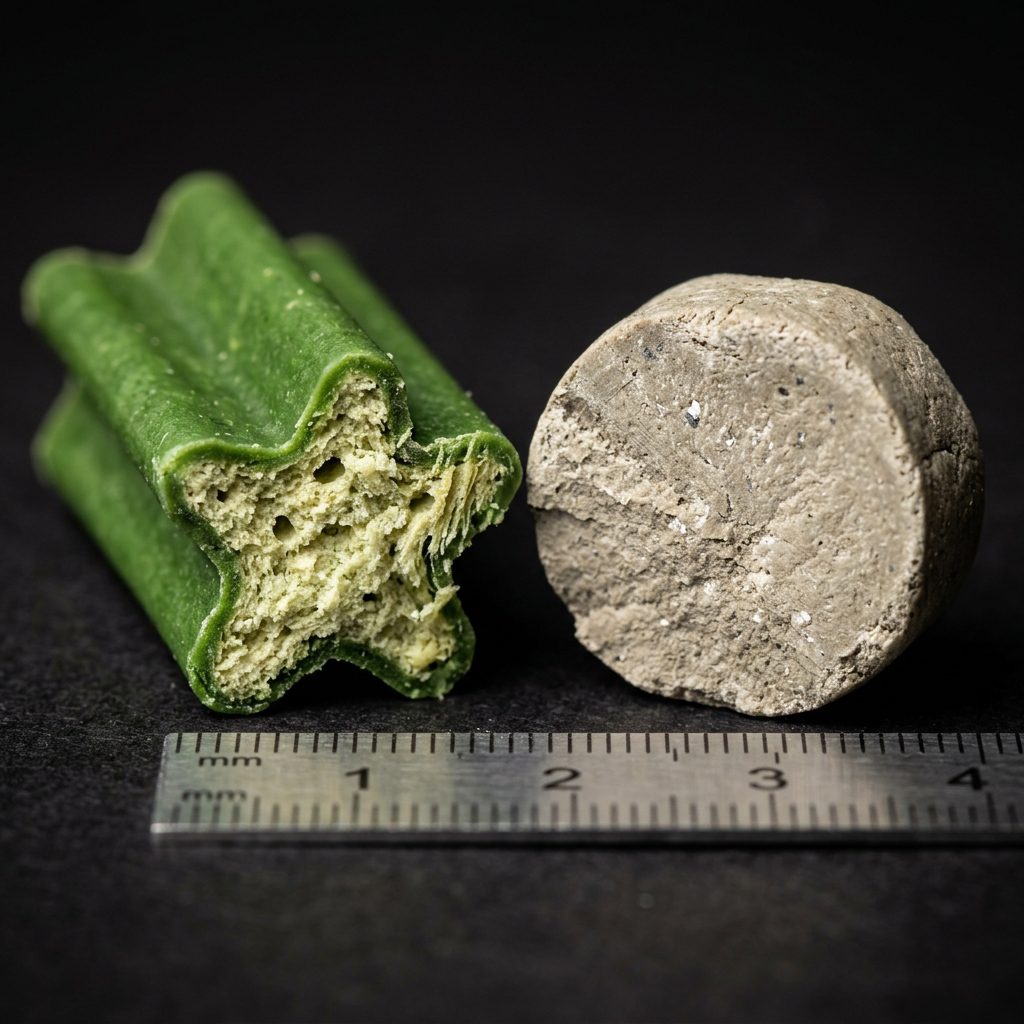
Before we dive into the recipe, we need to look at the ‘First 5 Ingredients’ of the most popular dental chews on the market. When I analyze these labels, I don’t see a toothbrush; I see a recipe for weight gain and dental decay.
The ‘First 5’ Truth
Let’s look at a leading brand of dental chews. The first five ingredients are usually: Wheat Flour, Wheat Gluten, Glycerin, Gelatin, and Water. Notice anything missing? Like, an actual cleaning agent? Wheat flour and gluten are simple carbohydrates. When these mix with your dog’s saliva, they break down into sugars. These sugars then stick to the teeth, providing a feast for the very bacteria that cause plaque and gingivitis. It’s a vicious cycle: you buy the treat to clean the teeth, but the treat itself contributes to the problem.
The Cost of Convenience
Let’s break down the math for a 50lb dog. A bag of premium store-bought dental chews costs about $15.00 for a 12-count bag. That is $1.25 per day. Over a year, you are spending over $450.00 on what is essentially flavored wheat. My DIY version? We’re looking at about $0.12 per day. That’s a savings of over $400 a year—enough to buy the high-quality, human-grade protein your dog actually deserves.
| Feature | Store-Bought Brand | Hacker’s Bentonite Chews |
|---|---|---|
| Primary Base | Wheat Flour / Corn Starch | Bentonite Clay / Coconut Oil |
| Abrasive Action | Low (Dissolves quickly) | High (Mineral grit + firm texture) |
| Detoxifying Properties | None | High (Ionic binding of toxins) |
| Daily Cost (50lb Dog) | $1.25 | $0.12 |
| Verdict | Overpriced Candy | The Gold Standard |
The Science of the Clay: Why Bentonite Works
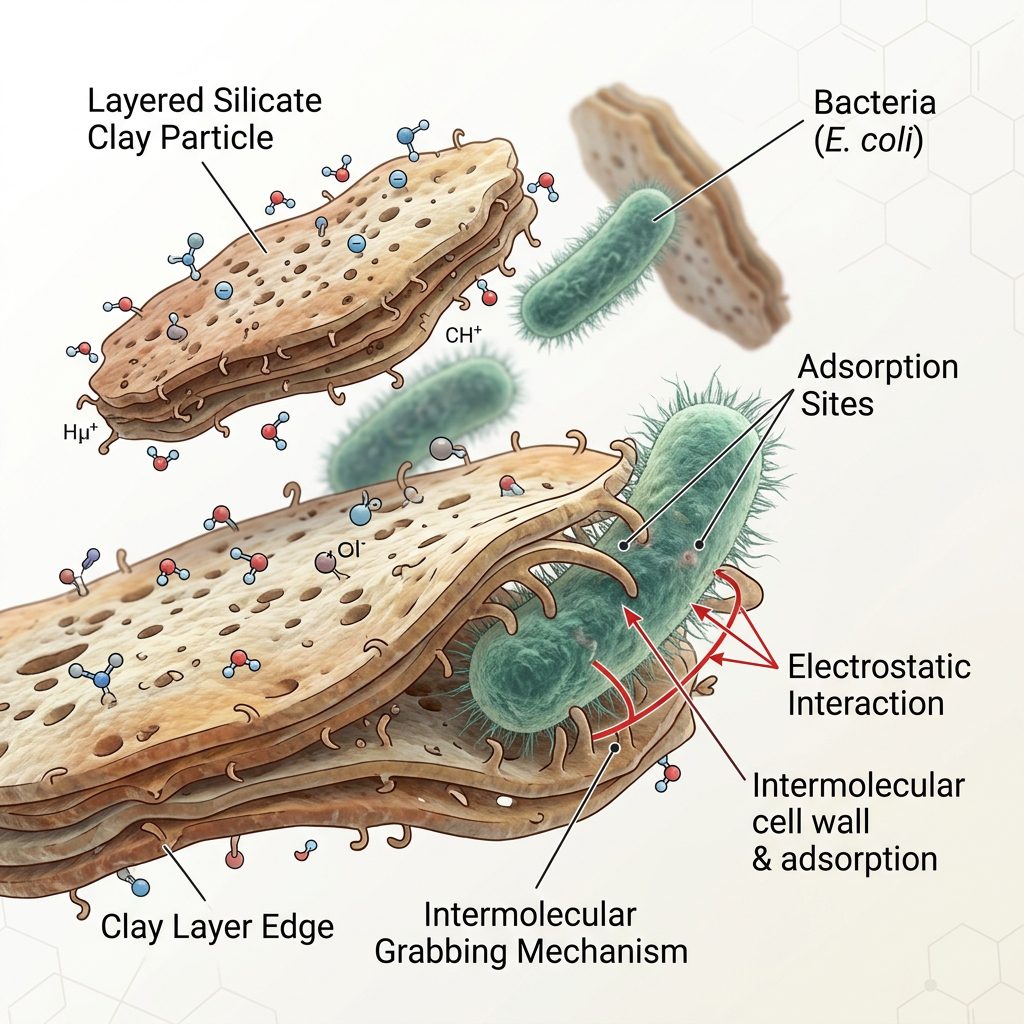
You might be wondering, ‘Why am I feeding my dog clay?’ It sounds counterintuitive, but the science is rock solid. Calcium Bentonite clay is formed from volcanic ash. It carries a strong negative ionic charge. Most toxins, bacteria, and heavy metals in your dog’s mouth and gut carry a positive charge. When the clay enters the mouth, it acts like a magnet, pulling those nasty pathogens away from the teeth and gums and trapping them within its molecular structure.
Mechanical Abrasion Without Damage
Unlike synthetic chews that are either too soft (doing nothing) or too hard (fracturing teeth), Bentonite clay provides a micro-abrasive texture. As your dog chews, the fine particles of the clay act like a gentle polish, scrubbing away the biofilm (plaque) before it can calcify into tartar. Plus, the clay is rich in minerals like calcium, magnesium, and silica, which can actually help support enamel remineralization.
Hacker Tip: Not all clay is created equal. You must use Food Grade Calcium Bentonite. Avoid ‘Sodium Bentonite’ which is often used for kitty litter and can swell too much in the digestive tract.
The Safe Chef Guide: Safety First!
Before we get into the kitchen, we need to talk safety. I’m a nutrition hacker, not a veterinarian. While Bentonite clay is a miracle worker, you have to use it correctly to avoid issues.
The Hacker’s Safety Checklist
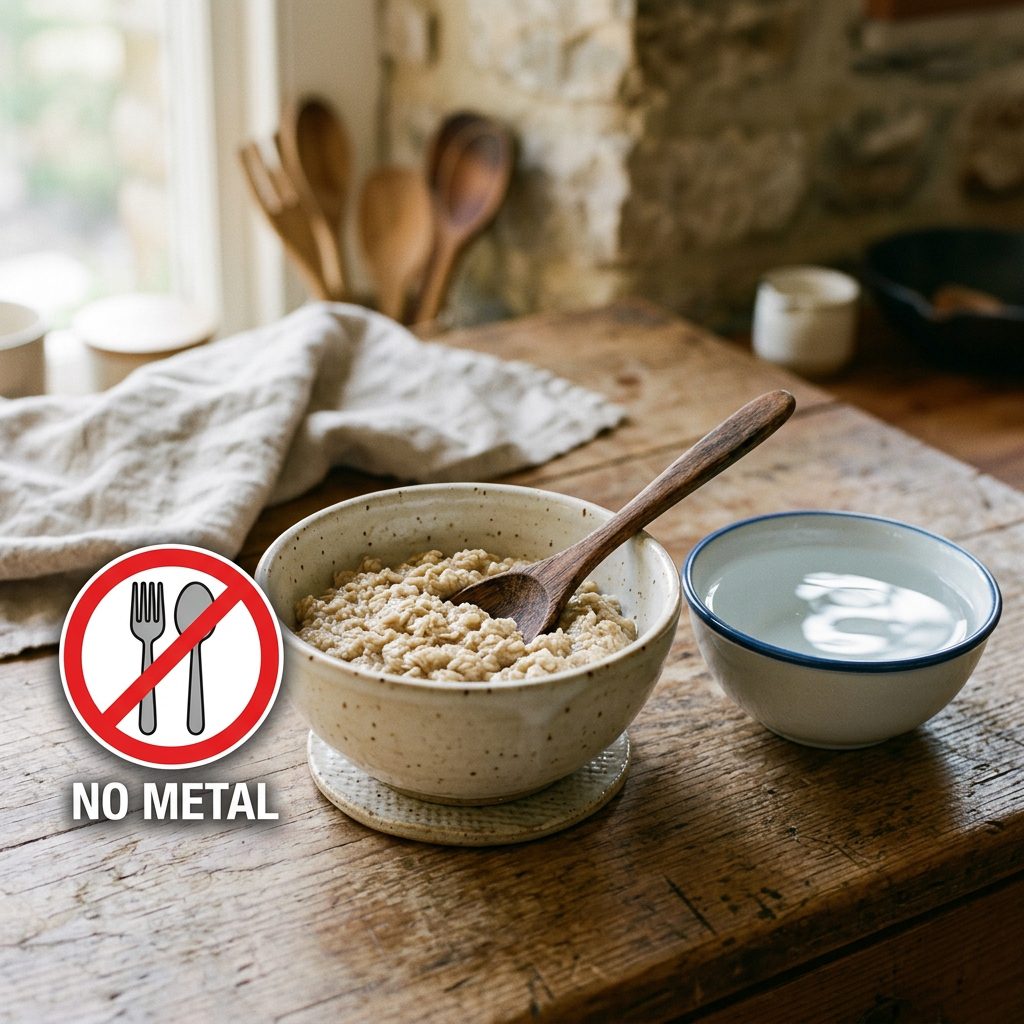
- Hydration is Key: Bentonite clay absorbs water. If your dog doesn’t drink enough, it can cause constipation. Always ensure a fresh bowl of filtered water is available.
- The Metal Rule: Never use metal bowls or spoons when working with Bentonite clay. Metal neutralizes the ionic charge, making the clay ‘dead’ and useless. Use glass, wood, or ceramic.
- Medical Interference: Because clay is so good at binding things, it can bind to medications. If your dog is on heart meds or antibiotics, give these treats at least 2 hours before or after their medication.
- Start Slow: Introduce these treats gradually to ensure your dog’s digestive system adjusts to the mineral content.
Actionable Recipe: The Breath-Blaster Bentonite Chews
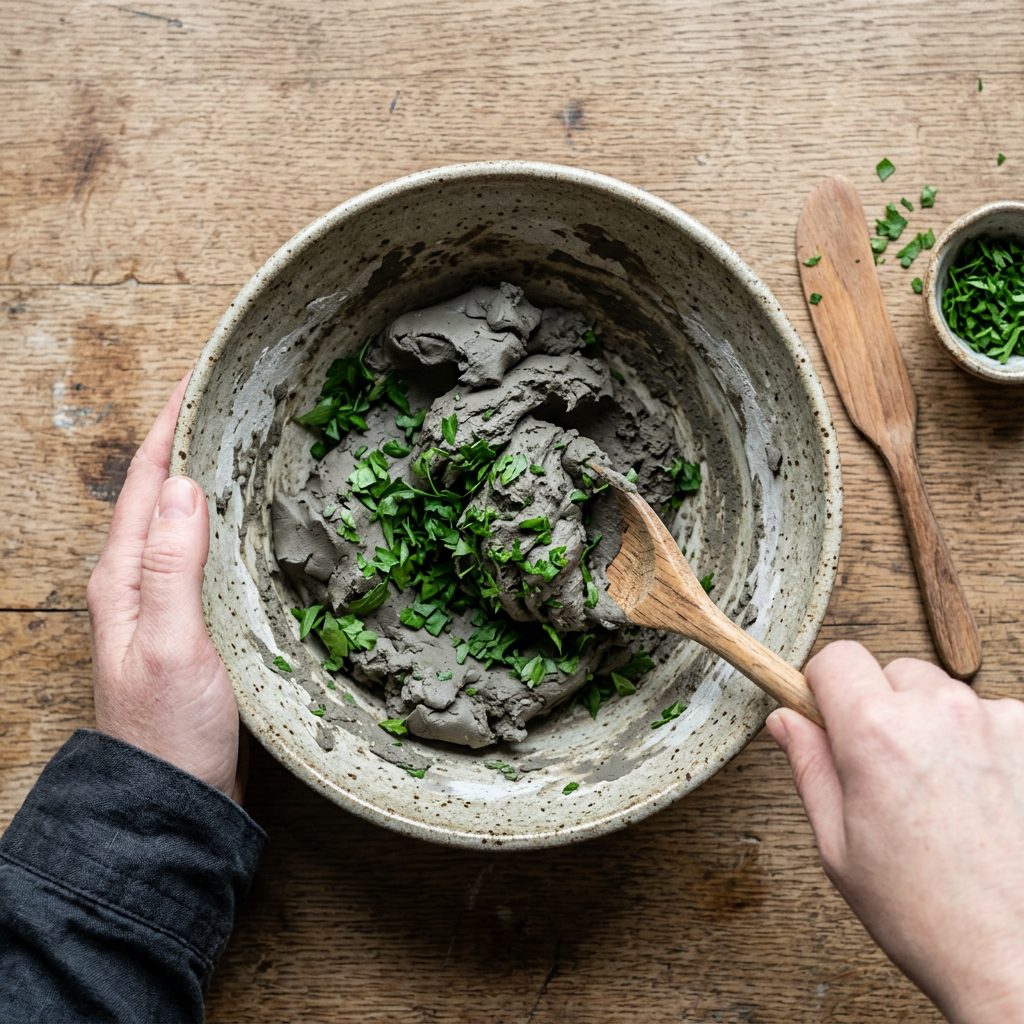
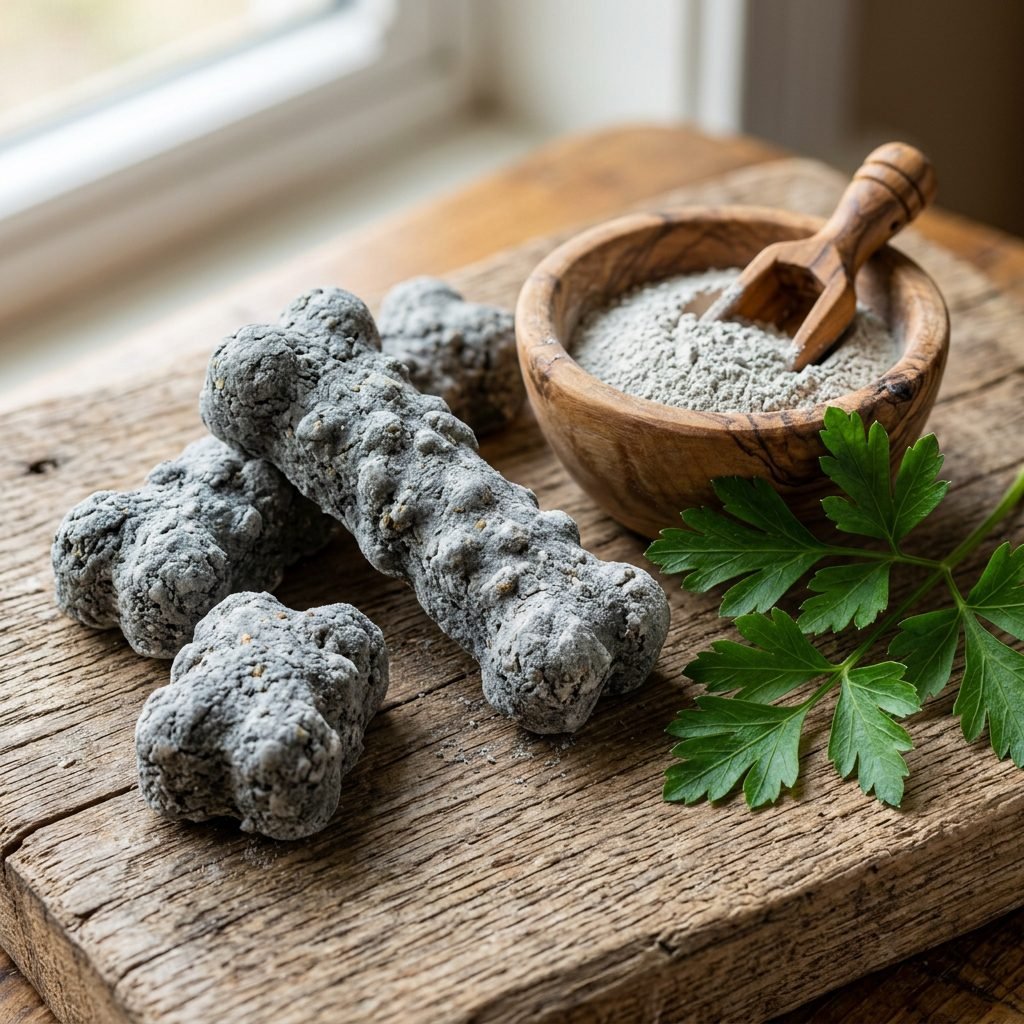
This recipe is designed to be firm, chewy, and incredibly effective at neutralizing odors. We’re combining the power of clay with the antimicrobial properties of coconut oil and the chlorophyll-rich deodorizing power of parsley.
The Ingredients
- 1/2 Cup Food Grade Calcium Bentonite Clay (The Scrubber)
- 1/4 Cup Organic Coconut Oil, melted (The Antimicrobial Binder)
- 1/4 Cup Fresh Parsley, finely minced (The Deodorizer)
- 1/2 Cup Unsalted Bone Broth (The Flavor Magnet)
- 1.5 to 2 Cups Oat Flour (The Base – use more or less for desired firmness)
Step-by-Step Instructions
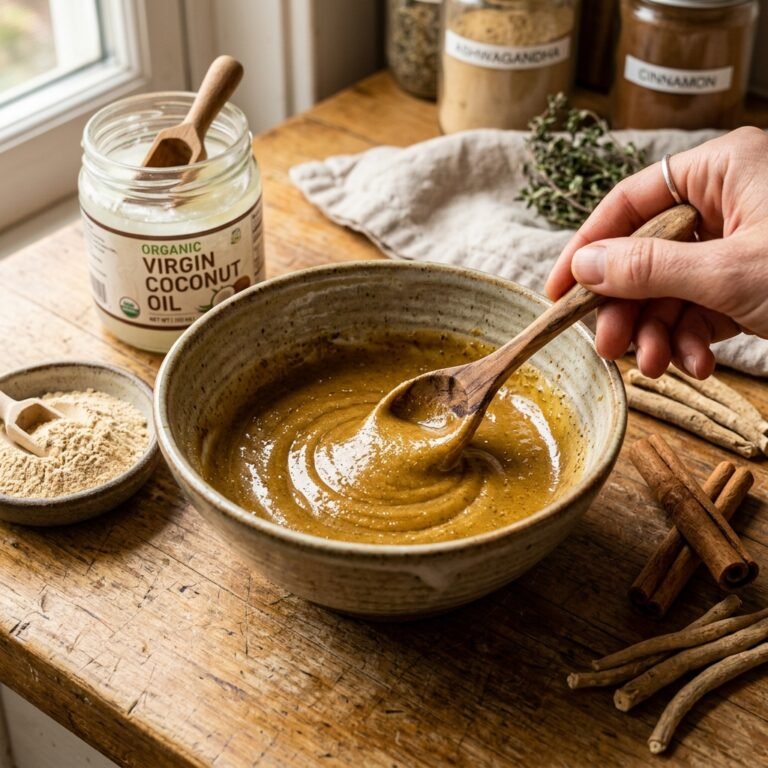
- In a ceramic or glass bowl, mix the bone broth and the Bentonite clay using a wooden spoon. Let it sit for 5 minutes to hydrate.
- Add the melted coconut oil and minced parsley. Stir until well combined.
- Gradually fold in the oat flour. You want a dough that is very stiff and not sticky. If it’s too soft, it won’t provide the mechanical cleaning we need.
- Roll the dough out to about 1/2 inch thickness. Cut into strips appropriate for your dog’s size.
- The Hacker Secret: Don’t bake these at high heat. We want to preserve the enzymes. Dehydrate them in an oven at the lowest setting (usually 150-170°F) for 4-6 hours until they are rock hard.
Batch Cooking & Storage Secrets
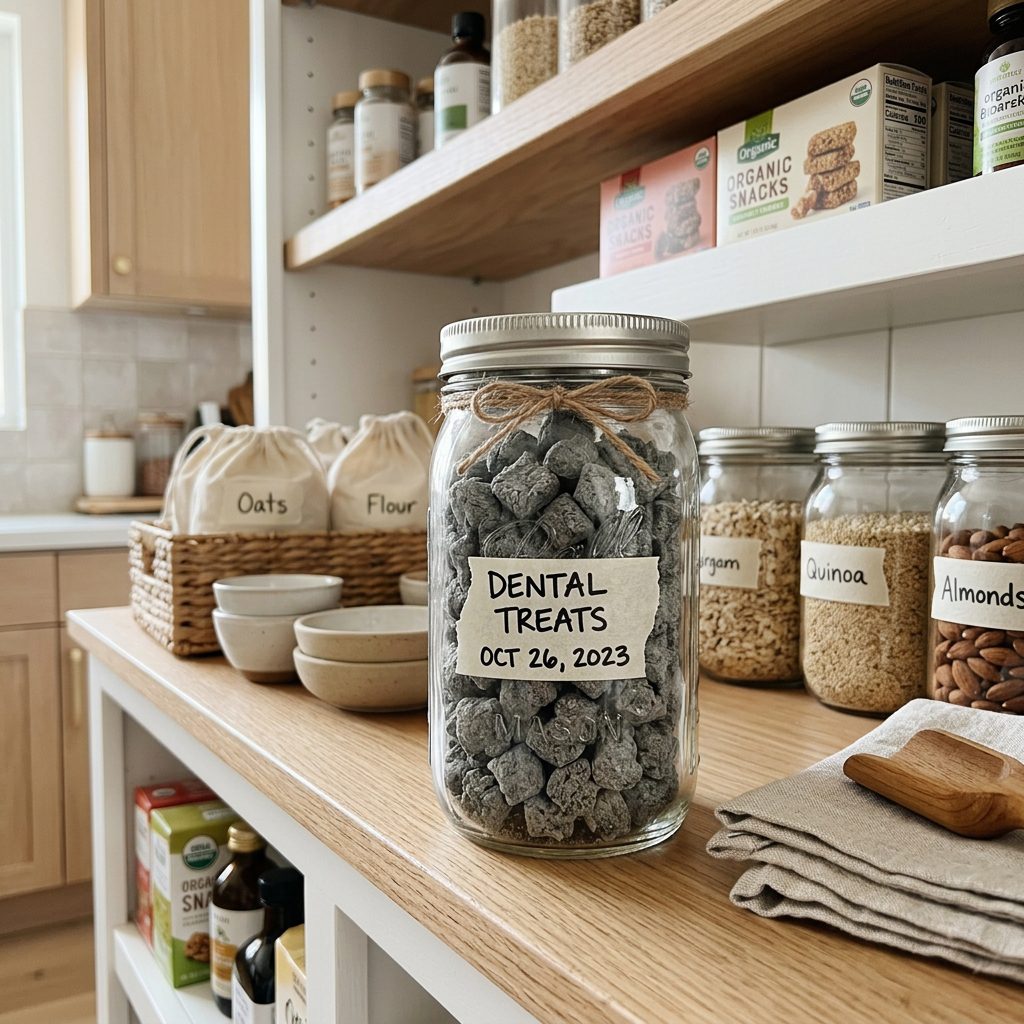
I don’t have time to cook every day, and I bet you don’t either. The beauty of these treats is that they are shelf-stable if you dry them correctly. Because we’ve removed the moisture and used coconut oil (which is a natural preservative), these will last a long time.
Storage Tiers
- Countertop: In an airtight glass jar for up to 2 weeks.
- Refrigerator: Up to 1 month.
- Freezer: Up to 6 months. (Pro tip: My dog loves them frozen in the summer for an extra-hard crunch!)
The ‘Hardness’ Test
If you can easily bend the treat, it’s not dry enough. For maximum dental benefit, the treat should require some effort to break. This ensures the dog has to gnaw on it, allowing the clay to work its magic against the gum line.
Hacker Tip: If your dog is a ‘gulper’ rather than a ‘chewer,’ make the treats larger than their mouth so they are forced to use their molars to break them down.
The Real Cost Breakdown: DIY vs. Premium Store Brands
Let’s look at the cold, hard numbers. I’ve calculated the cost based on buying ingredients in bulk (which is what a savvy hacker does).
| Ingredient | Bulk Cost | Amount Used | Cost Per Batch |
|---|---|---|---|
| Bentonite Clay (2lb bag) | $18.00 | 1/2 Cup | $1.12 |
| Coconut Oil (30oz) | $12.00 | 1/4 Cup | $0.80 |
| Oat Flour (5lb) | $10.00 | 2 Cups | $0.40 |
| Parsley/Broth | $3.00 | Varies | $0.50 |
| Total Per Batch | – | – | $2.82 |
One batch makes approximately 24 medium-sized treats. That’s $0.117 per treat. Compare that to the $1.25 you’re paying for those green starchy sticks. You are literally saving over 90% while providing a superior product. That is how you win the nutrition game.
Conclusion
Final Verdict: Take Back Control of Your Dog’s Breath
Stop letting the big pet food corporations tell you that you need their expensive, sugar-laden ‘solutions’ for your dog’s dental health. You have the power to create something better, safer, and significantly cheaper in your own kitchen. By using Bentonite Clay, you aren’t just masking the smell of dog breath; you are attacking the root cause by binding toxins and mechanically removing plaque. Your dog will thank you with fresher kisses, and your vet will be amazed at your next check-up. Remember, a healthy dog starts with an educated owner. Now, go get some clay and start hacking!