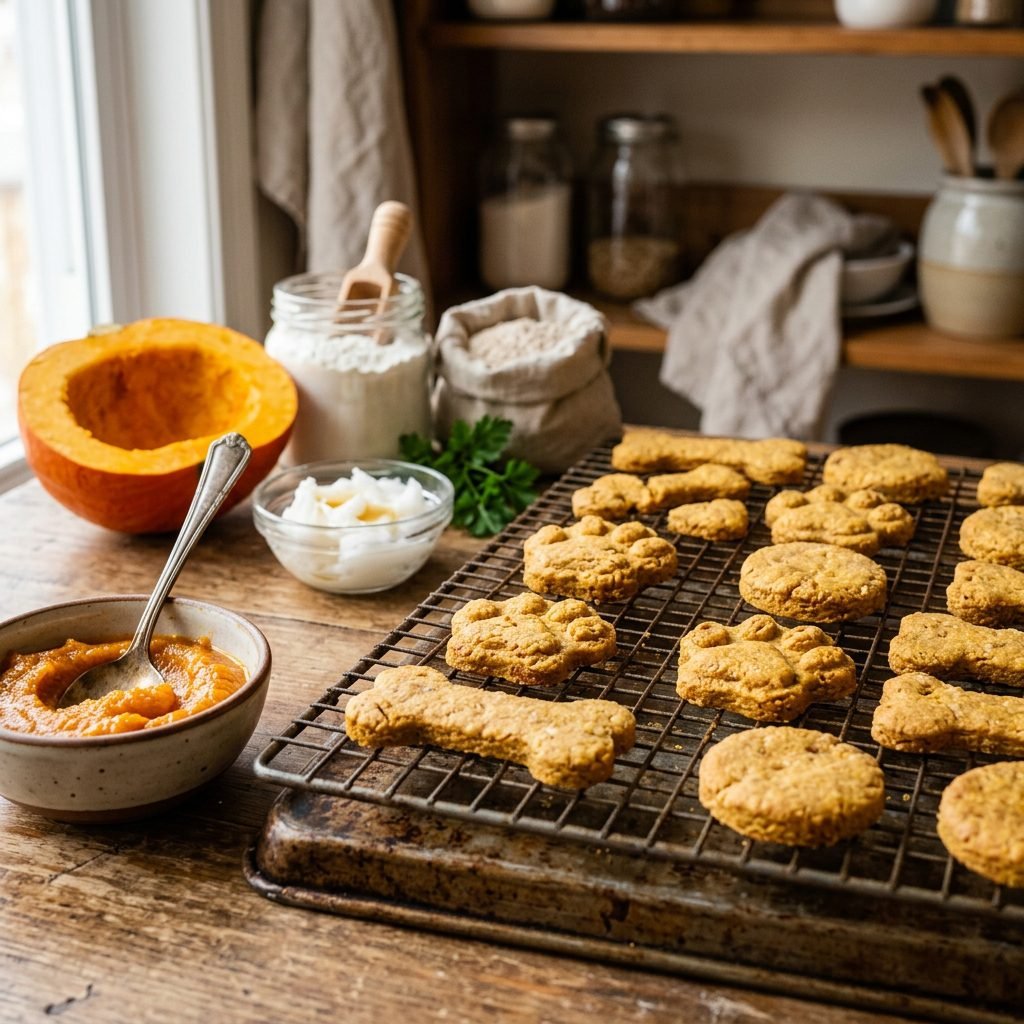
The Ultimate Grain-Free Tapioca Flour Biscuits Perfect for Dogs with Extreme Food Allergies!
Welcome to the Canine Nutrition Hacker’s Kitchen
Listen up, savvy dog parents. If you are reading this, you are probably at your wits’ end. You have watched your poor pup scratch their ears raw, lick their paws until they are stained red, and suffer through endless bouts of gastrointestinal distress. You have spent thousands on vet bills, cytopoint injections, and boutique bags of commercial treats that claim to be ‘hypoallergenic’—only to find out they are packed with hidden triggers. I know exactly where you are, because I have been there. As a Canine Nutrition Hacker, I do not just read the front of the pet food bag; I analyze the ingredient label on the back like a forensic scientist. Today, we are taking the power back into our own hands.
When you are dealing with a dog that has extreme food allergies, the standard advice of ‘just buy grain-free’ is dangerously inadequate. Most commercial grain-free treats simply swap out wheat and corn for peas, lentils, or potatoes—ingredients that are increasingly linked to their own set of intolerances and potential health issues. What you need is a blank slate. You need a carbohydrate binder that is so novel, so gentle, and so completely devoid of common proteins that the canine immune system doesn’t even bat an eye. Enter the hero of our story: Tapioca Flour.
HACKER’S SAFETY DISCLAIMER: Before we dive into the mixing bowl, let’s get one thing straight. I am a savvy, street-smart dog owner and nutrition hacker, not a licensed veterinarian. This recipe is intended for supplemental feeding and treat purposes only, not as a complete and balanced daily diet. Always consult with your holistic or traditional vet before introducing new foods, especially if your dog is actively suffering from severe allergic reactions or is on an elimination diet. Homemade diets require precise formulation and calcium/phosphorus balancing if used as primary meals.
In this comprehensive guide, we are going to expose the hidden fillers in commercial treats, break down exactly why tapioca flour is the ultimate hypoallergenic secret weapon, and teach you how to bake the perfect batch of grain-free biscuits. We will even do a forensic cost breakdown to show you exactly how much money you are going to save. Grab your apron, preheat your oven, and let’s start hacking your dog’s health for the better.
The Allergy Epidemic: Why Commercial ‘Hypoallergenic’ Treats Fail
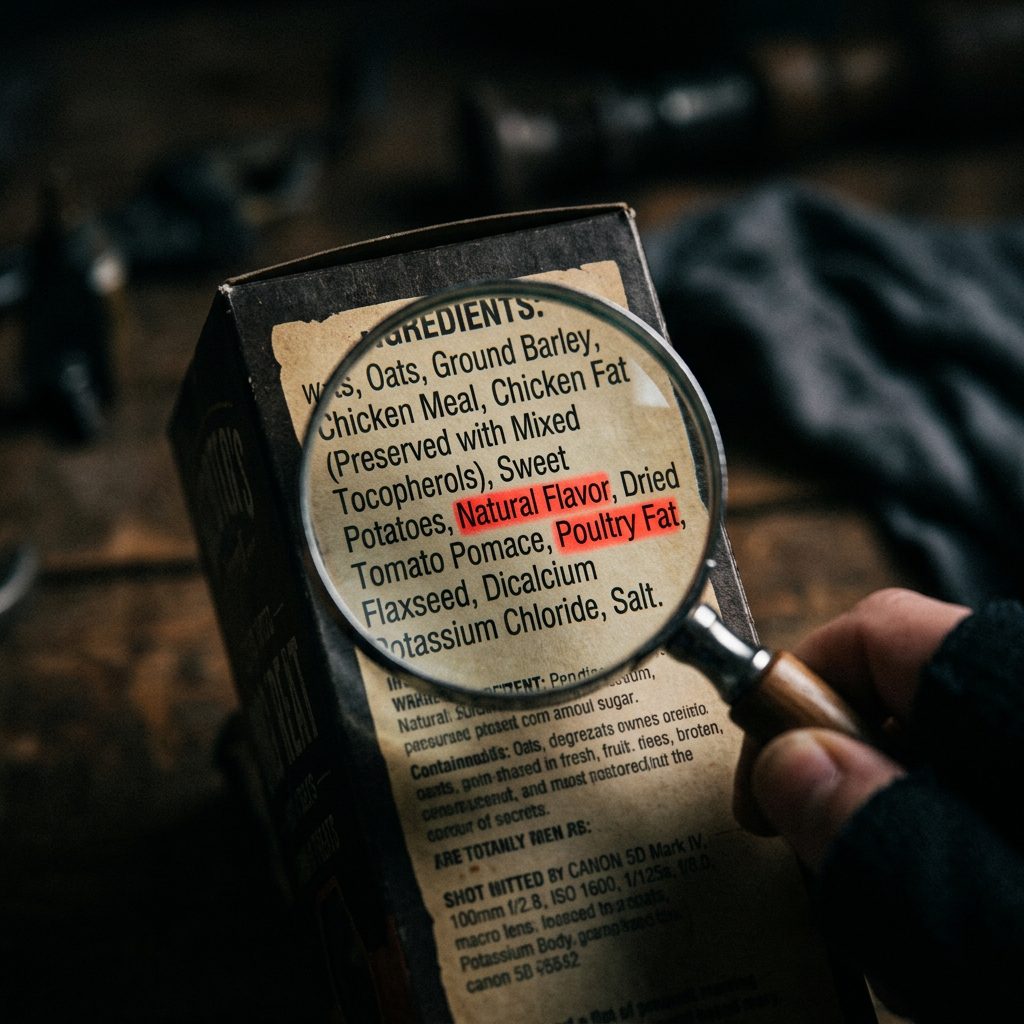
If you want to understand why your dog is still itching despite eating ‘premium’ treats, you have to understand the ‘First 5 Ingredients’ truth. Commercial pet food manufacturing is a business of margins. To keep costs low and shelf-life high, manufacturers rely on highly processed fillers and questionable flavor enhancers. When a dog has extreme food allergies, their immune system is essentially in a state of hyper-vigilance. It treats common proteins—like beef, chicken, dairy, and wheat—as hostile invaders.
The Hidden Enemy: Cross-Contamination and Vague Labeling
Here is an insider secret the big pet food companies do not want you to know: the term ‘hypoallergenic’ is often used as a marketing buzzword rather than a strict medical standard. Let’s look at the ingredient labels of some popular allergy-friendly treats. You might see ‘Salmon and Sweet Potato’ on the front, but when you look at the back, you will often find ingredients like ‘poultry fat’ or ‘natural flavors.’ Natural flavors can be derived from absolutely anything, including the exact chicken protein your dog is allergic to! Furthermore, manufacturing lines are rarely dedicated to a single protein. The same machine that extrudes a lamb biscuit might have just processed a batch of chicken and wheat kibble hours before. For a dog with a severe allergy, that microscopic cross-contamination is enough to trigger a massive flare-up.
- Poultry By-Product Meal: A highly concentrated, cheap protein source that is a nightmare for dogs with avian allergies.
- Soybean Mill Run: A cheap filler that provides little nutritional value and is a top allergen.
- Artificial Colors & Preservatives (BHA, BHT): Known immune system disruptors that can exacerbate skin conditions.
By making your own treats, you completely eliminate the risk of cross-contamination. You control the supply chain. If you do not put it in the bowl, it does not go into your dog. It is that simple, and it is the only way to truly guarantee a zero-allergen treat.
Why Tapioca Flour? The Hypoallergenic Secret Weapon
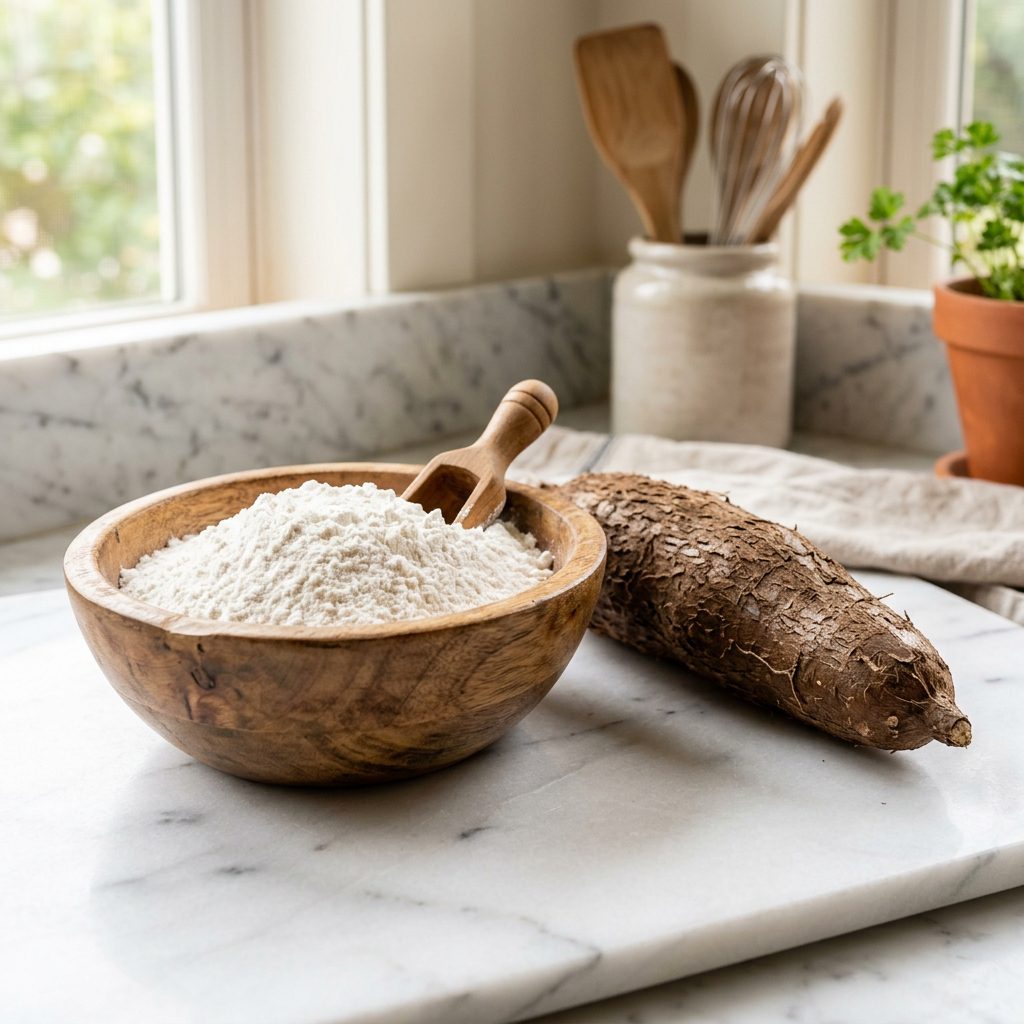
So, why tapioca flour? Why not coconut flour, almond flour, or chickpea flour? As a nutrition hacker, I have tested them all, and tapioca stands head and shoulders above the rest for dogs with extreme, multi-layered allergies.
The Science of Tapioca
Tapioca flour is extracted from the cassava root, a starchy tuber native to South America. It is naturally 100% gluten-free, grain-free, and nut-free. But here is the most crucial part for allergy dogs: tapioca is almost entirely pure starch. It contains virtually zero protein. Why does this matter? Because food allergies are immune system reactions to proteins, not carbohydrates or fats. If an ingredient doesn’t contain a protein structure, the dog’s immune system cannot form an IgE antibody response to it. Tapioca flies completely under the radar of an overactive immune system.
Comparing the Alternatives
- Coconut Flour: Great for low-carb diets, but it absorbs a massive amount of liquid, making baking a nightmare. It also contains salicylates, which some highly sensitive dogs react to.
- Almond Flour: High in fat and calories, and tree nuts can occasionally trigger allergic responses or digestive upset in sensitive stomachs.
- Chickpea/Lentil Flour (Legumes): Currently under heavy scrutiny by veterinary cardiologists regarding Dilated Cardiomyopathy (DCM). Best avoided for daily treats until more research is concluded.
Tapioca flour provides the perfect binding power. It creates a beautiful, crispy texture that mimics the satisfying crunch of a commercial milk bone, without any of the dangerous baggage. It acts as the perfect structural canvas for whatever safe, novel ingredients you choose to add.
The Safe Chef Guide: Tapioca Flour Allergy-Busting Biscuits Recipe
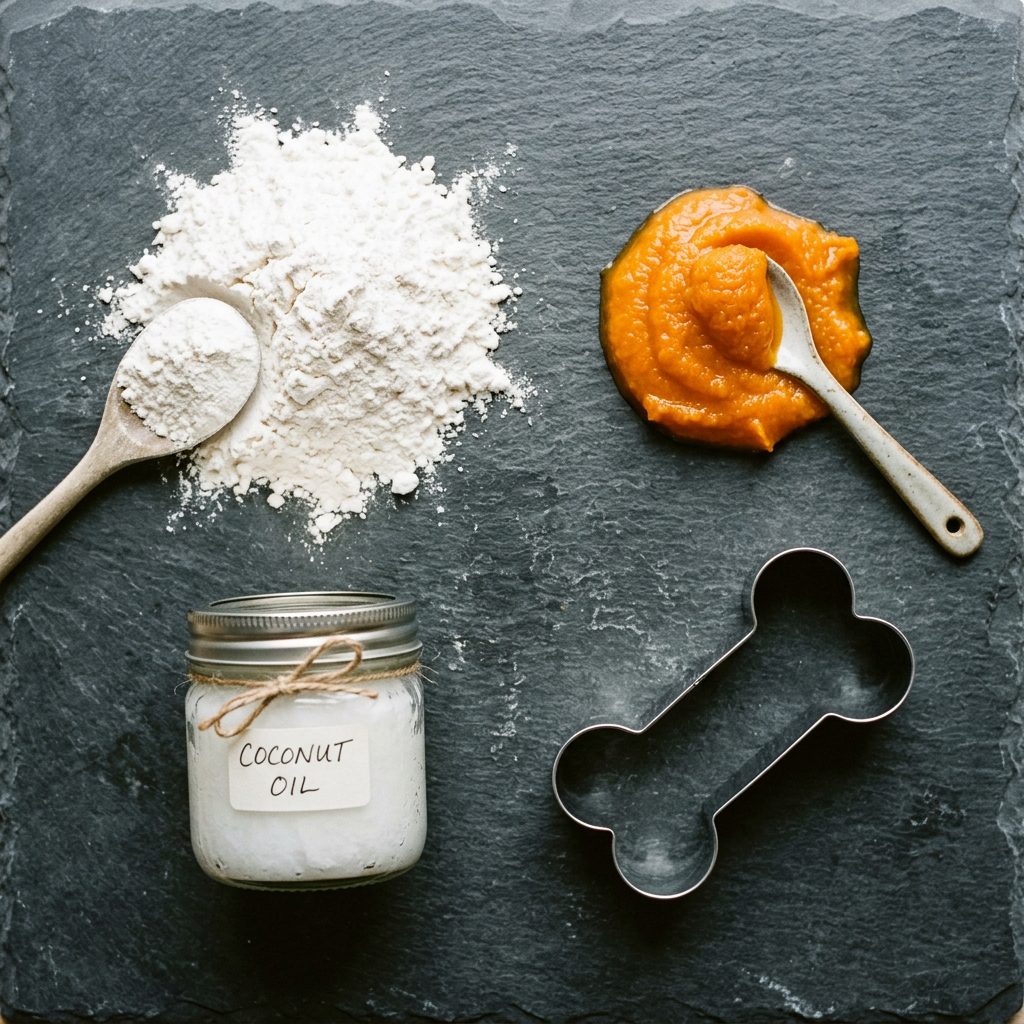
Are you ready to become your dog’s personal gourmet chef? This recipe is designed to be highly adaptable. We are using a 3-ingredient base: Tapioca flour (the binder), a safe liquid/puree (the moisture), and a safe fat (for texture and coat health).
The Core Ingredients
- 2 Cups of Tapioca Flour: Make sure you are buying 100% pure tapioca flour/starch, not a blend.
- 1/2 Cup of Novel Puree: This is where you customize. If your dog is allergic to everything, use 100% pure organic canned pumpkin (NOT pumpkin pie filling). If they can tolerate a novel protein, you can use pureed rabbit, pureed duck, or even a safe fruit like unsweetened applesauce.
- 1/4 Cup of Melted Coconut Oil: A fantastic, hypoallergenic fat that contains Medium Chain Triglycerides (MCTs) to support skin health and reduce allergic inflammation. (If coconut is an issue, swap for a safe, rendered animal fat like duck fat or pure olive oil).
- 1/4 Cup of Water: Added slowly until the dough reaches the right consistency.
Step-by-Step Baking Instructions
- Preheat and Prep: Preheat your oven to 350 degrees Fahrenheit (175 degrees Celsius). Line a large baking sheet with unbleached parchment paper.
- The Dry Mix: Pour the 2 cups of tapioca flour into a large mixing bowl. Make a well in the center.
- The Wet Mix: In a separate bowl, whisk together your pureed pumpkin (or novel protein puree) and the melted coconut oil until smooth.
- The Bind: Pour the wet mixture into the well of the tapioca flour. Use a sturdy silicone spatula to begin folding the mixture together. Tapioca flour behaves uniquely—it can feel chalky at first, then suddenly turn into a non-Newtonian fluid if too wet.
- Kneading the Dough: Once the mixture resembles coarse crumbs, use your hands to knead it. Slowly add the water, one tablespoon at a time. You are looking for a firm, pliable dough that resembles play-dough. If it is too sticky, dust with a little more tapioca. If it crumbles, add a drop more water.
- Roll and Cut: Place the dough on a tapioca-dusted surface. Roll it out to about 1/4-inch thickness. Use a bone-shaped cookie cutter (or just a knife to cut squares) and place them on your parchment-lined tray.
- The Bake: Bake for 20-25 minutes. For a harder, crunchier biscuit that cleans teeth, turn the oven off after 25 minutes and leave the biscuits inside as the oven cools down. This dehydrates them perfectly!
HACKER TIP: Tapioca dough can be notoriously stubborn. If you are struggling to roll it out, place the dough between two sheets of parchment paper before using your rolling pin. It prevents sticking and saves you a massive cleanup headache!
Real Cost Breakdown: DIY vs. Premium Store-Bought Treats
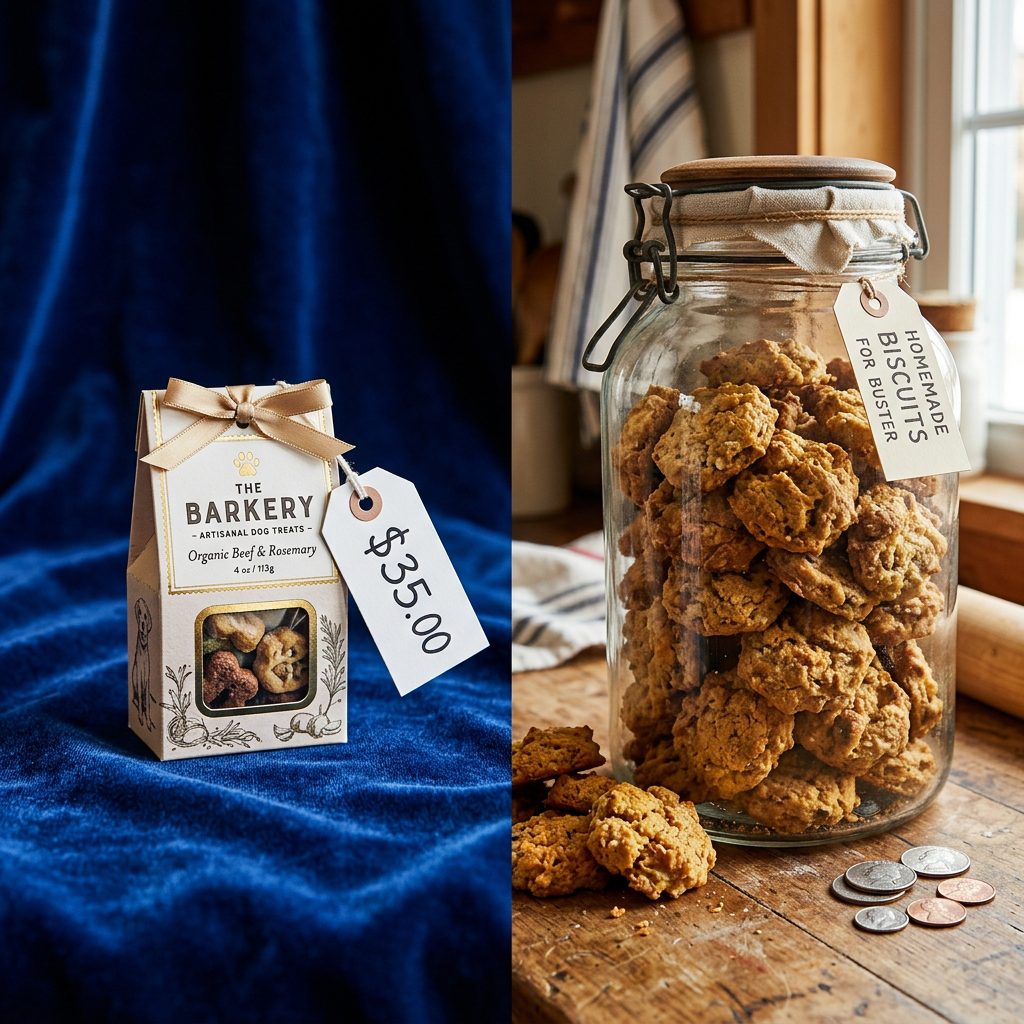
Now, let’s talk about your wallet. Caring for an allergy-prone dog is financially draining. Specialized hydrolyzed protein diets can cost upwards of $120 a bag, and the treats designed to match them are equally extortionate. As a nutrition hacker, I refuse to pay a premium for clever marketing. Let’s look at the cold, hard numbers for a 50lb dog consuming about 3 treats per day over a month.
The Forensic Cost Comparison
| Treat Type | Average Cost Per Pound | Allergen Cross-Contamination Risk | The Hacker Verdict |
|---|---|---|---|
| Boutique ‘Hypoallergenic’ Store Treats | $25.00 – $35.00 | Medium to High (Shared equipment) | Overpriced & Risky |
| Prescription Vet Treats (Hydrolyzed) | $40.00+ | Low (But heavily processed) | Financially Draining |
| Homemade Tapioca Biscuits | $3.50 – $5.00 | Absolute Zero | The Ultimate Solution |
By baking these treats yourself, you are slashing your treat budget by nearly 90%. A bag of pure tapioca flour costs around $4.00, a can of organic pumpkin is $3.00, and a jar of coconut oil will last you months. You are literally spending pennies per biscuit. That is money saved that can be redirected toward high-quality supplements, necessary vet visits, or just a new squeaky toy for your very good boy or girl. You are not just protecting their immune system; you are protecting your bank account.
Batch Cooking & Storage Hacks for the Busy Dog Owner
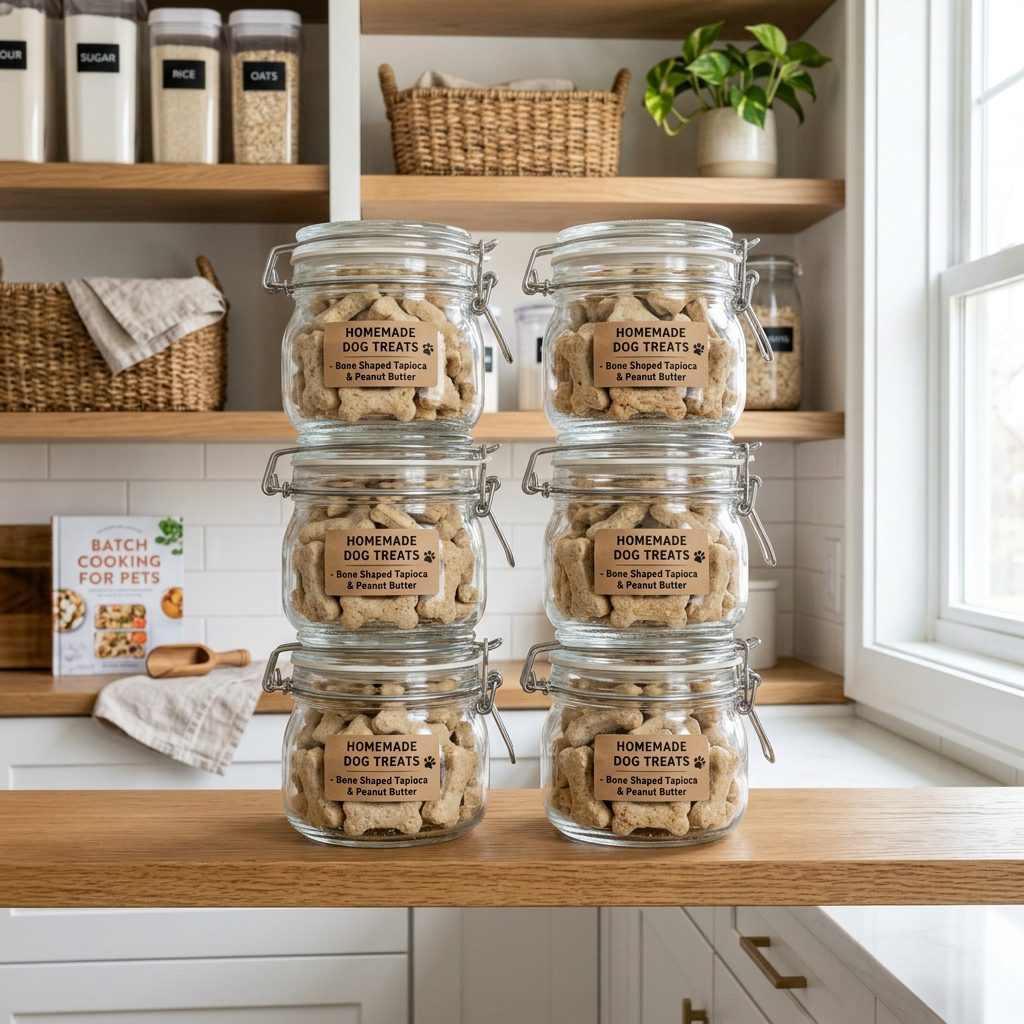
I know what you are thinking: ‘This sounds great, but I don’t have time to bake dog treats every week.’ I hear you. That is why we utilize batch cooking. You only need to dedicate one hour a month to ensure your dog has a constant supply of safe, healthy, hypoallergenic treats.
The Freezer is Your Best Friend
Because these homemade tapioca biscuits do not contain the artificial chemical preservatives (like BHA, BHT, or ethoxyquin) found in commercial treats, their counter shelf-life is shorter. If left in a jar on the counter, they will last about 5 to 7 days before the moisture in the pumpkin causes them to spoil.
Here is the hacker protocol for maximum efficiency:
- Double the Recipe: Make a massive batch of dough all at once. It takes the exact same amount of time to mix four cups of flour as it does two.
- The Pre-Cut Freeze: Roll out your dough and cut your shapes. Place the raw, unbaked cutouts onto a baking sheet lined with parchment paper, ensuring they do not touch. Put the whole tray in the freezer for two hours. Once they are frozen solid, transfer them into a large, airtight freezer bag. You now have ready-to-bake biscuits! You can pop a handful into the oven or air fryer straight from frozen (just add 3-5 extra minutes to the bake time).
- Baked Storage: If you prefer to bake them all at once, ensure you use the ‘oven cool-down’ method mentioned in the recipe to completely dehydrate them. Store one week’s worth in an airtight glass jar in the pantry, and put the rest in the freezer. Thaw them on the counter for 20 minutes before treating your dog.
INSIDER SECRET: Add a pinch of Ceylon cinnamon (make sure it is Ceylon, not Cassia) to the dough. Not only does it smell incredible while baking, but Ceylon cinnamon acts as a natural, dog-safe preservative that helps extend the shelf life of your baked treats by a few extra days, while also helping to regulate their blood sugar!
Conclusion
Empowering Your Dog’s Dietary Journey
Managing a dog with extreme food allergies is a marathon, not a sprint. It requires patience, vigilance, and a willingness to question the status quo of the commercial pet food industry. By stepping into the kitchen and taking control of your dog’s treat supply, you are making a profound statement. You are choosing transparency over convenience, and holistic health over processed fillers. These grain-free tapioca flour biscuits are more than just a tasty snack; they are peace of mind. They represent a life free from itchy paws, upset stomachs, and endless vet visits.
Remember, as a savvy dog owner, you have the power to hack your dog’s nutrition. Start with this simple, pure recipe. Observe how your dog’s coat shines, how their digestion stabilizes, and how their energy returns when their immune system isn’t constantly fighting off hidden allergens. Bake a batch this weekend, save yourself a small fortune, and watch your dog drool over a treat that finally loves them back.