Feed Your Dog This Golden Liquid For A Coat So Shiny It Looks Photoshopped
Medical Disclaimer: I am a savvy dog owner and a nutrition hacker, not a veterinarian. The information provided here is based on extensive research and personal experience. Always consult with your holistic or traditional vet before introducing new supplements to your dog’s diet, especially if they have a history of pancreatitis or underlying health conditions.
We have all been there. You are at the dog park, and another dog trots by looking like they just stepped out of a shampoo commercial. Their coat catches the sunlight, rippling with a mirror-like shine. Meanwhile, you are looking down at your own beloved best friend, whose coat looks a bit dull, feels a little wiry, and is leaving a blizzard of dander on your black leggings. You might be asking yourself, ‘What is that owner doing that I am not?’ You might assume they are spending hundreds of dollars at a luxury groomer every week. But as a canine nutrition hacker, I am here to tell you a little insider secret: that photoshopped-level shine does not come from a bottle of shampoo. It comes from the inside out. It comes from a specific, incredibly potent ‘golden liquid’ that you should be adding to their bowl every single day. Today, we are going to bypass the expensive grooming aisles, ignore the marketing fluff on the front of the kibble bags, and dive deep into the forensic science of canine skin health. We are going to expose the hidden enemies in your dog’s current diet that are sabotaging their coat, and I am going to show you exactly how to source, dose, and hack your way to the healthiest, shiniest dog in your neighborhood without breaking the bank.
The Enemy: Why Your Dog’s Coat Looks Like a Brillo Pad
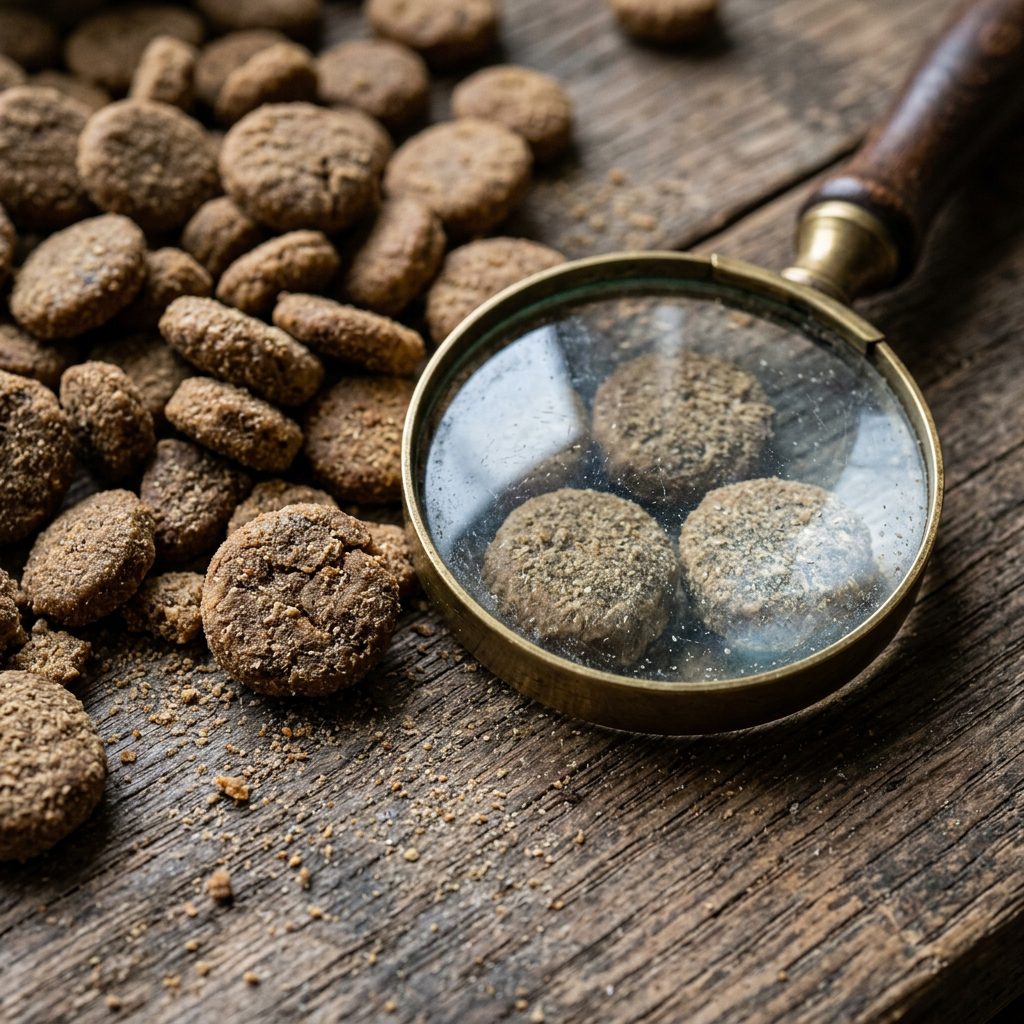
Before we introduce the hero, we need to understand the villain. If your dog has a dull coat, dry skin, or constant itchiness, the culprit is almost certainly sitting right there in their food bowl. Let us do a forensic review of standard commercial dog food. Most commercial kibbles are absolutely loaded with Omega-6 fatty acids. Now, Omega-6 is not inherently evil; dogs need it for basic cellular function. The problem is the ratio.
The Extrusion Scam and Omega-6 Overload
Cheap dog foods use ingredients like corn gluten meal, soybean oil, and low-grade chicken fat. These are incredibly cheap, highly processed ingredients that are bursting with Omega-6s. When a dog consumes too much Omega-6 and not enough Omega-3, their body enters a state of chronic, low-grade inflammation. This inflammation manifests as dry, flaky skin, hot spots, and a brittle, dull coat. Furthermore, even if you buy a kibble that claims to have ‘Added Omega-3s for Skin and Coat,’ you are likely being taken for a ride. The kibble manufacturing process, known as extrusion, involves blasting the ingredients with extreme heat and pressure. Omega-3 fatty acids are incredibly fragile. They simply do not survive the extrusion process intact. By the time that bag sits in a hot warehouse, gets shipped to your local pet store, and sits open in your pantry for a month, those fatty acids are completely rancid and useless.
“The pet food industry wants you to think their kibble has everything your dog needs. But relying on kibble for fragile nutrients like Omega-3s is like expecting to get your daily Vitamin C from a burnt potato chip.” – The Canine Nutrition Hacker
- Enemy Ingredient 1: Corn Gluten Meal. A cheap protein filler that spikes Omega-6 levels and offers zero biological value for skin health.
- Enemy Ingredient 2: Unnamed ‘Animal Fat’. If the label does not specify the animal (e.g., ‘Chicken Fat’ vs ‘Animal Fat’), it is a massive red flag for low-quality, highly inflammatory rendering plant leftovers.
- Enemy Ingredient 3: Soybean Oil. Highly processed and heavily skewed toward inflammatory Omega-6s.
The Hero Ingredient: Meet the Ultimate Golden Liquid
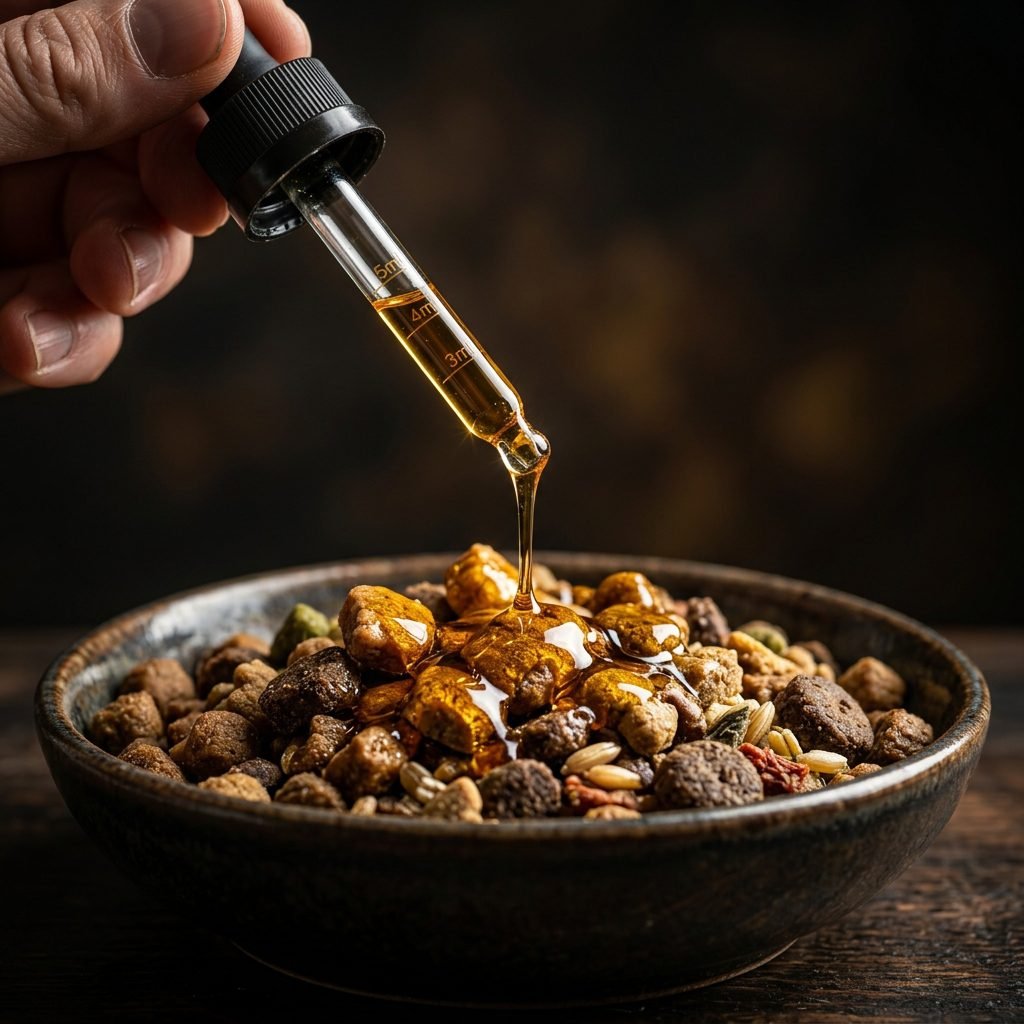
So, how do we fix the broken ratio and extinguish the inflammation? We introduce the hero: high-quality, pure marine Omega-3 oil. This is the ‘golden liquid.’ Specifically, we are talking about Wild Alaskan Salmon Oil or small-fish oils like Sardine and Anchovy oil. Why marine oils and not plant oils like flaxseed? Because dogs are biologically designed to process animal-based fats. Plant-based Omega-3s (ALA) must be converted by the dog’s body into EPA and DHA, and dogs are notoriously terrible at this conversion process. Marine oils provide direct, bioavailable EPA and DHA.
The Magic of EPA and DHA
When you look at a bottle of fish oil, you need to flip it around and look for two specific acronyms: EPA (Eicosapentaenoic Acid) and DHA (Docosahexaenoic Acid). These are the microscopic superheroes that are going to transform your dog’s coat. EPA is the ultimate anti-inflammatory. It travels through your dog’s system, calming irritated skin, soothing hot spots, and reducing the urge to scratch. DHA is essential for brain health, but it also works synergistically with EPA to build strong, flexible, deeply hydrated hair follicles. When you feed a high-quality golden liquid, you are essentially lubricating your dog’s coat from the inside out. The result? Within 4 to 6 weeks, the brittle hair falls out, and the new growth comes in looking like spun silk.
The Forensic Review: Don’t Get Scammed by Fake Oils
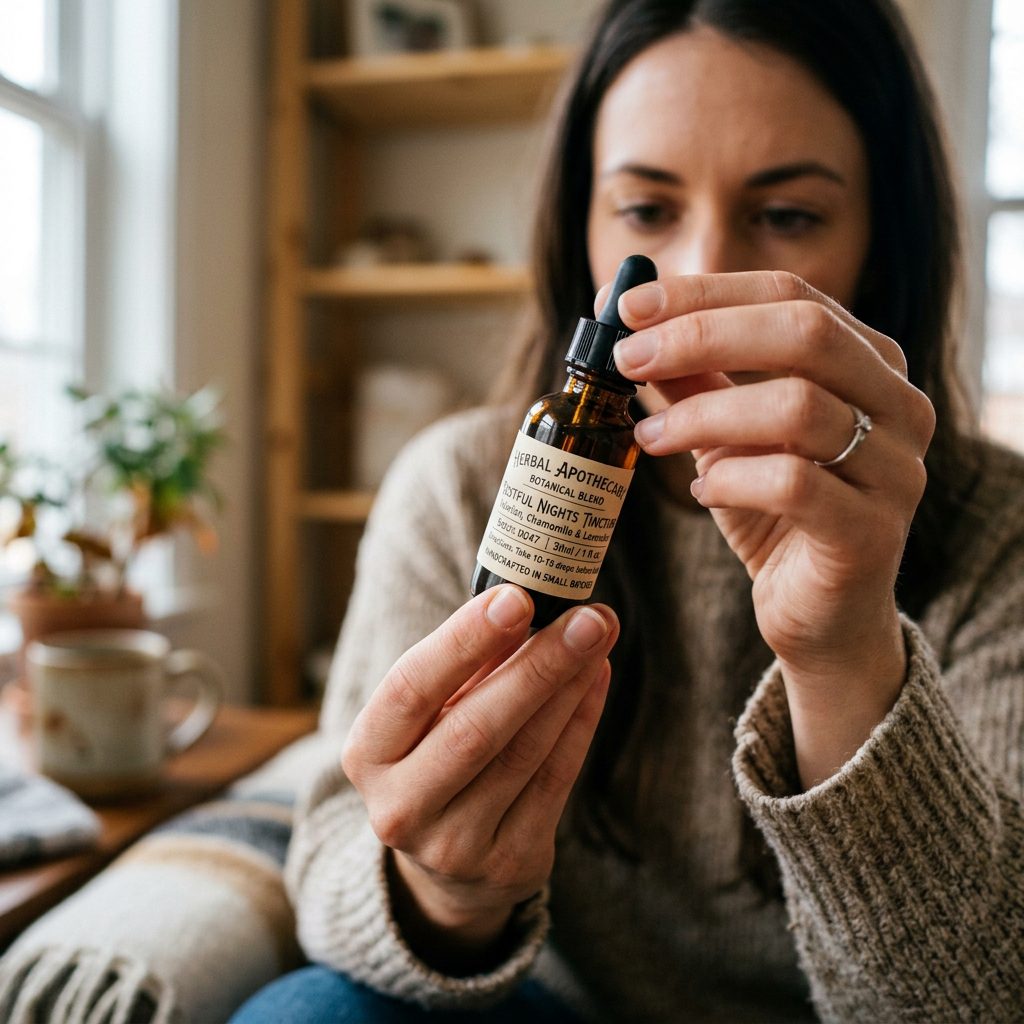
Now that you know what the golden liquid is, you cannot just run to the nearest big-box store and grab the cheapest pump bottle off the shelf. The supplement industry is notoriously under-regulated, and there is a lot of garbage out there. If you buy a bad fish oil, you are actually doing more harm than good by feeding your dog rancid fats. Here is how you hack the label like a forensic scientist.
The Hacker’s Checklist for Golden Liquid
- The Packaging Test: Omega-3s degrade rapidly when exposed to light, heat, and oxygen. If the oil is sold in a clear plastic bottle, put it down and walk away. You only want oils packaged in UV-protected amber glass bottles, dark aluminum, or opaque, medical-grade plastic.
- The Sniff Test: High-quality fish oil should smell like a fresh ocean breeze. It might have a mild fishy scent, but it should never smell pungent, rotting, or overly sour. If it smells like a dumpster behind a seafood restaurant, it is rancid.
- The Sourcing Secret: Look for the words ‘Wild Caught.’ Farm-raised fish are often fed cheap diets (ironically, corn and soy) and do not produce the same high levels of Omega-3s. Wild Alaskan Salmon, Icelandic Sardines, or Atlantic Anchovies are your best bets.
- The Preservative Check: Because it is so fragile, a good fish oil needs a natural preservative to prevent oxidation. Look for ‘Mixed Tocopherols’ (which is just a fancy, science term for Vitamin E) on the ingredient list.
Cost Breakdown & The ROI of a Healthy Coat
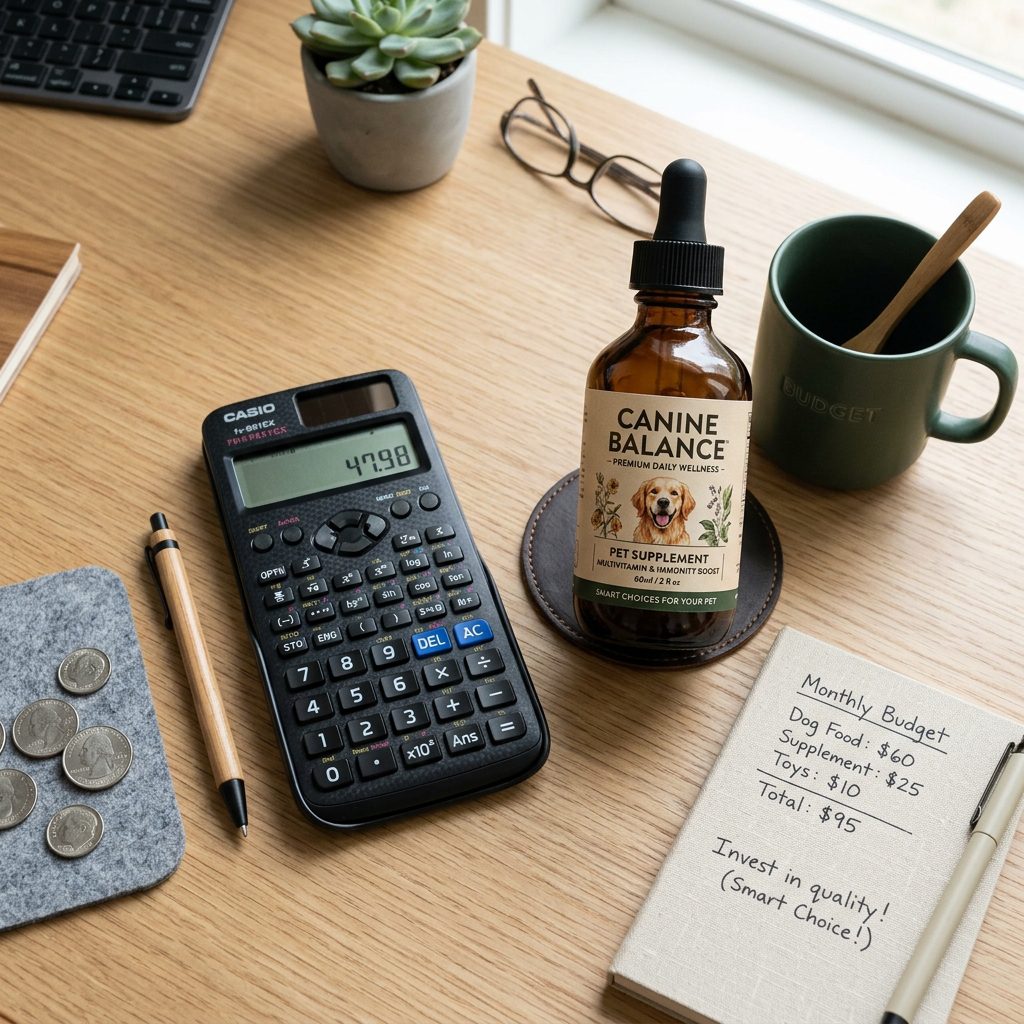
As a savvy dog owner, you are probably wondering how much this is going to hurt your wallet. The truth is, investing in a high-quality golden liquid is one of the smartest financial moves you can make for your dog’s health. Think about the hidden costs of a poor coat: expensive medicated shampoos, cytopoint injections for itching, and vet visits for skin infections. Let us break down the daily cost for an average 50lb dog.
| Product Type | Omega-3 Source | Approx. Cost/Day (50lb Dog) | Hacker Verdict |
|---|---|---|---|
| Generic ‘Fish Oil’ Pump (Big Box Store) | Mystery Fish (Often Farmed/Sourced from China) | $0.15/day | Skip it. High risk of rancidity, heavy metals, and zero transparency. |
| Wild Alaskan Salmon Oil (Premium Brand) | Wild-Caught Alaskan Salmon | $0.40/day | The Sweet Spot. Excellent EPA/DHA levels, pure source, great ROI. |
| Krill Oil Chews / Capsules | Antarctic Krill | $1.20/day | Excellent bioavailability, but overpriced for daily maintenance. Best for severe medical cases. |
For just about $0.40 a day, you are completely transforming your dog’s cellular health. That is less than a fraction of what you spend on your daily coffee, and it prevents hundreds of dollars in veterinary dermatology bills down the line. That is the kind of math we love.
The Safe Chef Guide: How to Dose Without the Mess
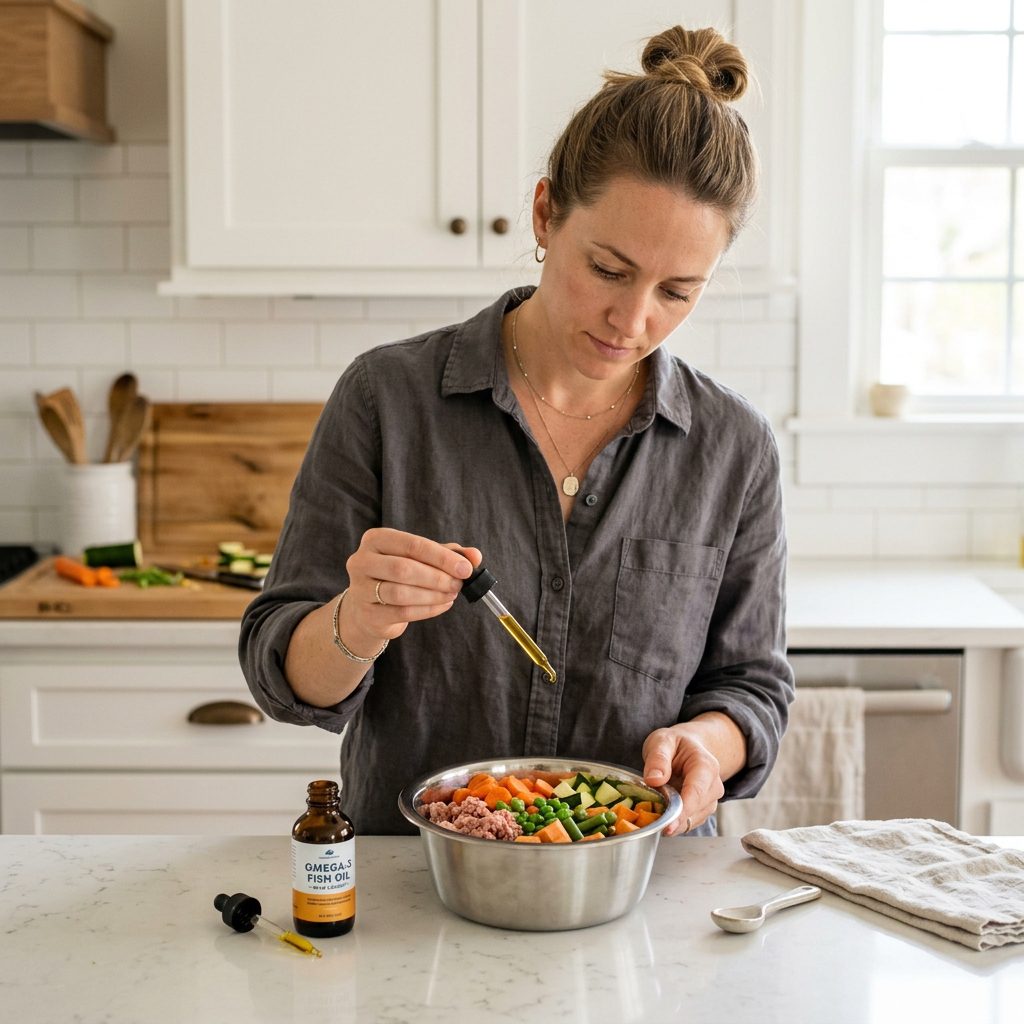
Alright, you have purchased your high-quality Wild Alaskan Salmon Oil. Now, how do we actually get it into the dog without causing a digestive disaster? Fats are rich, and if you overload your dog’s system too quickly, you will be dealing with what we in the hacker community affectionately call ‘disaster pants’ (explosive diarrhea). We want a shiny coat, not a ruined carpet.
The 4-Week Ramp-Up Protocol
- Storage is Mandatory: The second you open that bottle, it goes directly into the refrigerator. Cold temperatures drastically slow down the oxidation process. Never store fish oil next to a hot stove or in a sunny window.
- Week 1: The Micro-Dose. Calculate the recommended dose on the bottle for your dog’s weight. For the first 7 days, only give them exactly one-quarter (1/4) of that dose. Mix it thoroughly into their food.
- Week 2: The Half-Measure. If their stools remain firm and normal, increase the dose to one-half (1/2) of the recommended amount.
- Week 3: The Three-Quarter Mark. Move up to 75% of the recommended dose, continuing to monitor their digestion.
- Week 4: Full Optimization. You have reached the full dose. At this point, your dog’s digestive tract has adapted to the rich, healthy fats, and you should start seeing the very first signs of decreased shedding and increased shine.
“Patience is a virtue, especially when dealing with canine digestion. Rushing the introduction of rich fats is the number one rookie mistake I see. Go slow, and let the magic happen.” – The Canine Nutrition Hacker
Conclusion
Getting that photoshopped, mirror-like shine on your dog’s coat does not require magic, and it certainly does not require an endless budget for luxury grooming products. It requires knowledge, a critical eye for ingredient labels, and the willingness to bypass the cheap, inflammatory fillers pushed by massive pet food conglomerates. By introducing a high-quality, cold-pressed, wild-caught golden liquid into your dog’s daily routine, you are doing so much more than just making them look pretty. You are fighting cellular inflammation, protecting their joints, boosting their brain health, and giving them the absolute best quality of life possible. Remember, true health starts in the bowl. So go check your labels, order that amber bottle of Wild Alaskan Salmon Oil, and get ready to need sunglasses the next time you take your dog for a walk in the sun. You and your dog deserve nothing less than the absolute best.