No More Diarrhea: These Frozen Slippery Elm and Kefir Treats Are a Miracle for Your Dog’s Gut!
The Midnight Yard Run: We Have All Been There
You know the sound. That frantic clicking of nails on the hardwood floor at 3:00 AM. The heavy panting at your bedside. You stumble out the door, flashlight in hand, only to witness the dreaded ‘liquid gold’—or rather, the liquid disaster—that signifies your dog’s gut is in total revolt. As the Canine Nutrition Hacker, I’ve spent years deconstructing the overpriced ‘prescription diets’ and chemical-laden binders the big pet food companies push on us. Most of the time, those ‘solutions’ are just expensive corn starch and soy protein. If your dog is dealing with chronic loose stools, occasional upset, or ‘leaky gut’ symptoms, you don’t need a fancy bag of kibble with a ‘veterinary’ label. You need the Internal Bandage. Today, I’m showing you how to combine two of the most powerful, gut-healing ingredients on the planet—Slippery Elm and Kefir—into a frozen treat that stops diarrhea in its tracks and rebuilds the microbiome from the ground up. This isn’t just a treat; it’s a forensic-level nutritional intervention for your dog’s digestive system.
The Science of the Internal Bandage: Why Slippery Elm?
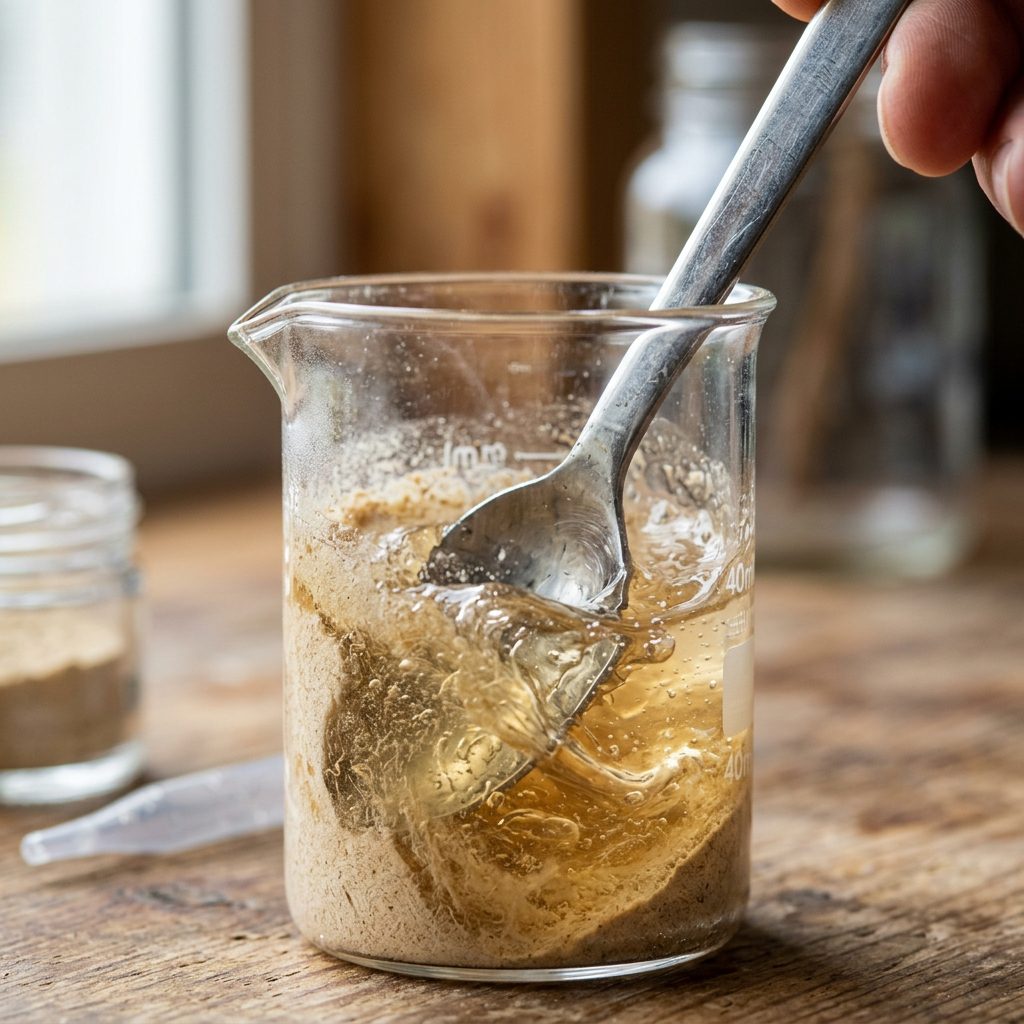
If you haven’t heard of Slippery Elm (Ulmus rubra), you’re missing out on the single most effective tool in the natural canine medicine cabinet. This isn’t some ‘woo-woo’ herbal remedy; it’s a powerhouse of mucilage. When the inner bark of the slippery elm tree meets water, it turns into a thick, slippery gel. Think of it as a biological Band-Aid for your dog’s inflamed intestines.
How It Works
When your dog has diarrhea, the lining of their gut is raw and inflamed. Slippery Elm coats that lining, providing an immediate soothing effect while its mild tannins reduce inflammation. It also acts as a prebiotic, feeding the good bacteria that are struggling to survive the ‘flush’ of a diarrhea episode.
Hacker Tip: Don’t buy the ‘pet branded’ slippery elm. It is often the exact same human-grade powder marked up by 300%. Look for pure, organic Ulmus rubra powder in the bulk herb section.
Kefir vs. Yogurt: The Probiotic Truth
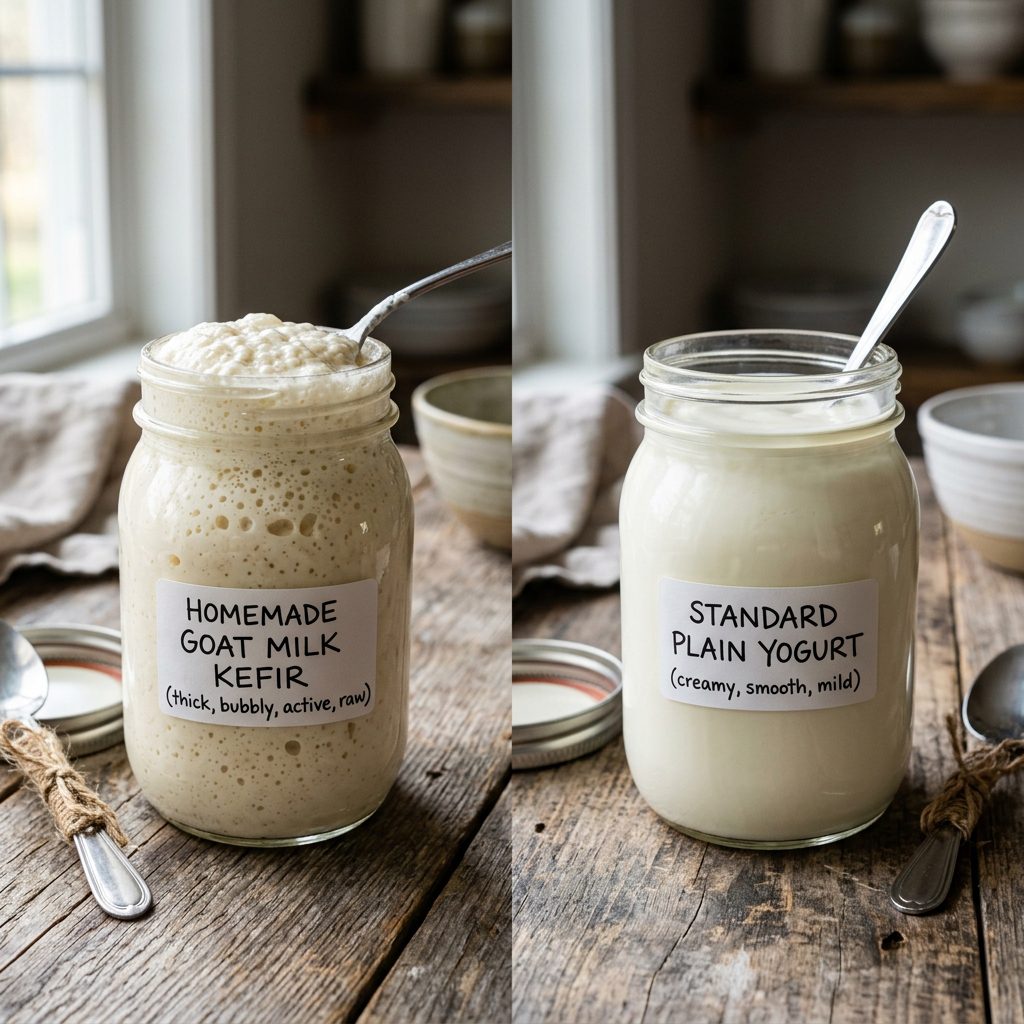
Most dog owners reach for plain yogurt when their dog has a tummy ache. That’s a rookie mistake. While yogurt is ‘okay,’ Kefir is the professional’s choice. Kefir is fermented for longer and contains a significantly wider variety of probiotic strains and beneficial yeasts that actually colonize the gut, whereas the bacteria in yogurt mostly just pass through as ‘transient’ visitors.
The Lactose Myth
Many owners worry about dairy. Here is the insider secret: the fermentation process in kefir consumes almost all the lactose. Most dogs who can’t handle a bowl of milk will thrive on kefir. It contains Lactobacillus kefiri, a strain found nowhere else, which is a literal assassin against harmful bacteria like Salmonella and E. coli. Let’s look at the numbers:
| Feature | Plain Yogurt | Kefir (Plain/Unsweetened) | Winner |
|---|---|---|---|
| Probiotic Strains | 2 to 5 | 10 to 30+ | Kefir |
| Beneficial Yeasts | None | Saccharomyces, Candida | Kefir |
| Lactose Content | Moderate | Very Low to Trace | Kefir |
| Gut Colonization | Transient (Temporary) | Active (Permanent) | Kefir |
The Recipe: Frozen Gut-Healer Bites
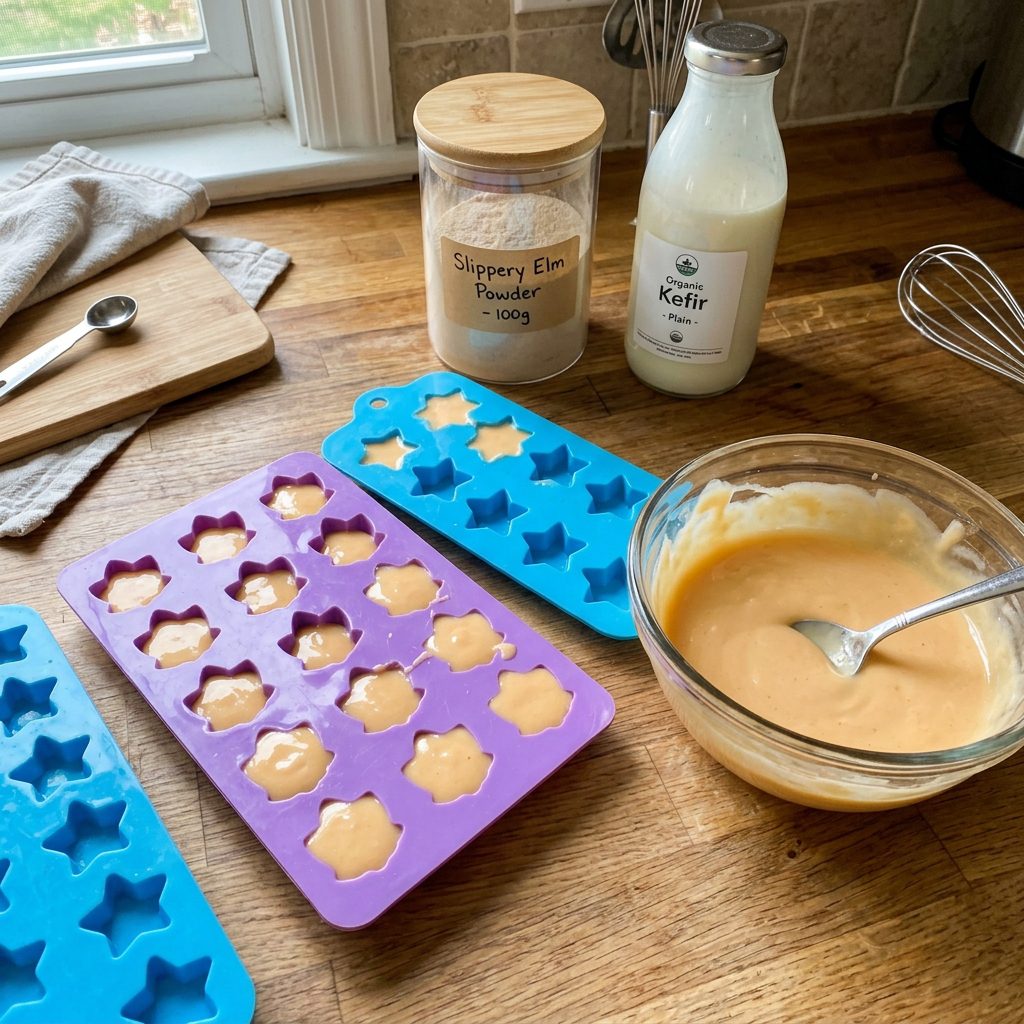
The Safe Chef Guide: DIY Gut Rescue
SAFETY DISCLAIMER: I am a nutrition hacker, not a veterinarian. While these treats are a miracle for simple dietary indiscretion or chronic sensitive stomachs, they are not a substitute for medical care. If your dog has bloody stool, is vomiting, or appears lethargic, get to the vet immediately. These treats are designed as a supplement to a balanced diet.
Ingredients You Need
- 1 Cup Plain Unsweetened Kefir (Goat milk kefir is the gold standard for easy digestion).
- 2 Tablespoons Slippery Elm Powder (The ‘Internal Bandage’).
- 1/4 Cup Pure Pumpkin Puree (Optional: Adds soluble fiber, but ensure it is NOT pumpkin pie filling).
- 1 Teaspoon Fresh Grated Ginger (Optional: To settle nausea).
Preparation Steps
- In a small bowl, whisk the Slippery Elm powder into the kefir. It will start to thicken almost immediately. This is the mucilage doing its job.
- Add the pumpkin and ginger if using. Whisk until the mixture is a consistent, creamy peach color.
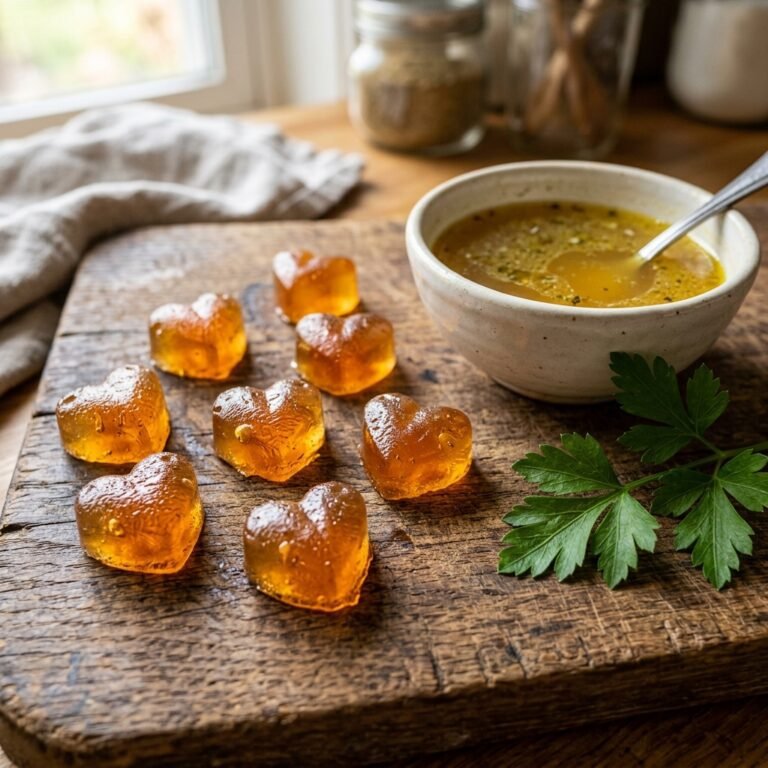
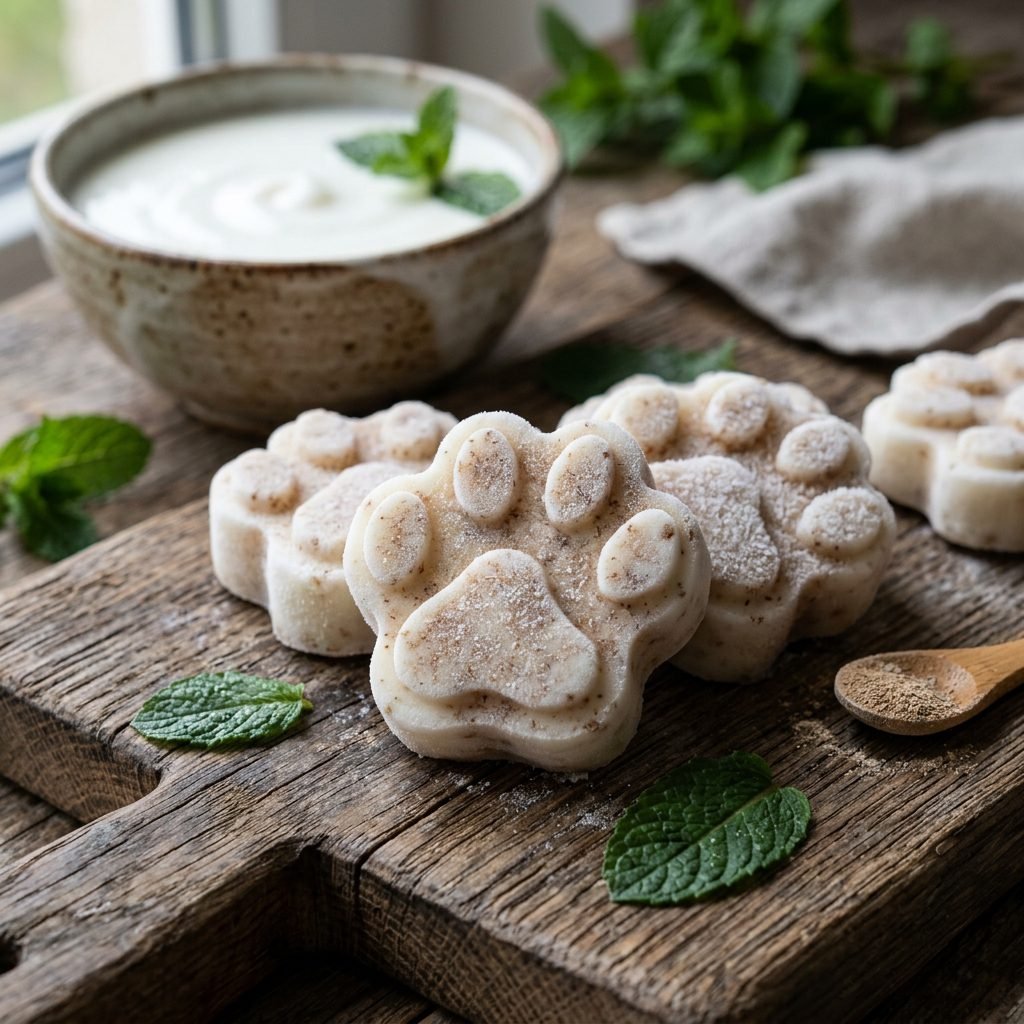
- Pour the mixture into silicone molds (small paw prints or hearts work best for dosage control).
- Freeze for at least 4 hours until solid.
Hacker Tip: Store these in a vacuum-sealed bag or a double-layered freezer bag. The probiotics in kefir are hardy, but freezer burn will degrade the quality of the fats and enzymes over time.
The Real Cost Breakdown: DIY vs. Store-Bought
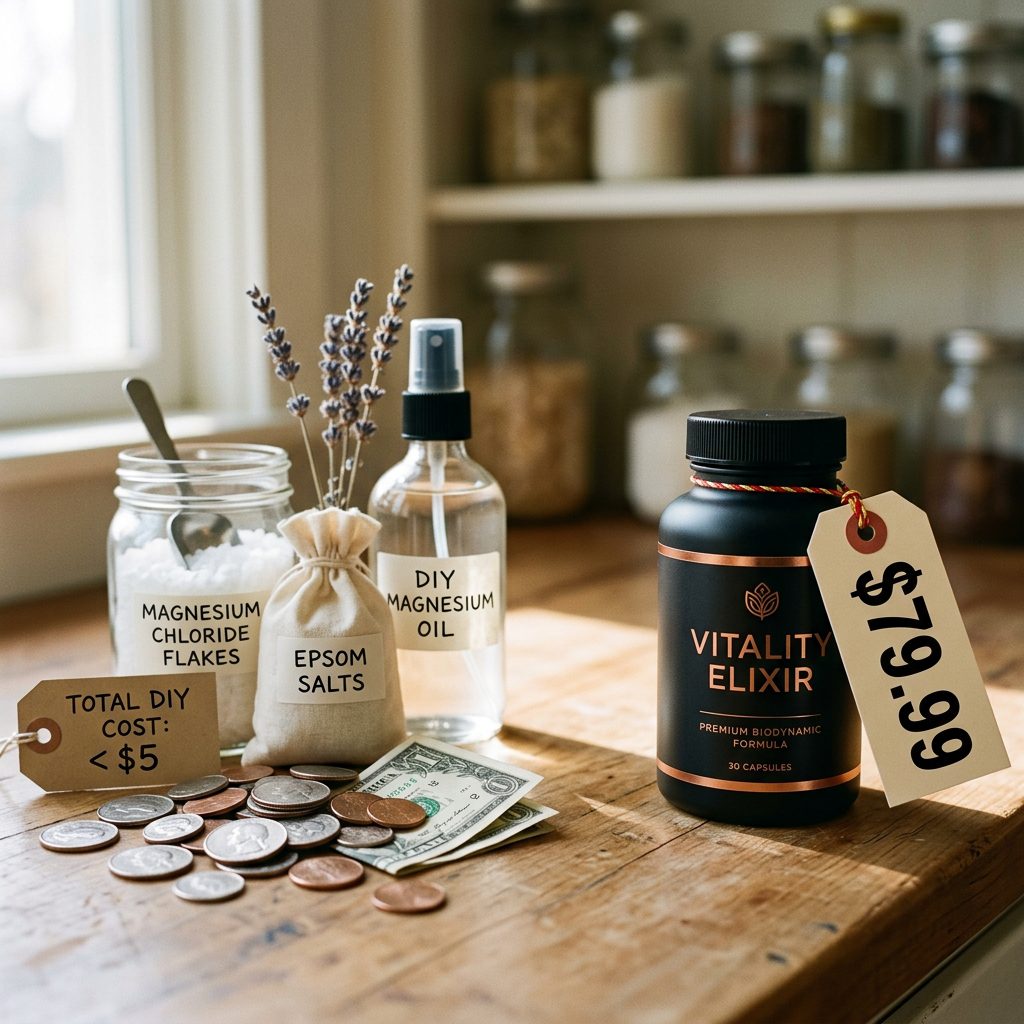
Why am I obsessed with DIY? Because the pet industry is a racket. They take cheap ingredients, put a ‘Digestive Support’ label on it, and charge you a premium. Let’s break down the cost of making these ‘Miracle Bites’ versus buying a leading brand of ‘Gut Health’ soft chews.
| Item | Store-Bought ‘Digestive’ Chews | DIY Frozen Gut-Healer Bites |
|---|---|---|
| Active Ingredients | Often ‘Proprietary Blend’ (Hidden amounts) | Full Strength Slippery Elm & Probiotics |
| Fillers | Glycerin, Pea Starch, Maltodextrin | None (Zero Fillers) |
| Cost per 30-Day Supply | $35.00 – $45.00 | $8.50 – $12.00 |
| Bioavailability | Processed/Heat-treated | Raw/Live Probiotics |
By making these yourself, you aren’t just saving over $30 a month; you’re providing a level of potency that shelf-stable chews simply cannot match. Heat-processing kills the very bacteria your dog needs. These frozen bites keep them alive and ready for action.
Dosage and Strategy: How to Use the Miracle Bites
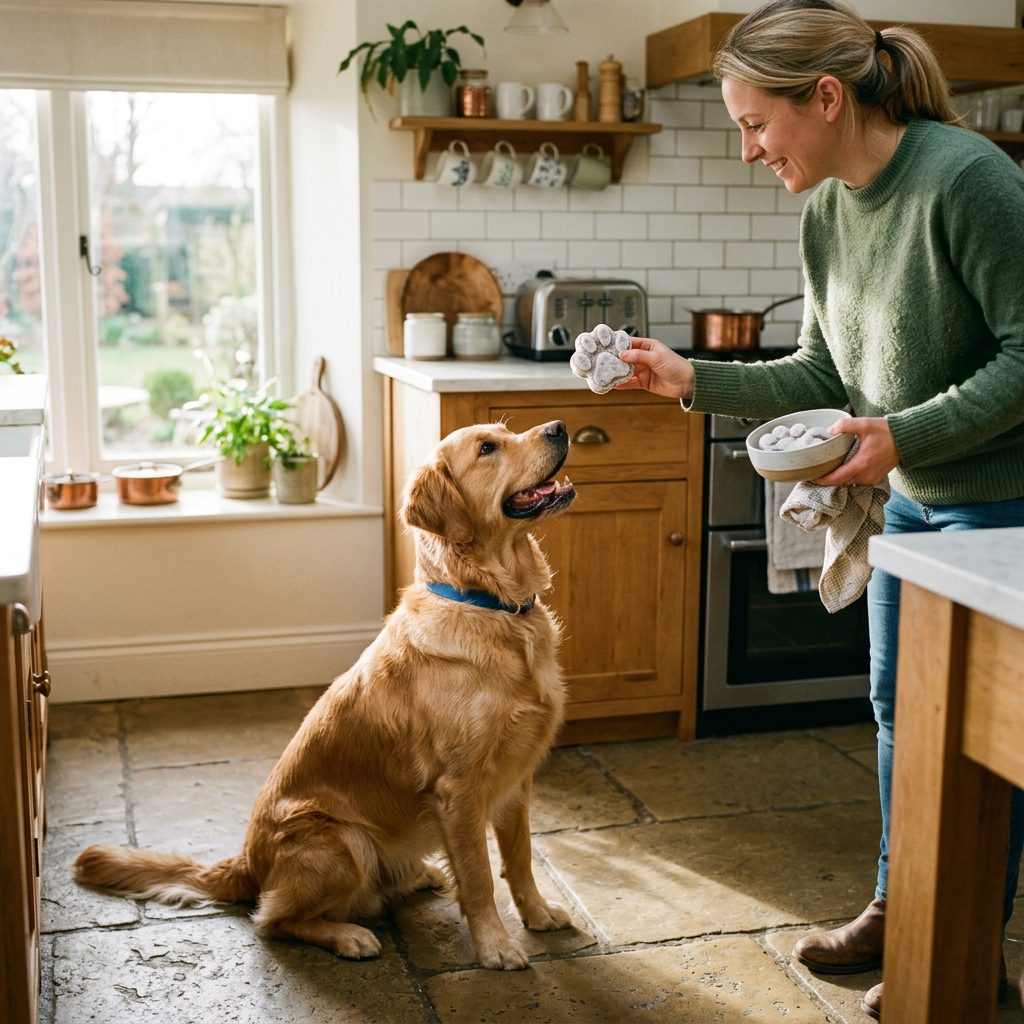
Don’t just toss these at your dog like candy. To fix a gut issue, you need a strategy. For an active ‘diarrhea emergency,’ I recommend one small treat every 4 to 6 hours. The Slippery Elm needs to be present in the digestive tract consistently to maintain that protective coating.
Maintenance Mode
If your dog just has a ‘sensitive stomach’ (the kind where they have soft stools every few days), one treat with their evening meal is usually enough to keep the microbiome stable. Pro Tip: If you are switching your dog’s food—which is a major trigger for diarrhea—start giving these treats two days before the transition begins. It primes the gut for the change.
The Red Flags
While I’m all for hacking canine health, you have to know when you’re out of your league. If you see these signs, stop the treats and call the vet:
- Black, tarry stools (indicates upper GI bleeding).
- Projectile vomiting that lasts more than 6 hours.
- Extreme lethargy or ‘cold’ ears/paws.
Conclusion
Take Control of the Bowl
The pet food industry thrives on your uncertainty. They want you to feel like you need a degree in chemistry to feed your dog correctly. But as we’ve seen today, the most powerful ‘miracle’ for a dog’s gut isn’t a pharmaceutical or a $100 bag of kibble. It’s the combination of ancient herbal wisdom (Slippery Elm) and traditional fermentation (Kefir). By spending 10 minutes in your kitchen and about $10 in ingredients, you can end the cycle of diarrhea and give your dog the rock-solid digestion they deserve. You’ve got the tools, you’ve got the science, and now you’ve got the recipe. No more midnight yard runs. Just a happy, healthy dog and a much better night’s sleep for you. Stay savvy, and keep hacking that nutrition!