The Expensive Anti-Inflammatory Treat My Vet Begged Me To Feed My Senior Dog
The Moment Everything Changed for My Senior Dog
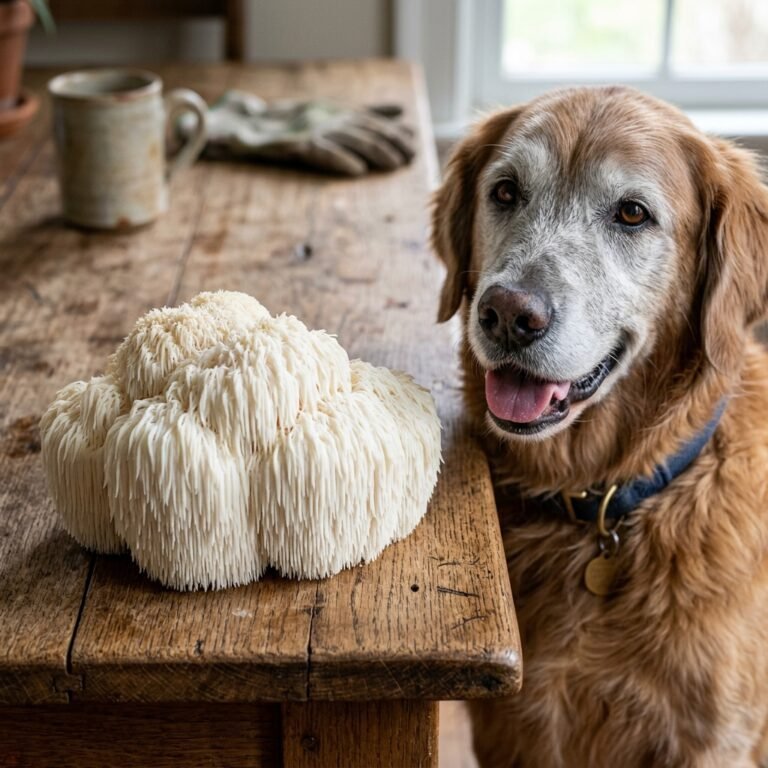
I remember the day clearly. My 11-year-old lab, Buster, was struggling to get off the rug. It wasn’t just ‘old age’—it was the visible stiffness that makes any dog owner’s heart sink. When I took him to our vet, she didn’t just suggest a supplement; she practically begged me to start him on a specific, outrageously expensive anti-inflammatory treat. As a ‘Canine Nutrition Hacker,’ my first instinct was to roll my eyes. I’ve seen the marketing fluff, the flashy packaging, and the ‘proprietary blends’ that are 90% potato starch.
But then I looked at the science. I looked at the clinical studies behind the active ingredients, and more importantly, I looked at Buster’s mobility after two weeks. In this deep dive, we aren’t just talking about ‘treats.’ We are talking about biological intervention. I’m going to pull back the curtain on why your vet is obsessed with these high-end anti-inflammatories, which ingredients are the real heavy hitters, and how you can stop overpaying for ‘brand name’ joint support while still giving your senior dog a new lease on life.
Insider Secret: Most ‘Joint Support’ treats on the shelf at big-box stores contain less than 5% of the active ingredients needed to actually reduce systemic inflammation. You’re mostly paying for flavored flour.
The Forensic Analysis: Why Inflammation is the ‘Silent Killer’ in Seniors
The Biological Enemy: Chronic Inflammation
In senior dogs, inflammation isn’t just a swollen paw; it’s a systemic fire. As dogs age, their bodies produce more pro-inflammatory cytokines. This leads to the degradation of cartilage and the thickening of joint capsules. Most commercial dog foods are high in Omega-6 fatty acids (from corn and soy), which act like gasoline on this fire.
The ‘Enemy’ Ingredients to Avoid
Before we add the good stuff, we have to stop feeding the bad stuff. If your dog’s treats contain these, you are wasting your money on supplements:
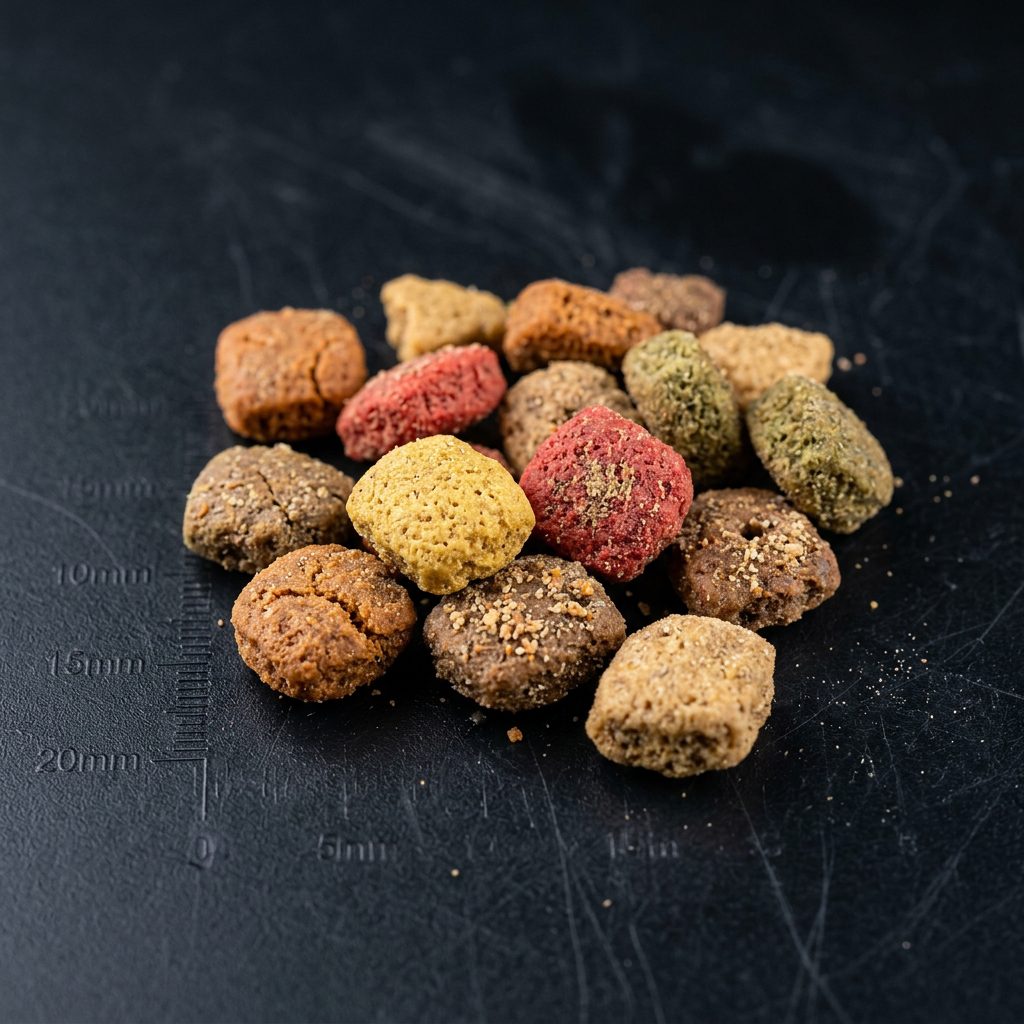
- Corn Gluten Meal: A cheap protein filler that can trigger inflammatory responses in sensitive dogs.
- Refined Sugars (Molasses, Dextrose): Sugar is highly inflammatory and contributes to obesity, which puts more stress on joints.
- Artificial Colors (Red 40, Yellow 5): These serve no nutritional purpose and have been linked to immune system over-reactivity.
- High-Heat Processed Grains: These contain Advanced Glycation End-products (AGEs) which are known to accelerate aging and joint decay.
By removing these triggers, you create a ‘clean slate’ for the anti-inflammatory treats to actually do their job. It’s like trying to put out a house fire while someone else is throwing matches through the window; you have to stop the matches first.
The ‘Green Gold’ Ingredient: Why Vets Beg for Green Lipped Mussels
The Science of Perna Canaliculus
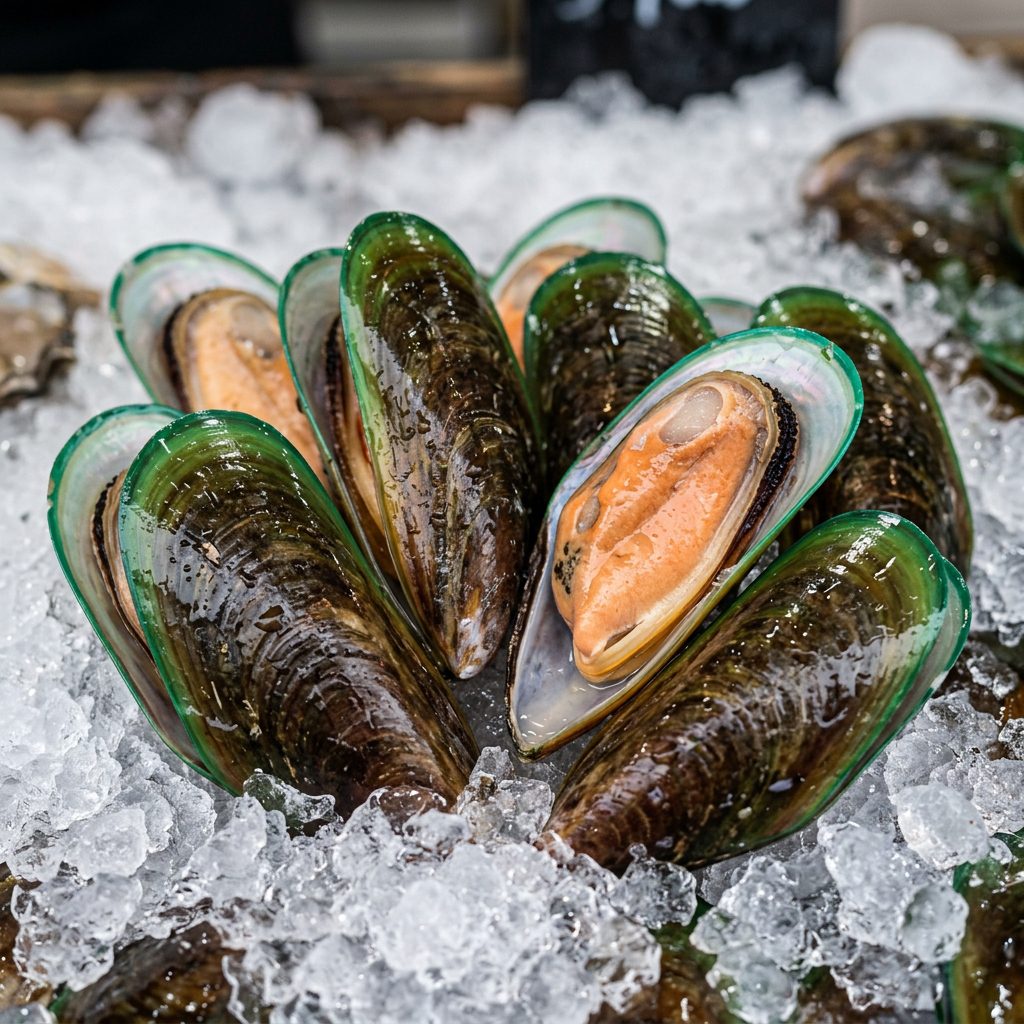
The ‘expensive’ treat my vet recommended had one star ingredient: Green Lipped Mussels (GLM) from New Zealand. Unlike standard fish oil, GLM contains a unique profile of Omega-3 fatty acids, including ETA (eicosatetraenoic acid). ETA is a rare fatty acid that actually works at the gene level to turn off inflammatory pathways.
Why It Costs So Much
Sourcing is everything. To remain active, these mussels must be cold-processed. High heat destroys the very enzymes that help your dog’s joints. When you see a cheap ‘joint treat,’ they are likely using ‘mussel shell powder’ or heat-treated meal, which has zero anti-inflammatory potency.
| Ingredient | Benefit Tier | Mechanism of Action |
|---|---|---|
| Green Lipped Mussel | Elite | Inhibits COX-2 and LOX pathways simultaneously. |
| Glucosamine HCl | Standard | Provides building blocks for cartilage repair. |
| Chondroitin | Standard | Helps cartilage retain water and elasticity. |
| MSM | Supportive | Reduces muscle spasms and oxidative stress. |
The reason your vet is pushing the expensive stuff is that it usually contains therapeutic dosages of GLM (at least 450mg to 1000mg per serving), whereas the ‘budget’ brands might only have 50mg—a dose so low it’s effectively ‘window dressing’ for the marketing department.
The Cost of Comfort: Breaking Down the Daily Expense
The Sticker Shock vs. The Reality
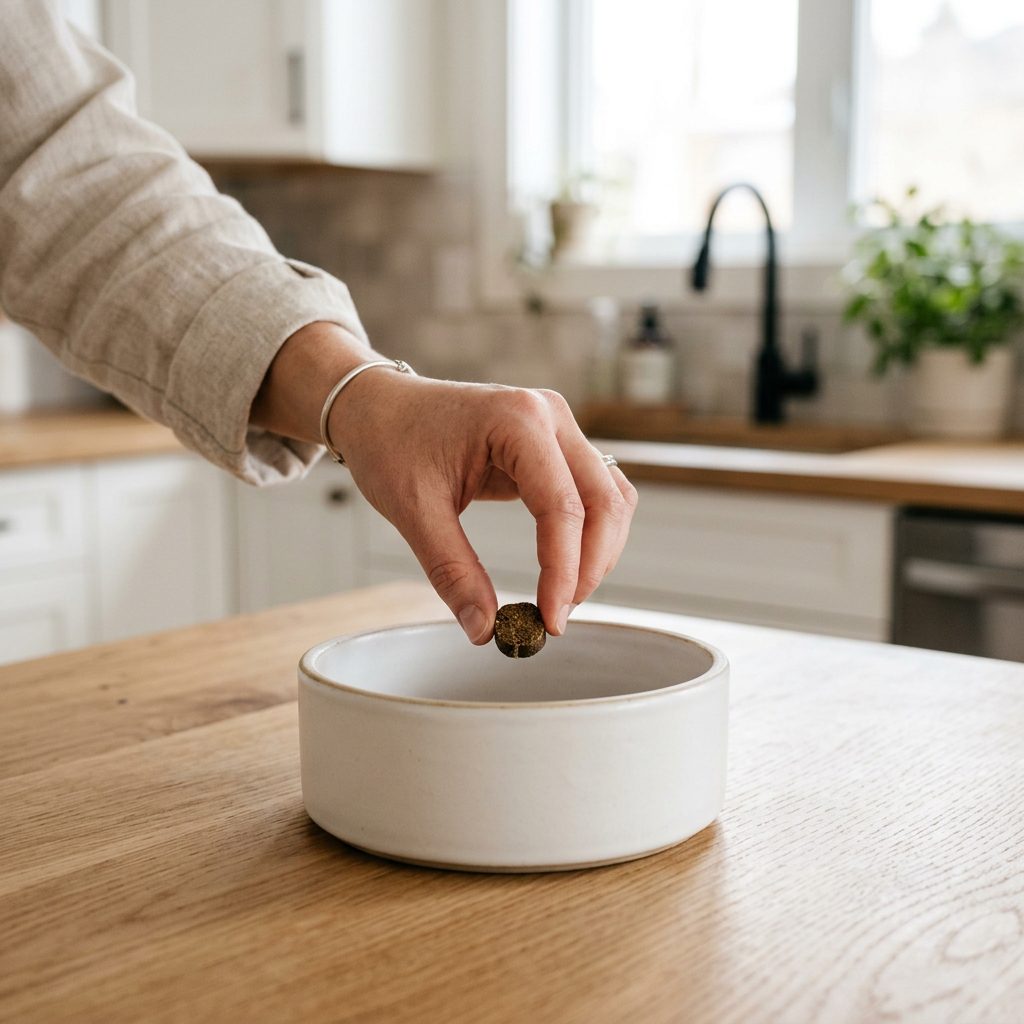
Yes, a bag of premium anti-inflammatory treats might cost $60. But let’s do the ‘Canine Hacker’ math. If that bag lasts 60 days, you are looking at $1.00 per day. Compare that to the cost of Carprofen (NSAIDs), which can run $2.00 to $3.00 a day and requires bi-annual blood work (another $200) to ensure it isn’t destroying your dog’s liver.
Cost Comparison Table (Per 50lb Dog)
| Solution | Daily Cost | Long-Term Risks | The Verdict |
|---|---|---|---|
| Budget ‘Joint’ Biscuits | $0.30 | High (Sugar/Fillers/No Effect) | Waste of Money |
| Vet-Recommended GLM Treats | $1.10 | Very Low (Natural Food Source) | Best for Moderate/Severe Cases |
| Hacker DIY (Raw GLM + Turmeric) | $0.65 | Low (Requires Prep Time) | Best for Savvy Owners |
Hacker Tip: If you can’t afford the $60 treats, buy ‘Freeze-Dried Green Lipped Mussel’ powder meant for humans. It is often the exact same pharmaceutical grade but sold in larger quantities for a lower price-per-gram. Just check the label for 0% additives.
The Hacker’s DIY Anti-Inflammatory ‘Puck’ Recipe
The Safe Chef Guide: Better Than Store-Bought
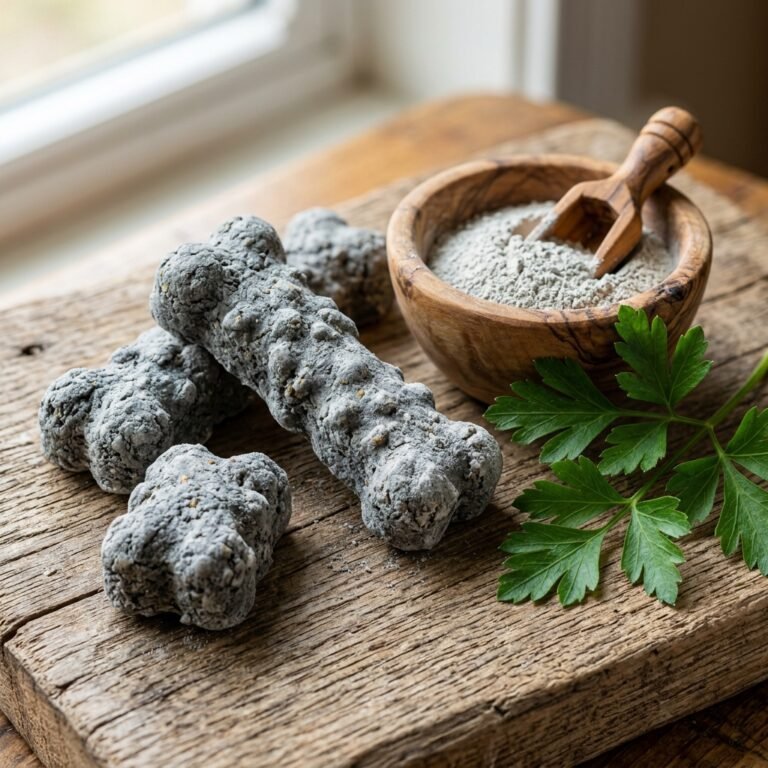
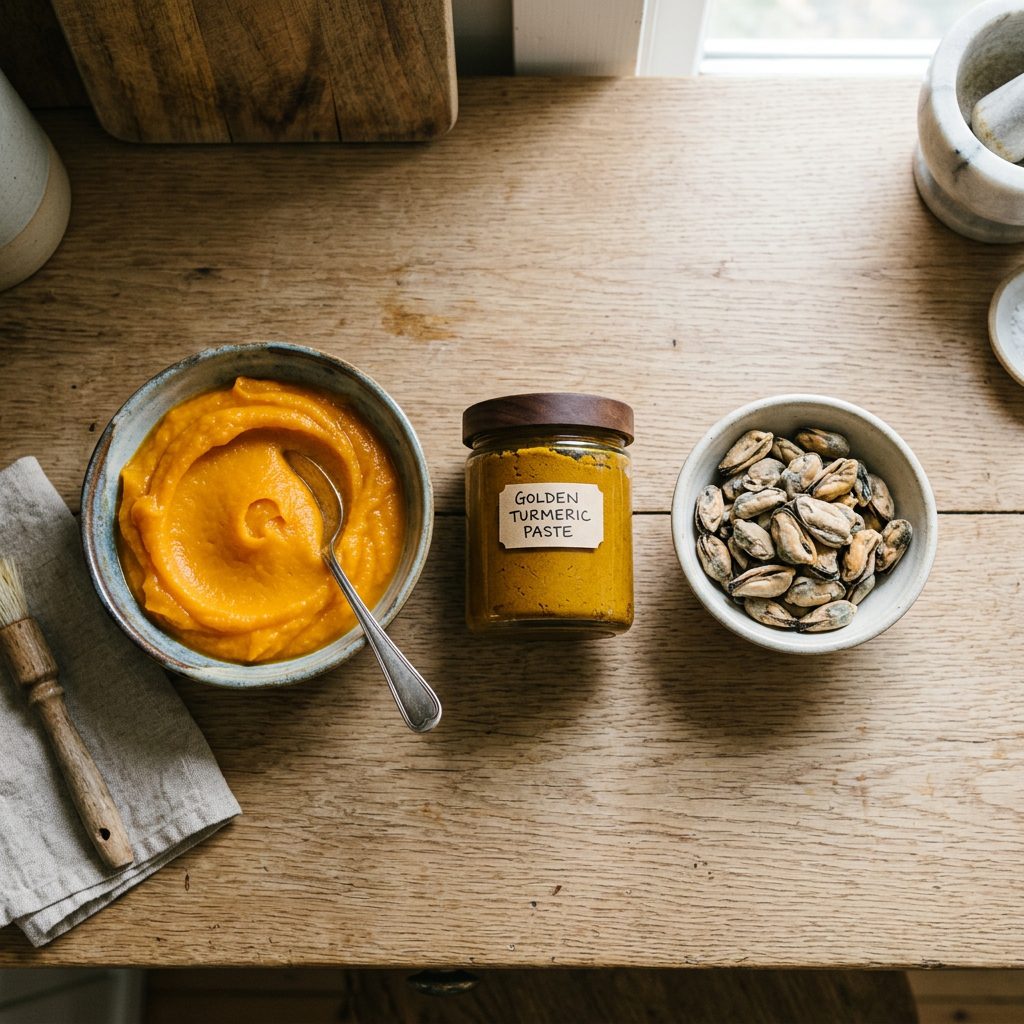
If you want the benefits of that ‘expensive’ treat without the markup, you can make your own. This recipe focuses on the Golden Trio of anti-inflammation: Omega-3s, Curcumin, and Collagen.
The Ingredients
- 1 cup Organic Pumpkin Puree: High in fiber and beta-carotene.
- 2 tbsp Golden Paste: (Turmeric cooked with coconut oil and black pepper—the pepper is mandatory for absorption).
- 1/4 cup Bone Broth (Unsalted): For natural collagen.
- 10-15 Freeze-Dried Green Lipped Mussels: Crumbled into the mix.
Instructions
- Mix all ingredients in a bowl until you have a thick paste.
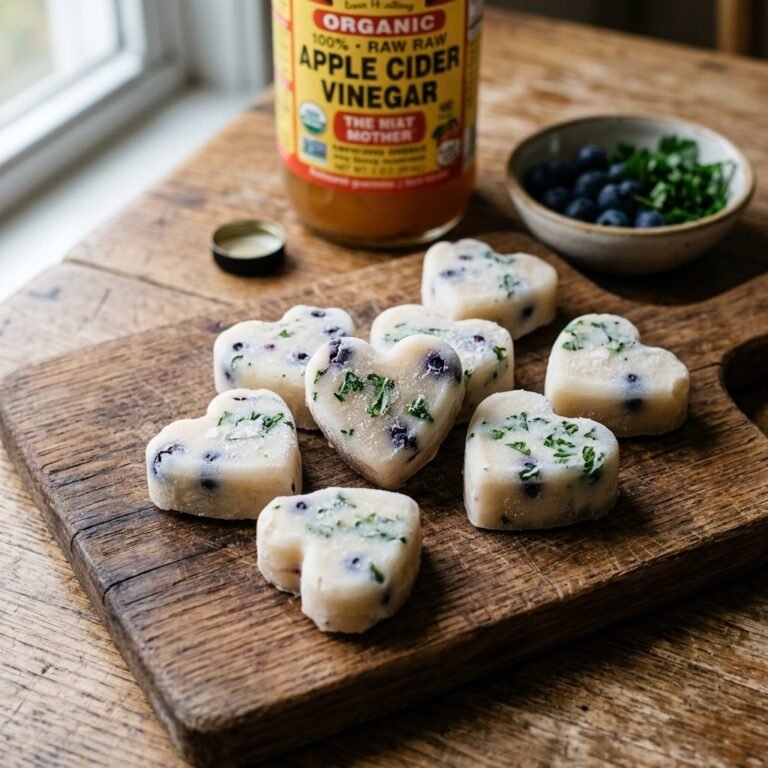
- Spoon the mixture into silicone ice cube trays (approx. 1 tsp per ‘puck’).
- Freeze for 4 hours.
- Feed one ‘puck’ daily for every 25lbs of dog.
Safety Disclaimer: I am a nutrition hacker, not a veterinarian. Always introduce new ingredients slowly to avoid GI upset, and consult your vet if your dog is on blood thinners, as turmeric can have a mild thinning effect.
Medical Disclaimer and Final Verdict

When Treats Aren’t Enough
While high-quality anti-inflammatory treats can work miracles, they are not a replacement for medical care. If your dog is ‘knuckling’ (dragging their paws), losing bladder control, or yelping when touched, you need a neurologist, not a treat. However, for the 80% of senior dogs suffering from ‘standard’ osteoarthritis, these treats are the single most effective nutritional change you can make.
The ‘expensive’ treats my vet begged me to use worked because they weren’t treats—they were medicine disguised as snacks. By focusing on high-potency Green Lipped Mussels and avoiding pro-inflammatory fillers, we gave Buster two more years of chasing tennis balls. That is a ROI you simply can’t put a price tag on.
Conclusion
The Final Verdict: To Buy or Not to Buy?
So, should you buy that $60 bag? If you have a senior dog showing signs of stiffness, yes—but only if the first five ingredients don’t include grains, sugars, or ‘meat by-products.’ Look for Perna Canaliculus on the label. If the price is too steep, use my ‘Hacker’ recipe to provide the same biological benefits for a fraction of the cost.
Remember: You are the gatekeeper of your dog’s health. Don’t let flashy marketing sell you a ‘joint treat’ that is really just a cookie. Demand the science, check the dosage, and watch your senior dog find their puppy-like spark again. Your vet isn’t ‘begging’ you to spend money; they’re begging you to see the difference that real, potent nutrition can make.