No More Flare-Ups! Try These Delicious Pancreatitis-Safe Dog Treats Tonight
Listen, I know that look. Your dog is staring at you with those soulful eyes, begging for just a tiny piece of whatever you’re eating. But when your dog has been diagnosed with pancreatitis, that tiny piece of bacon or a sliver of cheese isn’t just a treat—it’s a potential trip to the emergency vet. I’ve been in those sterile waiting rooms at 3:00 AM, and let me tell you, it’s a nightmare no dog owner should face.
As the Canine Nutrition Hacker, I’ve spent years dissecting ingredient labels and calling out the big pet food companies on their “filler” games. Pancreatitis is a condition where the pancreas becomes inflamed, often triggered by high-fat foods. The secret to managing it isn’t just “buying the expensive bag from the vet.” It’s about understanding the Dry Matter Basis of fat and knowing exactly which ingredients are heroes and which are villains.
In this guide, we are going to strip away the marketing fluff. I’m going to show you how to find the safest store-bought treats, how to whip up a 10-minute recipe in your own kitchen, and how to spot a “fat trap” hidden in a label from a mile away. Let’s get your pup back to wagging without the worry.
Medical Disclaimer: I am a canine nutrition enthusiast and researcher, not a veterinarian. Pancreatitis can be life-threatening. Always consult with your vet before introducing new foods to a dog with a history of acute or chronic pancreatitis.
The Enemy Ingredients: What’s Really Triggering the Flare-Up?
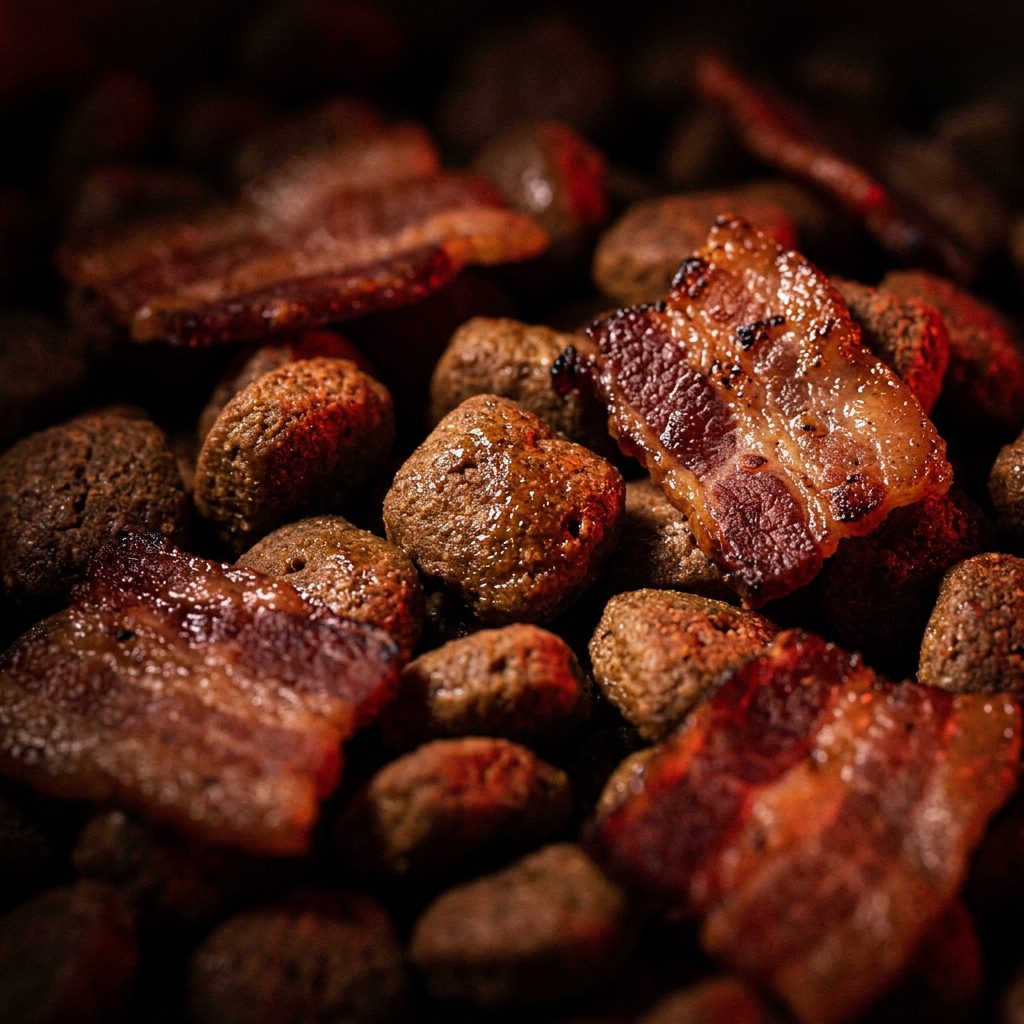
When you’re dealing with a sensitive pancreas, fat is the ultimate enemy. But it’s not just the amount of fat; it’s the source and the hidden additives that sneak into commercial treats. Many “low-fat” snacks are loaded with sugars and starches to make up for the lost flavor, which can lead to weight gain—another risk factor for pancreatitis.
The ‘Dirty List’ of Ingredients
- Animal Fat (Unspecified): If the label just says “animal fat” and doesn’t name the source (like “chicken fat”), it’s often a low-quality rendered byproduct that can be rancid or inconsistent in fat levels.
- Bacon and Sausage Byproducts: These are the ultimate triggers. They are high in saturated fats and nitrates, which are a recipe for disaster.
- Glycerin: Often used to keep treats soft, it’s a sugar alcohol that adds unnecessary calories.
- High-Fat Dairy: Cheese and butter are obvious no-nos, but watch out for “whey” or “dried milk” in the middle of the ingredient list.
The goal for a pancreatitis-safe treat is a fat content of less than 10% on a dry matter basis. Most “regular” treats sit at 15-25%. That’s a massive difference that your dog’s internal organs definitely notice.
The Forensic Review: Store-Bought vs. Prescription Treats
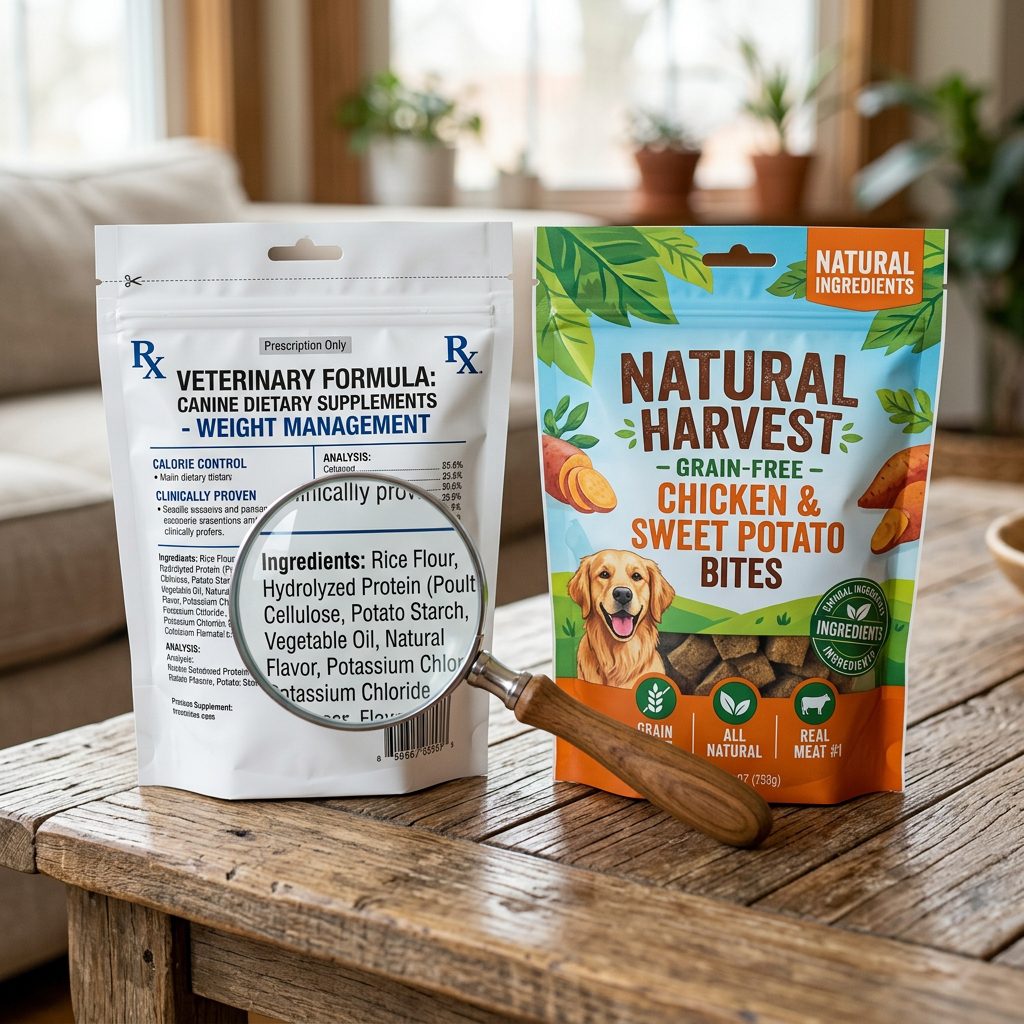
Not all treats are created equal. You’ll often see “Prescription Diet” treats at the vet’s office, but are they really better than the premium “natural” options at the pet store? Let’s look at the first five ingredients and the real cost of ownership.
Decoding the First 5 Ingredients
When I look at a bag, I ignore the pretty picture of the dog on the front. I go straight to the back. For a pancreatitis-safe treat, the first five ingredients should be lean proteins or digestible fibers like pumpkin or sweet potato. Avoid corn gluten meal or wheat flour as the primary ingredient; these are cheap fillers that provide little nutritional value for a recovering dog.
| Brand Type | Primary Protein | Fat Content (Dry) | Price Tier | The Hacker Verdict |
|---|---|---|---|---|
| Prescription Brand (Vet) | Hydrolyzed Soy/Chicken | ~7-8% | $$$ | Safe, but expensive and full of fillers. |
| Premium Natural (Low Fat) | Cod or Rabbit | ~4-6% | $$ | Best value for high-quality nutrition. |
| Budget “Light” Treats | Chicken Meal/Corn | ~9-11% | $ | Risky; check for high sodium. |
On average, feeding a premium low-fat treat to a 50lb dog will cost you about $0.75 to $1.20 per day. Compare that to a $1,500 vet bill for a flare-up, and the choice is pretty clear.
The Safe Chef Guide: DIY Low-Fat Treats Tonight
The DIY Advantage
Why pay $15 for a bag of air-puffed treats when you can make a nutrient-dense snack for pennies? When you cook at home, you control the exact fat ratio. There are no hidden oils or preservatives. Plus, the moisture content in homemade treats can actually help with digestion.
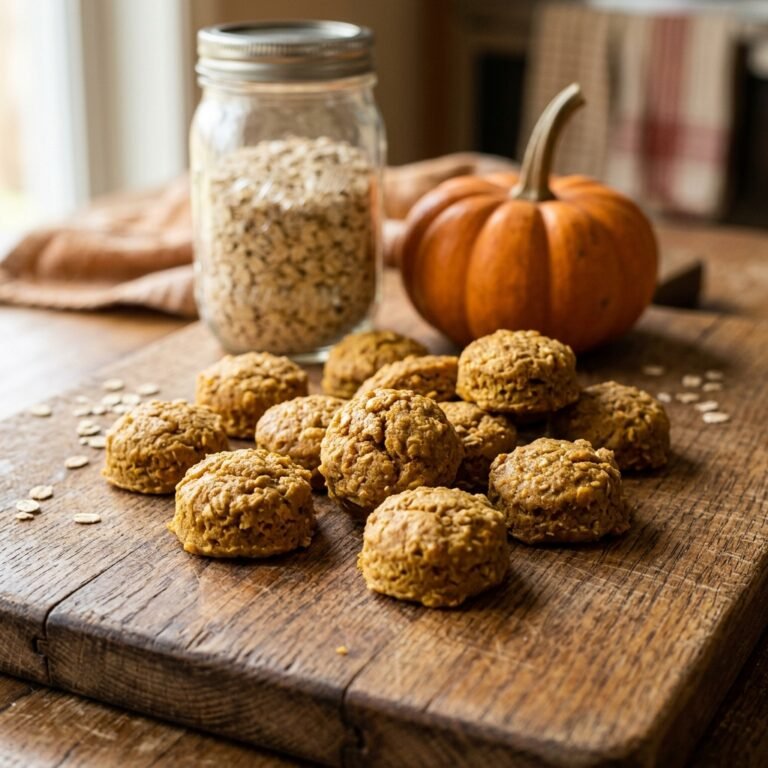
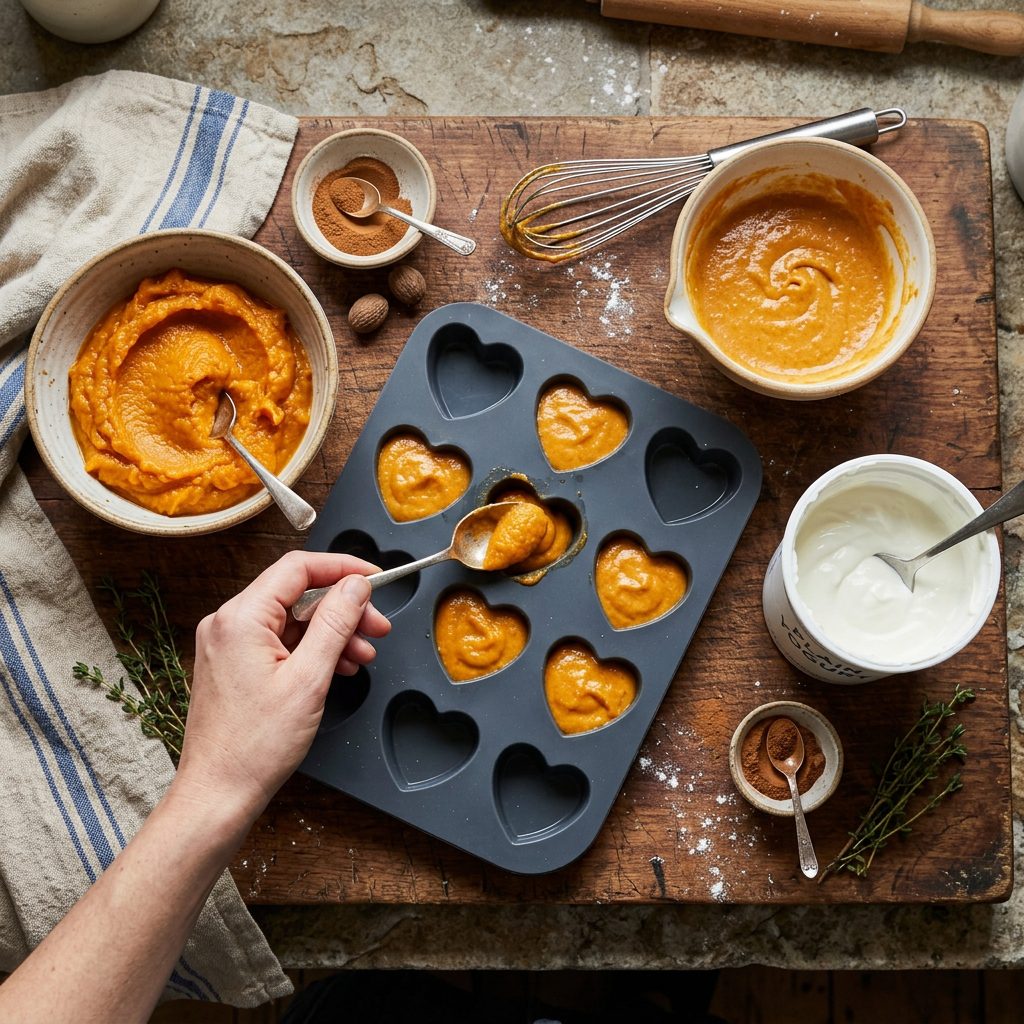
The ‘Liquid Gold’ Pumpkin Drops Recipe
This is my go-to for dogs recovering from a flare-up. It’s high in soluble fiber, which helps regulate the digestive tract.
- Ingredients: 1 cup Plain Canned Pumpkin (NOT pie filling), 1/2 cup Non-fat Plain Greek Yogurt, 1/4 teaspoon Ceylon Cinnamon.
- The Ratio: 70% Fiber / 30% Protein-Base.
- Instructions: Mix ingredients in a bowl. Drop small dollops onto a parchment-lined tray. Freeze for 2 hours.
Hacker Tip: Use Ceylon cinnamon, not Cassia. Ceylon is safer for dogs and helps regulate blood sugar, which is often a secondary concern for dogs with pancreatic issues.
Batch Cooking & Storage
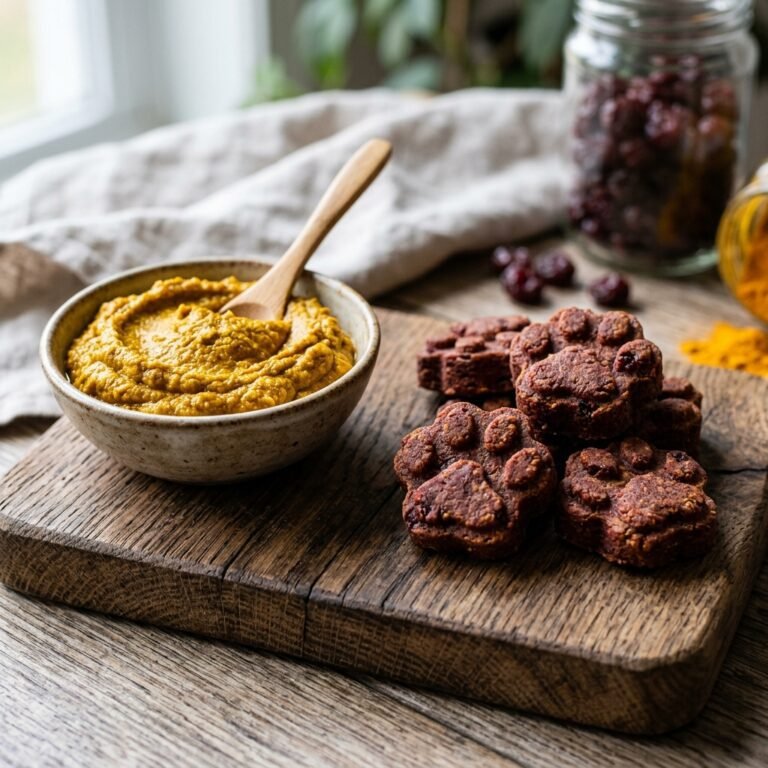
Since these treats don’t have preservatives, they won’t last long on the counter. Keep them in the freezer for up to 3 months or the fridge for 3 days. I like to use silicone molds shaped like paws to keep the portion sizes consistent. Consistency is king when managing this disease.
Hero Ingredients: What to Look For
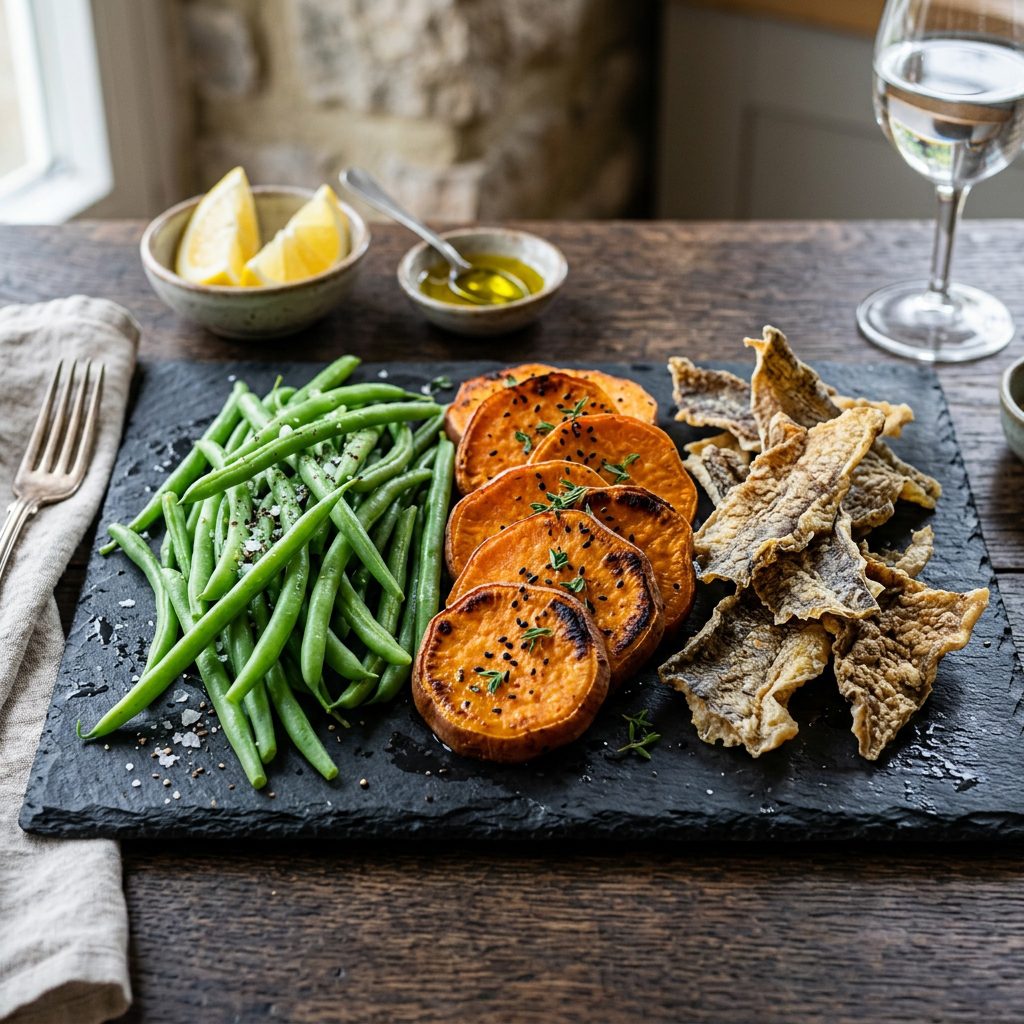
If you aren’t a fan of baking, you can still find incredible “single-ingredient” treats that are naturally low in fat. These are the “hacks” I use when I’m traveling or short on time.
The Low-Fat Superstars
- Dehydrated Sweet Potato: These are chewy, satisfying, and packed with beta-carotene. Just ensure they aren’t coated in oil.
- Icelandic Cod Skins: These are amazing. They provide Omega-3s (which are anti-inflammatory) but are naturally very low in fat compared to other fish treats.
- Green Beans: The “Crunchy Miracle.” Many savvy owners use frozen green beans as treats. They have almost zero fat and provide a satisfying crunch.
- Egg Whites: If you want to give your dog a protein boost, cooked egg whites are pure protein with zero fat (the fat is all in the yolk).
When you see these ingredients at the top of a label, you’re on the right track. If you see “vegetable oil” or “tallow” anywhere in the top ten ingredients, put the bag back on the shelf immediately.
The ‘Dry Matter’ Hack: How to Outsmart the Label
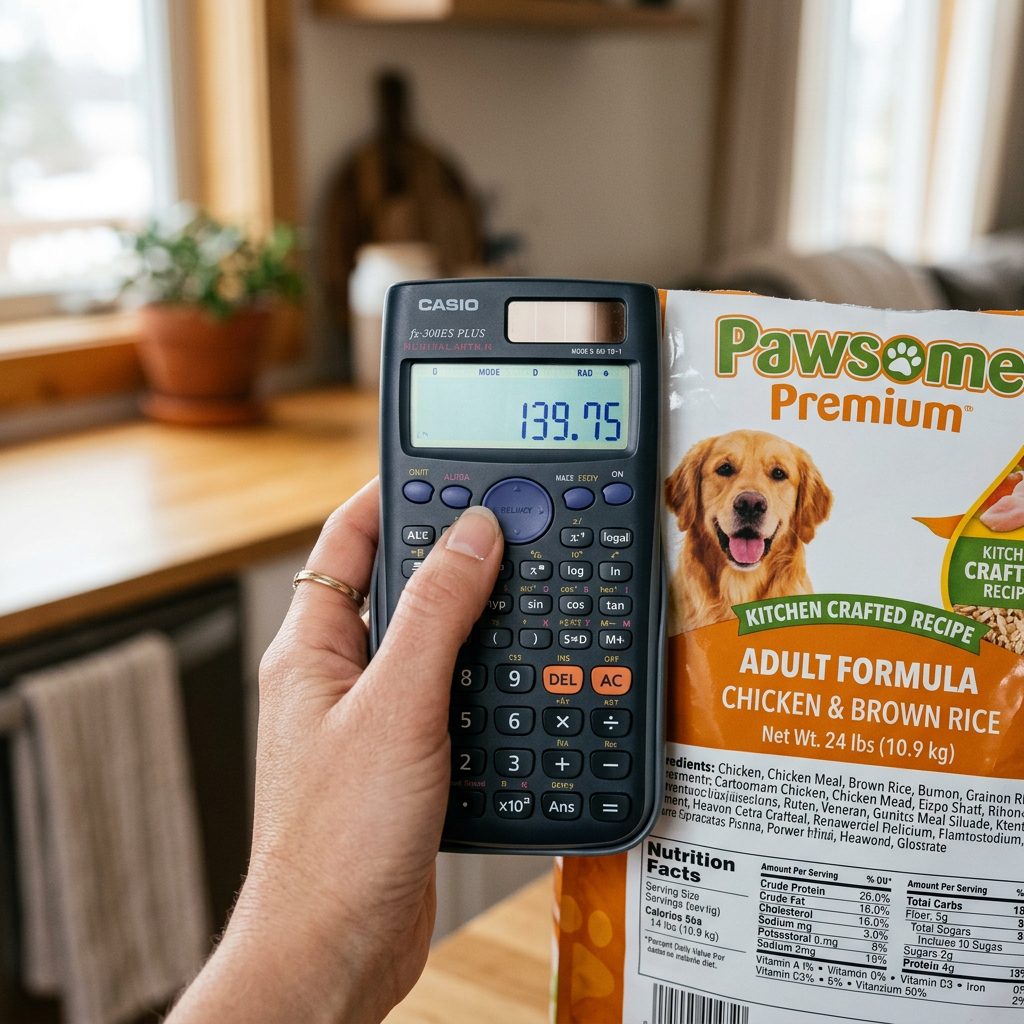
This is the most important secret I can share with you. Pet food labels are required to show “Guaranteed Analysis,” but these numbers are misleading because they include moisture. A treat that says “5% fat” but has 80% moisture is actually much higher in fat than you think once the water is removed.
The Hacker Math Formula
To find the Dry Matter Fat Content, use this simple formula:
- Subtract the Moisture % from 100. (e.g., 100 – 10% moisture = 90).
- Divide the Fat % by that number. (e.g., 5 / 90 = 0.055).
- Multiply by 100. (0.055 * 100 = 5.5% Dry Matter Fat).
If that final number is over 10%, it is NOT safe for a dog with chronic pancreatitis. I’ve seen “diet” treats that calculate out to 12% or 13% because they are so dry. Don’t let the marketing team fool you—do the math!
Conclusion
Managing a dog with pancreatitis doesn’t mean you have to stop the rewards. It just means you have to be the smartest person in the room. By switching to hero ingredients like pumpkin and lean cod, and by using our Dry Matter Hack to expose the truth behind the label, you can keep your best friend happy and healthy.
Remember: Low fat doesn’t have to mean low flavor. Start with the frozen pumpkin drops tonight and watch your dog’s tail wag. You’ve got the tools, the recipes, and the insider knowledge to prevent the next flare-up. You’ve got this!