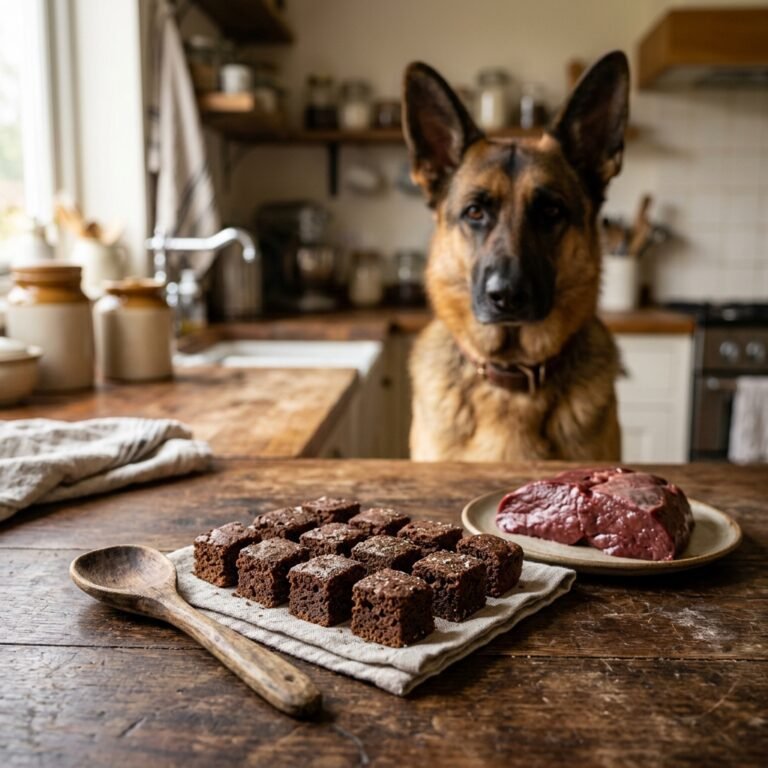
The Shockingly Simple High-Value Bison Jerky Recipe For Dogs With Severe Food Allergies!
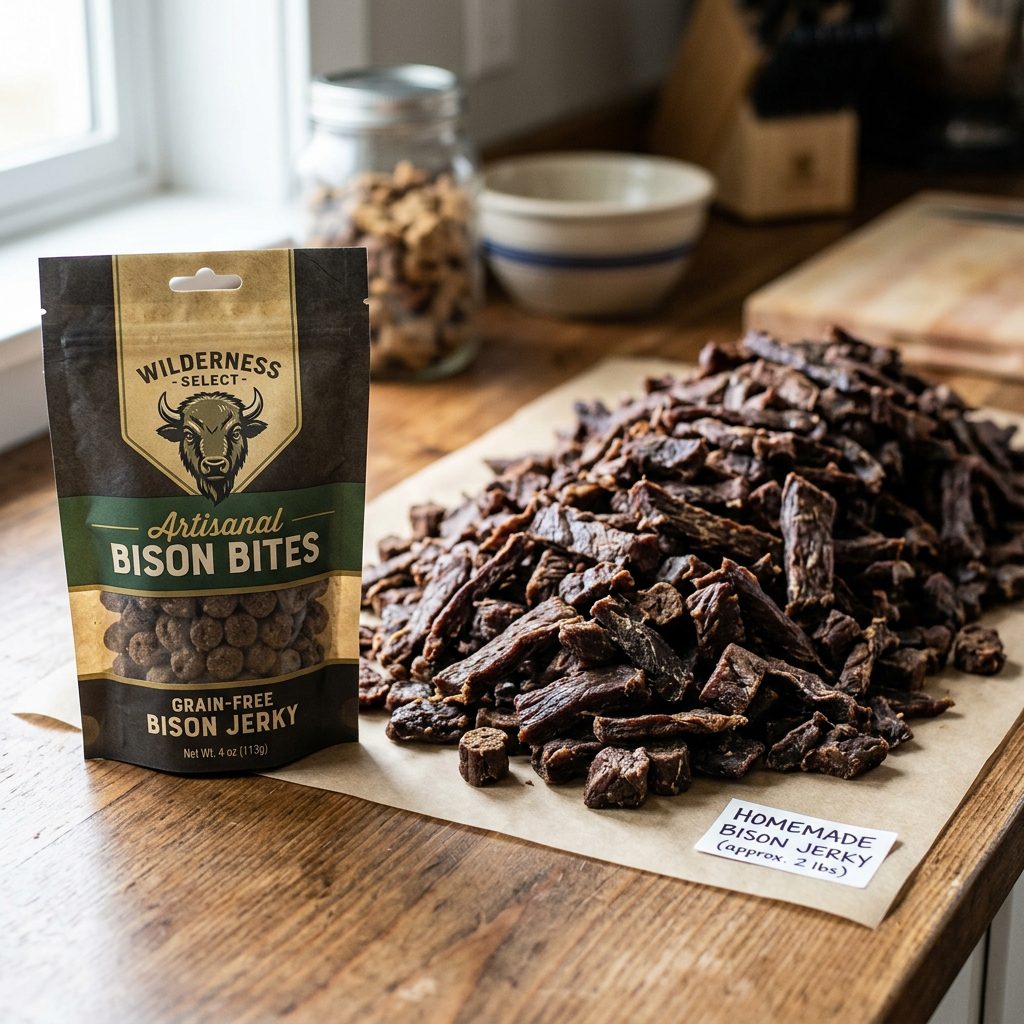
If you are reading this, you probably know the ‘Allergy Tax’ all too well. It is that painful moment at the pet store when you realize the only treat your dog can safely eat costs $22.00 for a tiny 4-ounce bag. As the Canine Nutrition Hacker, I have spent years deconstructing those ‘premium’ labels, and let me tell you a secret: you are paying for the marketing, not the meat. When your dog has severe food allergies, the industry tries to sell you on ‘hydrolyzed proteins’ and ‘specialized starches,’ but often, the simplest solution is the most powerful. Today, we are cutting through the noise and making a high-value, single-ingredient Bison Jerky that will have your dog doing backflips without the dreaded skin-scratching aftermath. This isn’t just a recipe; it is a financial and nutritional jailbreak for your pup.
The Safe Chef Guide: Safety First & The Financial Reality
Before we fire up the dehydrator, let’s get the legalities out of the way. I am not a veterinarian or a board-certified veterinary nutritionist. I am a savvy owner who analyzes data. While this jerky is a fantastic treat, it is not a complete and balanced meal. It is a supplemental snack. If your dog has specific health issues like pancreatitis or kidney disease, always consult your vet before introducing high-protein treats.
The Cost Breakdown: DIY vs. Store-Bought
Why are we doing this? Because the markup on ‘exotic’ or ‘novel’ protein treats is astronomical. Let’s look at the cold, hard numbers for a 50lb dog who gets regular training rewards.
| Source | Protein Type | Price per Ounce (Approx) | The ‘Hacker’ Verdict |
|---|---|---|---|
| Premium Store Brand | Bison/Venison | $4.50 – $6.00 | Overpriced Marketing |
| Hydrolyzed Rx Treats | Processed Soy/Poultry | $3.50 – $5.00 | Cardboard Nutrition |
| DIY Bison Jerky | 100% Grass-Fed Bison | $1.50 – $2.25 | The Gold Standard |
Hacker Tip: You can often find ‘stew meat’ or ‘ends and pieces’ of bison at local butchers for a fraction of the cost of prime steaks. Since we are slicing it thin anyway, the cut doesn’t need to be pretty.
The Forensic Analysis: Why Bison is the Ultimate Allergy Weapon
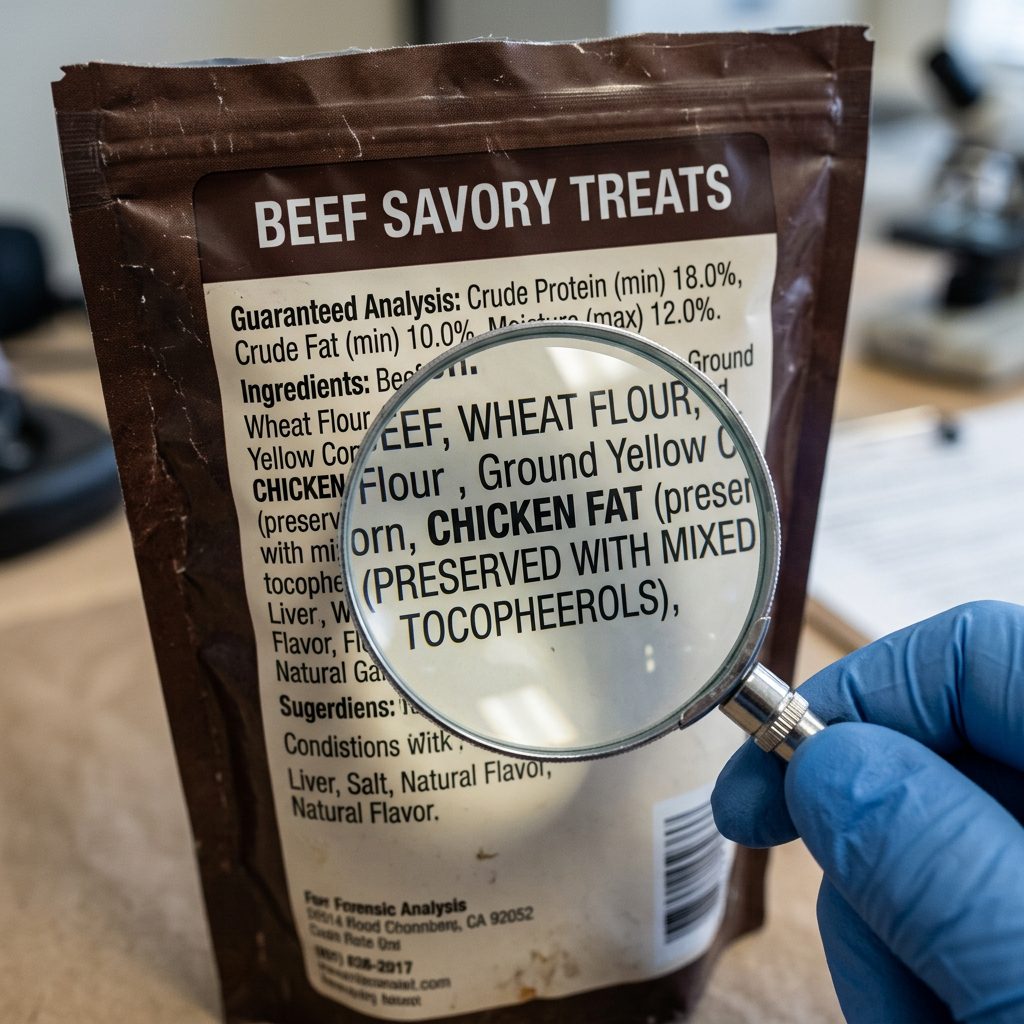
Most commercial dog treats are a minefield of ‘Enemy Ingredients.’ Even if the front of the bag says ‘Lamb,’ the back often lists ‘chicken fat,’ ‘natural flavors’ (which can be derived from dairy), or ‘beet pulp.’ For a dog with severe allergies, these are chemical grenades. We use Bison because it is a ‘novel protein’ for most dogs. This means their immune systems haven’t been overexposed to it, making an allergic reaction significantly less likely.
Common ‘Enemy’ Ingredients to Avoid
- Chicken & Beef: The two most common protein allergens.
- Corn Gluten Meal: A cheap filler that offers poor bioavailability.
- Soy Protein: Often used to artificially inflate protein percentages.
- Artificial Preservatives (BHA/BHT): Linked to various health issues in long-term studies.
Bison is naturally leaner than beef and packed with B vitamins, Zinc, and Iron. By making this yourself, you eliminate the risk of cross-contamination that occurs in large-scale manufacturing plants where the same machines process chicken, beef, and bison.
The Shockingly Simple Bison Jerky Recipe
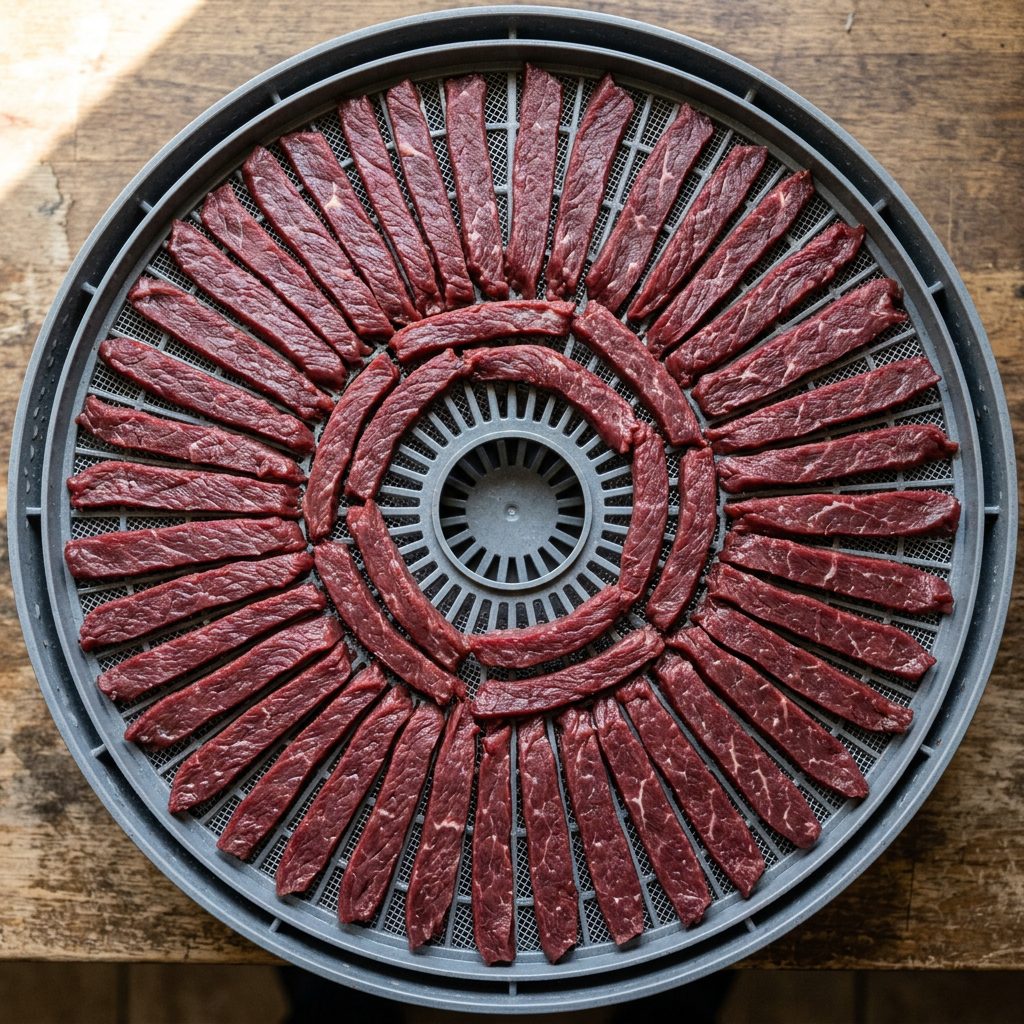
This is a one-ingredient masterpiece. No salt, no seasonings, and definitely no ‘liquid smoke’ (which often contains hidden sugars or chemicals). The goal is pure, unadulterated protein.
The Ratios & Requirements
- Protein: 2 lbs of Lean Bison (Round, Sirloin, or Heart).
- Prep Time: 15 minutes.
- Cook Time: 6 to 8 hours.
Step-by-Step Instructions
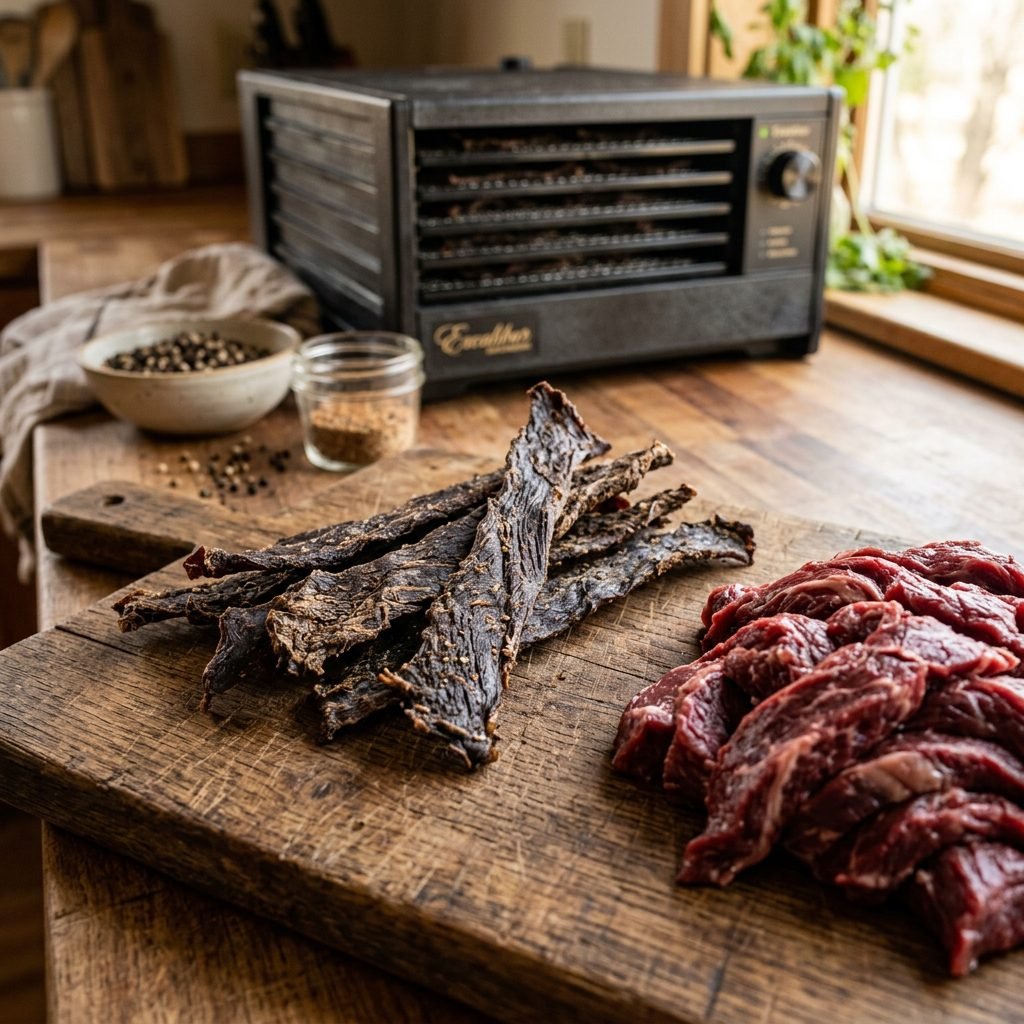
- The Semi-Freeze Hack: Place your bison meat in the freezer for about 45-60 minutes. You don’t want it frozen solid, just firm. This allows you to slice it into consistent, paper-thin strips.
- The Slice: Slice the meat across the grain into strips about 1/8th of an inch thick. Thinner strips result in a crunchier ‘chip’ texture, while thicker strips remain a bit chewy.
- The Arrangement: Lay the strips on your dehydrator trays. Ensure they are not touching; airflow is the secret to safe preservation.
- The Dehydration: Set your dehydrator to 160°F (71°C). This temperature is crucial as it is high enough to kill potential pathogens like Salmonella while slowly removing moisture.
- The Snap Test: After 6 hours, check a piece. It should ‘snap’ when bent. If it is still bendy or has moisture in the center, give it another 1-2 hours.
Insider Secret: If you don’t have a dehydrator, use your oven at its lowest setting (usually 170°F) with the door slightly propped open with a wooden spoon to let moisture escape.
Batch Cooking & The Hacker’s Storage Secrets
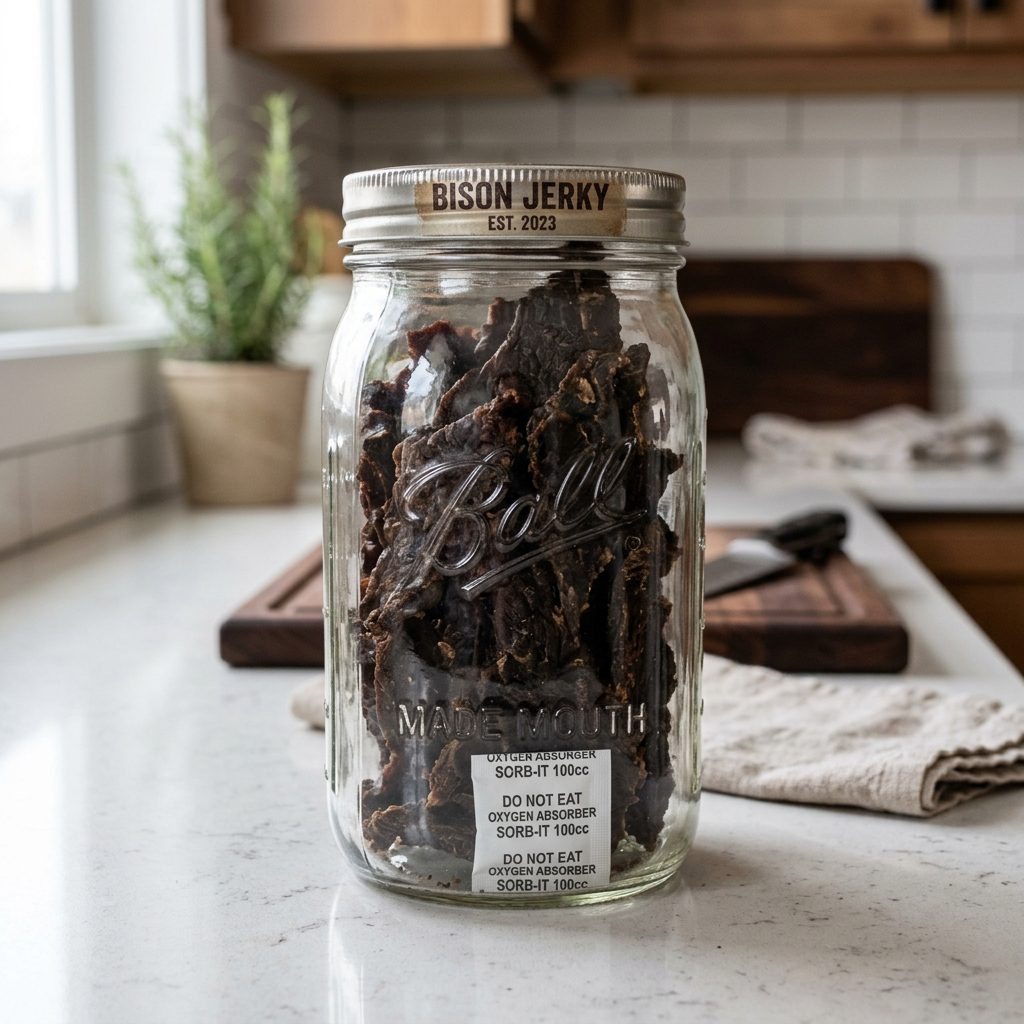
Because we aren’t using chemical preservatives like Potassium Sorbate, we have to be smart about storage. Moisture is the enemy. If you leave these treats in a plastic bag on the counter, they will mold within a week.
Storage Tiers for Freshness
- Countertop (Air-tight jar): 3-5 days. Best for immediate use.
- Refrigerator: 2 weeks. Ensure the container is truly airtight to prevent ‘fridge smells’ from leaching into the meat.
- Freezer: 6 months. This is the ultimate hacker move.
Batch Cooking Strategy: Buy bison in bulk when it goes on sale. Spend one Sunday afternoon processing 5-10 lbs. Once dehydrated, portion the jerky into small ‘snack-sized’ freezer bags. Pull out one bag at a time for the week. This ensures your dog always has fresh, high-value rewards without the $60-per-pound price tag.
Pro Tip: The Oxygen Absorber Trick
If you want to keep your jerky shelf-stable for longer, buy a pack of food-grade oxygen absorbers online. Drop one into your airtight glass jar. It removes the oxygen that mold needs to grow, extending your ‘countertop’ life significantly.
Troubleshooting: Why Your Jerky Might Fail
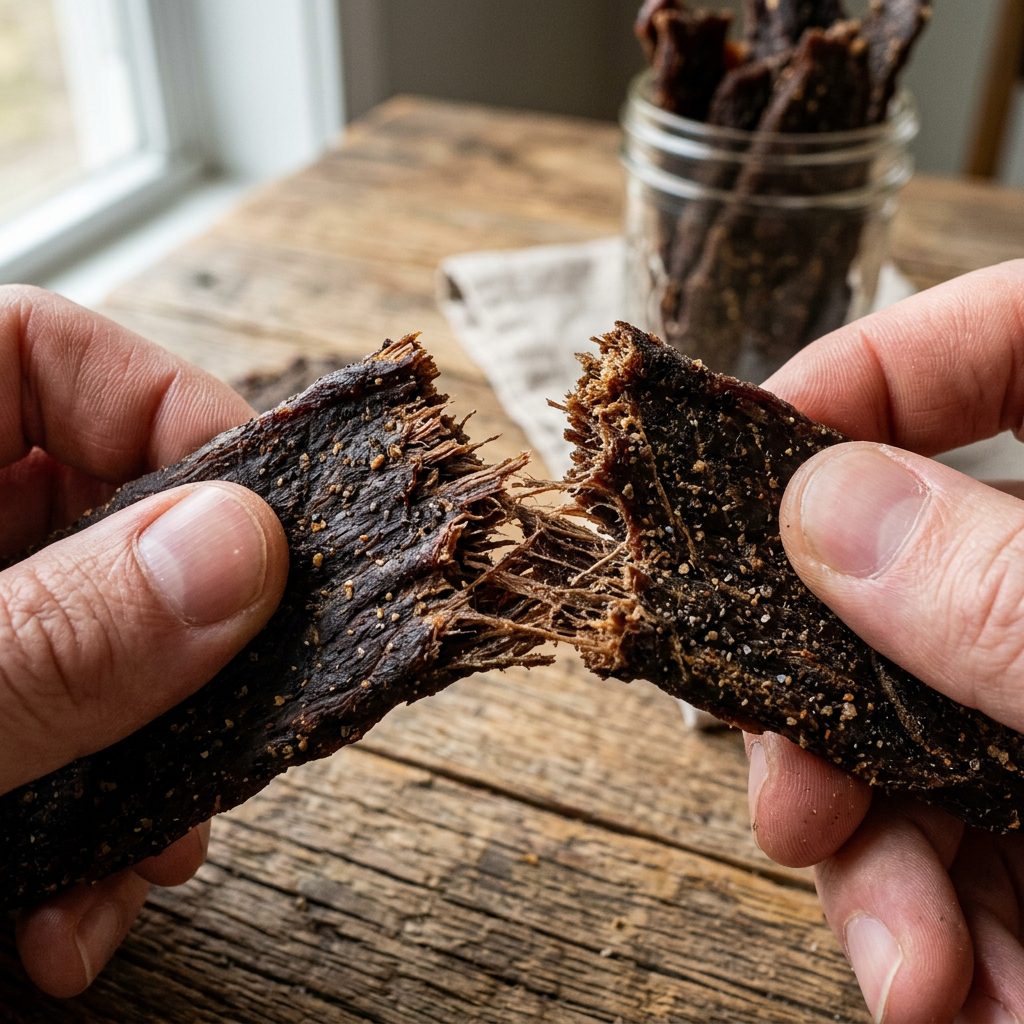
Even the best hackers hit a glitch occasionally. If your jerky isn’t turning out right, check these three common culprits:
| Problem | The Cause | The Fix |
|---|---|---|
| Jerky feels ‘greasy’ | Too much fat on the cut | Trim all visible white fat before slicing. Fat does not dehydrate and will go rancid. |
| Jerky is ‘rubbery’ | Temperature too low | Ensure you are hitting 160°F. Low temps ‘cook’ the meat rather than drying it. |
| White powder on surface | Fat bloom or Salt | If it’s fuzzy, it’s mold (toss it!). If it’s a dry white film, it’s likely just natural fats rising to the surface. |
Always remember: When in doubt, throw it out. Since we are dealing with raw meat and no chemicals, safety is paramount. If a batch smells ‘off’ or ‘sour,’ don’t risk your dog’s digestive health.
Conclusion
Navigating the world of severe dog allergies doesn’t have to mean draining your savings account or feeding your best friend over-processed ‘prescription’ kibble treats. By taking control of the ingredients and mastering the art of the Bison Jerky Hack, you are providing superior nutrition while keeping your pup’s immune system calm. You’ve now moved from a frustrated consumer to a savvy ‘Safe Chef.’ Your dog gets the high-value reward they deserve, and you get the peace of mind knowing exactly what went into their body. Now, go fire up that dehydrator—your dog is already waiting by the kitchen door!