Is Your Puppy Crying in Their Crate? 5 Mistakes You Are Making Right Now
The Sleepless Nights of Puppy Parenthood
Welcome to the wonderful, exhausting, and sometimes incredibly frustrating world of puppy parenthood! If you are reading this, chances are you are running on very little sleep and a whole lot of coffee. You brought home a perfect, fluffy little bundle of joy, but the moment the sun goes down and the crate door latches, your sweet angel transforms into a howling, whining, crying machine. It is heartbreaking, it is stressful, and it makes you second-guess everything you thought you knew about raising a dog. But take a deep breath, because you are absolutely not alone.
As a canine specialist who has worked with countless savvy dog owners just like you, I can promise you that a puppy crying in their crate is one of the most common behavioral challenges we face. It is completely natural for a baby dog, who has just been separated from their mother and littermates, to feel anxious when left alone in a confined space. In the wild, a puppy left alone is a vulnerable puppy, so their biological instinct is to vocalize to call their family back. However, how we respond to that crying dictates whether the crate becomes a beloved sanctuary or a source of lifelong anxiety.
Expert Tip: Crate training is not about locking your dog away or forcing them into submission; it is about providing them with a safe, den-like environment that mimics their natural instincts. When done correctly, your dog will actively seek out their crate for rest and relaxation when they feel overwhelmed.
Many well-meaning pet parents inadvertently make crucial errors during the initial stages of crate training. These missteps can accidentally reinforce the crying, increase the puppy’s panic, and prolong the sleepless nights for everyone involved. In this comprehensive guide, we are going to dive deep into the 5 most common mistakes you might be making right now when your puppy is crying in their crate. More importantly, we will cover the exact, step-by-step solutions to fix them. Let us turn that crate from a puppy prison into a cozy canine castle!
Mistake #1: Moving Too Fast (The Rushed Introduction)
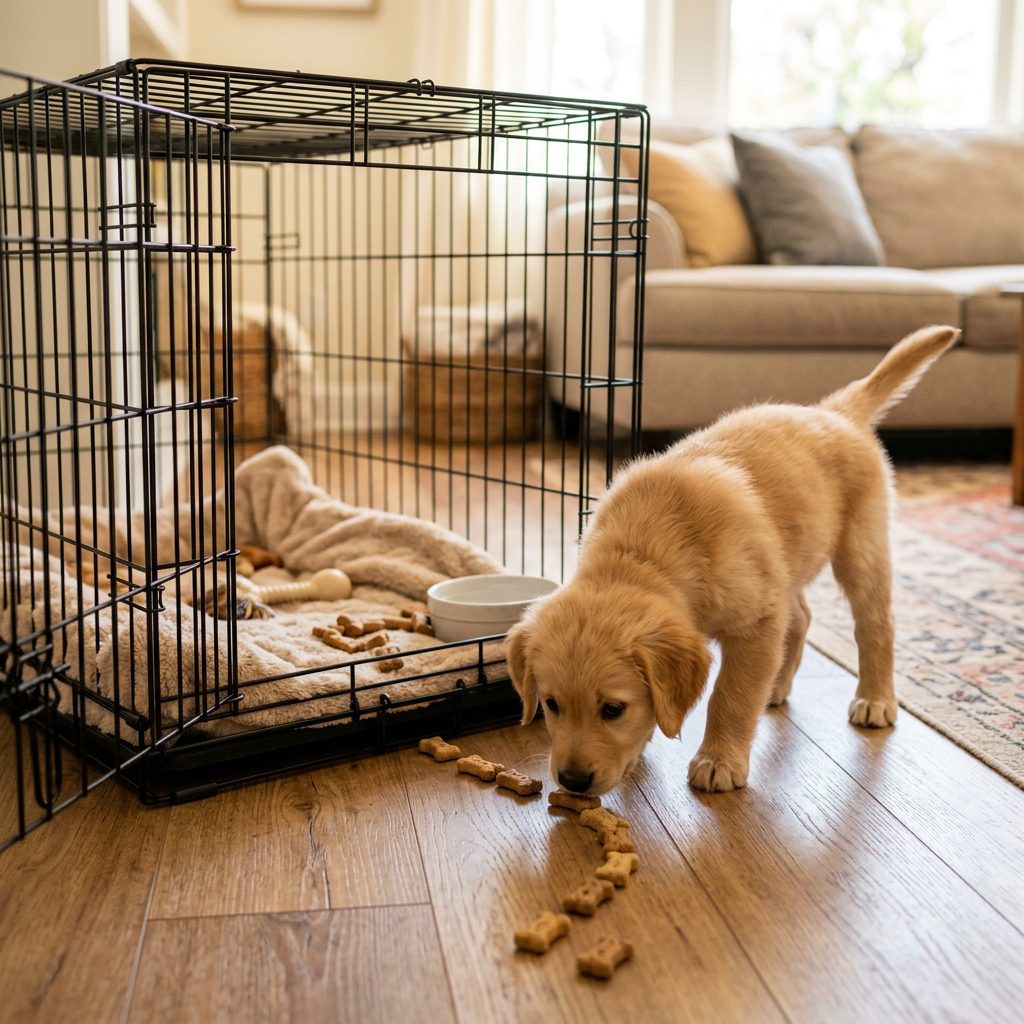
One of the biggest mistakes new puppy owners make is expecting their puppy to instantly love the crate. We often bring the puppy home, set up the crate, and pop them inside the very first night, expecting them to sleep for eight hours. This is the equivalent of locking a toddler in a dark room they have never seen before and expecting them not to cry. A rushed introduction is a guaranteed recipe for crate anxiety.
The Psychology of the Crate
Dogs are naturally den animals, but a plastic or wire crate does not inherently smell or feel like a natural den to a brand-new puppy. It takes time, patience, and positive reinforcement to build that association. If you force the puppy into the crate and immediately shut the door, their first experience is one of entrapment and isolation. To fix this, you need to take a massive step back and completely rebuild their association with the space.
How to Fix It: The Gradual Introduction Plan
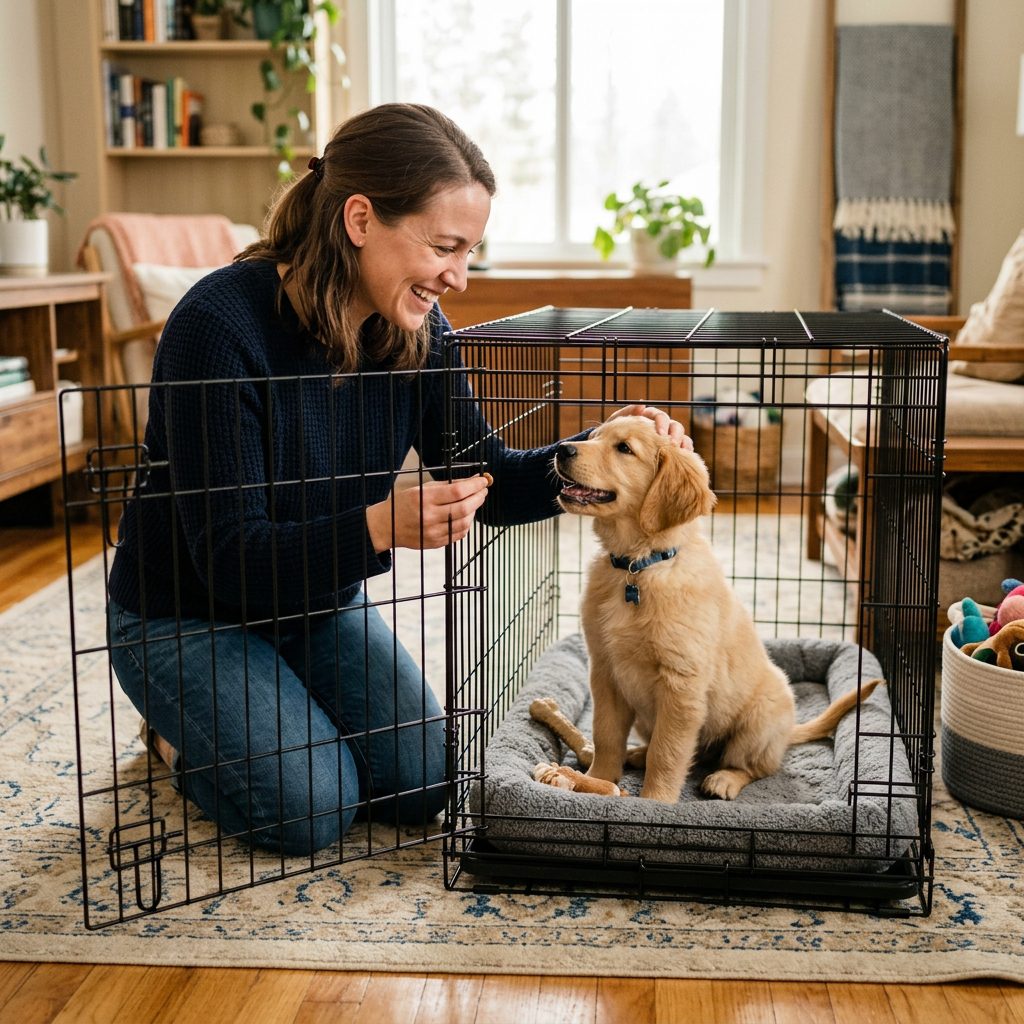
We need to make the crate the most exciting, rewarding place in the house. Start by leaving the crate door wide open. Toss high-value treats (like small pieces of boiled chicken or hot dogs) into the back of the crate. Let your puppy walk in, eat the treat, and walk right back out. Do not close the door! Repeat this dozens of times over a few days. You want your puppy to think the crate is a magical box that dispenses snacks.
| Training Phase | Action Plan | Duration |
|---|---|---|
| Phase 1: Exploration | Keep door open, toss treats inside, let puppy enter and exit freely without pressure. | 1-2 Days |
| Phase 2: Mealtime | Feed all daily meals inside the crate with the door open to build strong positive associations. | 3-4 Days |
| Phase 3: Brief Closures | Close the door for 5-10 seconds while they eat a high-value treat, then open it before they finish. | 4-5 Days |
| Phase 4: Extended Stays | Provide a stuffed Kong, close the door, and sit nearby for 5-15 minutes. Gradually increase time. | Ongoing |
Mistake #2: Using the Crate as a Punishment Zone
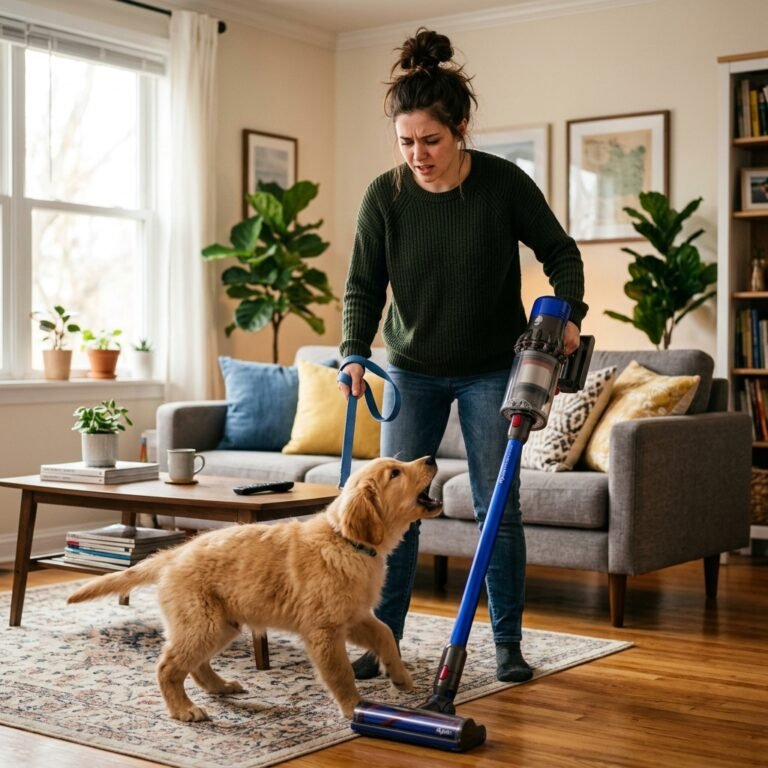
We have all been there: your puppy is biting your ankles, chewing on the furniture, or having a total zoomie-induced meltdown, and out of sheer frustration, you scoop them up and put them in the crate for a ‘time-out.’ While it is completely understandable to need a break from a rambunctious puppy, using the crate as a punishment is a massive strategic error that will sabotage your crate training efforts.
The Danger of Negative Associations
Dogs learn through association. If the crate is consistently paired with your anger, frustration, and their own isolation, they will quickly learn to despise it. When a puppy is placed in the crate out of anger, their stress levels spike. The next time you try to put them in the crate for a peaceful nap or when you leave for work, they will panic because the crate has become synonymous with being in trouble.
How to Fix It: The Sanctuary Mindset
The crate must remain a 100% positive zone. If you need a break from your puppy, or if they need to calm down, use an exercise pen (x-pen) or a puppy-proofed room for time-outs instead of the crate. When you do put them in the crate for a nap, ensure your tone of voice is happy, calm, and inviting. Never shove them inside. Instead, lure them in with a treat or a toy, and praise them softly when they enter.
| Situation | Incorrect Response (Punishment) | Correct Response (Positive) |
|---|---|---|
| Puppy is biting aggressively | Yelling ‘No!’ and shoving them into the crate. | Using a neutral tone, placing them in an x-pen to calm down. |
| Puppy is over-tired and hyper | Locking them in the crate as a penalty. | Luring them into the crate with a Kong and a soothing voice for a nap. |
| Puppy refuses to enter crate | Physically forcing them inside and slamming the door. | Going back to Phase 1 training; tossing high-value treats to encourage voluntary entry. |
Mistake #3: Ignoring Their Basic Needs Before Crate Time
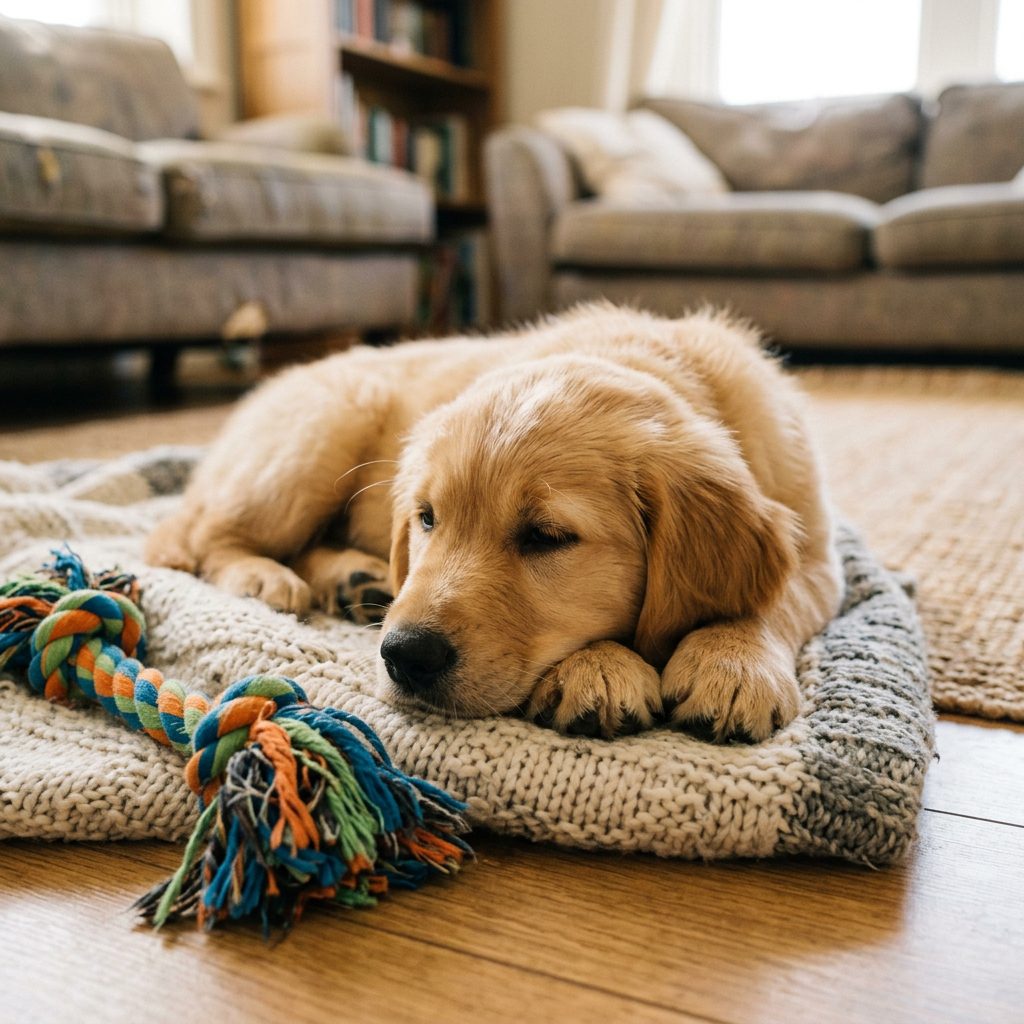
Puppies are remarkably similar to human toddlers. If a toddler is hungry, needs to use the bathroom, or has pent-up energy, they are going to throw a tantrum at bedtime. The exact same logic applies to your puppy. If your puppy is crying in their crate, the very first thing you must do is a mental checklist of their basic biological and physical needs. Expecting a fully energized puppy with a full bladder to sleep quietly is an exercise in futility.
The Exhaustion Equation
A tired puppy is a good puppy, and a tired puppy is much more likely to sleep soundly in their crate. Before any extended crate time (like leaving for work or going to bed for the night), your puppy needs a dedicated period of physical exercise and mental stimulation. This does not just mean letting them out in the yard to sniff around; it means active engagement.
How to Fix It: The Pre-Crate Routine
Establish a strict pre-crate routine. About an hour before crate time, engage your puppy in a vigorous play session—fetch, tug-of-war, or a brisk walk if they are fully vaccinated. Follow this up with 10-15 minutes of mental stimulation, such as practicing obedience commands or using a snuffle mat. Mental fatigue is often more exhausting for a dog than physical exercise! Finally, ensure they have had ample opportunity to go potty. Wait for both a pee and a poop if possible.
| Pre-Crate Need | How to Fulfill It Effectively | Why It Matters for Crate Training |
|---|---|---|
| Physical Exercise | A brisk walk, intense game of tug, or chasing a flirt pole. | Burns off excess physical energy so their body is ready for rest. |
| Mental Stimulation | Training session (sit, down, stay), puzzle toys, or a snuffle mat. | Tires out their brain, reducing anxiety and promoting deep sleep. |
| Potty Break | Stand outside with them until they eliminate; praise heavily. | Ensures they are not crying due to the physical discomfort of a full bladder. |
| Hydration/Digestion | Remove water 1-2 hours before bed; ensure last meal is digested. | Prevents middle-of-the-night accidents and the urgent need to whine. |
Mistake #4: Caving to the Cries (The Extinction Burst)
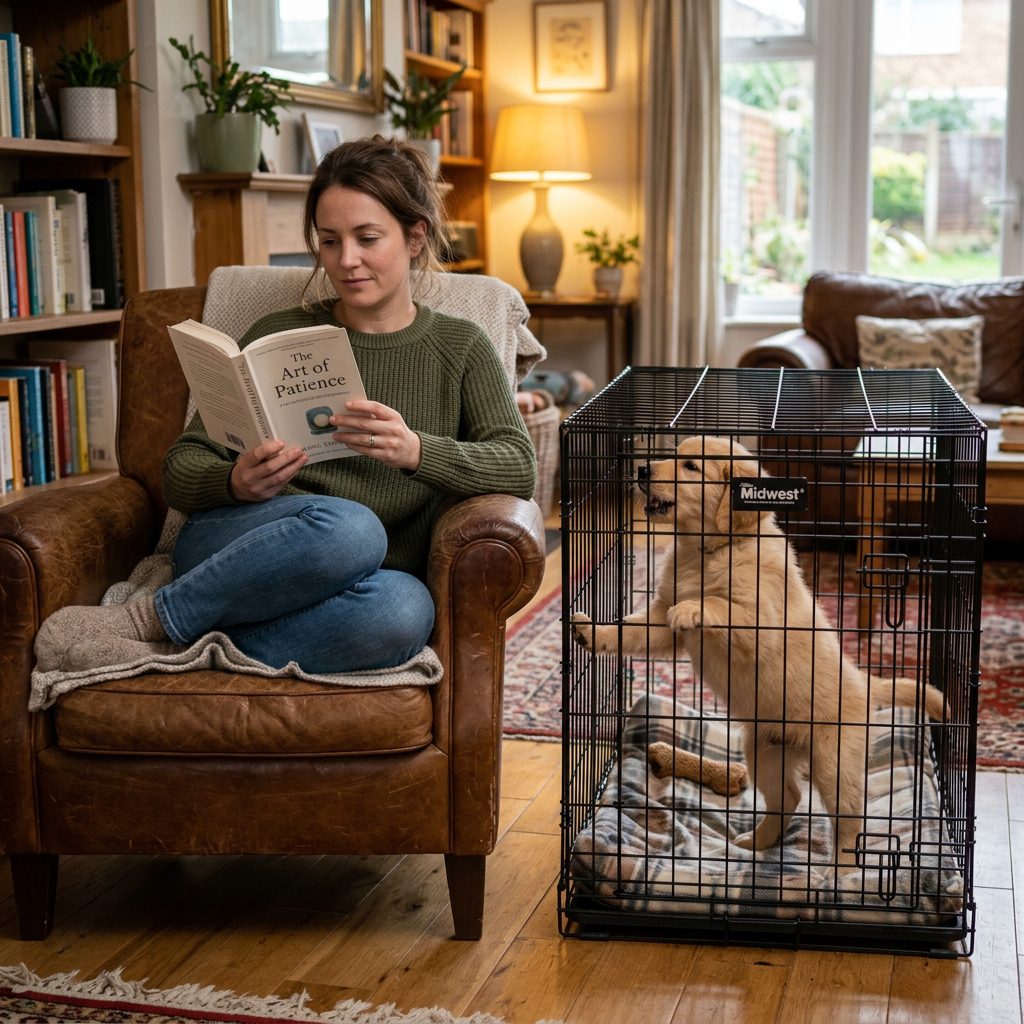
This is arguably the hardest mistake to avoid because it tugs right at our heartstrings. Your puppy is in the crate, and they start to whine. The whine turns into a cry, the cry turns into a bark, and the bark turns into a blood-curdling howl. You feel terrible. You worry they are traumatized. So, you walk over, open the door, and let them out. Congratulations, you have just taught your puppy the most dangerous lesson of all: crying gets the door open.
Understanding the Extinction Burst
In behavioral psychology, there is a concept called an ‘extinction burst.’ When a behavior that previously worked (like crying to get mom’s attention) suddenly stops working (because you are ignoring it), the animal will try the behavior harder, louder, and longer before finally giving up. It is like when a vending machine takes your dollar but does not give you your snack; you do not just walk away immediately, you push the button harder, shake the machine, and maybe kick it. Your puppy is doing the same thing. If you give in during the extinction burst, you reinforce the extreme behavior.
How to Fix It: Differentiating the Cries
You must learn to distinguish between an ‘I am lonely/bored’ cry and an ‘I need to pee/I am terrified’ cry. An attention-seeking cry is usually continuous and starts the moment you leave the room. You must ignore this completely. Do not speak to them, do not make eye contact, and definitely do not open the door. Wait for a minimum of 5-10 seconds of complete silence before you ever open that crate door. However, if your puppy has been sleeping quietly for three hours and suddenly wakes up whining urgently, they likely need to go potty. In this case, take them out on a leash, keep it boring (no talking, no playing), let them potty, and immediately put them back in the crate.
- Attention Cry: Starts immediately, varies in pitch, accompanied by pawing at the door. Action: Ignore completely.
- Potty Cry: Happens after a period of sleep, urgent, rhythmic whining. Action: Boring potty break, immediately back to crate.
- Panic Cry: Drooling, biting the wire bars frantically, panting heavily. Action: The puppy is truly terrified. You moved too fast. Go back to Mistake #1 and restart gradual training.
Mistake #5: Creating a Barren or Uncomfortable Environment
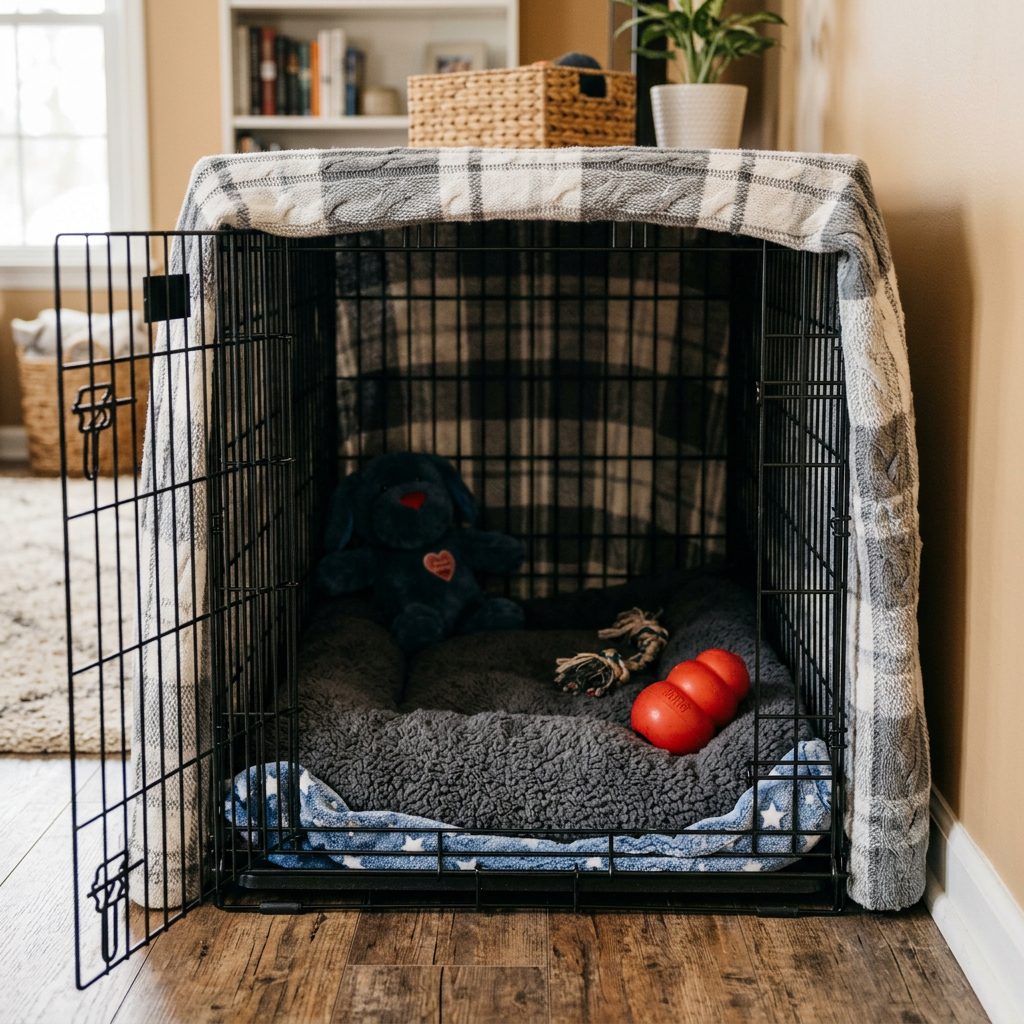
Take a look at your puppy’s crate right now. Is it a bare plastic floor? Is it out in the middle of a loud, drafty hallway? If the crate environment is uncomfortable, cold, or overstimulating, your puppy is not going to want to spend time there. A crate should mimic a den: it should be warm, enclosed, comfortable, and safe.
The Importance of Crate Ambiance
Puppies are used to sleeping in a warm pile with their littermates. Transitioning to a solitary, hard surface is a shock to their system. Furthermore, dogs have highly sensitive hearing and vision. If their crate is in a high-traffic area where they can see you walking around but cannot get to you, it causes deep frustration and FOMO (Fear Of Missing Out). They will cry simply because they want to join the party.
How to Fix It: Creating the Ultimate Puppy Den
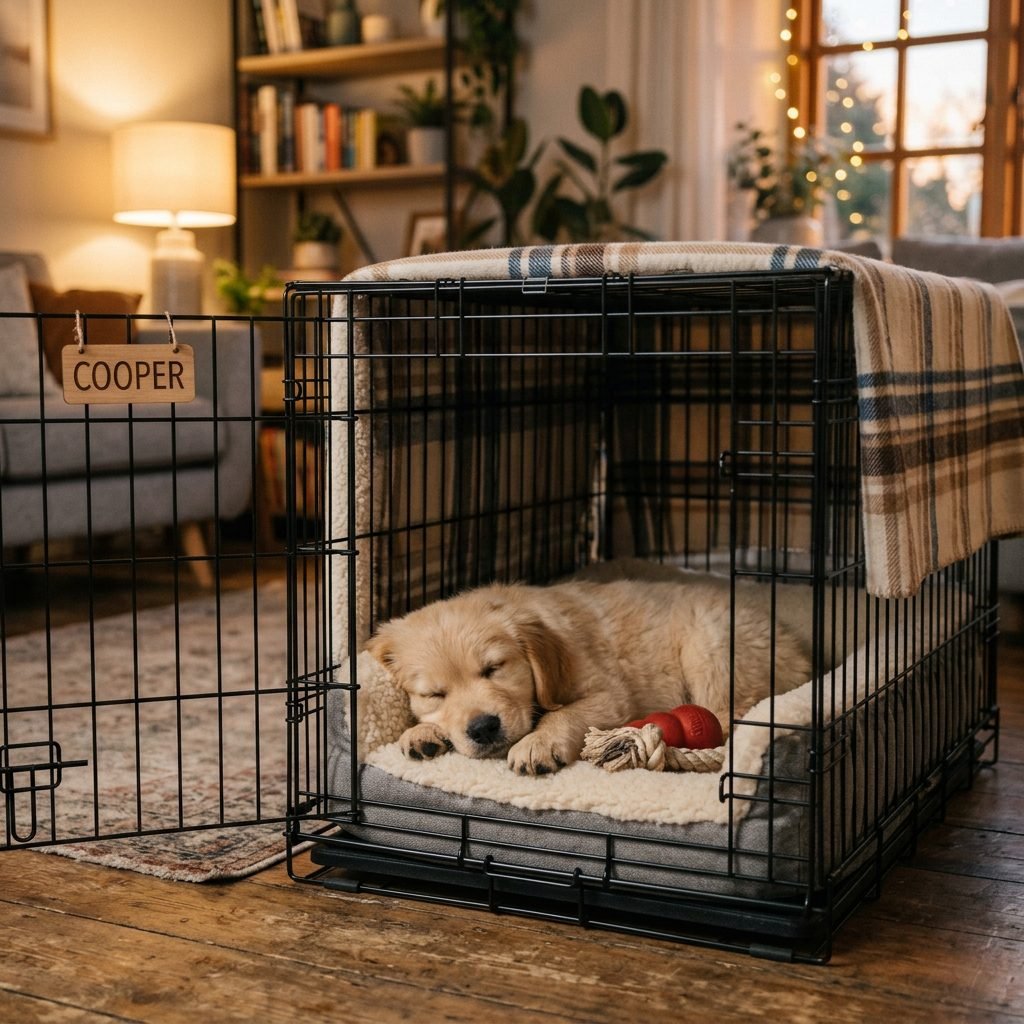
First, address the bedding. Use a crate pad or soft blankets (unless your puppy is a heavy chewer who might ingest the fabric, in which case, use a durable, chew-proof mat). Next, consider the location. The crate should be in a quiet corner of the house, away from direct drafts or heat vents. For nighttime sleep, keeping the crate in your bedroom initially can drastically reduce separation anxiety, as they can still smell and hear you. Finally, use a crate cover! Draping a breathable blanket over the top and sides of the crate blocks out visual stimuli and creates that dark, cozy den atmosphere they biologically crave.
| Crate Accessory | Purpose | Safety Note |
|---|---|---|
| Breathable Crate Cover | Blocks visual stimuli and creates a dark, den-like environment. | Ensure adequate airflow; do not cover entirely in hot weather. |
| Snuggle Puppy Toy | Features a beating heart and heat pack to mimic littermates. | Monitor closely; remove the heat pack if the puppy chews on the toy. |
| Stuffed, Frozen Kong | Provides long-lasting mental stimulation and a positive reward. | Use safe fillings (xylitol-free peanut butter, plain yogurt, kibble). |
| Chew-Proof Bedding | Provides warmth and joint support without the risk of ingestion. | Avoid fluffy blankets if your puppy has a history of shredding fabric. |
The Ultimate Crate Training Reset: A Step-by-Step Guide
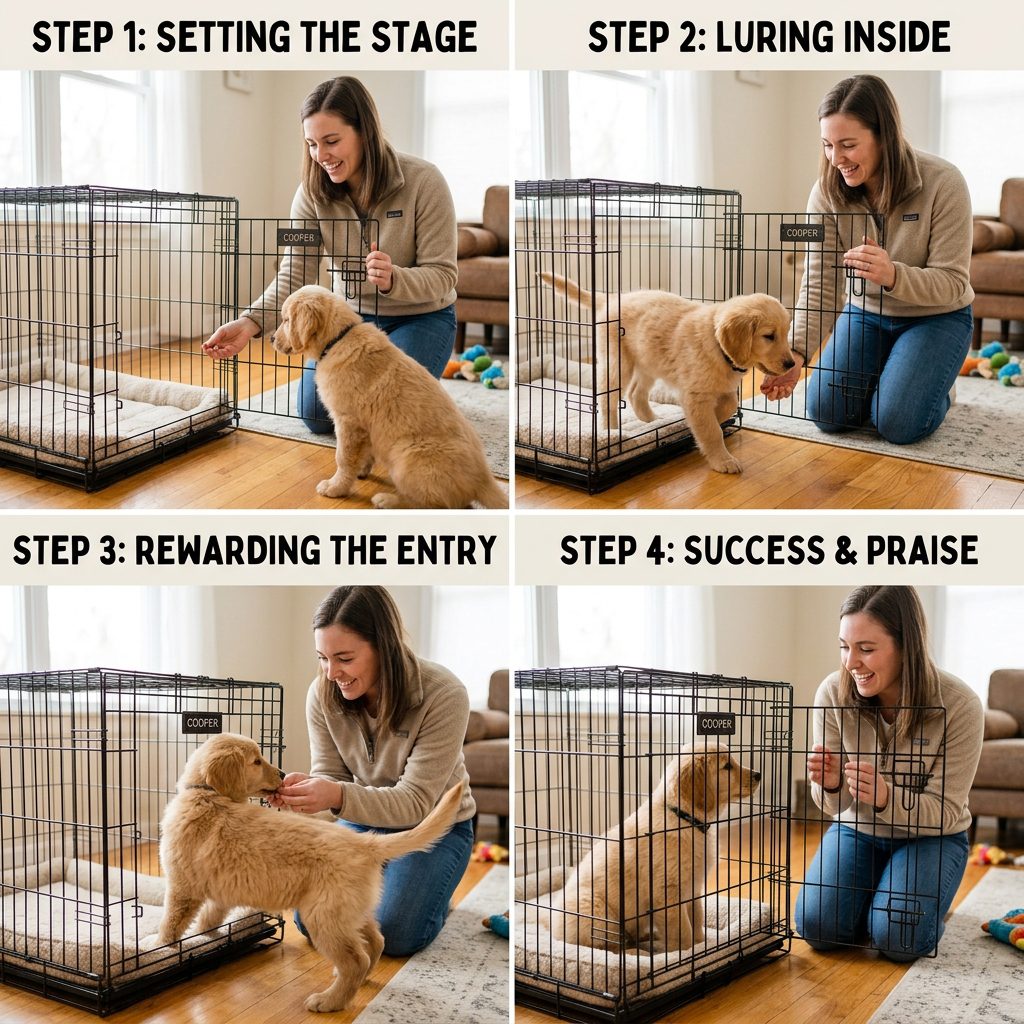
If you have realized that you have made a few (or all) of these mistakes, do not panic! Dogs are incredibly resilient and adaptable. You can absolutely hit the reset button on your crate training journey. It will require consistency, patience, and a commitment to positive reinforcement, but you can turn things around. Here is your ultimate step-by-step reset guide to get your puppy loving their crate.
Tools You Will Need
- A properly sized crate (just big enough for them to stand up, turn around, and lie down).
- A high-value treat pouch (filled with boiled chicken, cheese, or freeze-dried liver).
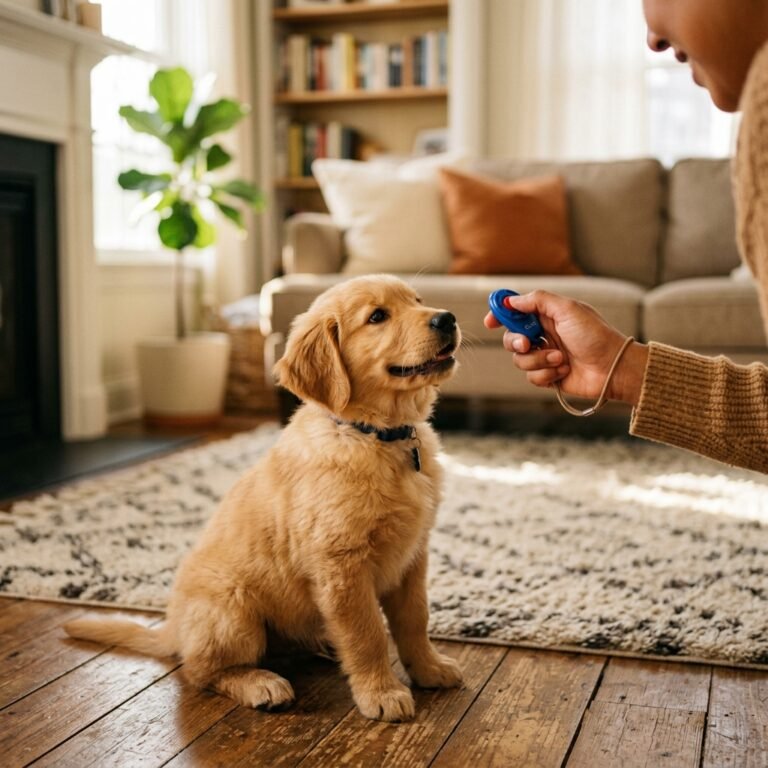
- A clicker or a verbal marker word (like ‘Yes!’).
- A stuffed, frozen Kong toy.
The Step-by-Step Reset Process
- The Open Door Policy: For the next 48 hours, the crate door does not close. Period. Feed every single meal inside the crate. Hide random treats in the crate throughout the day for your puppy to discover. We are building a bank account of positive associations.
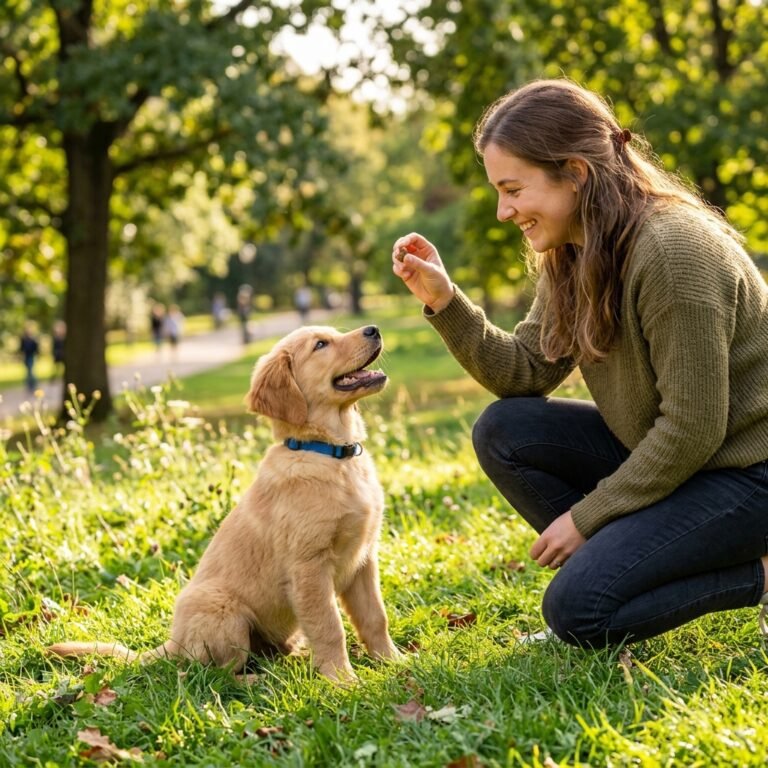
- The Crate Games: Toss a treat into the crate. When your puppy steps in to eat it, say ‘Yes!’ enthusiastically and toss another treat inside. Then, encourage them to come out. Repeat this 10-20 times per session. You want them running into the crate eagerly.
- The Phantom Close: Once they are confidently running into the crate, toss a treat in. When they go in, gently swing the door shut, but do not latch it. Immediately open it and give another treat. We are desensitizing them to the movement of the door.
- Building Duration: Give your puppy their frozen Kong in the crate. Close the door and latch it. Sit right next to the crate while they lick the Kong. After 5 minutes (before they finish the Kong), open the door and take the Kong away. They learn that the crate equals the best treat ever, and the treat disappears when they leave the crate.
- Gradual Distance: Repeat the Kong step, but this time, stand up and walk across the room. Then walk out of the room for 10 seconds and return. Slowly, over several days, increase the time you are out of the room. If they cry, you pushed too far too fast. Decrease the time on the next repetition.
Troubleshooting Common Setbacks
If your puppy regresses, it simply means you moved to the next step too quickly. Training is not linear. It is perfectly normal to have to take a step back. Remember to always ensure their basic needs (potty, exercise, water) are met before starting a training session. Keep sessions short (5-10 minutes) and always end on a successful, positive note. With time, your puppy will view their crate as their own personal bedroom, and you will finally get that full night of sleep you have been dreaming of!
Conclusion
Patience, Consistency, and Sweet Dreams
Crate training a puppy is undoubtedly one of the most challenging aspects of raising a young dog, but it is also one of the most rewarding. By avoiding these 5 common mistakes—rushing the introduction, using the crate as punishment, ignoring basic needs, caving to the extinction burst, and providing a barren environment—you are setting your puppy up for a lifetime of success, safety, and security.
Remember, your puppy is not crying to manipulate you or make you miserable; they are simply a baby trying to navigate a brand-new world away from everything they have ever known. Approach crate training with empathy, arm yourself with high-value treats, and rely on the power of positive reinforcement. Be consistent with your routines, hold strong during those tough extinction bursts, and always ensure the crate is a cozy, inviting sanctuary. You have got this, savvy dog owners! Here is to happy training and, very soon, a peaceful, quiet night of sleep for both you and your furry best friend.