Stop Losing Money! The Exact Wholesale Pricing Formula Successful Dog Bakeries Keep Secret
Listen, I’ve seen it a thousand times. You start a dog bakery because you love your pup and you’re tired of the chemical-laden junk sold in big-box stores. You’ve got the forensic mindset to analyze a label, but when it comes to the business side, you’re bleeding cash. Most small-scale dog bakeries fail within the first year not because their treats aren’t delicious, but because they have no idea how to price them. They treat their business like a hobby, and the market eats them alive.
As the Canine Nutrition Hacker, I’m here to pull back the curtain. We aren’t just talking about baking; we’re talking about the economics of canine health. If you want to survive and actually make an impact on the health of dogs in your community, you need to master the wholesale pricing formula that the big players keep under lock and key. We’re going to analyze every cent—from the cost of organic pumpkin to the hidden price of electricity—to ensure you’re charging what you’re actually worth. It’s time to stop losing money and start building a sustainable, nutrition-focused empire.
The Forensic Sourcing Secret: Why Retail is Your Enemy
If you are buying your ingredients at the local grocery store, you have already lost. I don’t care if it’s on sale; retail prices are designed to extract maximum profit from consumers, not to support a business. To get your margins right, you have to source like a forensic scientist. You need to look past the pretty packaging and find the bulk suppliers who provide the same high-quality, human-grade ingredients at a fraction of the cost.
The ‘First 5’ Rule in Sourcing
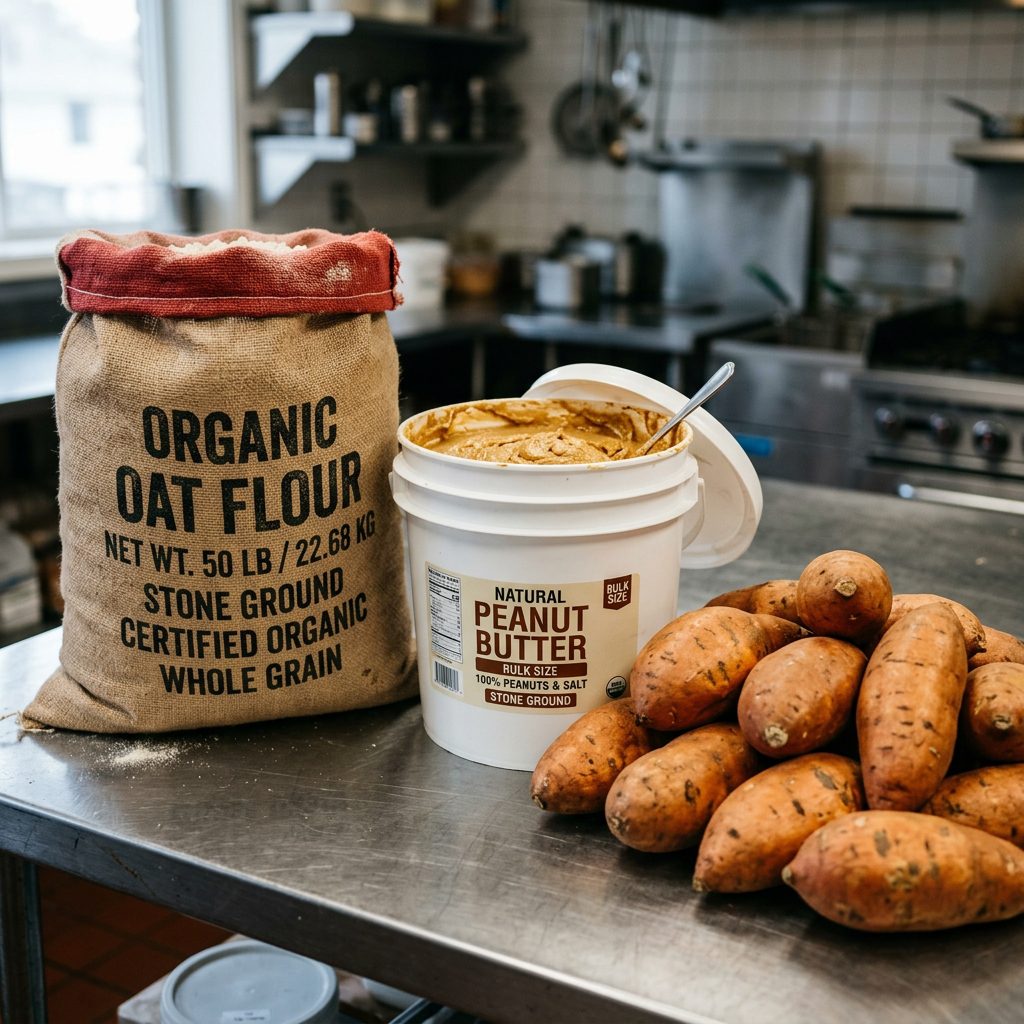
Just like we analyze the first five ingredients on a kibble bag to expose the fillers, we must analyze the cost of our first five ingredients in bulk. Usually, these are flours, proteins, and binders. If you’re paying $5.00 for a 2lb bag of oat flour, you’re paying for the convenience of the grocery aisle. A 50lb bag from a wholesale distributor might cost you $22.00. That is the difference between a $1.50/bag profit and a $6.00/bag profit.
Hacker Tip: Never buy ‘Pet Grade’ ingredients if you can help it. Often, ‘Human Grade’ wholesale is cheaper because the supply chain is more efficient and the volume is higher. Plus, it’s safer for the dogs.
| Ingredient | Grocery Store Price (Per lb) | Wholesale Price (Per lb) | Savings % |
|---|---|---|---|
| Organic Oat Flour | $3.50 | $0.44 | 87% |
| Peanut Butter (Xylitol-Free) | $4.80 | $1.90 | 60% |
| Dehydrated Sweet Potato | $9.00 | $3.20 | 64% |
| Eggs (Cage-Free) | $0.30/unit | $0.12/unit | 60% |
The Exact Wholesale Pricing Formula Revealed
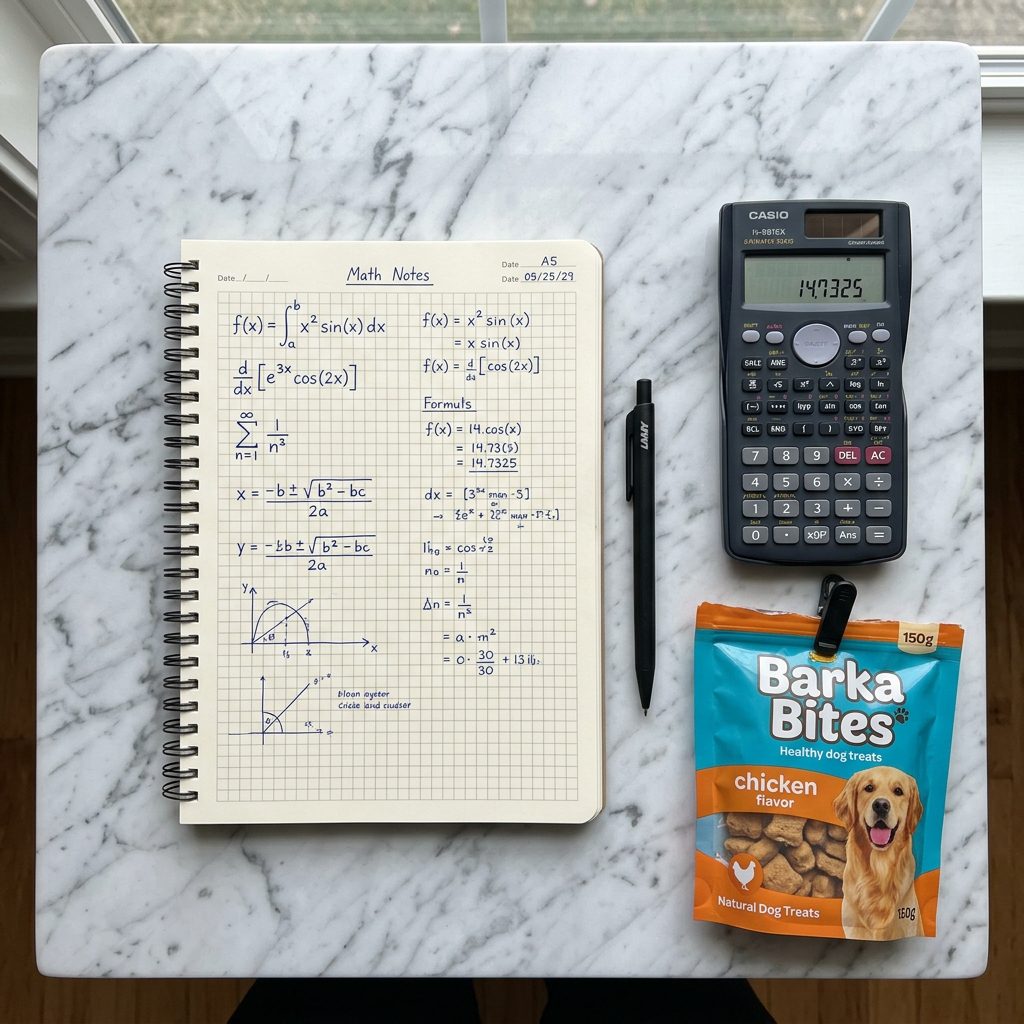
Most people make the mistake of ‘Cost + a Little Bit.’ That is a recipe for bankruptcy. Successful dog bakeries use a tiered multiplier system. You have to account for everything: ingredients, packaging, labor, and overhead. If you miss one, you’re paying the customer to eat your treats.
Step 1: Calculate Your COGS (Cost of Goods Sold)
Your COGS is the literal cost to produce one unit (e.g., one bag of treats). This includes:
- Ingredients: Every gram of flour and every drop of honey.
- Packaging: The bag, the label, the oxygen absorber, and the shipping box.
- Labor: Even if it’s just you, you MUST pay yourself a fair wage. If you don’t, your business isn’t profitable; it’s just a job you’re doing for free.
Step 2: The Formula
Once you have your COGS, apply the Wholesale Multiplier. The industry standard for wholesale is COGS x 2. This allows you to sell to boutiques and pet stores while still making a profit. Then, the retail price (what you sell to the end user) is Wholesale x 2 (or COGS x 4).
Insider Secret: If your COGS is $2.00, your wholesale price is $4.00, and your retail price is $8.00. This ensures that when a boutique buys from you at $4.00, they can mark it up to $8.00 and you both win.
The Filler Trap: Maintaining Nutrition While Saving Cash
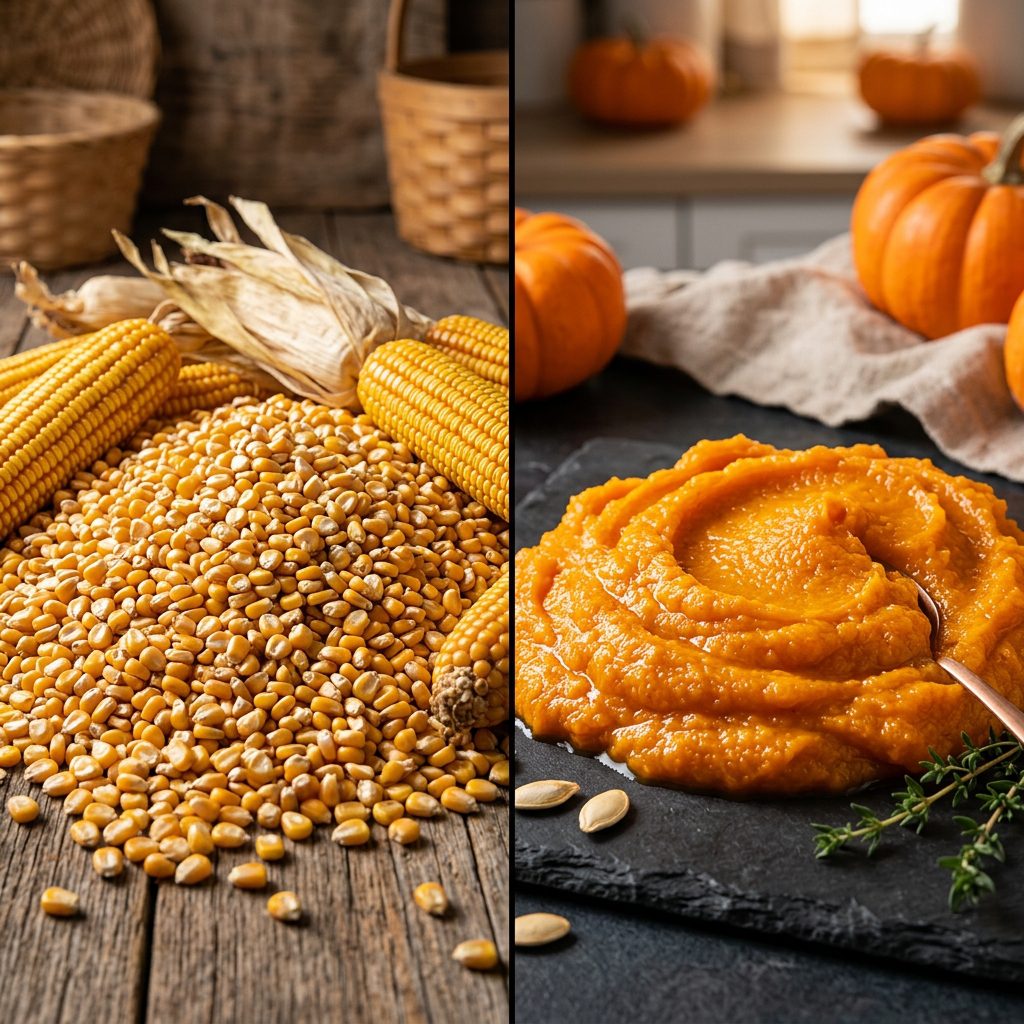
In the world of commercial dog food, fillers like corn gluten meal and soy hulls are used to bulk up the product for pennies. As a savvy dog bakery owner, you want to avoid these ’empty’ ingredients, but you also need to manage your costs. The secret is functional volume.
Hero Ingredients vs. Fillers
Instead of using cheap wheat (which many dogs are sensitive to), use unsweetened applesauce or pumpkin puree. These act as binders and moisture-multipliers. They are relatively inexpensive when bought in #10 cans (wholesale size) and provide massive nutritional value, allowing you to market your treats as ‘Digestive Aids’ or ‘Skin & Coat Support.’
The Cost Per Day Reality
When selling your treats, explain to the customer the Cost Per Day. A $12 bag of treats might seem expensive, but if it lasts 24 days, it’s only $0.50/day for premium, life-extending nutrition. Comparing that to the cost of a vet visit for a grain-allergy flare-up makes your product an absolute steal.
| Ingredient Type | The ‘Cheap’ Way | The ‘Hacker’ Way | Benefit |
|---|---|---|---|
| Binder | Corn Syrup | Unsweetened Applesauce | Low Glycemic, High Fiber |
| Protein | Meat ‘Meals’ | Dehydrated Liver Dust | High Palatability, Pure Protein |
| Flour | Bleached Wheat | Garbanzo Bean Flour | Grain-Free, High Protein |
Labor: The Invisible Profit Killer
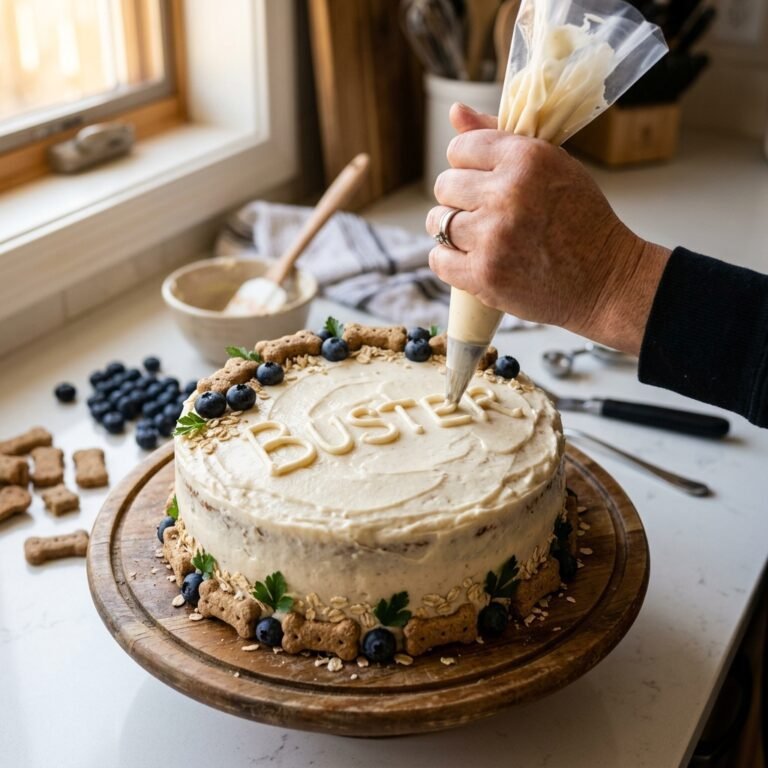
I see it all the time: a baker spends 4 hours decorating a single batch of ‘Pup-cakes’ and sells them for $20. If your ingredients cost $5, you just worked for $3.75 an hour. You’re better off flipping burgers. To be a successful ‘Canine Nutrition Hacker,’ you must optimize your labor-to-yield ratio.
Batch Cooking & Dehydration
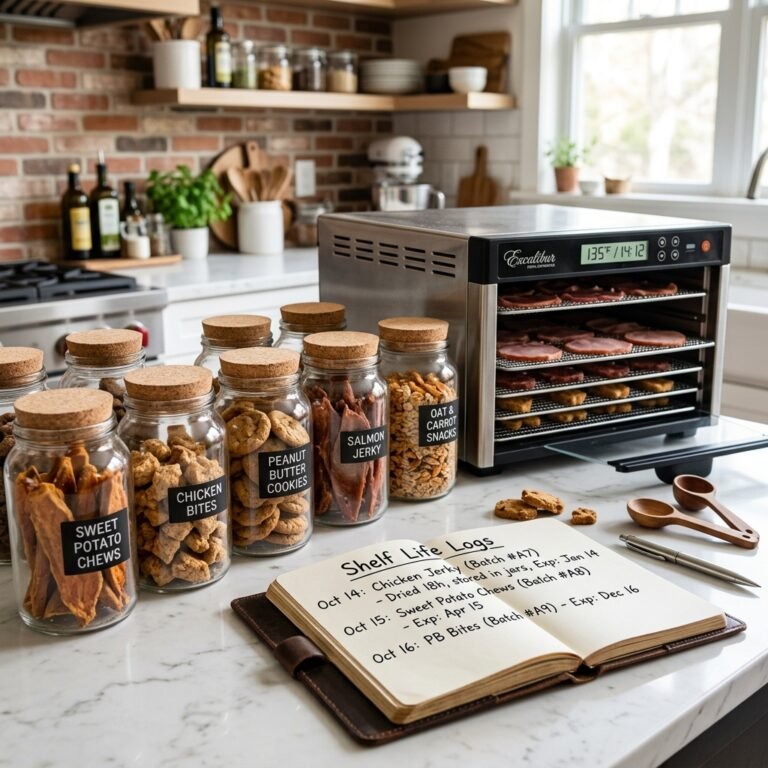
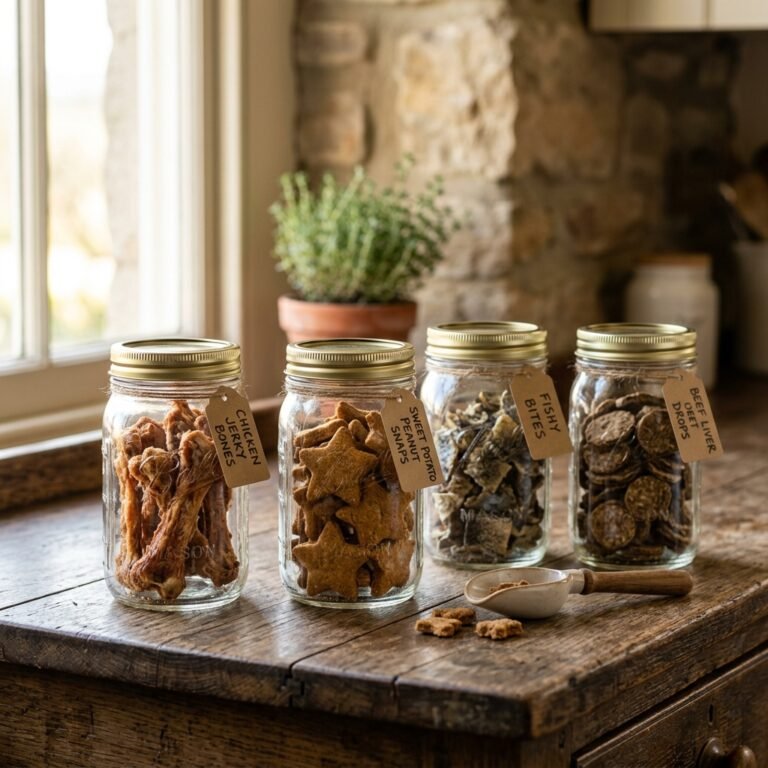
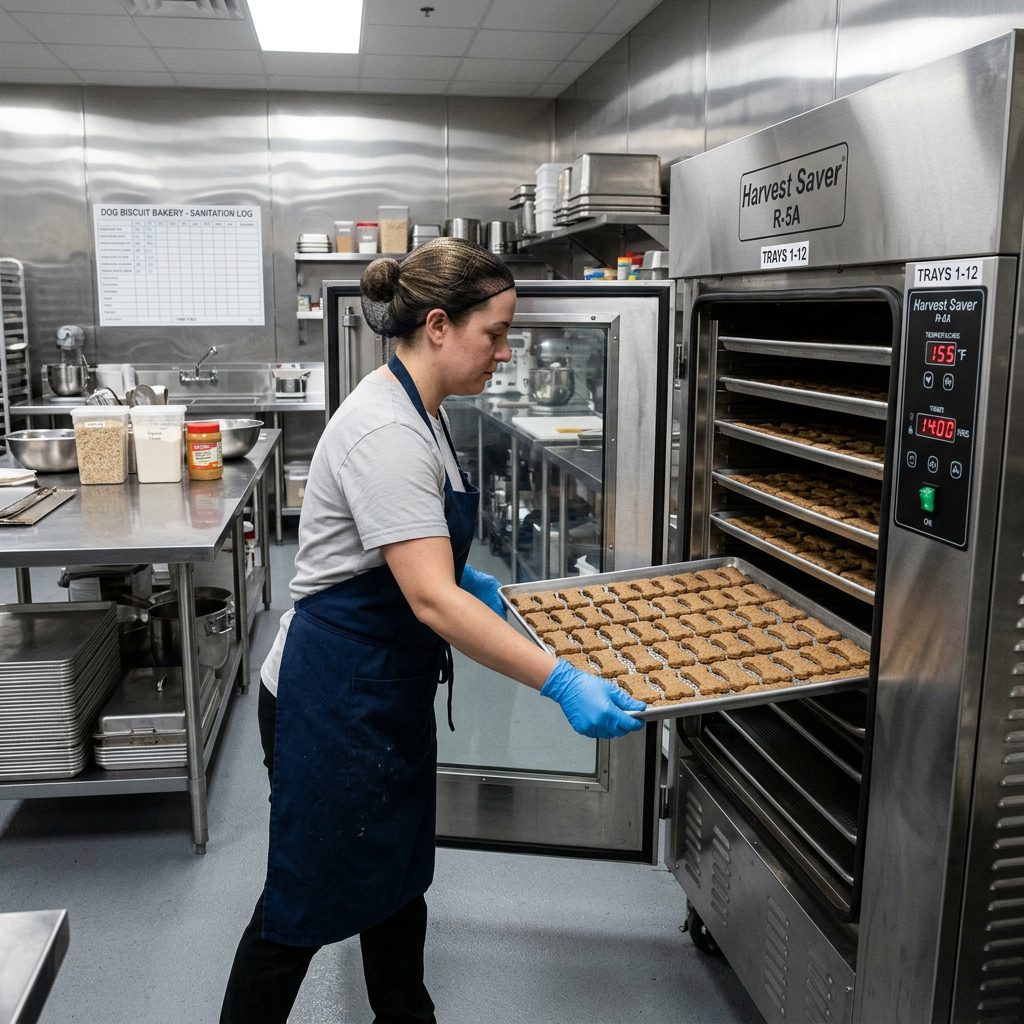
The most profitable dog bakeries focus on dehydrated treats or crunchy biscuits. Why? Because they have a long shelf life and can be made in massive batches with minimal ‘hands-on’ time. If you can prep 50 bags of treats in 2 hours, your labor cost per bag drops significantly.
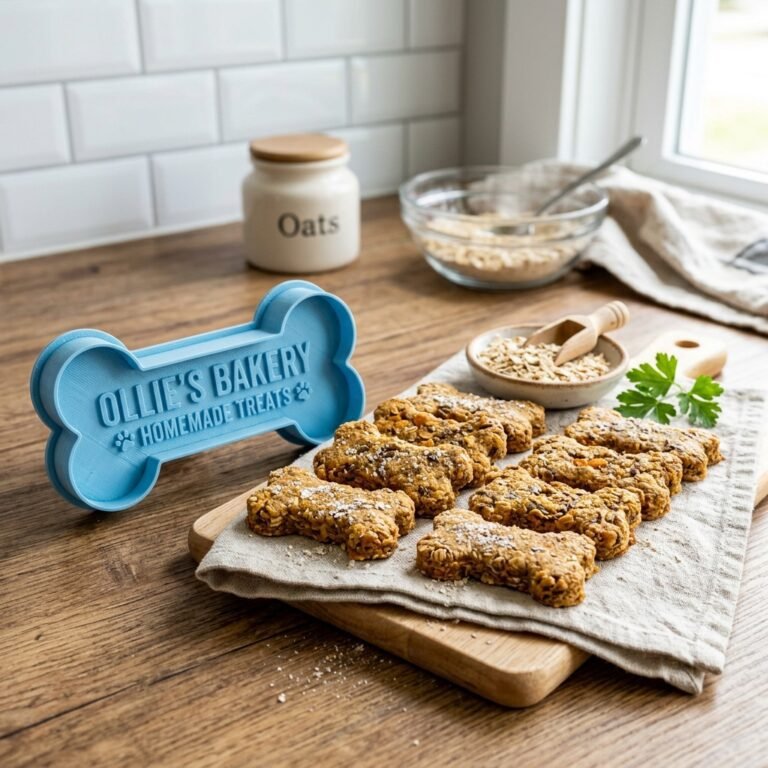
- Standardize your shapes: Use a multi-cutter or a rolling docker to cut 50 treats at once instead of using individual cookie cutters.
- Automate the drying: Use commercial dehydrators that can run overnight. This ‘passive labor’ is where the real money is made.
- Bulk Packaging: Don’t hand-tie every ribbon. Use heat-sealed bags with professional labels. It’s faster, safer, and looks more ‘insider.’
The Legal & Safety Audit: Protecting Your Assets
SAFETY DISCLAIMER: I am a nutrition hacker, not a veterinarian or a lawyer. Every state has different ‘Feed Laws.’ If you don’t follow them, you could face massive fines that will wipe out your profits faster than a Lab eats a steak.
Guaranteed Analysis (GA)
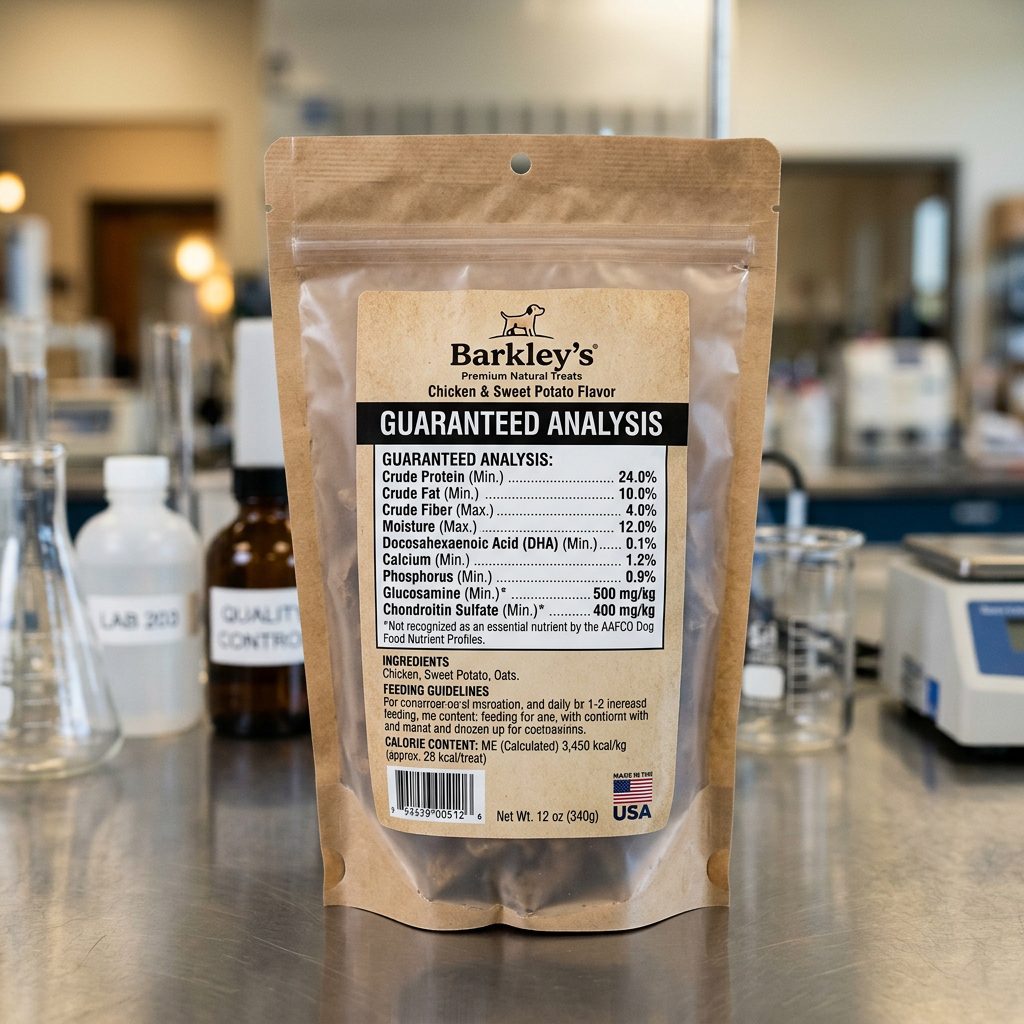
To sell wholesale, you almost certainly need a Guaranteed Analysis on your label. This means sending your treats to a lab to test for Protein, Fat, Fiber, and Moisture. It costs money upfront, but it’s a one-time expense per recipe that adds immense credibility to your brand.
Shelf-Life Testing
You cannot guess the shelf life. If you sell a ‘soft’ treat that grows mold in two weeks, you’re looking at a lawsuit. Moisture content is the enemy. Successful bakeries keep their moisture levels below 10% for crunchy treats to ensure they are shelf-stable without the need for toxic preservatives like BHA or BHT.
Hacker Tip: Use Vitamin E (Mixed Tocopherols) or Rosemary Extract as a natural preservative. They are ‘Hero Ingredients’ that also help with coat health, making your label even more attractive to savvy owners.
Conclusion
Building a successful dog bakery isn’t just about having a ‘good heart’—it’s about having a sharp mind. By using the wholesale pricing formula (COGS x 2 = Wholesale, Wholesale x 2 = Retail), sourcing your ingredients like a forensic investigator, and avoiding the labor traps that sink most hobbyists, you can create a business that actually thrives. You have the power to change the way dogs eat, one batch at a time, but you can only do that if your business is profitable enough to stay open. Stop guessing, start calculating, and let’s get those pups the nutrition they deserve without emptying your bank account. Now, go out there and hack your way to a more profitable kitchen!