From Couch to Business: The Ultimate Dog Bakery Kitchen Setup Checklist to Start Today!
The Dog Bakery Revolution is Here
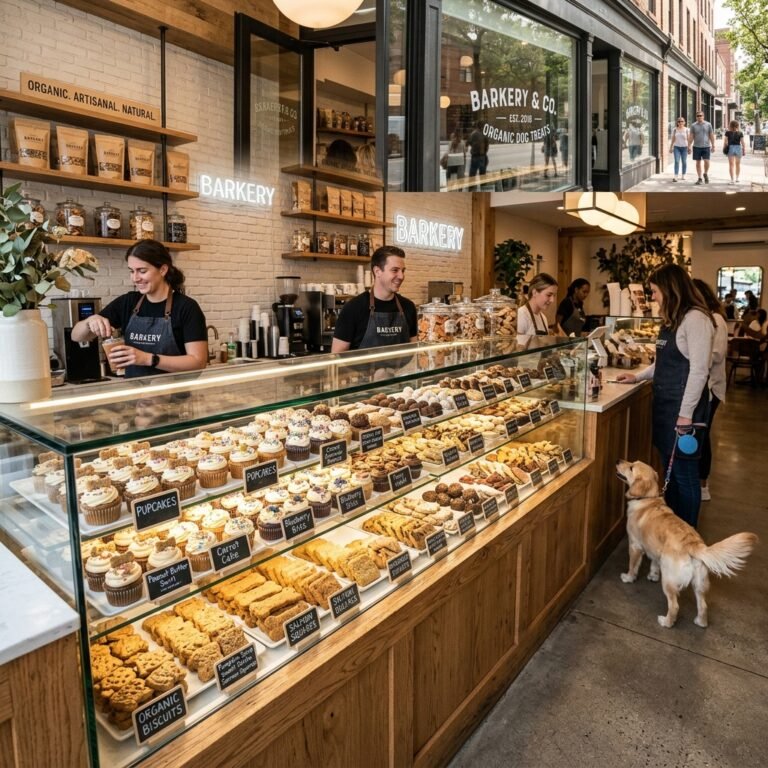
Listen, I get it. You are tired of looking at the back of a treat bag only to find ingredients that sound more like a chemistry project than actual food. You know your dog deserves better, and you’ve realized that other savvy dog owners feel the exact same way. That is where the ‘Canine Nutrition Hacker’ mindset kicks in. We aren’t just making cookies; we are disrupting an industry that has relied on fillers like corn gluten meal and artificial preservatives for far too long. Transitioning from baking for your own pup on the couch to running a full-scale dog bakery business is an empowering move, but it requires more than just a good recipe. It requires a strategy. In this guide, we are going to strip away the fluff and look at the forensic details of setting up a kitchen that is efficient, compliant, and profitable. Whether you are aiming for the local farmers’ market or a global e-commerce empire, this is your blueprint for success.
The Legal Blueprint and Safety First
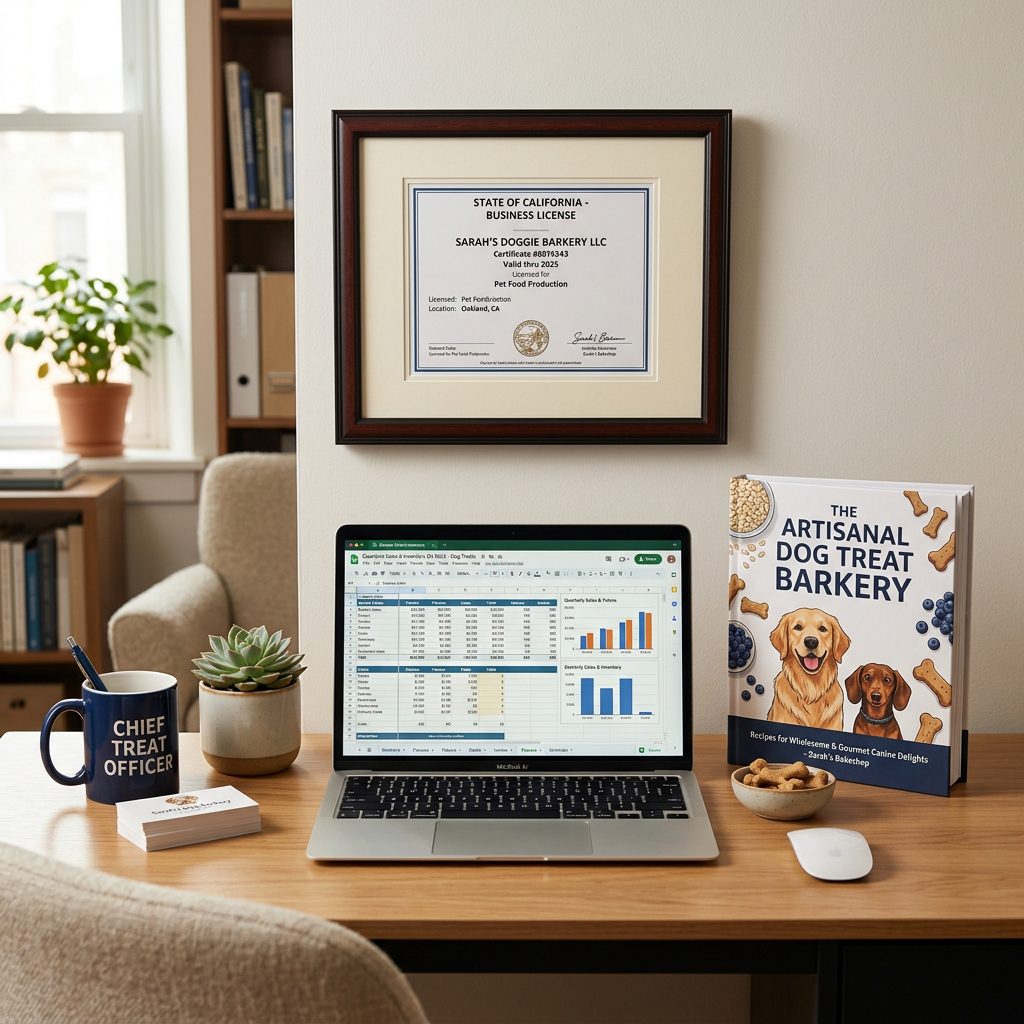
SAFETY DISCLAIMER: I am not a veterinarian, and I am not a lawyer. Before you sell a single biscuit, you must consult with your state’s Department of Agriculture and a legal professional. Pet food regulations are strict, and ‘treats’ fall under specific labeling and testing requirements.
Navigating the Red Tape
Before you buy your first bag of flour, you need to understand the legal landscape. Most states in the US have ‘Cottage Food Laws,’ but these often apply only to human food. For dogs, you are usually looking at a ‘Commercial Feed License.’ This involves submitting your recipes for Guaranteed Analysis testing to determine the levels of protein, fat, fiber, and moisture. Hacker Tip: Don’t let the paperwork scare you. Most inspectors are surprisingly helpful if you approach them early in the process. You will also need product liability insurance—because even the best-intentioned treat can lead to a ‘my dog got a tummy ache’ claim.
The Kitchen Zone
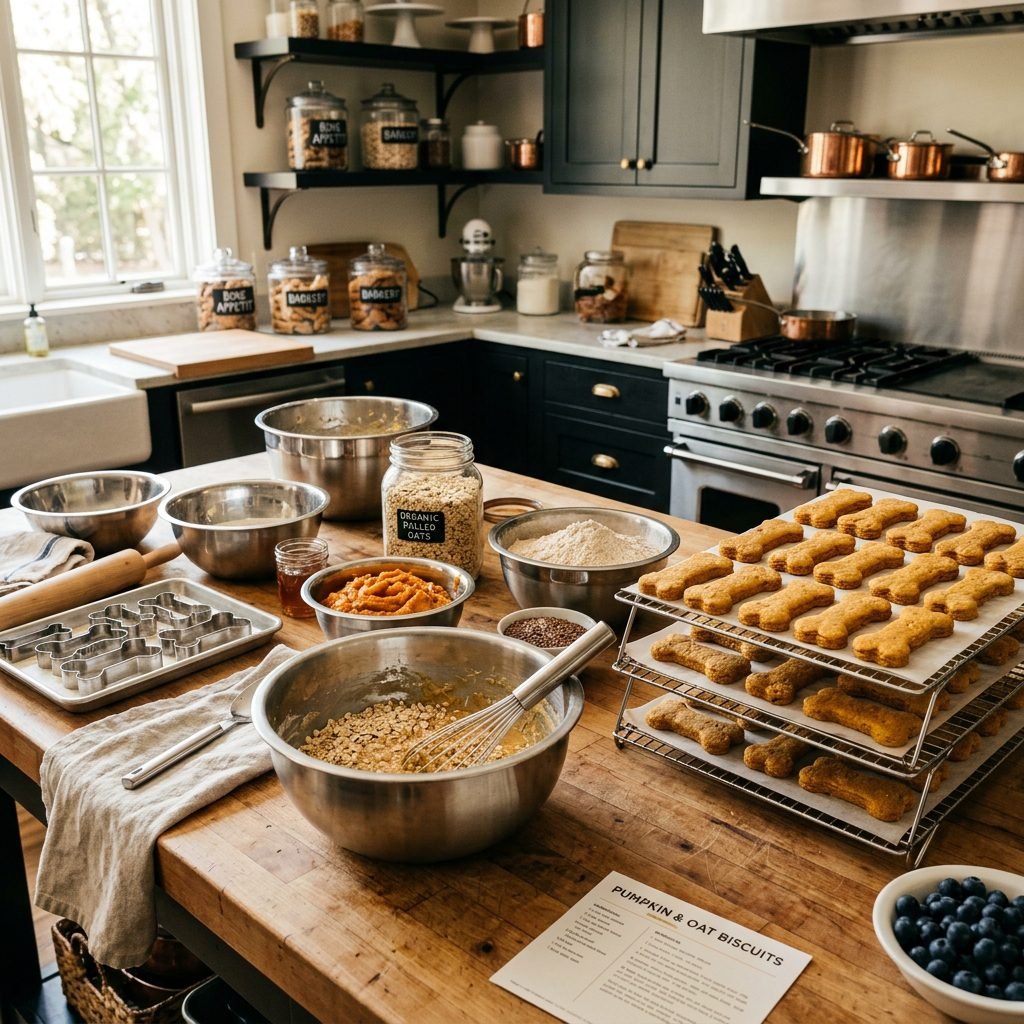
Your kitchen needs to be more than just clean; it needs to be ‘lab-grade.’ This means no cross-contamination. If you have pets of your own (which, of course, you do), they cannot be in the kitchen while you are producing business inventory. You need dedicated storage for your business ingredients to keep them separate from your personal groceries.
The Ingredient Forensic Lab: Hero vs. Villain
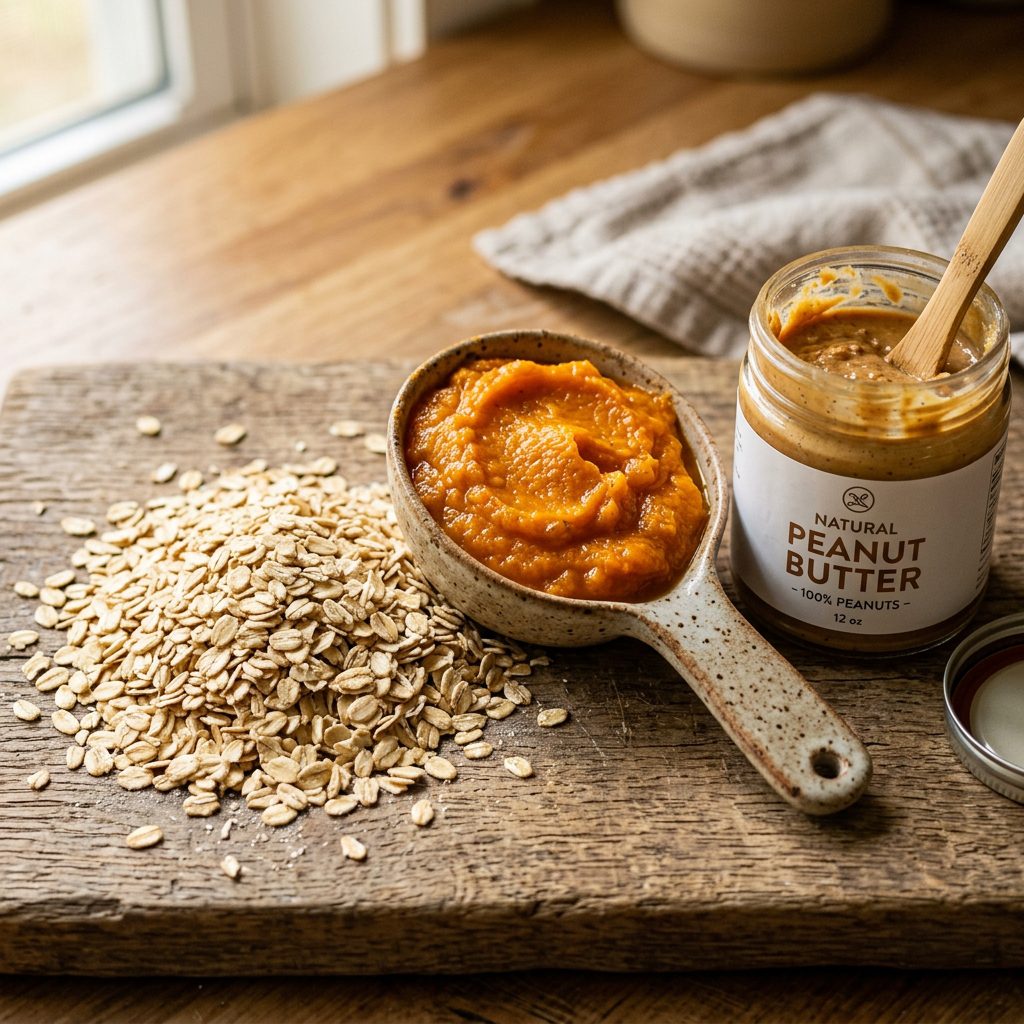
Exposing the Fillers
As a Canine Nutrition Hacker, your brand’s value lies in what you don’t use. Big Pet Food loves fillers because they are cheap. We use ‘Hero Ingredients’ because they provide actual nutritional value. Avoid at all costs: White flour, excessive salt, sugar, and anything containing Xylitol (Birch Sugar), which is lethal to dogs. Instead, reach for oat flour, coconut flour, or chickpea flour.
Cost Analysis: Bulk vs. Retail
To make a profit, you cannot buy 2lb bags of flour at the local grocery store. You need to source in bulk. Let’s look at the real-world cost breakdown of a standard batch of ‘Hacker Biscuits’ compared to premium store-bought alternatives.
| Ingredient Type | Retail Price (per lb) | Bulk Price (per lb) | Hacker Savings |
|---|---|---|---|
| Oat Flour | $3.50 | $1.10 | 68% |
| Pumpkin Puree | $2.80 | $0.95 | 66% |
| Peanut Butter (No Xylitol) | $4.00 | $1.80 | 55% |
| Eggs (Local/Bulk) | $0.40/ea | $0.15/ea | 62% |
By sourcing strategically, you can keep your cost per treat low while keeping your quality sky-high. This allows you to price your products competitively while maintaining a healthy 70% margin.
The Heavy Metal: Essential Equipment Checklist
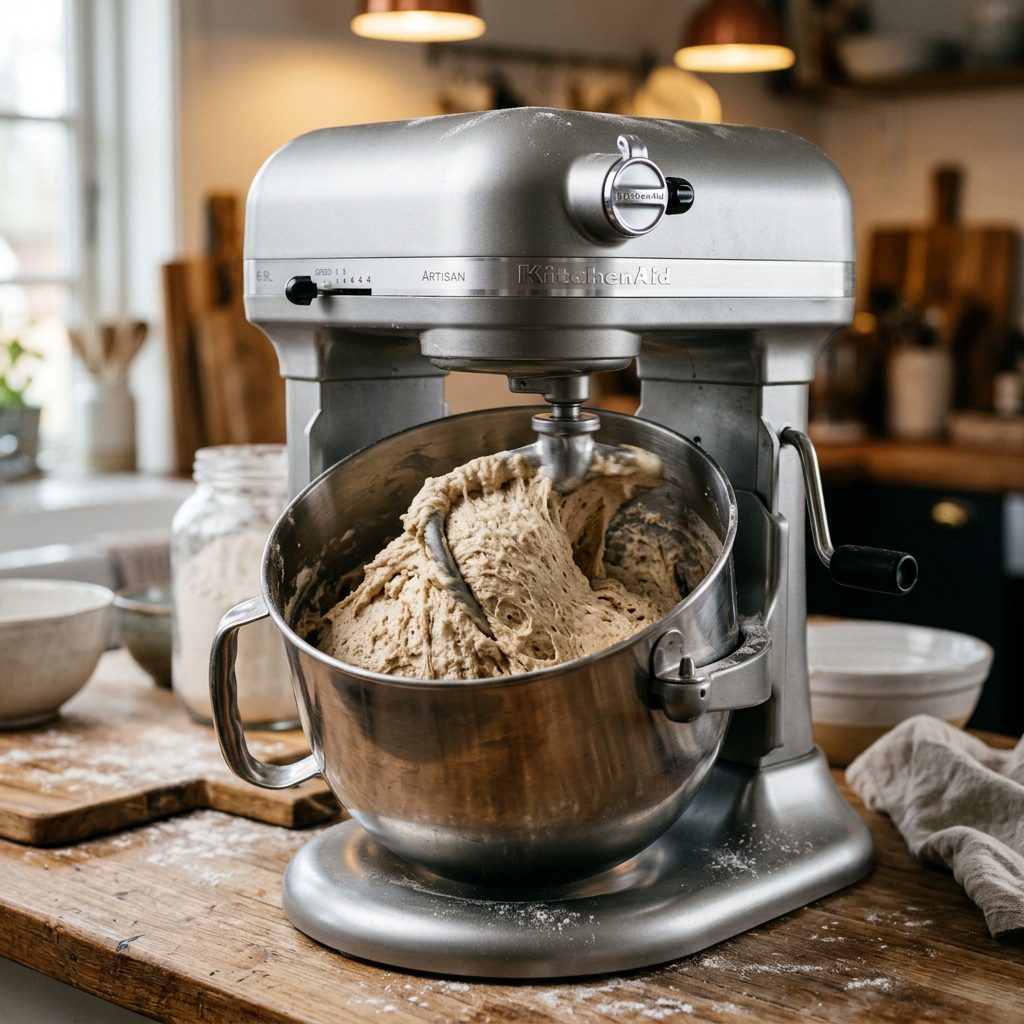
The Bare Bones Setup
You don’t need a $10,000 commercial oven to start today. You need reliable tools that can handle heavy doughs. Standard hand mixers will burn out within a week of making thick dog biscuit dough. You need a high-torque stand mixer. Look for refurbished professional models to save money.
- Commercial Grade Stand Mixer: Look for at least a 5-quart capacity.
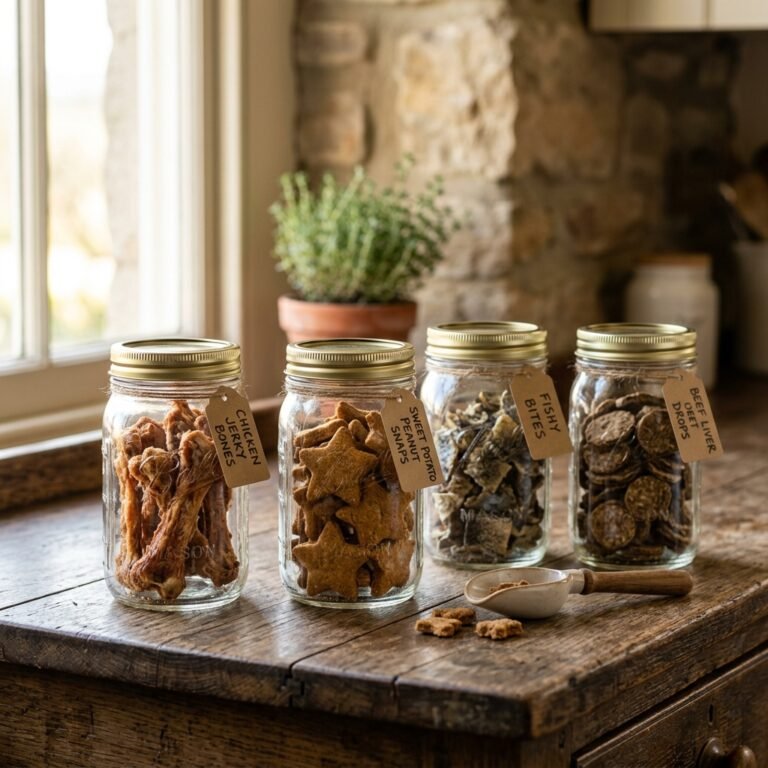
- Dehydrator: Essential for making shelf-stable ‘jerky’ treats or ensuring biscuits are bone-dry to prevent mold.
- Stainless Steel Work Tables: Non-porous surfaces are a must for hygiene.
- Digital Scales: You must measure by weight, not volume, to ensure consistency for your Guaranteed Analysis labels.
- Industrial Rolling Pins: Heavy-duty pins save your wrists when rolling out hundreds of biscuits.
The Secret Weapon: The Dehydrator
One of the biggest hurdles for dog bakeries is shelf life. Because we don’t use chemical preservatives like BHA or BHT, our treats can spoil. A high-quality dehydrator allows you to remove moisture after baking, extending shelf life from days to months without a single artificial additive. That is a massive selling point for savvy owners.
The Safe Chef Guide: Ratios and Batch Cooking
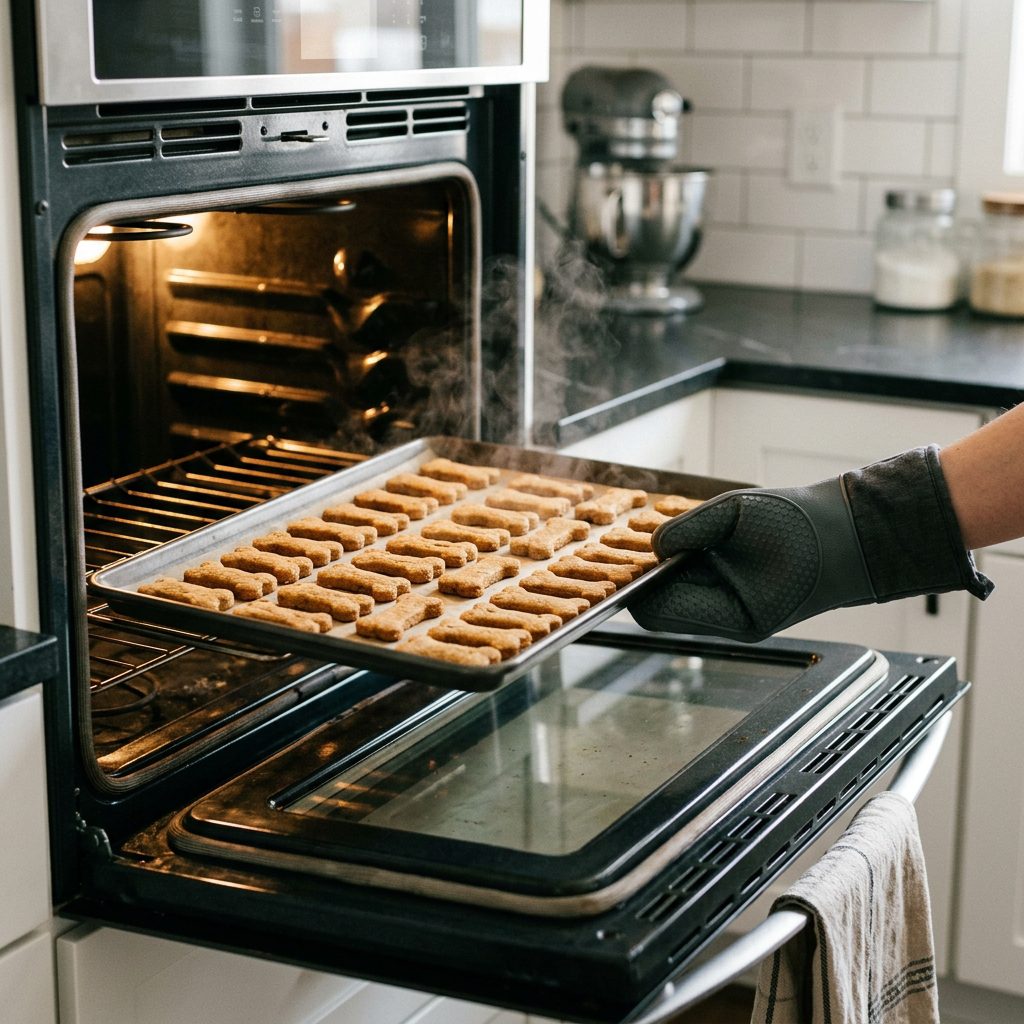
The Golden Ratio
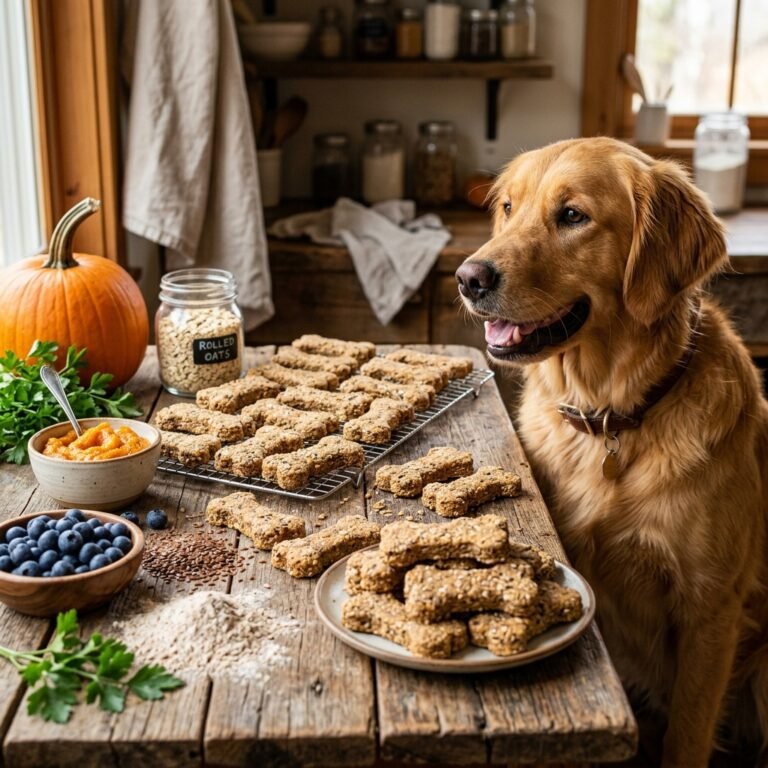
When formulating your treats, think in ratios. A standard, safe, and sturdy biscuit follows a 3:1:1 ratio: 3 parts flour (Oat/Chickpea), 1 part liquid (Water/Broth), and 1 part ‘Hero’ binder (Pumpkin/Applesauce/Peanut Butter). This ensures the dough is workable and the treats hold their shape.
Batch Cooking for Profit
Time is your most expensive ingredient. To scale, you must master batch cooking. Hacker Tip: Spend one day a week ‘Prep-Doughing.’ Make large batches of dough, wrap them tightly, and refrigerate. Spend the next day ‘Sheet-Baking.’ Use full-sheet pans instead of half-sheets to double your output per oven cycle.
Freezing and Storage
If you are making ‘soft-baked’ treats, you must account for moisture. These should be stored in the freezer and sold as ‘fresh-frozen’ or ‘refrigerate upon arrival.’ Never ship a soft-baked treat without testing its water activity levels first, or you risk sending a bag of mold to a customer.
Packaging and The ‘Street-Smart’ Launch
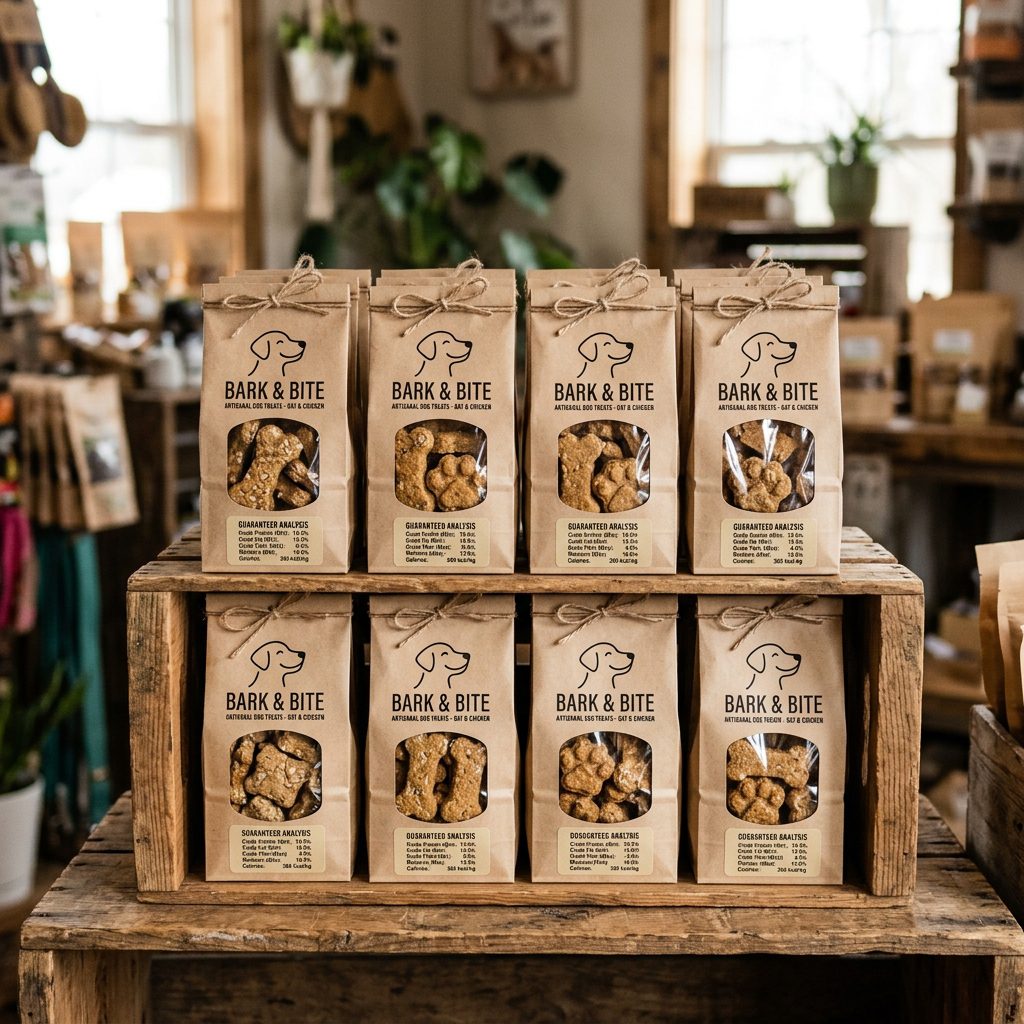
Forensic Packaging
Your packaging needs to do two things: keep the treats fresh and sell the ‘Hacker’ lifestyle. Use kraft paper bags with PLA liners (compostable plastic). They look artisanal and keep oils from seeping through. Mandatory Labeling: Your labels must include the product name, net weight, Guaranteed Analysis, ingredient list (in descending order by weight), and your business name/address. Check your local laws—some states require a specific font size for the net weight!
The Launch Strategy
Don’t wait for a website to be perfect. Start at the ‘Street Level.’ Farmers Markets are the ultimate testing ground. You get immediate feedback from the most important critics: the dogs. Bring ‘tester’ jars and watch which flavors the pups gravitate toward. If a dog snubs a treat, analyze why. Was it too hard? Not smelly enough? (Dogs hunt with their noses, so use high-aroma ingredients like dehydrated liver or fish skins to grab their attention).
Insider Secret: The ‘Puppy Cup’ or ‘Sample Bag’ is your best marketing tool. Give away a small, high-value sample with every human interaction. The dog will do the rest of the selling for you when they drag their owner back to your booth.
Conclusion
From Passion to Profession
Starting a dog bakery is more than just a business venture; it is a mission to improve the lives of our four-legged family members. By taking the ‘Canine Nutrition Hacker’ approach, you are choosing transparency over secrecy and quality over cost-cutting. You now have the checklist: the legal basics, the ingredient forensic tools, the equipment requirements, and the launch strategy. The pet industry is worth billions, but there is always room for someone who truly cares about what goes into the bowl. Stop dreaming about it and start preheating that oven. Your local pack is waiting for something better—and you are the one to give it to them.