Fat Dog No More: The Crunchy Low-Calorie Celery Bites That Helped My Dog Lose 5 Pounds
The ‘Puppy Eyes’ Trap and the 5-Pound Wake-Up Call
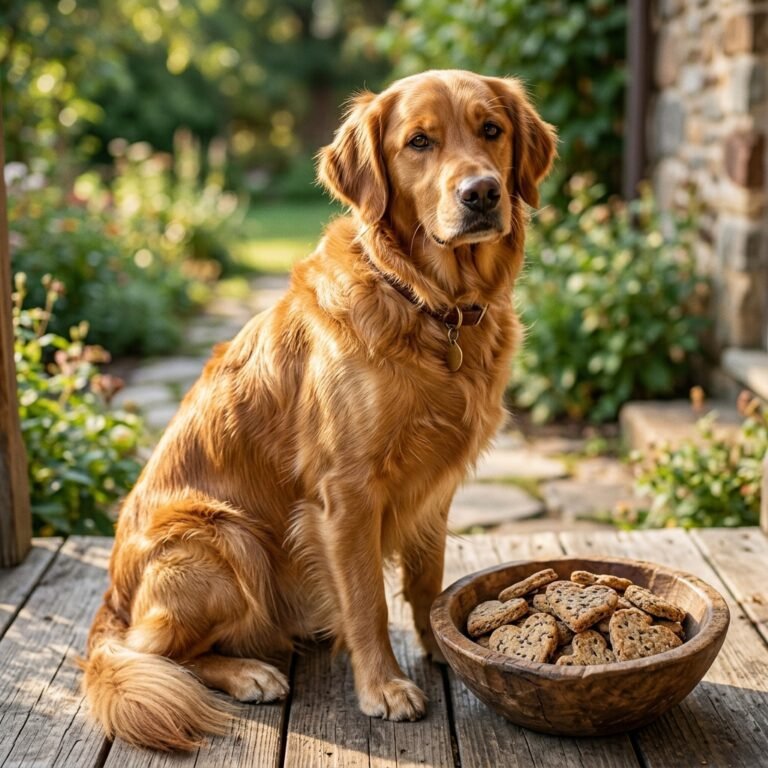
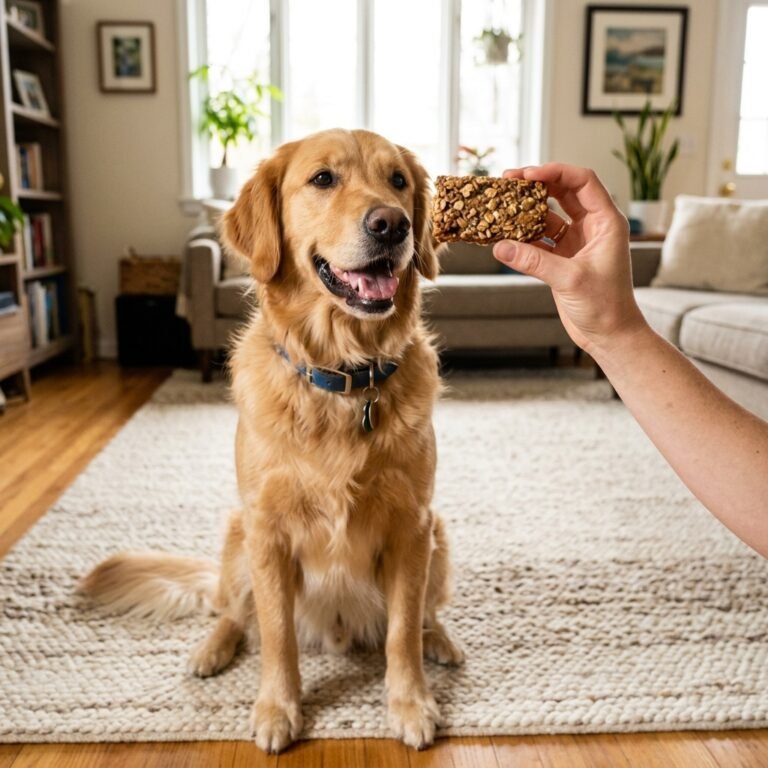
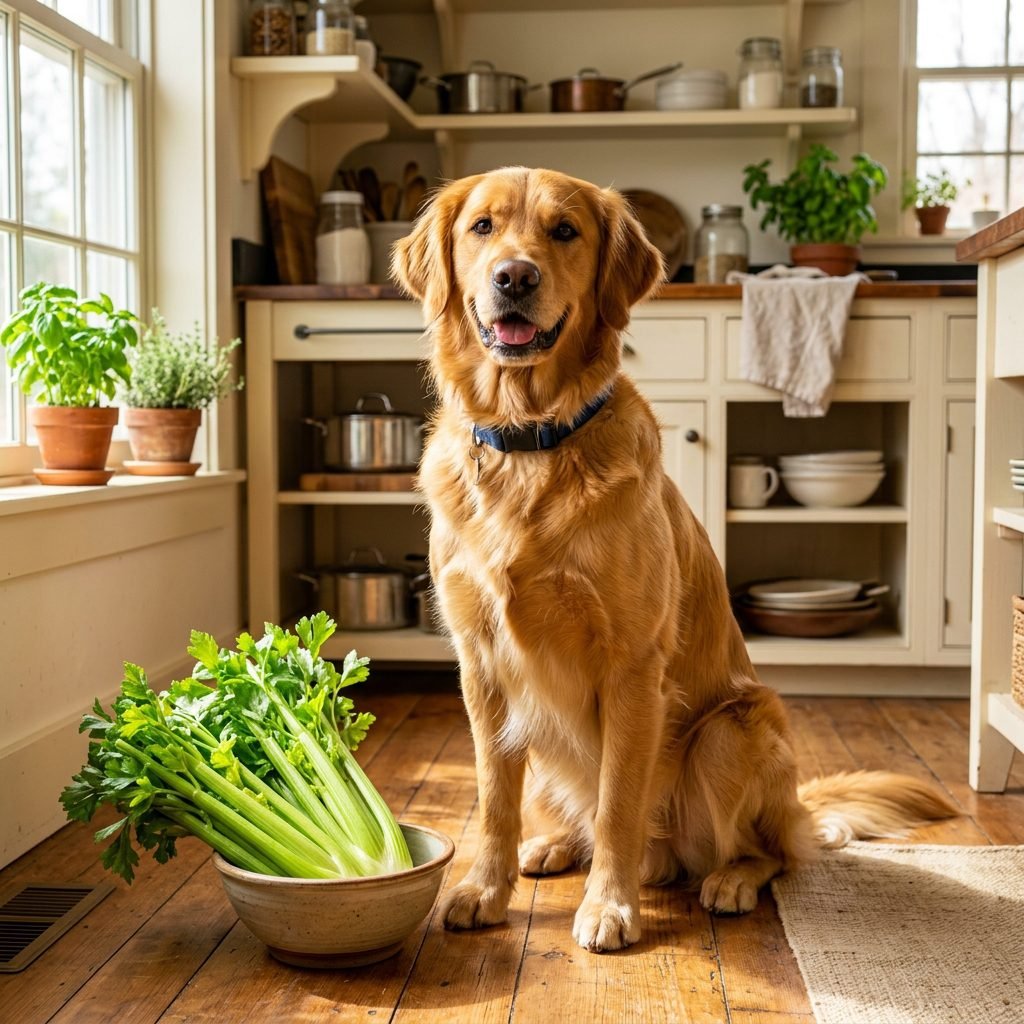
Let’s be real for a second: we’ve all been there. You’re sitting on the couch, and those big, soulful eyes start burning a hole in your soul. You think, ‘One more little biscuit won’t hurt, right?’ Fast forward six months, and your once-athletic pup looks more like a furry ottoman. That was me and my dog, Barnaby. When the vet told me he needed to lose five pounds, I felt like a failure. But as a Canine Nutrition Hacker, I knew I wasn’t going to just buy a bag of overpriced ‘prescription’ kibble filled with sawdust. I went into the lab (my kitchen) to find a better way. The secret weapon? Celery. Yes, that stringy green stuff you usually leave on the buffalo wing platter. In this guide, I’m going to show you exactly how these crunchy low-calorie bites transformed Barnaby from a sluggish sleeper into a high-energy athlete again. We aren’t just talking about a snack; we’re talking about a total nutritional pivot that saves you money and adds years to your dog’s life.
The Forensic Analysis: Why Your ‘Diet’ Dog Food is a Rip-Off
Exposing the ‘Weight Management’ Scam
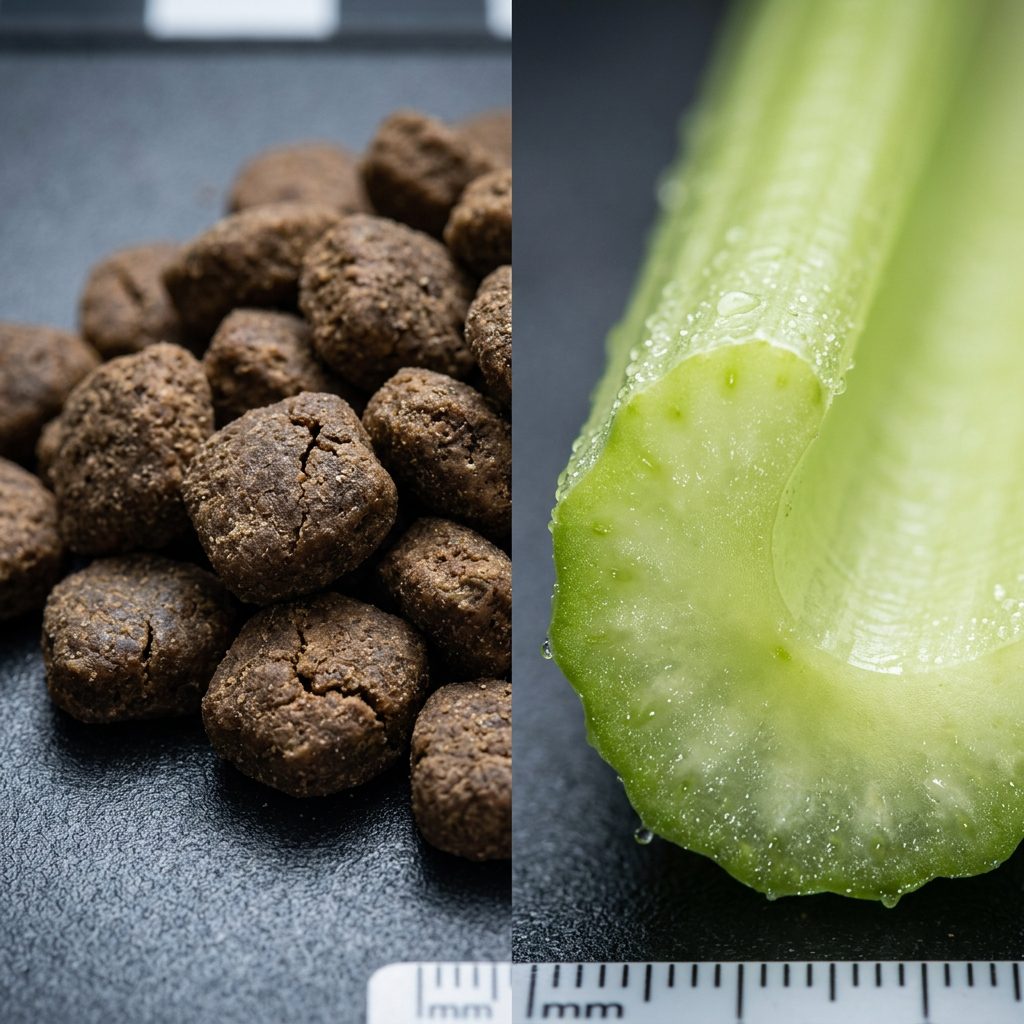
Before we get into the celery hack, we have to talk about the ‘Diet’ food industry. Most big-brand ‘Weight Management’ formulas are a masterclass in marketing over nutrition. When you look at the first five ingredients, you’ll often find things like corn gluten meal, soybean hulls, or the dreaded powdered cellulose. Do you know what powdered cellulose actually is? It’s basically refined wood pulp. They are literally filling your dog up with sawdust to make them feel full without adding calories. Why pay $80 a bag for wood pulp when nature gave us a better option? Celery is roughly 95% water and loaded with natural fiber. It provides that essential ‘crunch’ that dogs crave, satisfying their psychological need to chew without the caloric density of processed grains. By hacking the treat system and replacing ‘diet’ biscuits with celery, you’re cutting out the inflammatory fillers and replacing them with hydration and phytonutrients.
Insider Secret: The pet food industry relies on ‘palatants’—chemical coatings that make bland, low-quality diet kibble smell like a steakhouse. Don’t be fooled by the smell; look at the fiber source.
The Safe Chef Guide: The Golden Rules of Celery Prep
SAFETY DISCLAIMER: Read This First!
I am not a veterinarian. I am a dedicated researcher and dog advocate. Before starting any significant weight loss journey or introducing new foods, always consult with your vet, especially if your dog has underlying health issues like kidney disease or chronic pancreatitis. Every dog is an individual, and while celery is safe for most, moderation is the key to avoiding digestive upset.
The Art of the Chop
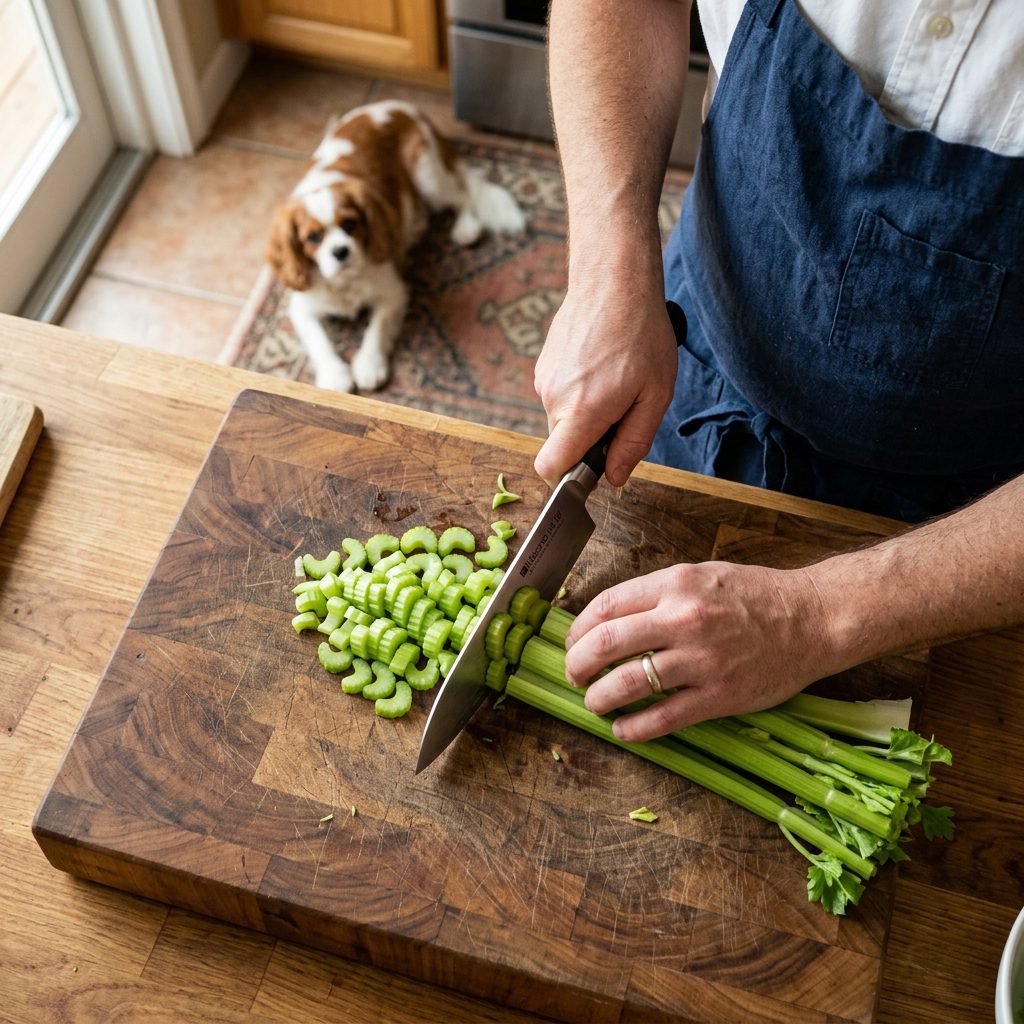
The biggest risk with celery isn’t the calories—it’s the strings. Long celery fibers can occasionally cause choking or even GI blockages in small dogs. To be a Safe Chef, you must follow these steps:
- Wash Thoroughly: Celery is often high in pesticide residue. Buy organic if your budget allows, or scrub it like you’re preparing for surgery.
- The 1/2 Inch Rule: Never give a dog a whole stalk. Cut the celery into small, bite-sized pieces roughly half an inch wide.
- The ‘String’ Check: For older dogs or tiny breeds, consider peeling the outermost layer to remove the toughest strings.
Why Celery is a Hero Ingredient
Beyond weight loss, celery contains Vitamin K, Vitamin A, and Vitamin C. It also contains a compound called apigenin, which has anti-inflammatory properties. Plus, it’s a natural breath freshener! If your dog has ‘dragon breath,’ the mechanical action of chewing celery helps scrape away minor plaque and leaves a fresher scent behind.
The Recipe: The ‘Bone Broth Infused’ Celery Crunchers
The Ultimate Low-Calorie Hack
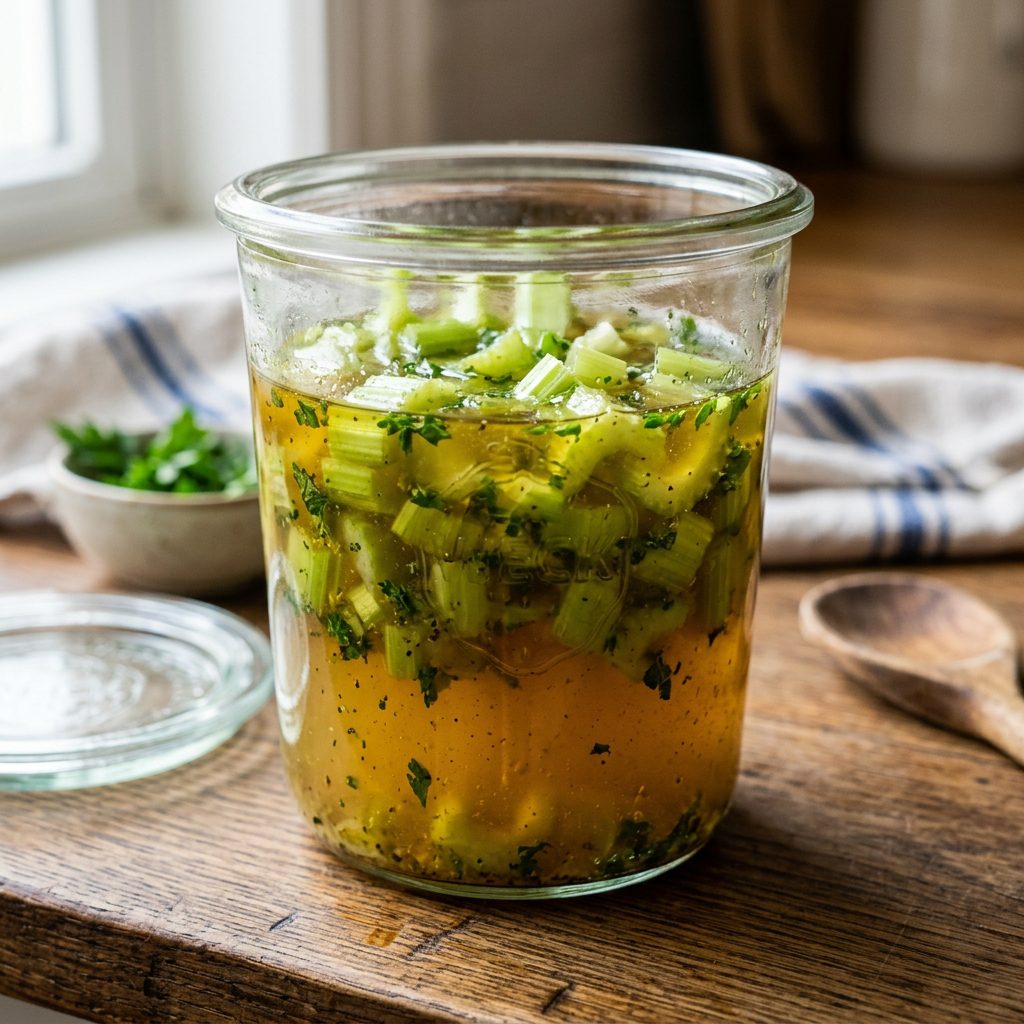
If your dog is a picky eater, they might look at a plain piece of celery like it’s a piece of cardboard. That’s where the ‘Infusion Hack’ comes in. We’re going to use the celery’s porous structure to soak up flavors they actually love.
Ingredients:
- 1 bunch of organic celery
- 1 cup of Unsalted, Onion-Free Bone Broth (Beef or Chicken)
- 1 teaspoon of dried parsley (optional, for extra breath-freshening)
Instructions:
- Clean and chop your celery into bite-sized pieces as discussed in the Safe Chef Guide.
- Place the pieces in a shallow container.
- Pour the bone broth over the celery until it is halfway submerged.
- Let it marinate in the fridge for at least 2 hours. The celery will soak up the meaty aroma.
- The Pro Tip: For a hot summer day, freeze these infused bites on a baking sheet. You’ve just created a ‘Puppy Popsicle’ that takes 10 minutes to chew but has almost zero calories.
Hacker Tip: If your dog is a peanut butter addict, you can put a tiny, paper-thin smear of Xylitol-free peanut butter in the ‘u-shape’ of the celery. It gives them the high-value taste they want with 90% less fat than a traditional PB-stuffed toy.
The Real Cost Breakdown: Savings for Your Wallet
Stop Overpaying for ‘Healthy’ Labeling
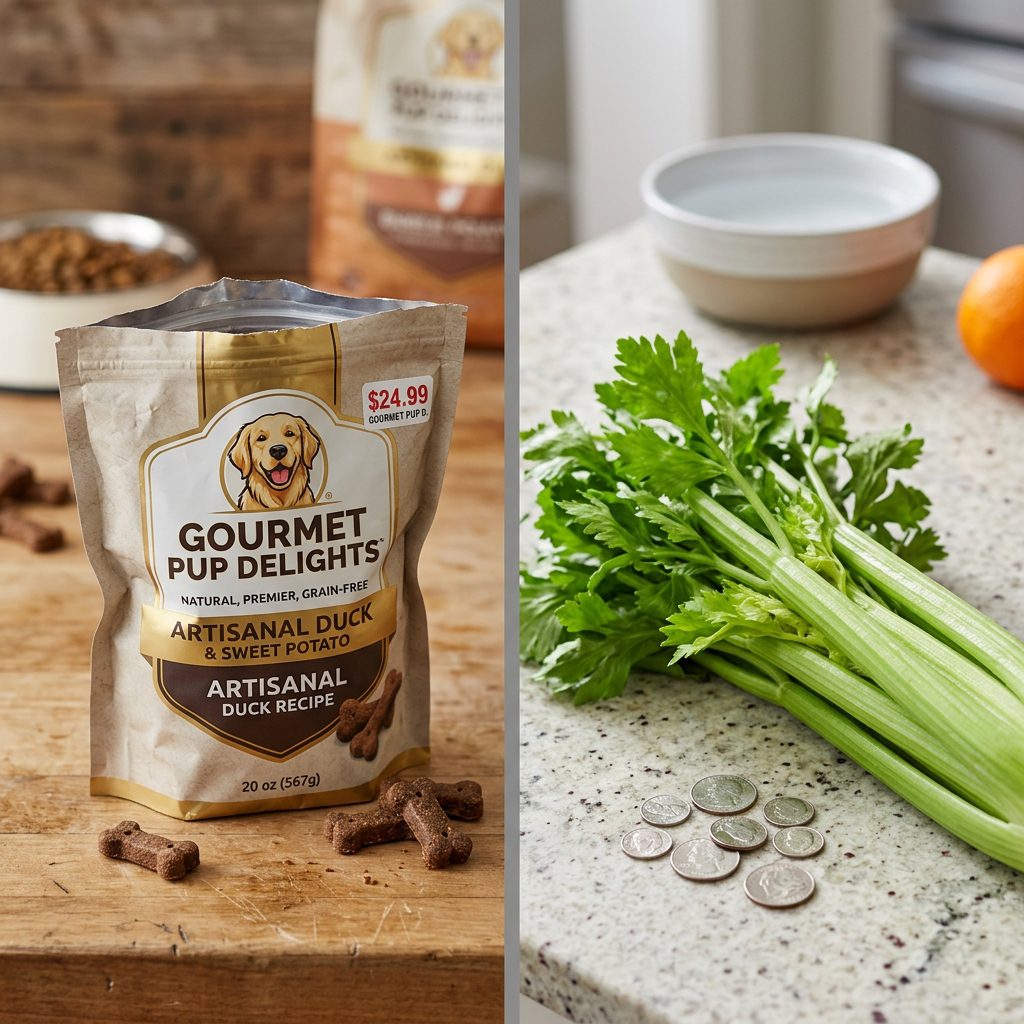
Being a savvy dog owner means knowing where your money goes. Let’s look at the math. A bag of high-end ‘Dietetic’ dog treats can cost you upwards of $15 for a 10oz bag. Those bags are usually filled with pea flour and ‘natural flavors.’ Meanwhile, a massive head of celery costs about $2.00.
| Feature | Store-Bought ‘Diet’ Treats | DIY Celery Crunchers |
|---|---|---|
| Price Per Serving | $0.75 – $1.20 | $0.05 – $0.10 |
| Primary Ingredient | Pea Flour / Cellulose | Water / Fiber / Vitamins |
| Calorie Count | 25-40 kcal per treat | ~1-2 kcal per bite |
| Preservatives | Citric Acid / Mixed Tocopherols | None (Fresh) |
| Verdict | Expensive Filler | The Hacker’s Choice |
By switching just half of your dog’s daily treats to celery crunchers, you can save approximately $30 to $50 per month. That’s money you can put toward higher-quality protein for their main meals or a new indestructible toy to keep them active!
The 5-Pound Plan: The ‘Volumetrics’ Strategy
How to Use Celery to Melt the Fat Away
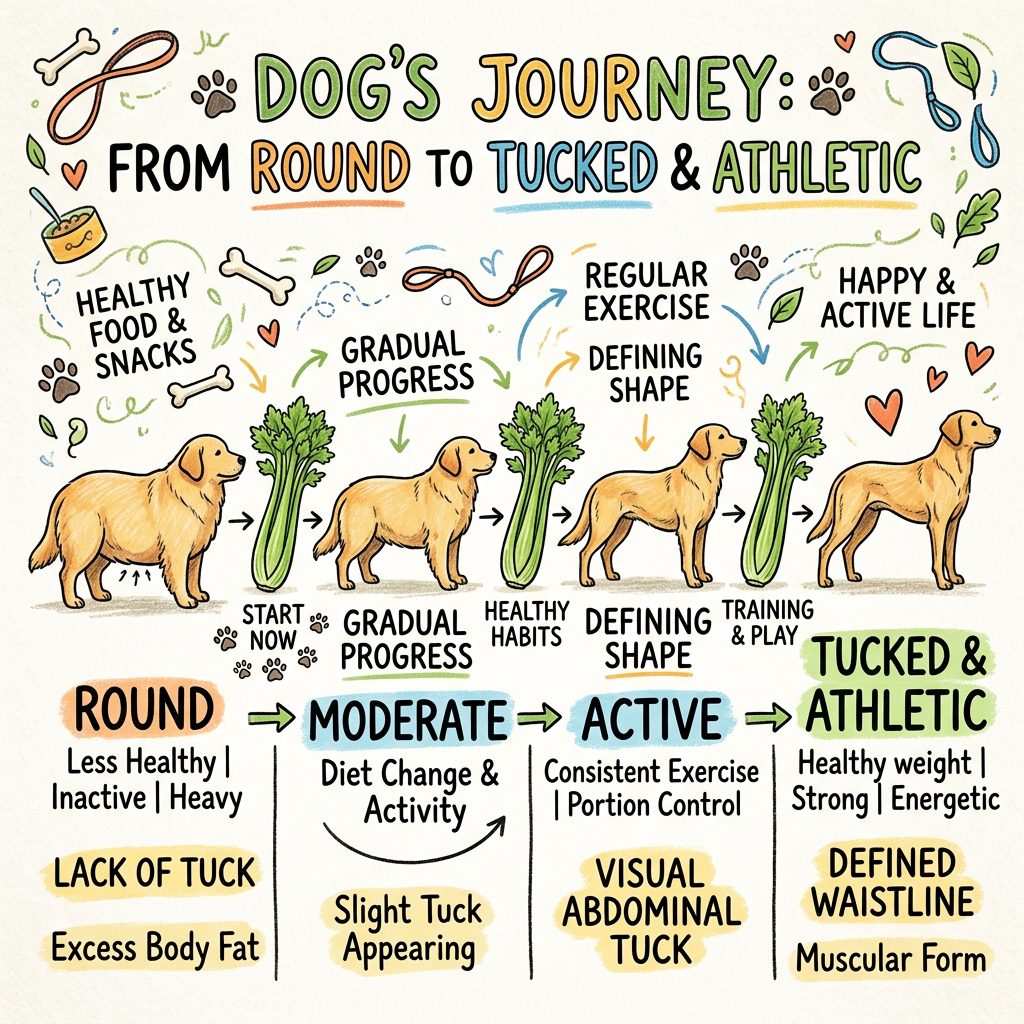
Losing 5 pounds isn’t just about treats; it’s about the ‘Volumetrics’ of the bowl. Volumetrics is a nutritional concept where you increase the volume of food while decreasing the calorie density. This prevents your dog from feeling ‘hangry’ and scavenging in the trash.
The 20% Swap
Instead of cutting your dog’s meal portion in half (which leads to a miserable, begging dog), try the 20% swap. Reduce their kibble by 20% and replace that physical space in the bowl with steamed or raw chopped celery and a splash of water. Your dog sees a full bowl, feels a full stomach, but is consuming significantly fewer calories.
Tracking Progress
Don’t just rely on the scale. Use the Body Condition Score (BCS). You should be able to feel your dog’s ribs without pressing hard, and they should have a visible ‘waist’ when viewed from above. When I started this with Barnaby, his energy levels spiked within two weeks because he wasn’t carrying that extra ‘luggage’ around his midsection.
Insider Secret: Weigh your dog once a week at the same time. If they haven’t lost weight after 14 days, increase the celery-to-kibble ratio slightly, but never exceed 25% vegetable replacement without checking with a nutritionist.
Conclusion
A Leaner, Longer Life Starts in the Produce Aisle
Losing weight doesn’t have to be a miserable experience for you or your dog. By hacking the system with celery bites, you’re providing the crunch, the hydration, and the satiety your dog needs without the ‘junk’ found in commercial weight-loss products. Barnaby lost his 5 pounds in about three months, and the difference is night and day. He’s jumping into the car again, his breath is better, and I’m saving a fortune at the pet store. Remember, you are the gatekeeper of your dog’s health. Don’t let the shiny packaging of ‘diet’ foods distract you from the simple, forensic truth: real food wins every time. Now, go grab a bunch of celery and start your pup’s transformation today!