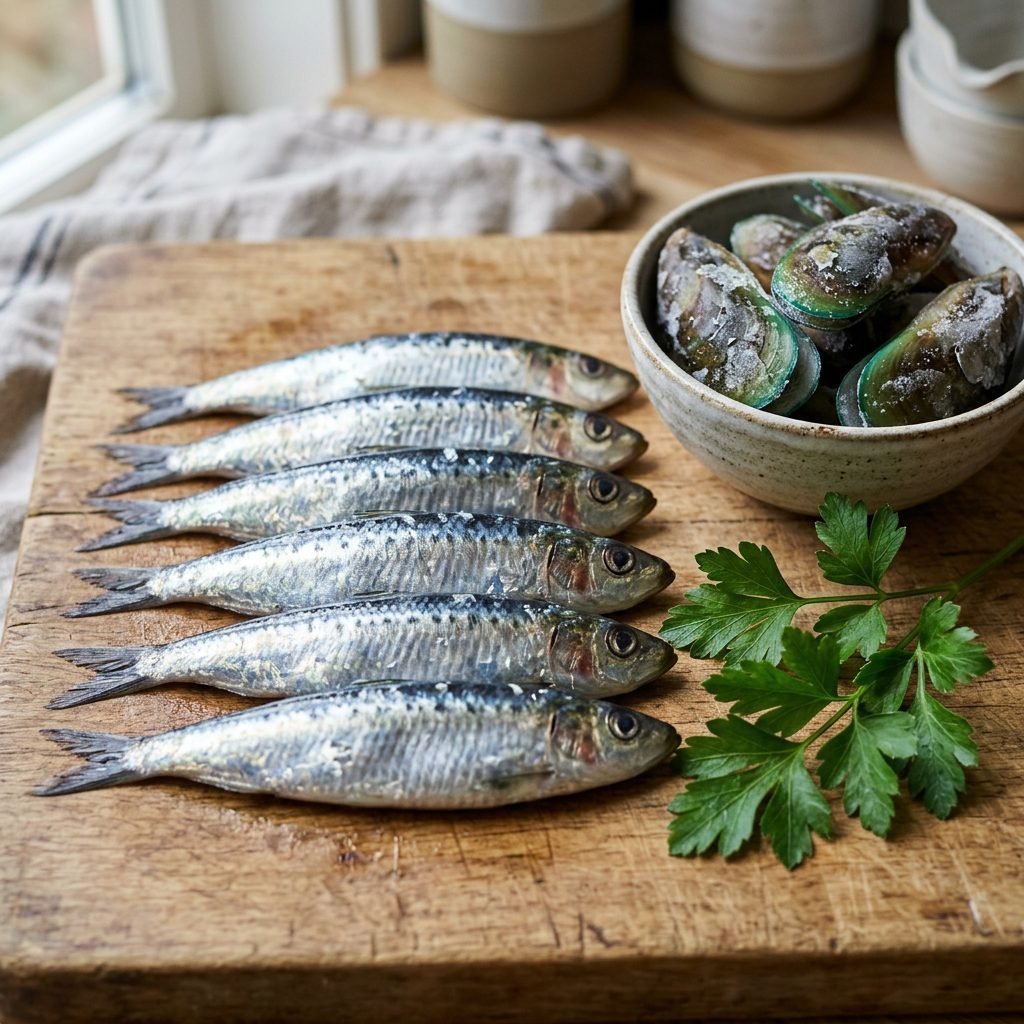
The Smelly Frozen Sardine Treats That Restore Shiny Coats Overnight!
Let’s be real for a second: the pet industry is a master at selling us overpriced solutions for problems that nature solved thousands of years ago. You’ve seen those ‘Skin and Coat’ chews at the boutique pet store, right? The ones that cost $45 for a thirty-day supply and are mostly made of potato starch and synthetic flavorings? As a Canine Nutrition Hacker, those labels make my blood boil. We are smarter than that. We don’t need fancy packaging; we need raw, bioavailable nutrients. If you want your dog to have a coat so shiny it practically glows in the dark, you don’t need a chemist—you need a fishmonger. Specifically, you need the humble, smelly, and incredibly powerful sardine. In this guide, I’m going to strip away the marketing fluff and show you how to use frozen sardines to achieve a ‘show-dog’ shine overnight. We’re talking about real results, real savings, and a dog that will absolutely lose their mind every time you open the freezer door.
The Science of the Stink: Why Sardines are Nutrition Gold
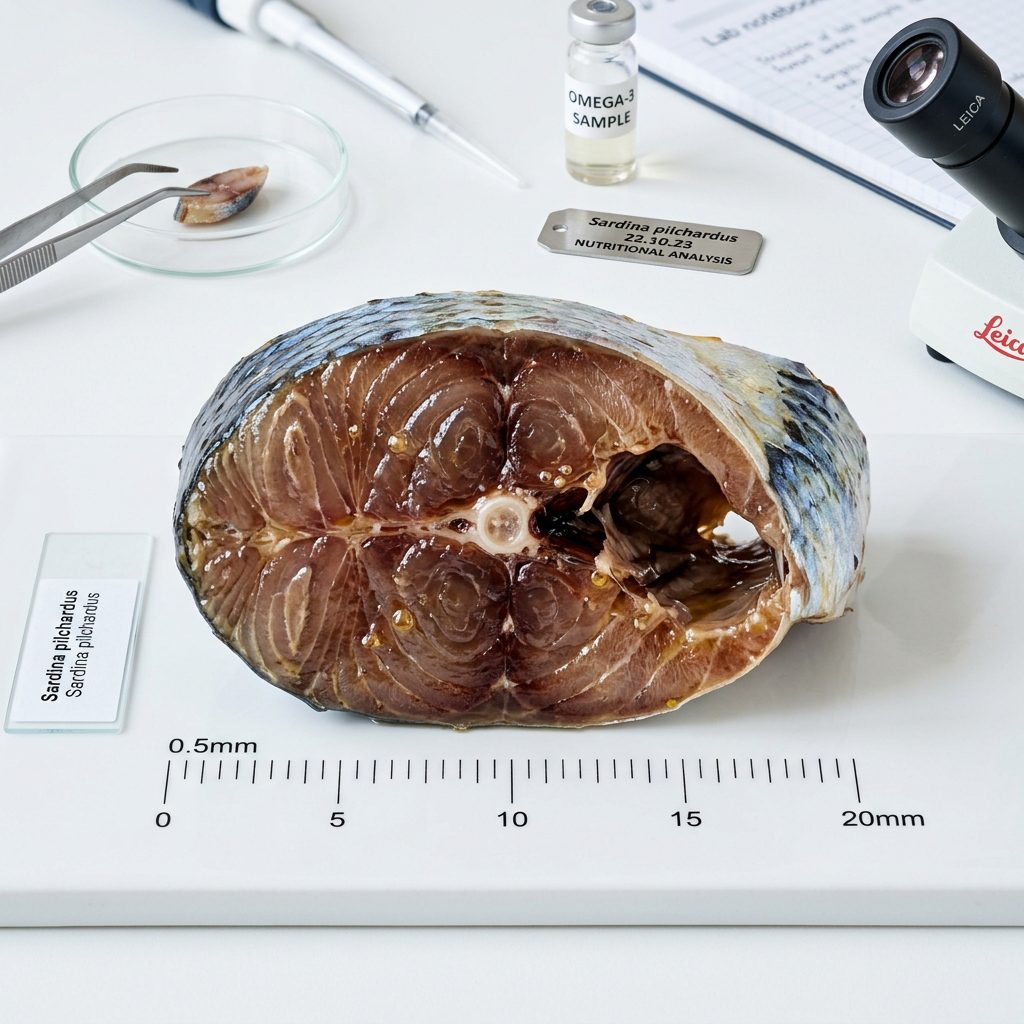
Before we get into the ‘how,’ we need to talk about the ‘why.’ I’m not a veterinarian, and this isn’t medical advice—I’m a guy who reads white papers and analyzes nutrient densities for fun. SAFETY DISCLAIMER: Always consult with your vet before adding new proteins to your dog’s diet, especially if they have a history of pancreatitis or fish allergies.
The Omega-3 Powerhouse
Sardines are packed with EPA (Eicosapentaenoic Acid) and DHA (Docosahexaenoic Acid). These aren’t just buzzwords; they are long-chain Omega-3 fatty acids that act as the building blocks for healthy skin cells. While many kibbles claim to have Omega-3s, the high-heat extrusion process often turns those fragile fats rancid before the bag even hits the shelf. By feeding frozen, whole sardines, you are providing these fats in their most stable, bioavailable form.
The Low-Mercury Advantage
One of my favorite ‘insider secrets’ is the food chain rule. The bigger the fish (like tuna or salmon), the more heavy metals like mercury they accumulate over their lifespan. Sardines are at the bottom of the food chain. They eat plankton, they live fast, and they die young. This means they have virtually zero heavy metal accumulation compared to the ‘premium’ fish oils derived from larger species. You’re getting the purity of a high-end supplement for the price of a snack.
Insider Secret: The ‘overnight’ glow isn’t magic; it’s sebum production. The high fat content in sardines stimulates the sebaceous glands to produce a thin layer of protective oils on the skin, which reflects light and creates that signature gloss.
The Real Cost Breakdown: DIY vs. Store-Bought
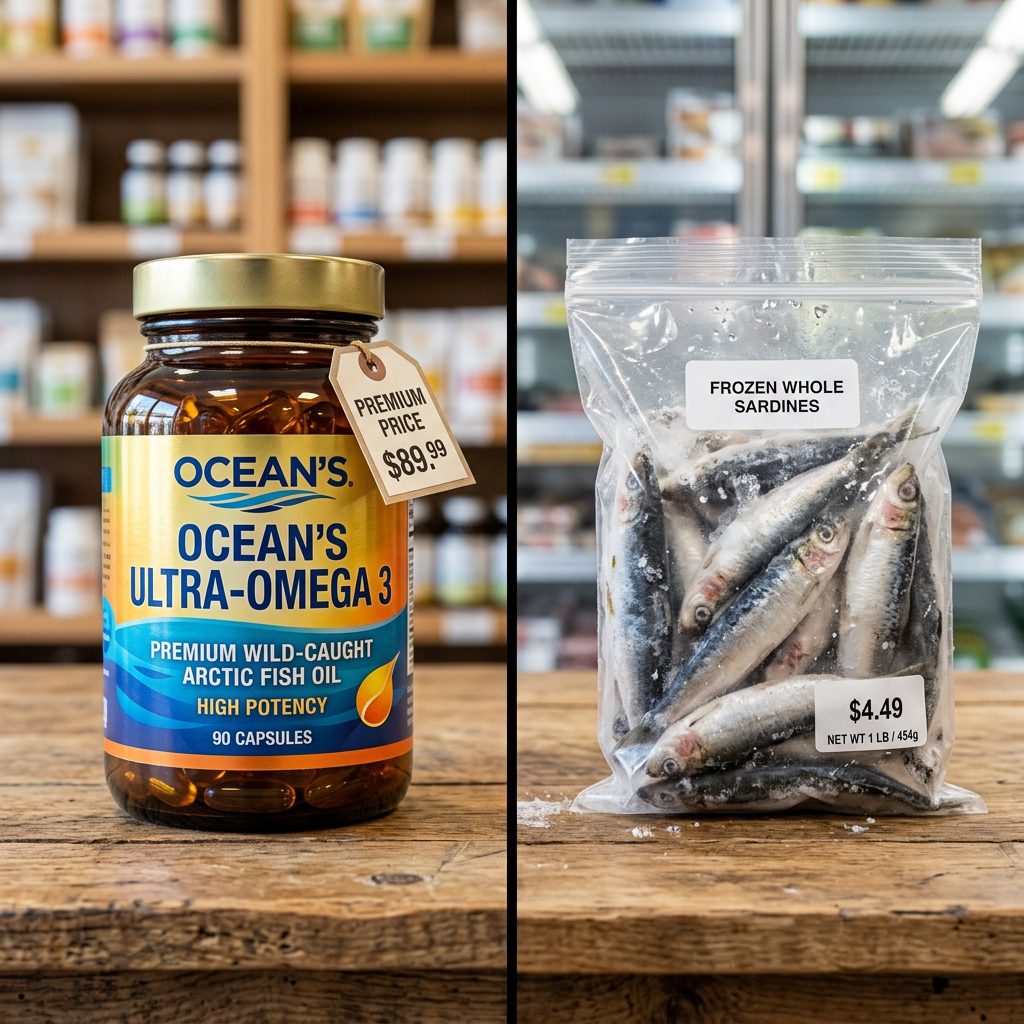
Let’s talk numbers. As a savvy owner, you know that ‘premium’ labels often hide mediocre margins. I’ve run the forensic analysis on the cost of sardines versus the leading ‘Skin & Coat’ soft chews. The results are embarrassing for the big brands.
| Product Type | Daily Cost (50lb Dog) | Main Ingredient | Verdict |
|---|---|---|---|
| Premium ‘Skin’ Chews | $1.50 – $2.10 | Potato Starch / Glycerin | Overpriced Filler |
| Fish Oil Pump Bottle | $0.85 – $1.20 | Processed Oil (often rancid) | Convenient but Risky |
| Frozen/Canned Sardines | $0.30 – $0.45 | Whole Sardines | The Hacker’s Choice |
By switching to whole sardines, you aren’t just saving over $400 a year; you are providing a complete protein source, calcium from the soft bones, and Vitamin D. You are essentially getting a multivitamin for free with your coat supplement.
The ‘Sardine Pop’ Recipe: Step-by-Step
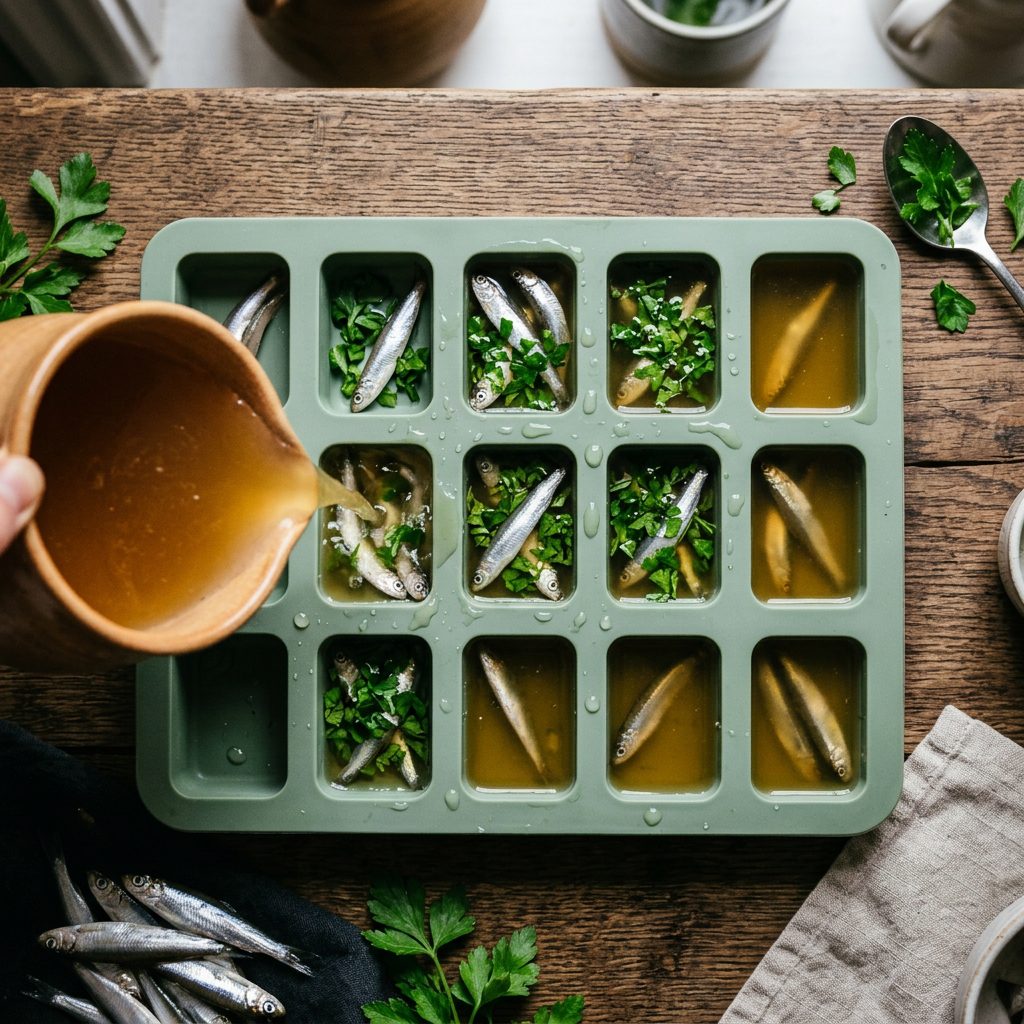
You can’t just toss a frozen fish at your dog and call it a day—well, you can, but we’re hackers, so we do it better. We want to maximize absorption and minimize the ‘breath’ factor. Here is my go-to recipe for The Frozen Sardine Pop.
Ingredients & Ratios
- 1 Bag of Frozen Sardines (Wild-caught, no salt added).
- 1 Bunch of Fresh Parsley (The secret weapon for neutralizing the smell).
- 1 Cup of Bone Broth (Unsalted, no onions or garlic).
- Optional: 1 Tablespoon of Coconut Oil for extra medium-chain triglycerides.
Instructions
- Thaw the sardines just enough so you can separate them.
- Finely chop the parsley. Parsley is a natural deodorizer and provides a hit of Vitamin K.
- In a silicone mold (the ones for ice cubes work great), place one whole sardine (or half if you have a small dog).
- Sprinkle a pinch of parsley over the fish.
- Fill the remaining space with bone broth.
- Freeze for 4 hours until solid.
Batch Cooking Tip: I usually make a month’s supply at once. These ‘pops’ keep perfectly in the freezer, and because they are encased in ice, the fishy smell is contained until the moment your dog starts crunching.
Sourcing Secrets: Don’t Get Scammed at the Grocery Store
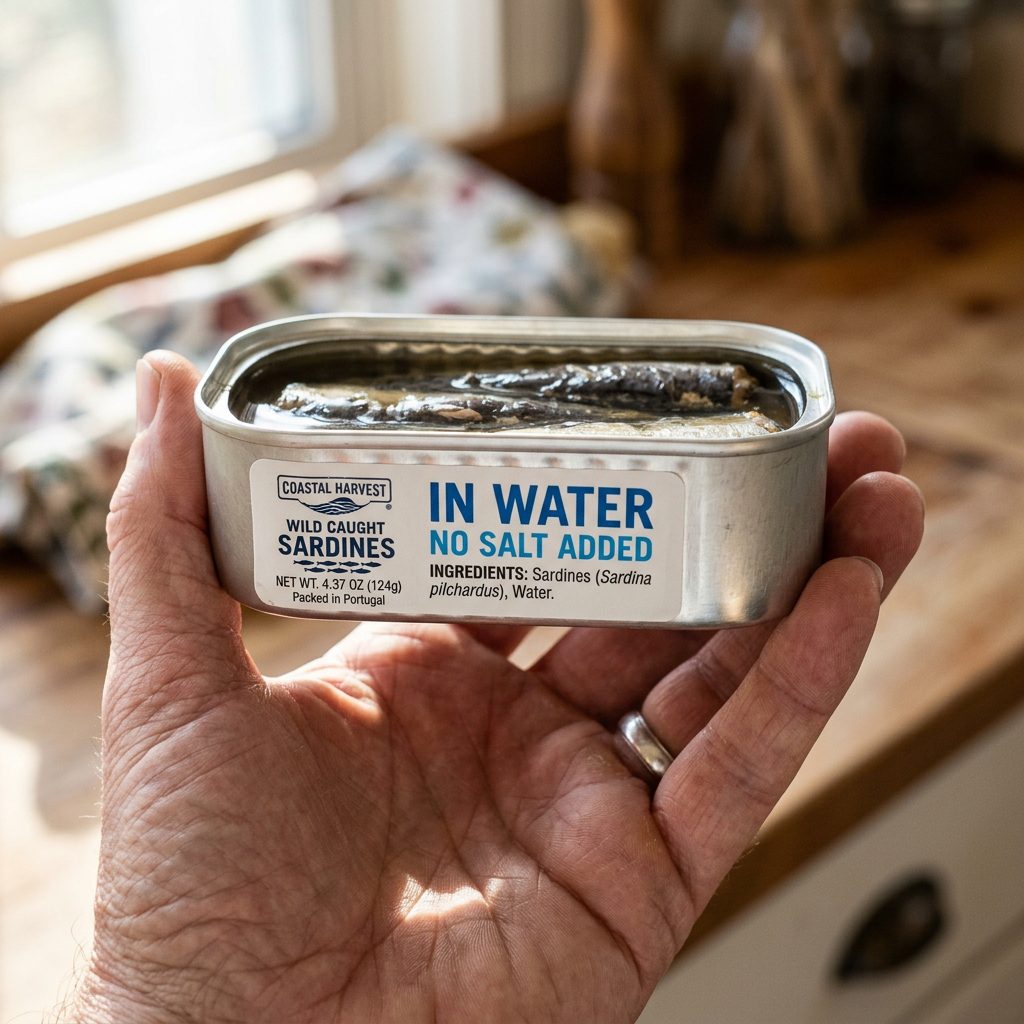
Not all sardines are created equal. If you walk into a standard grocery store, you’ll see aisles of canned sardines. Be careful. Most of those are ‘hacker traps.’ You need to look at the liquid they are packed in. NEVER buy sardines packed in soybean oil, corn oil, or ‘vegetable’ oil. These are high in Omega-6 fatty acids, which are pro-inflammatory and completely negate the benefits of the Omega-3s in the fish.
The Checklist
- Water-Packed Only: If you go the canned route, water is the only acceptable medium.
- No Salt Added: Check the sodium content. Dogs don’t need the extra salt found in human-grade canned goods.
- Frozen is King: If your local international market or high-end pet store has whole frozen sardines, buy them in bulk. They are usually cheaper and haven’t been subjected to the canning heat.
Hacker Tip: Look for ‘Sardinops sagax’ or ‘Sardina pilchardus’ on the label. These are the specific species that carry the highest density of beneficial fats. Avoid ‘sardines’ that are actually just small herring if you want the maximum coat-restoring power.
Implementation: How to Feed Without the Mess
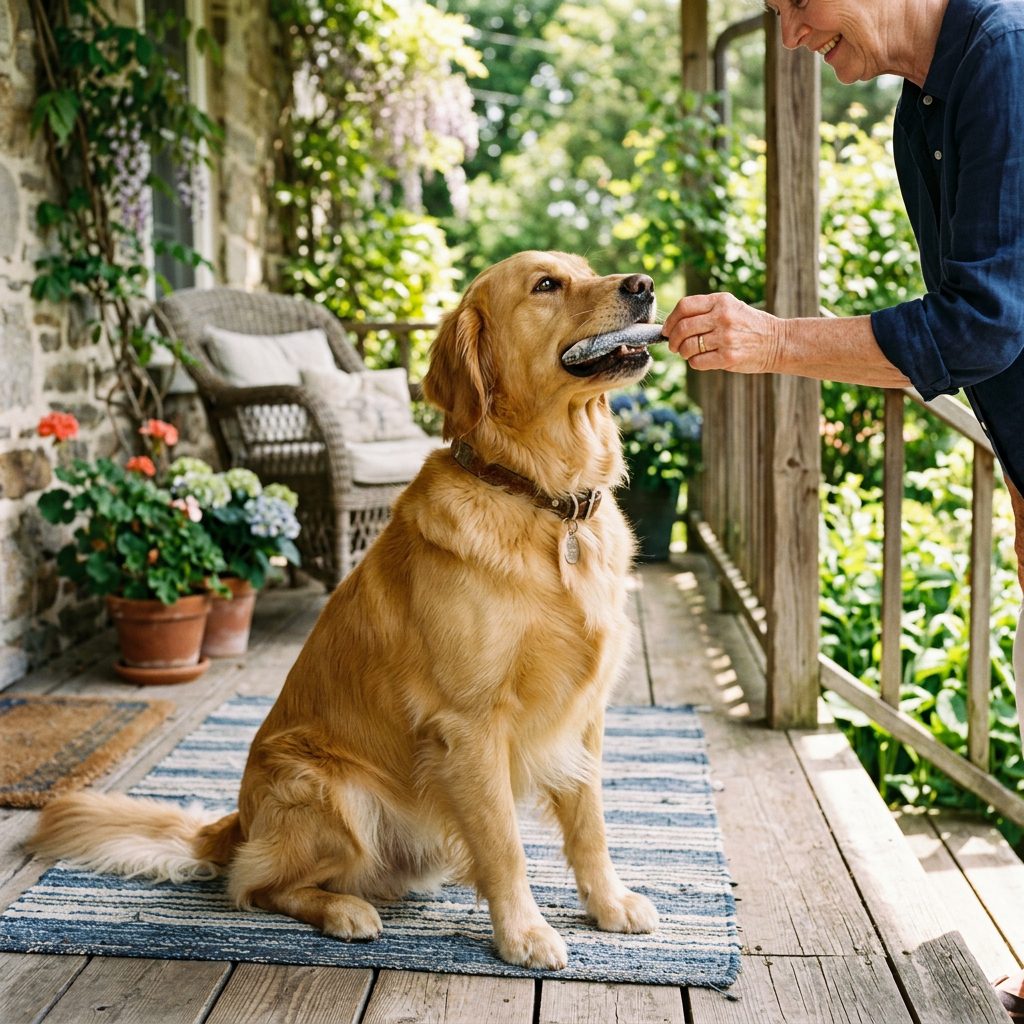
The biggest complaint I hear about sardines is the smell. I get it—your house shouldn’t smell like a bait shop. Here is how you handle the logistics like a pro. First, feed these frozen. Feeding them frozen significantly reduces the aroma and acts as a ‘slow feeder’ for dogs that tend to gulp. Second, feed them outside or in their crate on a washable mat. The oils can stain porous surfaces, so don’t let them enjoy their treat on your white shag rug.
Frequency and Dosage
For a 50lb dog, two to three sardines a week is the sweet spot. You don’t want to overdo it because they are calorie-dense. Think of it as a ‘topper’ or a high-value reward rather than a meal replacement. If your dog has a sensitive stomach, start with half a fish to ensure the high fat content doesn’t cause any loose stools.
Conclusion
Transforming your dog’s coat doesn’t require a miracle or a massive credit card balance. It requires a return to whole-food logic. By bypassing the supplement aisle and heading straight for the frozen fish section, you are giving your dog the exact nutrients they evolved to process. You’ll see the difference in the way they move, the way they itch (or don’t), and that unmistakable ‘overnight’ shine. Remember, a savvy owner is an informed owner. Don’t let the big brands tell you that health comes in a plastic jar of chews. Sometimes, the best health hacks are the ones that smell a little bit like the ocean. Go grab a bag of sardines, start freezing those pops, and watch your dog turn into the glossiest version of themselves. You’ve got this!