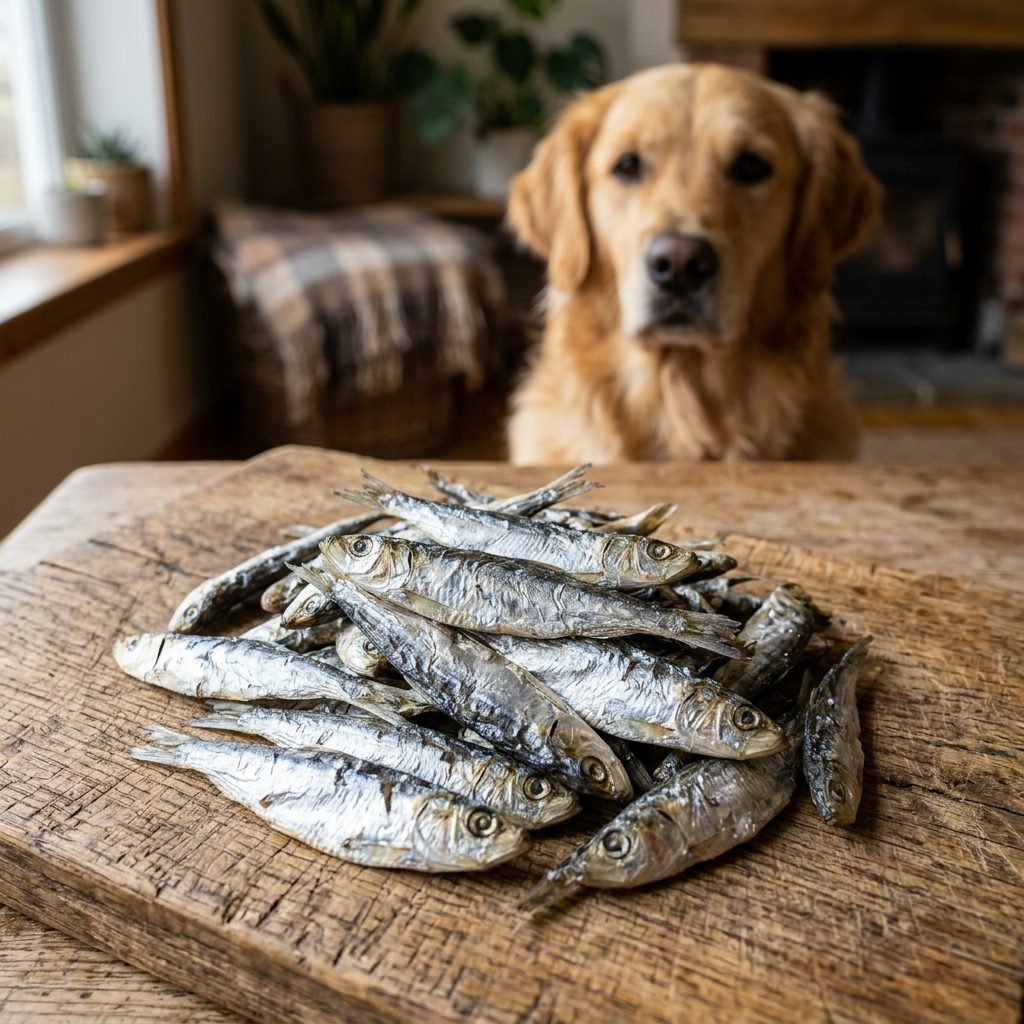
The Ultimate Coat Shinier: How to Dehydrate Fresh Sardines for Your Dog at Home!
Let’s get real for a second: the pet treat industry is a bit of a racket. You walk into a boutique pet store, and they’re charging $15 for a tiny 2-ounce bag of ‘wild-caught’ fish treats. You look at the back of the label, and half the time, it’s padded with glycerin, ‘natural smoke flavor,’ and preservatives you can’t pronounce. As a Canine Nutrition Hacker, I’m here to tell you that you’re being overcharged for convenience. Your dog deserves the ‘good stuff’—the pure, unadulterated Omega-3 powerhouse that is the humble sardine—without you having to take out a second mortgage.
Insider Secret: The secret to that ‘show dog’ shine isn’t a expensive shampoo; it’s the cellular health provided by long-chain fatty acids found in small, oily fish.
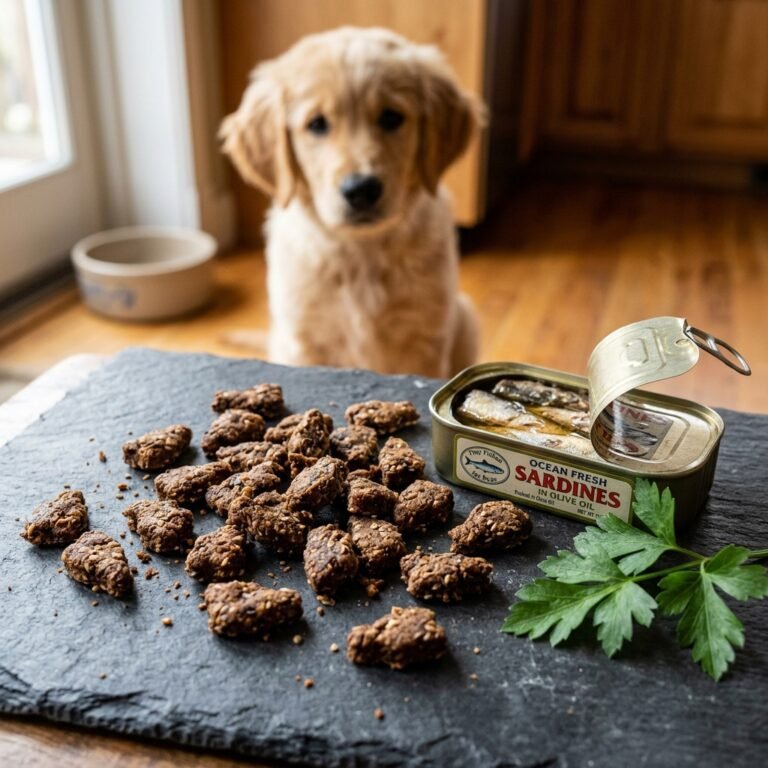
Sardines are the unsung heroes of the canine world. They are low on the food chain, meaning they don’t accumulate the heavy metals like mercury that larger fish like tuna or salmon do. They are packed with EPA and DHA, which support brain health, reduce inflammation, and, most visibly, turn a dull, itchy coat into a sleek, shiny masterpiece. In this guide, I’m going to show you how to source, prep, and dehydrate these little silver bullets at home. We’re talking about a 90% cost savings compared to store-bought treats, and a 100% increase in nutritional transparency. Let’s dive in.
The Safety First Protocol: Read This Before You Start
Before we fire up the dehydrator, we need to talk shop. I am not a veterinarian, and this guide is for educational purposes based on my years of forensic ingredient analysis and DIY feeding. While sardines are generally safe, every dog is an individual. If your dog has a history of pancreatitis or is on a strict low-fat diet, you must consult your vet before adding oily fish to their regimen.
The Mercury Myth vs. Reality
One of the biggest fears owners have is heavy metal poisoning. Here is the hacker truth: Sardines are safe because they are short-lived and eat plankton. Unlike an apex predator like Tuna, which lives for years accumulating toxins, sardines stay relatively ‘clean.’ However, moderation is key. These are high-value treats, not a full-meal replacement. Start slow to avoid ‘fishy’ stools, and always ensure the fish are sourced from clean waters (North Atlantic or Pacific are usually best).
The Bone Question
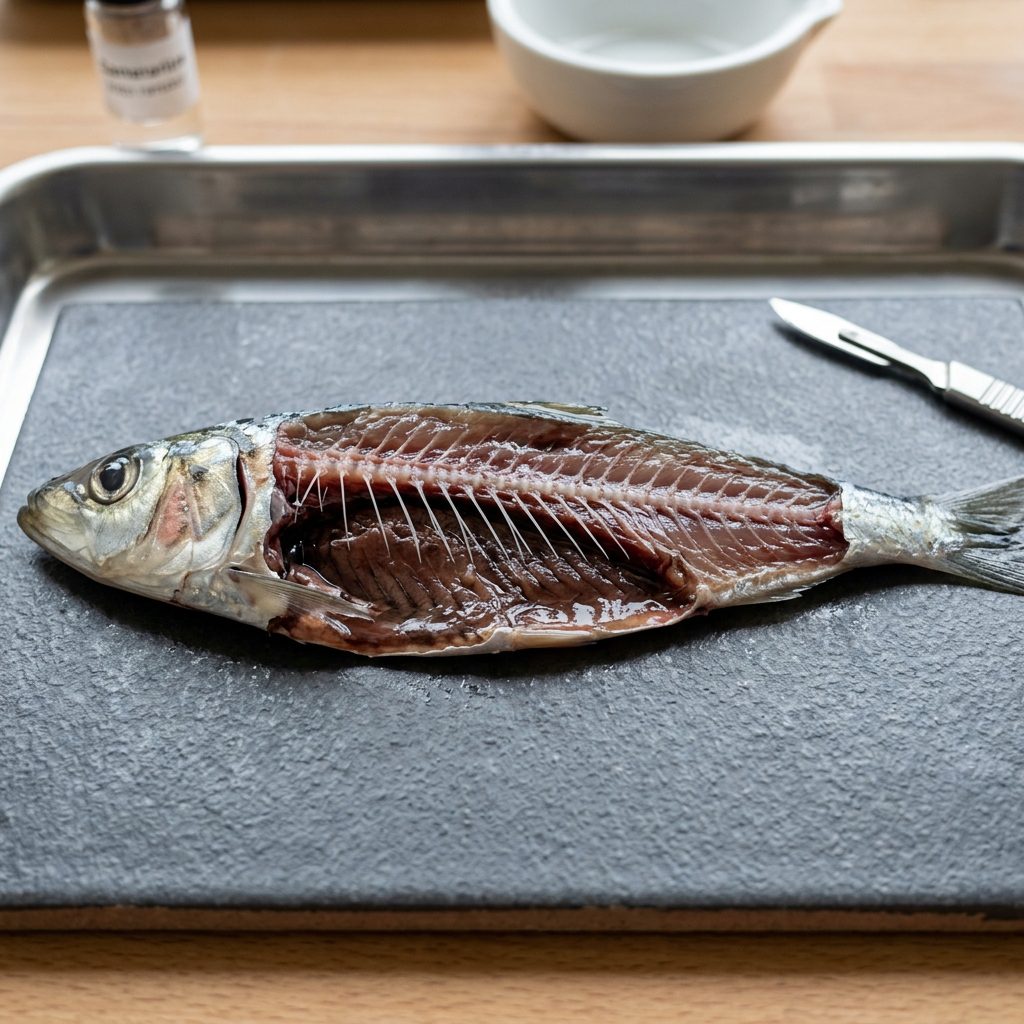
You’ll notice sardines have tiny bones. Do not panic. When you dehydrate or cook sardines, these bones become extremely brittle and safe for dogs to consume. They actually provide a fantastic source of calcium and phosphorus in the correct biological ratio. Unlike cooked chicken bones which splinter, sardine bones are small enough to be digested without issue.
The Financial Hack: DIY vs. Big Pet Treat Brands
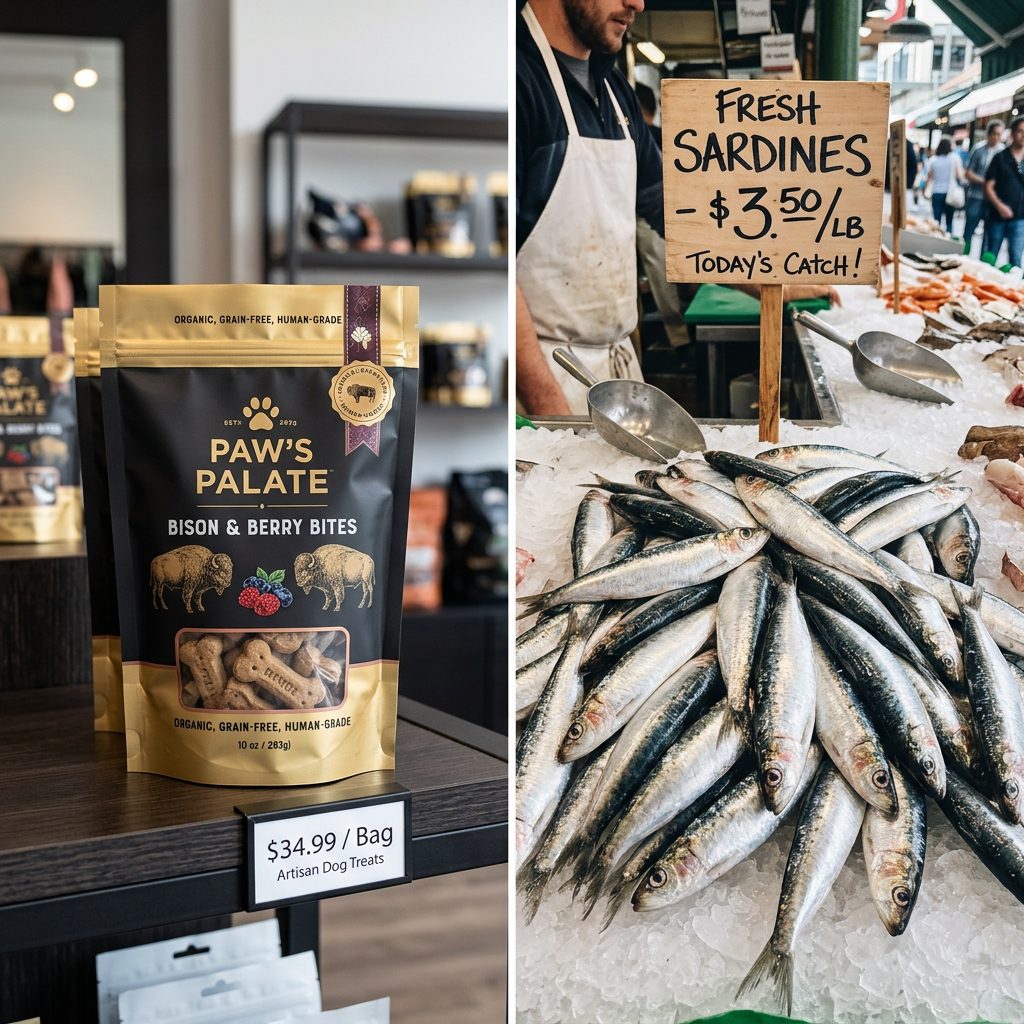
Why do I insist on you doing this yourself? Because the markup on dehydrated fish treats is insane. When you buy a bag of freeze-dried or dehydrated sardines from a ‘premium’ brand, you are paying for the packaging, the marketing, and the shelf space. By sourcing fresh or frozen sardines from your local international market or fishmonger, you are cutting out the middleman.
The Cost Breakdown Table
Let’s look at the numbers for a 50lb dog getting 3 fish treats per day.
| Source | Price Per Pound (Approx) | Ingredients | Hacker Verdict |
|---|---|---|---|
| Boutique ‘Wild’ Treats | $48.00 – $65.00 | Sardines, Glycerin, Mixed Tocopherols | Overpriced & Padded |
| Grocery Store Canned | $12.00 – $18.00 | Sardines, Water or Oil, Salt | Watch the Salt Content! |
| DIY Dehydrated (Fresh) | $3.50 – $6.00 | 100% Sardines | The Gold Standard |
By doing this at home, you are saving roughly $40 per pound of treats. Over a year, that is hundreds of dollars you can spend on better quality base kibble or raw grinds. Plus, you control the quality. No hidden salts, no rancid oils, just pure fish power.
The Sourcing Secret: Finding the Best Fish
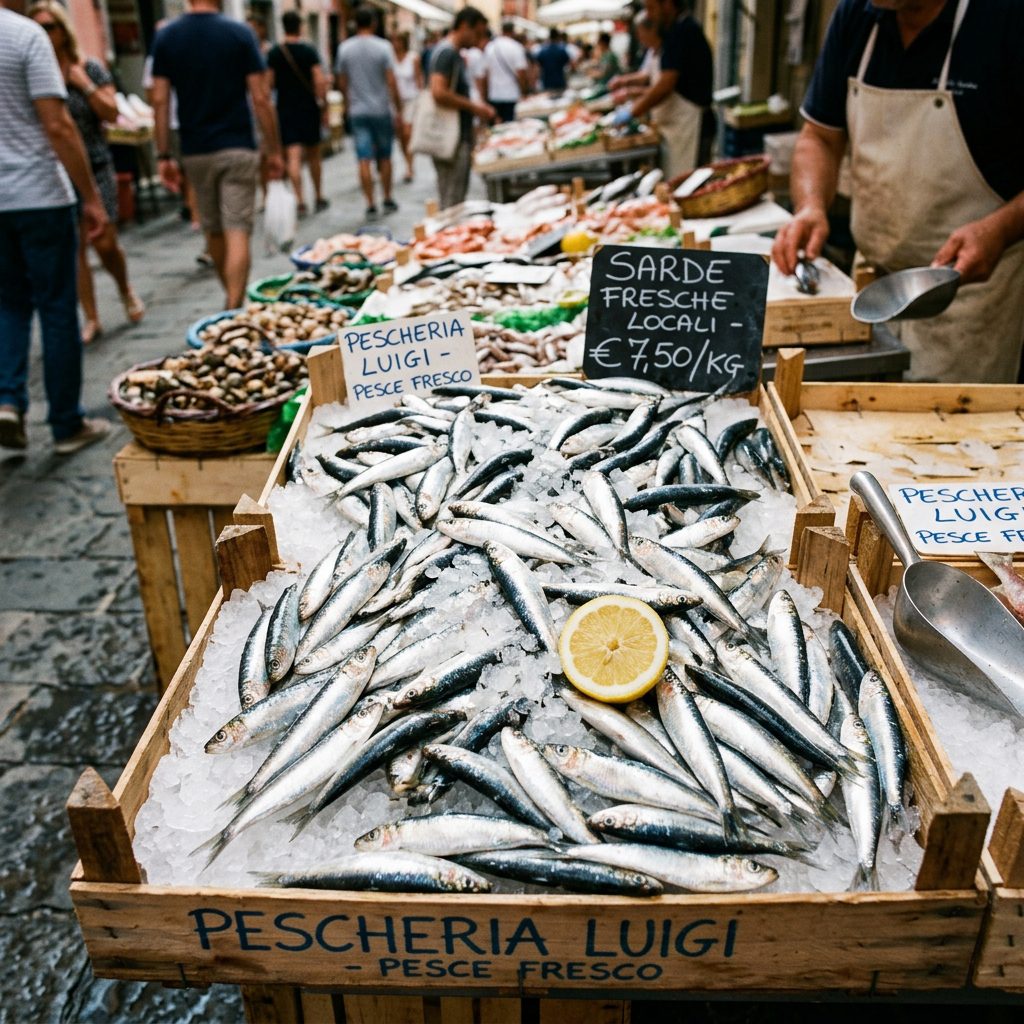
You can’t make 5-star treats out of 1-star ingredients. When searching for sardines, you have three main options. Here is how to navigate them like a pro.
1. The International Market (The Hacker’s Choice)
Head to your local Asian or Mediterranean market. They often have whole, fresh sardines on ice for a fraction of the price of a standard supermarket. Look for clear eyes (not cloudy) and a firm body. If they smell like ‘death,’ walk away. They should smell like the ocean—salty and fresh.
2. The Frozen Aisle
If you can’t find fresh, frozen is actually superior in some ways. Flash-frozen fish preserves the Omega-3 fatty acids better than ‘fresh’ fish that has been sitting on ice for three days. Look for bags of ‘Whole Frozen Sardines.’ Just make sure they aren’t pre-salted or seasoned.
3. Canned (The Last Resort)
If you absolutely must use canned, they must be in water only with no added salt. Most canned sardines are soaked in brine, which is a massive no-go for dogs. High sodium intake can lead to salt poisoning or kidney strain. Honestly? Just buy the frozen ones. It’s cheaper and safer.
The Step-by-Step Dehydration Masterclass
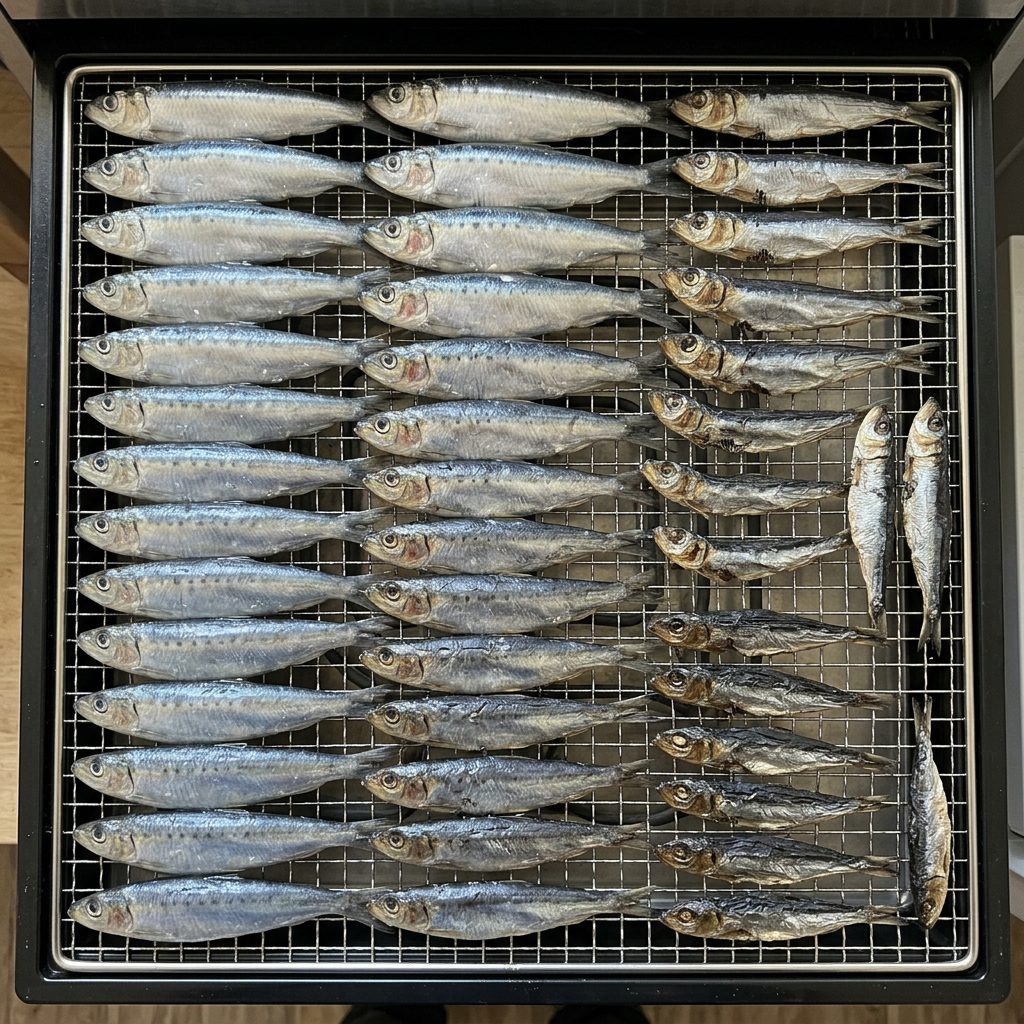
Ready to get your hands dirty? This is where the magic happens. Dehydrating sardines is simple, but there are a few ‘hacker tips’ to ensure they don’t turn into a mushy mess or make your entire neighborhood smell like a wharf.
Step 1: The Rinse and Prep
If using frozen, thaw them in the fridge overnight. Rinse the sardines under cold water to remove any scales or debris. Crucial Tip: Use paper towels to pat them bone-dry. The less moisture on the surface, the faster the dehydration process starts, which prevents bacterial growth.
Step 2: The Arrangement
Lay the sardines out on your dehydrator trays. Ensure they are not touching. Airflow is the secret to a shelf-stable treat. If you crowd the tray, you’ll end up with ‘hot spots’ where the fish stays damp—and damp fish goes rancid fast.
Step 3: Temperature and Timing
Set your dehydrator to 145°F to 160°F (63°C to 71°C). You want a temperature high enough to kill potential pathogens but low enough to preserve those delicate Omega oils.
Hacker Tip: If you don’t have a dehydrator, use your oven at its lowest setting (usually 170°F) with the door slightly propped open with a wooden spoon to let moisture escape.
Dehydration usually takes between 12 to 24 hours depending on the size of the fish and the humidity in your house. You’ll know they are done when they are ‘snap-dry.’ If you bend the fish, it should snap in half, not bend like rubber.
Odor Control and Storage Secrets
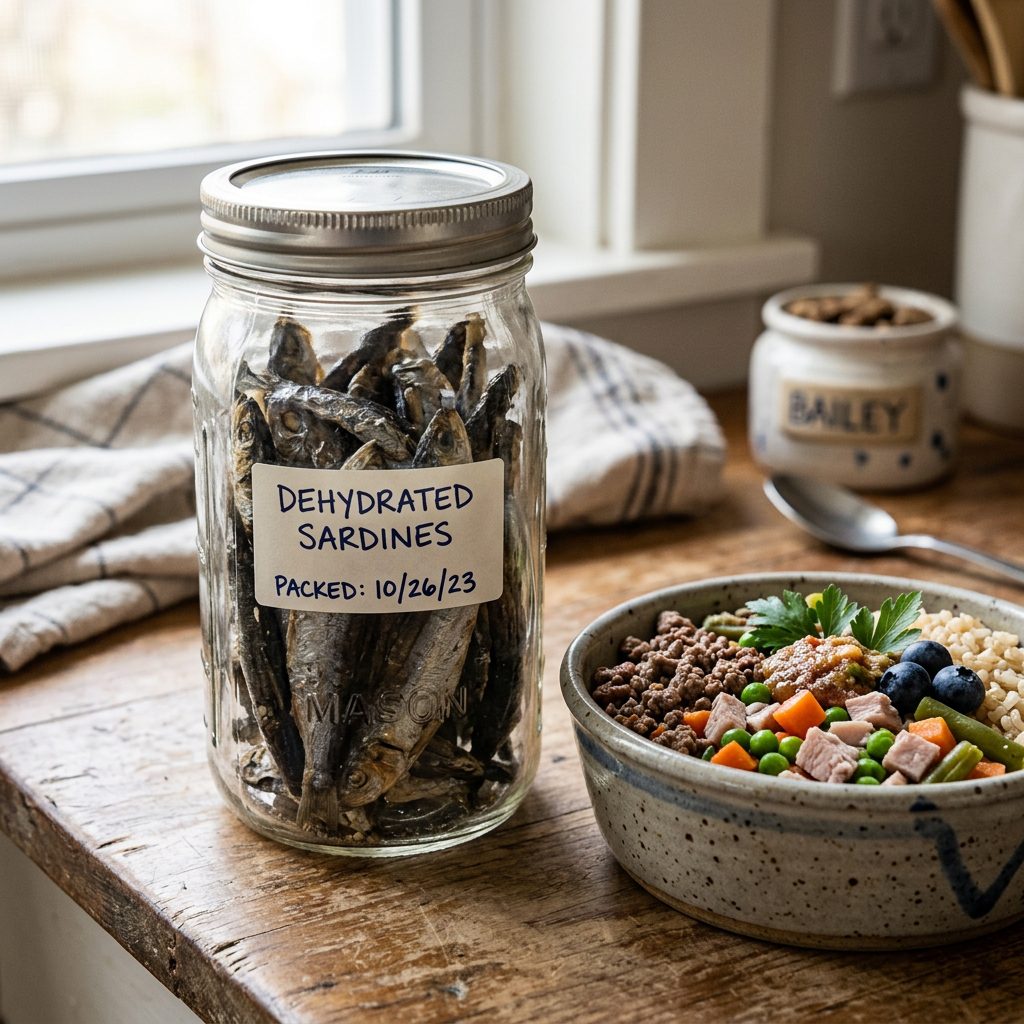
Let’s address the elephant in the room: the smell. Dehydrating fish isn’t exactly like baking cookies. To keep your house from smelling like a cannery, I recommend placing your dehydrator in the garage, a covered porch, or a laundry room with a window open. If you must do it in the kitchen, a bowl of white vinegar placed nearby can help neutralize some of the airborne odors.
Storage for Maximum Potency
Once your treats are bone-dry, let them cool completely at room temperature. If you bag them while they are still warm, condensation will form, and you’ll have mold within 48 hours. The Hacker Storage Method: Store the bulk of your treats in the freezer. Keep only a small week-long supply in an airtight glass jar in the fridge. Because we aren’t using chemical preservatives like BHA or BHT, these treats are perishable. In the freezer, they stay perfect for up to 6 months.
Feeding Guidelines
Sardines are nutrient-dense. For a small dog (under 20lbs), half a sardine a day is plenty. For large dogs (50lbs+), 2-3 sardines is a great daily supplement. Remember, these are calories! Adjust their main meal slightly if you are using these heavily for training.
The Results: What to Expect
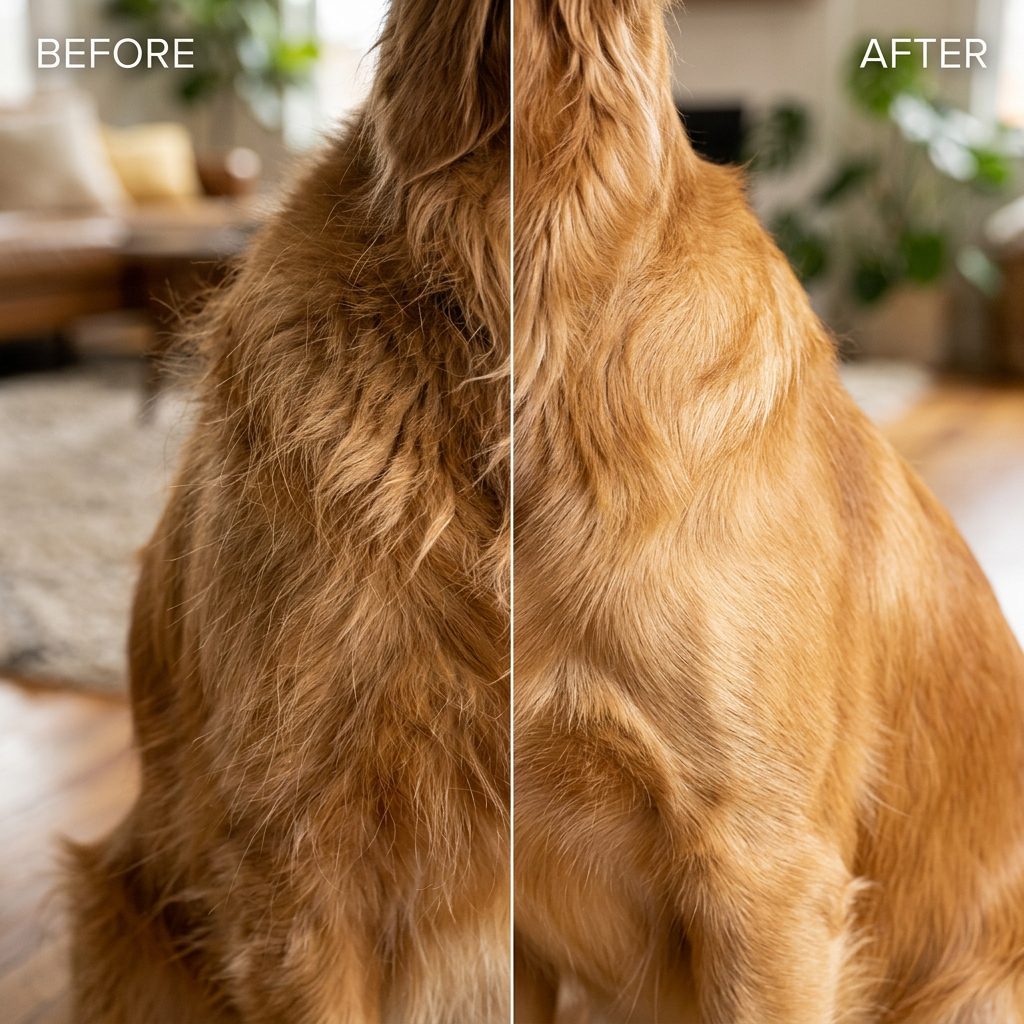
You won’t see a change overnight. Nutrition is a long game. However, after about 3 to 4 weeks of consistent sardine supplementation, you will notice three things:
- The Shine: Their coat will develop a deep, lustrous sheen as the skin barrier strengthens.
- Less Itching: The anti-inflammatory properties of the Omega-3s often help dogs with seasonal allergies or dry, flaky skin.
- Mental Sharpness: DHA is brain food. You might find your senior dog acting a bit more ‘plugged in’ and alert.
You’ve just bypassed the corporate pet food complex and provided your dog with a supplement that is objectively better than 90% of what’s on the shelf. That’s the power of being a savvy owner.
Conclusion
Taking control of your dog’s nutrition doesn’t have to be expensive or overly complicated. By dehydrating your own sardines, you’re providing a single-ingredient, high-potency superfood that supports everything from heart health to coat quality. You’re saving money, reducing waste, and ensuring that no ‘mystery fillers’ ever touch your dog’s bowl. Remember, the best food for your dog is the one you understand completely. Now, go find a fishmonger and get hacking! Your dog (and your wallet) will thank you.