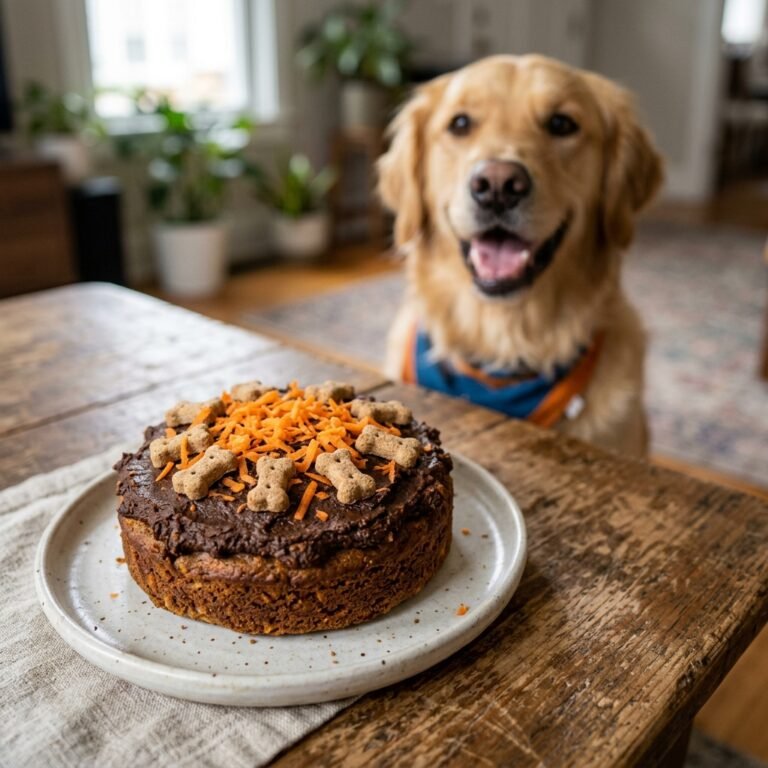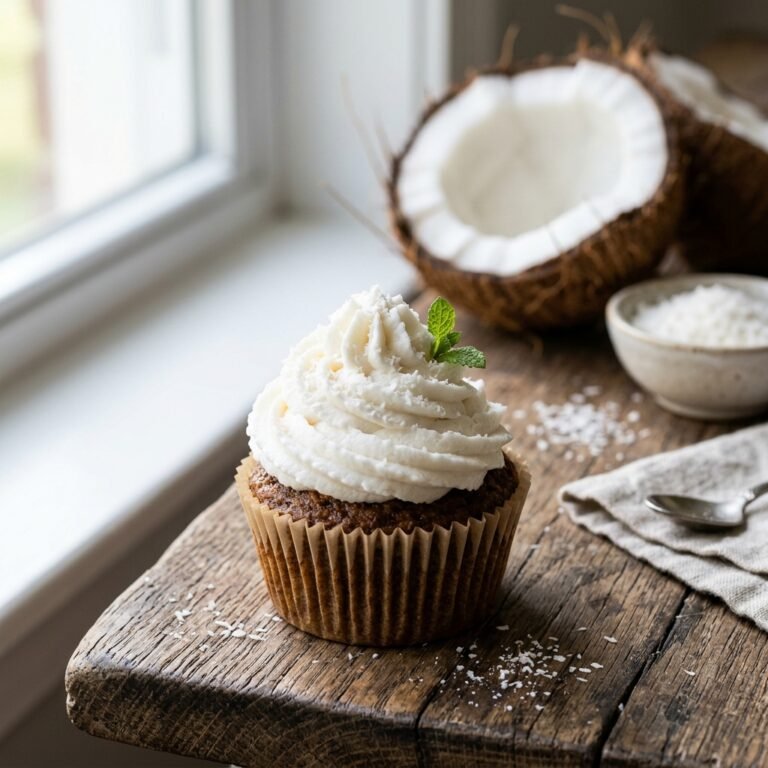
Looks Like Real Buttercream! The Secret 3-Ingredient Frosting for Show-Stopping Dog Birthday Cakes
Listen up, pack leaders. We all want to give our dogs the absolute world, especially when their birthday rolls around. You have probably scrolled through Instagram or Pinterest, marveling at those flawless, bakery-level dog cakes with towering swirls of pristine, stiff frosting. They look good enough for a human to eat. But as a savvy dog owner, your very next thought is likely: What on earth is actually in that frosting?
I am The Canine Nutrition Hacker, and I analyze pet food labels like a forensic scientist. I am here to tell you that the commercial dog cake industry has a dirty little secret. The vast majority of store-bought dog cake mixes and pre-made dog bakery frostings achieve that perfect ‘buttercream’ look by relying on cheap, inflammatory fillers, hidden sugars, and artificial stabilizers that have absolutely no business being in your dog’s digestive tract. We are talking about ingredients that can trigger yeast infections, spike blood sugar, and lead to an emergency vet visit for pancreatitis.
“The pet food industry thrives on our desire to treat our dogs like humans. They sell us ‘frosting’ that is essentially flavored spackle. We can do better, and it takes exactly five minutes.” – The Canine Nutrition Hacker
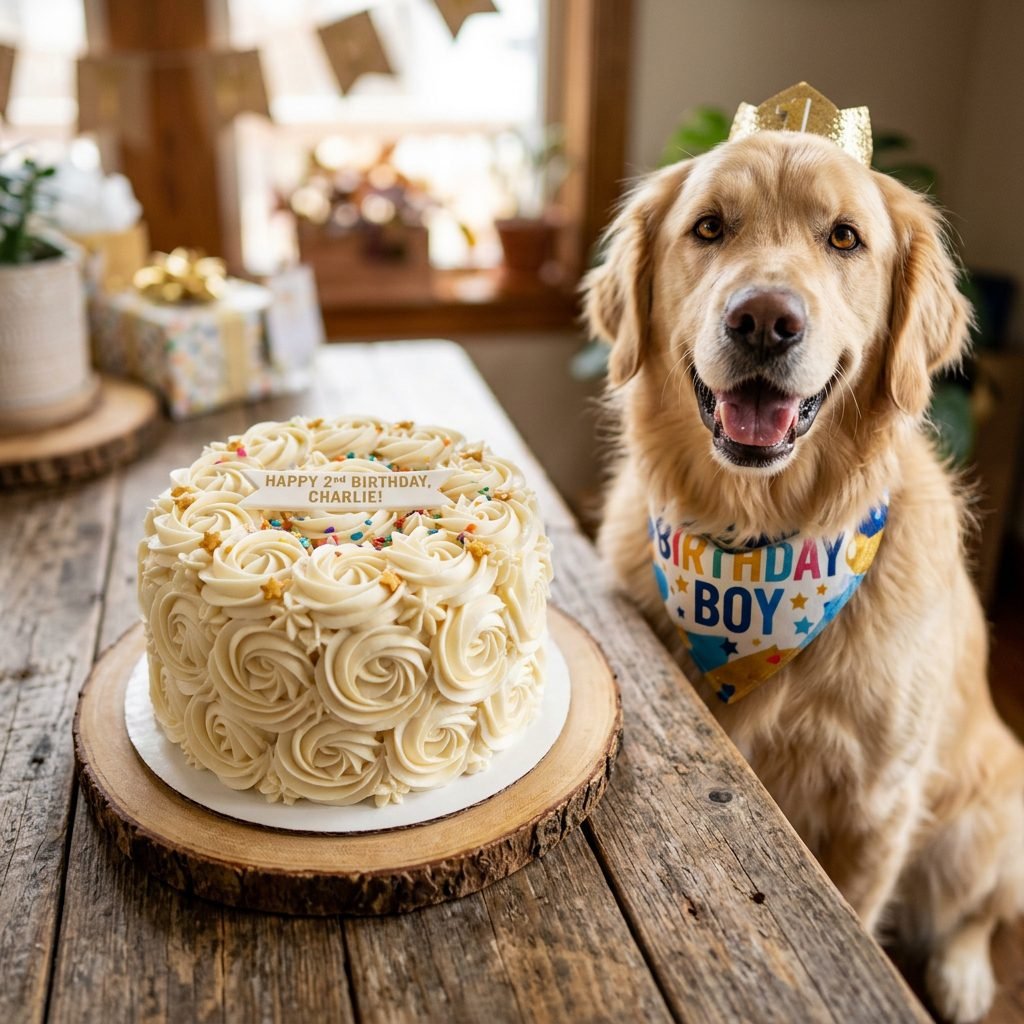
But do not worry. You do not have to sacrifice aesthetics for health, and you certainly do not have to spend forty dollars at a boutique pet bakery to get a show-stopping result. Today, I am giving you my ultimate insider secret: a foolproof, 3-ingredient dog cake frosting that pipes exactly like real buttercream, holds its shape at room temperature, and is packed with gut-friendly probiotics and high-quality proteins. No sugar. No artificial colors. No nonsense.
SAFETY DISCLAIMER: Before we dive into the mixing bowl, let’s get the housekeeping out of the way. I am a canine nutrition enthusiast and hacker, not a veterinarian. While the ingredients in this recipe are generally safe and highly nutritious for healthy dogs, every dog is an individual. Always introduce new foods slowly to monitor for gastrointestinal upset. If your dog suffers from severe dairy allergies, a history of pancreatitis, or specific dietary restrictions requiring a prescription diet, consult your vet before serving. Furthermore, remember that this frosting is a celebratory treat, not a meal replacement. It should be factored into your dog’s daily caloric intake to maintain a healthy weight.
Now that we have established the ground rules, let’s roll up our sleeves, expose the truth about commercial dog frostings, and teach you how to whip up a masterpiece that will have your dog drooling and your friends begging for the recipe.
The Store-Bought Frosting Trap: What Are We Actually Feeding Them?
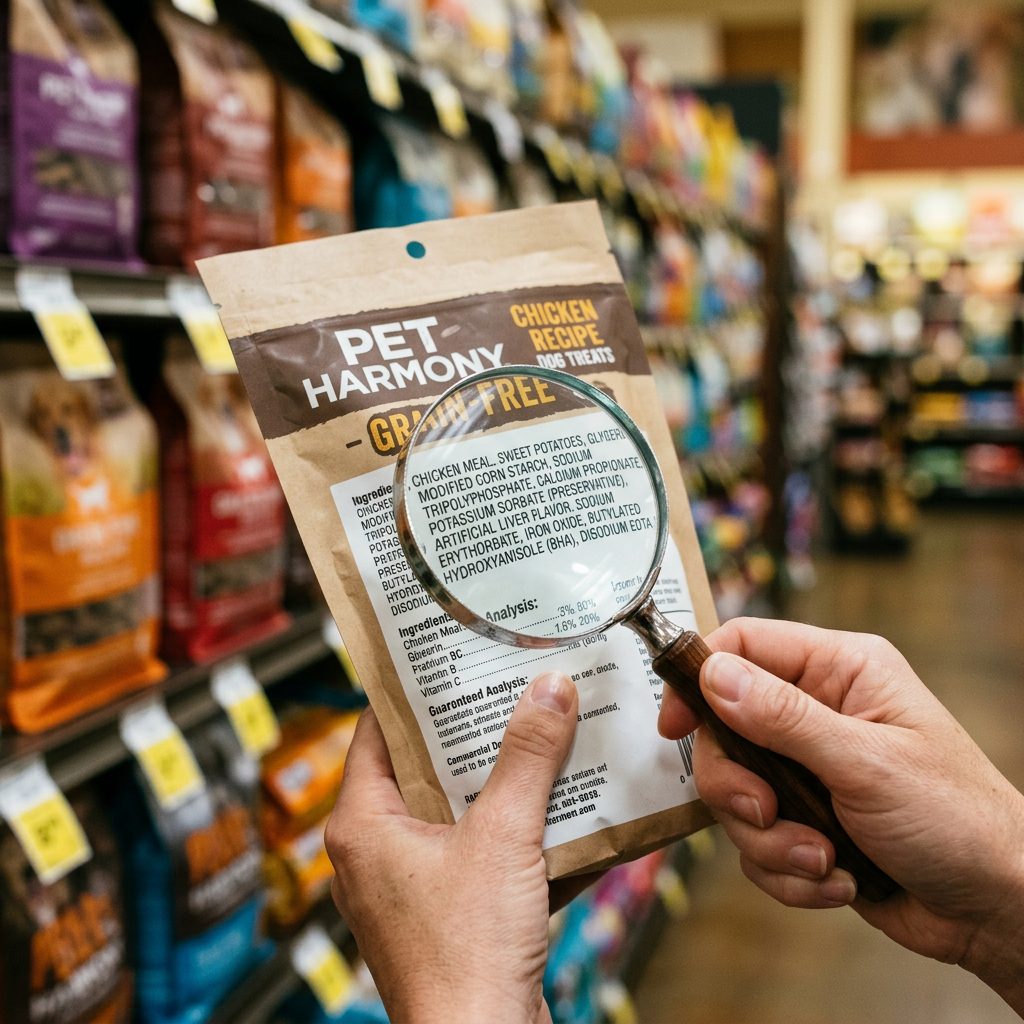
To truly appreciate the magic of our 3-ingredient secret, you first need to understand the enemy. Let’s take a forensic look at what you are actually buying when you pick up a box of commercial ‘dog-safe’ frosting mix or buy a brightly colored cake from a big-box pet store. The front of the package might say ‘All Natural’ or ‘Made with Real Yogurt,’ but the back of the package tells a much darker, cheaper story.
The Filler Ingredient Breakdown
When you flip that box over, you are likely to find a cocktail of ingredients designed for shelf stability and visual appeal, completely ignoring canine biology. Here are the usual suspects we need to avoid:
- Tapioca Maltodextrin: This is a highly processed carbohydrate often used as the primary base in powdered dog frostings. While technically safe in tiny amounts, it is essentially an empty starch that spikes blood sugar rapidly. It offers zero nutritional value and is used purely because it is a cheap bulking agent.
- Sugar and Corn Syrup Solids: Yes, you read that right. Many commercial dog treats still sneak in sugar under various names. Dogs do not need added sugar. It contributes to obesity, dental decay, and systemic inflammation. If a frosting mix lists sugar, dextrose, or fructose, put it back on the shelf immediately.
- Hydrogenated Vegetable Oils: To get that stiff, pipeable texture, some cheap bakeries use trans fats or hydrogenated oils. These are incredibly difficult for a dog’s pancreas to process and can be a direct trigger for severe gastrointestinal distress or pancreatitis.
- Artificial Colors (Red 40, Yellow 5, Blue 1): That neon pink frosting might look cute in a photo, but artificial dyes have been linked to behavioral issues and allergic reactions in pets. There is absolutely no biological requirement for a dog’s food to be brightly colored.
- Chemical Preservatives: Ingredients like BHA, BHT, and ethoxyquin are sometimes used to keep these mixes sitting on store shelves for years. As a savvy owner, you know these are massive red flags.
When you realize that you are paying a premium price for a mixture of processed starch, hidden sugars, and artificial dyes, the DIY route becomes the only logical choice. You are the gatekeeper to your dog’s health. By taking five minutes to make your own frosting, you are swapping out empty, potentially harmful calories for actual, functional nutrition.
The 3-Ingredient Buttercream Secret Revealed
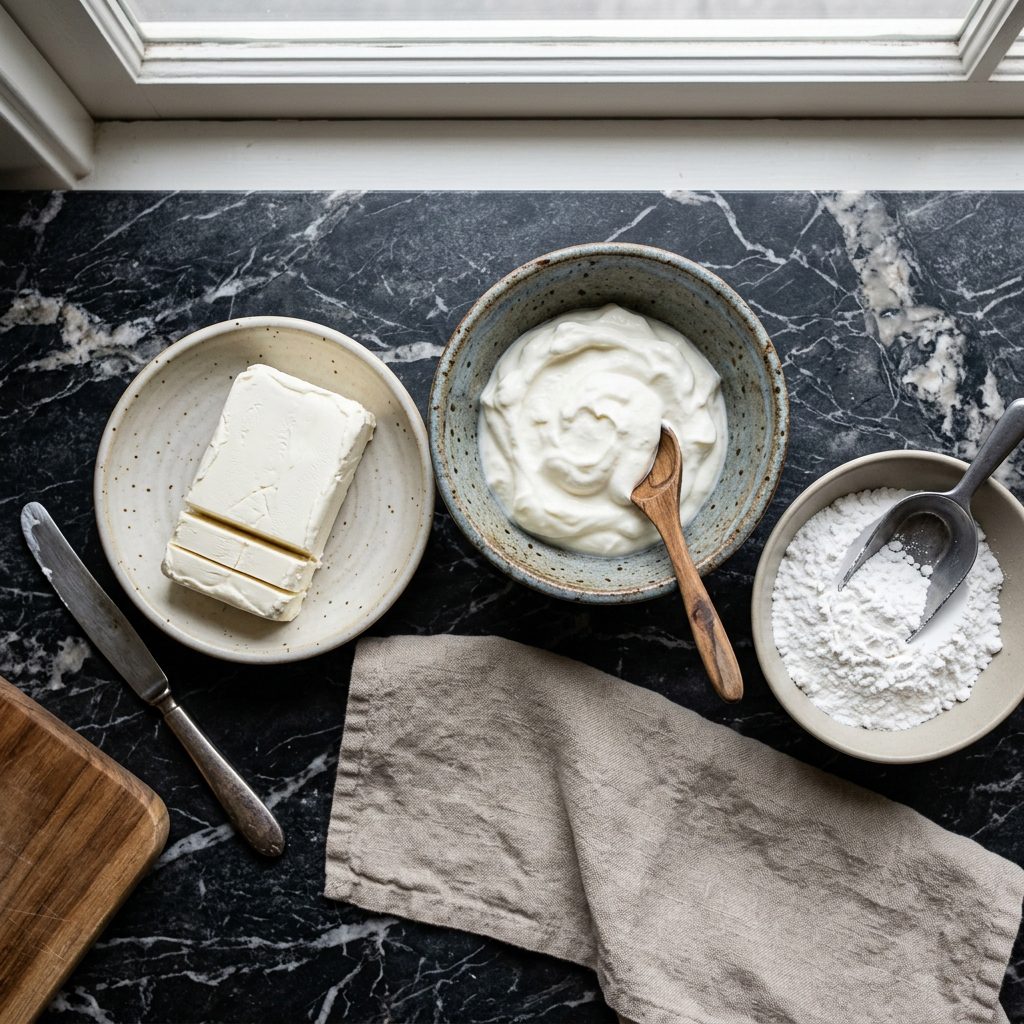
Are you ready for the secret? The perfect, pipeable, dog-safe buttercream requires only three simple, whole-food ingredients that you probably already have in your refrigerator and pantry. The magic lies not in complex chemistry, but in the specific fat-to-protein ratios of these natural ingredients.
Ingredient 1: Plain, Full-Fat Cream Cheese
This is the foundation of our frosting. Cream cheese provides the rich, thick texture that mimics human buttercream. It is high in fat, which dogs use as a primary energy source, and it gives the frosting the structural integrity needed to hold a shape when piped through a star tip. Crucial Hacker Tip: You absolutely must use plain, full-fat cream cheese in the block form. Do not use the whipped variety in the tub, as it contains too much air and water, which will cause your frosting to collapse. Do not use low-fat or fat-free versions, as they often contain added stabilizers and sugars to make up for the missing fat.
Ingredient 2: Plain, Unsweetened Greek Yogurt
Greek yogurt is our texture modifier and nutritional powerhouse. It thins the heavy cream cheese just enough to make it workable, while adding a massive dose of gut-friendly probiotics, calcium, and protein. Why Greek yogurt specifically? Because the straining process removes most of the liquid whey and lactose, making it much thicker than regular yogurt and significantly easier for dogs to digest. Crucial Hacker Tip: Check the label obsessively. The only ingredients should be milk and live active cultures. Ensure there are absolutely no artificial sweeteners, especially Xylitol (Birch Sugar), which is highly toxic and potentially fatal to dogs.
Ingredient 3: Tapioca Starch (or Arrowroot Powder)
This is the secret weapon. While cream cheese and yogurt mixed together make a great glaze, they will melt and droop if you try to pipe them into rosettes. We need a natural thickening agent. Tapioca starch (extracted from the cassava root) is a grain-free, gluten-free, and highly digestible complex carbohydrate. When sifted into our dairy base, it absorbs the excess moisture without turning gummy, resulting in a stiff, professional-grade frosting that holds its shape beautifully at room temperature. Arrowroot powder works just as well if you have that on hand.
By combining these three ingredients, you are creating a biologically appropriate treat. The fats and proteins nourish your dog, the probiotics support their microbiome, and the starch provides just enough structure to make the cake look like it came from a five-star bakery.
Real Cost Breakdown: DIY vs. Premium Bakery
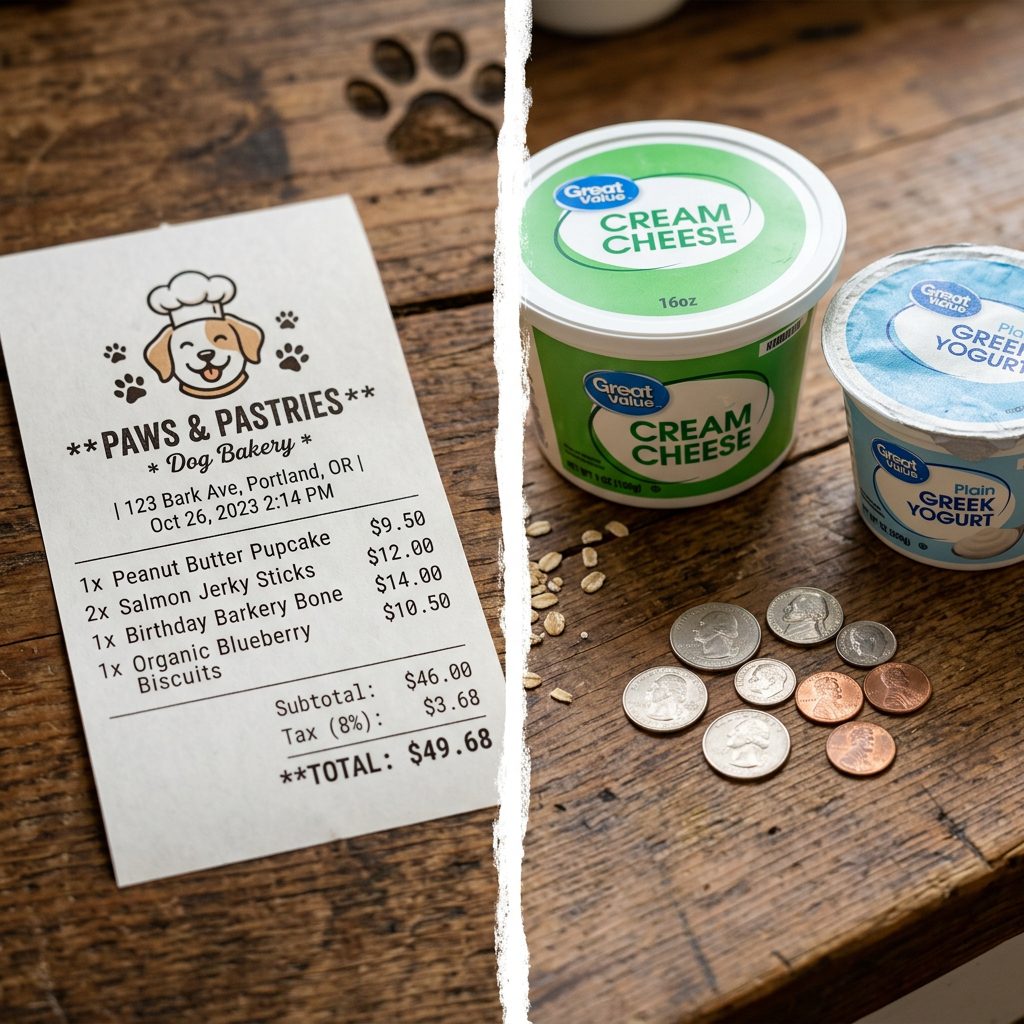
As the Canine Nutrition Hacker, I am not just about saving your dog’s health; I am about saving your wallet. The pet industry markup on ’boutique’ items like birthday cakes is astronomical. Let’s do a forensic cost analysis to see exactly how much money you are saving by taking control of the ingredients.
When you purchase a custom dog cake from a premium pet bakery, you are paying for labor, overhead, and the aesthetic appeal. While supporting local businesses is great, doing it at the expense of ingredient quality and your budget isn’t always the savvy choice. Let’s break down the actual cost per day and per serving.
| Cost Factor | Premium Bakery Cake (Store-Bought) | Our DIY 3-Ingredient Frosting (At Home) |
|---|---|---|
| Base Ingredients (Frosting Only) | $15.00 – $25.00 (Built into cake price) | $3.50 (Partial block cream cheese, yogurt, starch) |
| Custom Colors | $5.00 (Often artificial chemical drops) | $1.00 (Pinch of natural turmeric or beet powder) |
| Labor / Prep Time | 0 minutes (but high financial cost & travel time) | 5 minutes of whipping in your own kitchen |
| Nutritional Value | Low (High starch, potential sugars/preservatives) | High (Probiotics, healthy fats, zero sugar) |
| Cost Per Serving (Approximate) | $4.50 – $6.00 / slice | $0.60 / slice |
The numbers do not lie. For less than four dollars, you can produce a massive batch of high-quality, health-promoting frosting that would easily cost you twenty dollars if purchased pre-made. You are saving roughly 85% of the cost while increasing the nutritional value by 100%. That extra money can be redirected toward high-quality daily nutrition, joint supplements, or that new indestructible chew toy your dog has been eyeing.
“You do not need to spend a fortune to make your dog feel special. True luxury in canine care is providing clean, biologically appropriate ingredients. Your dog doesn’t care about the price tag; they care about the taste and how it makes their body feel.” – The Canine Nutrition Hacker
Actionable Recipe: How to Whip, Pipe, and Decorate
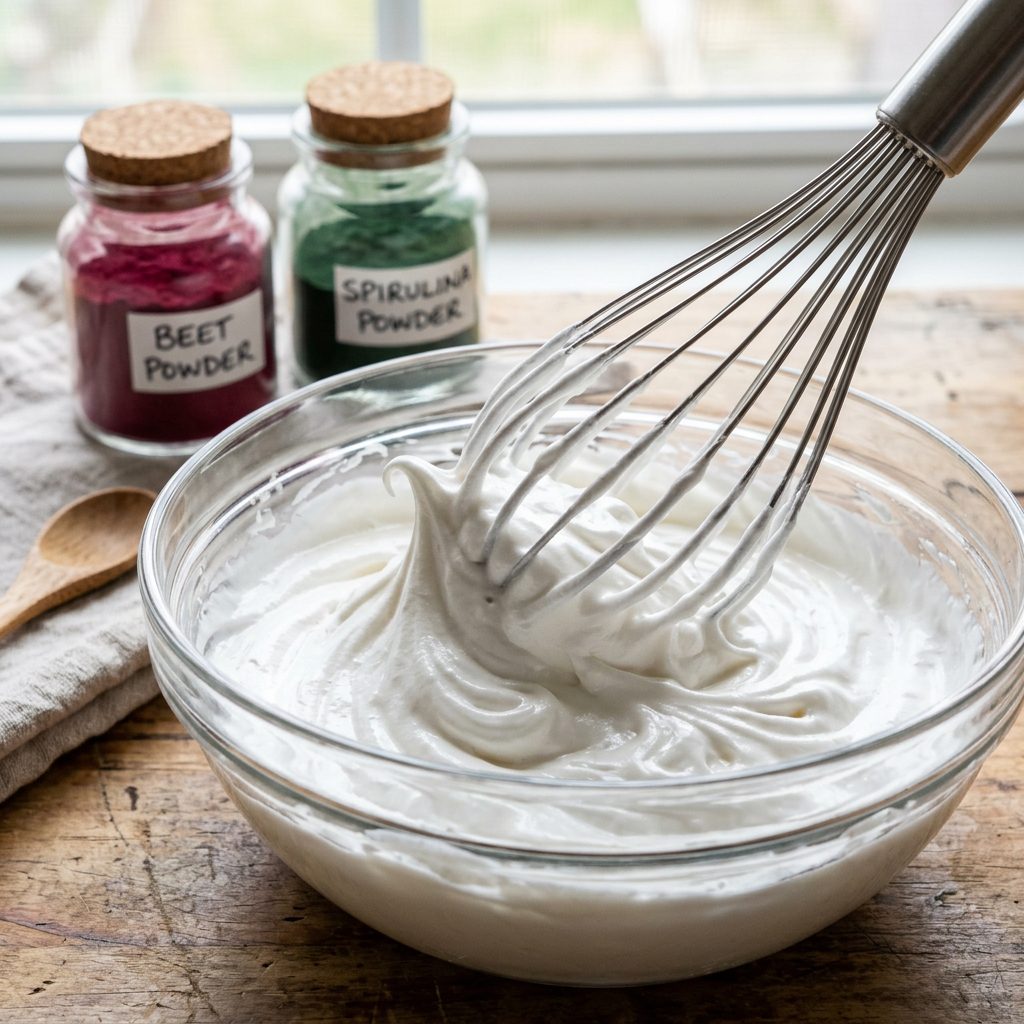
Now that you know the ‘why’ and the ‘what,’ let’s get into the ‘how.’ This is your actionable, step-by-step guide to achieving that flawless buttercream texture. Follow these ratios and instructions exactly for the best results.
The Exact Ratios (Yields enough to frost and pipe a 6-inch double-layer cake)
- 8 oz (1 block) Plain, Full-Fat Cream Cheese: Must be softened to room temperature.
- 1/2 Cup Plain, Unsweetened Greek Yogurt: Cold from the fridge is fine.
- 2 to 4 Tablespoons Tapioca Starch (or Arrowroot Powder): Amount varies based on desired stiffness.
Step-by-Step Instructions
- Soften the Base: Leave the block of cream cheese on the counter for about 30-45 minutes until it is soft to the touch. If you try to whip cold cream cheese, you will get lumps that will clog your piping bag.
- The Initial Whip: Place the softened cream cheese into a glass or metal mixing bowl. Using a hand mixer or a stand mixer with a paddle attachment, beat the cream cheese on medium speed for about 2 minutes until it is completely smooth and creamy.
- Incorporate the Yogurt: Add the 1/2 cup of Greek yogurt to the bowl. Beat on low speed until just combined, then increase to medium for another 60 seconds. Do not over-whip at this stage, or the yogurt can begin to break down and become runny.
- Stiffen it Up: This is where the magic happens. Sift 2 tablespoons of tapioca starch into the bowl. Beat on low speed until the powder is incorporated (so it doesn’t fly everywhere), then increase to high speed for 1 minute. Check the consistency. If it holds a stiff peak on your beater, it is ready. If it is still too soft for piping, add more tapioca starch, one tablespoon at a time, until you reach the desired texture.
Hacker Tips for Natural Food Coloring
We are absolutely not using artificial dyes. You can achieve stunning, bakery-level colors using superfoods that actually benefit your dog’s health. Here is my insider color guide:
- Vibrant Pink/Red: Add 1/2 to 1 teaspoon of Beetroot Powder. It is packed with antioxidants and creates a gorgeous magenta hue.
- Sunny Yellow: Add 1/4 teaspoon of Ground Turmeric. Turmeric is a powerful anti-inflammatory. Note: Use sparingly, as it has a strong earthy flavor.
- Bright Green: Add 1/2 teaspoon of Spirulina Powder. This blue-green algae is a superfood powerhouse loaded with immune-boosting properties.
- Chocolate Brown (SAFE): Add 1 tablespoon of Carob Powder. NEVER use cocoa or chocolate. Carob is a dog-safe alternative that tastes naturally sweet and looks exactly like chocolate buttercream.
- Ocean Blue: Add 1/2 teaspoon of Blue Spirulina (Phycocyanin). It creates a stunning, vibrant blue without any chemicals.
Simply fold your chosen natural colorant into the finished frosting with a spatula until the color is uniform. Load it into a piping bag fitted with a large star tip (like a Wilton 1M), and you are ready to decorate!
Batch Cooking & Storage Hacks
As a savvy dog owner, your time is valuable. One of the best things about this 3-ingredient buttercream is its versatility. You don’t have to wait for a birthday to utilize this recipe. Let’s talk about batch cooking, storage, and troubleshooting so you can maximize your efforts and minimize waste.
Troubleshooting the Texture
Sometimes, kitchen environments vary. If your kitchen is very hot, or if your yogurt had a higher water content, your frosting might act up. Here is how to hack it:
- If it’s too runny: Do not panic. First, try chilling the bowl in the refrigerator for 20 minutes. The fats in the cream cheese will firm up as they cool. If it is still too soft after chilling, sift in another tablespoon of tapioca starch and whip it again.
- If it’s too thick or clumpy: You likely added too much starch or didn’t soften the cream cheese enough. Add a teaspoon of water or a tiny splash of dog-safe bone broth (unsalted, onion-free) and whip vigorously until smooth.
Batch Cooking and Freezing Tip
This frosting recipe makes a generous amount. If you are only making a small ‘pupcake,’ you will have leftovers. Do not throw this nutritional goldmine away! Here is my favorite batch-cooking hack for leftover frosting:
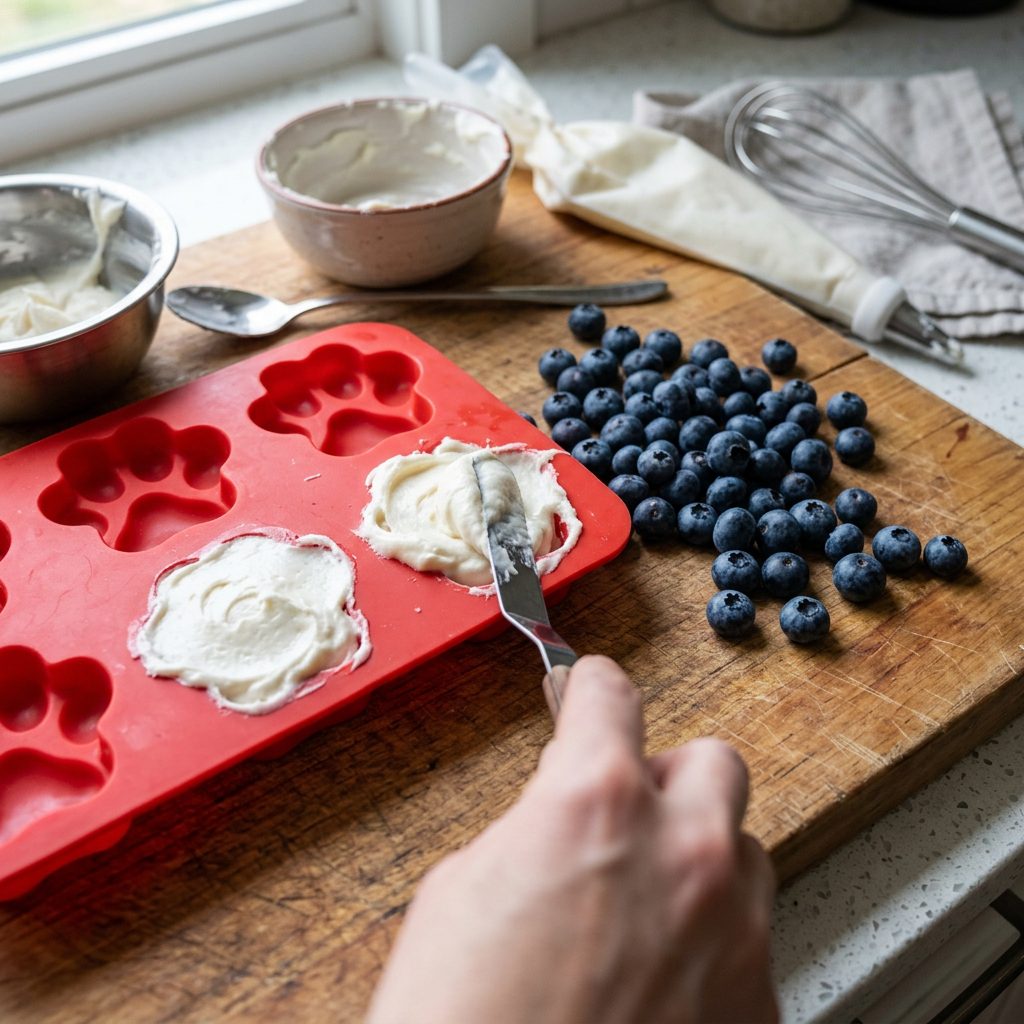
- Take your leftover frosting and mix in a handful of fresh blueberries or finely diced dog-safe fruits (like apples or bananas).
- Spoon the mixture into silicone ice cube trays or fun paw-shaped silicone molds.
- Tap the molds on the counter to remove any air bubbles, then place them in the freezer for 4-6 hours.
- Pop them out and store them in a freezer-safe zip-top bag.
You have just created high-value, probiotic-rich frozen treats that are perfect for hot summer days, teething puppies, or stuffing into a Kong toy to keep your dog mentally stimulated while you are at work. The frosting freezes beautifully and retains all of its nutritional benefits.
Refrigerator Storage
If you frost the cake ahead of time, it must be stored in the refrigerator due to the dairy content. The frosting will firm up significantly when cold. When you are ready to serve the cake, take it out of the fridge about 15-20 minutes beforehand to take the chill off, making it easier for your dog to eat and digest. The frosting will keep in an airtight container in the fridge for up to 4 days.
Conclusion
There you have it—the ultimate Canine Nutrition Hacker secret to flawless, show-stopping dog birthday cake frosting. By ditching the commercial mixes and spending just five minutes in your own kitchen, you have completely bypassed the hidden sugars, artificial dyes, and inflammatory starches that plague the pet treat industry. Instead, you have crafted a masterpiece using high-quality proteins, healthy fats, and gut-soothing probiotics.
Celebrating your dog’s milestones should be an act of love, and there is no greater act of love than protecting their health. When you pipe those perfect rosettes onto their birthday cake, you can do so with absolute confidence, knowing that every single lick is nourishing their body. You get the incredible photos for your social media, and your dog gets a delicious, biologically appropriate treat that won’t result in an upset stomach the next day. It is the ultimate win-win.
So, grab your mixing bowl, soften that cream cheese, and get ready to impress every dog owner at the dog park. You are no longer just a dog owner; you are a savvy canine chef. Happy baking, and give the birthday pup an extra slice from me!