No Cream Cheese? No Problem! This Dog Cake Frosting Stays Perfectly Pink and Firm
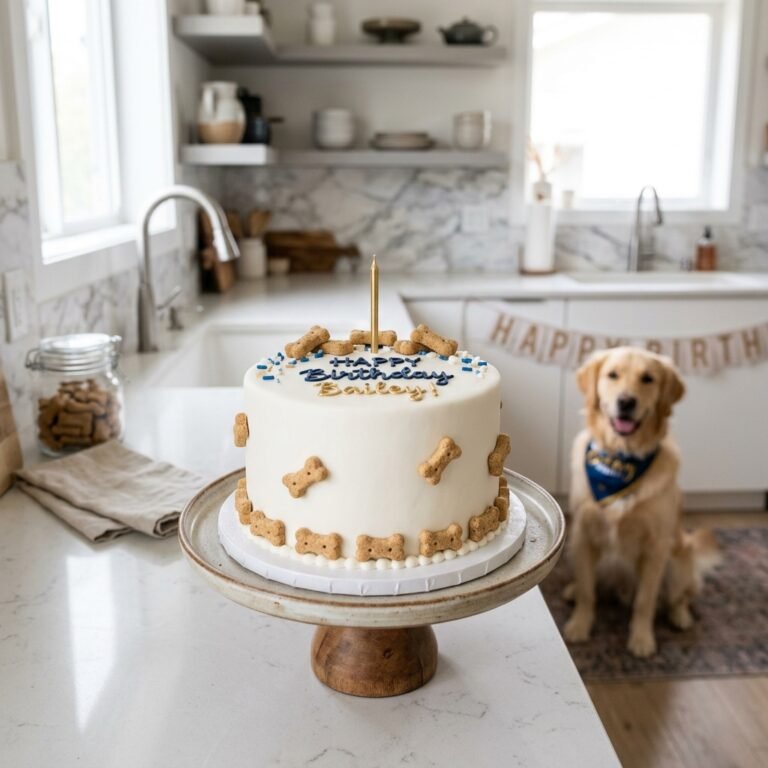
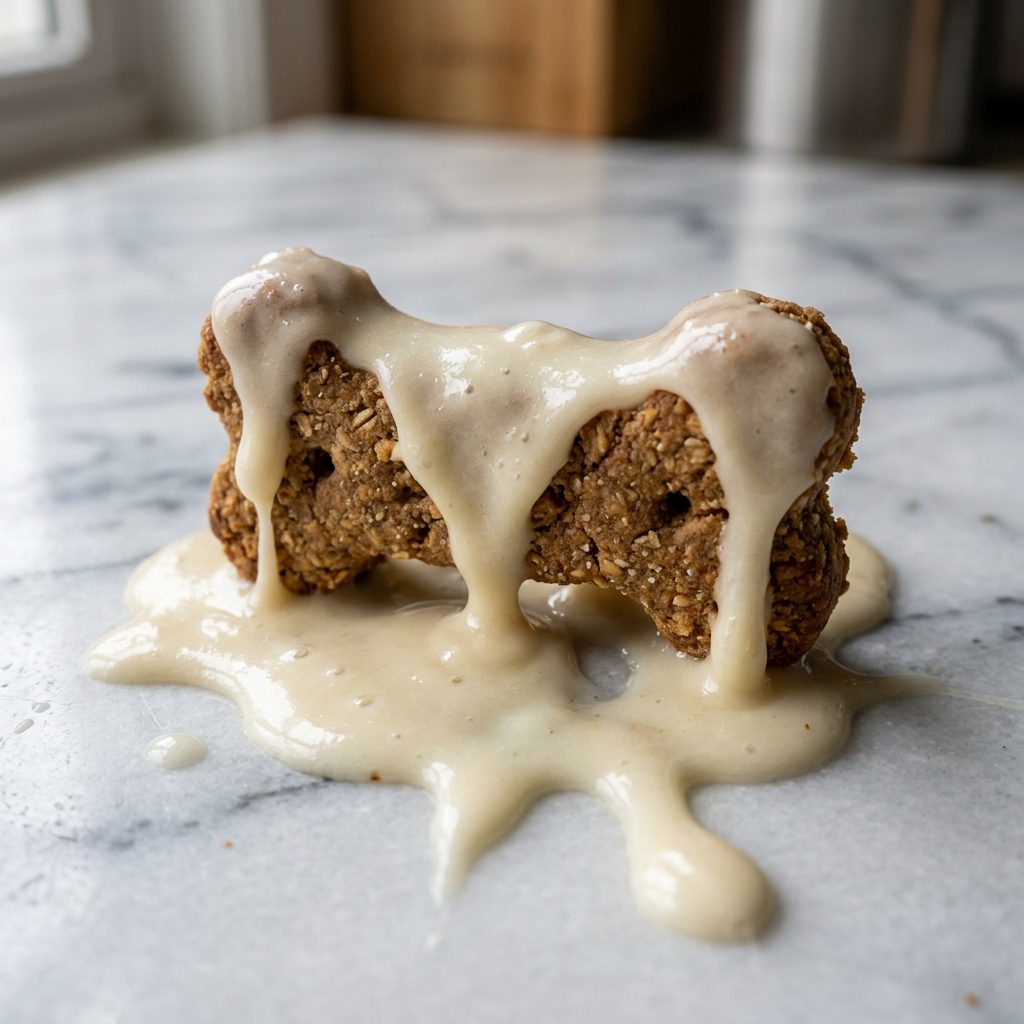
Let us set the scene: You have spent all afternoon baking the perfect, canine-friendly birthday cake. You whip up a batch of traditional cream cheese frosting, pipe it beautifully, and set it out for the big party. But within twenty minutes, your beautifully crafted masterpiece looks like a melted, sad puddle of white goo. Even worse? Later that night, your dog’s sensitive stomach decides that a massive dose of dairy was a terrible idea.
Listen up, savvy dog owners. As the Canine Nutrition Hacker, I am here to tell you that the pet industry’s obsession with cream cheese frosting for dog treats is a messy, expensive, and often tummy-upsetting trap. We are conditioned to think that to get that beautiful, bakery-style finish, we have to rely on heavy dairy products loaded with fat and lactose. But what if I told you there is a better way? A way that saves you money, protects your dog’s gut health, and yields a frosting so firm and vibrant that it looks like it came from a high-end boutique?
The insider secret to perfect dog cake frosting has nothing to do with dairy. It is all about harnessing the natural starches in whole foods to create a stable, pipeable structure.
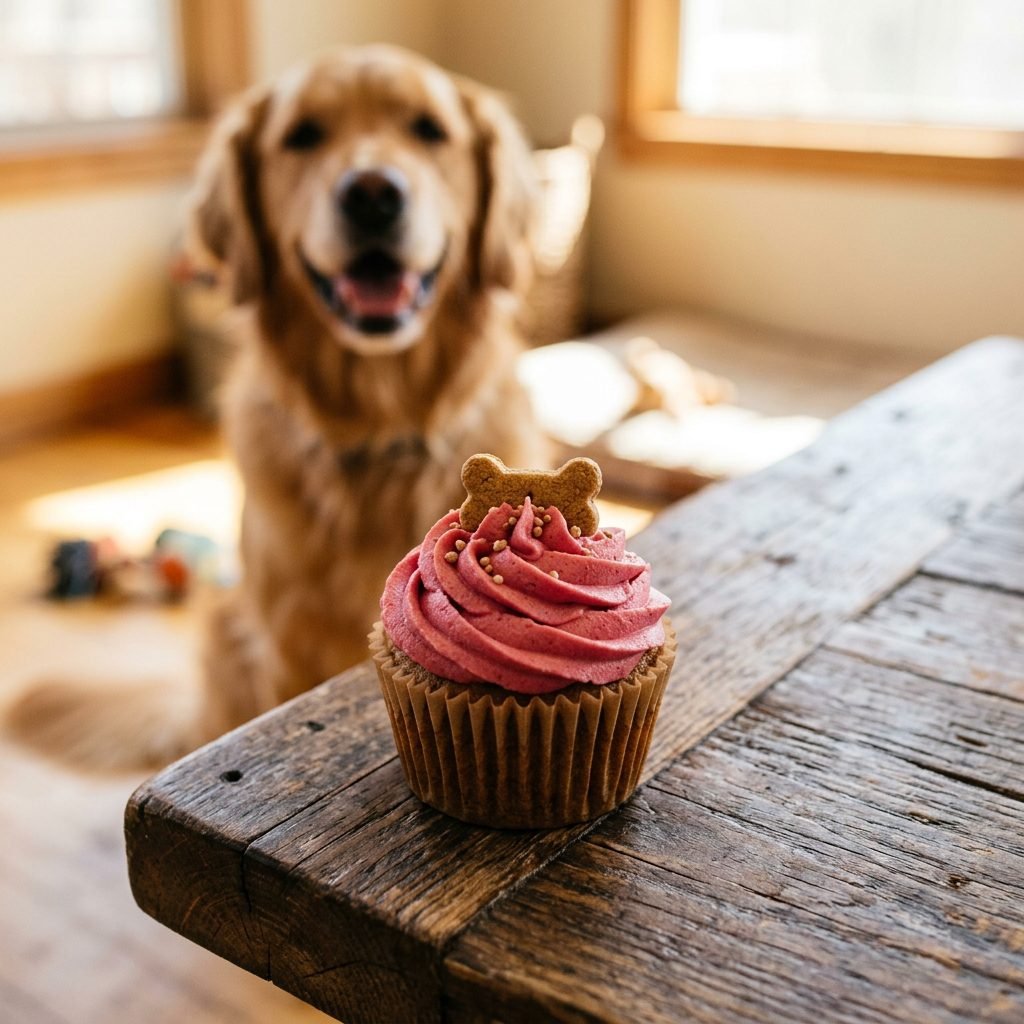
Today, we are going full forensic on dog bakery secrets. I am going to show you how to ditch the cream cheese, avoid artificial food dyes like Red 40, and create a perfectly pink, firm frosting that will have every dog at the park drooling. Grab your mixing bowls, because we are about to hack canine baking.
The Truth About Cream Cheese and Canine Digestion
Why Traditional Frosting Fails Your Dog
Before we get to the solution, we need to understand the problem. Why are we so desperate to replace cream cheese anyway? First and foremost, we have to talk about lactose. Unlike humans, a vast majority of adult dogs are naturally lactose intolerant. Once they are weaned off their mother’s milk, their bodies stop producing lactase, the enzyme required to break down dairy sugars. When you slather a cake in cream cheese, you are essentially handing your dog a one-way ticket to gas, bloating, and diarrhea. That is not exactly the birthday present you were aiming for.
The Fat Factor
Beyond lactose, standard cream cheese is incredibly dense in fat. While healthy fats are essential for a dog’s coat and brain health, a massive spike in saturated fat from a thick layer of frosting can trigger severe gastrointestinal distress, or in worst-case scenarios, a dangerous condition called pancreatitis. As a savvy owner, you read ingredient labels carefully for their daily kibble; you should not throw those standards out the window just because it is a special occasion.
The Structural Nightmare
From a purely culinary standpoint, cream cheese is a nightmare for dog parties. Unless your dog’s birthday is in the dead of winter and you are hosting the party in a refrigerator, traditional cream cheese frosting will melt. It lacks the structural integrity to hold a piped shape at room temperature for more than a few minutes. You end up with a sloppy mess that stains your floors and ruins your photos. We need a frosting that stands tall and proud, just like your pup.
The Hacker’s Arsenal: Secret Ingredients for Firm Frosting
Building a Better Frosting Base
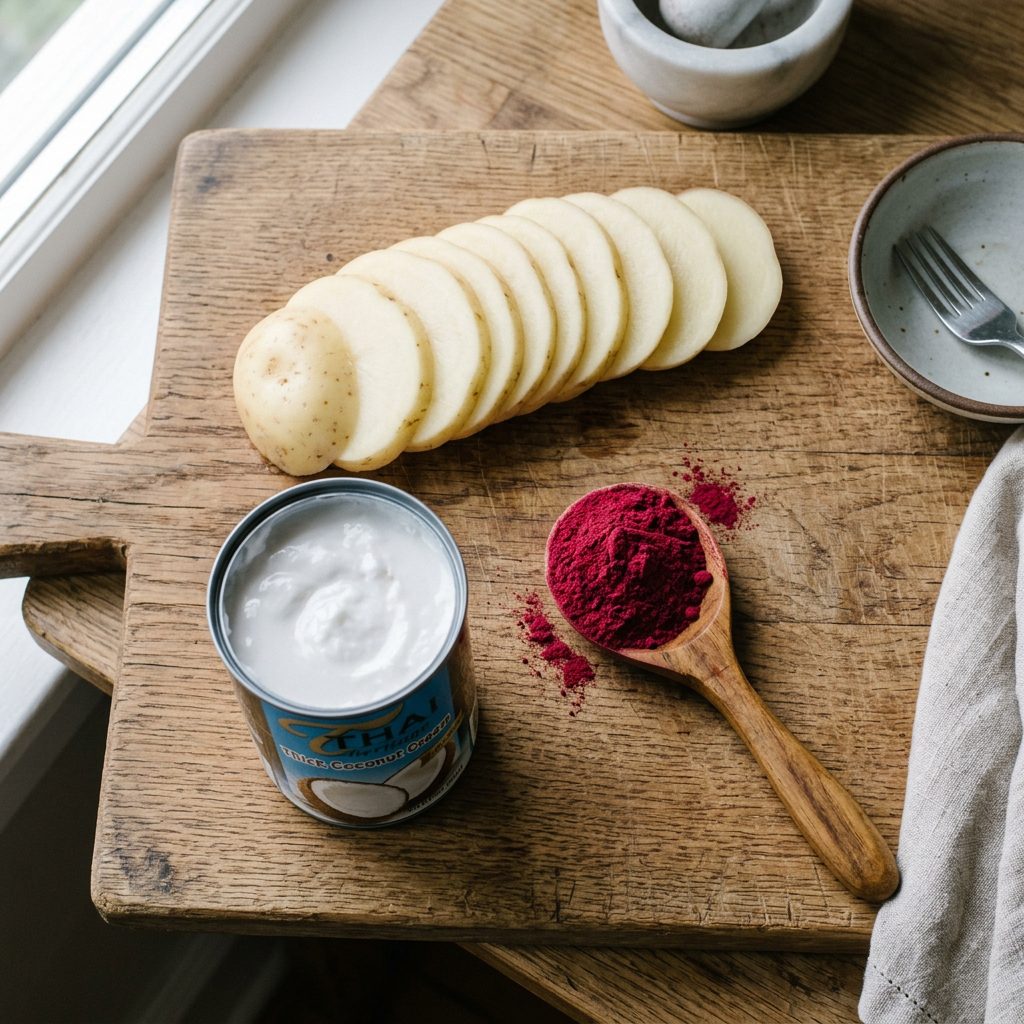
If we are not using cream cheese, what is the secret? The answer lies in the produce aisle. To create a frosting that holds its shape, we need a stable base that can emulate the thick, creamy texture of dairy without the digestive drawbacks. Enter the humble white potato.
The Starch Structure
When you boil and mash a standard russet or white potato without any added moisture, the natural starches act as a powerful binding agent. It creates a thick, moldable paste. By blending this starchy base with a small amount of solid coconut cream (the hard part at the top of a chilled can of full-fat coconut milk, not the liquid water), we create an emulsion. The saturated fat in the coconut cream chills and sets, while the potato starch provides the volume and structural integrity. This combination is the holy grail of dairy-free dog frosting.
Getting That Perfect Pink
Now, let us talk color. Walk into any commercial pet bakery, and you will likely find treats dyed with artificial colors like Red 40. As a nutrition hacker, I despise artificial dyes. They offer zero nutritional value and have been linked to hyperactivity and allergic reactions in some pets. Instead, we use organic beet root powder. Just a tiny pinch of this superfood turns our white potato base into a vibrant, stunning pink. Plus, beets are packed with antioxidants, vitamin C, and fiber. You are literally adding a health supplement to their cake.
The Real Cost Breakdown: DIY vs. Boutique Bakery
Stop Paying Premium Prices for Basic Ingredients
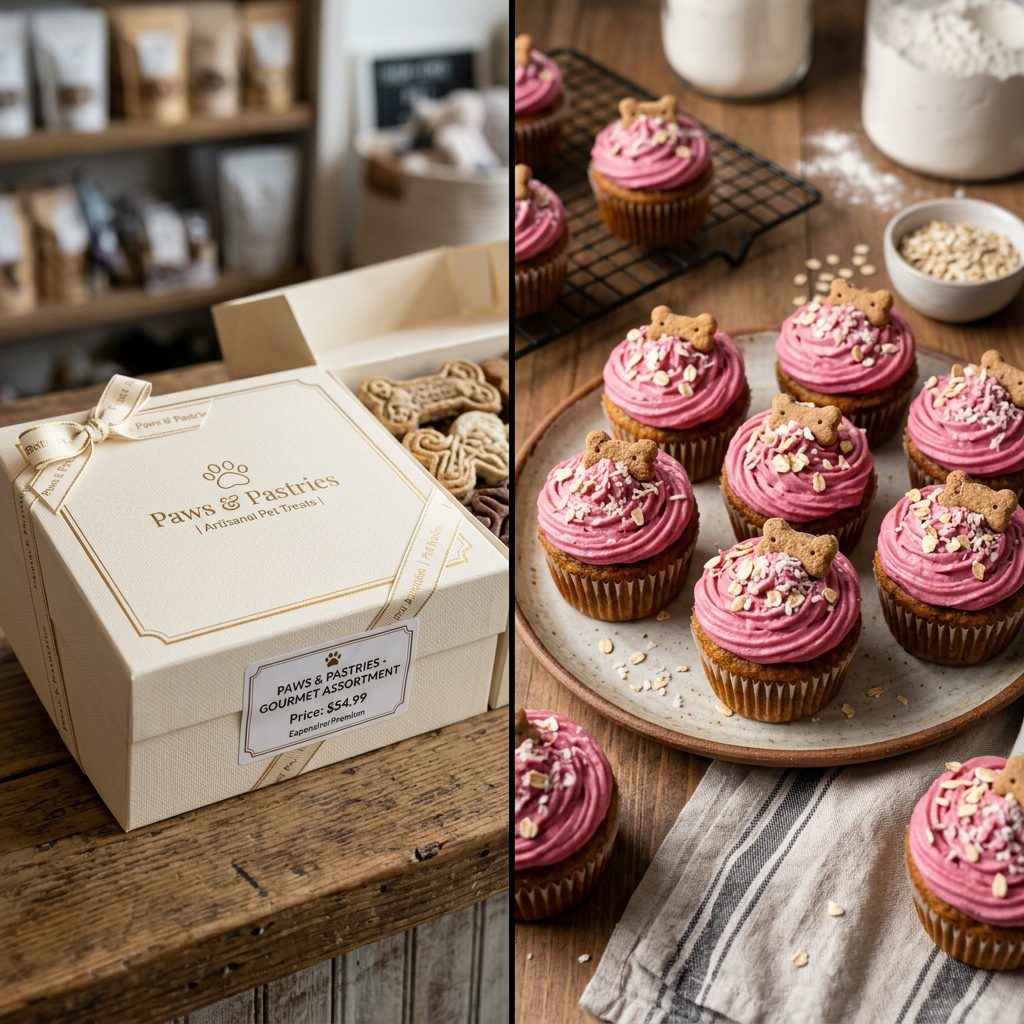
Let us talk numbers. Boutique dog bakeries charge an absolute premium for custom cakes. While I respect the hustle of small businesses, as a savvy dog owner, you need to know where your money is going. A standard 4-inch dog cake from a boutique can run you anywhere from $35 to $50. When you look at the actual ingredients—usually whole wheat flour, peanut butter, and cream cheese—the markup is astronomical.
By utilizing our hacked potato and coconut cream frosting, you are not only saving your dog’s stomach, but you are also keeping serious cash in your wallet. Potatoes are one of the most budget-friendly ingredients on the planet, and a single bag of beet root powder will last you for dozens of baking sessions. Let us look at the forensic breakdown of what a birthday cake actually costs when you do it like a hacker.
| Expense Category | Gourmet Dog Bakery | Traditional DIY (Cream Cheese) | The Hacker Method (Potato Base) |
|---|---|---|---|
| Base Cake Ingredients | Included in total | $5.00 | $5.00 |
| Frosting Base | Included in total | $4.50 (Cream Cheese) | $0.80 (1 Potato + Coconut Cream) |
| Coloring Method | Included in total | $3.00 (Artificial Food Dye) | $0.50 (Pinch of Beet Powder) |
| Total Estimated Cost | $45.00+ | $12.50 | $6.30 |
As you can see, you are spending just over six bucks to create a masterpiece that rivals a fifty-dollar bakery cake. That extra thirty-eight dollars? Put it toward high-quality, biologically appropriate daily nutrition or a durable chew toy.
The Safe Chef Guide: Actionable Recipe
How to Make the Perfect Pink Frosting
SAFETY DISCLAIMER: I am a canine nutrition hacker, not a veterinarian. This frosting is intended for intermittent or supplemental feeding only. It is a treat, not a meal replacement. Always introduce new foods slowly, and consult your vet if your dog has a history of severe food allergies or medical conditions like kidney disease.
Here is the exact, foolproof method for creating firm, pink, pipeable dog frosting. Follow these steps meticulously, as the temperature of the ingredients is the secret to the texture.
Ingredients List
- 1 large Russet or standard white potato (peeled and diced)
- 2 to 3 tablespoons of solid coconut cream (chill a can of full-fat coconut milk overnight, scoop only the hard white cream from the top)
- 1/2 to 1 teaspoon of organic beet root powder (adjust for desired pink intensity)
- Optional: 1 teaspoon of water or dog-safe bone broth ONLY if the mixture is too dry to blend
Step-by-Step Instructions
- Boil the Potato: Place the diced potato in a pot of plain, unsalted water. Boil until fork-tender (about 15-20 minutes). Do not add butter, salt, or milk.
- Drain and Dry: This is a critical hacker step. Drain the potatoes completely and let them sit in the hot, empty pot for 2 minutes to allow excess steam and moisture to evaporate. Too much water will ruin the firmness of your frosting.
- Mash and Cool: Mash the potatoes until they are completely smooth. You cannot have any lumps, or they will get stuck in your piping bag. Let the mashed potato cool to room temperature. If it is hot, it will melt the coconut cream.
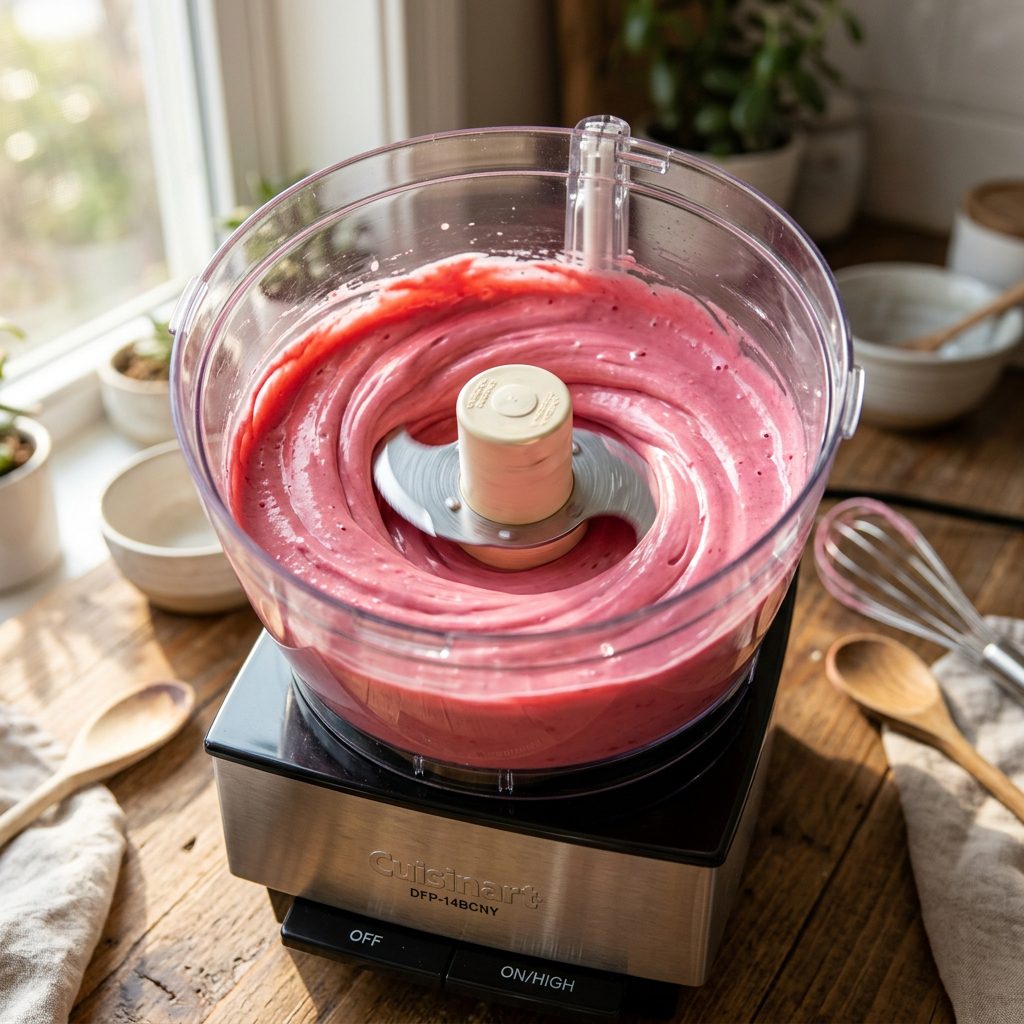
- Blend the Base: Transfer the cooled potato to a food processor or stand mixer. Add the solid coconut cream. Blend on high until it transforms into a smooth, glossy paste.
- Add the Color: Add 1/2 teaspoon of beet root powder. Blend again. If you want a deeper pink, add the remaining 1/2 teaspoon. Watch as the magic happens and the dull paste turns into a vibrant, bakery-quality frosting.
Insider Secrets: Batch Cooking, Piping, and Storage
Mastering the Bakery Finish
Now that you have your perfect pink frosting, you need to know how to handle it like a pro. Because this frosting relies on the structural integrity of potato starch and the temperature sensitivity of coconut oil, it behaves slightly differently than traditional dairy frosting.
The Piping Bag Hack
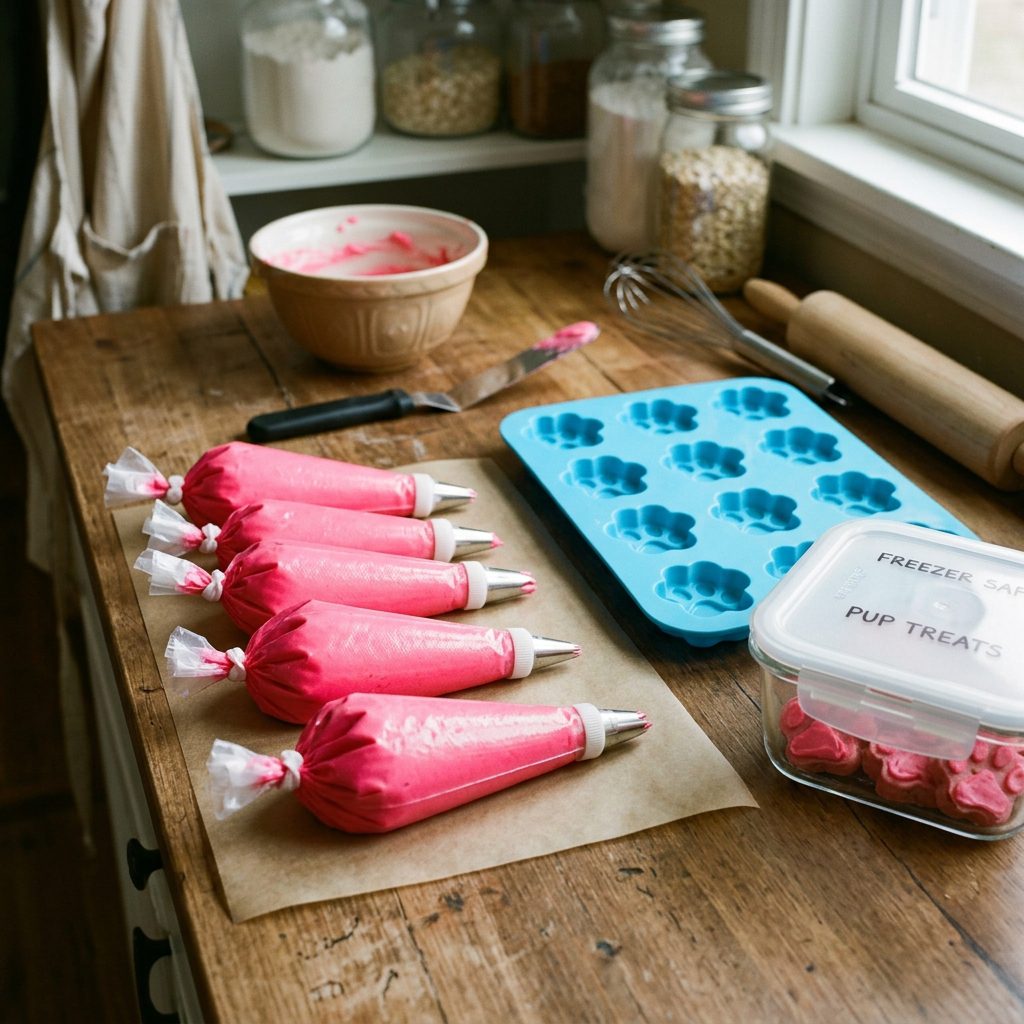
To get those beautiful, professional-looking swirls on your dog’s cake, you need a piping bag with a large star tip.
Insider Secret: If your frosting feels slightly too warm or soft after blending, place the entire piping bag in the refrigerator for 10 to 15 minutes before piping. The coconut cream will begin to solidify, giving you incredibly crisp, firm edges on your piped stars and swirls.
Do not leave it in the fridge too long, though, or it will become too stiff to squeeze!
Batch Cooking and Freezing
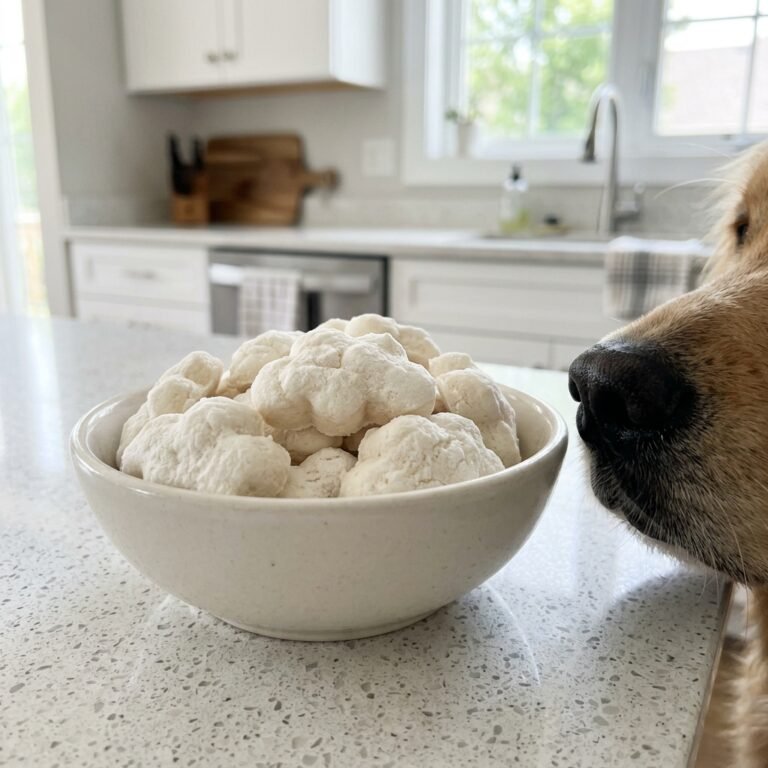
As a savvy owner, you know the value of your time. If you are making a batch of pupcakes, you will likely have leftover frosting. Do not throw it away! This potato-based frosting freezes beautifully. The best way to store it is to pipe the leftover frosting into silicone molds (like little paw prints or bones) and freeze them solid. Once frozen, pop them out and store them in an airtight freezer bag. Now, you have instant, pre-portioned frozen treats for hot summer days, or you can thaw them slightly to use as a quick topper for their regular kibble.
Troubleshooting Your Frosting
- Too Runny? If you accidentally added too much moisture, do not panic. Add a teaspoon of tapioca flour or arrowroot powder and blend. These dog-safe starches will absorb the excess liquid and firm up the texture instantly.
- Too Stiff? If the frosting is cracking when you pipe it, it is too dry. Add a tiny splash (half a teaspoon) of plain water or dog-safe bone broth and re-blend until smooth.
- Color Not Popping? Remember that beet powder can oxidize slightly. For the brightest pink, add the beet powder right before you are ready to pipe and serve.
Conclusion
There you have it—the ultimate, forensic breakdown of the perfect dog cake frosting. By stepping away from the dairy trap and utilizing the structural power of white potatoes and coconut cream, you have unlocked a bakery-level secret that protects your dog’s digestion and your wallet. You no longer have to settle for melted, messy cream cheese, and you certainly do not have to expose your furry best friend to artificial dyes and unnecessary saturated fats.
Being a canine nutrition hacker is all about questioning the status quo and finding smarter, healthier ways to spoil the dogs we love. This firm, perfectly pink frosting proves that you do not have to compromise on aesthetics to prioritize health. So go ahead, bake that birthday cake, pipe those beautiful pink swirls, and snap a hundred photos. The frosting is going to stay firm, your dog is going to go wild for the taste, and you get to take pride in knowing exactly what went into their special treat. Now get into the kitchen and start hacking!