The Only Low-Carb Almond Flour Biscuit Recipe Guaranteed Not To Spike Your Dog’s Blood Sugar
The Sugar Rollercoaster Your Dog Never Asked For
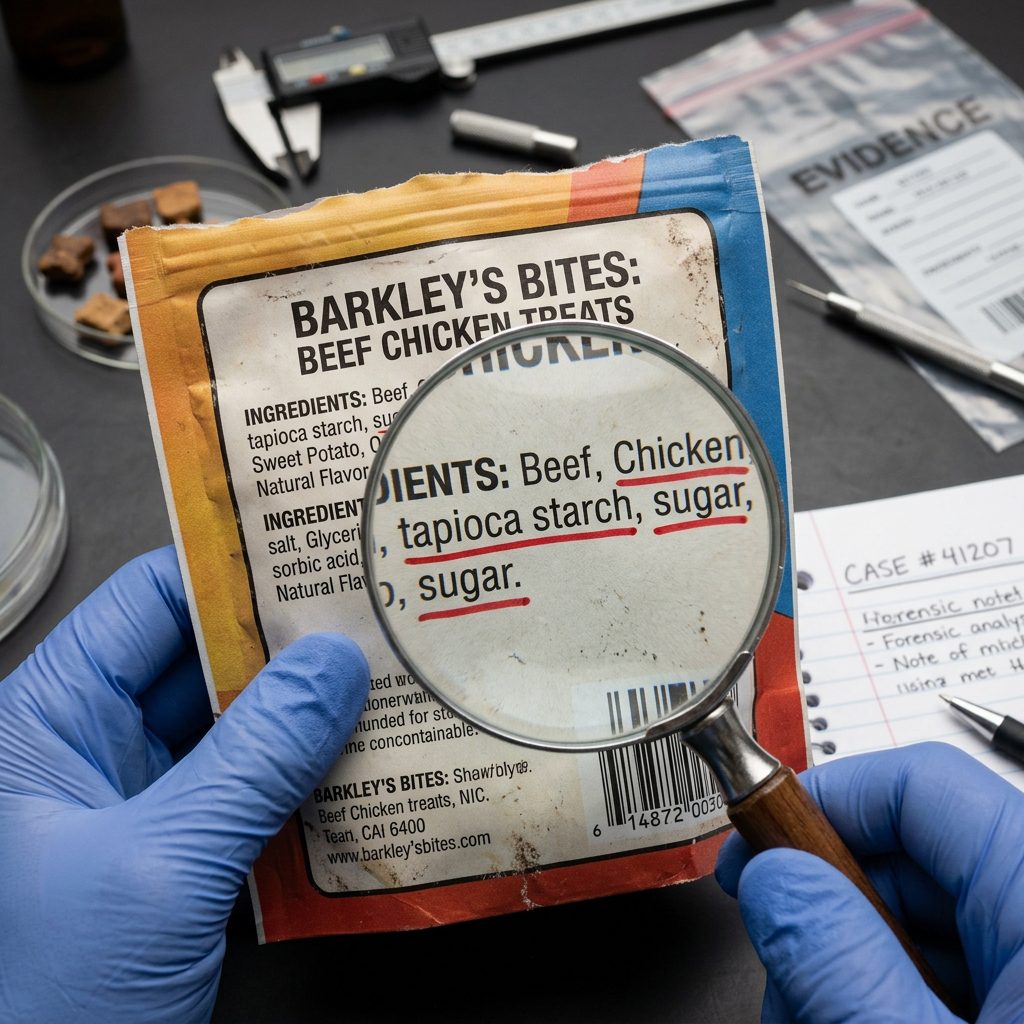
Let’s be real for a second: most commercial dog treats are essentially ‘doggie donuts.’ You walk down the pet store aisle, and you’re bombarded with labels claiming ‘natural,’ ‘grain-free,’ and ‘wholesome.’ But as a canine nutrition hacker, I’ve spent years peeling back those labels to find the ugly truth. Most of those treats are packed with high-glycemic binders like tapioca starch, potato flour, or pea protein that send your dog’s blood sugar into the stratosphere. If you’ve got a dog struggling with weight, insulin resistance, or even just those ‘post-treat zoomies’ followed by a massive energy crash, you’re looking at a metabolic nightmare.
I’m not here to scare you; I’m here to empower you. We’re going to bypass the ‘Big Kibble’ marketing machine entirely. Today, I’m giving you the keys to the vault: a low-carb almond flour biscuit recipe that is biologically appropriate, keto-friendly, and, most importantly, delicious enough that your dog will never know they’re on a ‘diet.’ We’re talking about a treat that provides sustained energy without the insulin spike. This isn’t just a recipe; it’s a forensic breakdown of how to fuel your dog like the apex predator they are, all while saving a significant chunk of change. Grab your apron, because we’re about to hack your dog’s snack game for good.
The Forensic Analysis: Why Store-Bought Treats are Sugar Bombs
The ‘Grain-Free’ Marketing Trap
You’ve seen the ‘Grain-Free’ stickers everywhere. You think you’re doing the right thing by avoiding wheat and corn, but here’s the insider secret: manufacturers have to hold that biscuit together with something. Usually, that something is a refined starch. Whether it’s tapioca, potato, or even honey, these ingredients have a high Glycemic Index (GI). When your dog eats them, their body converts those starches into glucose almost instantly. This triggers a massive release of insulin, the hormone responsible for fat storage. Over time, this constant spiking leads to inflammation and metabolic syndrome.
Exposing the Fillers
When you look at the first five ingredients of a popular ‘healthy’ treat, you’ll often see things like ‘Chicken, Pea Flour, Glycerin, Potato Flour, Dried Beet Pulp.’ See those flours? They are the culprits. Glycerin is often used to keep treats chewy, but it’s a caloric dense additive that adds zero nutritional value. As a savvy owner, you need to recognize that carbohydrates are not an essential nutrient for dogs. They can thrive on a diet of protein and healthy fats. By switching to a low-carb alternative, you are effectively turning off the fat-storage switch in your dog’s body.
Insider Secret: The ‘natural flavors’ listed on treat bags are often hydrolyzed proteins or even MSG-like compounds designed to make the treats addictive, ensuring your dog begs for more of the very thing that’s making them unhealthy.
The Hero Ingredient: Why Almond Flour Wins
Nutritional Density vs. Empty Calories
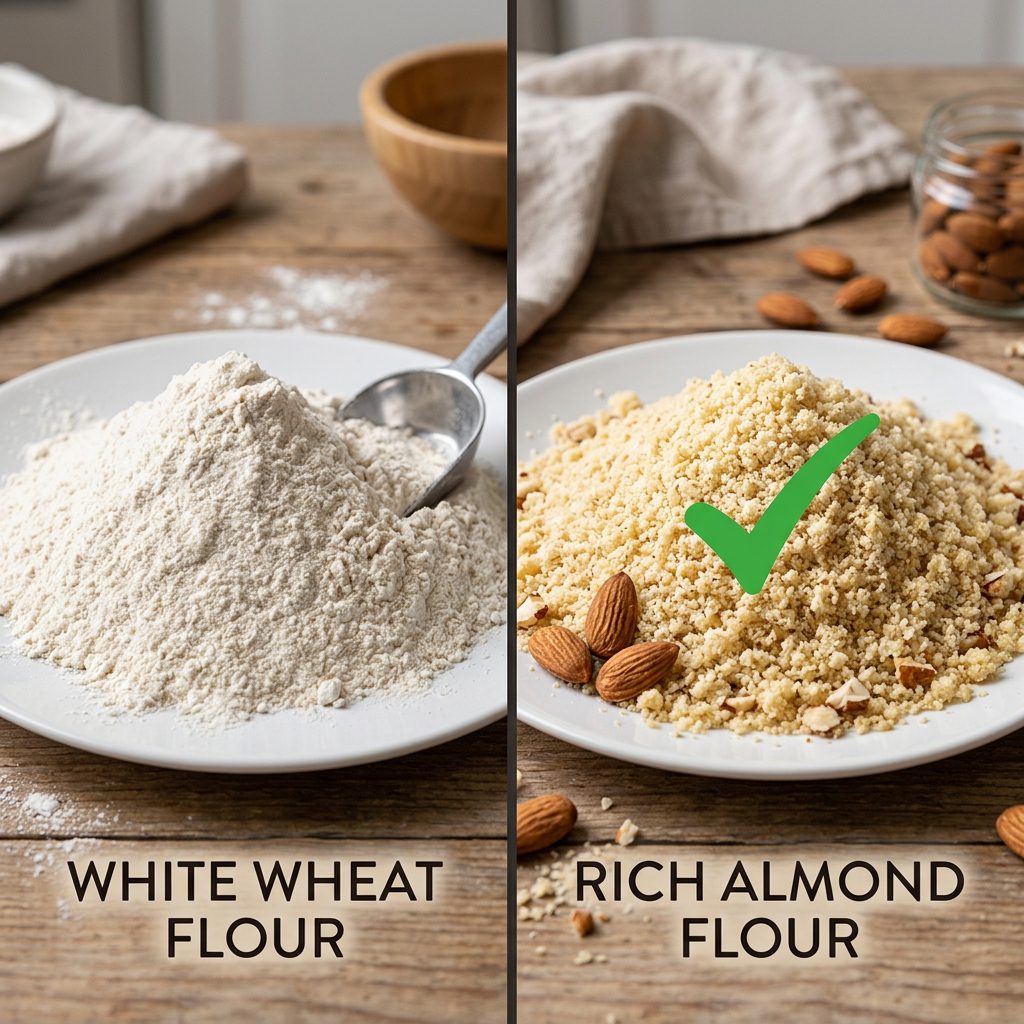
Why almond flour? Because it’s the ultimate nutritional powerhouse for a dog’s metabolism. Unlike wheat flour, which is mostly starch, almond flour is packed with Vitamin E, magnesium, and healthy monounsaturated fats. Most importantly, it has a very low Glycemic Index. It provides the ‘crunch’ dogs love without the metabolic tax. When we use almond flour, we are providing the body with slow-burning fuel. This is especially critical for senior dogs or those with canine diabetes who need a stable glucose level throughout the day.
The Protein-to-Carb Ratio
In the world of canine hacking, we look at the ‘Protein-to-Carb’ ratio. Wheat flour has about 10-12% protein and a massive 70% carbohydrate load. Almond flour flips the script, offering roughly 21% protein and only 20% carbohydrates—much of which is dietary fiber. This fiber helps with digestion and keeps your dog feeling full longer. Warning: Always ensure you are using blanched almond flour rather than almond meal for better texture and digestibility, and never, ever use ‘birch sugar’ (Xylitol) as a sweetener, as it is highly toxic to dogs.
The Real Cost Breakdown: DIY vs. Premium Store-Bought
Stop Overpaying for ‘Specialty’ Nutrition
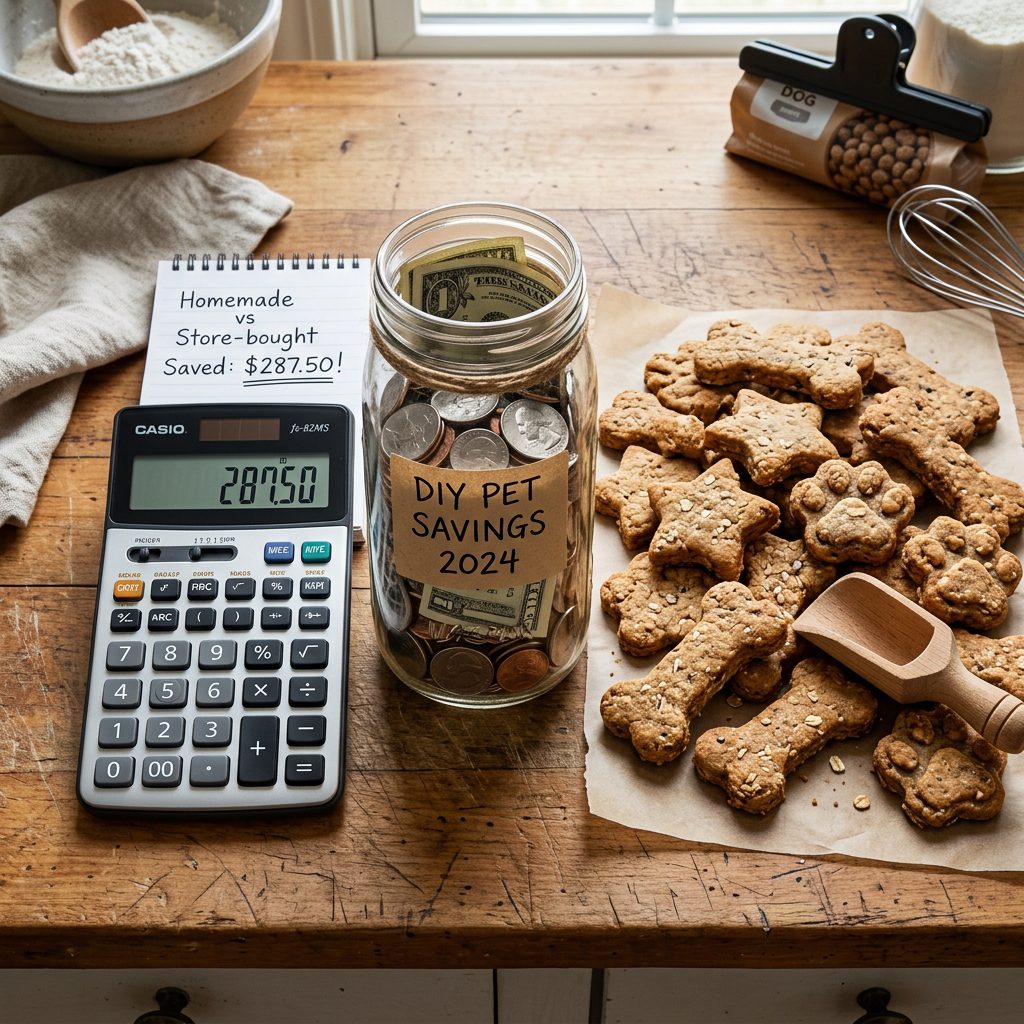
If you go to a vet or a high-end boutique and look for ‘Diabetic-Friendly’ or ‘Low-Glycemic’ treats, you’re going to pay a premium. We’re talking $15 to $20 for a small 8oz bag. By making these at home, you’re not just controlling the ingredients; you’re protecting your wallet. Almond flour might seem expensive at $10 a bag, but that bag will make hundreds of biscuits. Let’s look at the numbers.
| Metric | Premium Store-Bought (Low-Glycemic) | Hacker’s Almond Flour Biscuits |
|---|---|---|
| Price per Ounce | $2.25 | $0.45 |
| Primary Binder | Tapioca or Pea Starch | Almond Flour & Egg |
| Sugar Content | Hidden (Honey/Syrup) | 0% Added Sugar |
| Preservatives | Potassium Sorbate/Citric Acid | None (Fresh is Best) |
| Verdict | Overpriced Marketing | The Gold Standard |
By batch cooking these treats, you are saving approximately $1.80 per ounce. For a multi-dog household or someone using treats for training, those savings add up to hundreds of dollars a year. That’s money you can put toward higher-quality raw proteins or better veterinary care.
The Safe Chef Guide: The Ultimate Low-Carb Recipe
Safety Disclaimer
I am a canine nutrition hacker, not a veterinarian. While this recipe is designed to be low-glycemic, always consult with your vet before making significant dietary changes, especially if your dog is on insulin or has existing kidney issues. Homemade treats should not exceed 10% of your dog’s daily caloric intake.
The Ingredients
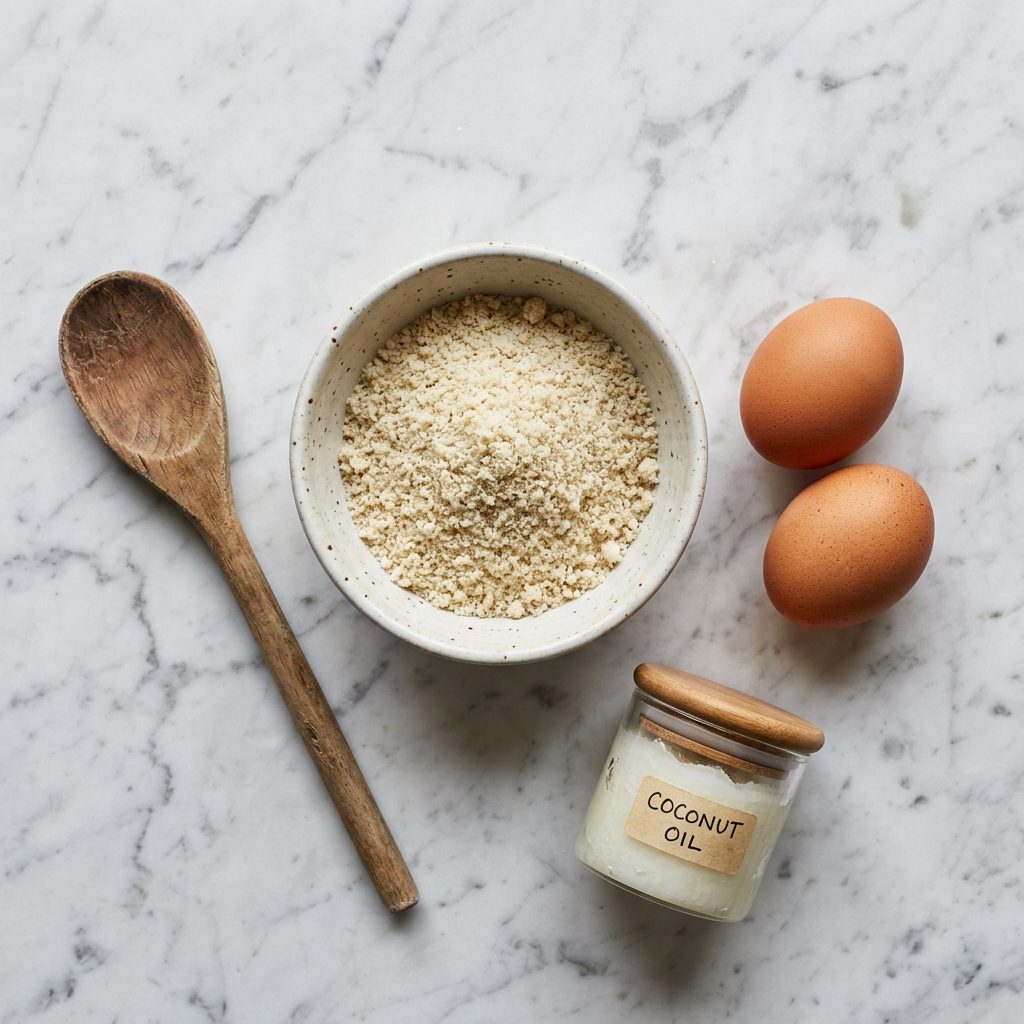
- 2 Cups Blanched Almond Flour: The low-carb base.
- 2 Large Pasture-Raised Eggs: The protein-rich binder.
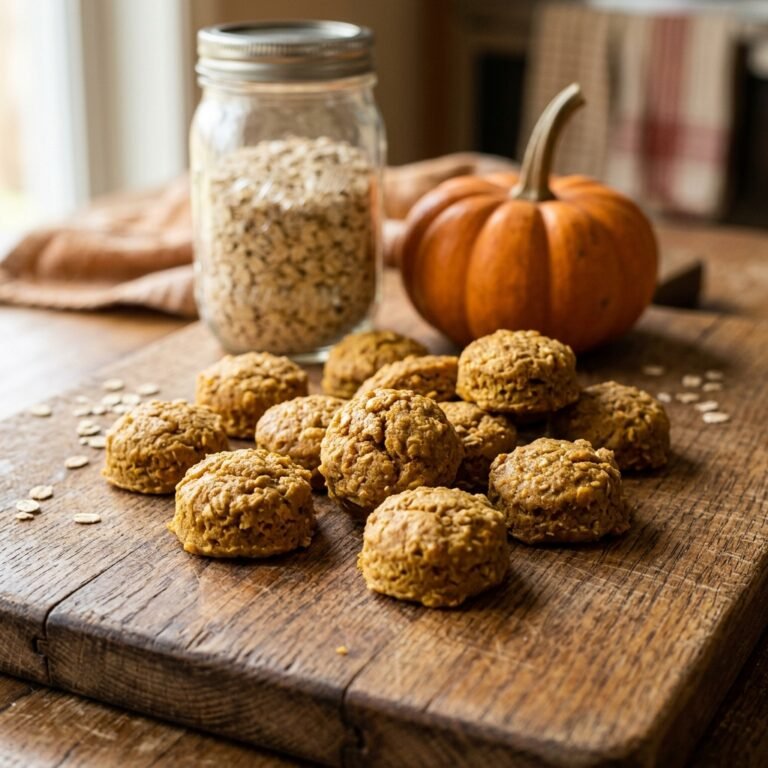
- 1/2 Cup Unsweetened Pumpkin Puree: Adds fiber and moisture (ensure it is NOT pumpkin pie filling).
- 1 Tablespoon Melted Coconut Oil: For healthy fats and coat shine.
- 1/2 Teaspoon Cinnamon: A natural anti-inflammatory that helps regulate blood sugar.
The Execution
- Preheat: Set your oven to 325°F (165°C). We go low and slow to preserve the nutrients in the almond flour.
- Mix: Combine the pumpkin, eggs, and coconut oil in a large bowl. Whisk until smooth.
- Incorporate: Gradually fold in the almond flour and cinnamon. The dough should be thick and slightly tacky, not crumbly.
- Roll: Place the dough between two sheets of parchment paper and roll to 1/4 inch thickness.
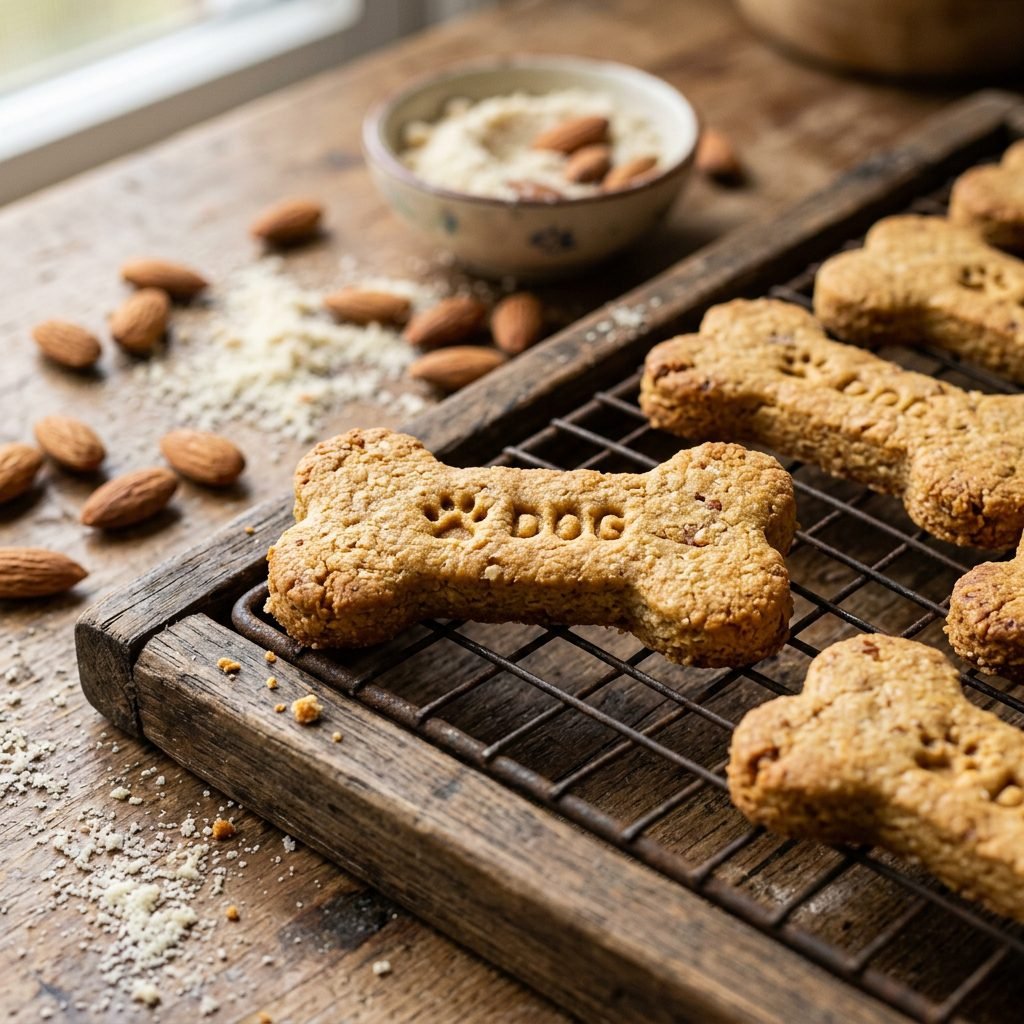
- Cut: Use a bone-shaped cutter or simply a knife to create small squares.
- Bake: Place on a baking sheet and bake for 25-30 minutes until the edges are golden brown.
- Cool: Turn off the oven and let the biscuits sit inside with the door cracked for an extra 10 minutes. This ‘hacker tip’ makes them extra crunchy!
Hacker Tips: Batch Cooking and Storage
The ‘Pro-Prep’ Strategy
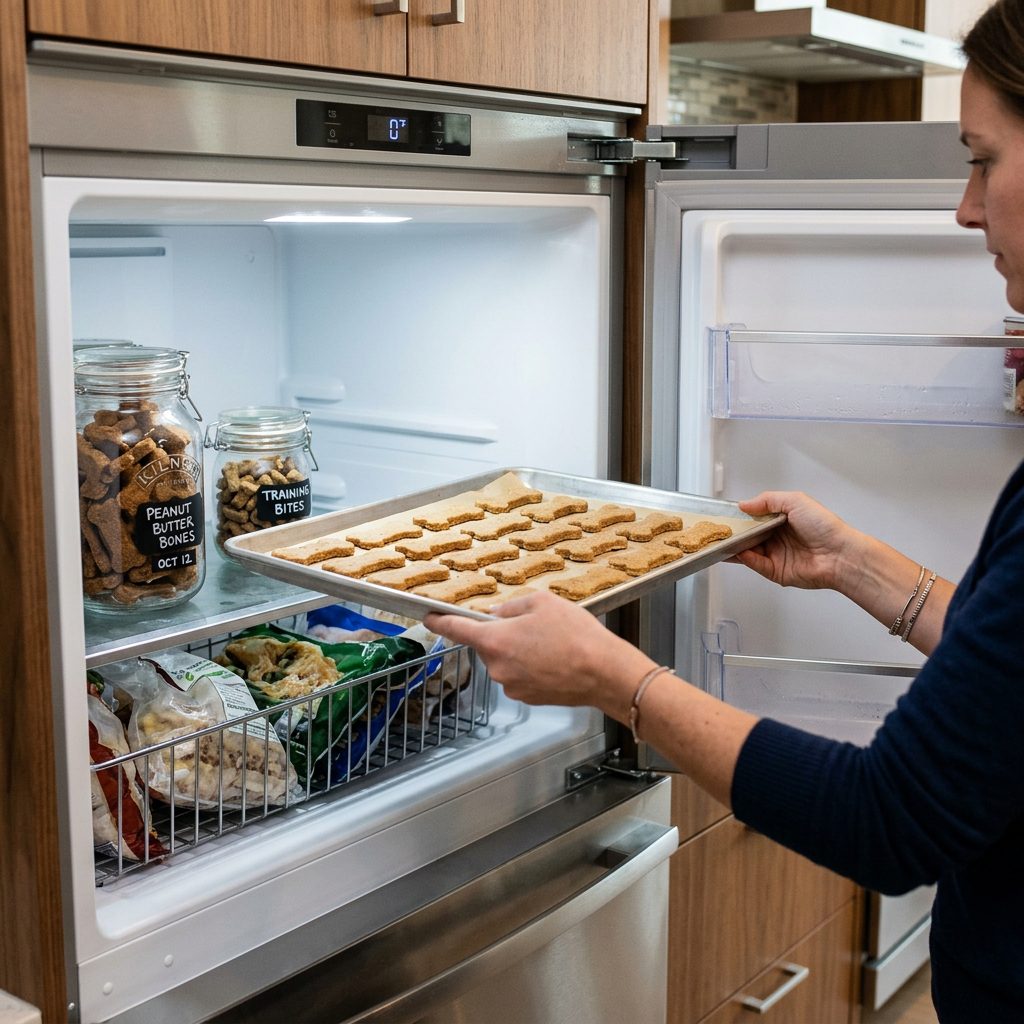
You’re busy. I get it. You don’t want to be baking every three days. The secret to maintaining a healthy dog diet is batch cooking. This recipe scales perfectly. I usually triple the batch and spend one Sunday afternoon a month ‘treating’ the pack. Because these biscuits don’t have chemical preservatives, you have to be smart about storage. If left on the counter in a humid environment, the healthy fats in the almond flour can go rancid or grow mold within a week.
Freezing and Dehydrating
If you want that satisfying ‘snap’ that cleans teeth, you can use a food dehydrator after baking. Put the finished biscuits in the dehydrator at 135°F for 4 hours. This removes all residual moisture, making them shelf-stable for weeks. If you don’t have a dehydrator, simply store the bulk of your batch in the freezer. They stay fresh for up to 6 months and most dogs actually love the extra crunch of a frozen biscuit on a hot day. Just pull out a week’s worth at a time and keep them in a sealed glass jar.
Hacker Tip: Use a silicone ‘pyramid pan’ (the kind used for draining fat from roasts) to bake these. You can flip the dough into the small holes to create hundreds of tiny, ‘point-sized’ training treats in one go!
When to Use These Treats: Training & Health Benefits
The High-Value Training Secret
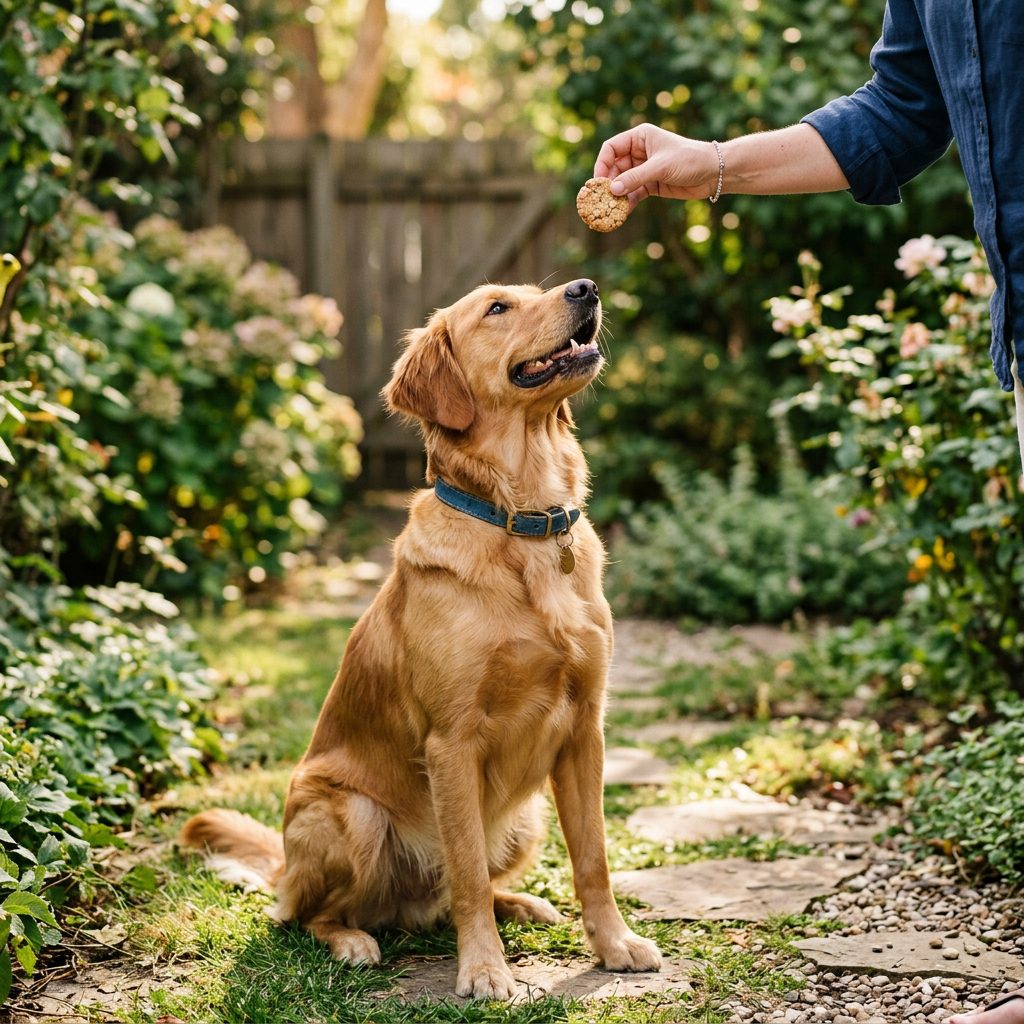
Most ‘high-value’ training treats are pieces of hot dog or cheese. While effective, they are messy and high in sodium. These almond flour biscuits are the perfect middle ground. They are dry enough to keep in your pocket but tasty enough to keep your dog’s focus during a high-distraction walk. Because they don’t cause a sugar spike, you won’t deal with a ‘hyper’ dog halfway through your training session.
Weight Management Success
If your dog is carrying a few extra pounds, the first thing a vet will tell you is ‘cut out the treats.’ But treats are a vital part of the human-canine bond! By switching to this low-carb version, you can continue to reward your dog without sabotaging their weight loss journey. The healthy fats in the almonds promote satiety, meaning your dog feels more satisfied with one of these than they would with five wheat-based biscuits. It’s about quality over quantity. You’re giving them the building blocks for a healthy coat and strong muscles while keeping their waistline lean.
Conclusion
Take Back Control of Your Dog’s Bowl
At the end of the day, you are the gatekeeper of your dog’s health. The pet food industry is designed to sell convenience and low-cost fillers, not longevity. By mastering this simple almond flour biscuit, you’ve taken a massive step toward becoming a true canine nutrition hacker. You’ve exposed the ‘sugar bombs,’ understood the science of low-glycemic fueling, and learned how to save money while providing superior nutrition. Remember, every treat you give is an opportunity to either feed disease or fuel health. Choose health. Your dog’s wagging tail and stable energy levels will be all the proof you need. Now, go get baking!