Gut-Healing Frozen Kefir Pops That Stop Diarrhea Fast
There’s nothing more stressful for a pet parent than seeing their furry friend feeling unwell. And when diarrhea strikes, it can be a messy and worrying ordeal for everyone involved. While many tummy troubles require a trip to the vet, mild cases of digestive upset can often be managed at home with simple, gentle remedies. Enter the gut-healing hero you might not have considered: kefir.
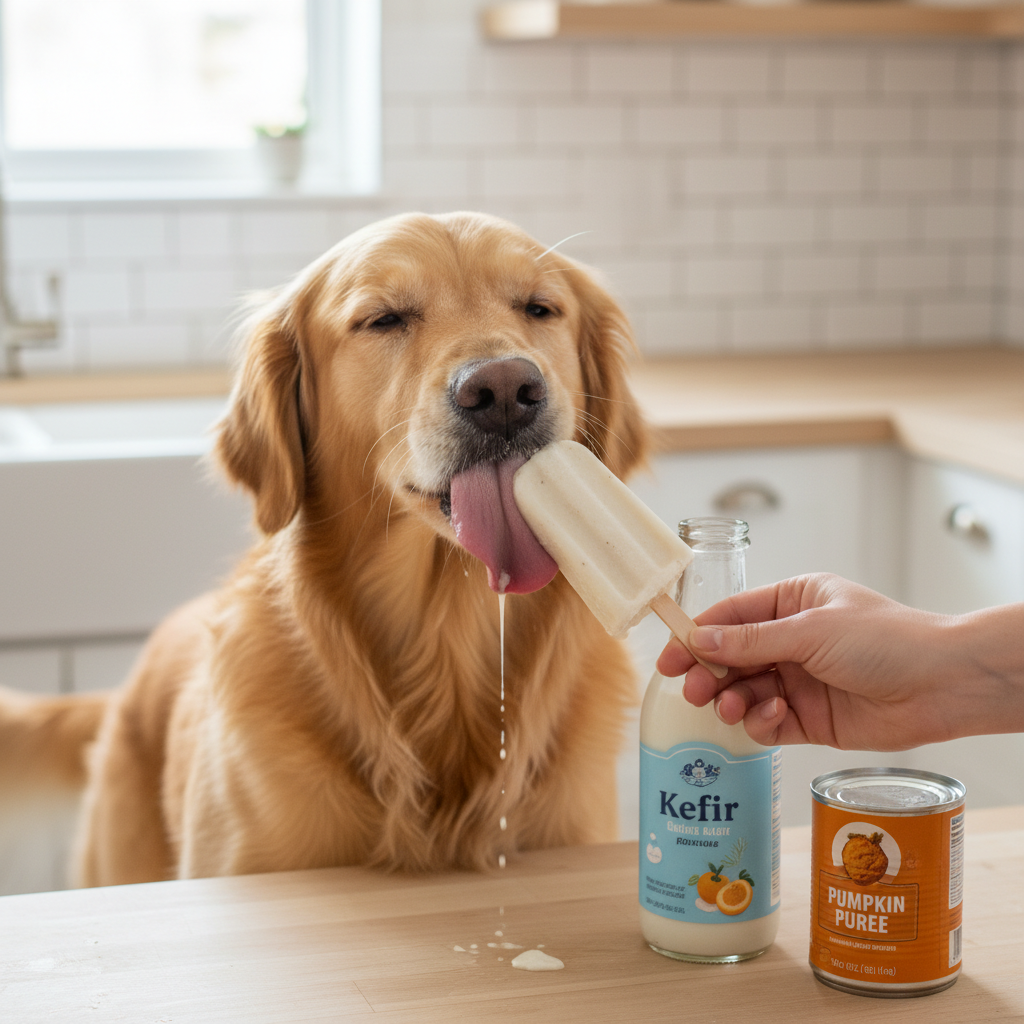
These frozen kefir pops are more than just a tasty treat; they’re a probiotic-packed powerhouse designed to soothe inflammation, restore healthy gut bacteria, and get your pup’s system back on track. In this guide, we’ll walk you through why kefir is so beneficial and how you can whip up these tummy-taming treats in your own kitchen.
Why Kefir? The Gut-Friendly Superfood for Your Pup

So, what exactly is this magic ingredient? Kefir (pronounced keh-FEER) is a fermented milk drink, similar to a thin yogurt, that’s teeming with beneficial probiotics. Think of it as a supercharged yogurt. While regular yogurt has a few strains of good bacteria, kefir can contain up to 61 different strains of bacteria and yeast, making it one of the most potent probiotic sources available.
When your dog has diarrhea, their gut’s delicate ecosystem of good and bad bacteria gets thrown out of whack. The probiotics in kefir act like tiny peacekeepers, flooding the digestive tract with beneficial microbes that help crowd out the bad guys, reduce inflammation, and promote a healthy gut lining.
Key Benefits of Kefir for Dogs:
- Restores Gut Balance: The diverse range of probiotics helps replenish the healthy bacteria lost during a bout of diarrhea.
- Boosts Immunity: A significant portion of your dog’s immune system resides in their gut. A healthier gut means a stronger immune system.
- Aids Digestion: The live enzymes in kefir help your dog break down their food more efficiently, making nutrients easier to absorb.
- Gentle on the Tummy: The fermentation process breaks down much of the lactose in milk, so even some lactose-sensitive dogs can tolerate kefir well.
Expert Tip: Always choose plain, unsweetened kefir for your dog. Sugars and artificial sweeteners like xylitol (which is highly toxic to dogs) are often found in flavored varieties and will only make tummy troubles worse.
Your Step-by-Step Guide: Making Gut-Soothing Kefir Pops
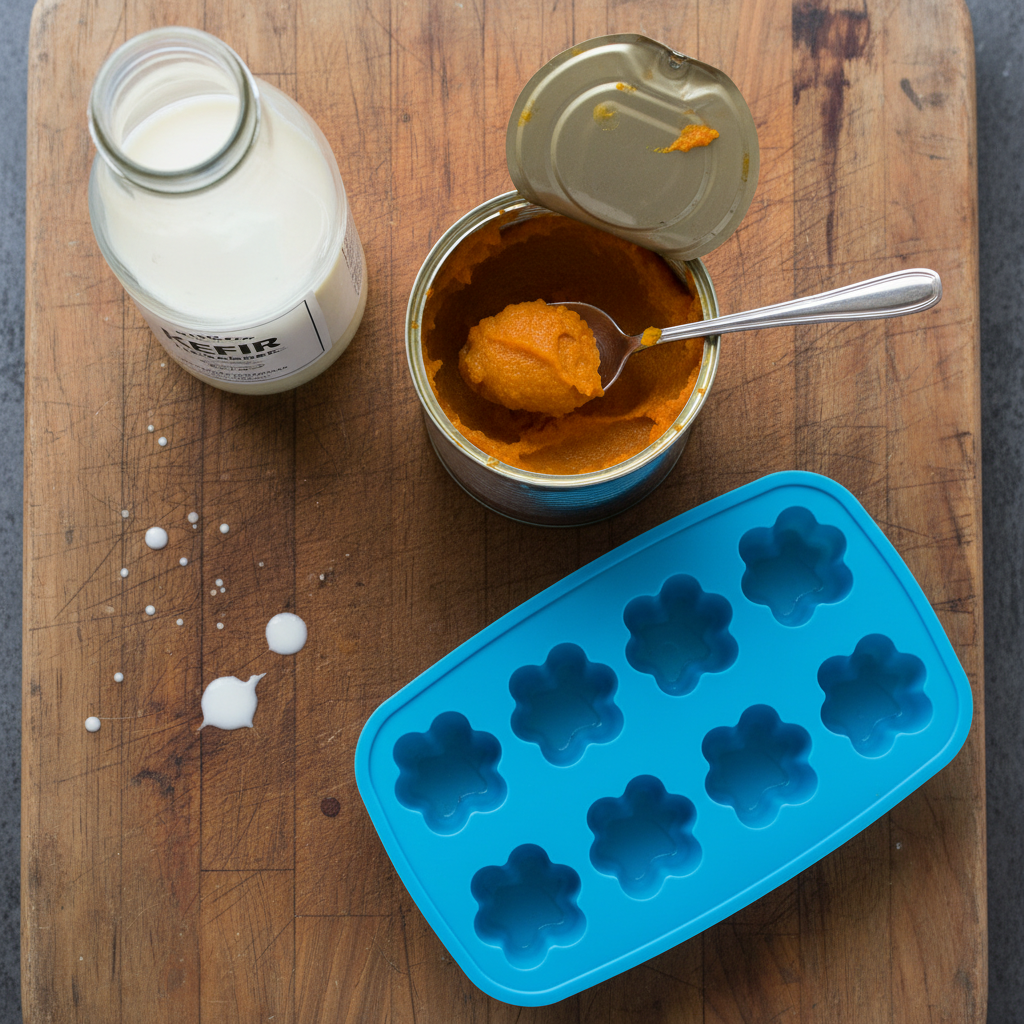
Ready to make these simple, soothing treats? This recipe is incredibly easy and requires just a few ingredients. You can find plain kefir in the dairy or natural foods section of most grocery stores.
Ingredients You’ll Need:
- 1 cup plain, unsweetened kefir (cow, goat, or even coconut milk kefir works)
- 2 tablespoons pure pumpkin puree (NOT pumpkin pie filling)
- Optional: 1 teaspoon finely grated fresh ginger or 1/4 teaspoon ground ginger (known for its anti-nausea properties)
- Optional: 1 tablespoon of pureed banana for extra prebiotics
Tools:
- A mixing bowl
- A whisk or spoon
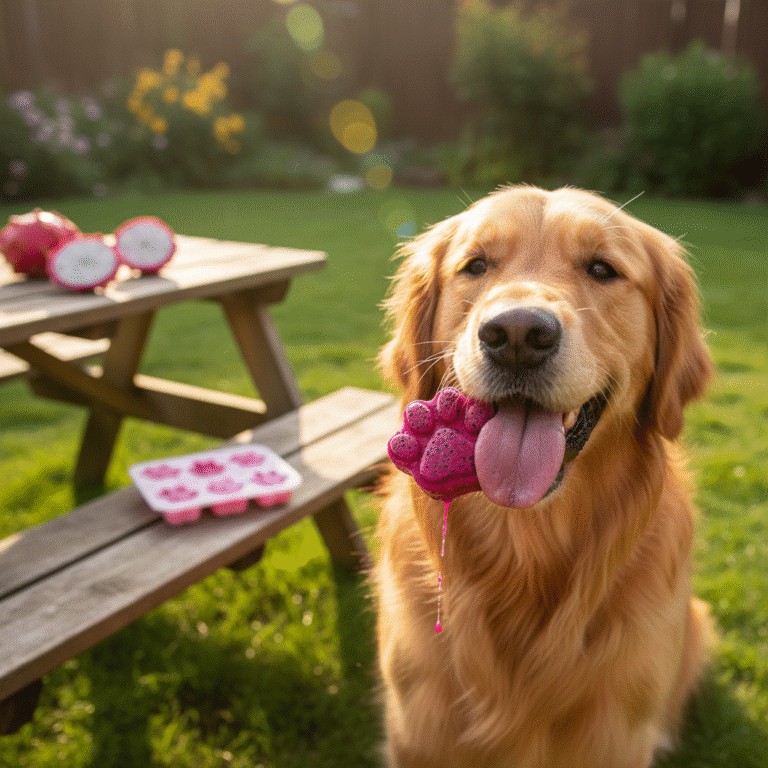
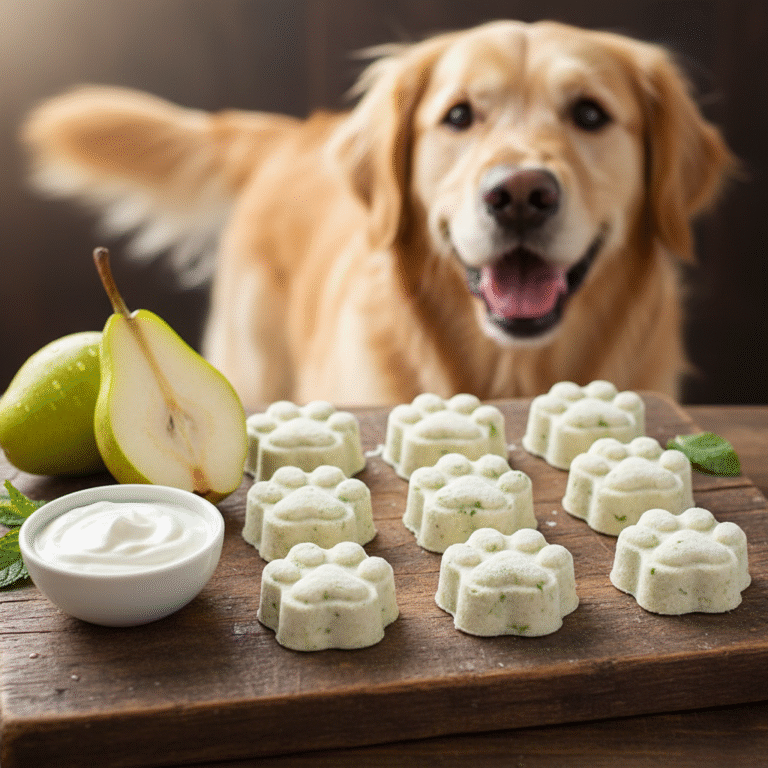
- An ice cube tray or silicone molds (paw or bone shapes are fun!)
Instructions:
- In your mixing bowl, combine the plain kefir and the pure pumpkin puree. If you’re using ginger or banana, add it now.
- Whisk all the ingredients together until they are smooth and well-combined. The mixture should have a consistency similar to a thick smoothie.
- Carefully pour or spoon the mixture into your ice cube tray or silicone molds.
- Place the tray flat in your freezer and freeze for at least 4-6 hours, or until the pops are completely solid.
- Once frozen, you can pop them out of the molds and store them in a freezer-safe bag or container for up to 3 months.
Serving Guide: How to Safely Give Kefir Pops to Your Dog

Even with healthy treats, moderation is key. You don’t want to overload a system that’s already feeling sensitive. The goal is to introduce the probiotics gently to help, not hinder, the healing process.
Start by offering just one pop to your dog and wait a few hours to see how they respond. If their stool starts to firm up and they show no signs of further upset, you can offer another one later in the day. Think of these as a supplemental remedy, not a meal replacement.
General Serving Size Suggestions:
- Small Dogs (under 20 lbs): 1 small pop (standard ice cube size) per day.
- Medium Dogs (20-50 lbs): 1-2 pops per day.
- Large Dogs (over 50 lbs): 2-3 pops per day.
Always ensure your dog has access to plenty of fresh water, as staying hydrated is crucial when they have diarrhea. You can also crumble a pop over their regular food once their appetite returns to continue providing those gut-friendly benefits.
When to Skip the Pops and Call Your Vet
While these kefir pops are fantastic for mild, isolated incidents of diarrhea, they are not a substitute for professional veterinary care. Home remedies are only appropriate when your dog is otherwise acting bright, happy, and normal. Certain symptoms are red flags that indicate a more serious underlying issue that requires immediate medical attention.
Contact your veterinarian immediately if you notice any of the following:
- Diarrhea lasts for more than 48 hours.
- You see blood in the stool (it might look bright red or dark and tarry).
- Your dog is also vomiting.
- Extreme lethargy or weakness. Your dog seems unusually tired and uninterested in their usual activities.
- Signs of pain, such as a hunched back, whining, or a bloated, hard abdomen.
- Loss of appetite or refusal to drink water.
- Your dog is very young (a puppy), elderly, or has a pre-existing health condition. These dogs can become dehydrated much more quickly.
Remember, it’s always better to be safe than sorry. If you’re ever in doubt about your dog’s health, a quick call to your vet is the best course of action.
Conclusion
Dealing with your dog’s diarrhea is never fun, but having a simple, effective remedy like these gut-healing kefir pops in your toolkit can make a world of difference. They’re a natural, dog-approved way to help soothe an upset stomach and support long-term digestive health. By offering a powerful dose of probiotics in a tasty frozen treat, you can help your best friend feel better fast.
Just remember to use them for mild cases only and always keep a close eye on your pup. Your veterinarian is your most important partner in your dog’s health, so never hesitate to reach out when something seems off. Here’s to happy tummies and healthy, happy dogs!