The Diabetic-Friendly Grain: Low-Glycemic Barley Flour Biscuits Your Vet Will Approve Of
The Great Insulin Roller Coaster: Why Your ‘Diabetic’ Treats Are Failing You
If you have just received a diabetes diagnosis for your dog, I know exactly what you are feeling. It is a mix of panic, confusion, and a sudden, overwhelming urge to read every single label in the pet store aisle. You have probably been told to stick to expensive, bland ‘prescription’ diets that look like cardboard and smell even worse. But here is the insider secret the big pet food corporations do not want you to realize: many of those ‘specialty’ treats are still packed with high-glycemic fillers that send your dog’s blood sugar on a vertical climb. As a canine nutrition hacker, I have spent years dissecting what actually happens inside a dog’s metabolic system. The goal isn’t just to ‘manage’ diabetes; it is to stabilize it. We do that by choosing ingredients that burn slow and steady, like a well-fed campfire rather than a flash of gasoline. That is where barley flour comes in. It is the unsung hero of the canine pantry, a low-glycemic powerhouse that provides the crunch your dog craves without the insulin spike that keeps you up at night. In this guide, we are going to strip away the marketing fluff and look at the forensic evidence of why barley is king, and I will show you how to bake the ultimate vet-approved biscuit for pennies on the dollar.
Hacker Tip: Do not be fooled by the ‘Grain-Free’ label. Many grain-free treats swap rice for peas or potatoes, which can have an even higher glycemic impact than whole grains. Always look for the Glycemic Index (GI) rating, not just the marketing buzzwords.
The Forensic Science of the Glycemic Index
Why Not All Carbs Are Created Equal
To understand why barley flour is a game-changer, we have to look at the Glycemic Index (GI). This is a ranking system for how quickly a carbohydrate-containing food raises blood glucose levels. For a diabetic dog, high-GI foods are the enemy. They cause a rapid surge in glucose, requiring a massive hit of insulin to process. When that insulin wears off, the sugar crashes, leaving your dog lethargic and hungry. It is a vicious cycle that wears down the internal organs.
The GI Comparison Table
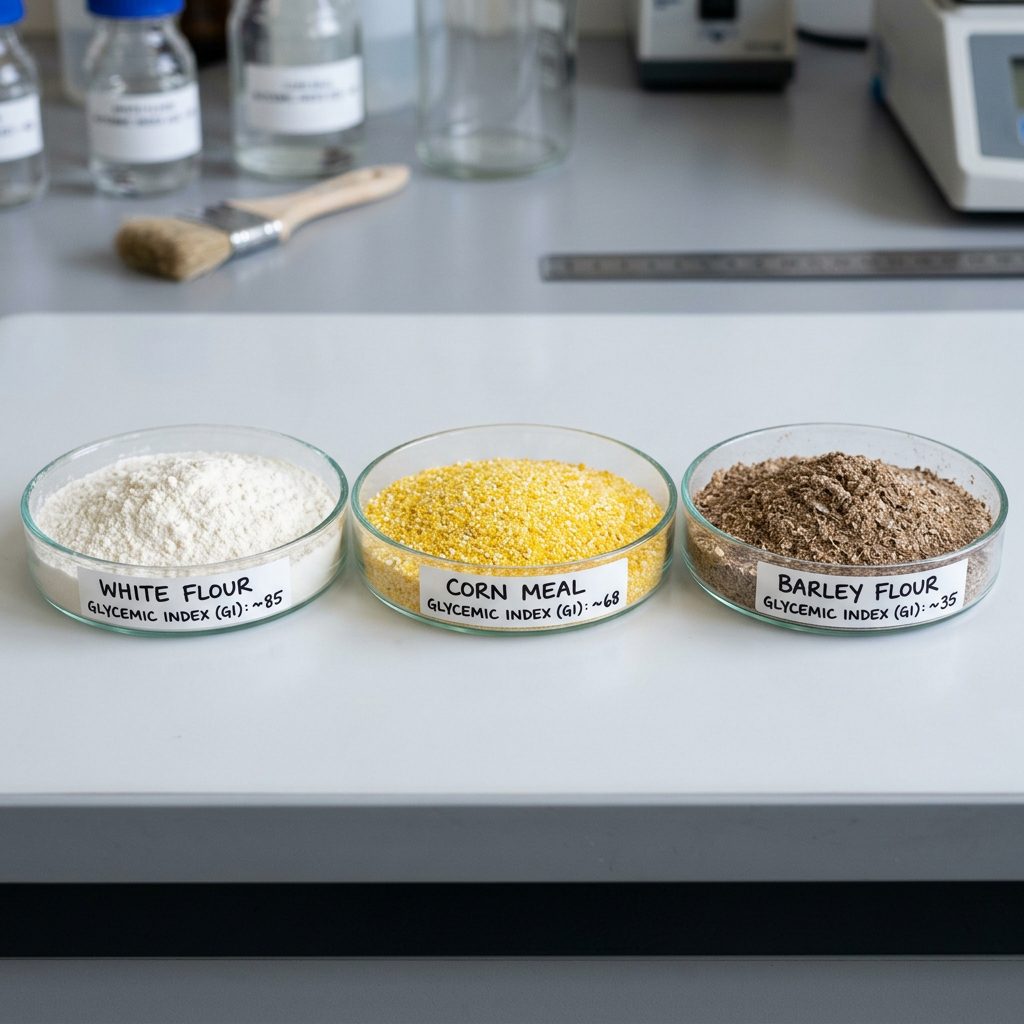
Let’s look at the data. Most commercial dog treats use white flour, corn, or tapioca starch. Compare those to our hero, barley.
| Ingredient Type | Glycemic Index (Approx.) | Metabolic Impact | Hacker Verdict |
|---|---|---|---|
| White Flour / Tapioca | 70 – 85 | High Spike | Avoid at all costs |
| Whole Wheat Flour | 50 – 60 | Moderate | Use with caution |
| Corn Meal | 60 – 65 | Moderate-High | Filler alert |
| Barley Flour | 25 – 30 | Slow Release | The Gold Standard |
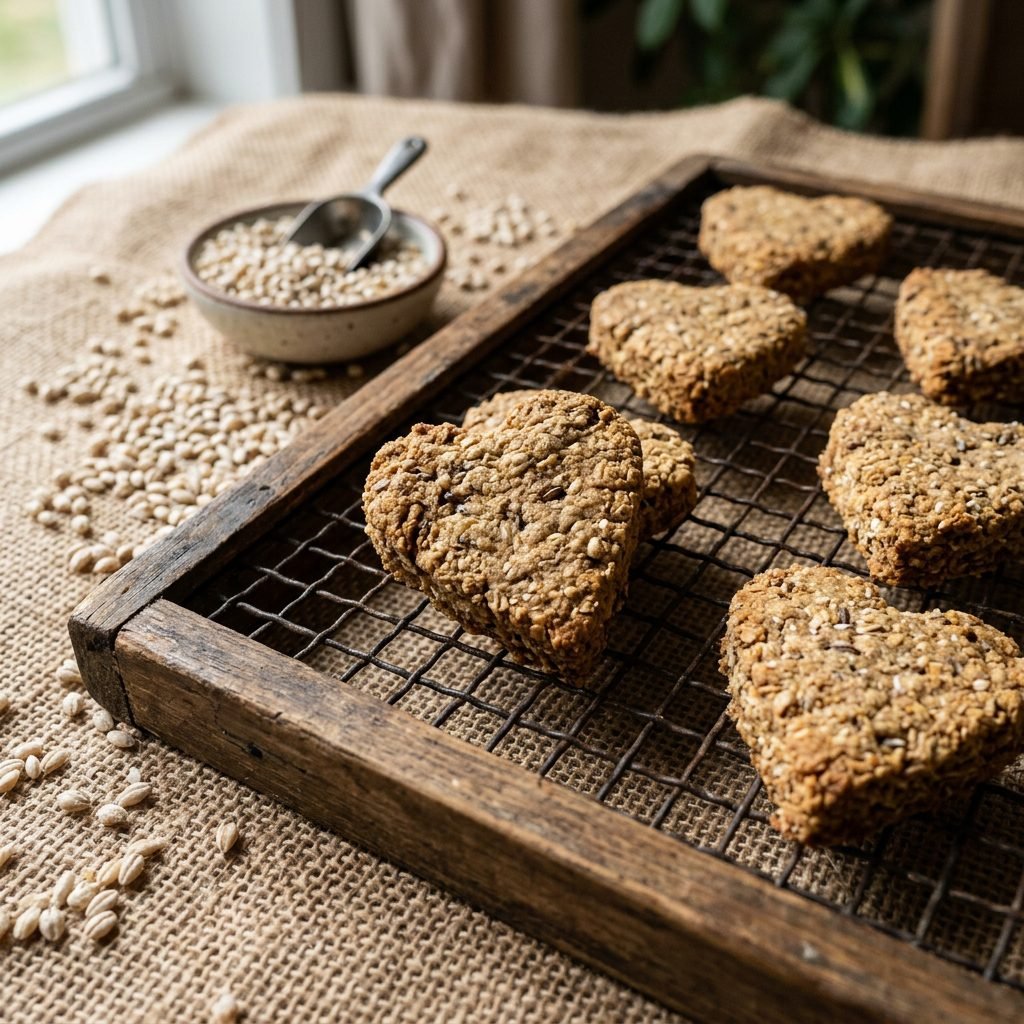
Barley flour is exceptionally low on the index because it is loaded with beta-glucans. These are soluble fibers that create a gel-like consistency in the gut, slowing down the absorption of sugar into the bloodstream. When you feed a barley-based biscuit, you are essentially giving your dog a time-release energy capsule. This keeps their glucose levels flat and predictable, which is exactly what your vet wants to see during a curve test.
The Safe Chef Guide: Barley Flour Biscuit Recipe
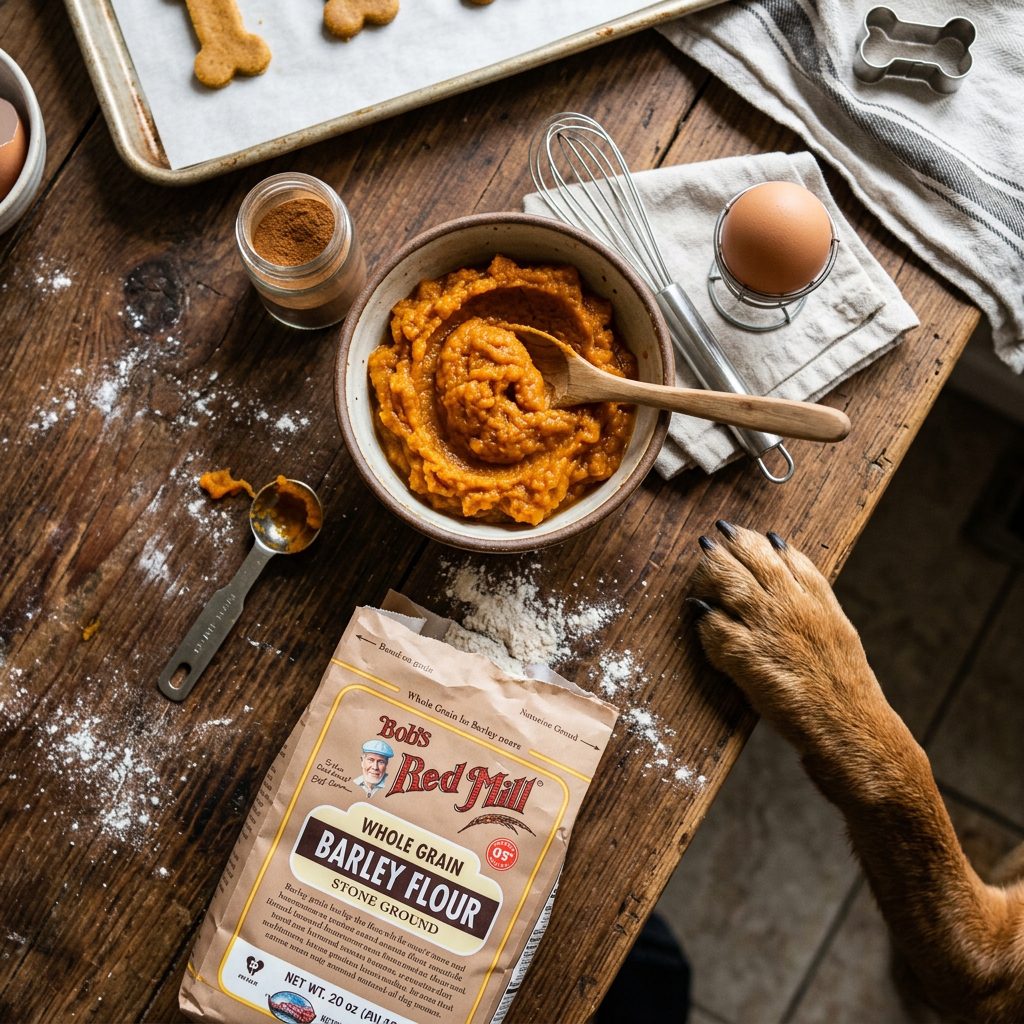
The Low-GI Powerhouse Biscuit Recipe
SAFETY DISCLAIMER: I am a nutrition hacker and a dedicated dog owner, not a veterinarian. While these ingredients are generally considered safe for diabetic dogs, every dog’s insulin needs are unique. Always consult with your DVM before introducing new treats, and monitor blood glucose levels closely when making dietary changes.
This recipe is designed to be low-fat and low-sugar, focusing on fiber and high-quality protein.
The Ingredients
- 2 cups Barley Flour: The low-GI base.
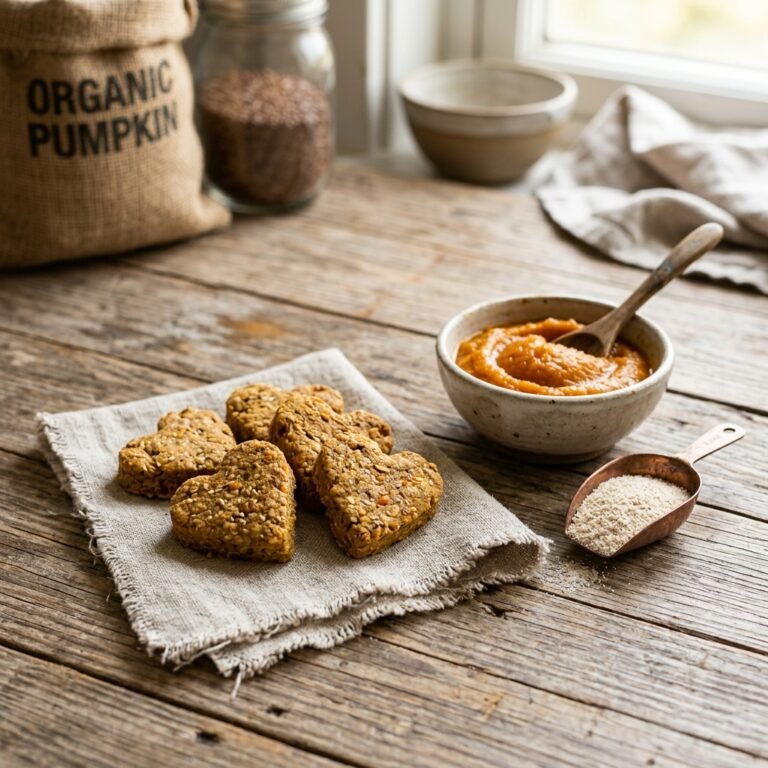
- 1/2 cup Pure Pumpkin Puree: (NOT pumpkin pie filling!) Pumpkin is high in fiber and helps with digestion.
- 1 Large Egg: To bind the dough and provide essential amino acids.
- 1/4 cup Low-Sodium Beef or Chicken Broth: Ensure it contains no onions or garlic.
- 1 tablespoon Fresh Parsley: For fresh breath and a hit of chlorophyll.
Instructions
- Preheat your oven to 350°F (175°C). Line a baking sheet with parchment paper.
- In a large bowl, whisk the egg, pumpkin, and broth together until smooth.
- Gradually fold in the barley flour. The dough will be stiff and slightly tacky—this is normal for barley flour because of its high fiber content.
- Roll the dough out on a lightly floured surface to about 1/4 inch thickness.
- Use a cookie cutter to create small, bite-sized shapes. For diabetic dogs, smaller is always better to keep calorie counts precise.
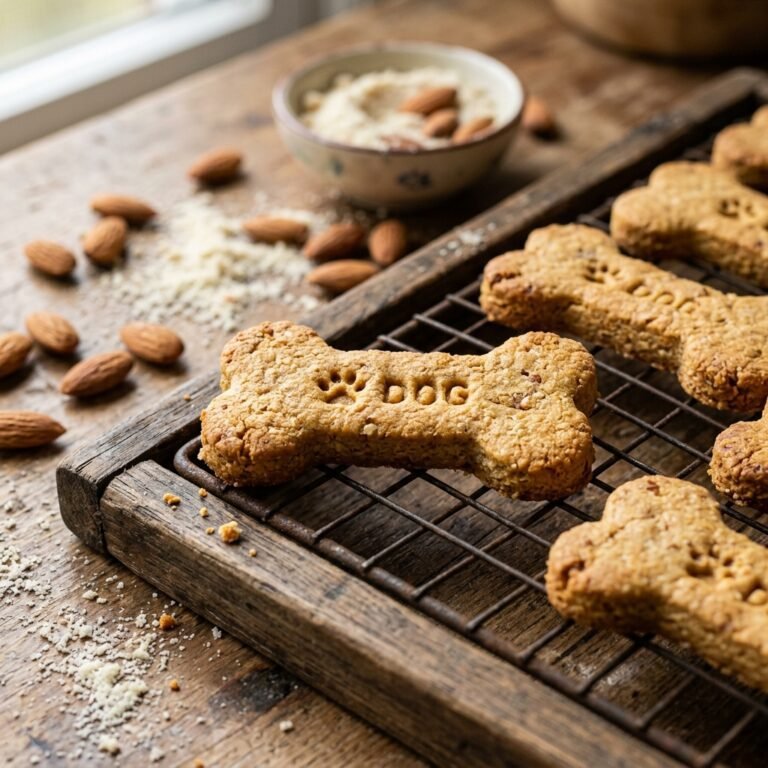
- Bake for 25-30 minutes until the biscuits are hard and crunchy. A harder biscuit helps clean teeth and takes longer to eat!
Insider Secret: If your dog is picky, add a teaspoon of nutritional yeast to the dough. It gives a cheesy flavor without the fat or lactose of real cheese.
The Real Cost Breakdown: DIY vs. Store-Bought
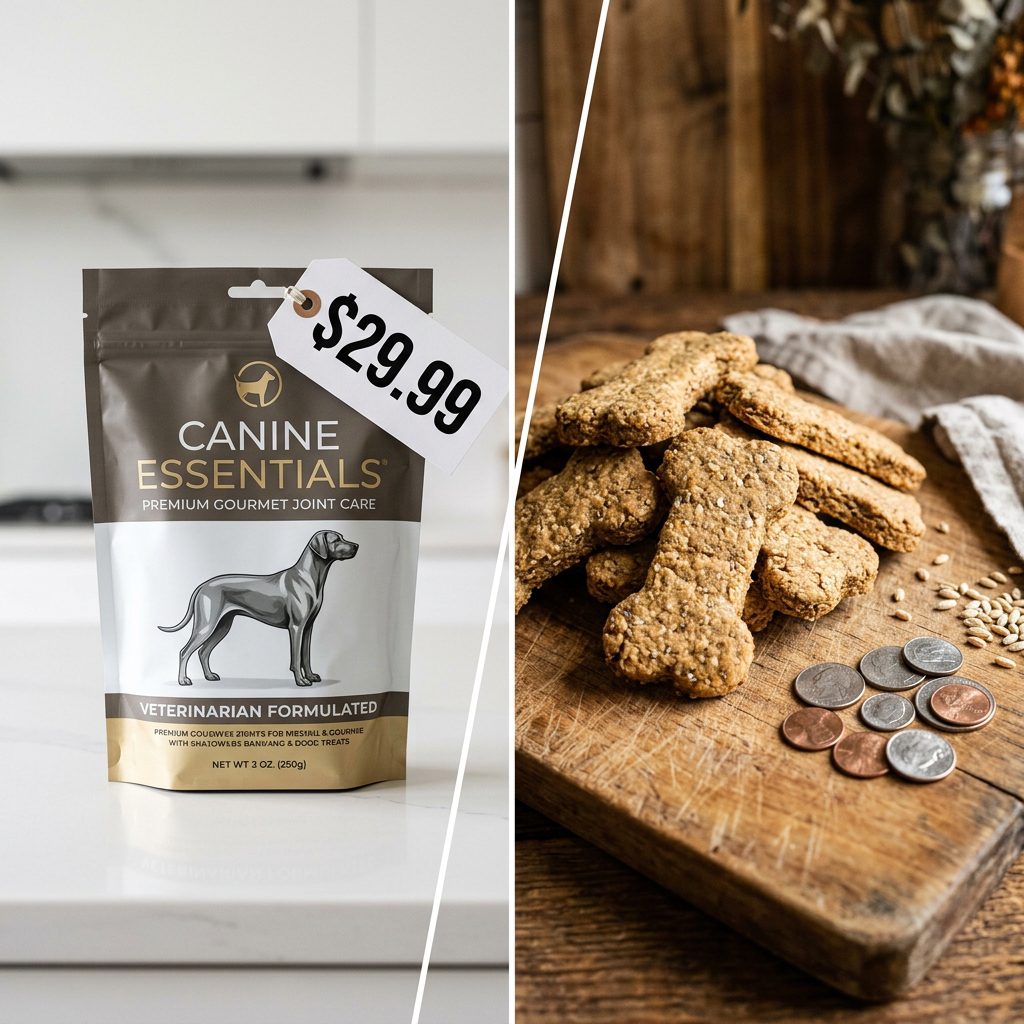
Is Making Your Own Worth the Effort?
Let’s talk money. If you go to a boutique pet store or buy ‘prescription’ diabetic treats from the vet clinic, you are going to pay a massive premium for the convenience. But as a hacker, we look at the price per pound. Commercial diabetic treats often cost between $15 and $22 per pound. Many of these contain ‘cellulose’ (which is essentially powdered wood pulp) as a fiber filler.
The Math of the Barley Biscuit
| Item | Quantity | Approximate Cost |
|---|---|---|
| Organic Barley Flour | 2 lbs | $5.00 |
| Canned Pumpkin | 15 oz | $2.00 |
| Dozen Eggs | 12 count | $3.00 (uses only 1) |
| Total Cost Per Batch | Approx. 1.5 lbs | $3.50 |
You are looking at a cost of roughly $2.33 per pound for high-quality, human-grade nutrition. By switching to DIY barley biscuits, you are saving over 80% compared to premium brands. For a 50lb dog, those savings add up to hundreds of dollars a year—money you can better spend on high-quality insulin and regular vet checkups.
Forensic Ingredient Audit: What to Avoid
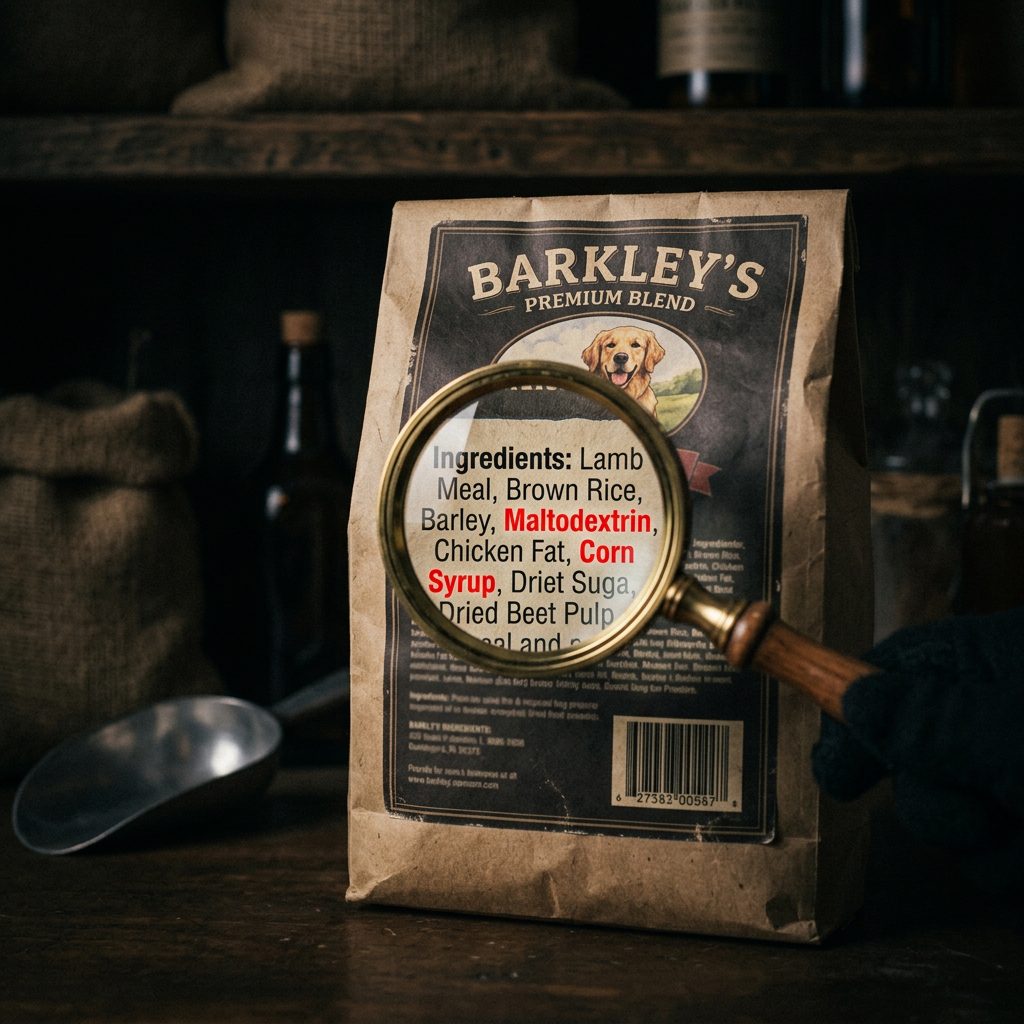
Exposing the ‘Diabetic-Friendly’ Impostors
When you are scanning the aisles, you need to be a detective. Just because a bag has a picture of a healthy dog and says ‘Weight Management’ or ‘Glucose Support’ doesn’t mean it’s good. Here are the Enemy Ingredients you should blacklist immediately:
- Corn Gluten Meal: A cheap protein substitute that causes inflammatory responses in many dogs.
- Animal By-Product: This is the ‘mystery meat’ of the industry. It can be anything from feathers to beaks, providing poor-quality protein that is hard to digest.
- Maltodextrin: This is a hidden sugar. It has a glycemic index higher than table sugar! It is often used as a thickener, but for a diabetic dog, it is poison.
- BHA/BHT: Chemical preservatives that have been linked to health issues. We want fresh, and barley’s natural stability means you don’t need these toxins.
By using barley flour at home, you eliminate the need for these fillers. You know exactly what is going into your dog’s body, and more importantly, you know what is staying out.
Batch Cooking and Storage Hacks
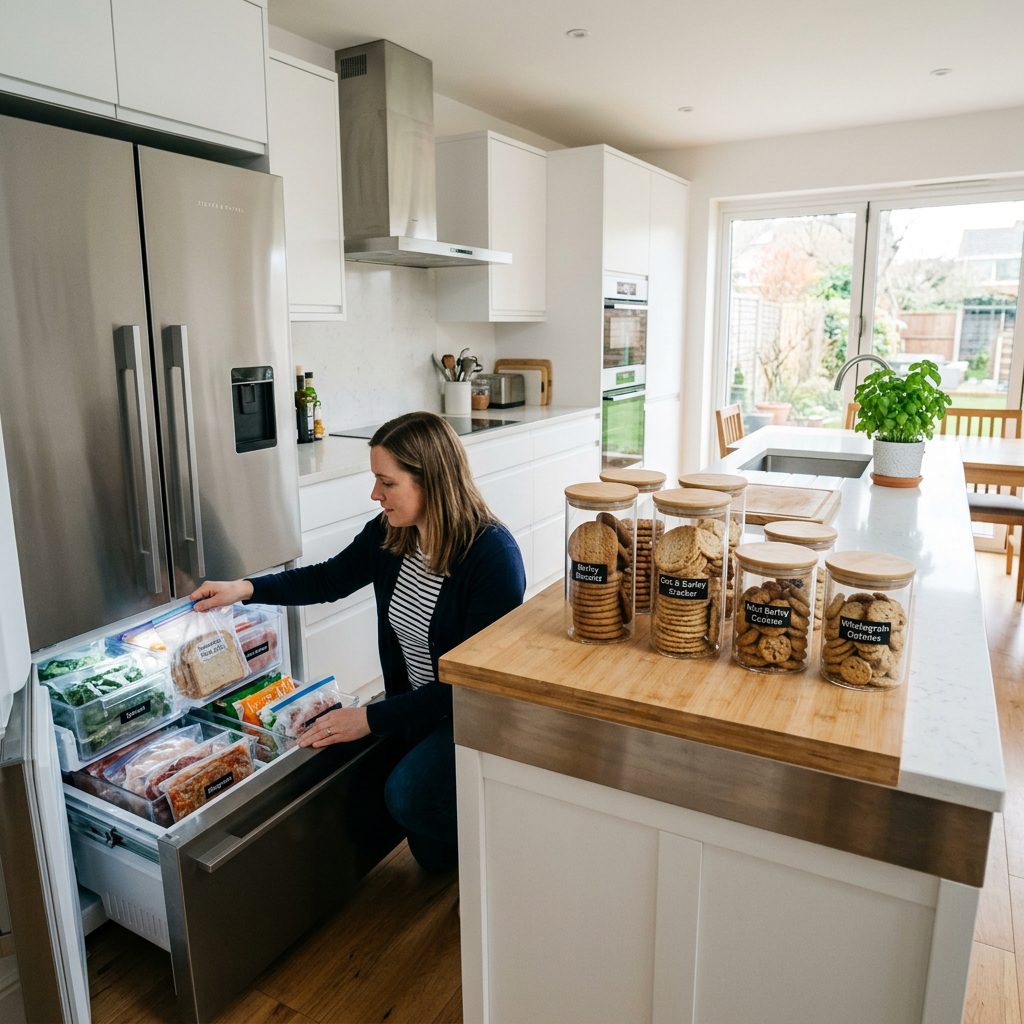
How to Stay Ahead of the Hunger
The biggest hurdle for the savvy dog owner is time. You are busy, and baking every week isn’t always feasible. Here is how I hack the system to ensure my dog always has low-GI treats ready to go.
The ‘Double-Batch’ Freeze Method
Barley flour biscuits are incredibly stable because they have low moisture content once baked hard. I recommend making a triple batch once a month.
- The Countertop Stash: Keep a 3-day supply in an airtight glass jar. Avoid plastic, as it can trap moisture and make the biscuits soggy.
- The Freezer Vault: Put the rest in a heavy-duty freezer bag. They will last for up to 6 months. Because they are low-fat, they don’t go rancid like meat-based treats.
- The ‘To-Go’ Hack: Keep a small tin of these in your car or purse. Diabetic dogs need consistency. If you are stuck in traffic and it’s past treat time, having a low-GI barley biscuit on hand can prevent a hypoglycemic dip.
Pro Tip: If your biscuits come out too soft, turn the oven off after baking and leave them inside for an hour. The residual heat will dehydrate them into a ‘super-crunch’ texture that helps scrape away tartar.
Conclusion
Empowering Your Dog’s Health, One Biscuit at a Time
Managing a diabetic dog is a marathon, not a sprint. It requires vigilance, patience, and a refusal to accept the status quo of the pet food industry. By choosing barley flour as your primary grain, you are taking a massive step toward stabilizing your dog’s health. You are moving away from the ‘insulin roller coaster’ and toward a life of steady energy and long-term vitality. Remember, the best nutrition doesn’t have to come in a shiny bag with a medical logo; it often comes from your own kitchen, where you control the quality and the cost. You have the forensic tools now—you know how to read the GI charts, you know the recipe, and you know how to spot the fillers. Your dog doesn’t know you’re a nutrition hacker; they just know that those barley biscuits are delicious. And your vet? They’ll just be impressed by those steady glucose numbers. Happy baking, and keep hacking that canine nutrition!