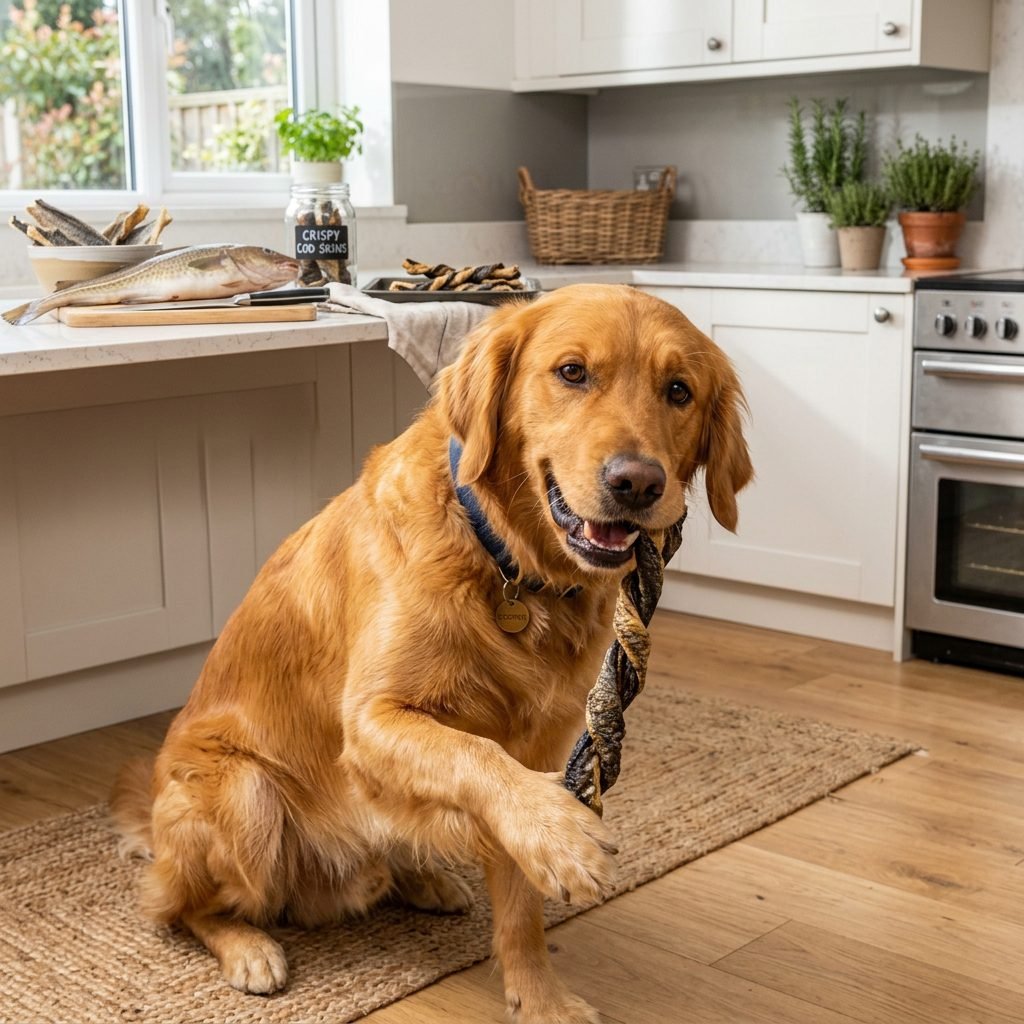
Better Than Bully Sticks! Make These Crunchy Baked Cod Skin Twists for Shiny Coats & Fresh Breath
Let us be completely honest with each other for a moment: we all love the peace and quiet that a good, long-lasting chew brings to our households. For years, bully sticks have been the gold standard for keeping our furry best friends occupied. They are highly digestible, dogs go absolutely wild for them, and they give our pups an appropriate outlet for their natural chewing instincts. But as savvy dog owners, we also know the dark side of the beloved bully stick. There is the undeniable, room-clearing odor. There is the surprisingly high caloric density that can pack on unwanted pounds. And, perhaps most terrifying of all, there is the choking hazard that presents itself when the stick gets whittled down to that final, swallowable nub.
What if I told you there is a natural, single-ingredient alternative that you can make right in your own kitchen? An alternative that does not smell like a barnyard, costs a fraction of the price of premium commercial chews, and actually provides powerful, visible health benefits for your dog? Welcome to the magic of crunchy baked cod skin twists.
As a canine specialist, I am constantly looking for ways to optimize our dogs’ diets with functional foods. Fish skins, particularly from wild-caught cod, are an absolute nutritional powerhouse. They are loaded with marine-sourced Omega-3 fatty acids, which are essential for reducing inflammation, supporting joint mobility, and creating that head-turning, mirror-like shine on your dog’s coat. Plus, the unique, abrasive texture of a properly dehydrated cod skin twist acts as nature’s toothbrush, safely scraping away plaque and tartar without the risk of fracturing teeth.
Nutrition is not just about feeding your dog; it is about fueling their longevity. Swapping highly processed or high-calorie chews for single-ingredient, nutrient-dense alternatives like cod skins is one of the easiest, most impactful upgrades you can make to your dog’s daily routine.
In this comprehensive guide, we are going to dive deep into exactly why you should consider ditching the bully sticks, how to source the best quality fish, and I will walk you step-by-step through my foolproof method for baking the perfect, crunchy cod skin twists at home. Grab your apron, preheat your oven, and let us get ready to make your dog’s new favorite healthy obsession!
Why Ditch the Bully Sticks? The Case for Cod Skins
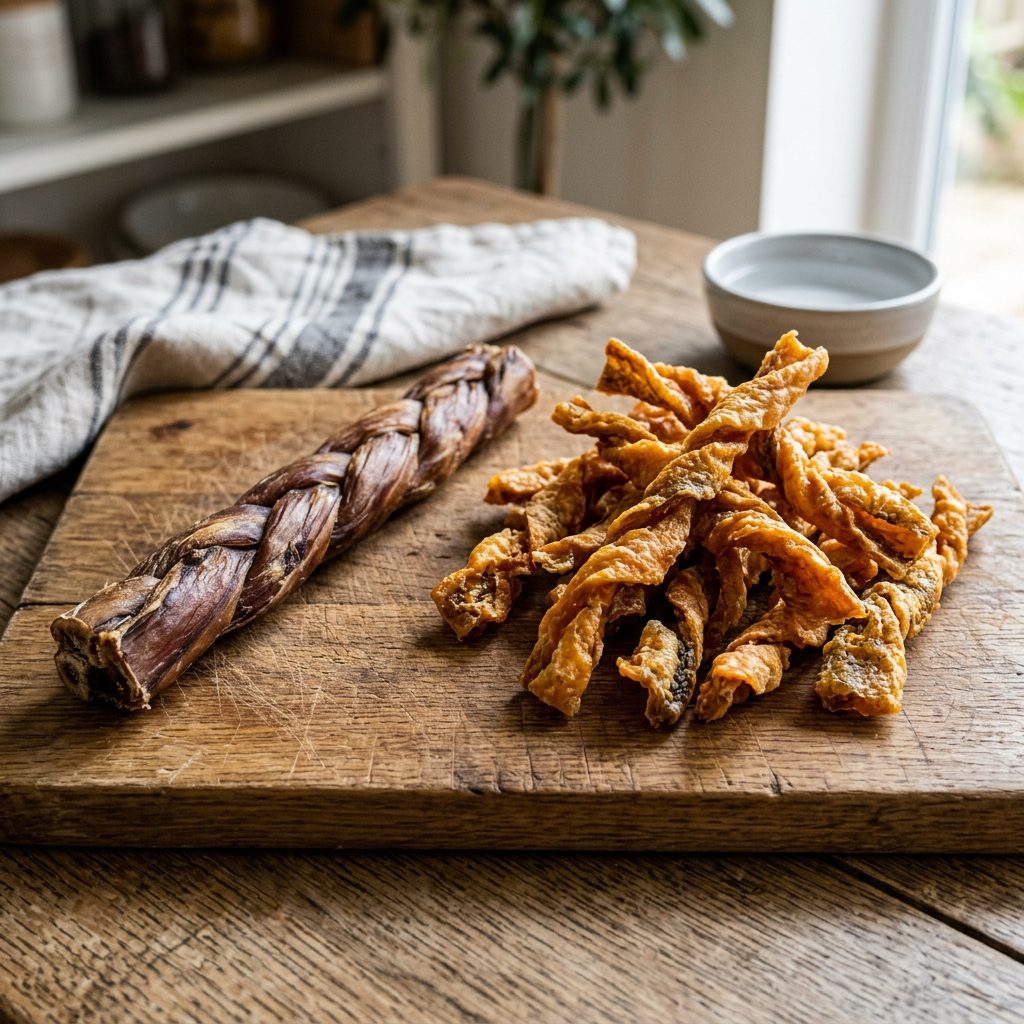
To understand why baked cod skin twists are such a massive upgrade, we first need to take an objective look at the traditional bully stick. While bully sticks (which are, for those who might not know, dried beef pizzle) are certainly a step up from dangerous rawhide or synthetic plastic chew toys, they are not without their significant drawbacks. As our understanding of canine nutrition and safety evolves, so too should our treat selection.
The Caloric Conundrum
One of the biggest hidden dangers of bully sticks is their caloric density. A standard six-inch bully stick can contain anywhere from 50 to 90 calories, depending on its thickness. For a large breed dog like a Labrador Retriever, this might just be a blip on the radar. But for a smaller dog like a French Bulldog or a Pug, a single bully stick can account for a massive percentage of their daily caloric requirement. Regular consumption without adjusting their main meals often leads to sneaky weight gain, which puts unnecessary stress on their joints and cardiovascular system. Cod skins, on the other hand, are incredibly lean. They offer a satisfying chew with a fraction of the calories, making them an excellent choice for dogs on a weight management plan.
Safety and Digestibility
Choking hazards are a constant worry for dog owners. When a bully stick gets chewed down to the last couple of inches, many dogs will attempt to swallow it whole. This can lead to dangerous esophageal blockages or intestinal obstructions requiring emergency veterinary surgery. Baked cod skin twists, when prepared correctly, shatter and crumble as the dog chews them. They become highly digestible flakes that pose a significantly lower risk of causing a blockage. Furthermore, beef is one of the most common dietary allergens for dogs. If you have an itchy, allergy-prone pup, bully sticks might be exacerbating their symptoms. Fish is a novel protein for many dogs and is naturally hypoallergenic.
| Feature | Traditional Bully Sticks | Baked Cod Skin Twists |
|---|---|---|
| Caloric Density | High (approx. 15-20 calories per inch) | Low (approx. 30-40 calories per whole skin) |
| Odor Level | High (often described as pungent or barn-like) | Low (mild fish aroma, especially when baked dry) |
| Allergy Risk | Moderate to High (beef is a common canine allergen) | Very Low (excellent for dogs with food sensitivities) |
| Health Benefits | Protein source, mental stimulation | Rich in Omega-3s, joint support, coat health, dental abrasion |
| Choking Hazard | High (when chewed down to a small nub) | Low (texture crumbles and breaks down easily with saliva) |
Making the switch is not just about avoiding the negatives of bully sticks; it is about actively introducing profound positive health benefits into your dog’s diet. Let us explore exactly what makes these crispy twists so beneficial.
The Nutritional Powerhouse: Benefits of Cod Skins for Dogs
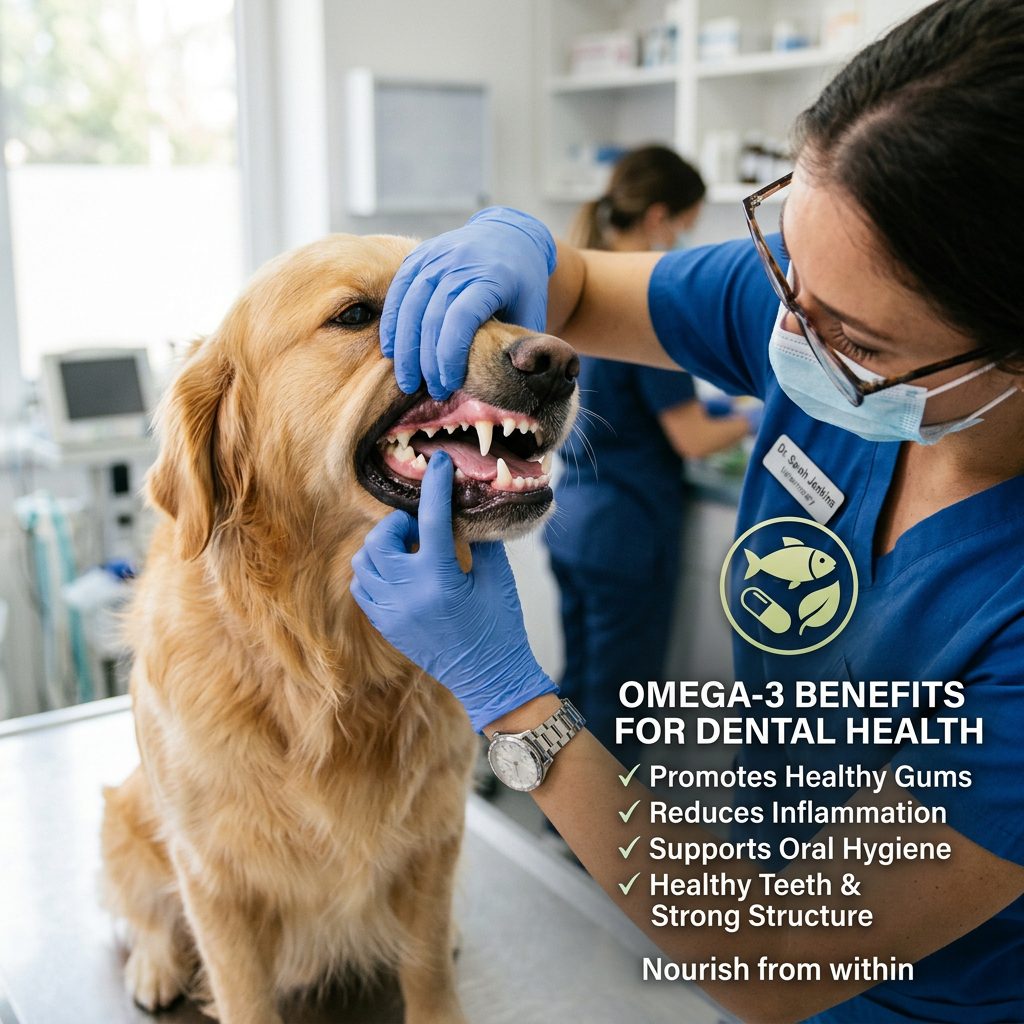
When we talk about functional treats, we are referring to foods that provide medical or health benefits beyond basic nutrition. Cod skins are the quintessential functional treat. They are not just empty calories designed to keep a dog busy; they are a targeted dietary supplement disguised as a delicious reward.
Marine-Sourced Omega-3 Fatty Acids (EPA and DHA)
The star players in cod skins are Eicosapentaenoic Acid (EPA) and Docosahexaenoic Acid (DHA). These are long-chain Omega-3 fatty acids found almost exclusively in marine sources. Unlike plant-based Omega-3s (like those found in flaxseed), which dogs struggle to convert into usable forms, EPA and DHA are highly bioavailable to canines. EPA acts as a powerful natural anti-inflammatory. If you have an active sporting dog, a senior dog with osteoarthritis, or a dog recovering from an injury, EPA helps reduce cellular inflammation, easing joint stiffness and improving mobility. DHA is crucial for cognitive function. It supports brain development in growing puppies and helps stave off Canine Cognitive Dysfunction (doggy dementia) in our senior companions.
The Secret to a Show-Stopping Coat
Savvy owners know that a dull, dry, or flaky coat is often a sign of nutritional deficiency, specifically a lack of healthy fats. The lipids found in cod skins work from the inside out, nourishing the hair follicles and improving the skin’s natural barrier function. Within just a few weeks of introducing cod skins to your dog’s diet, you will likely notice a dramatic reduction in dander, less intense seasonal shedding, and a brilliant, soft luster to their fur that no topical shampoo can truly replicate.
Dental Health and Fresh Breath
It might seem counterintuitive that fish could lead to fresh breath, but the science holds up. Bad dog breath is usually caused by periodontal disease—a buildup of plaque and tartar on the teeth and under the gumline, which harbors foul-smelling bacteria. Many commercial dental chews are packed with starches and carbohydrates that actually feed these bacteria. Baked cod skins contain zero carbohydrates. Furthermore, the tough, fibrous, and ultimately crunchy texture of a dehydrated cod skin twist provides excellent mechanical abrasion. As your dog gnaws and crunches, the skin physically scrapes away soft plaque before it has a chance to calcify into hard tartar. Healthier gums and cleaner teeth directly equal fresher breath.
- Pro Tip: Always monitor your dog while they are chewing any treat. While cod skins are safer than hard bones or thick bully sticks, enthusiastic chewers still need supervision to ensure they are chewing thoroughly rather than gulping.
What You Need: Sourcing and Prepping the Fish
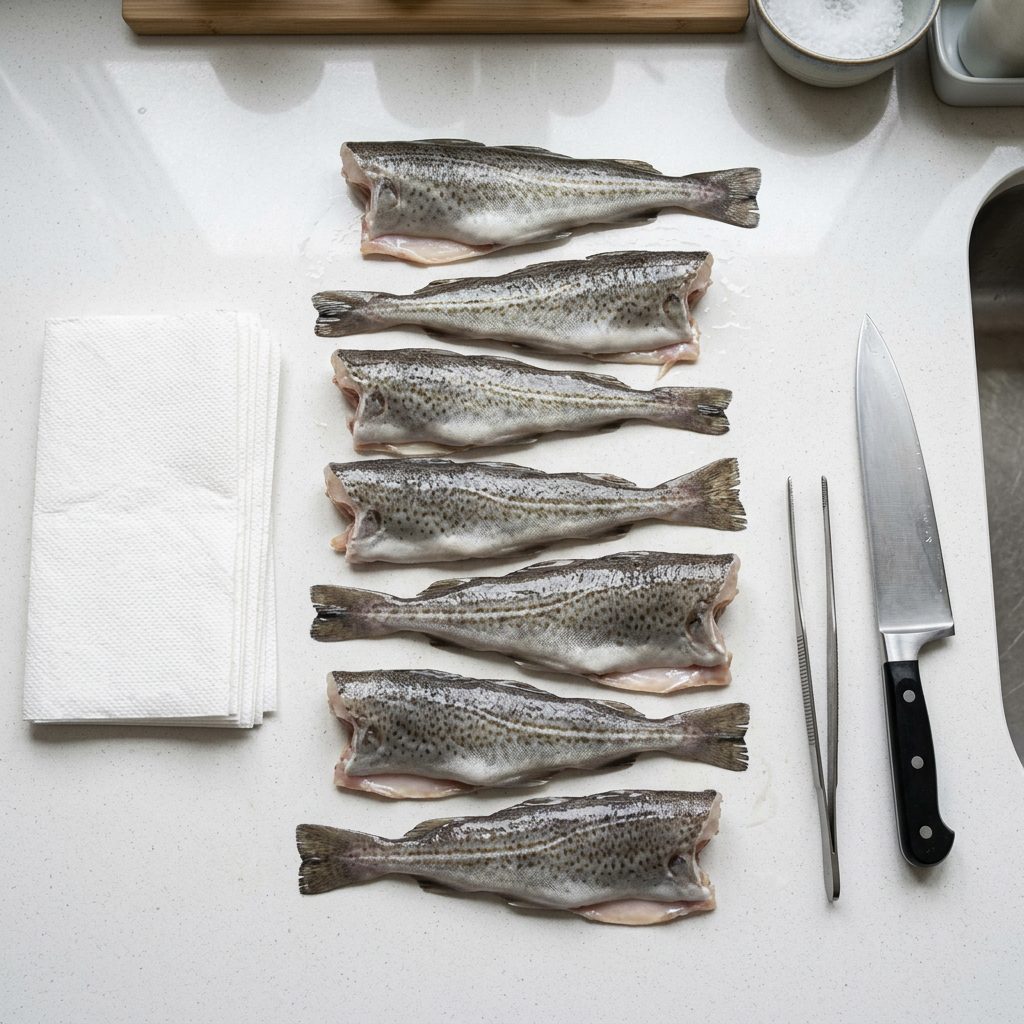
The success of this recipe hinges entirely on the quality of your raw ingredients. Because we are making a single-ingredient treat, there is nowhere for poor quality to hide. Sourcing the right cod skins is an adventure in itself, but it is incredibly rewarding and often surprisingly economical.
Wild-Caught vs. Farm-Raised
Whenever possible, you should seek out wild-caught cod. Wild-caught fish generally have a superior nutritional profile, boasting higher levels of those vital Omega-3 fatty acids and lower levels of pro-inflammatory Omega-6s compared to their farm-raised counterparts. Furthermore, wild-caught cod is less likely to contain residues from antibiotics or artificial dyes that are sometimes used in aquaculture. Cod is also a relatively small, short-lived fish compared to apex predators like tuna or swordfish, meaning it has a very low risk of heavy metal (mercury) accumulation, making it incredibly safe for regular canine consumption.
Making Friends with Your Local Fishmonger
Do not go to the supermarket and buy expensive, pre-cut cod fillets just to peel the skin off! That is a waste of your money and perfectly good human food. Instead, head to a dedicated local fish market or the seafood counter at a high-end grocery store. Speak directly to the fishmonger. Explain that you are making treats for your dog and ask if they have any leftover cod skins from the fillets they prep for the display case. Many fishmongers throw these skins away at the end of the day and will gladly sell them to you for pennies on the dollar, or sometimes even give them to you for free if you become a regular, friendly customer.
Prepping the Skins for Baking
Once you have secured your raw cod skins, preparation is key to ensuring a safe and crunchy final product.
- Inspect for Bones: Run your fingers carefully along both sides of every single skin. You are feeling for stray pin bones. While cooked fish bones are dangerous, small raw bones can sometimes be digested, but it is always safer to remove them entirely. Pluck any bones out with a pair of clean tweezers.
- Check the Scales: Most commercial cod skins will already be scaled. If they are not, you will need to gently scrape the scales off using the back of a knife under cold running water. While scales are not toxic, they can be an unpleasant texture and prevent the skin from baking into a cohesive twist.
- Wash and Dry: Rinse the skins thoroughly under cold water to remove any residual slime or loose scales. The most critical step before baking is drying. Lay the skins out on a clean towel and pat them aggressively with paper towels. The less moisture they carry into the oven, the faster and crispier they will bake.
Never add salt, seasonings, or oils to the cod skins. Dogs do not need the extra sodium, and spices like garlic or onion powder are highly toxic to them. The natural flavor of the fish is exactly what your dog craves!
Step-by-Step Recipe: Crunchy Baked Cod Skin Twists
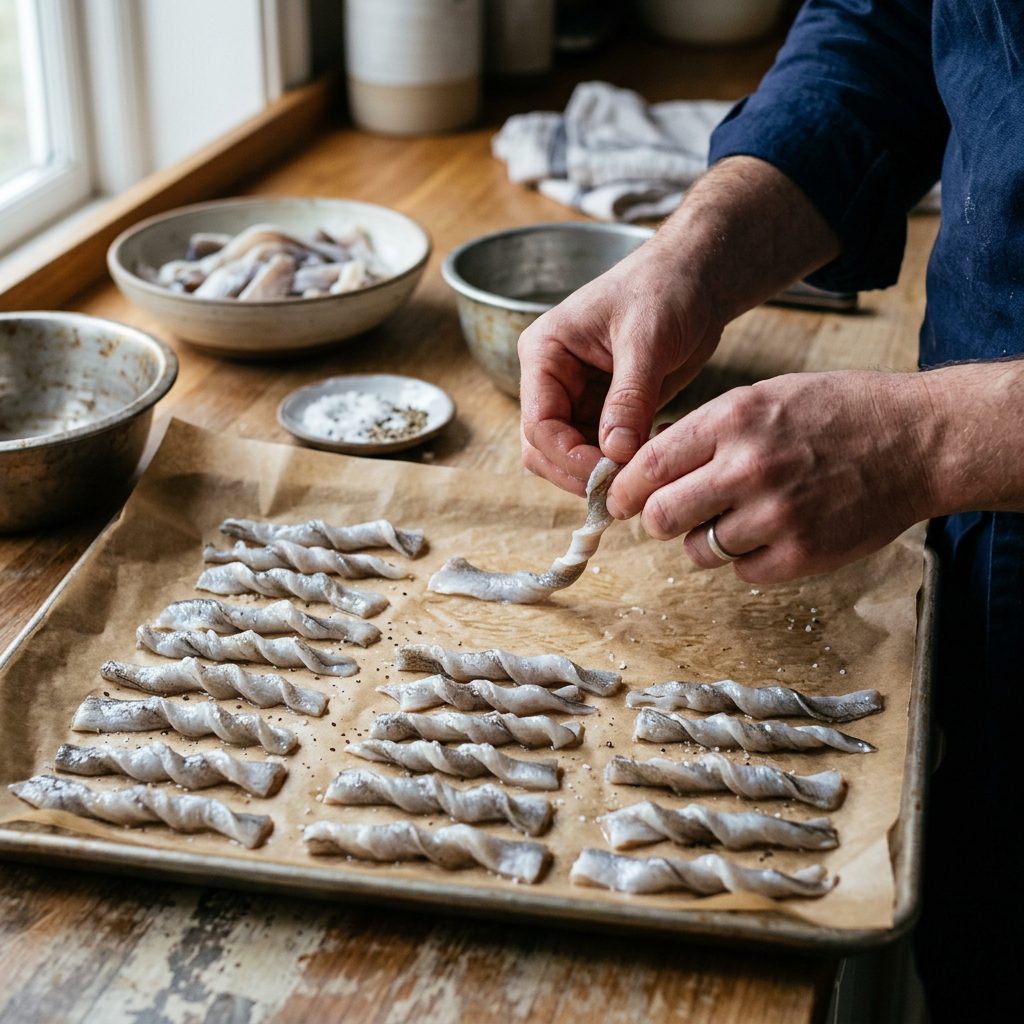
Now comes the fun part! Making these twists is incredibly simple, though it does require a bit of patience. We are not cooking the fish in the traditional sense; rather, we are slowly dehydrating it in the oven. This low-and-slow method draws out the moisture, preserving the delicate Omega-3 fatty acids (which can be destroyed by high heat) and creating that shatteringly crisp texture that cleans teeth.
Equipment Needed
- A sharp chef’s knife or clean kitchen shears
- Parchment paper (do not use aluminum foil, as the skins will stick)
- Two large baking sheets
- Paper towels
- An airtight storage container (mason jars work perfectly)
The Instructions
- Preheat your oven: Set your oven to 200°F (93°C). If your oven has a convection setting (a fan), turn it on! Airflow is your best friend when dehydrating treats.
- Cut the strips: Take your clean, thoroughly patted-dry cod skins and lay them flat on a cutting board. Using your knife or shears, cut the skins into long strips. For small dogs, aim for strips about 1 inch wide and 4 inches long. For larger dogs, you can make them 2 inches wide and up to 8 inches long.
- Create the twist: Take one strip of cod skin. Hold one end in your left hand and the other in your right. Gently twist your hands in opposite directions, coiling the skin into a tight spiral. The skin will naturally adhere to itself slightly because of its natural proteins.
- Arrange on the baking sheet: Line your baking sheets with parchment paper. Place the twisted skins onto the parchment, ensuring they are not touching each other. Proper spacing allows the hot air to circulate evenly around every twist.
- The Dehydration Bake: Place the baking sheets in the preheated oven. Bake for approximately 2 to 3 hours. The exact time will depend on the thickness of your skins and the humidity in your home. Check them at the 2-hour mark. You are looking for a deep golden-brown color. When you tap them with a fingernail, they should sound hollow and feel completely stiff and dry, like a piece of tough leather or hard plastic.
- The Cool Down: This is a crucial step! Turn the oven off, crack the oven door open a few inches, and leave the trays inside until the oven cools completely. This allows any residual internal moisture to escape, ensuring maximum crunchiness.
Once completely cool, your homemade, single-ingredient, highly nutritious cod skin twists are ready for the ultimate taste test. Be prepared for some serious drool!
Safe Serving Sizes and Storage Tips
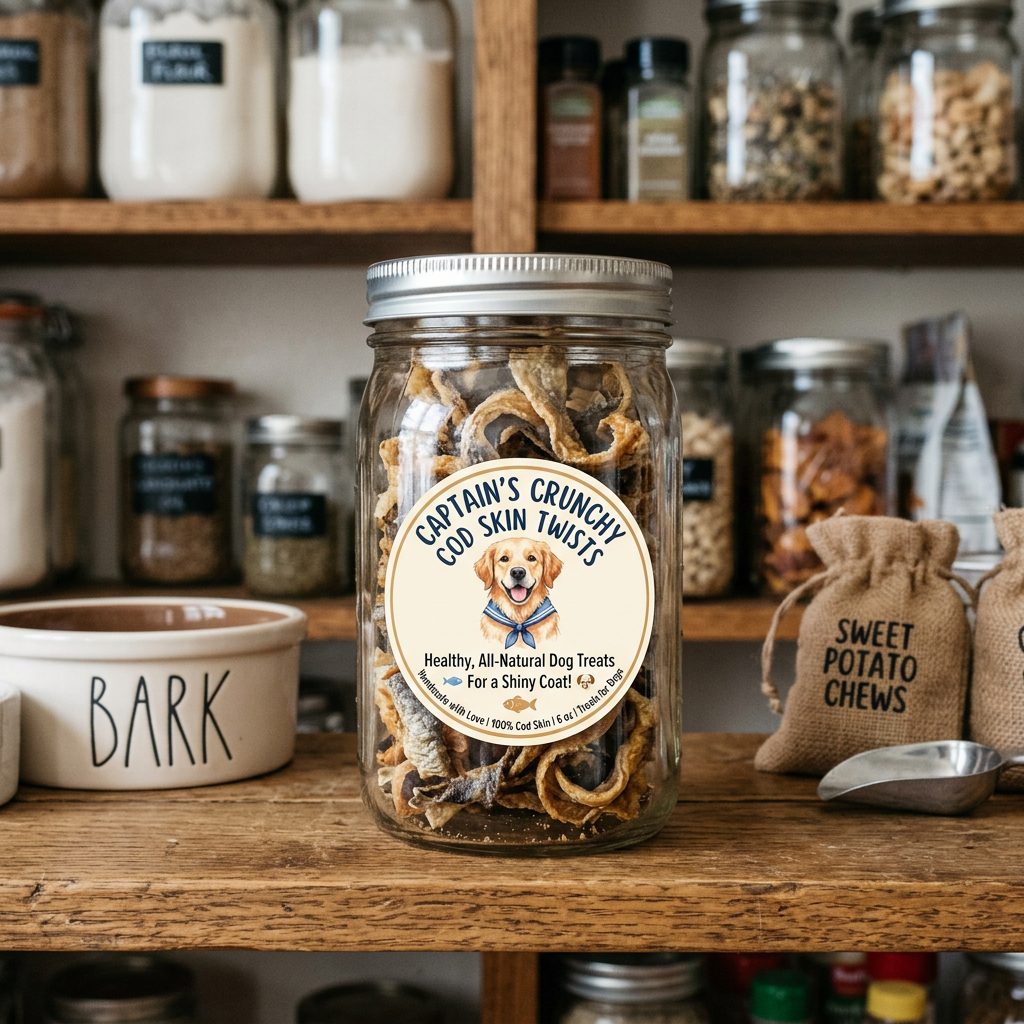
You have successfully baked a batch of beautiful cod skin twists, and your dog is practically doing backflips in the kitchen. But before you hand over the whole jar, it is important to understand proper portioning and storage. Even with healthy, functional treats, moderation is key to maintaining a balanced canine diet.
How Much is Too Much?
While cod skins are low in calories and fat compared to bully sticks, they are incredibly rich in protein and Omega-3s. Introducing too much rich food too quickly can cause mild gastrointestinal upset, resulting in loose stools. Always start slowly. Give your dog one small twist and wait 24 hours to ensure their digestive system handles it well. Once they are acclimated, you can use the following general guidelines for daily serving sizes. Remember, treats should never make up more than 10% of your dog’s daily caloric intake.
| Dog Size (Weight) | Recommended Serving Size | Frequency |
|---|---|---|
| Toy/Small (under 20 lbs) | One 3-inch twist | 2-3 times per week |
| Medium (21-50 lbs) | One 5-inch twist | 3-4 times per week |
| Large (51-90 lbs) | One or two 6-inch twists | Up to once daily |
| Giant (90+ lbs) | Two 6-inch twists | Up to once daily |
Keeping the Crunch: Storage Solutions
The enemy of a good cod skin twist is humidity. If they absorb moisture from the air, they will lose their teeth-cleaning crunch and become chewy, which drastically reduces their shelf life and increases the risk of mold. Because these treats contain absolutely no chemical preservatives, proper storage is your responsibility.
- The Airtight Rule: Always store your baked twists in a truly airtight container. Glass mason jars with rubber-seal lids are superior to standard plastic zip-top bags.
- Silica Gel Packets: If you really want to be a pro, save those little food-safe silica gel desiccant packets that come in commercial vitamin bottles or seaweed snacks. Toss one into the mason jar with your cod skins to absorb any ambient moisture.
- Shelf Life: If baked until completely dry and stored in a cool, dark pantry in an airtight container, these twists will easily last for 4 to 6 weeks. If you live in a particularly humid climate, or if you prefer to be extra cautious, you can store the sealed jar in the refrigerator for up to 3 months, or in the freezer for up to 6 months. Just let them come to room temperature before serving so they do not shatter too sharply in your dog’s mouth.
By following these simple serving and storage guidelines, you can ensure that your dog gets to enjoy the maximum benefits of your hard work in the kitchen safely and deliciously over the coming weeks.
Conclusion
Upgrading your dog’s chew routine does not have to mean spending a fortune on boutique treats, nor does it mean subjecting your living room to the pungent aroma of traditional bully sticks. By taking a little time to source fresh fish and utilizing the low-and-slow baking method, you can provide your dog with a superior, single-ingredient chew that actively promotes their long-term health.
These crunchy baked cod skin twists are a testament to the fact that the best nutrition often comes from the simplest, most natural sources. The potent marine Omega-3s will work wonders on their joint mobility and coat shine, while the abrasive, crunchy texture will help keep their teeth sparkling clean and their breath fresh enough for those up-close cuddles we all love. Plus, the peace of mind you will have knowing exactly what your dog is consuming—and knowing it poses a significantly lower choking risk—is truly invaluable.
I strongly encourage all savvy dog owners to give this simple recipe a try this weekend. Your dog’s tail will be wagging, their coat will be gleaming, and you might just find that you actually enjoy the process of making healthy, functional treats from scratch. Treat your pup well, monitor their chewing, and enjoy the wonderful benefits of this incredible bully stick alternative!