Stop Yeast Infections Instantly With These Frozen Pineapple Yogurt Dog Treats
Listen up, savvy dog owners. If you are exhausted from endless vet visits, expensive medicated shampoos, and watching your best friend chew their paws raw, you are in the right place. I am the Canine Nutrition Hacker, and today we are tackling the dreaded canine yeast infection. You know the signs: the incessant scratching, the dark gunk in the ears, and that unmistakable, funky ‘corn chip’ or ‘Frito’ smell radiating from their paws. Most folks rush to the clinic for a quick-fix steroid or antifungal cream. But here is the insider secret the commercial pet food industry absolutely does not want you to realize: you cannot out-medicate a bad diet. Yeast infections are an inside job.
They start deep within the gut microbiome, fueled by the cheap filler ingredients packed into everyday commercial kibble. When you feed a dog a diet high in refined carbohydrates and sugars, you are essentially laying out an all-you-can-eat buffet for yeast organisms. Today, we are going to stop feeding the yeast and start fighting it with a powerful, two-ingredient nutritional hack: Frozen Pineapple Yogurt Dog Treats.
THE SAFE CHEF DISCLAIMER: I am a canine nutrition hacker, not a veterinarian. While I analyze ingredient labels like a forensic scientist and use whole foods to optimize canine health, severe chronic infections may require medical intervention. Always consult your holistic vet before making major dietary changes, especially if your dog has underlying health conditions. This recipe is a supplemental treat, not a complete meal replacement.
Let’s dive into exactly why your dog is suffering, how to expose the hidden dietary triggers, and how this simple, budget-friendly recipe will help you reclaim their health from the inside out.
The Root Cause: Why Your Dog Smells Like Corn Chips
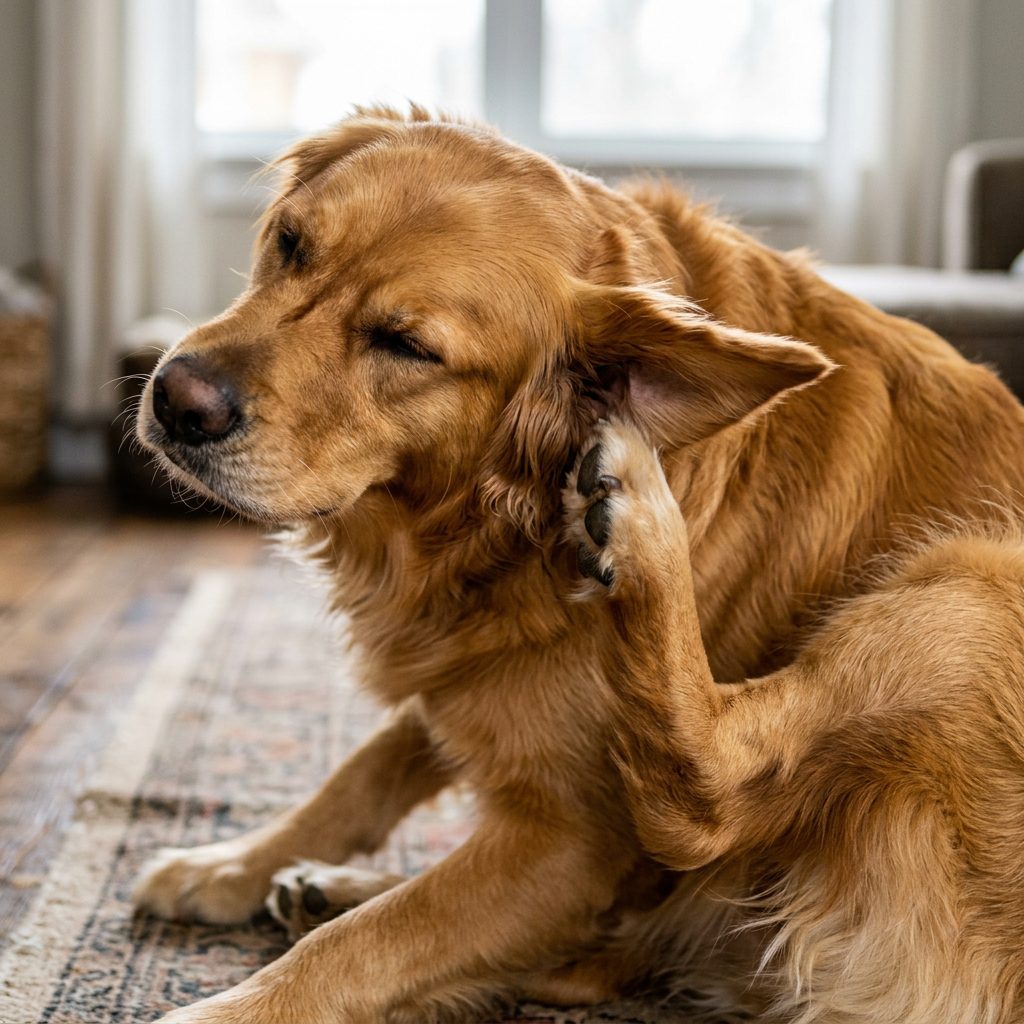
Before we start blending up our hacker recipe, we need to understand the enemy. The culprit behind your dog’s smelly paws and itchy skin is a type of yeast called Malassezia pachydermatis. This yeast naturally lives on your dog’s skin and in their ears in small, harmless amounts. However, when your dog’s immune system is compromised or their gut flora is out of balance, this yeast multiplies out of control, causing a massive, irritating infection.
Exposing the Enemy Ingredients
So, what causes this overgrowth? As a savvy dog owner, you need to look at the back of your dog food bag. Yeast feeds on sugar. Now, you might be thinking, ‘I don’t feed my dog sugar!’ But if you are feeding a standard commercial kibble, you are feeding them heavy, starchy carbohydrates that convert directly into sugar inside the body. Let’s look at the First 5 Ingredients Truth. If you see ingredients like corn gluten meal, wheat, white potatoes, tapioca, or soy in the top five ingredients, you are holding a bag of yeast fuel. These are cheap fillers used by mega-corporations to bulk up the food and keep their profit margins high, while your dog pays the price with a compromised gut lining.
When these high-glycemic carbohydrates break down, they create a highly alkaline environment in the gut, destroying the beneficial bacteria that normally keep yeast in check. This is known as leaky gut syndrome. The yeast overgrows in the digestive tract and eventually pushes out through the skin, the ears, and the paws. This is why topical shampoos only work temporarily; you are just washing off the surface of a systemic internal problem. To truly stop yeast infections instantly, we have to starve the yeast and repopulate the gut with the good guys.
The Nutritional Forensics: Why Pineapple and Probiotics Work
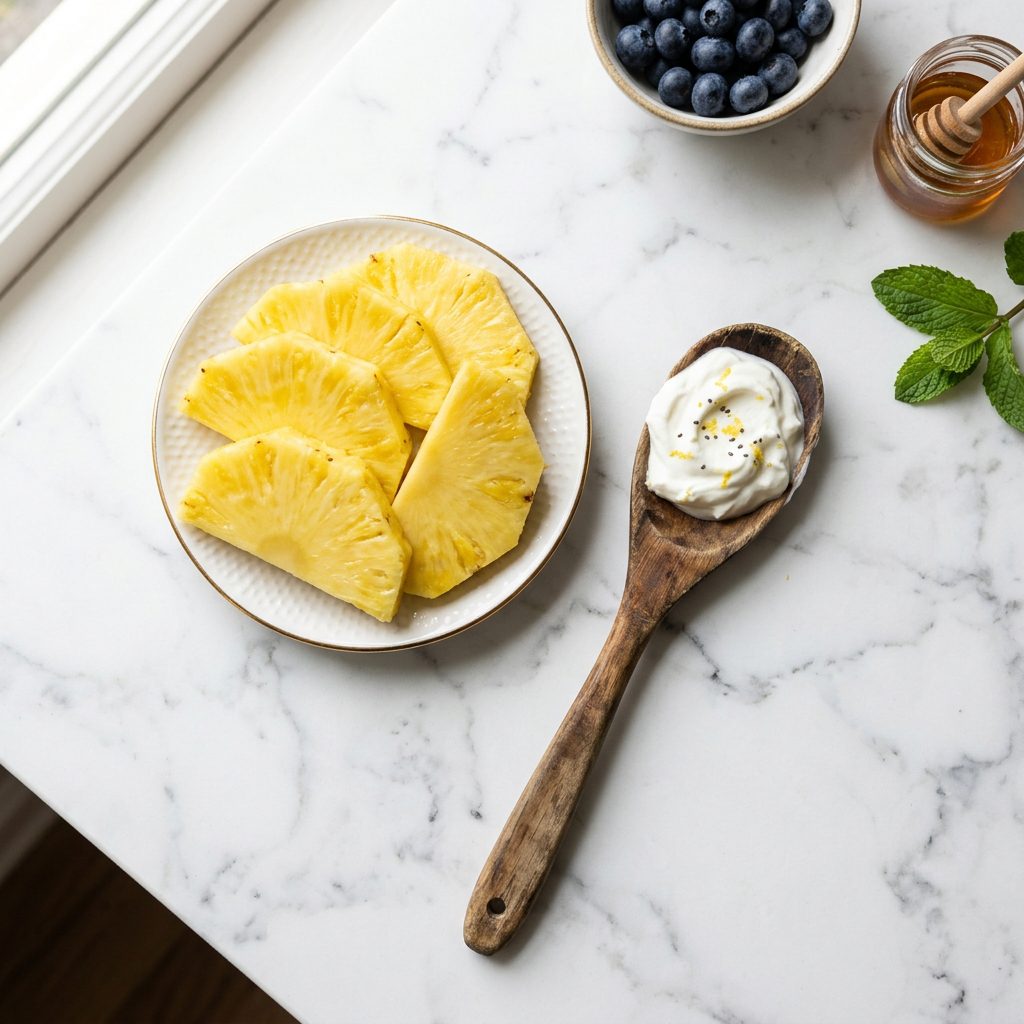
Now that we know what feeds the yeast, let’s talk about our Hero Ingredients. We are going to use nutritional science to our advantage to create a treat that actively destroys yeast cells and rebuilds the gut microbiome. We only need two main ingredients for this hack: fresh pineapple and plain, unsweetened probiotic yogurt.
The Power of Pineapple (Bromelain)
Pineapple is not just a tasty tropical fruit; it is a pharmaceutical powerhouse when used correctly. Fresh pineapple contains a highly potent proteolytic enzyme called Bromelain. Proteolytic means it breaks down proteins. Why is this important for a yeast infection? Yeast cells protect themselves by building a tough, protein-based shield around themselves called a biofilm. This biofilm makes yeast incredibly stubborn and resistant to treatment. Bromelain acts like a biological buzzsaw, slicing right through that biofilm and breaking down the yeast’s defensive walls. Once the biofilm is destroyed, the yeast is exposed and dies off. Crucial Hacker Tip: You MUST use fresh or frozen pineapple. Canned pineapple is heavily processed, packed in sugary syrups (which feeds the yeast!), and the heat from the canning process completely destroys the beneficial bromelain enzymes.
The Gut-Healing Magic of Probiotic Yogurt
While the pineapple is busy destroying the yeast, the yogurt comes in as the cleanup crew. Plain, unsweetened yogurt is packed with live, active cultures like Lactobacillus acidophilus and Bifidobacterium. These are the beneficial bacteria your dog’s gut desperately needs. By introducing a massive dose of probiotics, we are crowding out the remaining yeast and restoring the natural, acidic balance of the digestive tract.
INSIDER WARNING: Never use flavored or artificially sweetened yogurts. Check the label like a hawk. If the yogurt contains Xylitol (sometimes labeled as birch sugar), put it back immediately. Xylitol is highly toxic to dogs and can be fatal. Stick to 100% plain, unsweetened Greek or regular yogurt with live cultures.
The Safe Chef Guide: The Anti-Yeast Recipe
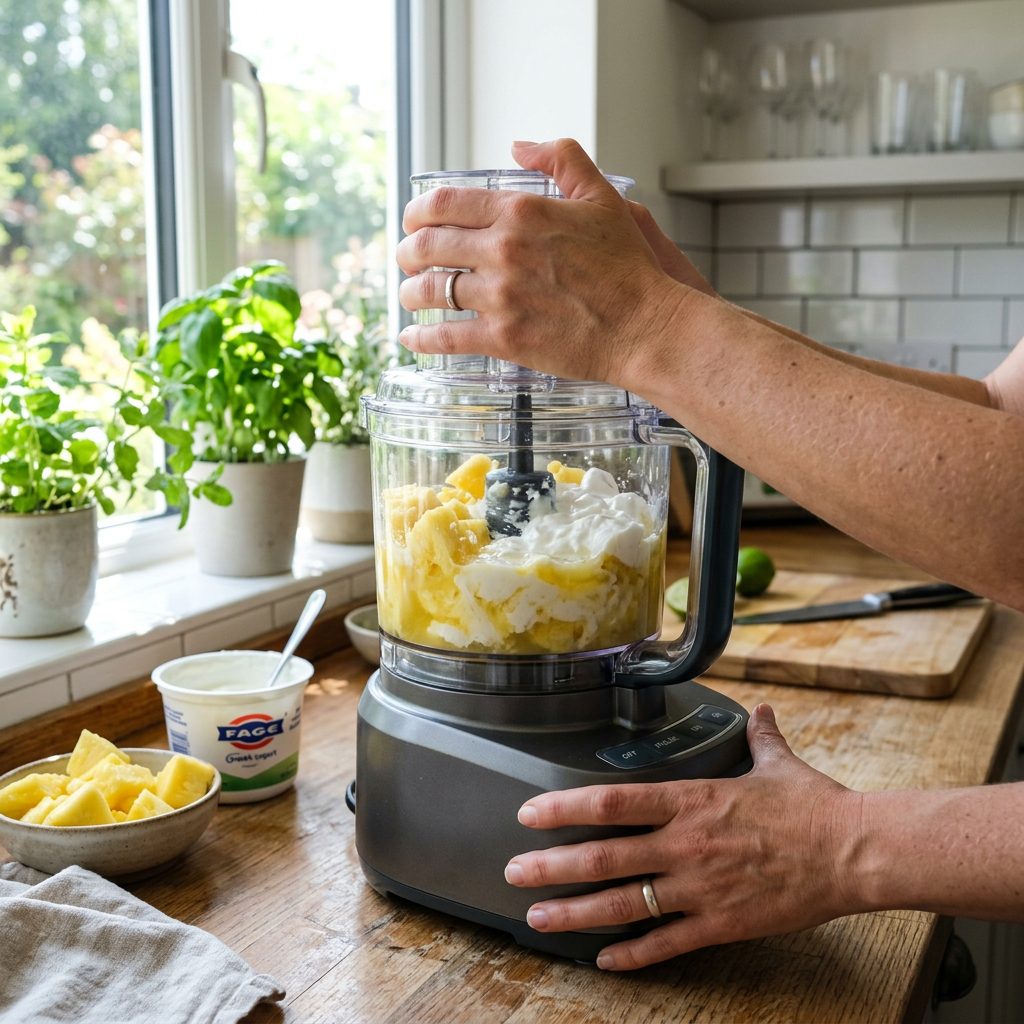
It is time to put on your chef’s hat and whip up this incredibly simple, anti-yeast concoction. This recipe is designed to be foolproof, fast, and highly effective. We are going to batch-cook these treats so you have a steady supply ready in your freezer whenever your dog needs a gut-health boost.
Ingredients You Will Need:
- 1 cup of fresh pineapple chunks (core removed, absolutely NO canned pineapple).
- 1 cup of plain, unsweetened Greek yogurt (ensure it says ‘contains live active cultures’ on the label).
- Optional Hacker Upgrade: 1 tablespoon of organic, unrefined Coconut Oil. (Coconut oil contains Caprylic Acid, which is another powerful natural anti-fungal that destroys yeast cells).
Equipment Needed:
- A blender or food processor.
- Silicone molds (paw prints or bone shapes work great for portion control) or standard ice cube trays.
Step-by-Step Instructions:
- Prep the Pineapple: Chop your fresh pineapple into small chunks. Discard the tough inner core, as it can be difficult for dogs to digest. If you are using pre-frozen pineapple chunks from the grocery store, let them thaw slightly so they blend easier.
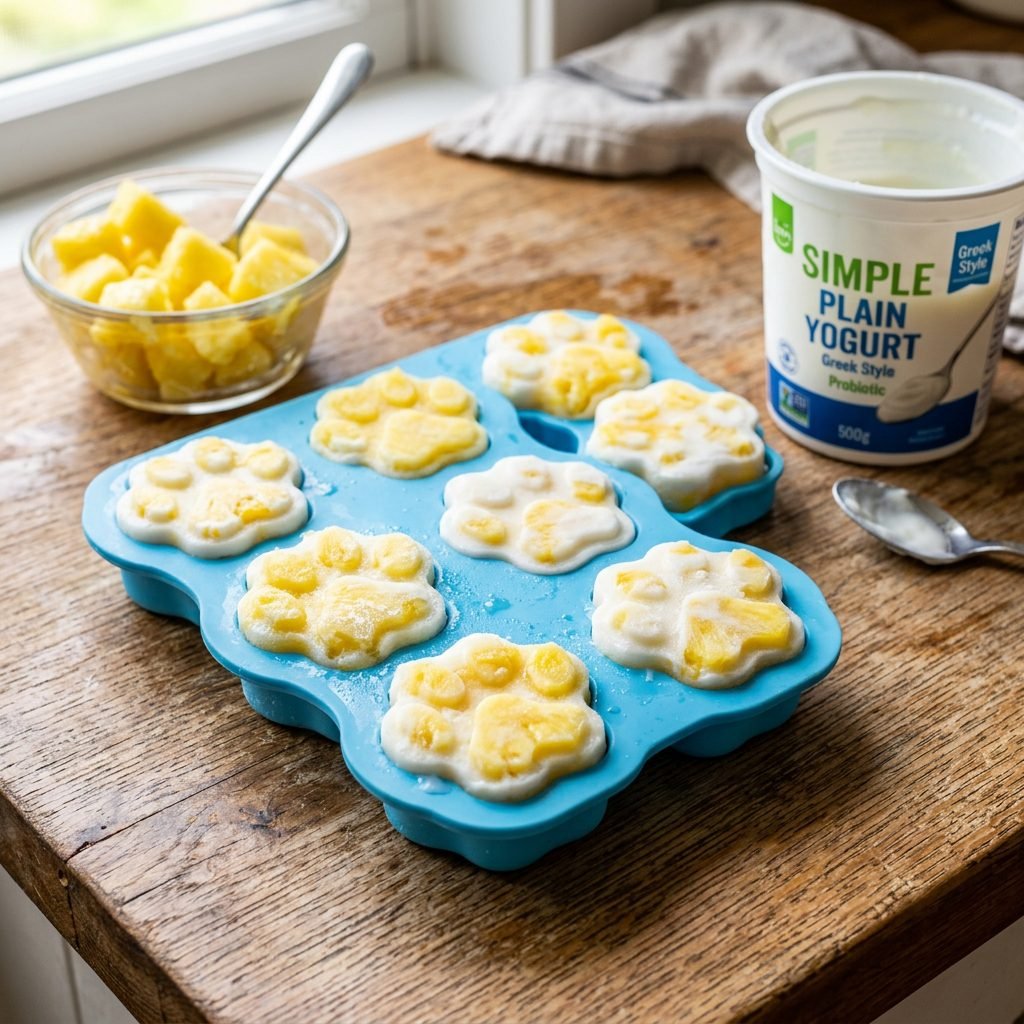
- Blend the Base: Toss the pineapple chunks, the plain yogurt, and the optional coconut oil into your blender. Pulse the mixture until it is completely smooth and creamy. It should look like a thick, pale yellow smoothie.
- Fill the Molds: Carefully pour the blended mixture into your silicone molds or ice cube trays. If you want to get fancy, you can place a tiny piece of diced pineapple in the center of each mold before pouring the liquid over it.
- Freeze and Store: Place the molds flat in your freezer and leave them for at least 4 to 6 hours, or until completely solid. Once frozen, pop the treats out of the molds and store them in an airtight freezer bag or container. They will keep for up to 3 months!
The Hacker’s Cost Breakdown: DIY vs. Store-Bought Supplements
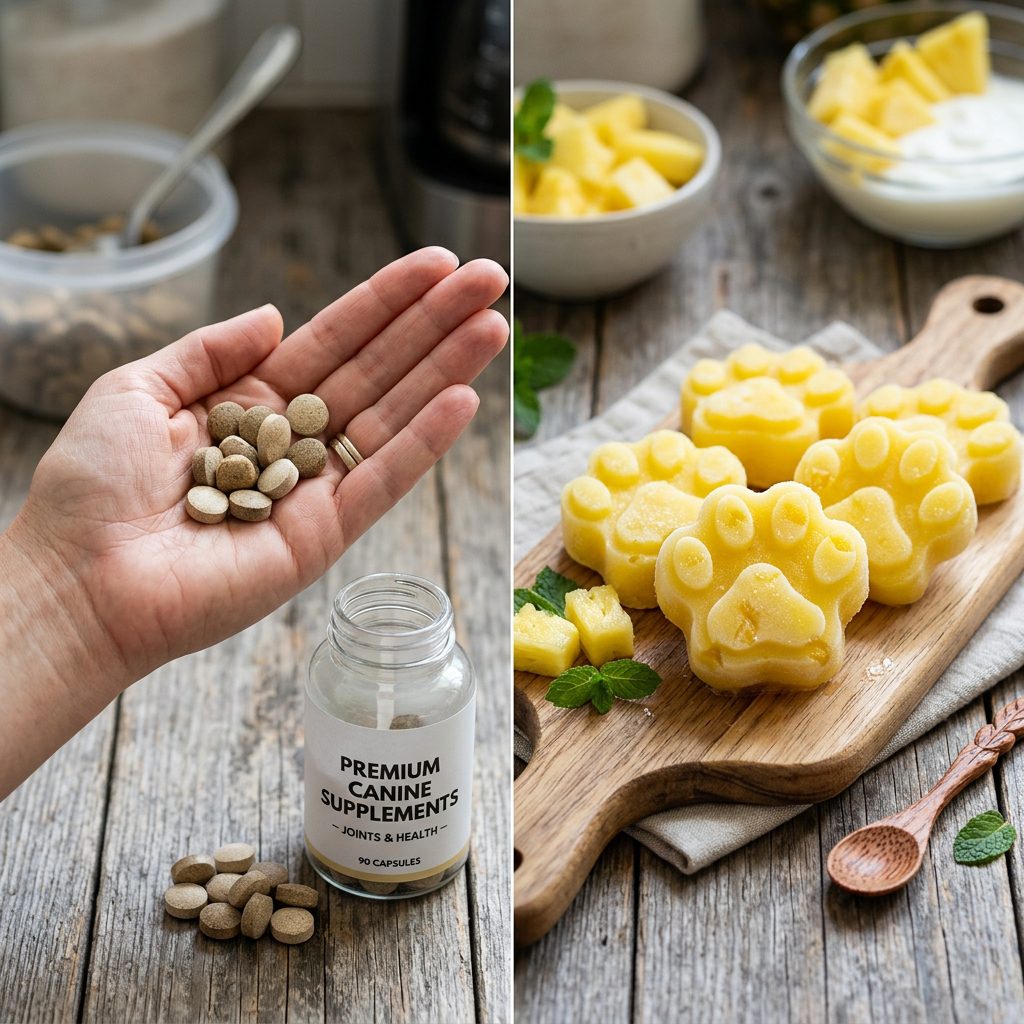
As a savvy dog owner, you know that the pet industry loves to overcharge for ‘specialty’ health products. If you walk into a big-box pet store looking for a yeast-fighting supplement or a high-end probiotic chew, you are going to pay a massive premium for fancy packaging and heavy marketing. Let’s look at the real numbers and see why making your own Frozen Pineapple Yogurt Treats is the ultimate budget hack.
Commercial anti-yeast chews often cost upwards of $35 for a small jar that might last a medium-sized dog just a couple of weeks. Worse, if you read the label on those expensive chews, you will often find fillers like oat flour, glycerin, or maltodextrin right at the top of the list—meaning you are paying top dollar for ingredients that could actually feed the yeast! By sourcing your own fresh ingredients, you control the quality and slash the price dramatically.
| Comparison Factor | Store-Bought Anti-Yeast Chews | DIY Pineapple Yogurt Treats |
|---|---|---|
| Active Ingredients | Proprietary blends, synthetic probiotics | Fresh Bromelain, Live Natural Cultures |
| Filler Ingredients | Glycerin, Oat Flour, Preservatives | ZERO Fillers (100% Whole Food) |
| Average Cost Per Batch | $35.00 – $45.00 (per jar) | $4.50 – $6.00 (per large batch) |
| Cost Per Day (50lb Dog) | $1.50 – $2.00/day | $0.20 – $0.30/day |
| The Hacker Verdict | Overpriced, potential hidden carbs | Cost-effective, highly bioavailable, safe |
As you can see from the table above, taking 15 minutes out of your weekend to blend up a batch of these treats will save you hundreds of dollars a year, while providing superior, whole-food nutrition that your dog’s body can actually absorb and utilize.
Feeding Guidelines and Managing the Yeast Die-Off
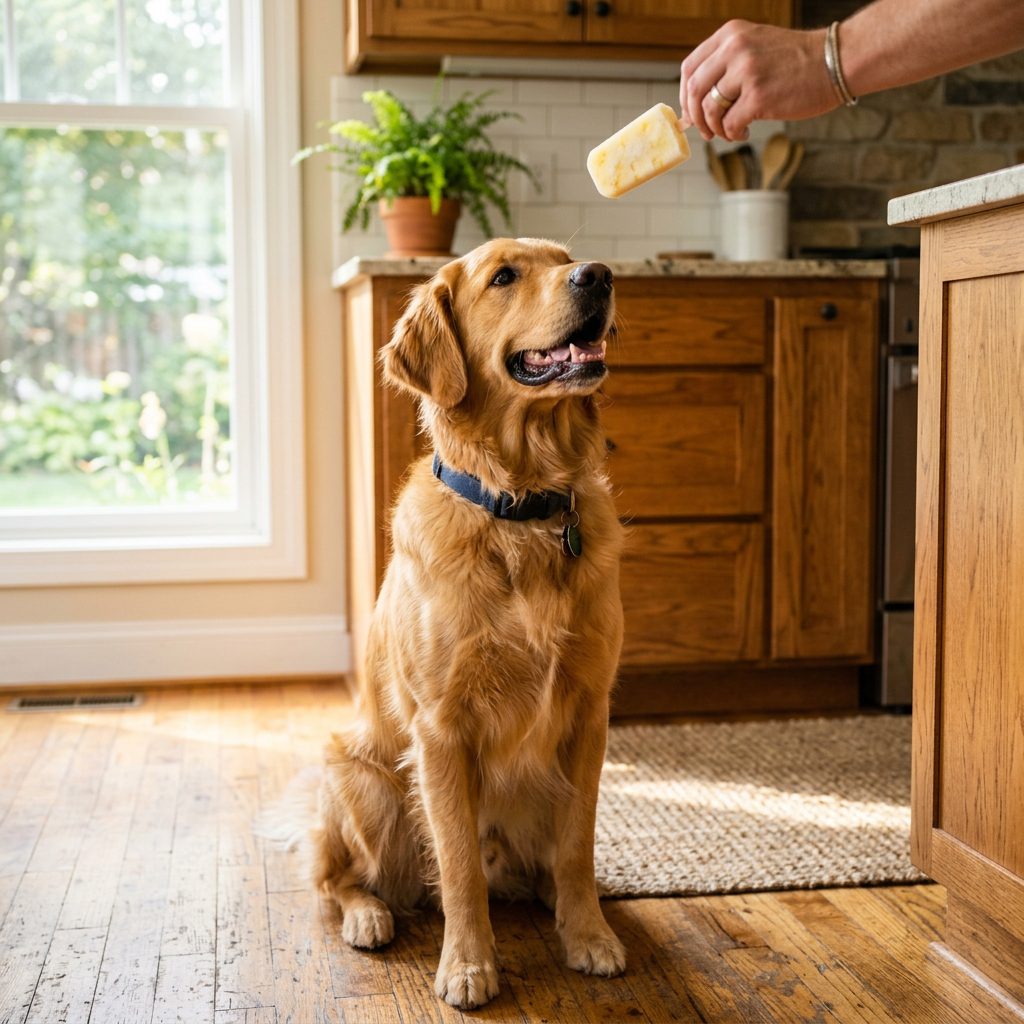
Now that your freezer is stocked with these powerful anti-yeast treats, we need to talk about how to feed them properly. Because these treats are packed with active enzymes and potent probiotics, you do not want to hand them out like regular biscuits. We are using food as medicine, which requires a strategic approach.
Proper Portion Control
For a small dog (under 20 lbs), half of a standard ice-cube-sized treat per day is plenty. For a medium dog (20-50 lbs), one full treat per day is ideal. For large breeds (over 50 lbs), you can safely feed two treats per day. Hacker Tip: Give the treat after a meal. The food in the stomach will help buffer the live probiotics as they travel through the harsh, acidic environment of the stomach, ensuring more of the good bacteria make it to the lower intestines where they are needed most.
Understanding the Herxheimer Reaction (Yeast Die-Off)
Here is an insider secret that most holistic blogs forget to mention: when you start aggressively killing off a massive yeast infection in the gut, your dog might actually look a little worse before they look better. This is known as a Herxheimer reaction, or ‘yeast die-off.’ As the bromelain breaks down the yeast biofilms and the yeast cells die, they release toxins into the bloodstream. Your dog’s body has to filter these toxins out, usually through the liver, kidneys, and skin.
During the first week of feeding these treats, you might notice your dog scratching a bit more, or their paws might smell slightly stronger. Do not panic! This is a sign that the hack is working and the yeast is vacating the premises. Ensure your dog has access to plenty of fresh, clean water to help flush these toxins out of their system. If the die-off symptoms seem severe, simply cut the treat portion in half and introduce it more slowly over a two-week period. Patience is key when rebuilding the microbiome.
Conclusion
Fighting a canine yeast infection does not have to mean a lifetime of expensive vet bills, toxic steroid shots, or endless frustration. By stepping up as a savvy dog owner and taking control of your dog’s diet, you can banish the ‘Frito feet’ forever. These Frozen Pineapple Yogurt Dog Treats are more than just a refreshing summer snack; they are a targeted, nutritional weapon against Malassezia overgrowth. The bromelain tears down the yeast’s defenses, while the rich probiotics rebuild a healthy, resilient gut microbiome.
Remember, true health starts in the bowl. I challenge you today to go look at the ingredient label on your dog’s kibble. If you see corn, wheat, or heavy starches in the top five ingredients, it is time to make a change. Stop feeding the yeast, start feeding the dog, and watch as their coat gets shinier, their paws stop smelling, and their energy skyrockets. You have the power to heal your dog from the inside out. Now, get into the kitchen, blend up a batch of these hacker-approved treats, and let’s get your best friend back to thriving!