Stop Yeast and Itching: These Frozen Colostrum Paws Work Better Than Meds!
Disclaimer: I am a Savvy Dog Owner and Canine Nutrition Hacker, not a veterinarian. The information here is based on deep nutritional research and personal experience. Always consult with a holistic or integrative vet before changing your dog’s diet or supplement routine, especially if they are on medication.
If you are reading this, you probably know the smell. That distinct, undeniable, corn-chip “Frito” smell radiating from your dog’s paws. You know the sound, too—the relentless 3:00 AM slurping, licking, and scratching that keeps both of you awake. You have likely spent hundreds, maybe thousands, of dollars at the vet clinic. You have tried the medicated shampoos that dry out their skin. You have tried the expensive allergy shots like Cytopoint or daily pills like Apoquel. And while they might offer a few weeks of sweet relief, the itch always comes back with a vengeance.
Listen up: as a Canine Nutrition Hacker, I do not believe in expensive, lifelong band-aids. I believe in forensic label analysis and fixing the root cause. Those medications? They work by suppressing your dog’s immune system so it stops reacting to the itch triggers. But they do absolutely nothing to fix why your dog is itching in the first place. More often than not, chronic itching, red bellies, ear gunk, and rusty-colored paws are the result of a massive systemic yeast infection triggered by a damaged gut.
Insider Secret: Big pet food companies and pharmaceutical giants thrive on the cycle of sickness. If your dog is eating a diet packed with starchy fillers, they are literally feeding the yeast, and the meds are just turning off the fire alarm while the house burns down.
Today, we are taking control back. I am going to show you how to hack your dog’s immune system using one of nature’s most powerful, ancient healing foods: Bovine Colostrum. We are going to combine it with a few other powerhouse ingredients to create DIY Frozen Colostrum Paws. These little treats are budget-friendly, incredibly easy to make, and they attack yeast and inflammation right at the source: the gut.
The Root of the Itch: Why Meds Are Just a Band-Aid
Before we start mixing up our miracle paws, you need to understand the enemy. The yeast that plagues our dogs is typically a fungus called Malassezia pachydermatis. It naturally lives on your dog’s skin and in their ears in small, harmless amounts. But when your dog’s immune system is compromised, or their gut microbiome is thrown out of balance, this yeast throws a massive, out-of-control party.
The Leaky Gut Connection
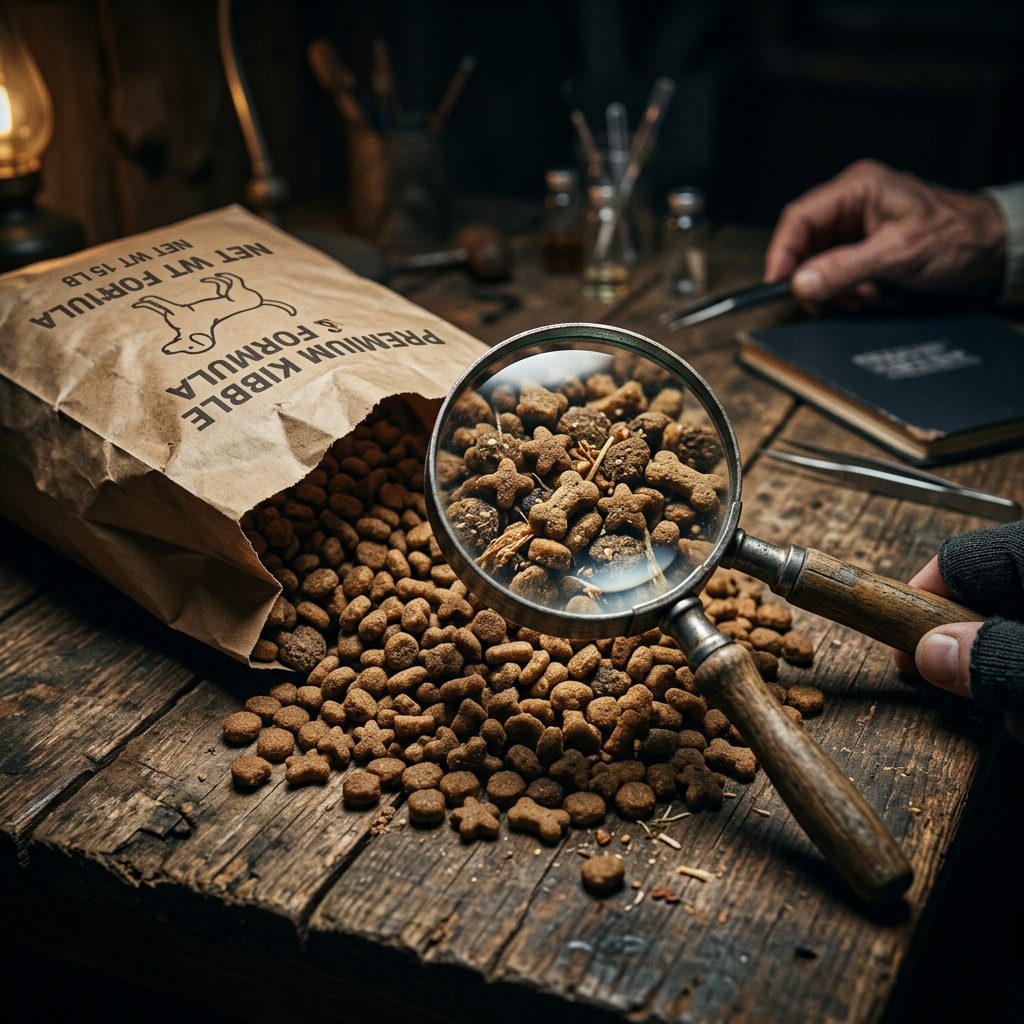
Here is the hard truth: 80% of your dog’s immune system lives in their gut. When dogs eat highly processed kibble month after month, year after year, the gut lining takes a beating. The extrusion process used to make kibble requires massive amounts of carbohydrates to hold the little brown balls together. Even “grain-free” foods are packed with starchy legumes, potatoes, or tapioca.
Enemy Ingredients to Avoid:
- Corn Gluten Meal: A cheap protein filler that spikes blood sugar.
- Brewers Rice: A carbohydrate byproduct that turns straight to sugar in the body.
- Potatoes and Tapioca: Starchy binders used in grain-free foods that feed yeast overgrowth.
- Soy and Wheat: Highly inflammatory allergens that damage the intestinal lining.
When these starchy, sugary fillers break down, they feed the bad bacteria and yeast in the gut. Over time, this causes “Leaky Gut Syndrome.” The tight junctions in the intestinal wall loosen, allowing undigested food particles, toxins, and yeast to leak directly into the bloodstream. The immune system freaks out, launching a massive inflammatory response. The result? Red, inflamed skin, hot spots, and yeast blooming all over your dog’s body.
When you give your dog an immune-suppressing drug, you are just telling the immune system to stop fighting the leaked toxins. The leaky gut remains. The yeast remains. This is why the second the medication wears off, the scratching returns. We have to seal the gut to starve the yeast.
The Hero Ingredients: Bovine Colostrum and Caprylic Acid
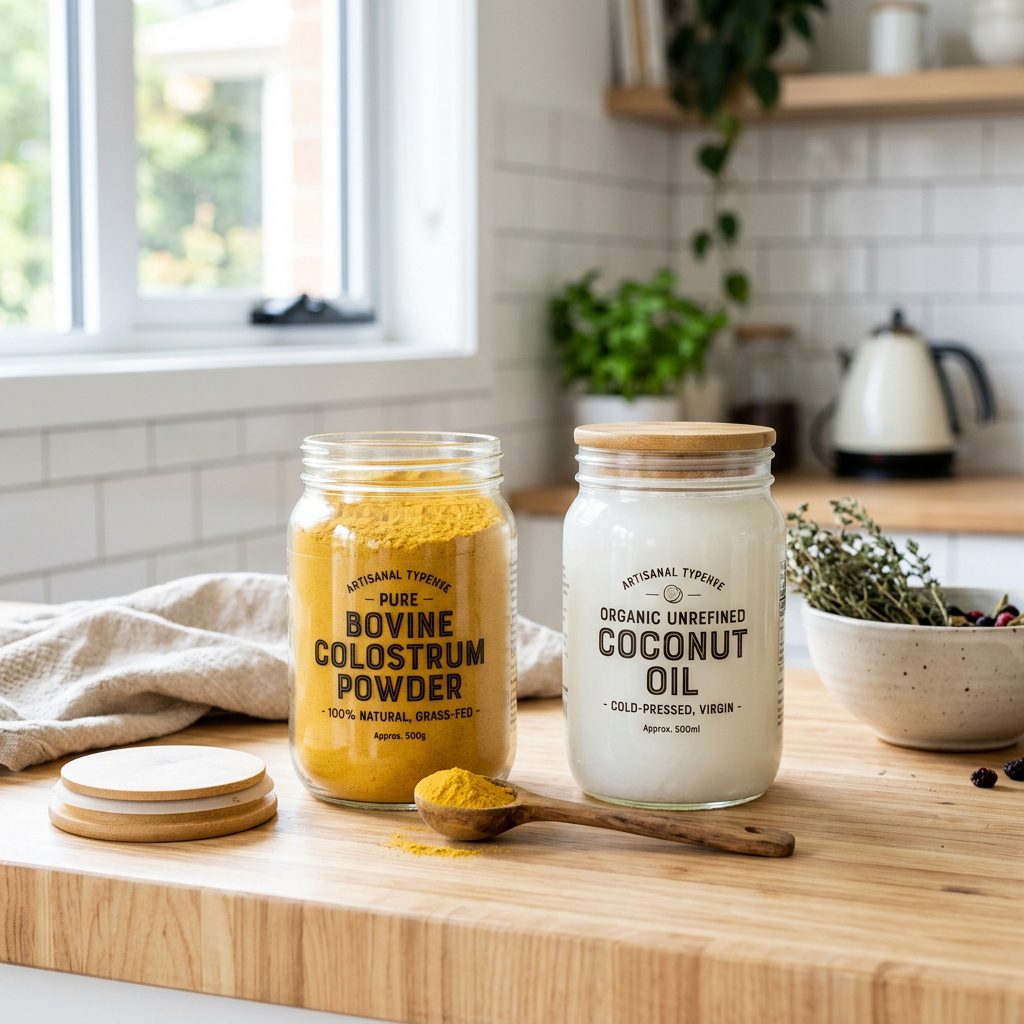
If starchy carbs are the enemy, what is the hero? Enter Bovine Colostrum. Colostrum is the “first milk” produced by mammals immediately after giving birth. It is thick, golden, and absolutely packed with life-giving, immune-modulating compounds. For dogs with allergies and yeast, high-quality, grass-fed bovine (cow) colostrum is a game-changer.
Why Colostrum Destroys Yeast
- Proline-Rich Polypeptides (PRPs): These are the ultimate immune system regulators. If your dog’s immune system is overreacting to allergens, PRPs calm it down. If it is under-performing (allowing yeast to take over), PRPs stimulate it.
- Immunoglobulins (IgG, IgA, IgM): These are powerful antibodies that bind to harmful bacteria, viruses, and yeast in the gut, neutralizing them before they can cause damage.
- Lactoferrin: This is a crucial protein that binds to iron. Yeast and bad bacteria need iron to reproduce and survive. Lactoferrin essentially starves the yeast by stealing its food supply.
- Epithelial Growth Factors: This is the magic bullet for Leaky Gut. These growth factors actively stimulate the repair and regeneration of the intestinal lining, sealing up those microscopic holes.
The Wingman: Organic Unrefined Coconut Oil
To make our Frozen Colostrum Paws truly unstoppable, we are pairing colostrum with Organic, Cold-Pressed, Unrefined Coconut Oil. Coconut oil contains a high concentration of Caprylic Acid, a medium-chain triglyceride (MCT) that is famous for its antifungal properties. Caprylic acid literally punches holes in the cellular walls of yeast, causing them to die off.
Insider Secret: Always check your coconut oil label. If it says “refined” or “deodorized,” put it back on the shelf. The refining process strips away the beneficial nutrients. You want the raw, unrefined stuff that still smells like coconuts.
The Real Cost Breakdown: Big Pharma vs. The Kitchen Hacker
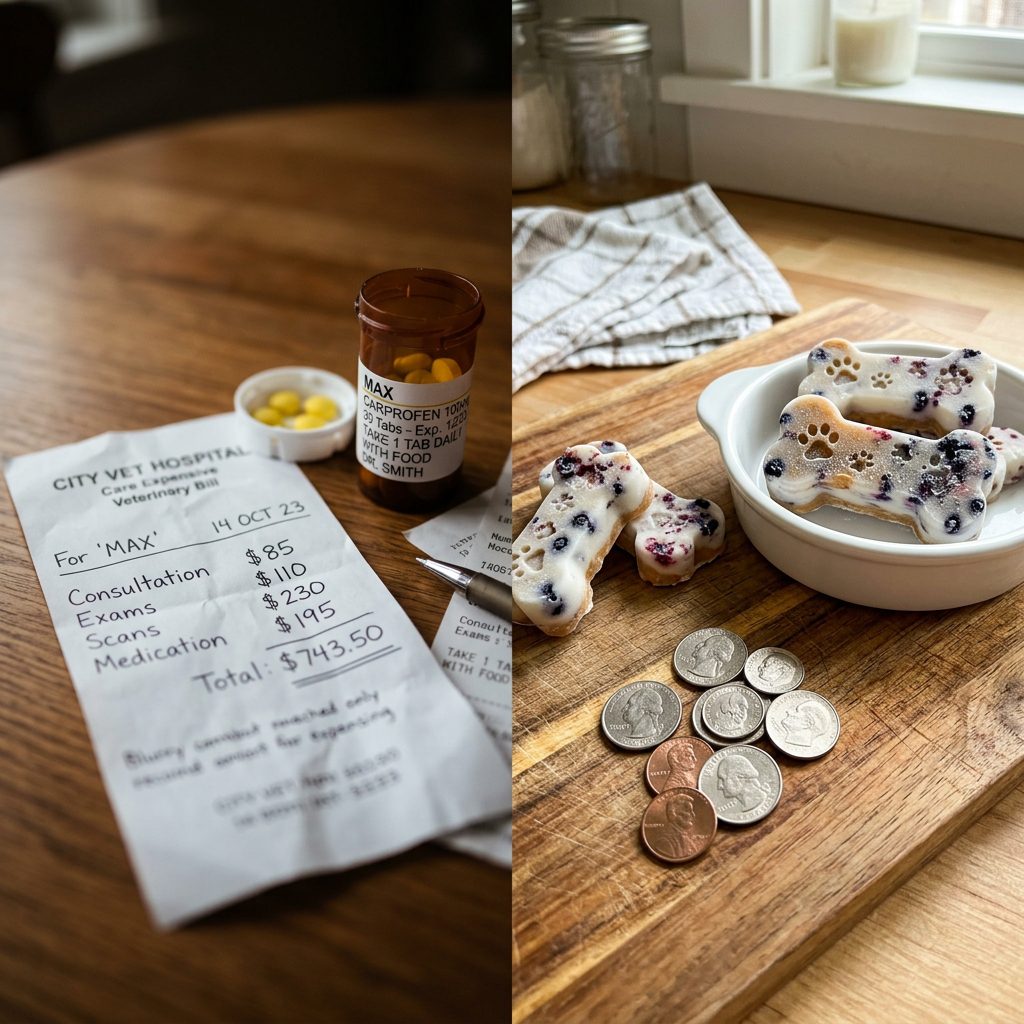
As a savvy dog owner, you have to protect your wallet just as fiercely as you protect your dog’s health. The veterinary dermatology industry is a multi-billion dollar machine. Let’s do a forensic breakdown of what you are actually paying for when you rely on conventional allergy treatments versus hacking the system with our DIY Frozen Colostrum Paws.
| Treatment Method | Estimated Monthly Cost (50lb Dog) | Side Effects & Risks | Does it Fix the Root Cause? |
|---|---|---|---|
| Allergy Injections (Cytopoint) | $100 – $150+ | Lethargy, immune suppression | No (Symptom masking) |
| Daily Allergy Pills (Apoquel) | $80 – $120 | Increased risk of infections, tumors | No (Immune suppression) |
| Medicated Antifungal Shampoos | $30 – $50 | Dry, flaky skin, stripped coat oils | No (Topical band-aid only) |
| DIY Frozen Colostrum Paws | $15 – $25 | Shiny coat, better digestion | Yes (Seals Leaky Gut) |
By switching your strategy from suppression to healing, you are looking at saving upwards of $1,000 to $1,500 a year. That is money you can reinvest into buying higher-quality, meat-based food for your dog, which will further accelerate their healing process. The math does not lie, and the results speak for themselves.
The Safe Chef Guide: How to Make Frozen Colostrum “Yeast-Buster” Paws
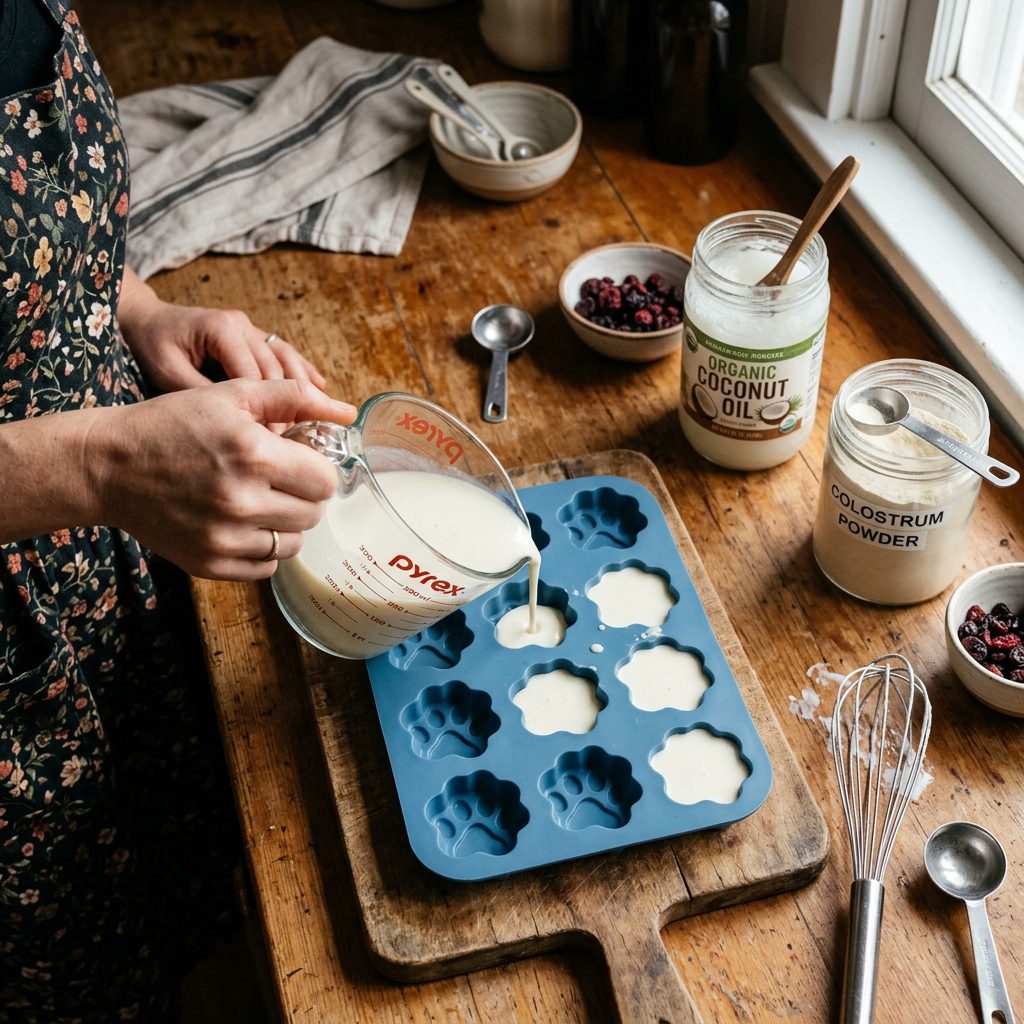
Are you ready to become a canine kitchen hacker? This recipe is incredibly simple, requires no baking (which preserves the delicate enzymes in the colostrum), and can be whipped up in less than ten minutes. We are using a liquid base of either plain, unsweetened kefir (for an extra probiotic punch) or high-quality bone broth.
Ingredients You Will Need:
- 1 Cup Liquid Base: Plain, unsweetened goat milk kefir (preferred for probiotics) OR dog-safe bone broth (no onions or garlic).
- 1/2 Cup Organic Unrefined Coconut Oil: Gently melted to a liquid state.
- 4 Tablespoons Grass-Fed Bovine Colostrum Powder: Ensure it is sourced from the first milking and free of antibiotics.
- 1 Teaspoon Ceylon Cinnamon (Optional): Ceylon cinnamon helps regulate blood sugar, further starving yeast. (Make sure it is Ceylon, not Cassia).
Step-by-Step Actionable Recipe:
- Prep the Oil: If your coconut oil is solid, place the jar in a bowl of warm water until it melts. Never microwave it, as microwaves destroy the beneficial properties of the oil.
- Mix the Base: In a large mixing bowl or a blender, combine the liquid base (kefir or broth) with the melted coconut oil. Whisk them together vigorously until they emulsify.
- Add the Magic: Sprinkle in the 4 tablespoons of bovine colostrum powder and the optional Ceylon cinnamon. Whisk gently until the powder is completely dissolved and the mixture is smooth and creamy.
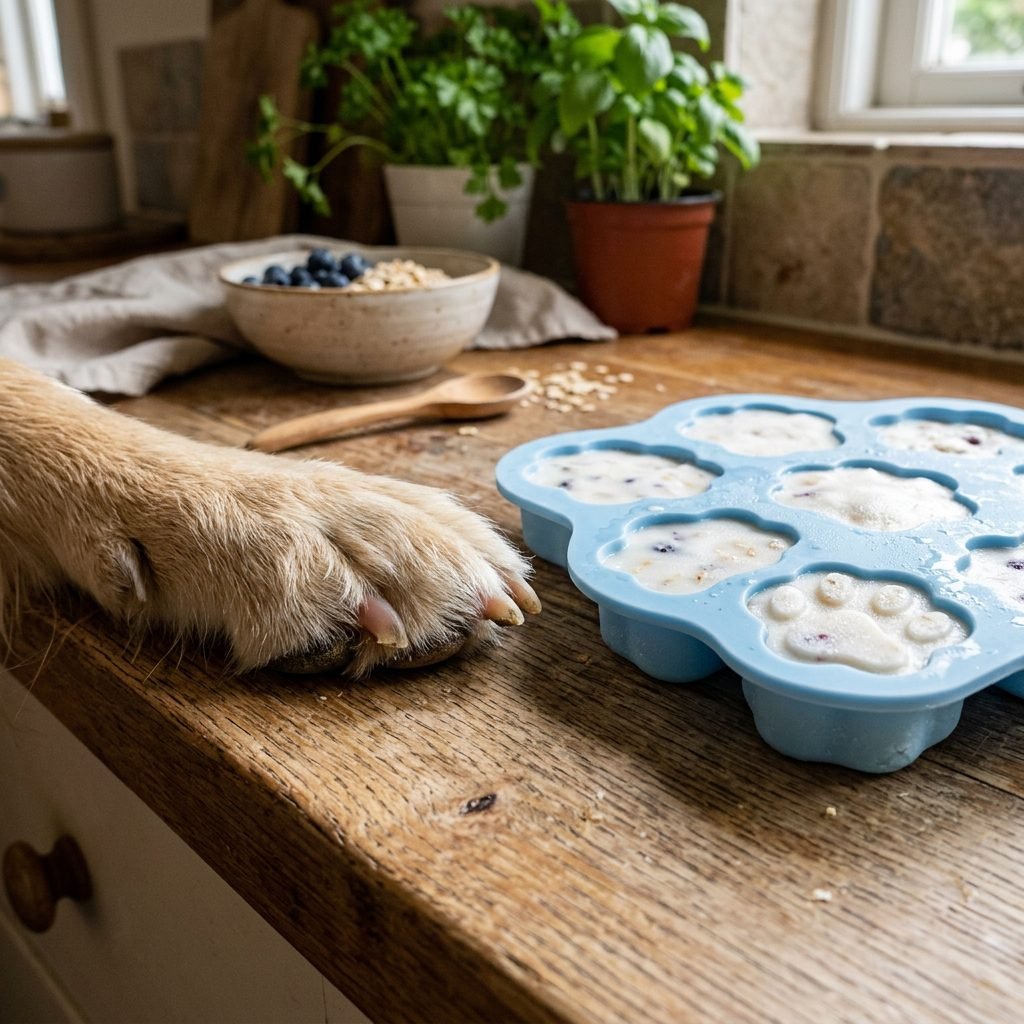
- Mold and Freeze: Pour the liquid mixture carefully into silicone paw molds (or standard ice cube trays). Place the molds flat in the freezer and let them set for at least 4 hours, or overnight.
Batch Cooking Tip:
As a busy dog owner, efficiency is everything. I highly recommend buying two or three silicone molds and doubling or tripling this recipe. Once the paws are completely frozen solid, pop them out of the molds and store them in a heavy-duty, airtight freezer bag or glass container. They will keep in the freezer for up to 3 months, giving you a daily, grab-and-go yeast-busting weapon.
How to Feed and What to Expect: Navigating the Detox Phase
Now that you have your arsenal of Frozen Colostrum Paws, it is crucial to know how to deploy them safely. Because these treats contain powerful antifungal agents and immune modulators, you cannot just throw a handful of them at your dog on day one. We have to respect the biology.
Dosage Guidelines
The general rule of thumb for colostrum is about 1/4 teaspoon of powder per 10 lbs of body weight daily. Based on our recipe, one standard-sized silicone paw mold (about 1 tablespoon of volume) will contain roughly 1/2 teaspoon of colostrum. Therefore:
- Small Dogs (under 20 lbs): 1/2 of a frozen paw per day.
- Medium Dogs (20 – 50 lbs): 1 frozen paw per day.
- Large Dogs (50 – 80 lbs): 2 frozen paws per day.
- Giant Breeds (80+ lbs): 3 frozen paws per day.
Insider Secret: Always start with exactly HALF the recommended dose for the first 3 to 4 days. Coconut oil can cause loose stools if introduced too quickly, and we want to avoid “disaster pants” on your living room rug at all costs.
The Herxheimer Reaction (Yeast Die-Off)
This is where many dog owners panic and quit, but as a savvy owner, you need to hold the line. When the caprylic acid and colostrum start rapidly killing off the yeast in your dog’s gut and on their skin, the dying yeast cells release toxins. The body has to process and eliminate these toxins, which can lead to a temporary worsening of symptoms. This is known as a Herxheimer reaction, or “die-off.”
During the first week or two, you might notice your dog’s skin getting a bit flakier, their ears producing more gunk, or their itchiness slightly increasing. Do not panic. This is the trash being taken out. Keep their skin clean, wipe their paws with a damp cloth, and stick to the regimen. As the gut seals and the yeast population is decimated, the symptoms will subside, revealing calm, pink skin and a dog that can finally sleep through the night.
Conclusion
We have been conditioned to believe that a pill is the only answer to our dogs’ suffering. But you are a Canine Nutrition Hacker now. You understand that true health starts in the bowl, and true healing starts in the gut. By ditching the starchy fillers that feed the yeast and introducing the gut-sealing, immune-modulating power of Bovine Colostrum and coconut oil, you are fundamentally changing your dog’s biology for the better. Whip up a batch of these Frozen Colostrum Paws this weekend. Endure the short detox phase. Your dog’s immune system will thank you, their skin will clear up, and you will finally say goodbye to that Frito smell for good. Stay savvy, and keep hacking your dog’s health!