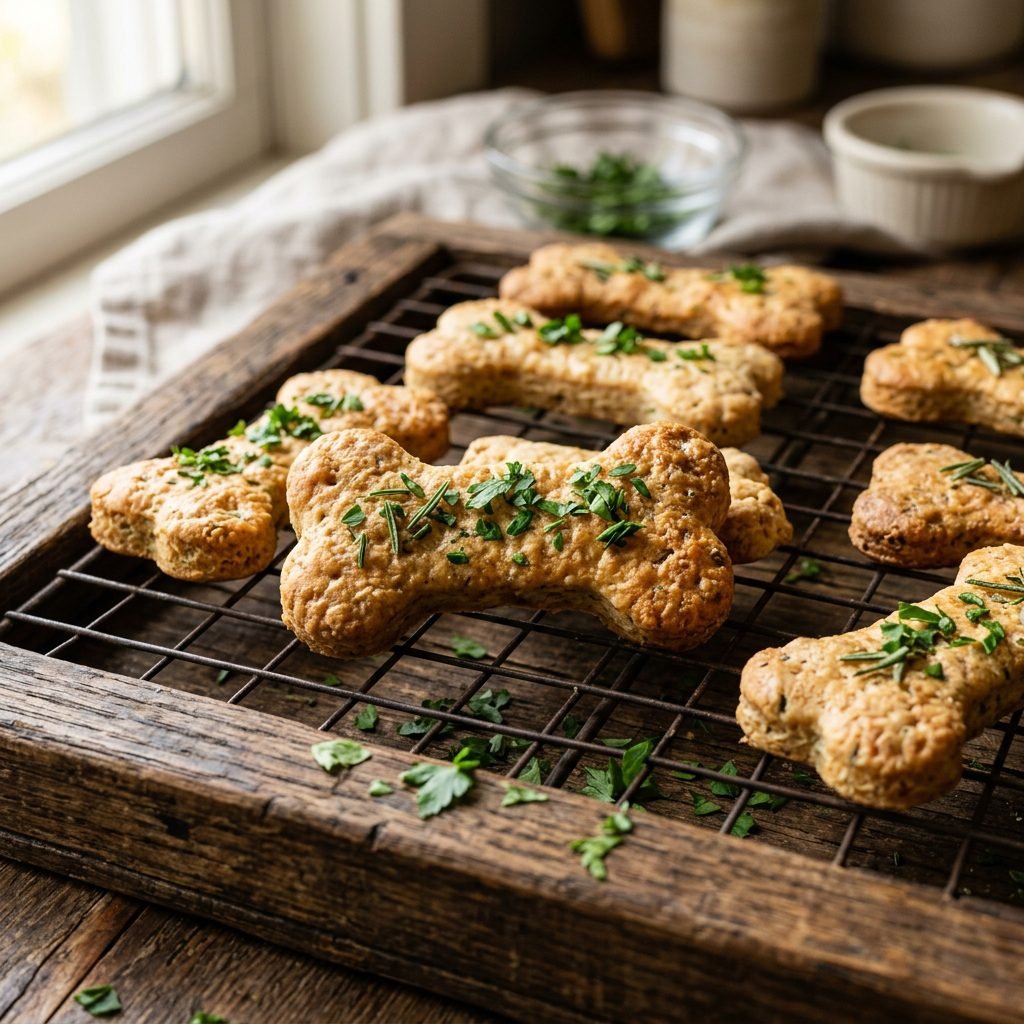
Don’t Waste It! This Herbed Sourdough Discard Dog Treat Recipe Has Vets Obsessed
The Great Sourdough Secret Every Dog Owner Needs
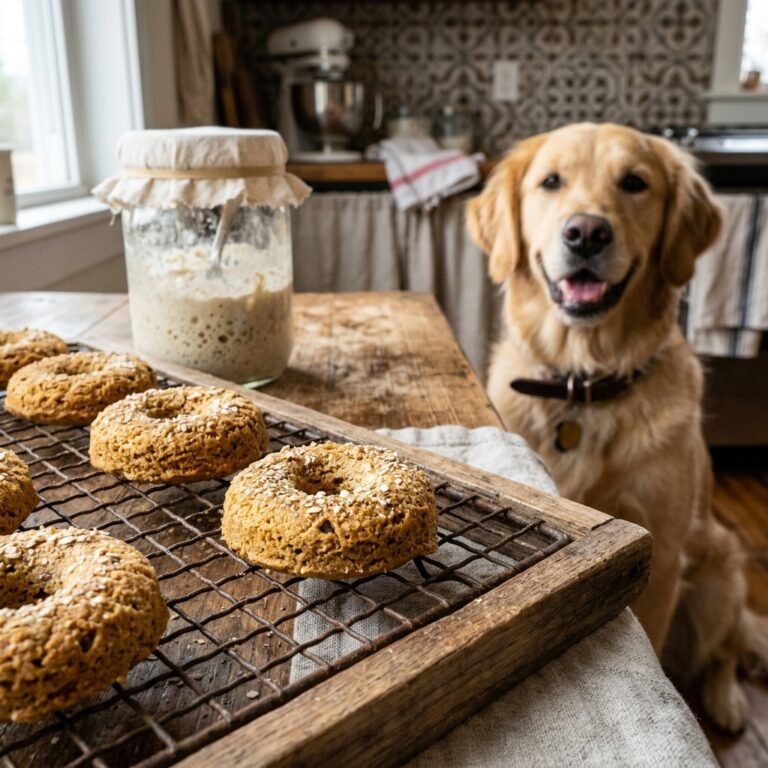
If you have jumped on the sourdough bandwagon, you know the drill: every time you feed your starter, you end up with a jar of ‘discard.’ Most people pour it down the drain, but as a Canine Nutrition Hacker, I’m here to tell you that you are literally flushing money and probiotics away. Your dog’s gut microbiome is a complex ecosystem, and while we often think of ‘human food’ as a no-go, fermented sourdough—when handled correctly—is a bio-available goldmine. This isn’t just about saving a few bucks; it’s about providing a snack that is easier on the digestive tract than 90% of the over-processed ‘kibble-biscuits’ sitting on big-box retail shelves. We are going to break down why vets are actually obsessed with this recipe, how it saves you a fortune, and how to avoid the toxic pitfalls that catch amateur owners off guard.
The Science of Fermentation: Why Sourdough Beats Standard Flour
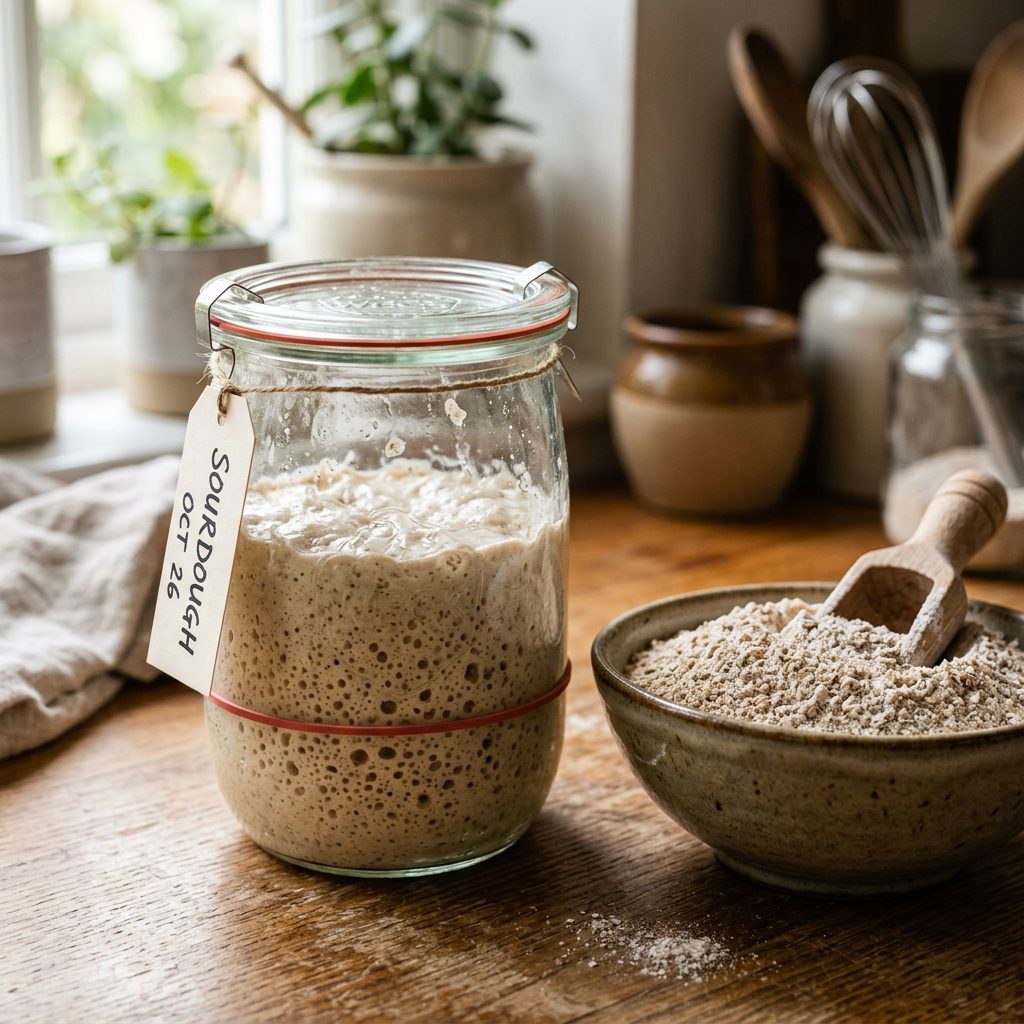
When we talk about grains in dog food, the ‘grain-free’ marketing machine has many owners terrified of wheat. But here is the insider truth: the problem isn’t usually the grain itself; it’s the phytic acid and the lack of digestibility in raw or highly processed starches. Sourdough discard is different because it has already undergone a fermentation process. The wild yeast and lactic acid bacteria have already started the work of breaking down gluten and neutralizing phytic acid, which is an ‘anti-nutrient’ that can interfere with mineral absorption in dogs.
The Bio-Availability Factor
By using fermented discard, you are providing a treat that is lower on the glycemic index compared to treats made with white flour or cornmeal. This means fewer insulin spikes and more stable energy levels for your pup. Plus, those beneficial bacteria (even though they are neutralized during baking) leave behind postbiotics that support a healthy inflammatory response in the gut. We aren’t just making a cookie; we are making a functional snack.
Insider Secret: Most ‘Natural’ dog treats use high-heat extrusion which kills off any delicate nutrients. By slow-baking these at home, you control the nutrient density.
Forensic Label Analysis: DIY vs. Store-Bought
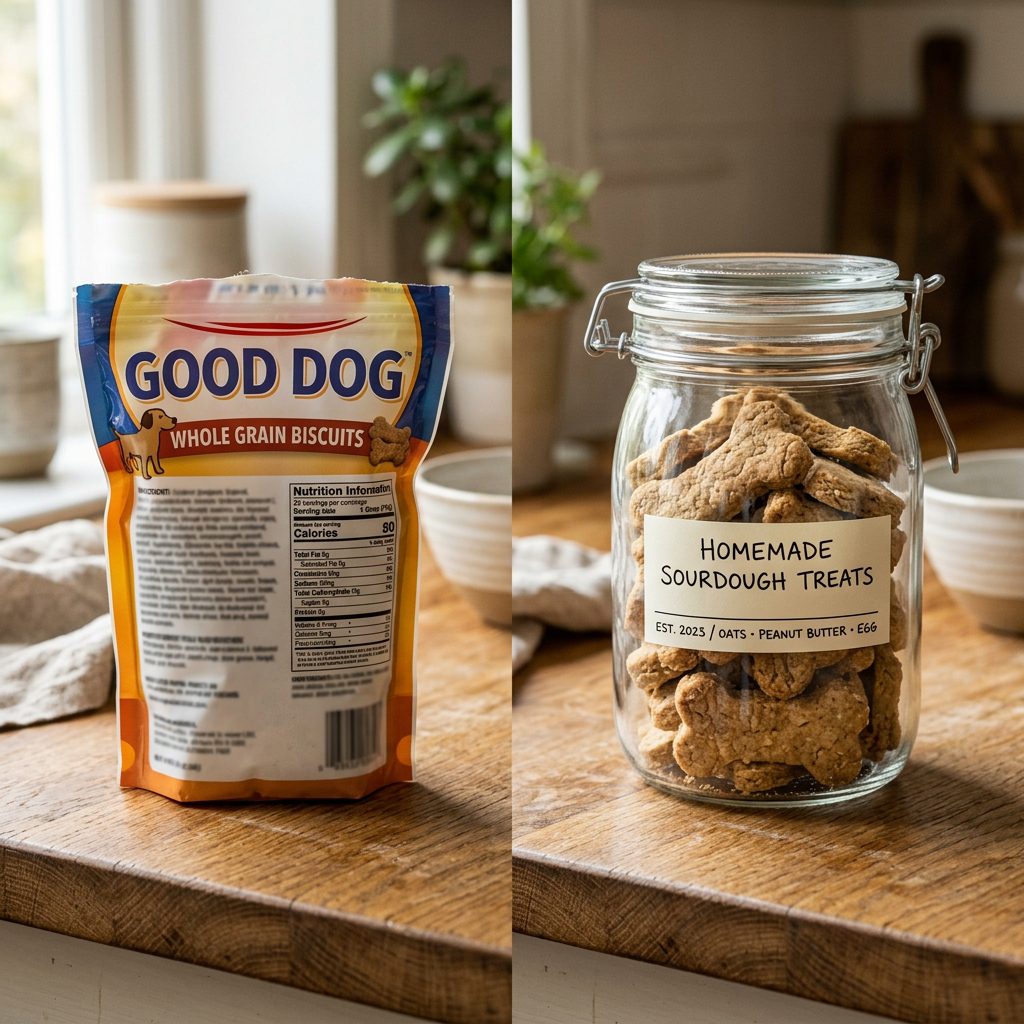
Let’s put on our forensic scientist hats. Have you looked at the back of a ‘Premium Boutique’ dog treat bag lately? You’ll often see ‘Wheat Flour’ as the first ingredient, followed by ‘Sugar’ or ‘Corn Syrup’ and a host of preservatives like BHA or BHT. You are paying for fillers. Let’s look at the numbers. A 10oz bag of ‘artisanal’ herbed treats can run you $14.99. Our sourdough hacker version? Pennies per batch.
| Feature | Boutique Store-Bought | Hacker Sourdough DIY |
|---|---|---|
| First Ingredient | Refined Wheat/Corn | Fermented Sourdough Discard |
| Preservatives | Chemical (BHA/BHT) | Natural (Rosemary/Baking) |
| Cost Per Ounce | $1.50 – $2.00 | $0.10 – $0.15 |
| Gut Support | None (High Glycemic) | High (Fermented/Postbiotic) |
| Verdict | Overpriced Filler | Nutrient-Dense Winner |
When you make these at home, you eliminate the ‘Hidden Sugar’ trap. Many commercial treats use molasses or honey to make the treats palatable, which contributes to canine obesity. Our recipe relies on the natural tang of the sourdough and the aromatic punch of dog-safe herbs.
The Safe Chef Guide: Mandatory Safety Disclaimer
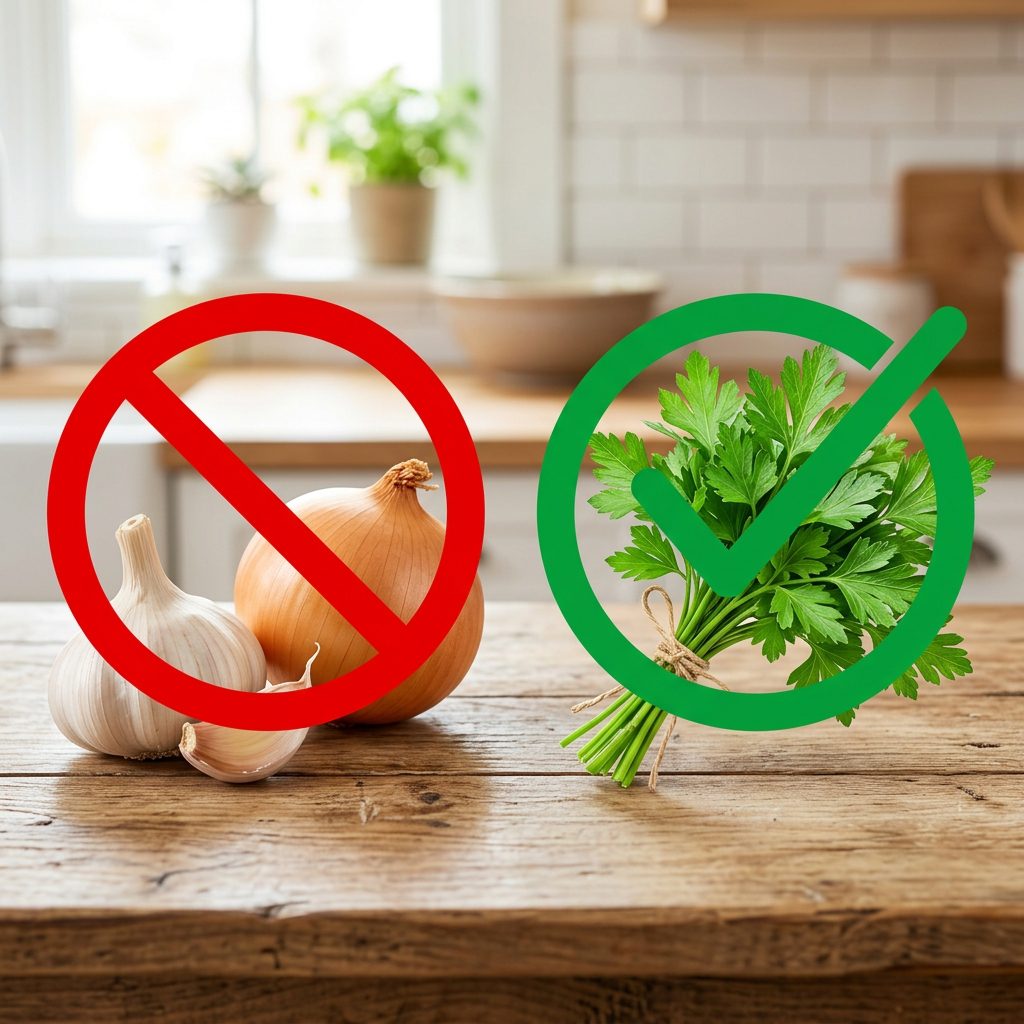
Before we touch the oven, we need to talk safety. I am a nutrition hacker, not your primary veterinarian. While this recipe is designed to be healthy, every dog is an individual. CRITICAL WARNING: Never, ever feed your dog raw sourdough dough. The live yeast can continue to ferment in the warm environment of a dog’s stomach, leading to gastric dilatation-volvulus (bloat) and alcohol poisoning. You must bake these treats until they are fully dried and ‘snappy’ to ensure all yeast activity has ceased.
Toxic Ingredients to Avoid
- Onions and Garlic: While many sourdough breads for humans contain these, they cause oxidative damage to a dog’s red blood cells.
- Excessive Salt: We keep the salt in our recipe to a bare minimum or skip it entirely.
- Xylitol: Never use artificial sweeteners if you decide to ‘sweeten’ a treat; it is deadly to dogs.
Always introduce new treats slowly. Start with a half-inch piece to ensure your dog doesn’t have a specific sensitivity to wheat or the herbs used.
The Master Recipe: Herbed Sourdough Discard Treats

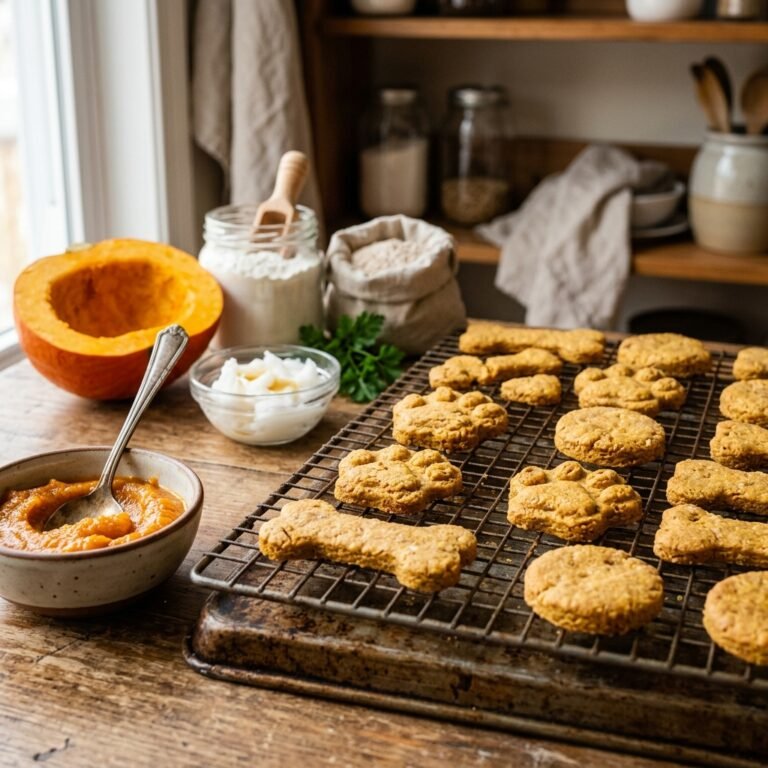
This recipe is the ‘Gold Standard’ for the savvy owner. It’s sturdy, easy to transport on hikes, and dogs go wild for the scent of the herbs. We use Parsley for fresh breath and kidney support, and Rosemary for its antioxidant properties.
Ingredients:
- 1 Cup Sourdough Discard (unfed)
- 1.5 to 2 Cups Whole Wheat Flour (or Oat Flour for a lighter option)
- 1 Large Egg (The binder and protein boost)
- 2 Tablespoons Coconut Oil (Melted – great for coat health)
- 1 Tablespoon Dried Parsley (The ‘Breath Freshener’)
- 1 Teaspoon Dried Rosemary (The ‘Antioxidant’)
Instructions:
- Preheat your oven to 350°F (175°C). Line a baking sheet with parchment paper.
- In a large bowl, mix the sourdough discard, egg, and melted coconut oil until smooth.
- Fold in the herbs.
- Gradually add the flour. You are looking for a dry, non-sticky dough. If it’s too tacky, add more flour one tablespoon at a time.
- Roll the dough out to 1/4 inch thickness on a floured surface.
- Use a cookie cutter or simply a pizza cutter to create small squares (the ‘Hacker Way’ to save time).
- Bake for 25-30 minutes. Pro Tip: Turn the oven off and leave the treats inside for another hour to get that perfect ‘snap’ that helps clean teeth.
Storage and Batch Cooking Hacks
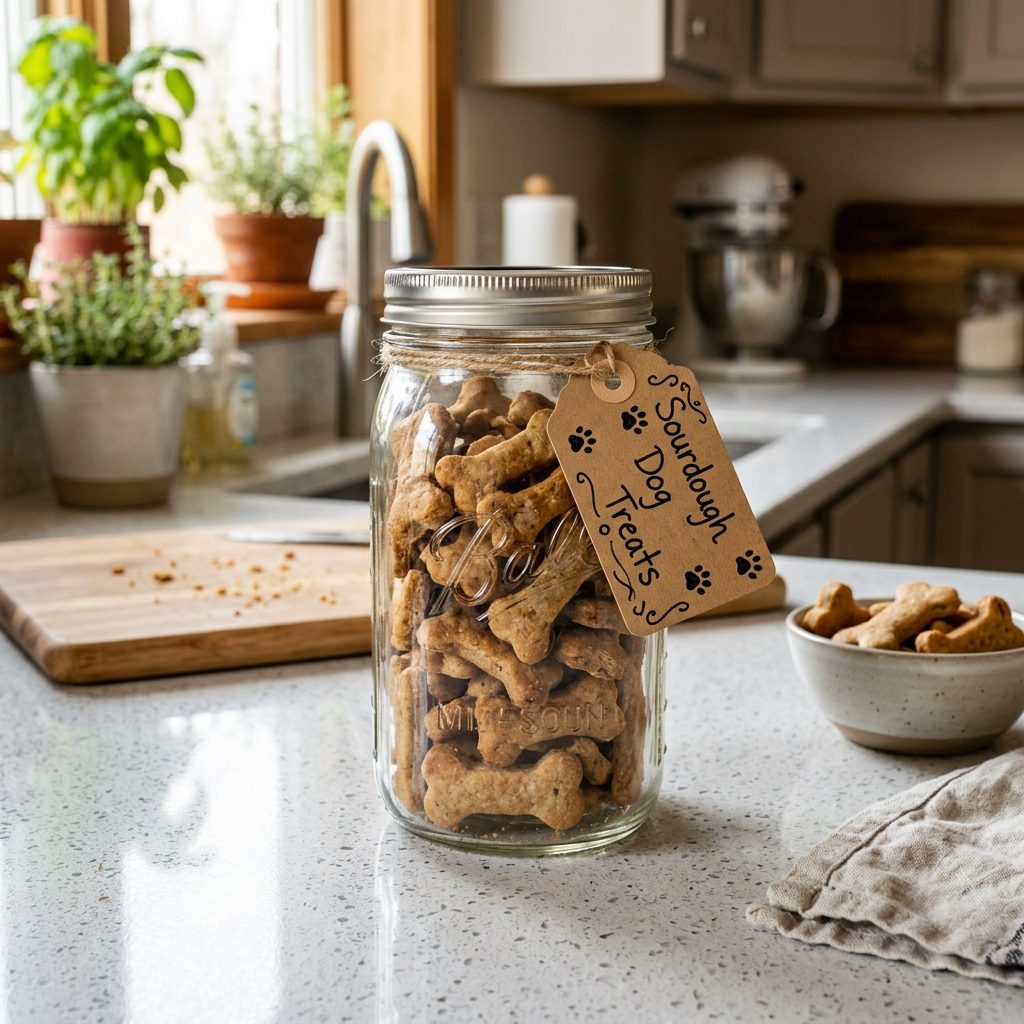
Since we aren’t using chemical preservatives, we have to be smart about storage. These treats are low-moisture, which helps, but they aren’t ‘shelf-stable’ for months like the stuff you buy at the grocery store. Batch cooking is your best friend here. I recommend making a double batch every time you do your weekly bread bake.
The Freezer Hack
Store a week’s worth of treats in a glass jar on the counter and keep the rest in the freezer. They will last up to 6 months in the freezer without losing their nutritional integrity. Because they are low-moisture, they don’t even need to be thawed; most dogs love the crunch of a frozen sourdough biscuit on a hot day.
Hacker Tip: If your dog is a picky eater, add 1 tablespoon of nutritional yeast to the dough. It gives it a ‘cheesy’ flavor without the dairy, and it’s loaded with B-vitamins.
Conclusion
Ditch the Waste, Feed the Dog
By turning your sourdough discard into these herbed treats, you are successfully hacking the pet food industry. You’ve bypassed the 400% markup on ‘artisanal’ snacks, avoided the mystery preservatives, and provided your dog with a fermented snack that supports their gut health. Remember, being a savvy dog owner isn’t about spending the most money; it’s about knowing exactly what goes into your dog’s body. Your pup gets a gourmet reward, and you get the satisfaction of a zero-waste kitchen. Now, go give your dog a treat—they’ve been a good boy/girl while you were reading this!