The High-Value Pork Liver Training Treat That Makes Even the Most Stubborn Dogs Obey!
The Secret Currency of the Canine World
Let’s get real for a second: if someone offered you a dry saltine cracker to run a marathon, you’d probably laugh and walk away. But offer a five-course gourmet meal? You’re lacing up your sneakers before the sentence is finished. Your dog works the exact same way. Most commercial training treats are the canine equivalent of dry crackers—filled with corn, soy, wheat, and mystery ‘meat by-products’ that smell like cardboard to a predator. If you’ve got a stubborn Husky, a distracted Lab, or a Terrier with a mind of his own, you don’t have a ‘bad dog.’ You have a dog that isn’t being paid enough. Enter the pork liver training treat. As a canine nutrition hacker, I’ve analyzed every protein under the sun, and pork liver remains the undisputed champion of ‘jackpot’ rewards. It is the high-value currency that turns ‘maybe later’ into ‘yes, master.’ In this guide, we’re going to strip away the marketing fluff and look at why pork liver is the ultimate training hack, how to source it without getting ripped off, and how to prep it so your dog will literally do backflips for a single bite.
The Forensic Analysis: Why Pork Liver is Canine Gold
When we talk about ‘high-value’ treats, we are talking about three things: scent, texture, and biological appropriateness. Pork liver hits the trifecta. Unlike muscle meat, liver is an organ meat, which means it is packed with a concentrated punch of vitamins and minerals that dogs are biologically hardwired to seek out. It’s the ‘multivitamin’ of the animal kingdom.
The Olfactory Powerhouse
A dog’s sense of smell is roughly 10,000 to 100,000 times more acute than ours. While a generic biscuit smells like grain to them, pork liver smells like a concentrated iron and amino acid explosion. This intense aroma cuts through distractions—like a squirrel across the street or a passing mail truck—and anchors their focus directly on you.
Pork vs. Beef: The Lean Secret
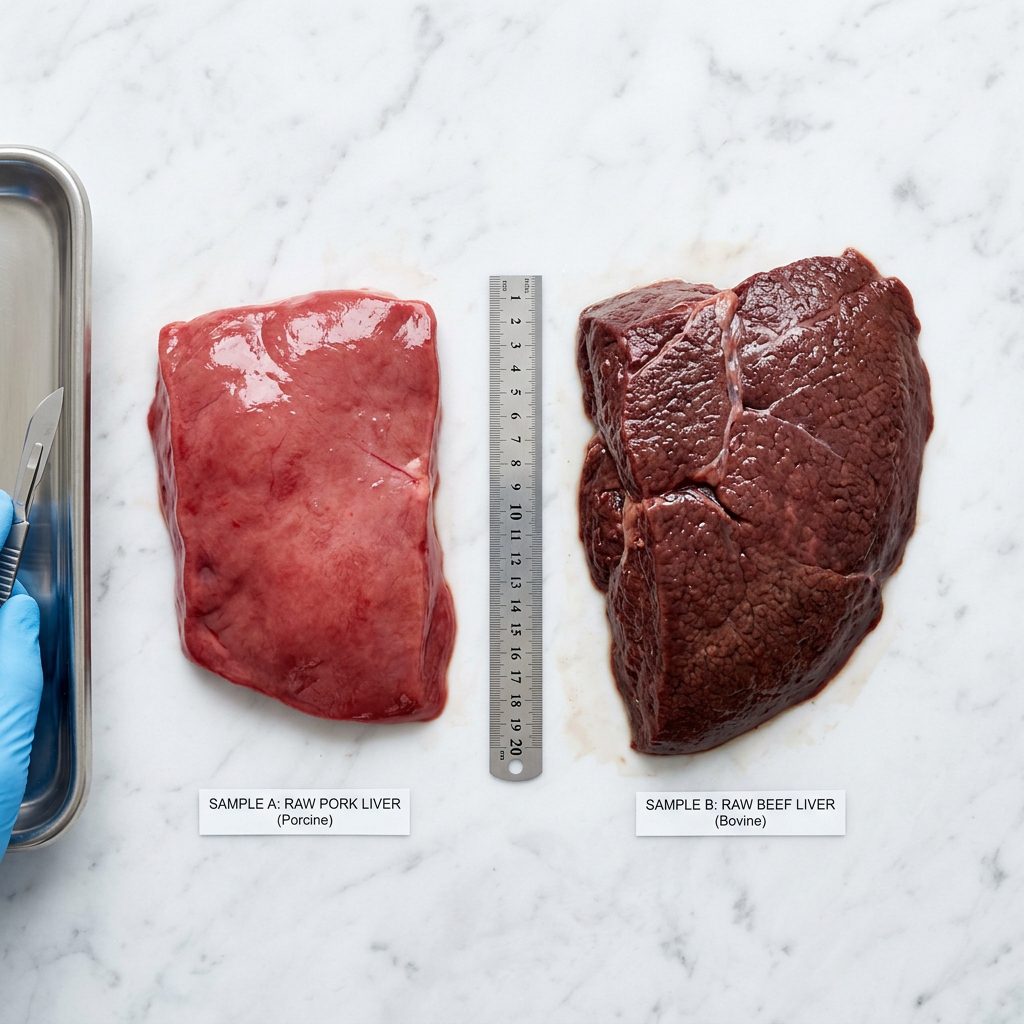
Many owners default to beef liver, but savvy hackers know that pork liver is often lower in fat and slightly more nutrient-dense in specific areas like Vitamin B1. It provides a different amino acid profile that can be a game-changer for dogs with beef sensitivities. Let’s look at the breakdown:
| Nutrient (per 100g) | Pork Liver (Raw) | Beef Liver (Raw) | The Winner |
|---|---|---|---|
| Protein | 21.4g | 20.4g | Pork |
| Fat | 3.7g | 3.6g | Tie |
| Iron | 17.9mg | 4.9mg | Pork (By a mile!) |
| Vitamin A | 6,500 IU | 16,000 IU | Beef (Higher risk of toxicity) |
Hacker Tip: Pork liver has nearly 4 times the iron of beef liver. This makes it an incredible energy booster for working dogs or puppies in high-intensity training sessions.
The Safe Chef Guide: DIY Dehydrated Pork Liver
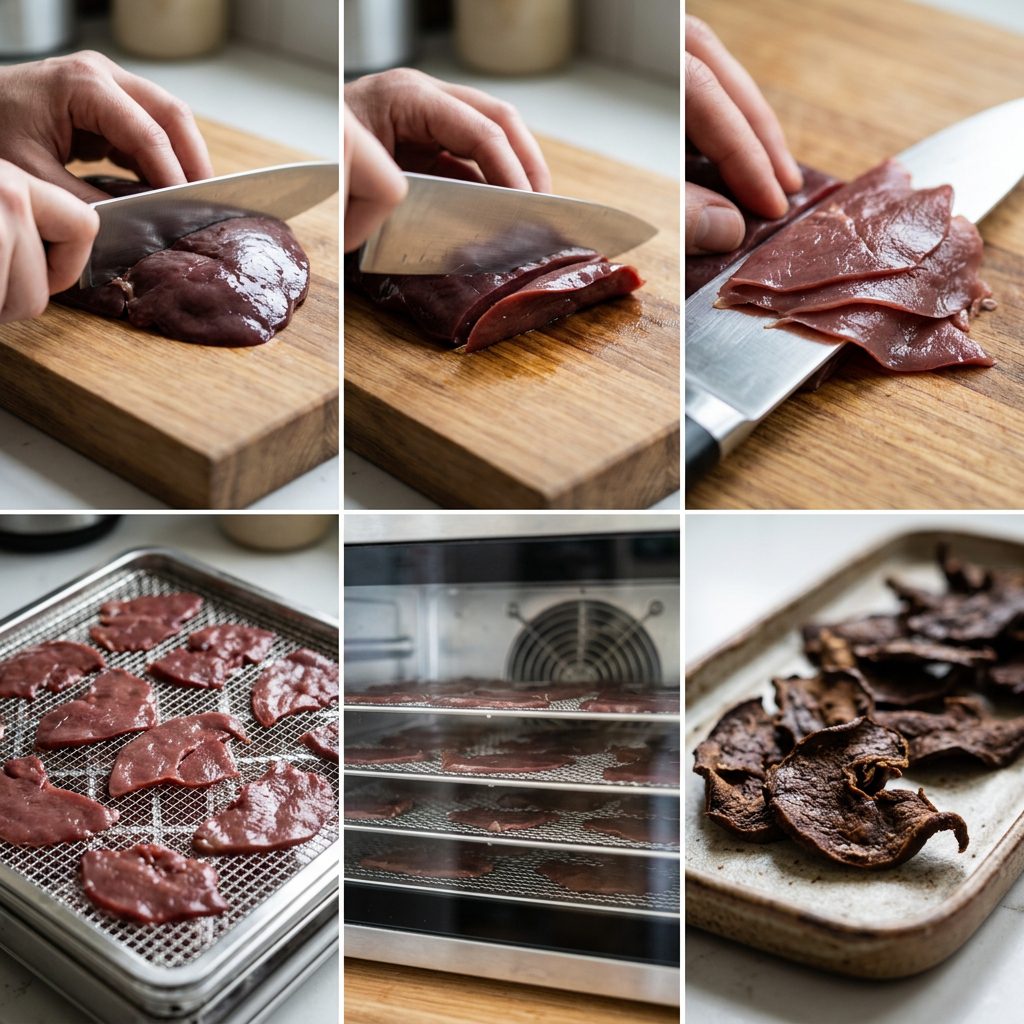
Stop paying $20 for a 4-ounce bag of ‘artisanal’ treats. You are being overcharged for water removal. You can make the exact same product—higher quality and fresher—for about $2.00 per pound. Here is the no-nonsense way to do it.
Safety First: The Disclaimer
Disclaimer: I am a nutrition hacker, not a veterinarian. Liver is extremely potent. It should never exceed 10% of your dog’s total daily caloric intake due to its high Vitamin A content. Always introduce new proteins slowly to avoid digestive upset.
The Recipe: 100% Pure Pork Gold
- Sourcing: Go to your local butcher or an ethnic grocery store (like an H-Mart). Ask for whole pork liver. It should be deep reddish-purple and firm.
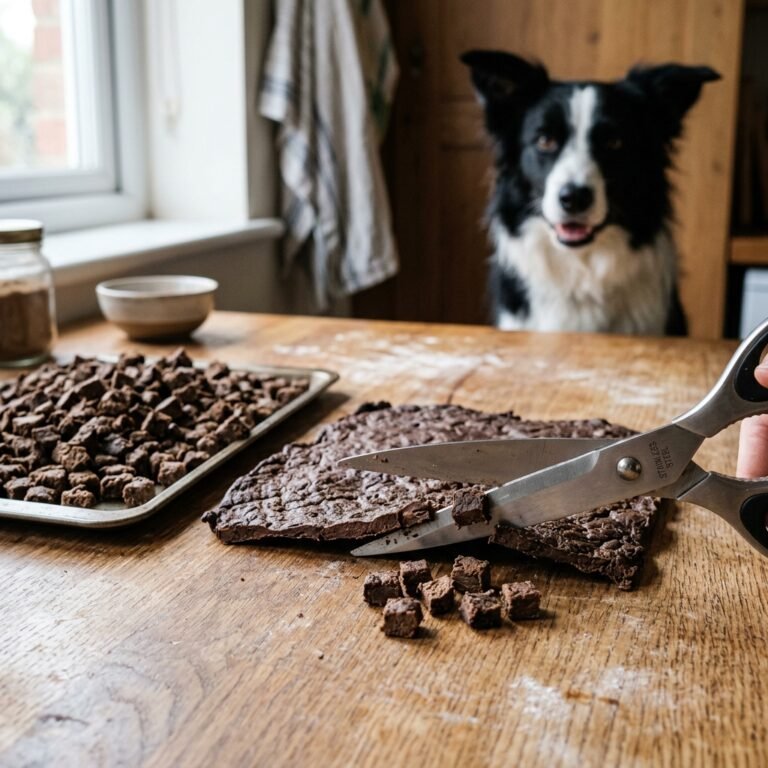
- The Prep: Partially freeze the liver for 45 minutes. This makes it firm enough to slice into paper-thin strips. The thinner the slice, the crunchier and more shelf-stable the treat.
- The Scent Hack: Soak the slices in a bit of goat milk or water for 20 minutes to draw out excess blood if you want a ‘cleaner’ smell, though most dogs prefer the ‘stink’ of the raw prep.
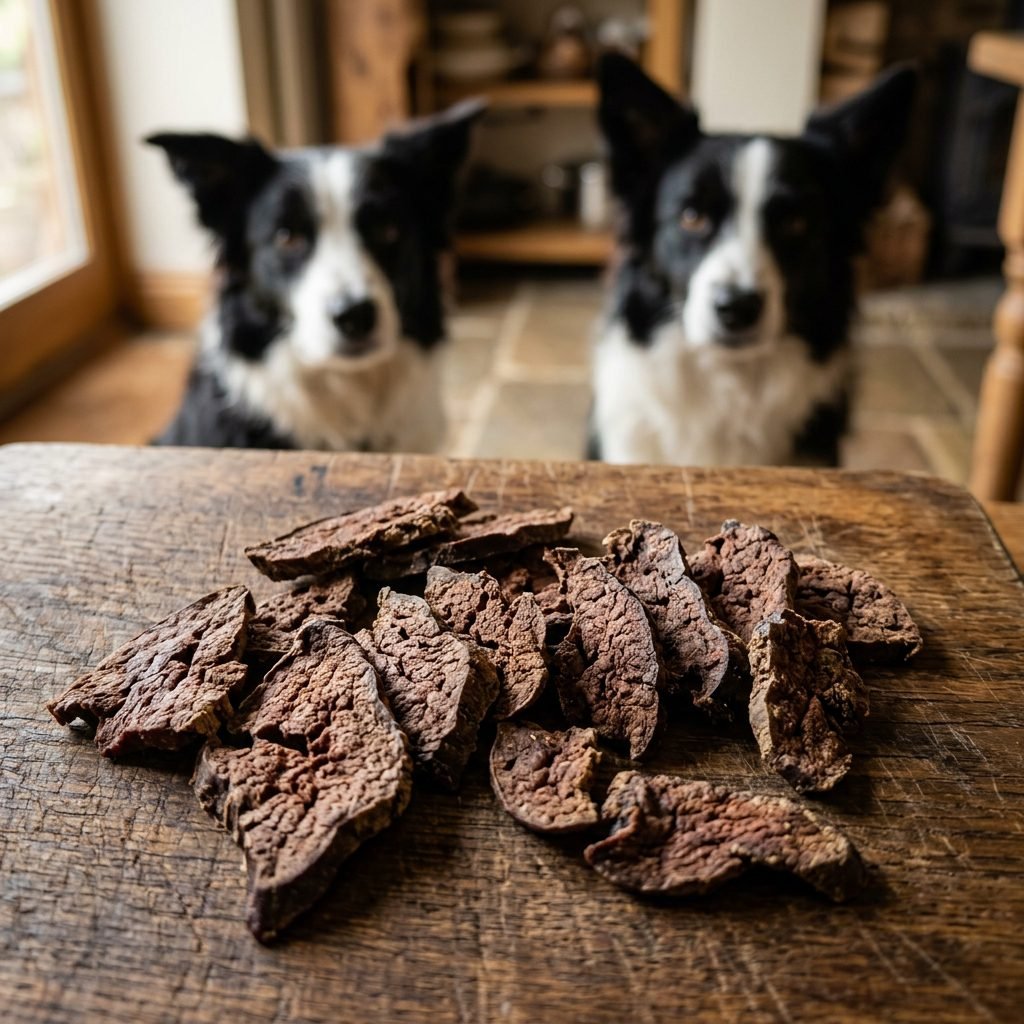
- Dehydration: Set your dehydrator to 160°F (71°C) for 6–8 hours. If using an oven, set it to the lowest possible setting (usually 170°F) and prop the door open with a wooden spoon to let moisture escape.
- The Snap Test: The treats are done when they snap cleanly in half. If they bend, they still have moisture and will mold.
Storage Secret
Because we aren’t using chemical preservatives like potassium sorbate (found in many store brands), these treats won’t last forever on the counter. Store them in an airtight glass jar in the fridge for 2 weeks, or in the freezer for up to 6 months.
Cost Breakdown: Saving Your Wallet While Saving Your Sanity
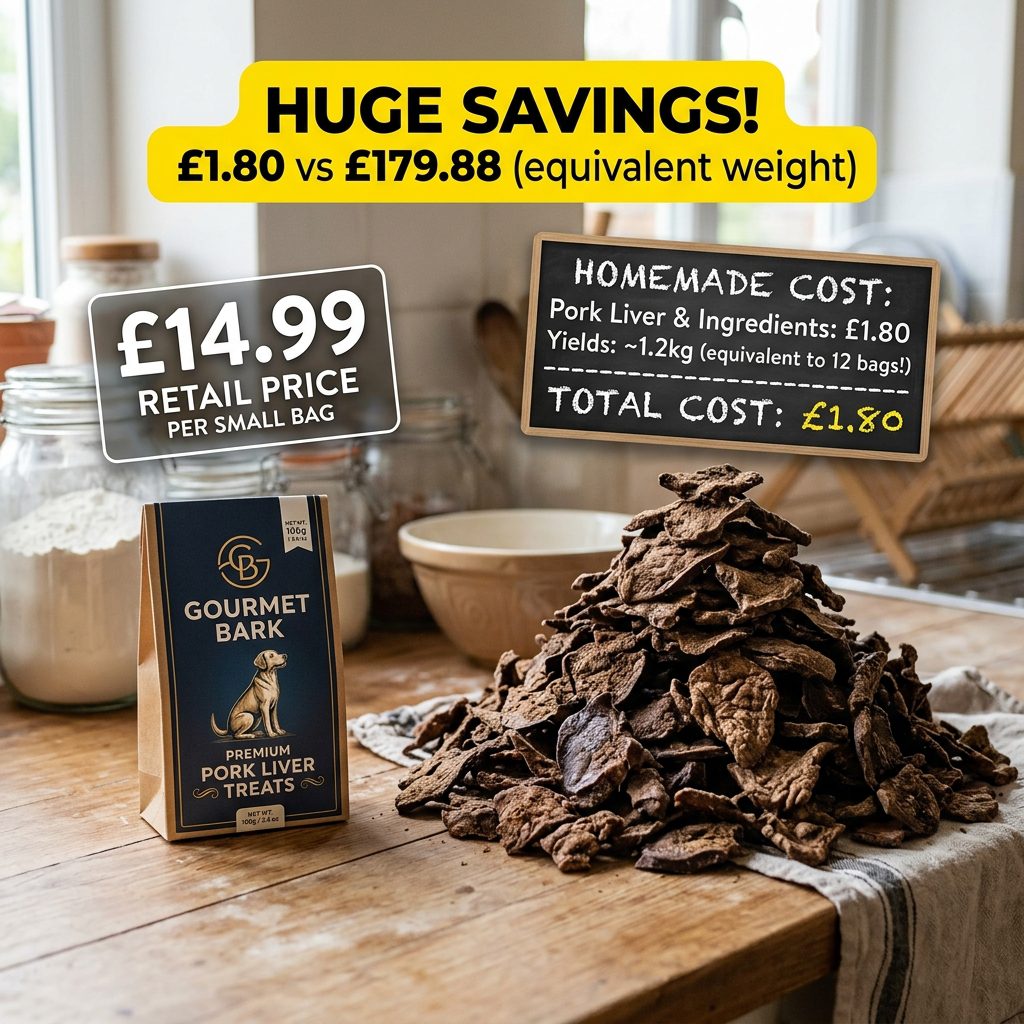
Let’s run the numbers. If you’re training a stubborn dog, you might go through 50–100 tiny treats in a single session. If you’re buying premium freeze-dried liver from a pet boutique, you’re essentially burning money.
| Source | Price per Pound (Approx) | Quality Control | Fillers |
|---|---|---|---|
| Boutique Freeze-Dried | $60.00 – $80.00 | Unknown | None (usually) |
| Big Brand ‘Liver’ Treats | $15.00 – $25.00 | Low | Grains, Glycerin, Sugar |
| DIY Nutrition Hacker | $1.50 – $3.50 | Total Control | ZERO |
By switching to DIY pork liver, a savvy owner of a 50lb dog can save upwards of $400 per year on training rewards alone. That’s money you can put toward better gear, vet visits, or a dog-friendly vacation.
The Training Strategy: How to Use the ‘Jackpot’
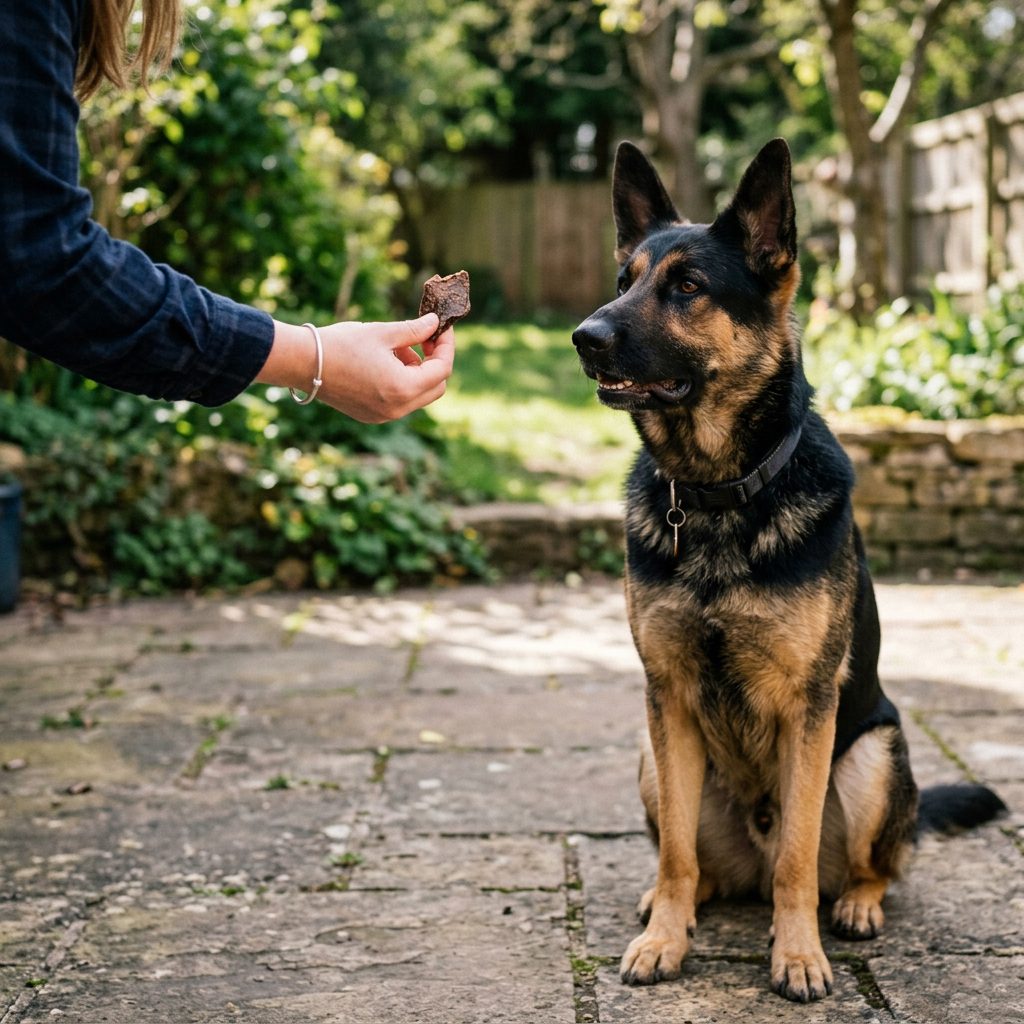
You don’t use pork liver for ‘sit’ in your living room. That’s a waste of high-value currency. You use it for the ‘Big Stuff.’ In training, we call this Differential Reinforcement.
The Recall Hack
If your dog is off-leash and you call them, they are weighing the pros and cons. ‘Do I go back to my human, or do I keep chasing this squirrel?’ If you have a dry biscuit, the squirrel wins. If you have dehydrated pork liver, you win. Every time your dog returns from a high-distraction environment, give them a ‘Jackpot’—3 to 5 pieces of liver in rapid succession.
The ‘Stubborn Dog’ Protocol
- Step 1: Keep the liver in a silicone treat pouch (it’s oily, so fabric pouches will get gross).
- Step 2: Charge the reward. Give a piece for free just to let them know the ‘good stuff’ is on the menu today.
- Step 3: Use it for luring. The scent is so strong you can lead a dog’s nose into a perfect ‘heel’ or ‘down’ position without physical force.
Insider Secret: If your dog is ‘bored’ with training, it’s usually because the reward is predictable. Mix your pork liver treats with a few pieces of plain kibble in your pouch. The liver oils will coat the kibble, making the whole bag smell like a treasure chest!
The Dark Side of Liver: What to Avoid
As a hacker, I don’t just tell you the good stuff; I expose the risks. Liver is a ‘filter’ organ, and while it doesn’t store toxins, it is incredibly rich in Vitamin A. Overfeeding can lead to Vitamin A toxicity (Hypervitaminosis A), which can cause bone spurs and joint pain.
The Red Flag Ingredients in Store-Bought Liver Treats
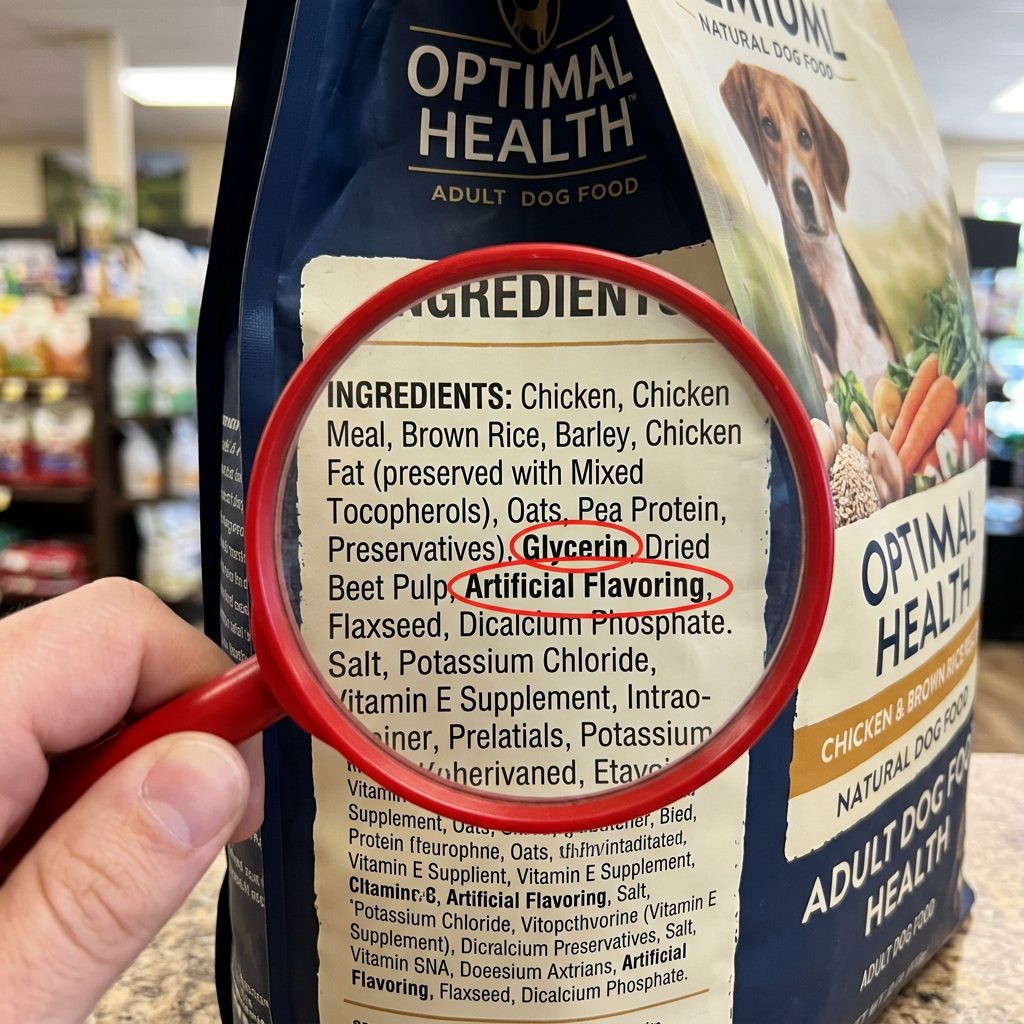
If you must buy pre-made, look at the label. Avoid these ‘Enemy Ingredients’:
- Vegetable Glycerin: Used to keep treats moist, but it’s often a byproduct of the soap industry and adds unnecessary calories.
- Liquid Smoke: Used to mimic the scent of dehydration, but can cause digestive upset in sensitive dogs.
- ‘Meat Meal’: If it doesn’t say ‘Pork Liver,’ it could be anything.
Always ensure your pork liver is sourced from animals fit for human consumption to avoid high levels of antibiotics or hormones often found in ‘pet grade’ rendering plants.
Conclusion
Mastering the Motivation Game
Training isn’t a battle of wills; it’s a negotiation. When you show up to that negotiation with high-value pork liver, you’ve already won. You’re providing a biologically appropriate, nutrient-dense reward that honors your dog’s predatory heritage while keeping your wallet full. Remember, a savvy owner doesn’t just work harder; they work smarter. By hacking your dog’s nutrition and using the power of organ meats, you’re building a bond based on mutual respect and, let’s be honest, the best-smelling snack in the neighborhood. Now, get that dehydrator running and go show that ‘stubborn’ dog what a real jackpot looks like!