Don’t Throw It Out! Turn Leftover Bacon Grease Into Your Dog’s Favorite Biscuits!
The Liquid Gold You’ve Been Wasting
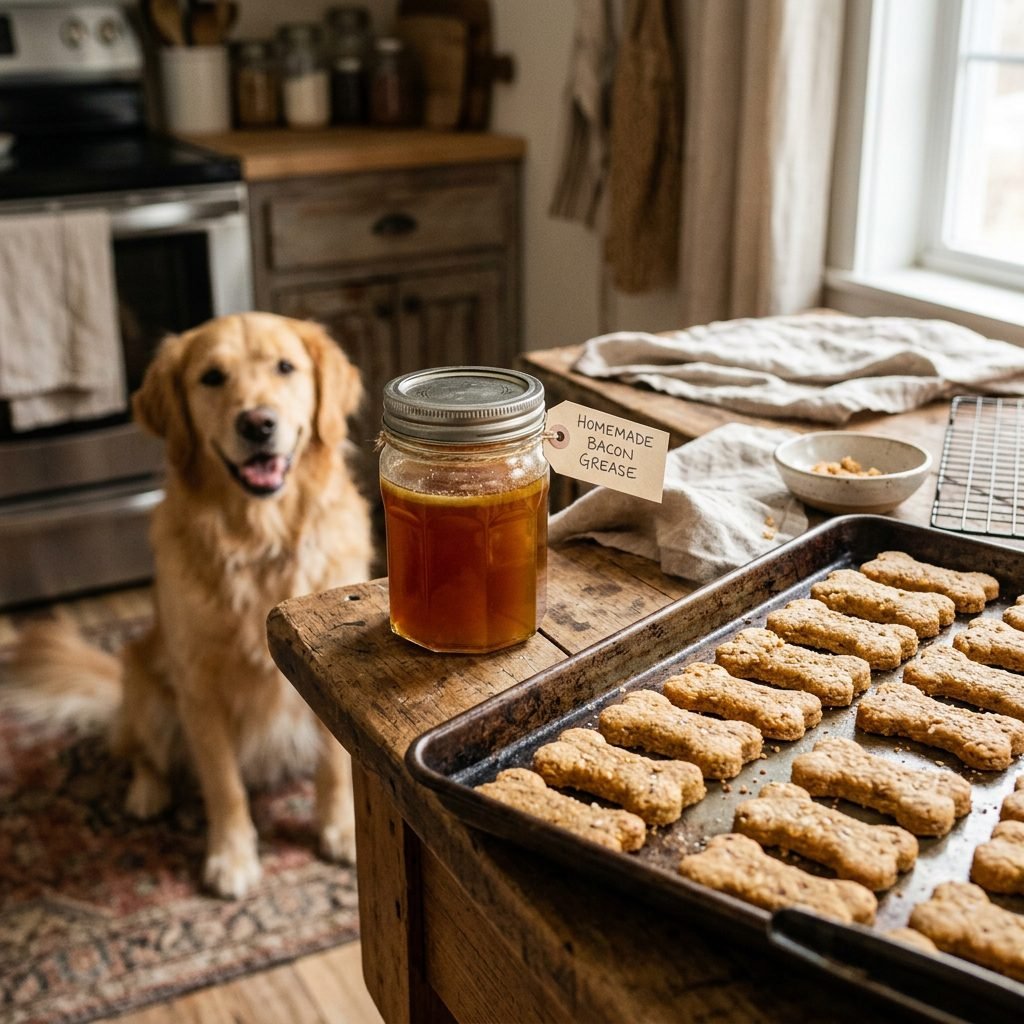
Listen up, fellow hackers. If you’ve been pouring your leftover bacon grease into an old coffee can and tossing it in the trash—or worse, rinsing it down the sink—you are literally throwing away the most potent high-value training tool in your canine arsenal. As the Canine Nutrition Hacker, I’m here to tell you that the pet food industry wants you to pay $12 for a bag of ‘bacon-flavored’ treats that contain zero actual bacon and a whole lot of Red Dye #40. Why do that when you have the real deal sitting in your frying pan? We’re going to stop the waste and start the winning. Today, I’m showing you how to render, store, and bake that grease into biscuits that will have your dog doing backflips. We aren’t just making snacks; we’re reclaiming our kitchen and our dog’s health from the filler-heavy corporate giants.
The Safe Chef’s Manifesto: Is Bacon Grease Actually Safe?

Safety First: The Hacker’s Disclaimer
Before we fire up the oven, let’s get the legalities out of the way. I am not a veterinarian. I am a forensic investigator of dog bowls. Bacon grease is high in fat and sodium. While it is an incredible flavor booster, it is not a meal replacement. If your dog has a history of pancreatitis or is significantly overweight, you should skip this hack or consult your vet first. For the average healthy dog, these biscuits are a high-value treat meant to be given in moderation. Think of it as a shot of espresso for a human—great for a boost, bad if you drink three gallons of it.
The Sodium Secret
The biggest concern with bacon grease isn’t just the fat; it’s the salt. When you render your grease, the salt stays concentrated. That’s why my recipe balances the grease with high-fiber flours and hydration. We are diluting the ‘bad’ and amplifying the ‘good’ aroma that drives dogs wild.
The Forensic Audit: Store-Bought vs. Hacker Biscuits
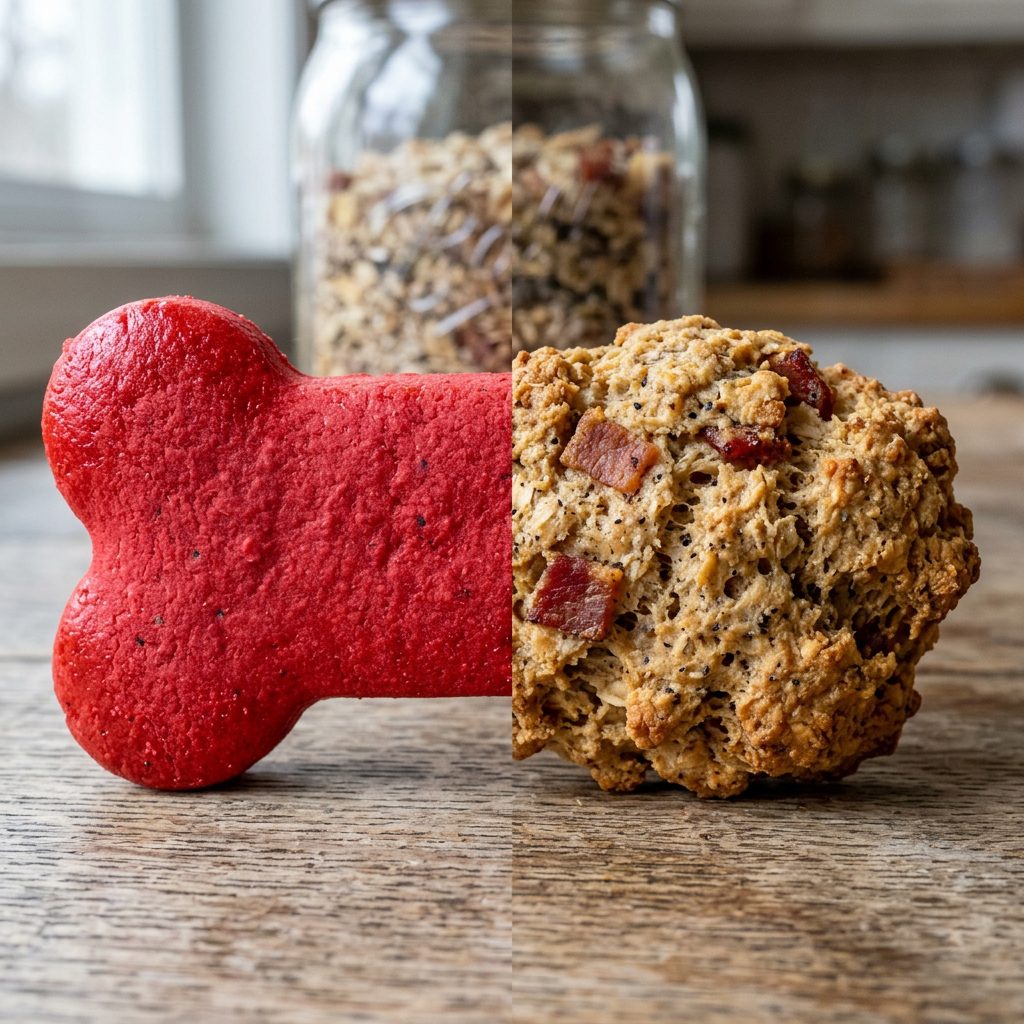
Why We Hack: The Cost and Quality Breakdown
Have you ever looked at the back of a ‘Bacon-Style’ treat bag? You’ll see things like ‘wheat flour, corn syrup, soy flour, and smoke flavor.’ Notice what’s missing? Actual bacon. They use chemicals to mimic the smell you have sitting in your pan for free. Let’s look at the numbers.
| Feature | Premium Store Brand | Hacker’s Bacon Biscuits |
|---|---|---|
| Primary Protein/Fat | Soy Flour / ‘Animal Fat’ | Real Rendered Bacon Grease |
| Fillers | Corn Syrup, BHA, Red 40 | None (Oats/Whole Wheat) |
| Cost Per Pound | $14.00 – $18.00 | ~$1.50 (Cost of flour/egg) |
| Nutritional Value | Low (Empty Calories) | Moderate (Healthy Fats/Fiber) |
| Verdict | Chemical Mimicry | The Real Deal |
Hacker Tip: Most ‘animal fat’ listed on dog food labels is a 4D ingredient (Dead, Dying, Diseased, or Disabled animals). By using your own bacon grease, you know exactly which animal that fat came from.
The Gold Standard Bacon Biscuit Recipe
The Blueprint for Success
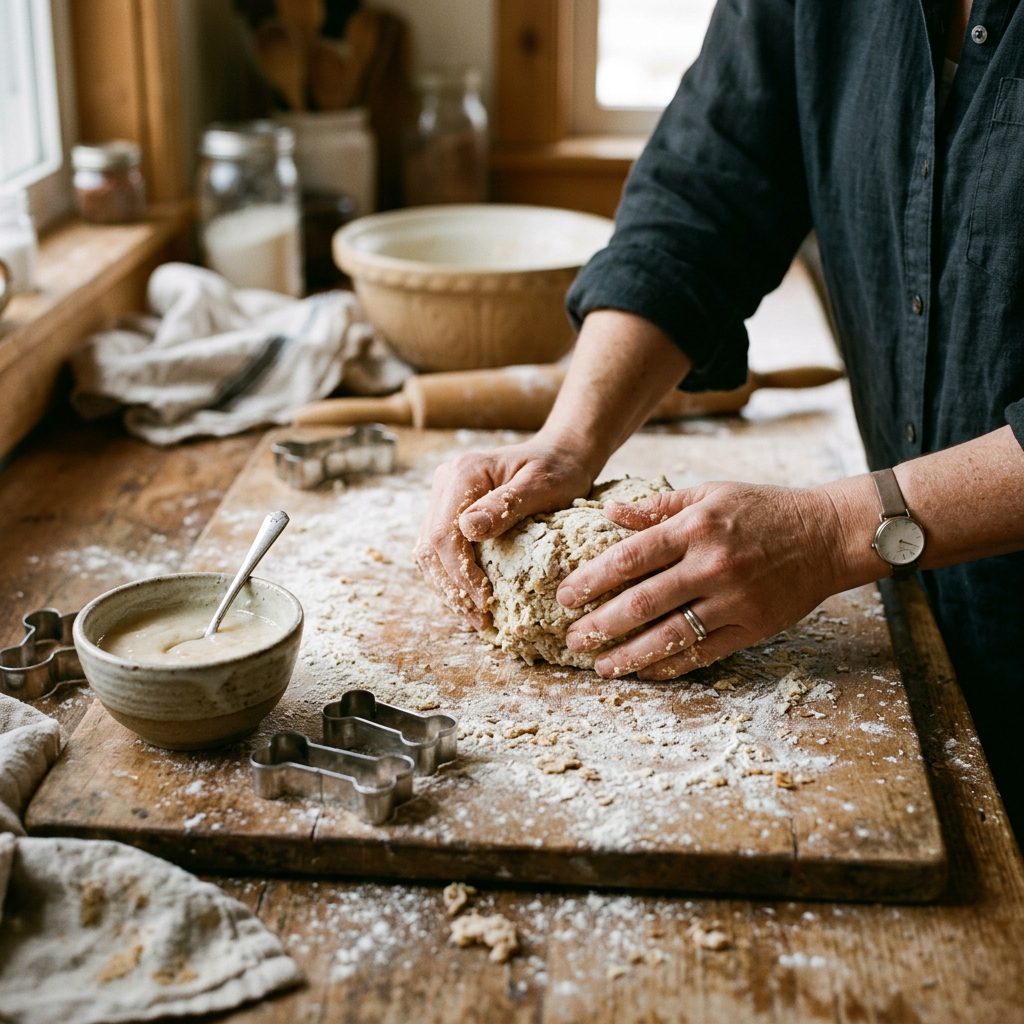
This isn’t just a recipe; it’s a ratio. Once you master the ratio, you can swap ingredients based on what’s in your pantry. We want a dough that is firm, not sticky, to ensure a long shelf life.
The Ingredients
- 1/4 cup leftover bacon grease (room temperature but liquid)
- 2 cups whole wheat flour (or oat flour for gluten-sensitive pups)
- 1 large egg (the binder)
- 1/2 cup cold water (add slowly)
- 1 tablespoon dried parsley (the ‘hacker secret’ for fresh breath)
Step-by-Step Instructions
- Preheat your oven to 350°F (175°C).
- Whisk the egg and bacon grease together in a large bowl until emulsified.
- Stir in the flour and parsley. It will look crumbly.
- Add water one tablespoon at a time while kneading with your hands until a stiff dough forms.
- Roll out the dough to 1/4 inch thickness on a floured surface.
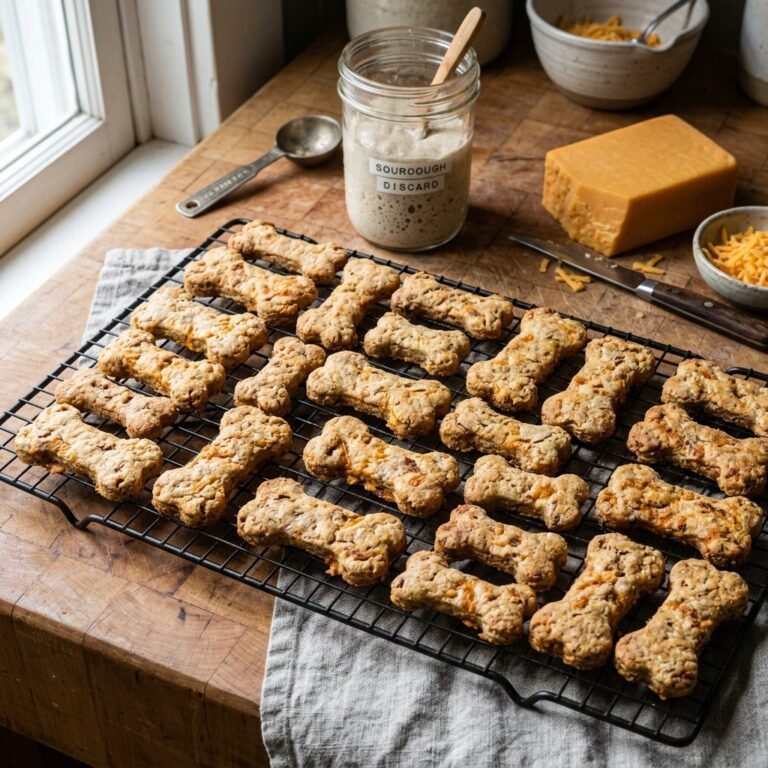
- Cut into shapes. If you don’t have a bone cutter, a pizza wheel works great for square ‘training bits.’
- Bake for 20-25 minutes. Turn off the oven and let them sit inside for another hour to get that ‘crunch’ dogs love.
Batch Cooking and Preservation Hacks
Make It Once, Reward for a Month
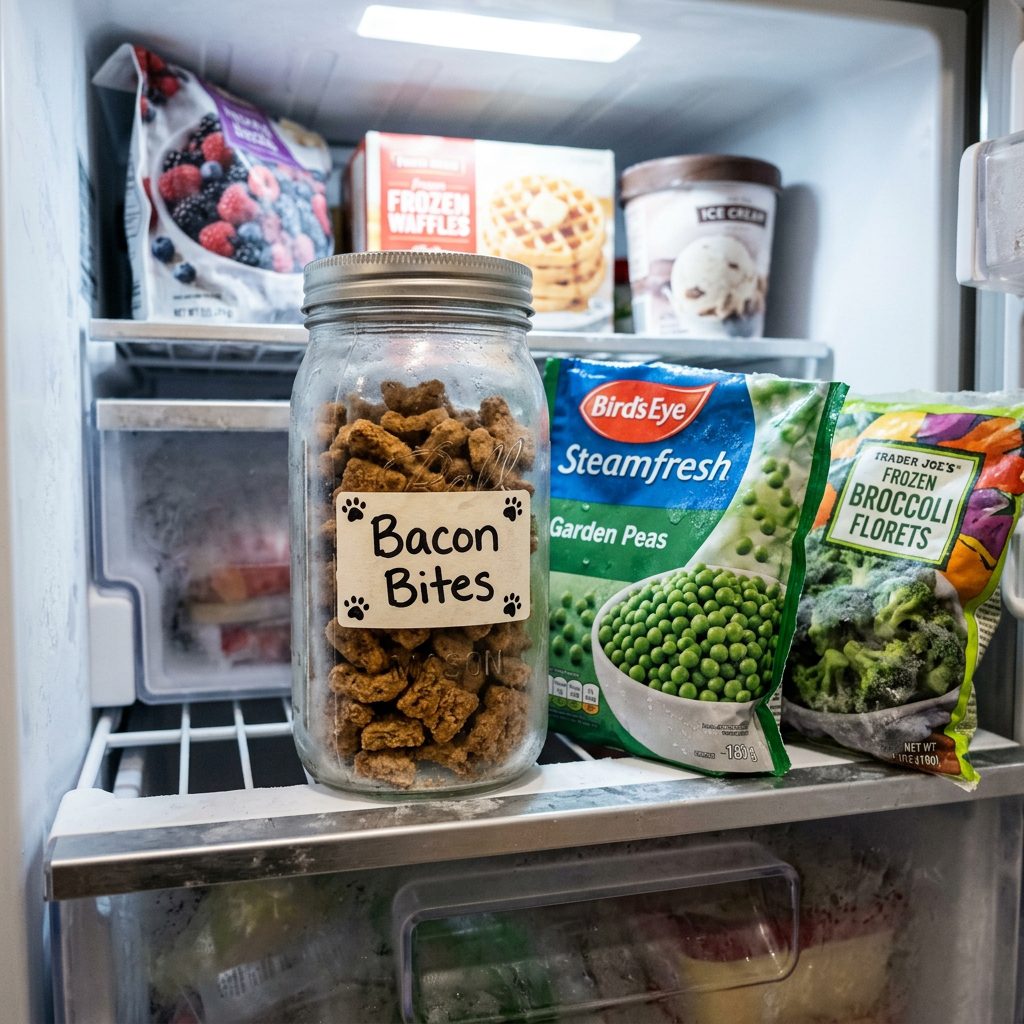
Efficiency is the heart of a savvy dog owner’s kitchen. You shouldn’t be making these every day. I recommend a Batch Cooking Strategy. Bacon grease can be collected in a ‘grease jar’ in the fridge for up to 3 months. Once you bake the biscuits, the moisture content is low, but because we aren’t using chemical preservatives like BHA or Potassium Sorbate, they won’t last forever on the counter.
Storage Guidelines
- Countertop: 5-7 days in an airtight container.
- Refrigerator: 3 weeks.
- Freezer: 6 months (The Hacker’s Choice).
Insider Secret: If your biscuits feel a bit soft after baking, they still have moisture. Soft treats mold faster. Put them back in a low oven (200°F) for 30 minutes to ‘dehydrate’ them for a longer shelf life.
Customizing for the Sensitive Stomach
The Problem Solver: Ingredient Swaps
Not every dog is built the same. If your dog is a ‘sensitive soul’ when it comes to digestion, we can modify the hacker recipe to be gentler on the gut. The goal is to keep the bacon aroma (the high-value part) while increasing digestibility.
The Sensitive Gut Swap
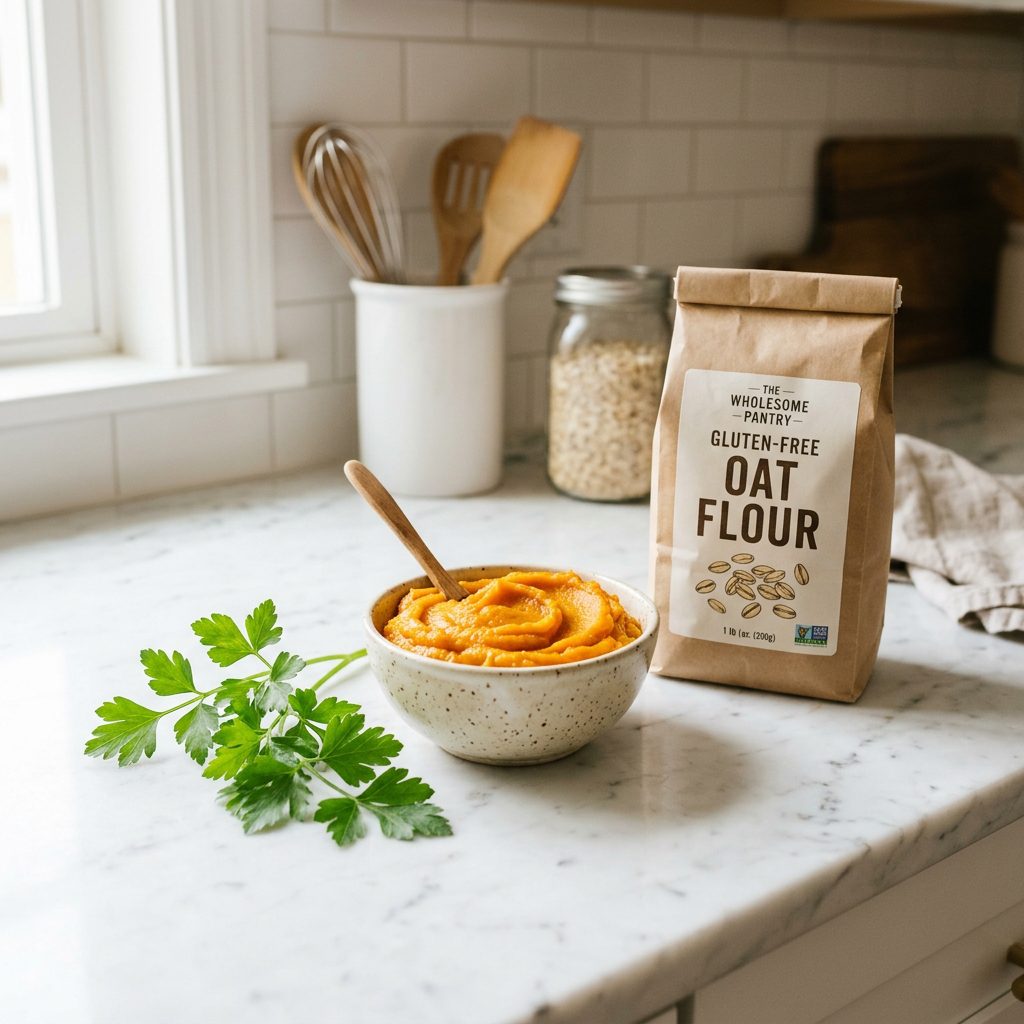
- Replace Wheat: Use Oat Flour or Brown Rice Flour. Wheat is a common allergen; oats are soothing.
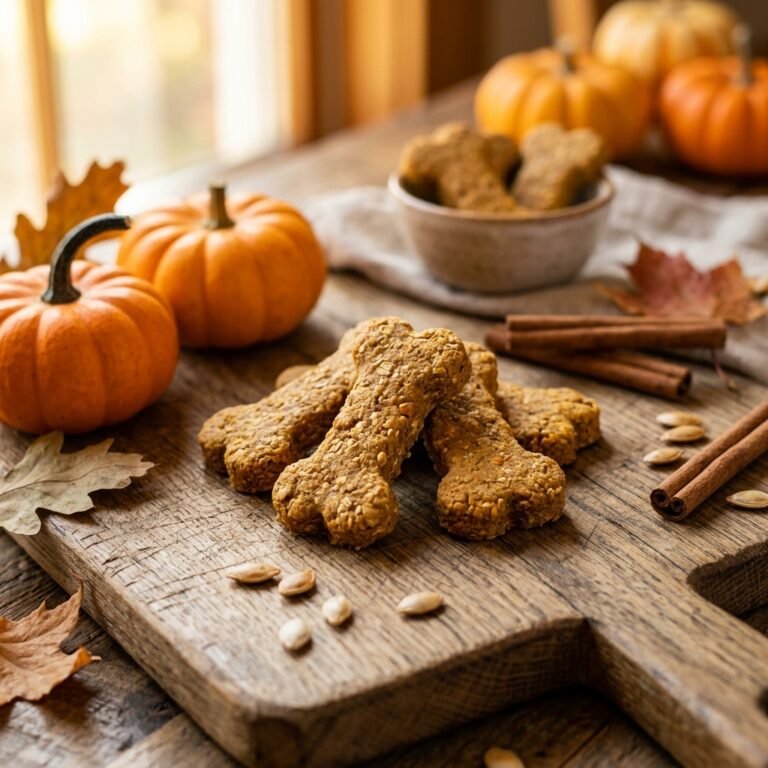
- Add a Binder: Add 2 tablespoons of Plain Canned Pumpkin (not pie filling!). Pumpkin is the ultimate regulator for canine digestion.
- Reduce the Fat: Use 1/8 cup grease and 1/8 cup unsweetened applesauce. You get the smell with half the lipids.
By making these adjustments, you are providing a bespoke nutritional experience that no store-bought bag can match. You are in control of the ‘enemy ingredients’ like soy and corn.
Conclusion
Reclaim Your Kitchen, Reward Your Dog
You’ve done it. You’ve successfully turned a waste product into a high-value reward. By following this guide, you’ve saved roughly $15 per pound compared to premium treats, avoided harmful artificial dyes, and provided your dog with a snack that actually smells like meat because it contains meat. Remember, the key to a healthy dog isn’t buying the most expensive bag on the shelf—it’s understanding what goes into the bowl. Keep hacking, keep auditing those labels, and most importantly, keep those tails wagging. You’re not just a dog owner anymore; you’re a canine nutrition hacker.