The Ultimate Cheap and Healthy DIY Sweet Potato Dog Chews You Can Make in Your Oven Today!
Welcome to the Treat Revolution
If you have walked down the pet treat aisle lately, you have probably noticed something terrifying: the prices. We are currently living in an era where a small bag of ‘all-natural’ dog chews can cost more than a steak dinner. As the Canine Nutrition Hacker, I am here to tell you that you are being overcharged for marketing and packaging. Most of those high-end treats are just dehydrated vegetables with a fancy logo. Today, we are going to bypass the ‘treat tax’ and dive into the world of DIY Sweet Potato Dog Chews. These are the ultimate ‘insider secret’ for savvy owners—they are hypoallergenic, packed with fiber, and cost about $0.90 per pound to make. No fillers, no mysterious preservatives, just pure, unadulterated nutrition your dog will go crazy for.
The Safety First Disclaimer: Hacker Rules for DIY Treats
Know Your Dog, Know Your Ingredients
Before we fire up the oven, we need to talk shop. While I analyze ingredient labels like a forensic scientist, I am not a veterinarian. Every dog is an individual, and what works for a Labrador might not work for a sensitive Frenchie. Sweet potatoes are a nutritional powerhouse, but they are also dense in carbohydrates and natural sugars.
The Glycemic Factor
Sweet potatoes have a lower glycemic index than white potatoes, but they still impact blood sugar. If your dog is diabetic or struggling with obesity, you must consult your vet before adding these to their daily rotation. Moderation is the key to longevity.
The Fiber Flush
Sweet potatoes are loaded with dietary fiber. This is great for firming up stools, but introducing too much fiber too quickly can lead to gas or loose stools. Start slow. One chew a day is plenty for a medium-sized dog to start with.
Insider Secret: Always wash your sweet potatoes thoroughly. Even if you are peeling them, bacteria from the skin can transfer to the flesh during slicing.
The Economics of the Chew: Store-Bought vs. DIY
Exposing the ‘Treat Tax’
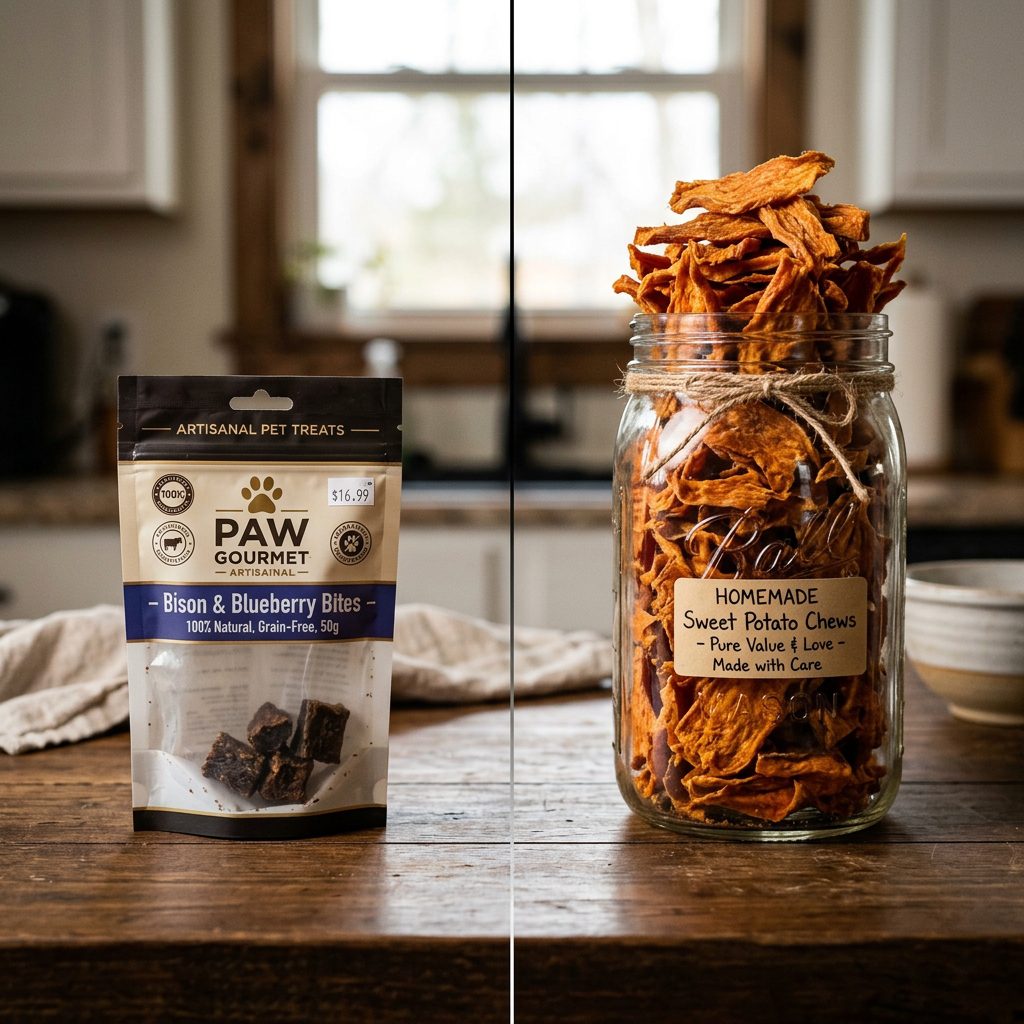
Why are you paying $15.00 for a 6-ounce bag of dehydrated sweet potatoes? The markup in the pet industry is astronomical. When you buy commercial treats, you aren’t just paying for the food; you are paying for the plastic bag, the shipping, the shelf space at the big-box retailer, and the CEO’s third vacation home. Let’s look at the cold, hard numbers.
| Feature | Premium Store Brand | Hacker DIY Version |
|---|---|---|
| Price Per Pound | $22.00 – $35.00 | $0.79 – $1.25 |
| Ingredients | Sweet Potato, Citric Acid, Salt | 100% Sweet Potato |
| Processing | High-heat industrial drying | Low-and-slow home curing |
| Recall Risk | Moderate (Supply chain issues) | Zero (You control the kitchen) |
By making these at home, you are saving approximately 95% on your treat budget. For a multi-dog household, that can add up to over $400 a year in savings. That is money you can put toward higher-quality base kibble or a better flea and tick preventative.
The Forensic Nutrition Breakdown: Why Sweet Potatoes?
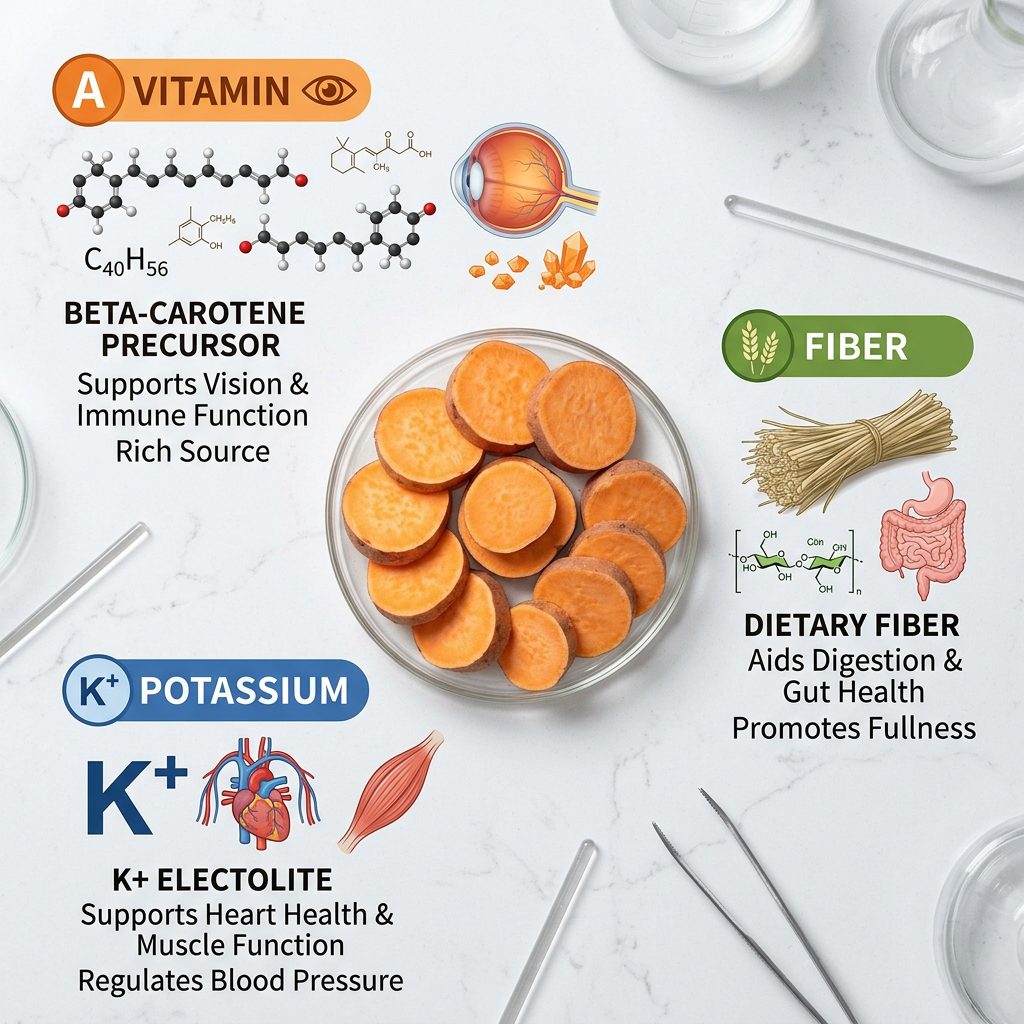
More Than Just a Carb
As a nutrition hacker, I don’t just look for ‘cheap’; I look for bioavailability and nutrient density. Sweet potatoes aren’t just fillers; they are functional foods. Here is what you are actually feeding your dog when you give them a homemade chew:
- Beta-Carotene: A powerful antioxidant that converts to Vitamin A, essential for vision and immune function.
- Manganese: Supports bone health and metabolic function.
- Vitamin B6: Crucial for glucose generation, red blood cell function, and nervous system health.
- Potassium: Helps maintain fluid balance and nerve signals.
The ‘Chew’ Factor for Dental Health
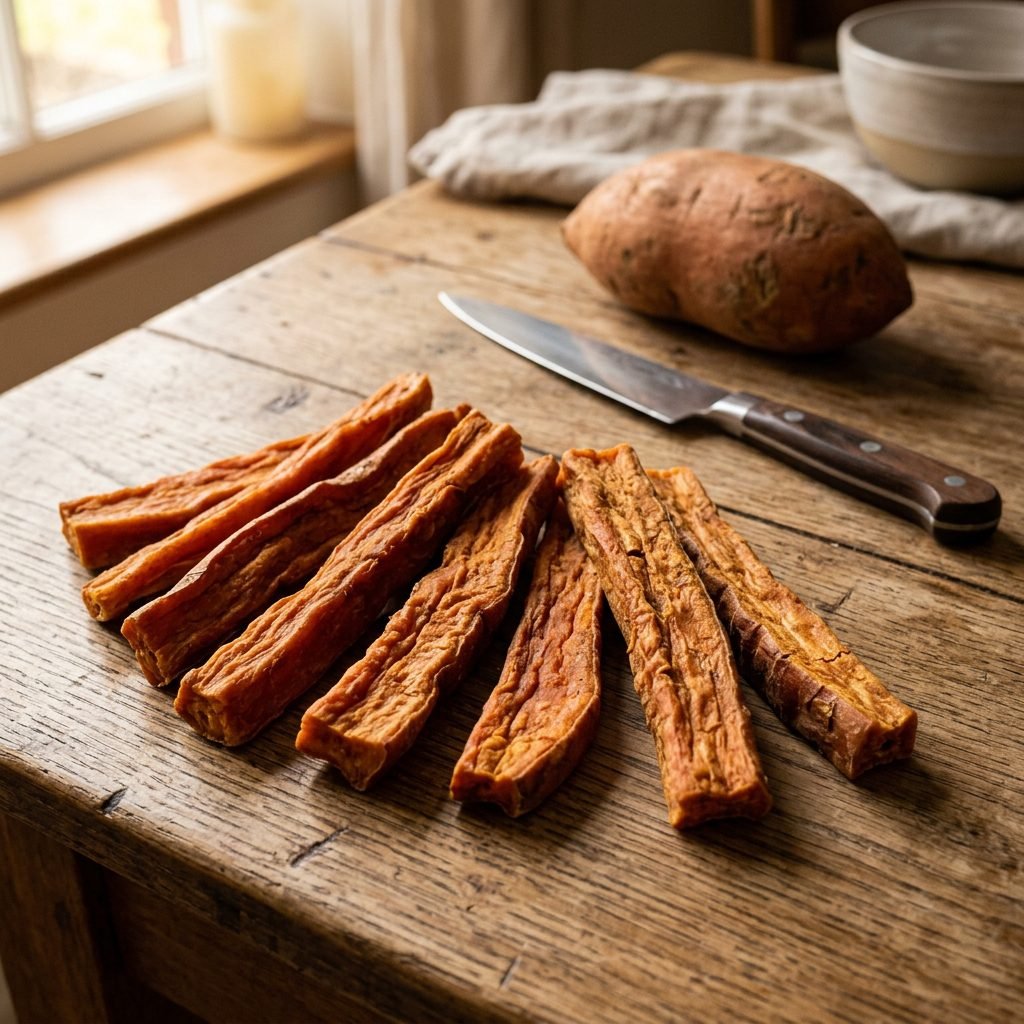
When we dehydrate these slices to a leathery consistency, they provide mechanical scraping against the teeth. While they aren’t a replacement for brushing, the tough, fibrous texture helps reduce plaque buildup more effectively than soft, processed biscuits that crumble instantly.
The Actionable Recipe: The Ultimate Oven-Dried Chew
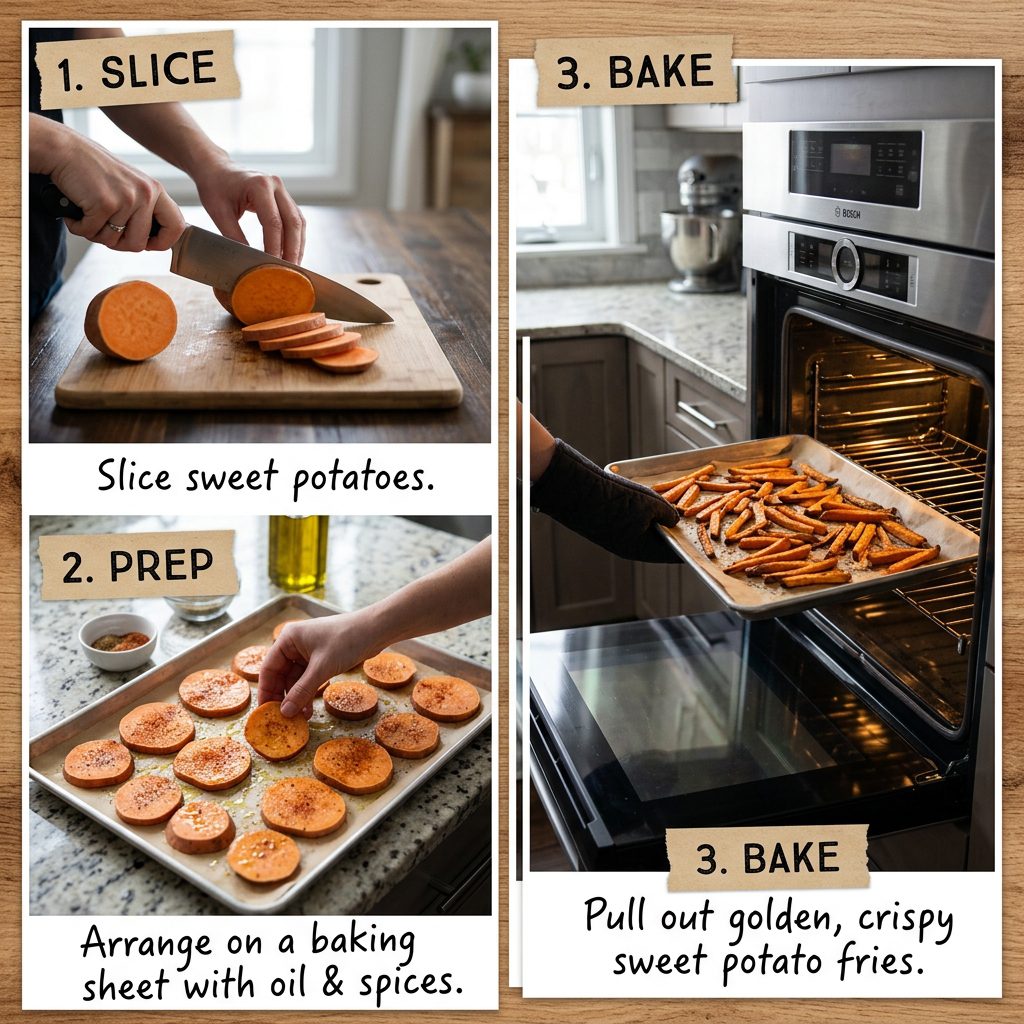
The Safe Chef Guide to Perfection
You don’t need a $300 dehydrator to make world-class dog treats. Your oven is perfectly capable of ‘curing’ these vegetables into the perfect leathery texture. The secret is low heat and consistent airflow.
Ingredients & Tools
- 2 Large Sweet Potatoes (Look for long, uniform shapes)
- A sharp chef’s knife or a mandoline (use the guard!)
- Baking sheets and parchment paper
- A wire cooling rack (optional but recommended)
Step-by-Step Instructions
- Preheat: Set your oven to its lowest setting, typically 200°F to 250°F. If your oven has a ‘convection’ or ‘fan’ setting, turn it on.
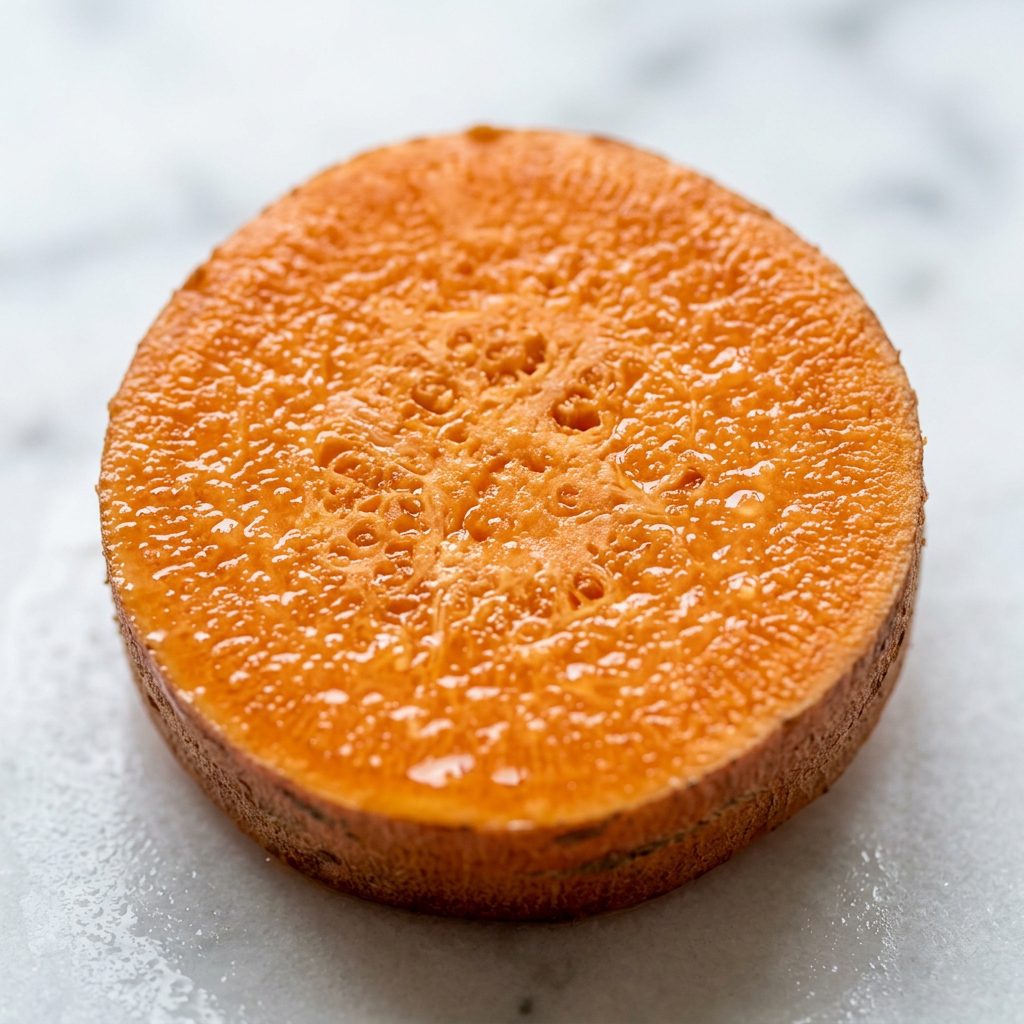
- The Cut: Slice the sweet potatoes lengthwise. For a ‘tougher’ chew, aim for 1/3 inch thickness. For smaller dogs or ‘crunchy’ chips, go for 1/8 inch. Consistency is key—if your slices vary in thickness, some will burn while others stay mushy.
- The Layout: Line your baking sheet with parchment paper. Arrange the slices in a single layer. They shouldn’t touch, as they need airflow to dehydrate.
- The Cure: Place in the oven for 2.5 to 3 hours. Flip them over halfway through the process.
- The Test: Take a slice out and let it cool for a minute. It should be tough, bendy, and leathery, not brittle or soft. If it’s still squishy, give it another 30 minutes.
Hacker Tip: If you want to boost the ‘high-value’ factor, lightly brush the slices with a tiny bit of low-sodium beef broth before baking. It adds a savory aroma that dogs can’t resist.
Batch Cooking & Storage Secrets
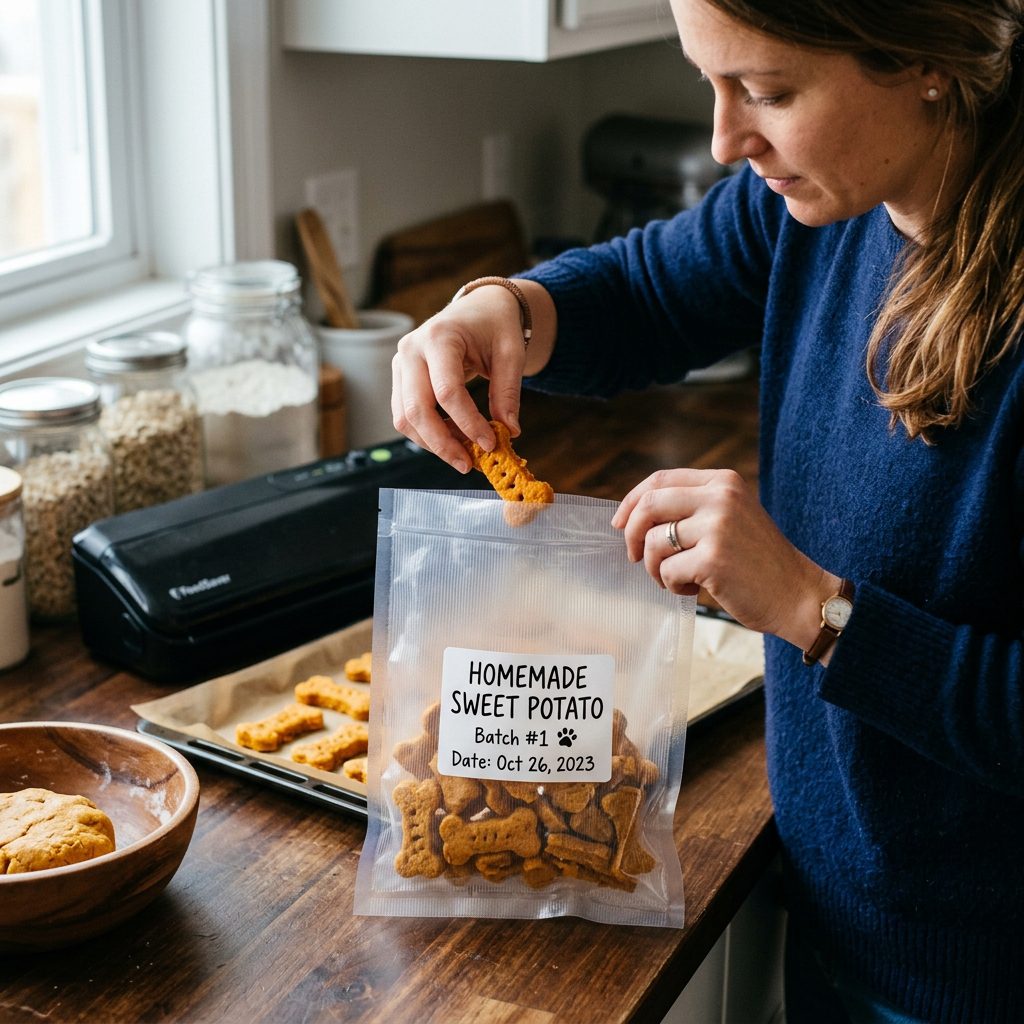
Don’t Let Your Hard Work Go to Waste
Since we aren’t using artificial preservatives like potassium sorbate or BHA, you have to be smart about storage. Moisture is the enemy of DIY treats. If there is any residual water in the chew, mold will find it.
The Storage Protocol
- Short-Term (1-2 weeks): Store in an airtight glass jar in a cool, dry pantry.
- Medium-Term (1 month): Keep them in the refrigerator. The cold will keep them firm and prevent any spoilage.
- Long-Term (6 months): These freeze beautifully. Store them in a freezer bag and take one out as needed. They thaw in minutes!
How to Tell if They’ve Gone Bad
Always do a ‘sniff test.’ They should smell earthy and slightly sweet. If you see any white or green fuzz, or if they smell ‘sour,’ toss the whole batch. This is why I recommend batch cooking once a month and freezing the majority of the haul.
Conclusion
Take Back Control of Your Dog’s Bowl
You don’t need a massive budget to provide 5-star nutrition for your dog. By mastering the DIY Sweet Potato Chew, you have successfully cut out the middleman, eliminated unnecessary chemicals, and provided your pup with a snack that supports their health rather than hindering it. Remember, being a Savvy Dog Owner isn’t about buying the most expensive bag on the shelf—it’s about knowing exactly what goes into your dog’s body. Now, go grab a couple of sweet potatoes and get baking. Your dog (and your wallet) will thank you!