Single-Ingredient Crispy Duck Hearts: The High-Value Reward Dogs Do Backflips For!
The Truth About What’s in Your Dog’s Treat Jar
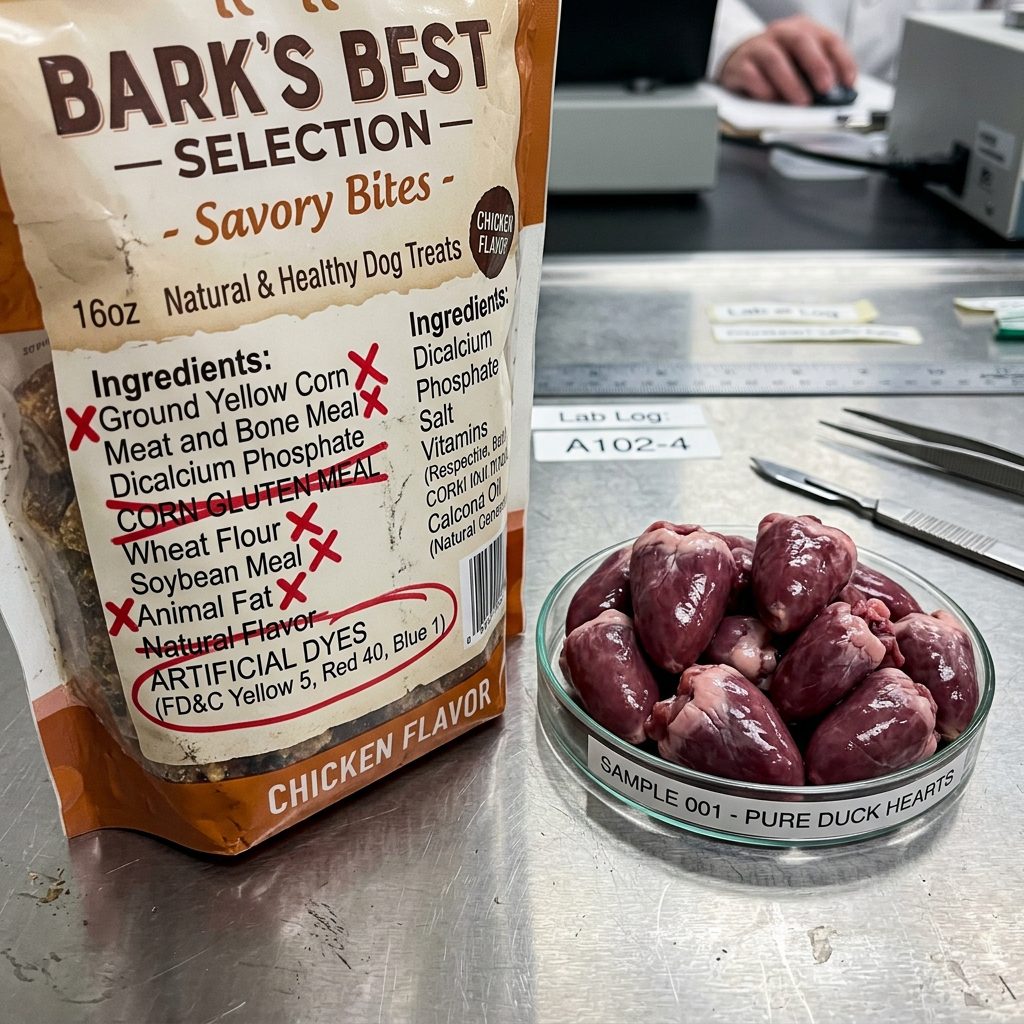
Let’s be real for a second: most dog treats on the market today are the canine equivalent of a gas station hot dog. You know the ones I’m talking about—those neon-colored, star-shaped nuggets that smell like a chemistry lab and stay ‘fresh’ in a bag for three years. As a Canine Nutrition Hacker, I’ve spent years squinting at the fine print on the back of those bags, and frankly, it’s enough to make any savvy owner’s blood boil. We see fillers like corn gluten meal, propylene glycol, and artificial dyes like Red 40, all masquerading as ‘rewards’ for our best friends. But here’s the insider secret: your dog doesn’t want a science experiment. They want meat. Real, nutrient-dense, primal meat. That is where the Single-Ingredient Crispy Duck Heart enters the chat. This isn’t just a treat; it’s a high-value currency that can buy you a perfect recall, a focused ‘sit’ in a crowded park, and the kind of health benefits that keep the vet away. In this deep dive, we are going to strip back the marketing fluff and look at why these crunchy little powerhouses are the gold standard of canine rewards. We’re talking forensic-level ingredient analysis, nutritional breakdowns that would make a biohacker jealous, and a guide to making them yourself for a fraction of the boutique price. If you’re tired of overpaying for ‘mystery meat’ and want to empower your dog’s health, you’re in the right place.
The Forensic Label Review: Why Single-Ingredient Wins Every Time
Exposing the ‘First 5 Ingredients’ Illusion
When you pick up a bag of treats, the marketing on the front usually screams ‘Real Chicken!’ or ‘Made with Natural Beef!’ But as a savvy owner, you need to ignore the flashy photos and flip that bag over. Many popular treats use a tactic called ingredient splitting to hide the fact that the product is mostly cereal. For example, you might see ‘Chicken’ as the first ingredient, followed by ‘Ground Wheat,’ ‘Wheat Flour,’ and ‘Wheat Middlings.’ When you add all those wheat components together, they far outweigh the actual meat.
Hacker Tip: If the first five ingredients contain more than two types of grains or starches, you aren’t buying a meat treat; you’re buying an expensive cracker.
The Beauty of the Single Ingredient
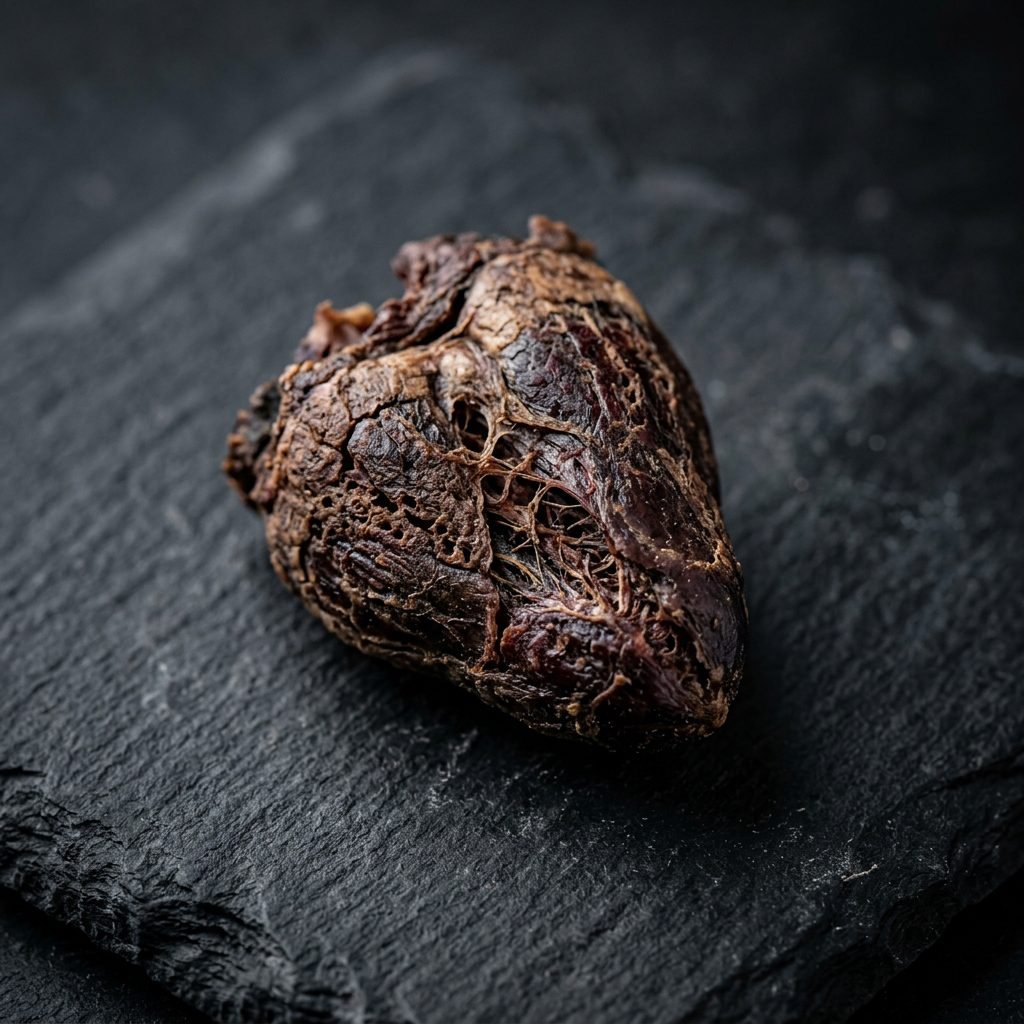
With crispy duck hearts, the label is refreshingly short: 100% Duck Heart. That’s it. No glycerin (used to keep cheap treats chewy), no liquid smoke, and definitely no potassium sorbate. Duck hearts are what we call a ‘novel protein’ for many dogs, meaning they haven’t been overexposed to it like they have with chicken or beef. This makes them an incredible option for dogs with sensitive stomachs or those prone to itchy skin caused by common protein allergies. When we look at the cost per day, people often think premium treats are too expensive. However, because duck hearts are so nutrient-dense, you can use a piece the size of a pea to get the same focus that would require a handful of cheap biscuits. $1.50/day spent on high-quality rewards often saves you hundreds in future vet bills for obesity-related issues or inflammatory responses. Furthermore, a quick recall check on single-ingredient dehydrated organs shows a significantly lower risk profile compared to complex, multi-ingredient treats processed in massive factories where cross-contamination is a constant threat.
The Nutritional Powerhouse: Why Duck Hearts are ‘Vitamin Pills’ in Disguise
The Hero Ingredients You Won’t Find in Kibble
In the world of canine nutrition, hearts are a bit of a ‘cheat code.’ While they are technically a muscle meat, they function like an organ, meaning they are packed with a concentration of vitamins and minerals that you simply won’t find in a standard chicken breast or steak.
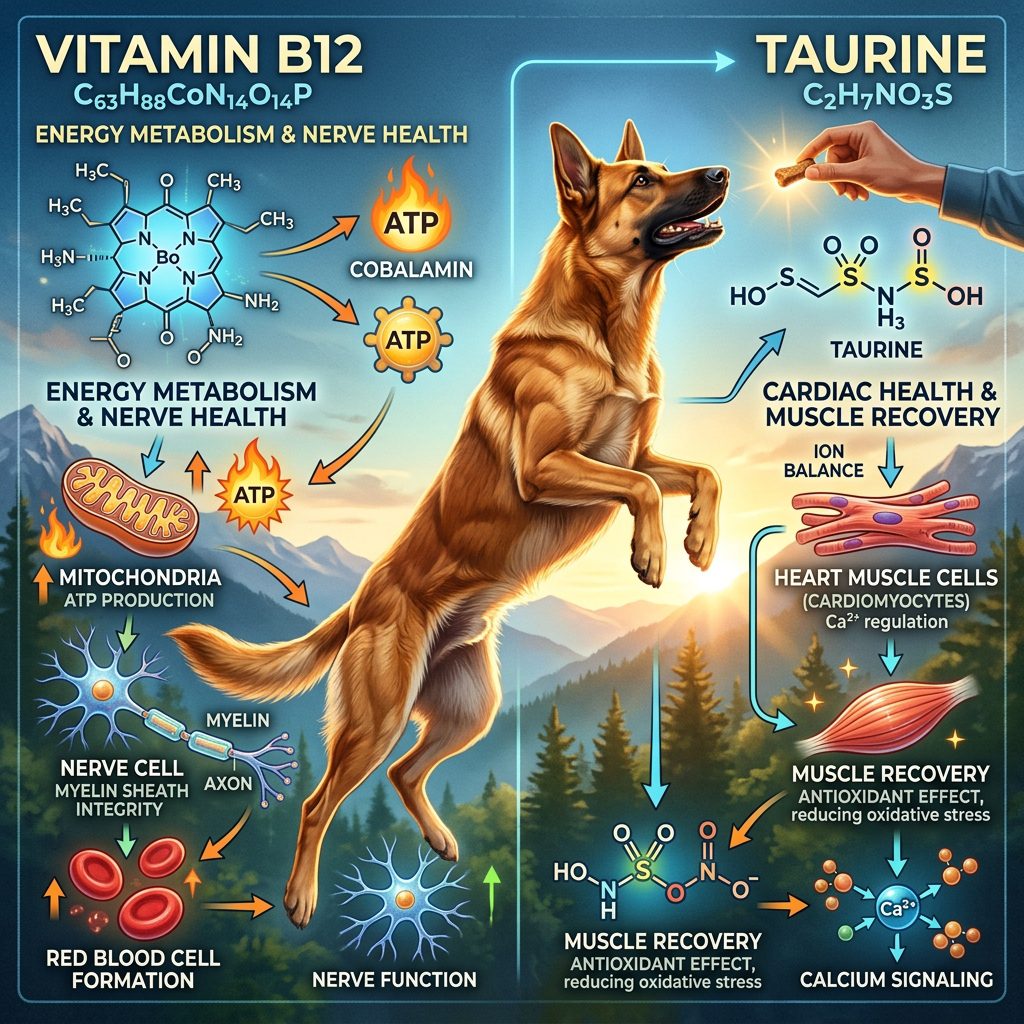
Taurine: The Cardiac Guardian
Duck hearts are exceptionally high in Taurine, an amino acid that is critical for heart health. With the recent concerns surrounding Dilated Cardiomyopathy (DCM) in dogs, savvy owners are looking for natural ways to boost Taurine intake. Duck hearts provide this in its most bioavailable form.
Iron and B-Vitamins
These treats are also loaded with Heme Iron and Vitamin B12. Iron is essential for oxygen transport in the blood—perfect for active dogs or those competing in agility—while B12 supports a healthy nervous system and brain function. When your dog is working hard to learn a new trick, that B12 is literally fueling their cognitive processing.
| Reward Type | Protein Source | Grain/Filler Status | Price Tier | The Hacker’s Verdict |
|---|---|---|---|---|
| Single-Ingredient Duck Hearts | 100% Duck Heart | Grain-Free / Zero Fillers | Premium ($$$) | The Ultimate Reward |
| Mass-Market ‘Jerky’ Bites | Chicken By-products | High (Glycerin, Sugar) | Budget ($) | The Gut-Wrecker |
| Freeze-Dried Beef Liver | 100% Beef Liver | Grain-Free | Mid-Range ($$) | Solid, but high Vitamin A risk |
The ‘Crispy’ Factor
Why dehydrated? The dehydration process removes moisture while preserving the cellular structure of the nutrients. The ‘crunch’ provides a sensory experience that dogs find highly reinforcing. It also makes them shelf-stable without the need for BHA or BHT, synthetic preservatives that have been linked to health issues in long-term studies. You’re getting the raw nutritional profile with the convenience of a dry biscuit.
The Safe Chef’s Guide: How to Source and Dehydrate Your Own
The DIY Advantage: Cutting the Cost by 70%
SAFETY DISCLAIMER: I am a canine nutrition hacker, not a veterinarian. While duck hearts are a fantastic supplement, they are a treat, not a complete meal. Always consult your vet before making major dietary changes, especially if your dog has pre-existing kidney or liver issues. Now, let’s talk money. If you buy a 2oz bag of dehydrated duck hearts at a boutique pet store, you might pay $15. That’s nearly $120 per pound! You can do better.
Sourcing Like a Pro
Check your local Asian supermarkets or high-end butchers. You can often find raw duck hearts for $3.00 to $5.00 per pound. Even after the weight loss from dehydration, you are still looking at a massive saving.
| Source | Quantity | Approximate Cost | Cost per Ounce (Finished) |
|---|---|---|---|
| Boutique Pet Store | 2 oz | $14.99 | $7.50 |
| Local Butcher (DIY) | 16 oz (Raw) | $5.00 | ~$1.25 |
| Online Bulk Wholesaler | 5 lbs (Raw) | $22.00 | ~$1.10 |
The Safe Chef Recipe
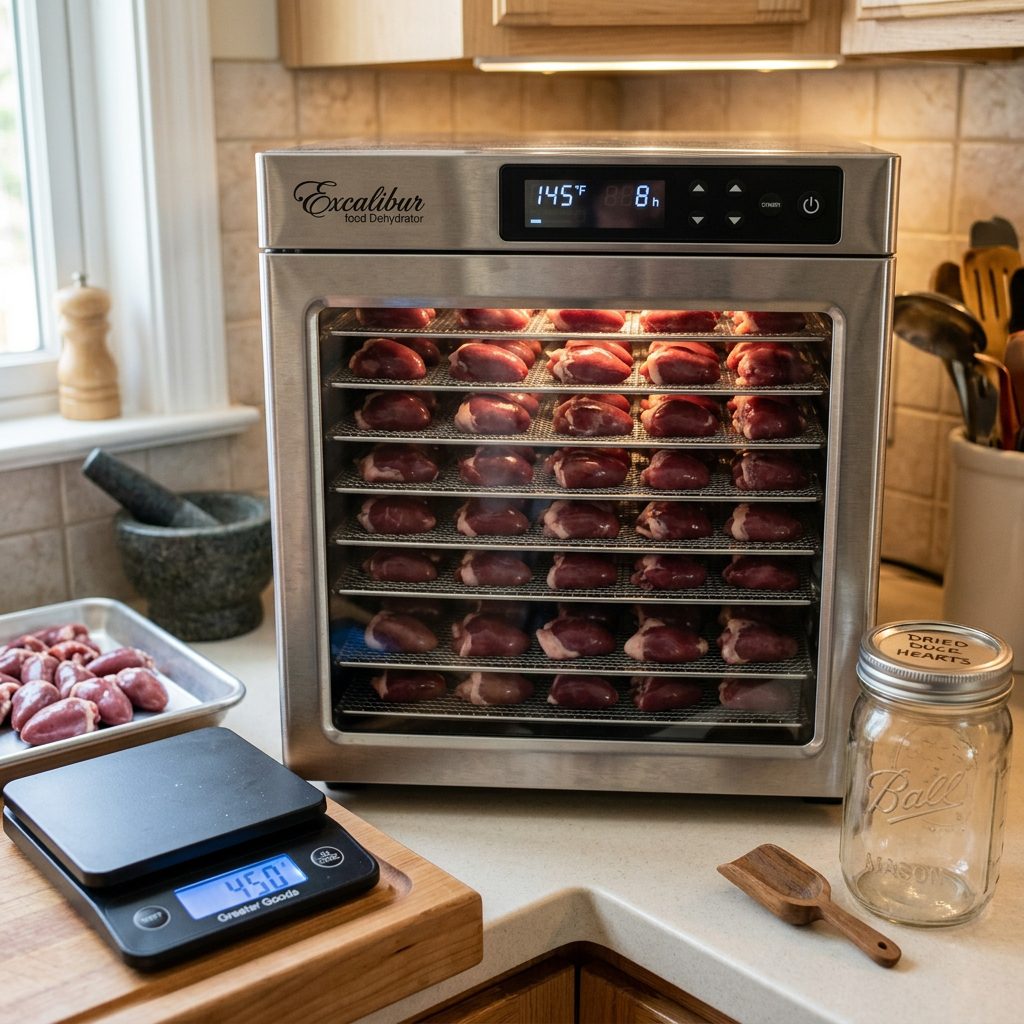
- Rinse and Prep: Rinse the raw hearts in cold water. Trim any excess large fat caps if your dog is prone to pancreatitis, though a little fat is fine for most.
- Slice (Optional): If you have a small dog, slice the hearts in half vertically. For big dogs, leave them whole for maximum ‘crunch.’
- Dehydrate: Arrange them on your dehydrator trays. Set the temperature to 160°F (71°C). This temperature is crucial to kill any potential pathogens while preserving nutrients.
- Time: Let them go for 12-18 hours until they are ‘snappy’ and show no moisture when broken.
Insider Secret: Batch cook! Dehydrate 2-3 pounds at once. Store what you’ll use in a week in a glass jar, and freeze the rest. They last for 6 months in the freezer and stay perfectly crispy.
The Insider Strategy: Using High-Value Rewards to Solve Behavioral Issues

Why ‘High-Value’ Actually Matters in Training
In the dog training world, we talk about ‘distraction levels.’ If you are in your living room, a piece of kibble might be enough to get a ‘sit.’ But if you are at a park with squirrels, cyclists, and other dogs, that kibble becomes worthless. You need a high-value reward—something the dog rarely gets and absolutely craves. Duck hearts are the ‘hundred-dollar bills’ of the dog world.
The Reactivity Hack
If you have a dog that lunges or barks at other dogs, you are working on ‘counter-conditioning.’ You want the dog to see the ‘scary’ thing and immediately look to you for something amazing. Because duck hearts have a strong, natural aroma, they cut through the ‘red zone’ of a dog’s brain much faster than a processed biscuit.
Perfecting the Recall
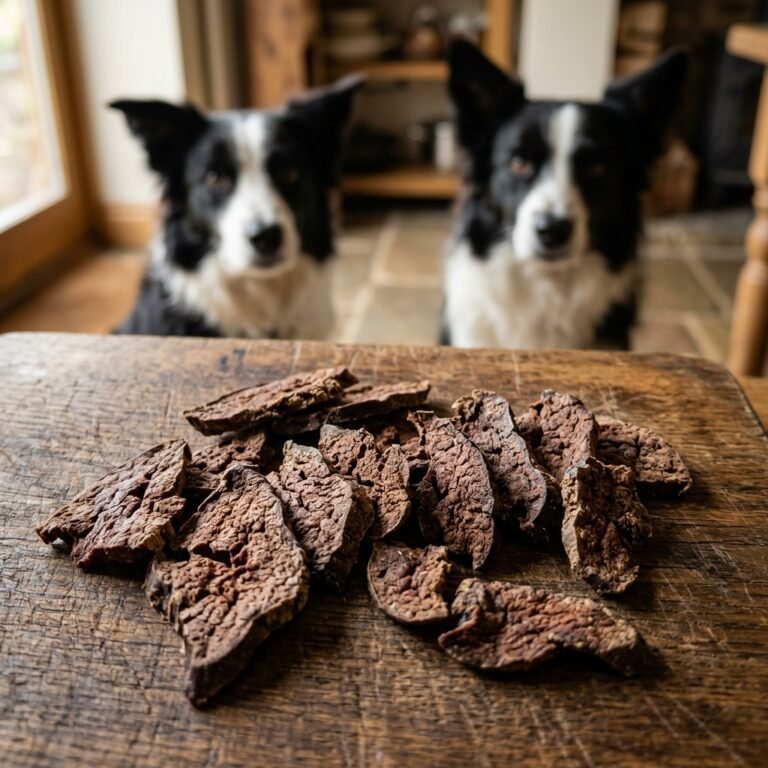
Want a dog that comes running the first time you call? Only use duck hearts for recall. By reserving this specific treat for one specific command, you create a powerful association. The dog thinks, ‘If I go back to my human, I get the crispy duck heart.’ It’s a no-brainer for them.
Hacker Tip: The Crumble Method
If you have a picky eater who is snubbing their healthy (but boring) dinner, take one crispy duck heart and crumble it over the top of their bowl. The natural fats and scent act as a biological ‘on switch’ for their appetite. It’s a much healthier topper than those sugary ‘gravies’ sold in grocery stores.
Conclusion
The Final Verdict from the Nutrition Hacker
At the end of the day, you have a choice. You can keep feeding your dog treats designed by marketing departments to look pretty on a shelf, or you can feed the dog in front of you what they were biologically designed to eat. Single-ingredient crispy duck hearts represent the pinnacle of what a reward should be: transparent, nutrient-dense, and highly motivating. By choosing these over processed alternatives, you are avoiding inflammatory fillers, supporting heart health with natural Taurine, and giving yourself a powerful tool for training. Whether you buy them from a trusted boutique brand or channel your inner ‘Safe Chef’ and dehydrate them in your kitchen, your dog will notice the difference. Stop settling for ‘mystery meat’ and start rewarding with purpose. Your dog is already doing the backflips; now it’s time to give them a reason why. Stay savvy, keep hacking, and feed the best.