The Bizarre Dental Trick Vets Don’t Talk About: DIY Dehydrated Rabbit Ears!
Let’s get real for a second. If you’ve ever looked at the bill after a professional veterinary dental cleaning, you probably felt a sharp pain—not in your teeth, but in your wallet. We’re talking $500 to $1,200 just to get those pearly whites shining again. As the Canine Nutrition Hacker, I’ve spent years digging through clinical studies and ancestral diets to find the shortcuts the big pet food companies don’t want you to know. One of the most effective, albeit ‘bizarre,’ secrets? Dehydrated rabbit ears with the fur still on.
You might be thinking, ‘Fur? Really?’ Yes, really. While your vet might be pushing those green, toothbrush-shaped starch sticks filled with wheat gluten and artificial dyes, the savvy dog owner looks to nature. Rabbit ears aren’t just a treat; they are a mechanical dental tool, a natural dewormer, and a nutritional powerhouse. In this guide, I’m going to show you exactly how to bypass the 400% retail markup and make these yourself at home. We’re talking forensic-level nutrition analysis and a step-by-step DIY blueprint that will save you hundreds of dollars a year.
The Forensic Analysis: Why Rabbit Ears Outperform Store-Bought Chews
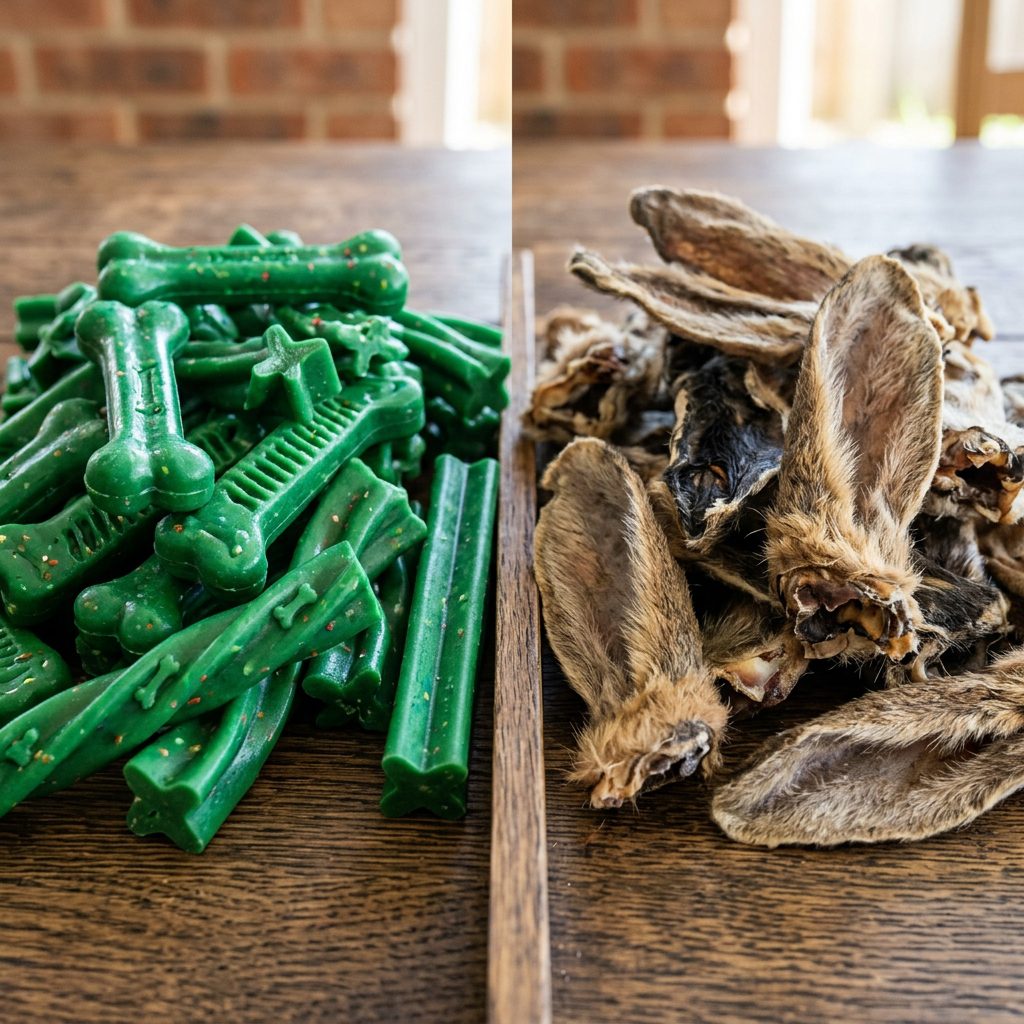
Before we jump into the kitchen, we need to understand the ‘why.’ Most commercial dental chews rely on a combination of hard starch and chemical enzymes to ‘dissolve’ plaque. The problem? They are often loaded with high-glycemic carbohydrates that actually contribute to plaque formation once the chewing is done. It’s a vicious cycle that keeps you buying more bags.
The ‘First 5 Ingredients’ Truth
Let’s look at a leading ‘veterinary recommended’ dental chew vs. a single-ingredient rabbit ear:
- Commercial Chew: Wheat flour, glycerin, wheat gluten, gelatin, water… (mostly fillers and binders).
- DIY Rabbit Ear: 100% Rabbit Ear (Cartilage, skin, and fur).
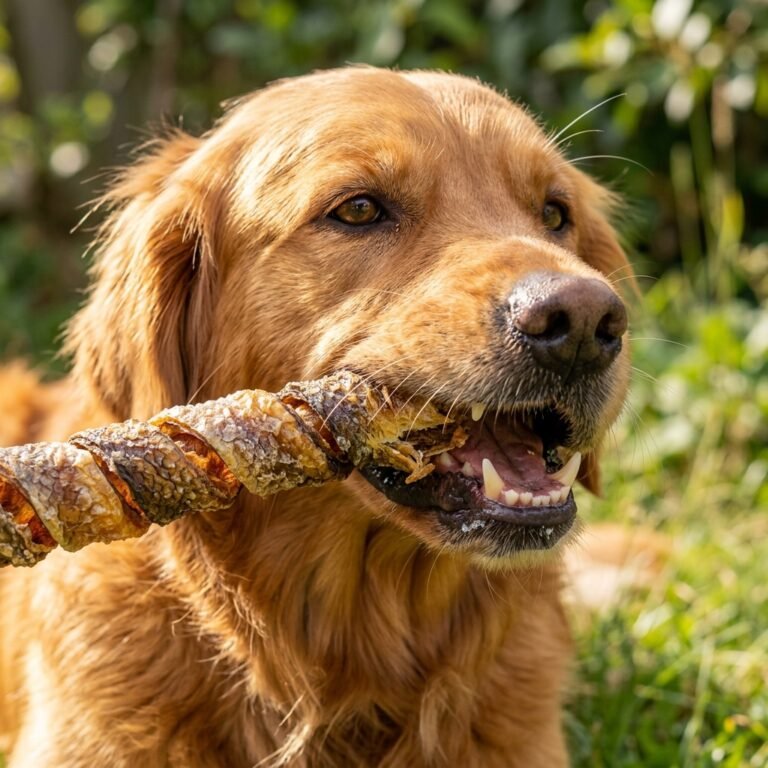
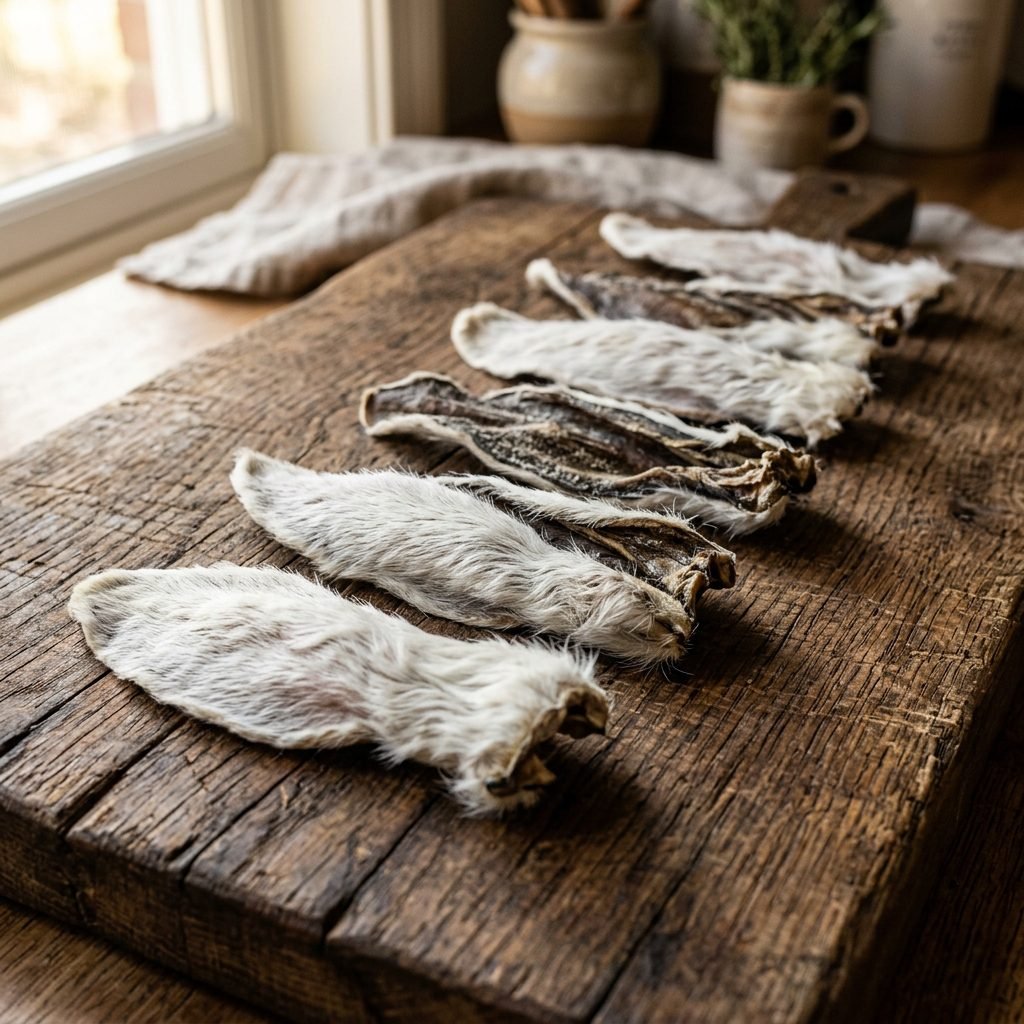
The magic is in the mechanical abrasion. The fur on the rabbit ear acts like a natural dental floss. As your dog chews, the tiny hairs sweep away food debris and micro-plaque from the gum line—areas that smooth dental chews simply can’t reach. Furthermore, rabbit is a novel protein, meaning it is incredibly low-allergen, making it perfect for dogs with sensitive stomachs or itchy skin.
Hacker Tip: The manganese found in the hair follicles of rabbit ears is a trace mineral essential for ligament and joint health. You won’t find that in a corn-based chew!
The Safe Chef Guide: Safety Disclaimers and Preparation
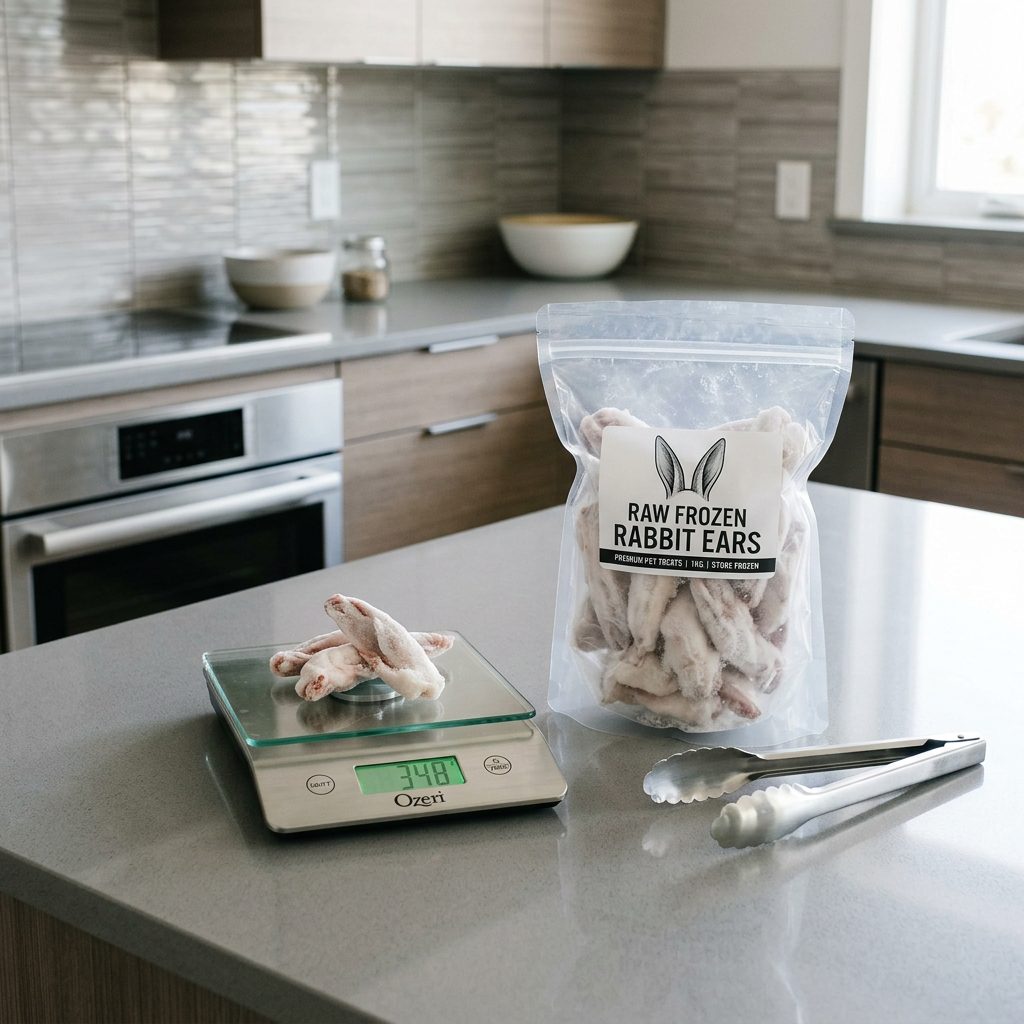
SAFETY DISCLAIMER: I am a canine nutrition researcher and a savvy owner, not a veterinarian. While dehydrated treats are generally safe, they carry a risk of bacterial contamination if not processed correctly. Always supervise your dog during chewing sessions to prevent choking. If your dog is a ‘gulper’ who doesn’t chew, these may not be suitable. Consult your vet if your dog has a history of severe pancreatitis.
When working with raw animal parts, hygiene is your best friend. You aren’t just making a treat; you’re preserving biological material. To do this safely, you need to ensure your dehydration process reaches a high enough temperature to kill off pathogens like Salmonella and Listeria without ‘cooking’ the bone or cartilage into a brittle, dangerous shard.
The Real Cost Breakdown
Why DIY? Because the ‘pet tax’ is real. Let’s look at the numbers for a month’s supply (15 ears):
| Source | Quantity | Total Cost | Cost Per Ear |
|---|---|---|---|
| Boutique Pet Store | 15 Ears | $37.50 | $2.50 |
| Online Specialty Retailer | 15 Ears | $28.00 | $1.86 |
| DIY (Bulk Sourcing) | 15 Ears | $9.00 | $0.60 |
By doing it yourself, you are saving roughly $1.90 per ear. For a multi-dog household, that’s hundreds of dollars back in your pocket every year.
The Actionable Recipe: 12-Hour Dehydrated Rabbit Ears
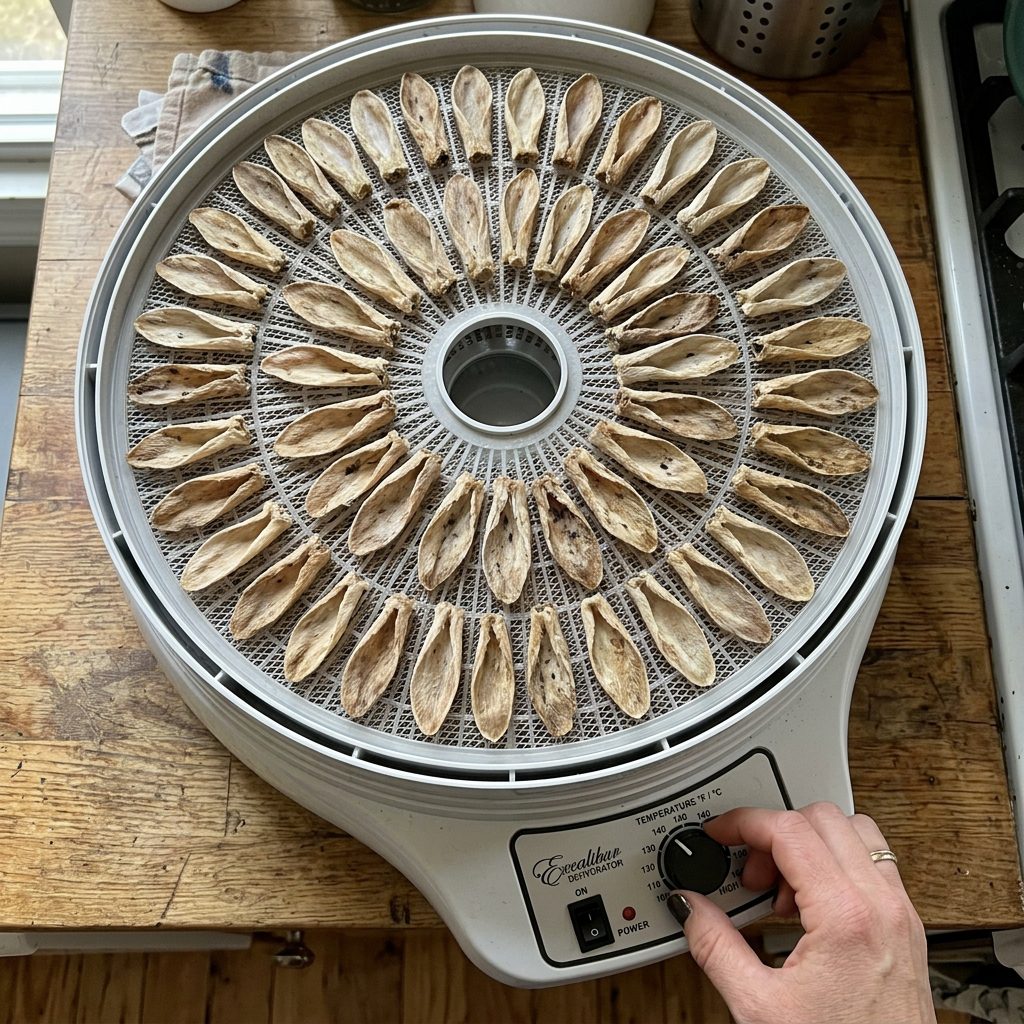
Ready to get your hands dirty? Sourcing is the first step. Look for ‘raw frozen rabbit ears’ from raw feeding suppliers, ethnic markets, or local small-game farms. Ensure they are hair-on; that is where the dental magic happens.
Step-by-Step Instructions
- Thaw and Clean: Thaw the ears in the refrigerator. Rinse them under cold water to remove any loose debris. Pat them extremely dry with paper towels. Moisture is the enemy of shelf-stability.
- Arrange: Place the ears on your dehydrator trays. Ensure they are not touching. Airflow is critical for an even ‘cure.’
- The Kill-Step: Set your dehydrator to 160°F (71°C). This high temperature is necessary for the first 2 hours to ensure any surface bacteria are neutralized.
- The Long Dry: After 2 hours, you can drop the temp to 145°F (63°C) for the remaining 10-12 hours. The ears are done when they are stiff and the base of the ear (the thickest part) feels hard like plastic, not leathery.
- The Snap Test: If you try to bend the ear and it has ‘give,’ it needs more time. It should feel like a piece of brittle wood.
Batch Cooking Tip
Don’t just make five. Fill every tray in your dehydrator. These have a shelf life of about 2 weeks in an airtight jar, or 6 months in the freezer. I always keep a ‘ready-to-go’ bag in the freezer to maintain maximum freshness and crunch.
The Digestive Bonus: Nature’s Internal Scrub Brush
We’ve talked about the teeth, but the benefits of rabbit ears go all the way down. In the wild, canines consume the entire prey, including the hide and hair. This fur acts as insoluble fiber.
As the fur moves through the digestive tract, it does two things:
- Bulk Up Stool: It helps firm up the stool, which naturally expresses the anal glands. If your dog ‘scoots’ on the carpet, this is the hacker’s secret fix.
- Pathogen Scouring: The hair gently ‘scrubs’ the lining of the intestines, helping to clear out excess mucus and potentially even aiding in the mechanical removal of some parasites.
Compare this to a standard ‘grain-free’ kibble diet which often lacks this type of complex structural fiber. You’re giving your dog a biological tool that their body evolved to use over thousands of years.
Conclusion
The ‘bizarre’ dental trick isn’t actually bizarre at all—it’s ancestral. By taking control of your dog’s treats and opting for DIY dehydrated rabbit ears, you’re opting out of the low-quality, high-markup cycle of the commercial pet industry. You’re providing superior dental abrasion, a novel protein source, and essential digestive fiber for a fraction of the cost.
Remember, being a savvy dog owner isn’t about spending the most money; it’s about spending your money where it actually impacts your dog’s biology. Start small, source locally, and watch your dog’s breath improve and their teeth whiten. You’ve got the tools, you’ve got the recipe—now go be the nutrition hacker your dog thinks you are!