The Hypoallergenic Jackpot: Single-Ingredient Baked Rabbit Treats Your Dog Will Do Tricks For!
If you are reading this, you are probably tired of the “itch-scratch-repeat” cycle. You have spent hundreds at the vet, tried every “sensitive skin” kibble on the market, and yet your dog is still chewing their paws like they are marinated in chicken fat. Here is the cold, hard truth that big pet food brands do not want you to know: most “hypoallergenic” treats are anything but. They are loaded with hidden fillers, cross-contaminated proteins, and synthetic preservatives that keep your dog in a state of low-grade inflammation.
As the Canine Nutrition Hacker, I am here to tell you that the solution is not a more expensive prescription bag of mystery pellets. The solution is simplicity. We are talking about the Hypoallergenic Jackpot: single-ingredient rabbit. Rabbit is a novel protein that most dogs have never been exposed to, making it the ultimate weapon against food sensitivities. In this guide, I am going to show you how to bypass the overpriced retail markup and create elite, high-value baked rabbit treats in your own kitchen. No fillers, no BS, just pure performance fuel that will have your dog doing backflips for a single bite.
The Forensic Analysis: Why Rabbit Wins the Protein War
The Novel Protein Advantage
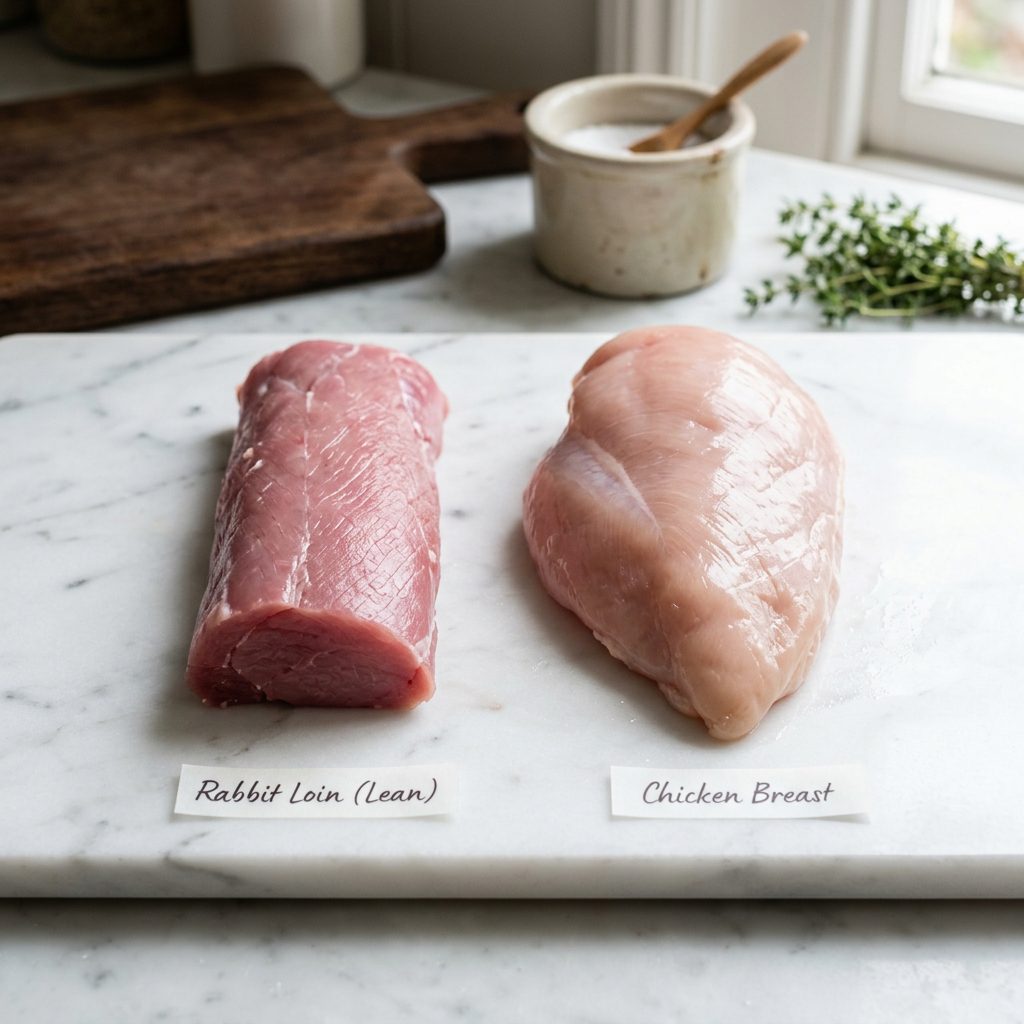
When a dog develops a food allergy, it is usually because their immune system has overreacted to a common protein they have eaten a thousand times—most often chicken, beef, or dairy. Rabbit is what we call a novel protein. Because it is not a staple in the standard American kibble diet, your dog’s immune system likely does not recognize it as a threat. This is the foundation of an elimination diet.
Nutritional Density vs. Common Proteins
Rabbit is not just hypoallergenic; it is a nutritional powerhouse. It is leaner than chicken and beef but packs more protein per gram. It is also rich in Vitamin B12, which is essential for nervous system health, and selenium, a potent antioxidant. Let’s look at how rabbit stacks up against the usual suspects in the treat aisle.
| Protein Source | Allergen Risk | Fat Content | Caloric Density | Verdict |
|---|---|---|---|---|
| Chicken | High | Moderate | Medium | The “Filler” King |
| Beef | High | High | High | Inflammation Trigger |
| Rabbit | Extremely Low | Low | Medium | The Jackpot |
| Soy/Grain | Moderate | Low | Low | Nutritional Void |
Hacker Tip: If your dog is struggling with pancreatitis or weight issues, rabbit is your best friend. It has the lowest fat-to-protein ratio of almost any meat available to pet owners.
The Safe Chef Guide: Safety First, Results Second
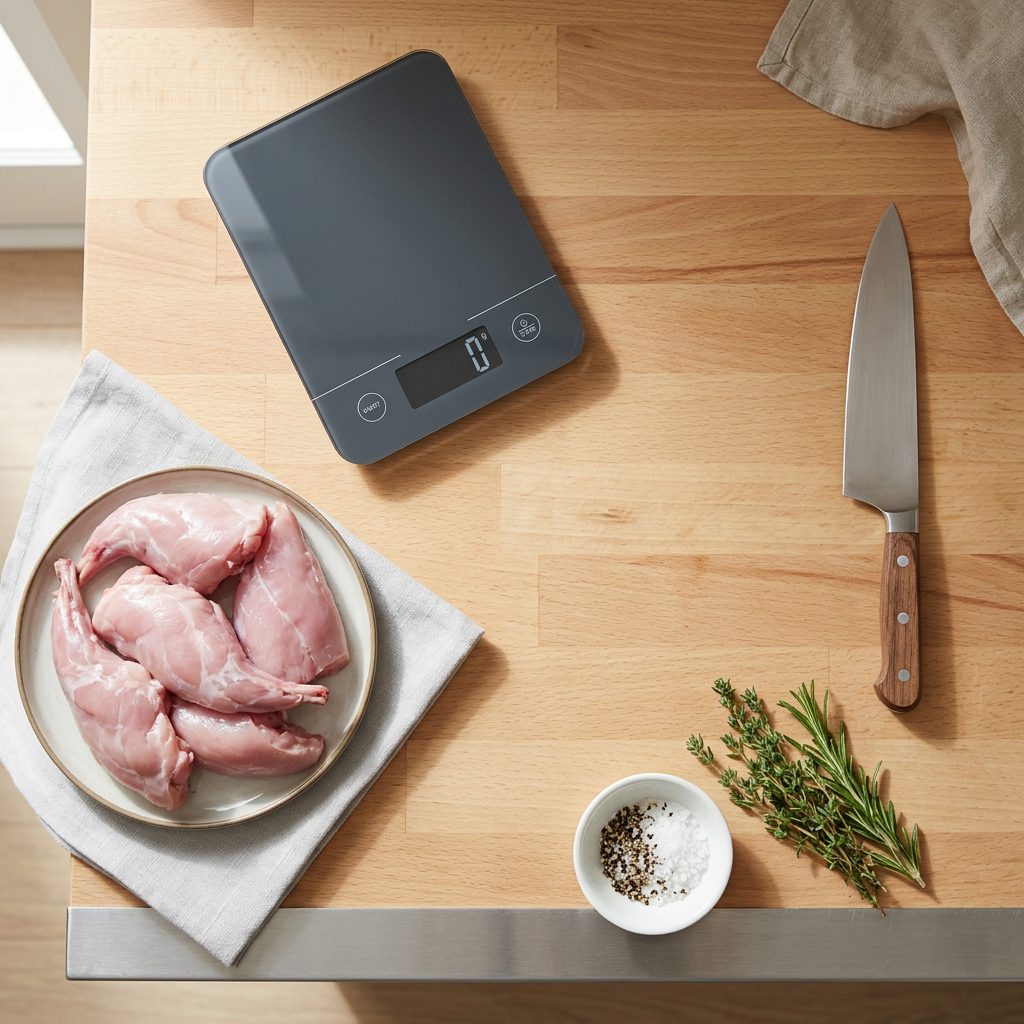
The Mandatory Safety Disclaimer
Before you start your journey as a canine chef, let’s get the legalities out of the way. I am not a veterinarian or a board-certified veterinary nutritionist. While these treats are single-ingredient and generally safe, always consult with your vet before introducing a new protein, especially if your dog has underlying health conditions like kidney disease. These are treats, not a balanced meal. They should never exceed 10% of your dog’s daily caloric intake.
The Sourcing Secret
The biggest mistake you can make is buying “rabbit” meat from a source that processes chicken on the same equipment. Cross-contamination is the silent killer of hypoallergenic diets. When sourcing rabbit meat, look for human-grade suppliers or local butchers who can verify their processing methods. If the label says “rabbit flavor” or “rabbit meal,” put it back. We only deal in 100% whole muscle meat here.
The Real Cost Breakdown
You might think rabbit is expensive. But have you looked at the price of premium, single-ingredient rabbit treats at the pet store? You are often paying $40.00 to $60.00 per pound for what is essentially dried meat. By buying raw rabbit and baking it yourself, you can slash that cost by more than half.
| Source | Quantity | Price | Price Per Ounce |
|---|---|---|---|
| Boutique Pet Store | 4 oz Bag | $18.99 | $4.74 |
| Online Specialty Treat | 1 lb Bag | $55.00 | $3.43 |
| DIY (Whole Rabbit) | 1 lb Raw | $12.00 | $0.75 |
The Master Recipe: Single-Ingredient Baked Rabbit Crunchies
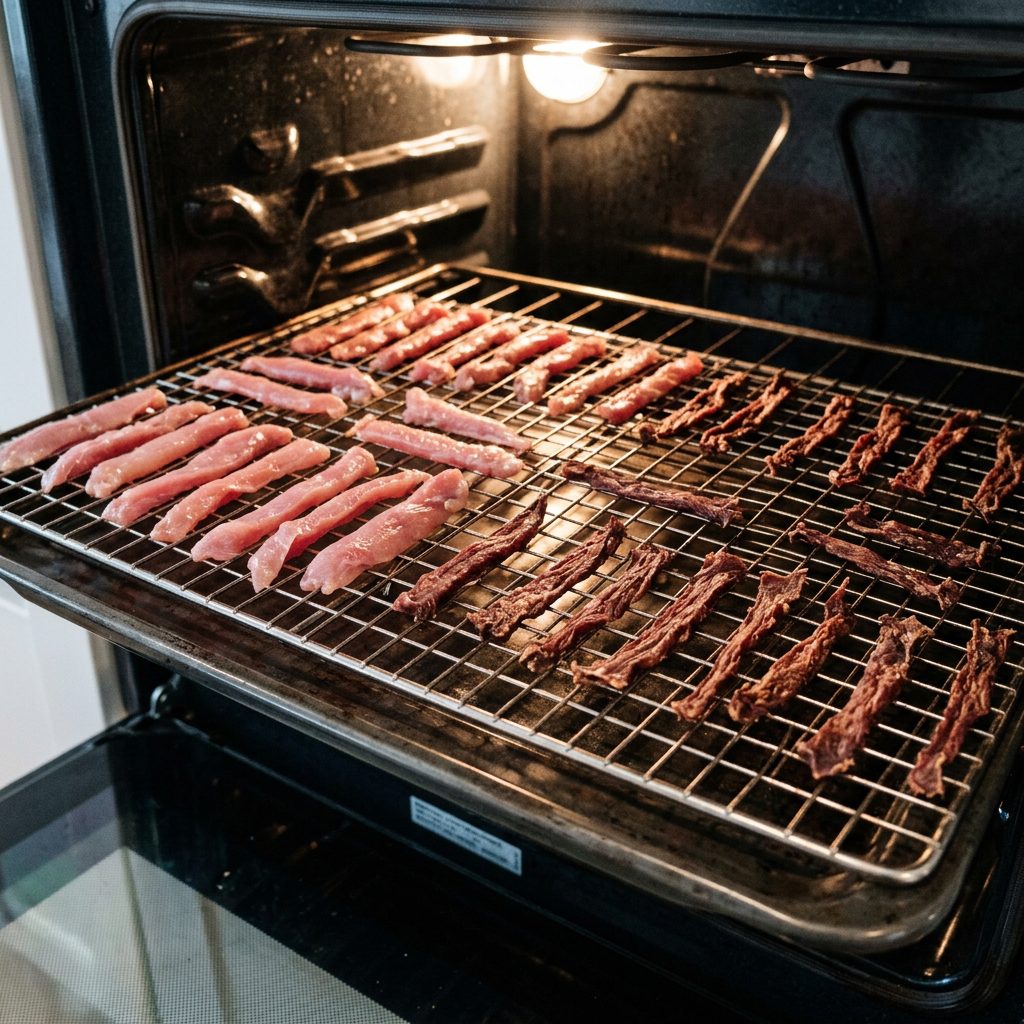
The Low and Slow Method
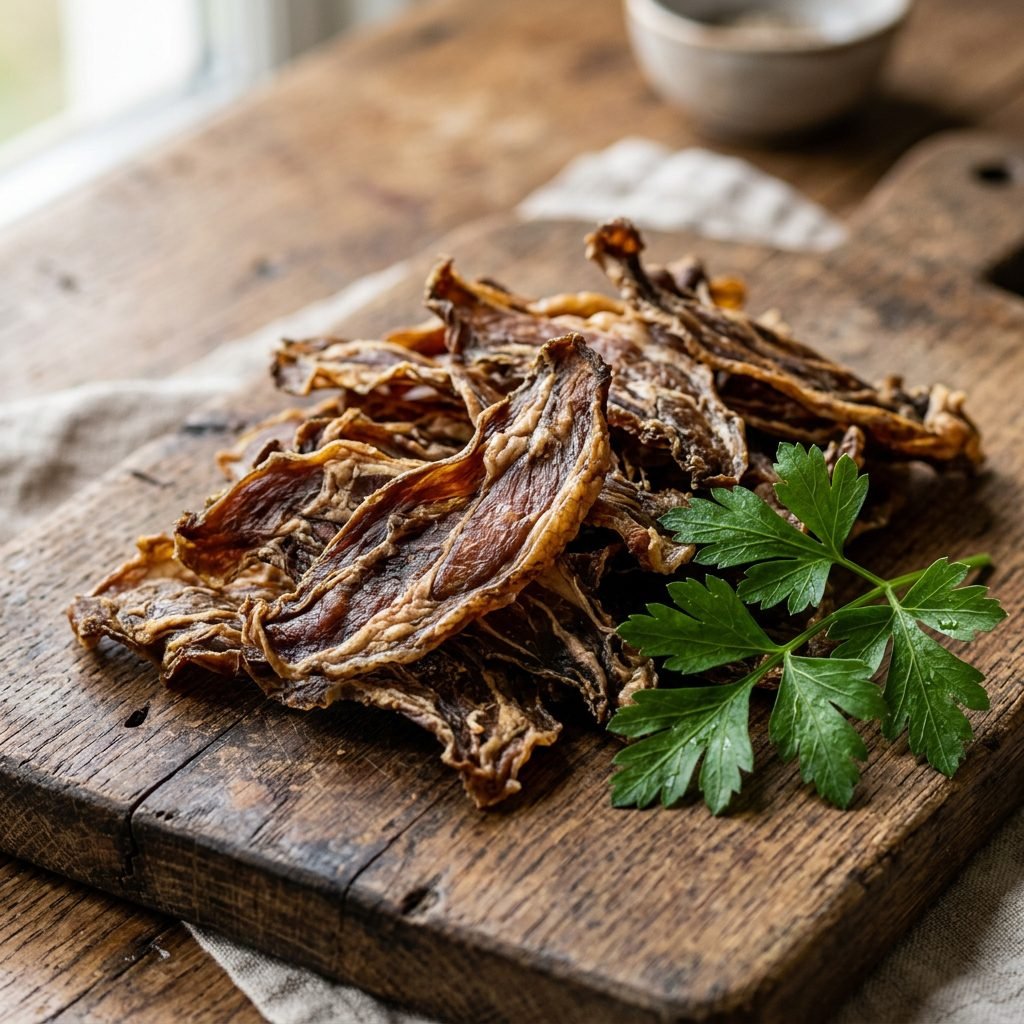
The secret to the perfect high-value treat is the texture. We want a treat that is dry enough to be shelf-stable but still retains that intense, gamey aroma that drives dogs wild. We are going to use a “Low and Slow” baking technique that mimics a dehydrator without requiring extra equipment.
Ingredients & Tools
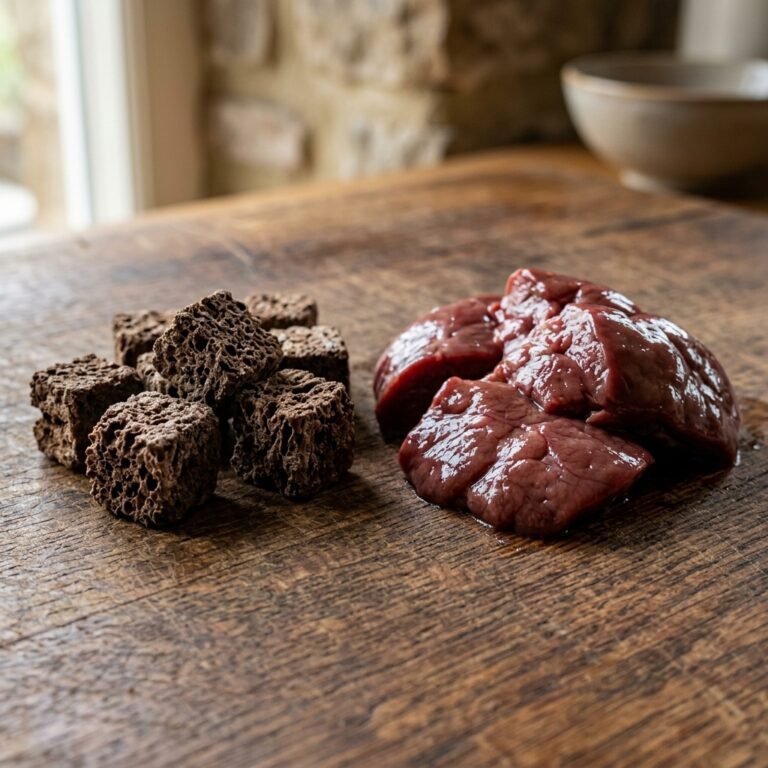
- 1 lb Raw Rabbit Loin or Heart (Loin is easier to slice; heart is more nutrient-dense).
- A sharp chef’s knife.
- A baking sheet lined with parchment paper.
- A cooling rack (optional, but highly recommended for air circulation).
Step-by-Step Instructions
- The Freezer Hack: Place your raw rabbit in the freezer for 30-45 minutes. This firms up the meat, allowing you to slice it into paper-thin strips. The thinner the slice, the crunchier the treat.
- Preheat: Set your oven to its lowest possible setting—usually around 170°F to 200°F (75°C – 95°C).
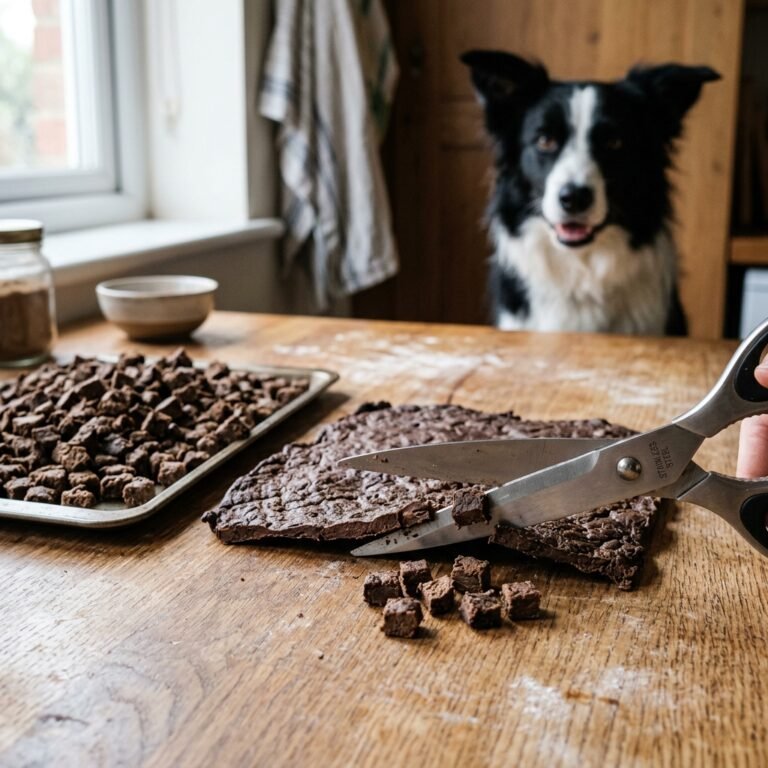
- The Slice: Cut the rabbit into bite-sized pieces or long strips. Aim for 1/8th of an inch thickness.
- Arrange: Place the strips on the cooling rack set over the baking sheet. This allows heat to hit the top and bottom simultaneously.
- Bake: Slide them into the oven for 3 to 5 hours. You are looking for a “snap.” If the treat bends, it still has moisture and won’t last as long.
Hacker Tip: Prop the oven door open slightly with a wooden spoon. This allows moisture to escape, speeding up the drying process and preventing the meat from “steaming” instead of drying.
Forensic Label Reading: Avoiding the “Rabbit Flavor” Trap
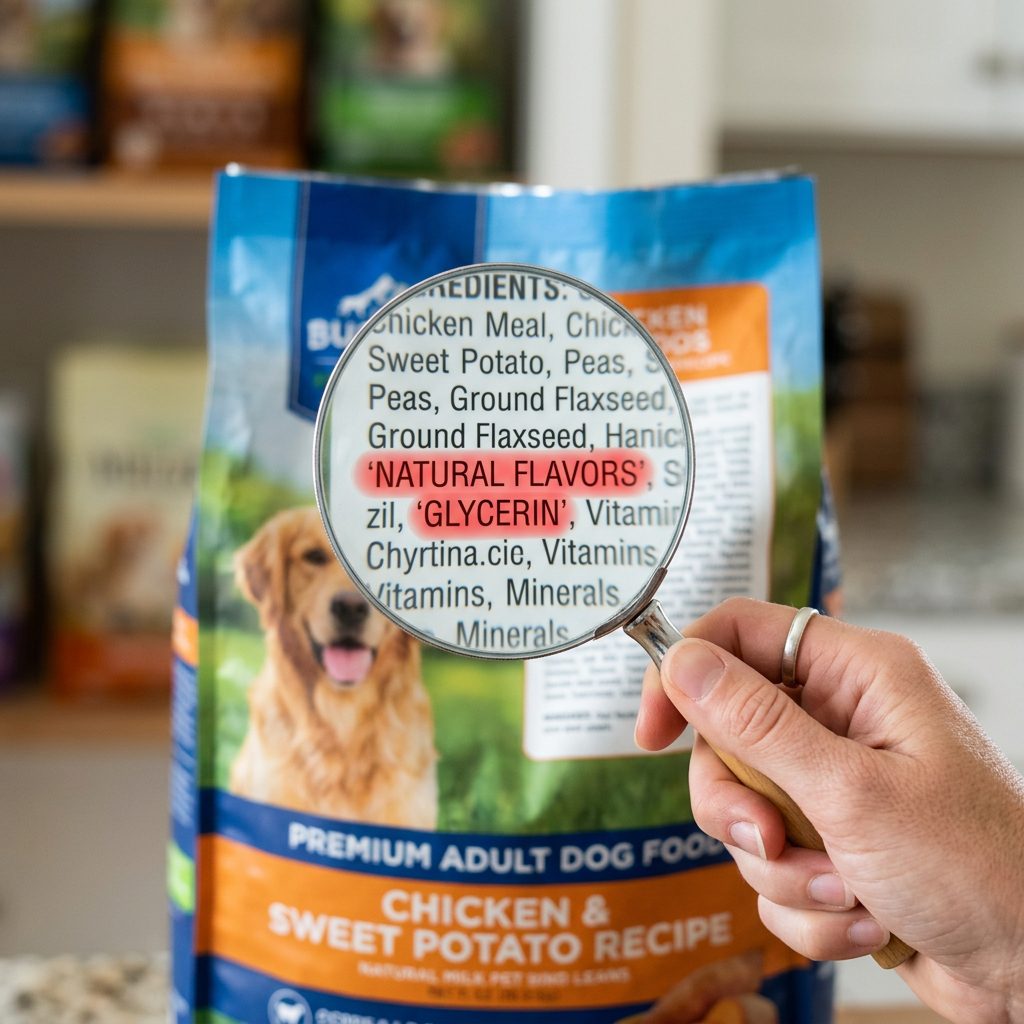
Don’t Be Fooled by Marketing
When you are at the pet store, you will see bags with beautiful pictures of rabbits on them. But as a savvy owner, you need to flip that bag over. Manufacturers love to use “Split Ingredients” to hide the truth. They might list Rabbit first, but then follow it with pea flour, pea protein, and chickpeas. When you add those three together, they actually outweigh the meat.
The Red Flag List
- Glycerin: Used to keep treats soft, but it is often a byproduct of biofuel production. It adds zero nutritional value.
- Natural Flavors: A legal loophole that can contain MSG or proteins that trigger allergies.
- Potassium Sorbate: A preservative that can interfere with gut health in sensitive dogs.
By making these treats yourself, you are eliminating every single one of these variables. You are the quality control officer. You know exactly what went in, which means you know exactly why your dog’s skin is finally clearing up.
Storage, Shelf Life, and Training Hacks
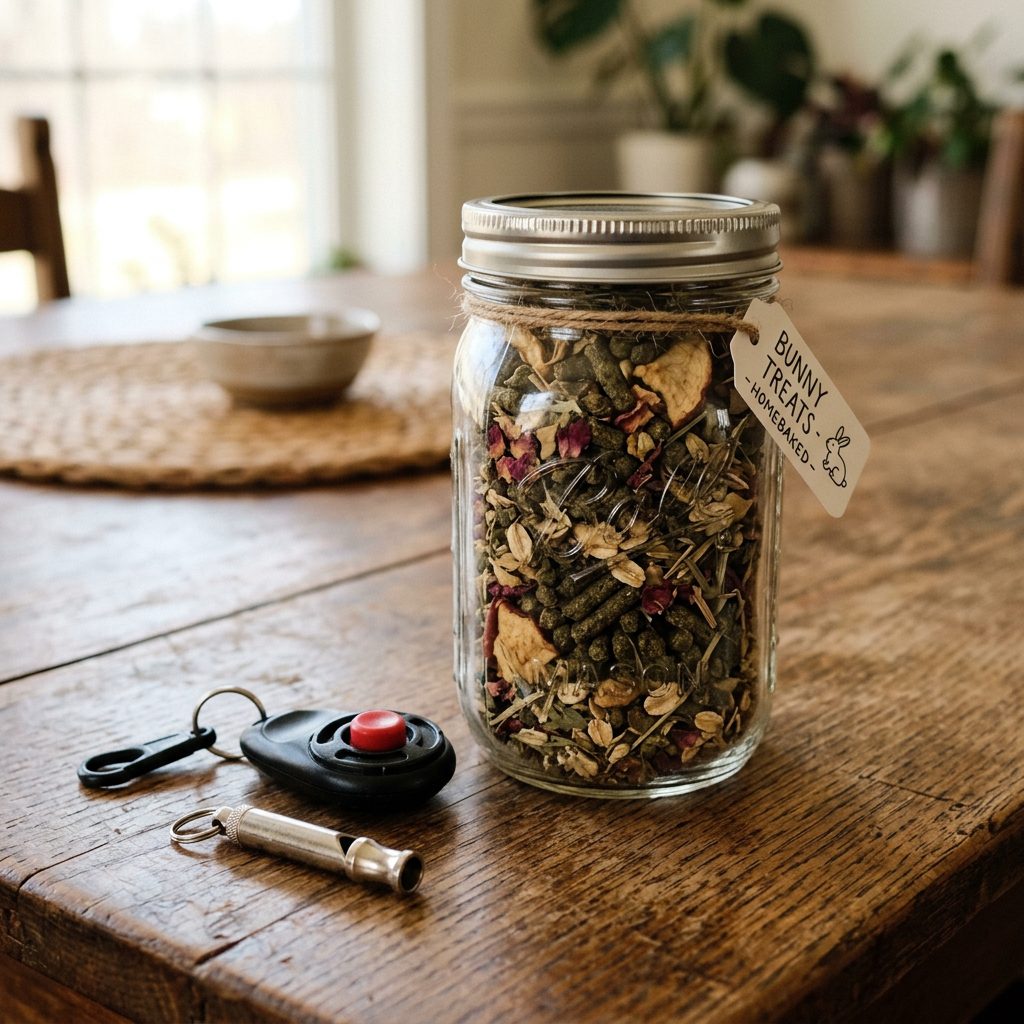
Maximizing Your Batch
Since we aren’t using chemical preservatives, we have to be smart about storage. If you dried the treats until they snap, they will last about 2 weeks in an airtight container in a cool, dry place. However, for maximum freshness, I recommend the “Rule of Thirds”.
The Rule of Thirds
- One-Third: Keep in a jar on the counter for immediate use.
- One-Third: Keep in the refrigerator to extend life by another week.
- One-Third: Keep in the freezer. They thaw in minutes and can last for 6 months.
Training with High-Value Rewards
In the dog training world, we rank treats by “value.” Kibble is low value. Chicken is medium. Rabbit is the nuclear option. Because it is a game meat with a strong scent, it can cut through high-distraction environments. If you are struggling with a reliable recall or leash reactivity, these treats are your secret weapon. Use them sparingly for the hardest tasks, and watch your dog’s focus sharpen instantly.
Hacker Tip: Use the “crumbs” at the bottom of your treat jar as a meal topper. Sprinkle them over your dog’s regular food to entice a picky eater without adding unnecessary fillers.
Conclusion
You have just unlocked the Hypoallergenic Jackpot. By taking control of your dog’s treats, you are doing more than just saving money—you are removing the inflammatory landmines that commercial treats plant in your dog’s system. Remember, nutrition is the foundation of everything: behavior, longevity, and quality of life. Don’t let the shiny packaging at the big-box stores dictate your dog’s health. You have the forensic tools, the recipe, and the hacker mindset to provide the best. Now, get in that kitchen and start baking. Your dog (and their skin) will thank you.