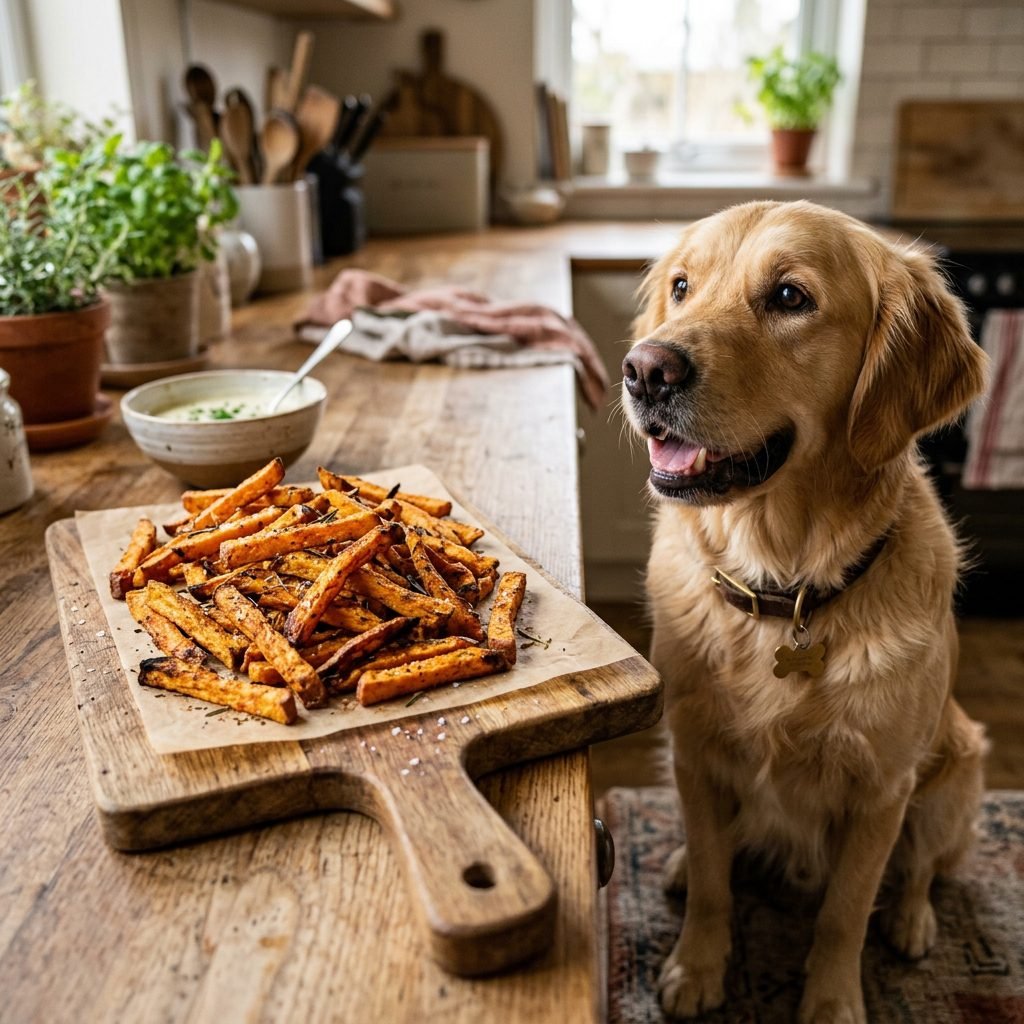
The Ultimate Safe Snack: Crispy Sweet Potato Dog Fries Your Pup Will Beg For!
Listen up, savvy pack leaders. It is your resident Canine Nutrition Hacker here, and today we are tearing down the facade of the lucrative “premium dog treat” industry. If you have ever walked down the treat aisle at your local big-box pet store, you have probably seen those fancy bags of sweet potato chews. They have beautiful, rustic packaging. They feature buzzwords like “natural” and “wholesome.” But when you flip that bag over and analyze the ingredient label like a forensic scientist—which is exactly what we do here—you quickly realize you are being taken for a ride.
We are going to expose the unnecessary fillers lurking in commercial treats and take back control of our dogs’ nutrition. Why pay exorbitant markups for a product that has been sitting on a warehouse shelf for eight months when you can create The Ultimate Safe Snack right in your own kitchen for pennies on the dollar?
Hacker Tip: The pet food industry relies on convenience and clever marketing to sell you cheap ingredients at premium prices. Taking just a few hours on a Sunday to batch-cook single-ingredient treats is the ultimate hack for your wallet and your dog’s longevity.
Today, we are diving deep into the Safe Chef Guide to making Crispy Sweet Potato Dog Fries. Your pup will absolutely lose their mind over the crunch, and you will sleep easy knowing exactly what is going into their body. No unpronounceable preservatives. No artificial dyes. Just pure, unadulterated canine superfood.
SAFETY DISCLAIMER: Before we fire up the oven, let’s get the legalities out of the way. I am a Canine Nutrition Hacker, not a licensed veterinarian. While sweet potatoes are incredibly safe, highly digestible, and widely recommended for the vast majority of dogs, treats should never exceed 10% of your dog’s total daily caloric intake. This is a snack, not a complete and balanced meal replacement. If your dog has a history of diabetes, severe yeast infections, or specific dietary restrictions, always consult your vet before introducing complex carbohydrates into their diet.
The Store-Bought Treat Trap: What They Aren’t Telling You
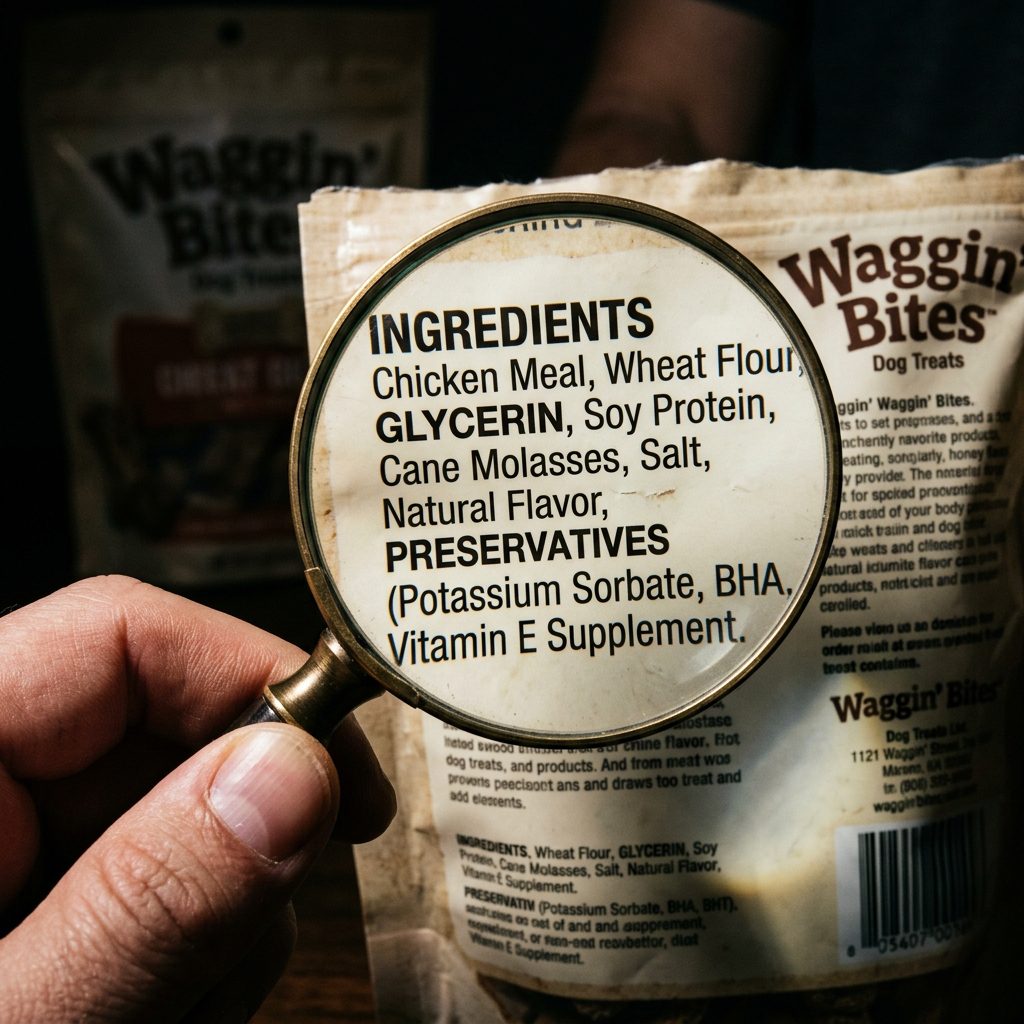
Let’s do a little forensic label reading, shall we? Grab a generic bag of commercial sweet potato dog treats. On the front, it proudly proclaims: “Real Sweet Potato!” But turn it around and look at the fine print. The first ingredient might be sweet potato, but what are ingredients two through five? You will often find things like vegetable glycerin, fructose, artificial colors (like Yellow 6 or Red 40), and potassium sorbate.
The Glycerin Gimmick
Let’s talk about vegetable glycerin. Why is it in so many soft, chewy dog treats? Pet food manufacturers use glycerin as a cheap humectant—a substance that keeps the treat moist and prevents it from drying out and crumbling into dust on the shelf. It also acts as a binder and a sweetener. While generally recognized as safe in small amounts, glycerin is essentially a sugar alcohol. It provides zero nutritional value. If your dog has a sensitive stomach, consuming highly processed glycerin daily can lead to gas, bloating, and loose stools.
The Preservative Problem
Then we have potassium sorbate and other chemical preservatives. These are added to extend the shelf life of the product to survive the long journey from the manufacturing plant to the warehouse, to the store shelf, and finally to your pantry. As a savvy dog owner, you have to ask yourself: Do I want to feed my dog a snack that can sit in a plastic bag at room temperature for two years without molding?
By making your own crispy sweet potato dog fries, you completely eliminate the need for these chemical stabilizers, artificial sweeteners, and cheap binders. You are providing a 100% bioavailable, single-ingredient snack that your dog’s digestive system actually knows how to process.
The Nutritional Powerhouse: Why Sweet Potatoes?
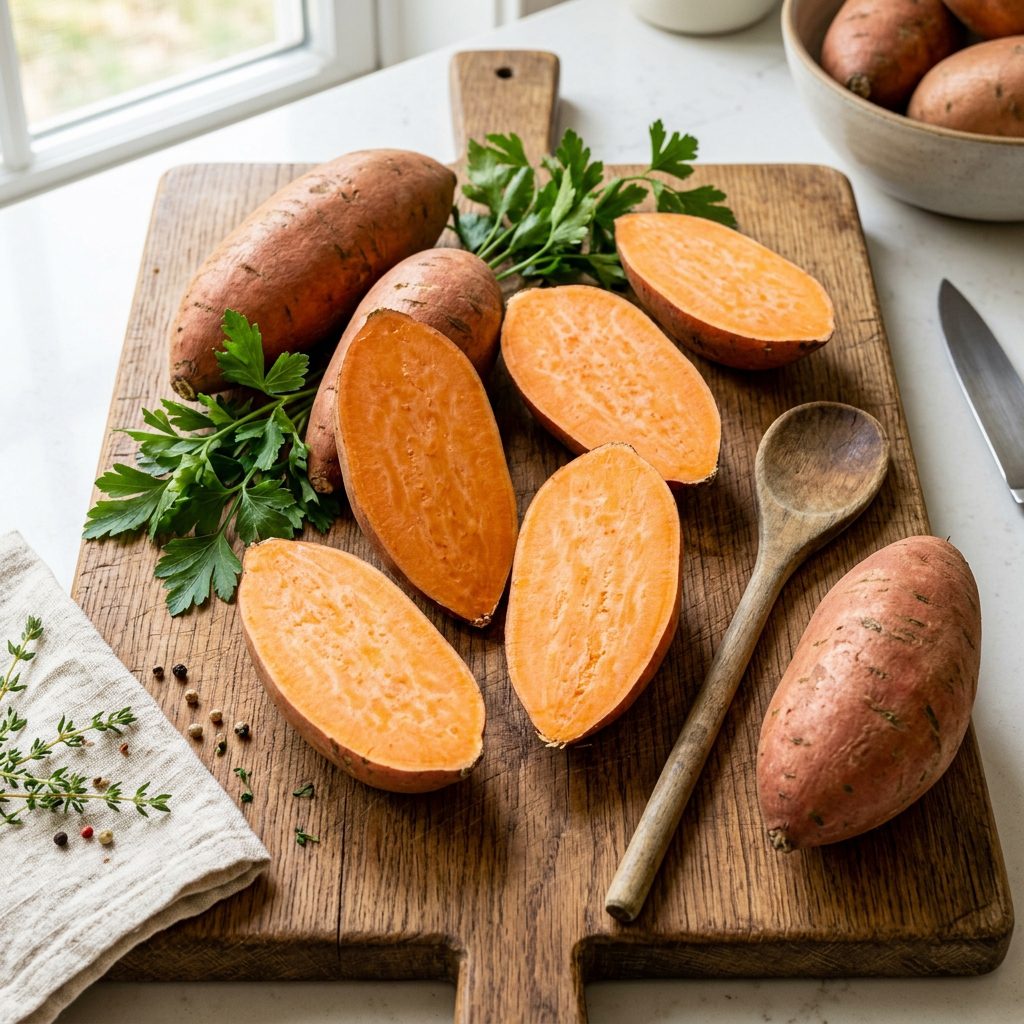
We aren’t just choosing sweet potatoes because they are cheap (though that is a massive bonus). We are choosing them because they are an absolute nutritional powerhouse for our canine companions. When prepared correctly, they are one of the most beneficial complex carbohydrates you can offer your dog.
The Hero Nutrients
- Beta-Carotene: Sweet potatoes are famously rich in beta-carotene, the precursor to Vitamin A. This powerful antioxidant is crucial for maintaining optimal vision, promoting a healthy immune system, and keeping your dog’s skin and coat looking vibrant.
- Dietary Fiber: If your dog occasionally battles with loose stools or irregular bowel movements, sweet potato is your best friend. The high soluble fiber content acts as a natural digestive regulator. It firms up stools and supports a healthy gut microbiome by feeding the beneficial bacteria in your dog’s colon.
- Vitamin C and B6: While dogs naturally synthesize their own Vitamin C, an extra boost from whole foods helps combat oxidative stress, especially in highly active or senior dogs. Vitamin B6 is vital for glucose generation, red blood cell function, and nervous system health.
- Potassium: Essential for maintaining proper muscle function and fluid balance, making these fries an excellent post-hike recovery snack.
The Low Glycemic Advantage
Unlike white potatoes, sweet potatoes have a lower glycemic index, especially when baked rather than boiled. This means they cause a slower, more gradual rise in blood sugar levels, providing a steady release of energy rather than a massive spike and subsequent crash. This steady energy is exactly what we want for our dogs, keeping them satisfied and fueled without contributing to hyperactivity.
The Real Cost Breakdown: DIY vs. Store-Bought
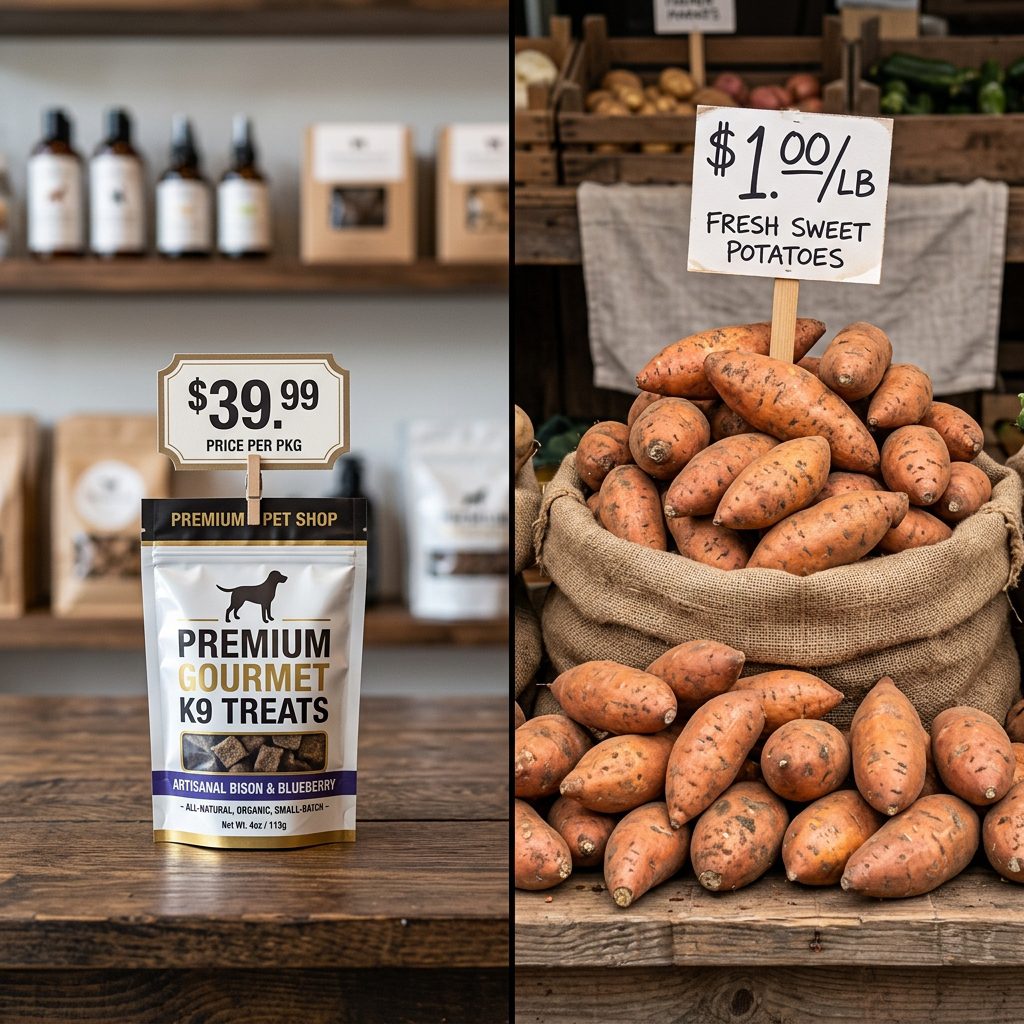
This is where the Canine Nutrition Hacker philosophy really shines. We are going to look at the cold, hard math. The pet industry relies on you not doing these calculations. They want you to pay for the shiny bag and the convenience. But we are smarter than that.
Let’s compare a highly-rated, premium brand of “Single-Ingredient Sweet Potato Chews” found at major pet retailers against our DIY Crispy Sweet Potato Dog Fries.
| Metric | Premium Store-Bought Chews | DIY Sweet Potato Fries |
|---|---|---|
| Primary Ingredient | Sweet Potato | Fresh Sweet Potato |
| Fillers / Preservatives | Often trace glycerin or sorbate | ZERO |
| Average Price Per Pound | $22.00 – $28.00 / lb | $0.99 – $1.50 / lb |
| Cost for 1 Month Supply (Approx) | $45.00 | $4.50 |
| The Hacker’s Verdict | Overpriced convenience | Absolute No-Brainer |
Look at those numbers. You are paying upwards of $25.00 per pound for someone else to slice and dehydrate a vegetable that costs roughly a dollar at your local grocery store. By taking control of the process, you are saving over $40 a month. That is nearly $500 a year—money that could be redirected toward high-quality proteins, joint supplements, or routine veterinary care.
Insider Secret: When you buy store-bought, you are paying by weight. Because commercial treats retain moisture (thanks to the glycerin), you are literally paying $25 a pound for water weight. When you bake them yourself, you are getting pure, nutrient-dense dry matter.
The Hacker’s Recipe: Crispy Sweet Potato Dog Fries
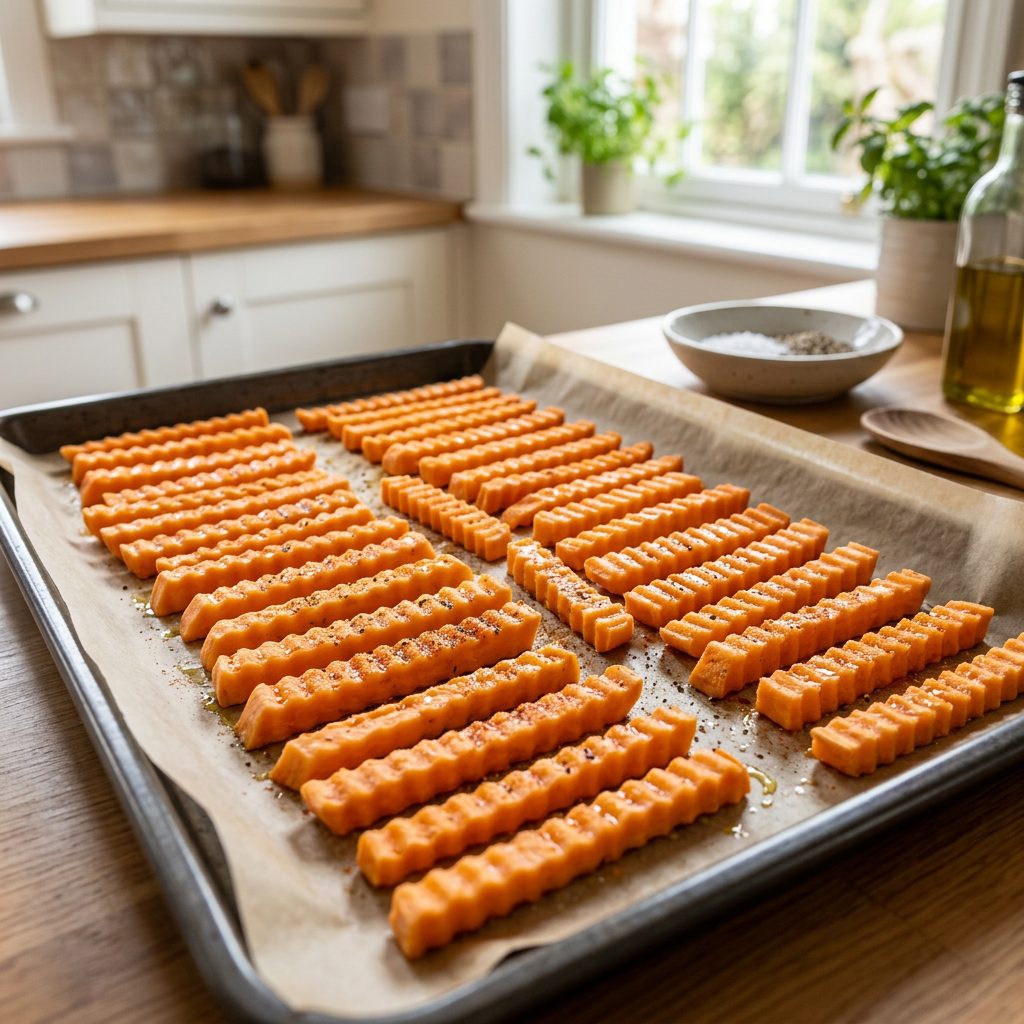
Alright, it is time to put on your Safe Chef hat. This recipe requires exactly one mandatory ingredient, a sharp knife, and an oven. We are going for crispy fries here, not chewy ones. Chewy treats spoil faster because of the retained moisture. Crispy treats snap like a potato chip and last much longer in storage.
The Ingredients & Tools
- 2 to 3 Large Organic Sweet Potatoes: (Organic is preferred to avoid pesticide residue on the skins, but conventional works if you peel them thoroughly).
- Optional Hacker Upgrade: 1 tablespoon of unrefined, cold-pressed coconut oil (great for the coat) and a tiny pinch of Ceylon cinnamon (excellent for regulating blood sugar). Note: NEVER use nutmeg, as it is highly toxic to dogs.
- Tools: A sharp chef’s knife or mandoline slicer, parchment paper, and two large baking sheets.
Step-by-Step Instructions
- The Prep: Preheat your oven to 250°F (120°C). We are baking these low and slow. This isn’t about cooking the potato; it is about dehydrating it. High heat will burn the outside while leaving the inside mushy and prone to mold.
- The Wash: Scrub the sweet potatoes vigorously under cold water. If you bought organic, leave the skin on! The skin contains a massive amount of the fiber and nutrients. If they are conventional, peel them to be safe from pesticides.
- The Slice: This is the most critical step. Slice the sweet potatoes into long “fry” shapes. You want them to be exactly 1/4-inch thick. If they are too thick, they won’t get crispy. If they are too thin, they will turn into ash. Consistency is key here. Hacker Trick: Use a crinkle cutter knife for extra texture that helps clean your dog’s teeth!
- The Toss (Optional): If you are using the hacker upgrades, melt the coconut oil and toss the fries in a large bowl with the oil and a light dusting of Ceylon cinnamon until evenly coated.
- The Bake: Line your baking sheets with parchment paper. Lay the fries out flat. Do not let them overlap. They need airflow to crisp up. Bake for 2.5 to 3 hours, flipping them over at the halfway mark.
- The Cool Down: Turn the oven off, crack the oven door open slightly, and let the fries sit inside as the oven cools down for another hour. This removes the final bit of residual moisture, locking in that ultimate crispiness.
Insider Secrets for the Perfect Crunch & Batch Cooking
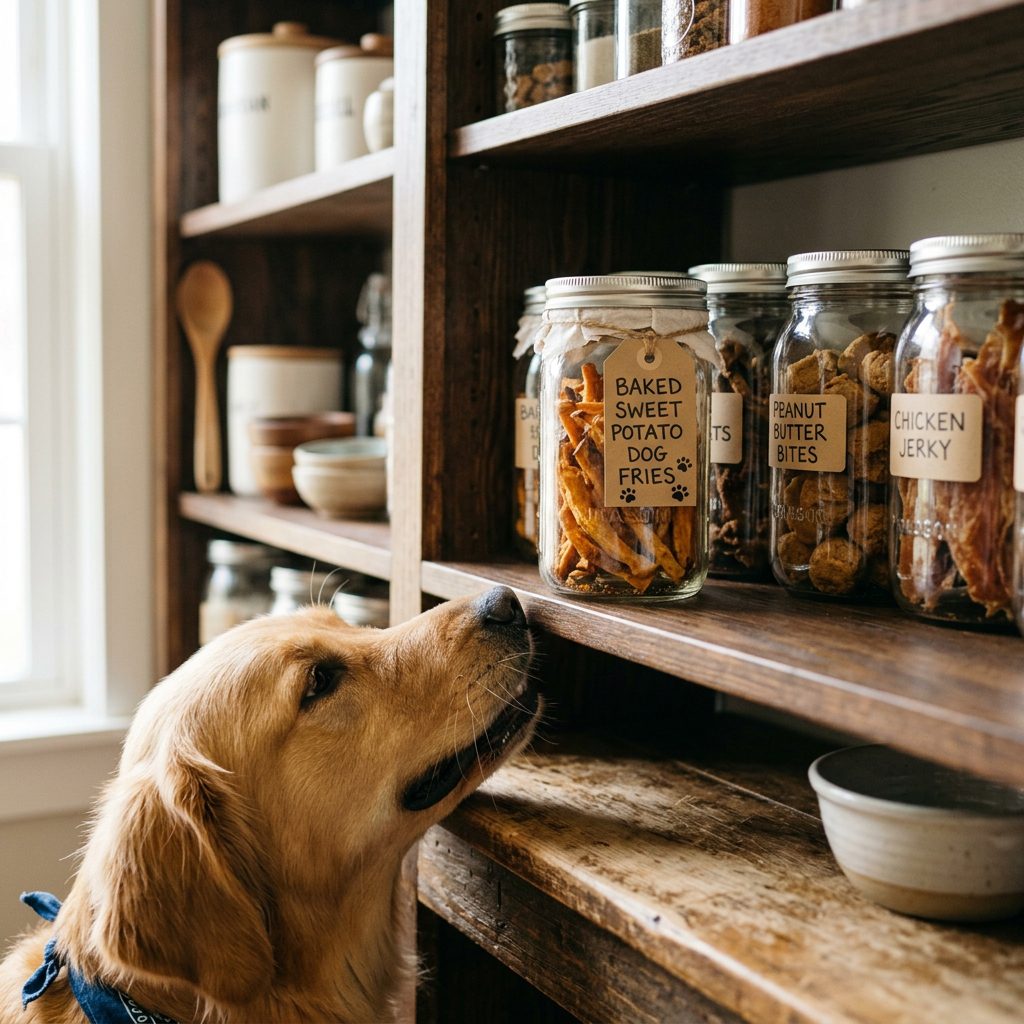
Now that you have created the ultimate safe snack, you need to know how to store them like a pro. Because we didn’t use chemical preservatives like potassium sorbate, moisture is your absolute worst enemy. If your fries have soft, squishy centers, they will mold in a sealed container within a few days.
The Snap Test
Before storing, perform the “Snap Test.” Take one of the cooled sweet potato fries and bend it. It should not bow or flex. It should snap cleanly in half with an audible *crack*. If it bends, they need more time in the oven at a very low temperature (around 200°F) until fully dehydrated.
Batch Cooking & Storage Protocols
- Short-Term Storage (1-2 Weeks): Store the completely cooled, crispy fries in an airtight glass mason jar or a BPA-free container in a cool, dark pantry. Do not put them in the refrigerator; the humidity inside the fridge will make them soggy.
- Long-Term Storage (Up to 6 Months): This is where batch cooking pays off. Spend a Sunday making a massive batch. Take what you need for the week, and put the rest in vacuum-sealed bags or heavy-duty freezer bags. Throw them in the deep freeze. When you need more, let them thaw at room temperature on a paper towel to absorb any condensation.
- The Silica Gel Hack: If you live in a highly humid environment, buy food-safe silica gel desiccant packets (the same kind you find in commercial beef jerky). Toss one packet into your mason jar of sweet potato fries. It will absorb ambient moisture and keep the fries incredibly crispy for weeks. Just make absolutely sure the packet is too large for your dog to accidentally ingest, and keep it at the bottom of the jar!
By mastering these batch-cooking techniques, you ensure that you always have a high-value, incredibly healthy, and unbelievably cheap treat on hand for training sessions, puzzle toys, or just rewarding your dog for being awesome.
Conclusion
There you have it, pack leaders. You have successfully bypassed the overpriced, filler-heavy commercial treat industry and leveled up your dog’s nutrition game. By making these Crispy Sweet Potato Dog Fries, you are providing a snack that supports their digestion, boosts their immune system, and protects your wallet.
Being a savvy dog owner means questioning the status quo. It means reading the labels, doing the math, and realizing that sometimes, the absolute best thing for our dogs is a single, humble ingredient prepared with care. Your dog doesn’t care about fancy packaging or marketing buzzwords; they just want a delicious, crunchy snack from their favorite human.
So fire up that oven, grab your chef’s knife, and start hacking your dog’s diet today. When your pup hears that satisfying *crunch* and starts begging for more, you will know you made the right choice. Stay savvy, keep reading those labels, and here is to your dog’s long, healthy, and vibrant life!