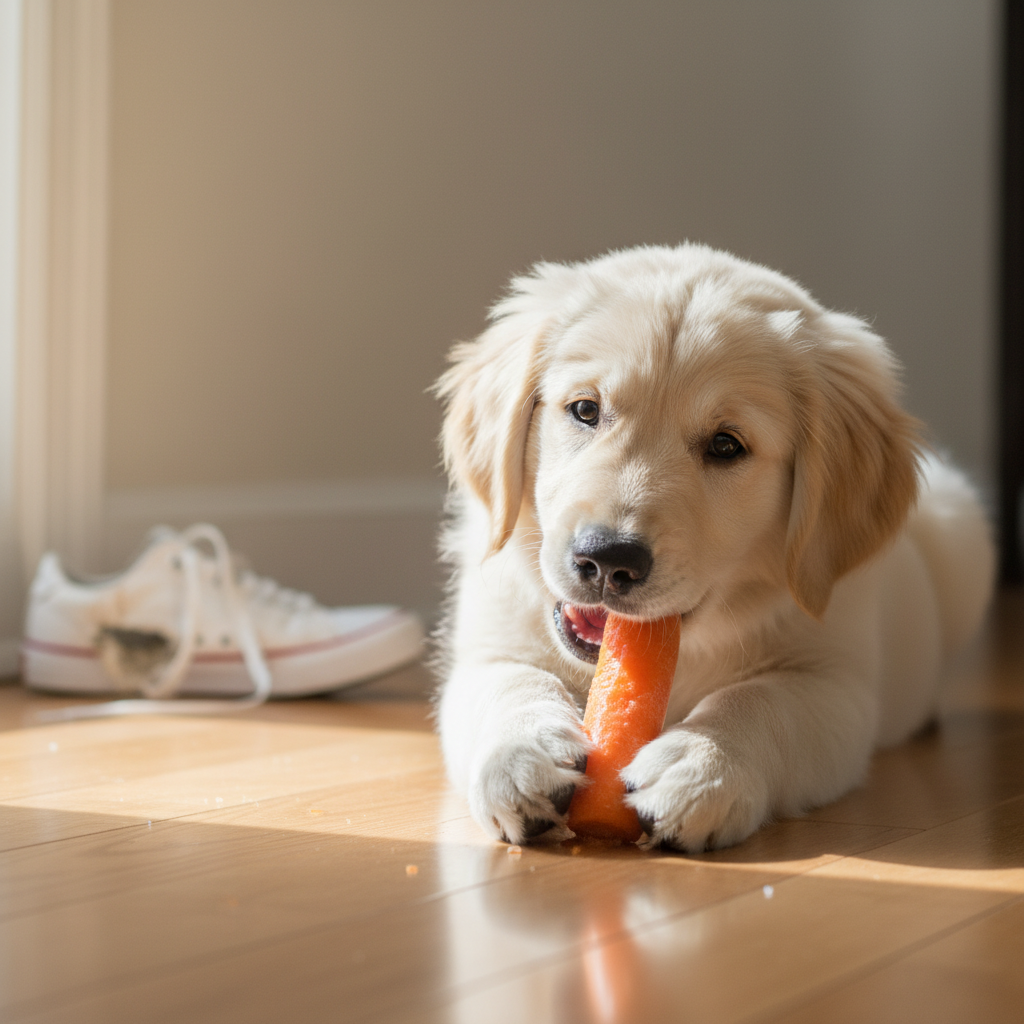
Save Your Shoes! The Frozen Carrot Hack That Soothes Puppy Teething Pain
Welcome to puppy parenthood! It’s a world of fluffy cuddles, wet-nosed kisses, and… tiny, needle-sharp teeth that seem determined to destroy every shoe, table leg, and finger in sight. If you’re currently living with a four-legged chewing machine, take a deep breath. You’re not alone, and this phase won’t last forever. This intense chewing is a tell-tale sign of puppy teething, a completely normal (but often painful) stage of development.
Your pup isn’t being naughty; they’re just trying to relieve the discomfort of new teeth pushing through their gums. While the pet store aisles are filled with countless toys, one of the best, cheapest, and healthiest solutions might already be in your refrigerator. Get ready to meet your new best friend: the frozen carrot hack.
The ‘Piranha’ Phase: Understanding Puppy Teething
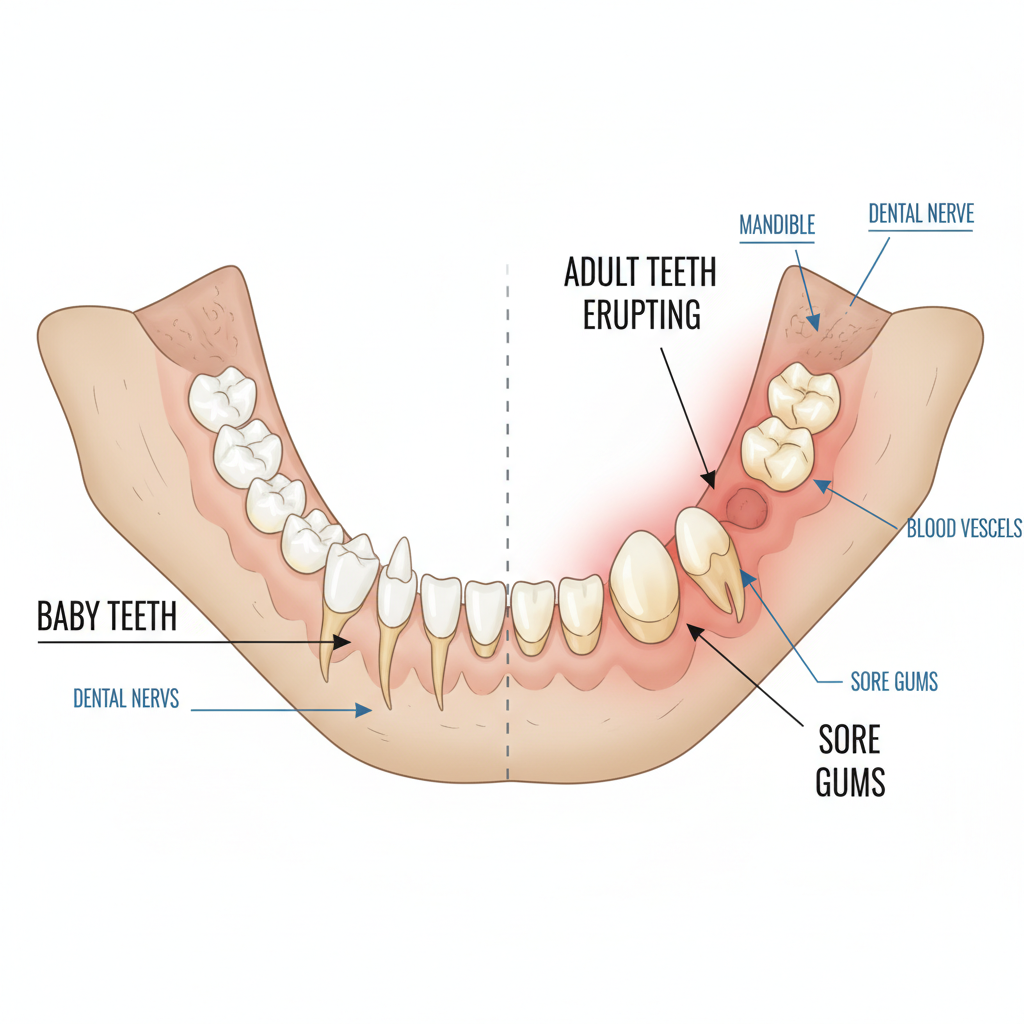
Before we dive into the solution, let’s talk about the problem. Why has your sweet angel turned into a land shark? Just like human babies, puppies go through a teething process. They’re born without teeth, and around 3-4 weeks old, their 28 baby teeth (deciduous teeth) start to come in. But the real chewing frenzy begins around 3-4 months of age when those baby teeth start falling out to make way for their 42 adult teeth.
This process can be uncomfortable, to say the least. Their gums become swollen, itchy, and sore. Chewing provides counter-pressure that helps relieve that pain. They’re not trying to redecorate your living room in a style best described as ‘distressed chic’; they’re simply trying to self-soothe. Understanding this is the first step to managing the behavior with patience and kindness instead of frustration.
Key Teething Timeline:
- 3-6 Weeks: Baby teeth erupt.
- 3-4 Months: Baby teeth begin to fall out; the chewing intensifies.
- 6-7 Months: All 42 adult teeth should be in place. The worst of the teething madness is usually over!
Why a Simple Frozen Carrot is a Teething Puppy’s Best Friend
So, why all the fuss about a frozen vegetable? The magic of the frozen carrot lies in its simplicity and its powerful combination of benefits for a teething pup.
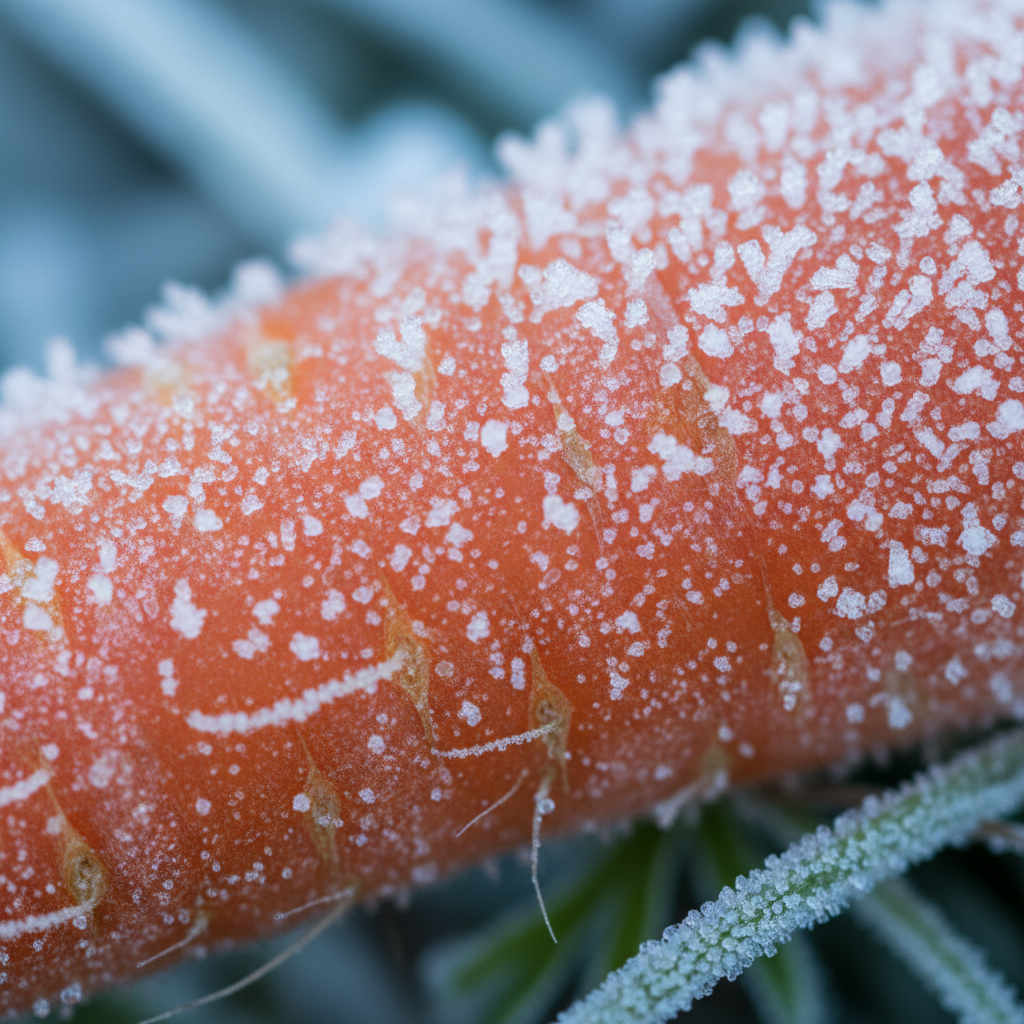
- It’s a Natural Analgesic: The icy cold temperature of the carrot works like a cold pack, helping to numb your puppy’s sore and inflamed gums on contact. This provides immediate, soothing relief from the constant ache.
- The Perfect Texture: A raw carrot is crunchy, but a frozen carrot is firm and tough. This provides the perfect texture for a teething puppy to gnaw on. It’s satisfyingly hard, allowing them to apply the pressure they crave without it breaking apart too easily.
- Healthy and Low-Calorie: Unlike many commercial dental chews that can be high in calories and mysterious ingredients, carrots are packed with vitamins like Beta-carotene (which converts to Vitamin A) and fiber. They are a healthy, low-calorie snack, so you don’t have to worry about over-treating your growing pup.
- A Safer Alternative: Many popular chews like rawhide can pose choking or digestive blockage risks. A whole, appropriately-sized carrot is a much safer, fully digestible alternative when given under supervision.
Your Step-by-Step Guide to the Frozen Carrot Hack
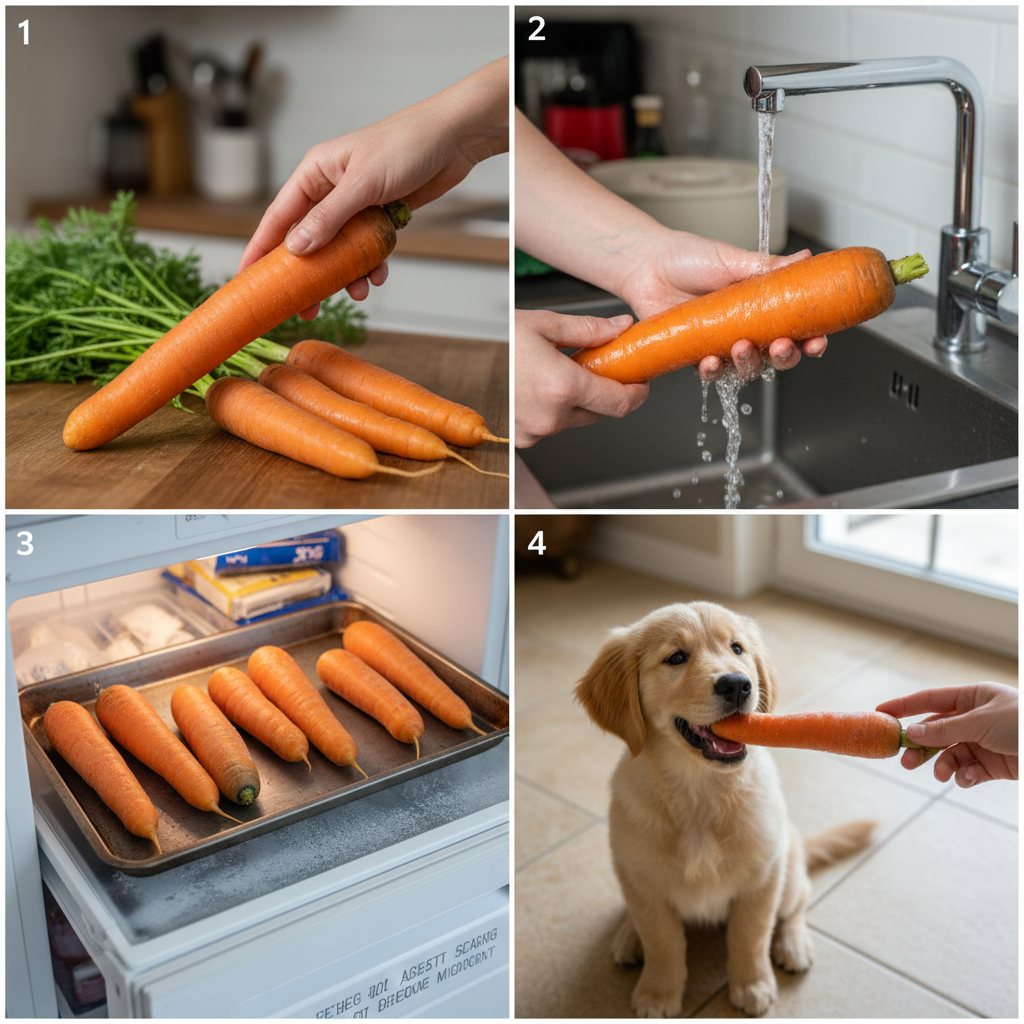
Ready to give this a try? It’s incredibly easy. Here’s how to prepare the perfect teething treat for your furry friend.
Step 1: Choose the Right Carrot
Go to the grocery store and pick out whole, large carrots. You want one that is big enough that your puppy can’t swallow it whole. A good rule of thumb is to choose a carrot that is thicker than the width of your puppy’s mouth.
Step 2: Prep and Wash
Thoroughly wash and scrub the carrot to remove any dirt or pesticides. You can choose to peel it or leave the skin on (it contains extra nutrients!), but make sure it’s clean. Cut off the green leafy top.
Step 3: Freeze!
Pat the carrot dry and place it in the freezer. You can put it on a small tray or just directly on the shelf. Let it freeze for at least a few hours until it’s solid. It’s a great idea to freeze a few at a time so you always have one ready to go when a chewing frenzy strikes.
Step 4: Supervise, Supervise, Supervise
This is the most important step. Give the frozen carrot to your puppy in an area with easy-to-clean floors (like the kitchen). Stay with them the entire time they are chewing on it. Once they’ve chewed it down to a size that could potentially be swallowed, take it away to prevent choking.
Expert Tip: This is a treat, not a meal replacement or a leave-alone toy. Always supervise your puppy with any chew, edible or not.
Safety First: Smart Tips and What to Watch For

While the frozen carrot hack is fantastic, smart pet ownership is all about being prepared. Here are a few things to keep in mind to ensure this treat remains safe and fun for your pup.
Carrots contain natural sugars, so they should be given in moderation—one a day is plenty for most puppies. Also, like any new food, they can potentially cause a bit of digestive upset if your puppy has a sensitive stomach. Introduce it slowly and watch for any signs of tummy trouble like loose stools. The biggest risk, as with any chew, is choking. This is why supervision and choosing the right size carrot are non-negotiable.
Do’s and Don’ts of the Frozen Carrot Hack
| Do’s | Don’ts |
|---|---|
| DO choose a carrot larger than your puppy’s mouth. | DON’T use baby carrots, as they are a major choking hazard. |
| DO supervise your puppy at all times. | DON’T leave your puppy alone with a frozen carrot. |
| DO take the carrot away when it’s chewed down to a small piece. | DON’T give more than one large carrot per day to avoid excess sugar and fiber. |
Conclusion
Navigating the puppy teething phase can feel like a marathon, but with the right tools, you and your pup will get through it. The frozen carrot hack is a brilliant, budget-friendly, and healthy way to provide relief for their sore gums and redirect their chewing instinct onto something appropriate (and away from your favorite pair of loafers!).
Remember to always prioritize safety through supervision, and enjoy these fleeting puppy moments. Before you know it, the teething will be over, and you’ll be left with a happy, healthy best friend with a full set of adult teeth—and hopefully, some intact furniture!