Ditch the Chicken: Lean Bison Meatballs for Dogs With Allergies
Watching your furry best friend suffer from relentless itching, skin irritation, or digestive issues is heartbreaking. As a loving pet parent, you’d do anything to bring them relief. While you might suspect environmental factors, one of the most common culprits is hiding in plain sight: their food bowl. Chicken is a primary ingredient in countless dog foods, but it’s also one of the leading causes of food allergies in canines.
But don’t worry, there’s a world of delicious and nutritious alternatives out there! Today, we’re going to talk about a game-changing protein that’s perfect for sensitive pups: bison. Get ready to ditch the chicken and learn how to whip up a batch of lean bison meatballs that are not only hypoallergenic but also packed with goodness your dog will go crazy for.
Why Bison is a Superfood for Sensitive Pups
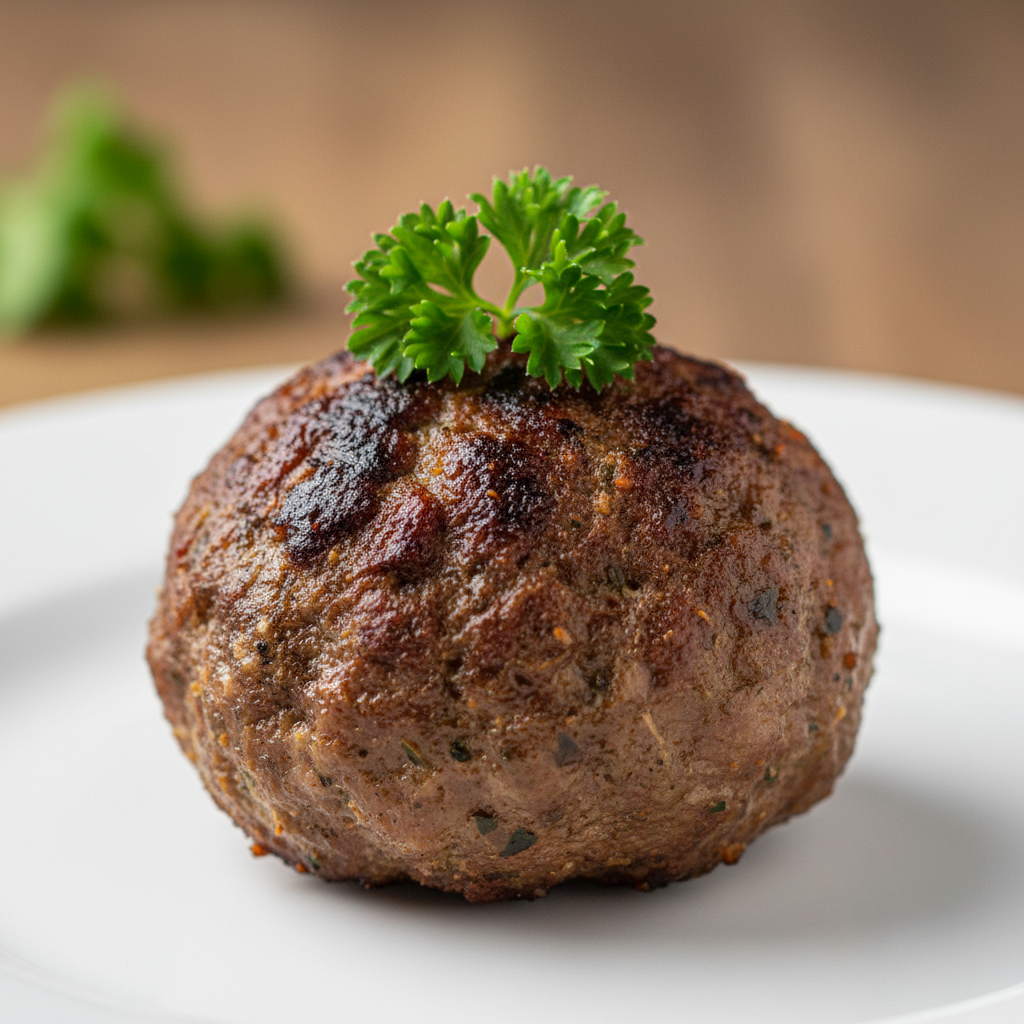
You might think of bison as a wild, rugged animal of the plains, but it’s also a powerhouse of nutrition for our dogs. For pups with allergies, bison is often considered a novel protein. This simply means it’s a protein source your dog has likely never been exposed to, making it far less likely to trigger an allergic reaction compared to common proteins like chicken or beef.
Nutritional Breakdown:
- Leaner than Beef: Bison is naturally leaner, containing less fat and fewer calories than beef, which is great for maintaining a healthy weight.
- Rich in Protein: It provides the essential amino acids your dog needs to build strong muscles and maintain healthy body functions.
- Packed with Omega-3s: Bison is a fantastic source of omega-3 fatty acids, which are famous for their anti-inflammatory properties. This can help soothe itchy skin and promote a glossy, healthy coat.
- High in Iron & B Vitamins: It’s loaded with iron for energy and B vitamins like B12 and niacin, which support a healthy nervous system and metabolism.
By switching to a novel protein like bison, you give your dog’s immune system a much-needed break from the allergen that’s been causing all that trouble.
The Problem with Poultry: Unpacking Chicken Allergies

So, why is chicken such a problem for so many dogs? It’s not that chicken is inherently ‘bad’—it’s a good source of protein. The issue is its prevalence. Because it’s been used so extensively in dog food for decades, many dogs have developed sensitivities or full-blown allergies to it through overexposure.
An allergic reaction happens when your dog’s immune system mistakenly identifies a protein (like chicken) as a harmful invader and launches an attack. This immune response is what causes the uncomfortable symptoms we see.
Common Signs of a Chicken Allergy:
- Constant Itching: Especially around the paws, ears, face, and belly.
- Chronic Ear Infections: If you’re constantly cleaning gunky, inflamed ears, an allergy could be the root cause.
- Skin Issues: Look for redness, rashes, hot spots, or hair loss.
- Digestive Upset: This can include gas, loose stools, or vomiting.
- Paw Licking/Chewing: Excessive licking is often a sign of itchy, irritated skin.
If these symptoms sound familiar, a food elimination trial under the guidance of your vet is the best way to pinpoint the cause. But trying a hypoallergenic recipe like our bison meatballs is a fantastic first step towards providing relief.
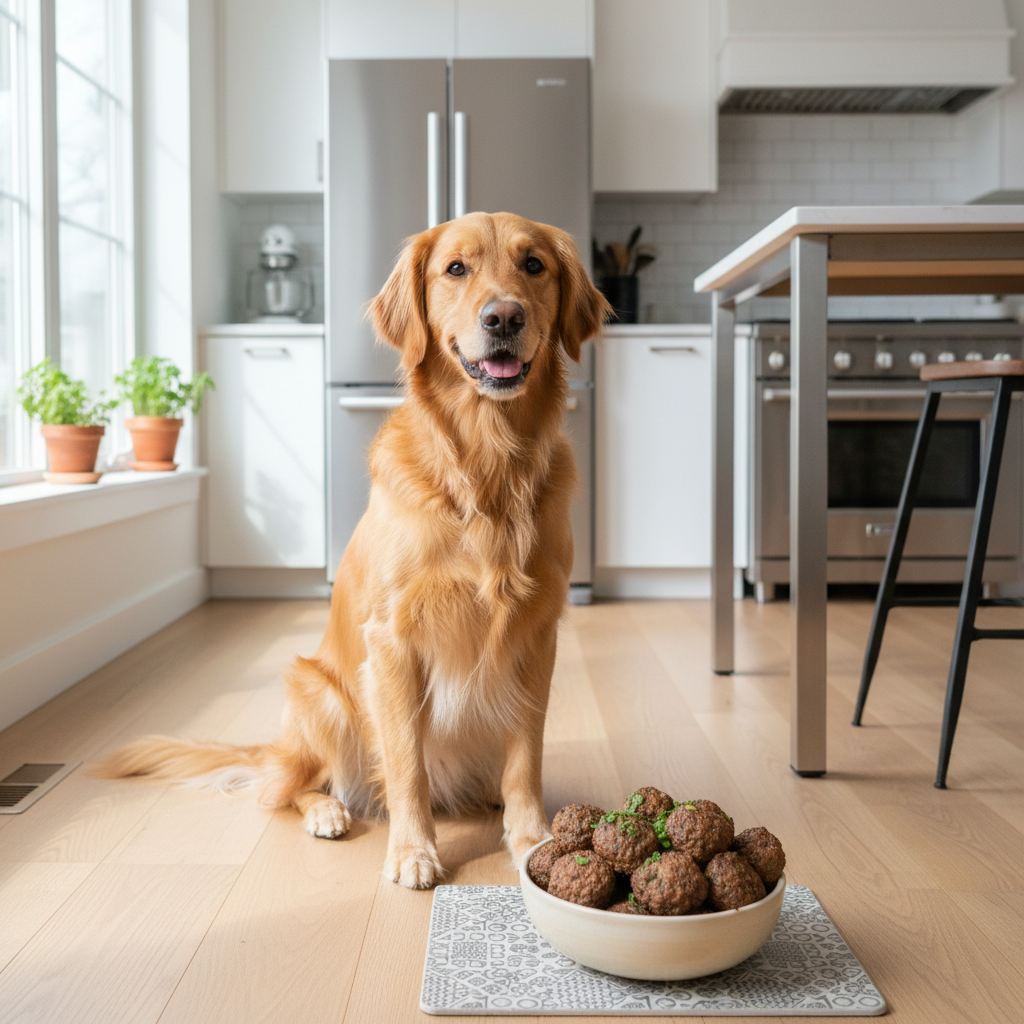
Recipe: Easy-Bake Bison Meatballs Your Dog Will Drool For
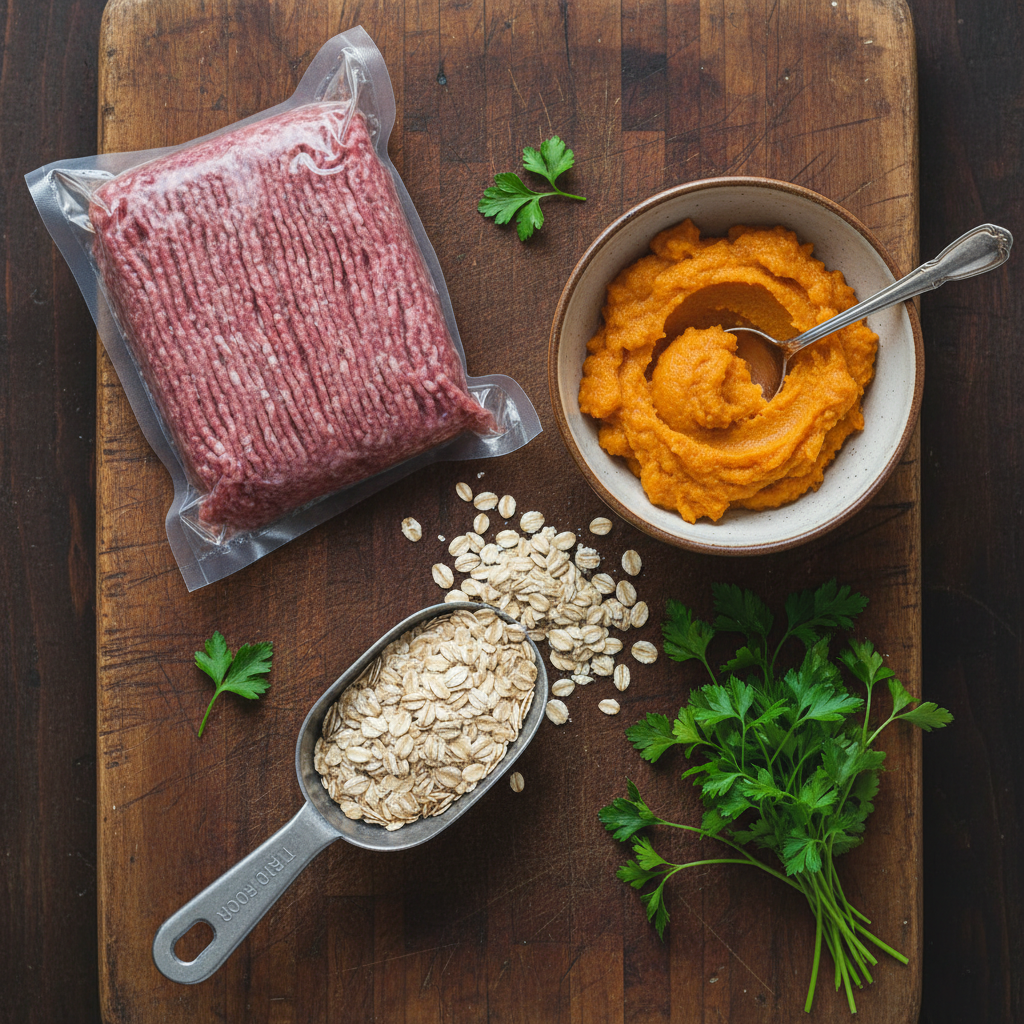
Ready to get cooking? This recipe is simple, uses minimal ingredients to avoid potential triggers, and is packed with flavor your dog will love. Remember to use plain, 100% pure ingredients with no added salt, sugar, or spices.
Ingredients & Tools:
| Ingredient | Amount |
|---|---|
| Ground Bison (90% lean or higher) | 1 lb |
| Plain Pumpkin Purée (NOT pie filling) | 1/2 cup |
| Rolled Oats or Oat Flour | 1/2 cup |
| Fresh Parsley, finely chopped | 2 tablespoons |
You’ll also need a large mixing bowl, a baking sheet, and parchment paper.
Step-by-Step Instructions:
- Preheat Your Oven: Set your oven to 375°F (190°C) and line a baking sheet with parchment paper for easy cleanup.
- Combine Ingredients: In a large bowl, add the ground bison, pumpkin purée, oats, and chopped parsley.
- Mix It Up: Gently mix all the ingredients together with your hands until they are just combined. Be careful not to overmix, as this can make the meatballs tough.
- Roll ‘Em Up: Roll the mixture into small, bite-sized meatballs, about 1-inch in diameter. The size can be adjusted depending on your dog’s size.
- Bake to Perfection: Place the meatballs on the prepared baking sheet, ensuring they aren’t touching. Bake for 15-20 minutes, or until cooked through and lightly browned.
- Cool Completely: This is the most important step! Let the meatballs cool down completely before offering one to your eager pup.
Serving and Storage: The Smart Way to Treat Your Pup
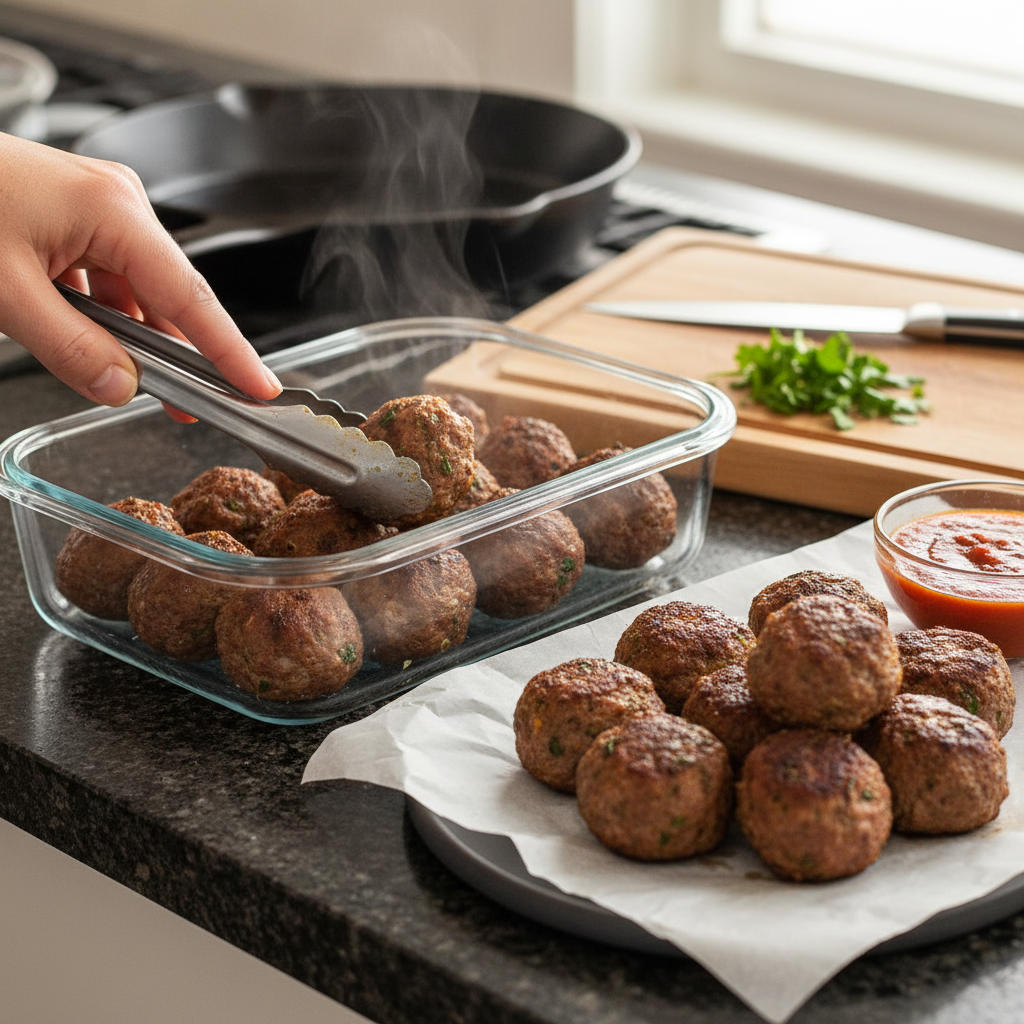
These meatballs are fantastic as a special treat or a food topper to entice picky eaters. They are not intended to be a complete and balanced meal on their own, so they should be given in moderation alongside your dog’s regular, nutritionally complete food.
How to Introduce New Foods:
Any time you introduce a new food, the golden rule is start low and go slow. Give your dog just one meatball and monitor them for the next 24-48 hours for any signs of digestive upset. If all is well, you can gradually incorporate them into their treat routine.
Serving Size Guide (as a treat):
- Small Dogs (under 20 lbs): 1-2 meatballs per day.
- Medium Dogs (20-50 lbs): 2-3 meatballs per day.
- Large Dogs (over 50 lbs): 3-4 meatballs per day.
Storage Tips:
Store the cooled meatballs in an airtight container in the refrigerator for up to 4 days. For longer storage, you can freeze them on the baking sheet before transferring them to a freezer-safe bag. They’ll last for up to 3 months in the freezer!
Conclusion
Switching up your dog’s protein source can make a world of difference for their comfort and overall health. These lean bison meatballs are more than just a tasty treat; they’re a simple, loving way to provide your allergic dog with relief and high-quality nutrition. By understanding the triggers and exploring novel proteins, you can help your best friend live a happier, itch-free life.
Always remember to consult with your veterinarian before making any significant changes to your dog’s diet, especially if you suspect they have allergies. They can provide the best guidance for your pup’s individual needs. Happy cooking!