
Stinky But Healthy: Baked Mackerel Sliders For Mega Coat Shine
Let’s be honest, the words ‘mackerel’ and ‘pleasant aroma’ don’t often appear in the same sentence. But what if I told you that embracing a little bit of fishy fragrance could unlock the secret to your dog’s shiniest, healthiest coat ever? It’s true! These Baked Mackerel Sliders might make you open a window, but they will make your dog’s coat the talk of the dog park. Packed with powerful nutrients, this simple recipe is a game-changer for skin and coat health. So, pinch your nose and let’s get baking – your furry friend will thank you for it!
Why Mackerel is a Superfood for Your Dog’s Coat
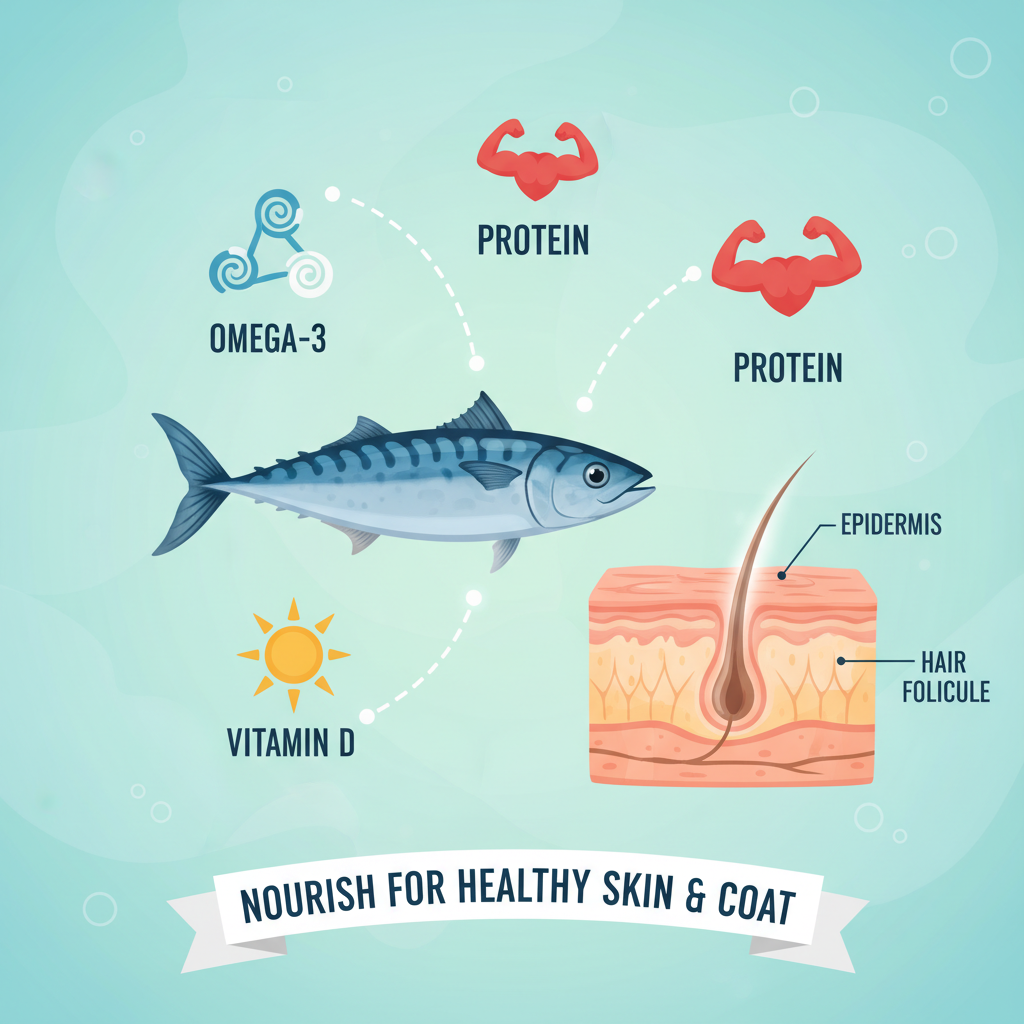
So, what makes this oily little fish such a powerhouse for your pup? It’s all about the incredible nutritional profile. Mackerel isn’t just a tasty treat; it’s a concentrated source of the specific nutrients that target skin and coat health from the inside out.
The Omega-3 Magic
The star of the show is, without a doubt, the high concentration of Omega-3 fatty acids, specifically EPA (eicosapentaenoic acid) and DHA (docosahexaenoic acid). Unlike some plant-based omegas, these are readily available for your dog’s body to use immediately. Here’s what they do:
- Reduce Inflammation: Omega-3s are natural anti-inflammatories. This helps calm itchy, irritated skin, reducing dandruff and scratching, which are often the culprits behind a dull, damaged coat.
- Strengthen Skin Barrier: A healthy skin barrier locks in moisture and protects against environmental allergens. EPA and DHA help fortify this barrier, leading to hydrated skin and, consequently, stronger, shinier hair follicles.
- Promote Gloss and Sheen: These fatty acids nourish the hair follicles directly, promoting the growth of a coat that isn’t just healthy, but has a visible, lustrous shine.
More Than Just Omegas
While Omega-3s get the spotlight, mackerel brings other fantastic nutrients to the table:
- High-Quality Protein: A dog’s coat is made up of about 95% protein. The easily digestible protein in mackerel provides the essential building blocks for strong, resilient hair.
- Vitamin D: This vitamin plays a crucial role in skin cell development and repair, contributing to the overall health of your dog’s largest organ – its skin.
- Selenium: An important antioxidant that helps protect skin cells from damage caused by free radicals.
The ‘Stinky But Healthy’ Baked Mackerel Slider Recipe

Alright, it’s time to get to the main event! This recipe is incredibly simple and uses just a few ingredients. Remember to use mackerel that is packed in water with no salt added. Avoid any fish packed in oil or brine.
Ingredients You’ll Need:
- 1 can (approx. 15 oz) of mackerel in water, no salt added
- 1 large egg
- 1/2 cup of whole wheat flour or oat flour (use oat for a grain-free option)
- 1/4 cup of finely chopped parsley (great for doggy breath!)
Step-by-Step Instructions:
- Preheat & Prep: Preheat your oven to 350°F (175°C). Line a baking sheet with parchment paper for easy cleanup.
- Drain the Fish: Open the can of mackerel and drain all the water out. You want the fish meat, not the liquid.
- Mash it Up: In a medium-sized bowl, flake the mackerel apart with a fork. Mash it until it’s a pasty consistency. You can leave a few small chunks for texture.
- Mix Everything Together: Add the egg, flour, and chopped parsley to the bowl with the mashed mackerel. Mix thoroughly until everything is well combined and forms a thick, dough-like mixture.
- Form the Sliders: Scoop out teaspoon-sized portions of the mixture and roll them into small balls. Place them on the prepared baking sheet and gently flatten them with your thumb or the back of a spoon to create small ‘slider’ patties.
- Bake to Perfection: Bake for 15-20 minutes, or until the sliders are firm and lightly golden on the edges.
- Cool Completely: Let the sliders cool completely on the baking sheet before treating your pup. This is the most important step for safety!
Expert Tip: These treats will have a strong fishy smell while baking. It might be a good idea to turn on your kitchen’s exhaust fan or open a window! The smell dissipates quickly once they’ve cooled.
Serving Suggestions: How Much is Too Much?

As amazing as these sliders are, they are a treat, not a meal replacement. They are rich in calories and nutrients, so moderation is key to avoid unbalancing your dog’s diet or causing an upset stomach. A good rule of thumb is that treats should not make up more than 10% of your dog’s daily caloric intake.
Here are some general serving guidelines based on your dog’s size:
| Dog Size | Weight Range | Recommended Serving |
|---|---|---|
| Small | Under 20 lbs | 1/2 to 1 slider per day |
| Medium | 20 – 50 lbs | 1 to 2 sliders per day |
| Large | Over 50 lbs | 2 to 3 sliders per day |
Always introduce any new food slowly. Start with just a small piece of a slider to see how your dog’s system handles it. You can store these treats in an airtight container in the refrigerator for up to 5 days or freeze them for up to 3 months.
Potential Risks and What to Watch For

While mackerel is a fantastic, healthy choice for most dogs, it’s always smart to be aware of potential issues. Your dog’s safety is the top priority!
Fish Bones
Canned mackerel is typically pressure-cooked, which makes the bones very soft and brittle. In most cases, they are safe for dogs to eat as they will crumble easily. However, it’s always a good practice to mash the fish thoroughly and feel for any unusually large or sharp pieces before mixing your dough.
Mercury Levels
A common concern with fish is mercury content. The good news is that mackerel is a smaller, short-lived fish, which means it has significantly lower levels of mercury compared to larger predators like tuna or shark. When fed in moderation as a treat, the risk is extremely low.
Allergies and Sensitivities
Just like people, dogs can have food allergies, and fish is a potential allergen. When you first offer a slider, give only a tiny piece. Watch for signs of an allergic reaction over the next 24-48 hours, which can include:
- Excessive scratching or itchy skin
- Hives or red patches on the skin
- Vomiting or diarrhea
- Swelling of the face, ears, or paws
If you notice any of these signs, stop giving the treats and consult your veterinarian. And as always, it’s a great idea to chat with your vet before adding any new, significant ingredient to your dog’s diet, especially if they have pre-existing health conditions.
Conclusion
There you have it! A simple, powerful, and yes, slightly stinky way to boost your dog’s health and give them a coat that gleams. These Baked Mackerel Sliders are more than just a treat; they’re a dose of pure, coat-enhancing nutrition. By feeding these in moderation, you’re providing your best friend with the Omega-3s they need to look and feel fantastic. So go ahead, brave the fishy smell for a few minutes of baking. The sight of your dog’s radiant, healthy coat will make it all worthwhile.