
Zinc Deficient? Why Your Dog Needs Dehydrated Oysters Now
Have you ever looked at your furry best friend and felt like something was just a little… off? Maybe their coat isn’t as shiny as it used to be, or they’re scratching more than usual. Perhaps their energy levels have dipped, or they’re just not their usual bouncy self. We often chalk these things up to aging or allergies, but sometimes the culprit is a hidden nutritional gap. One of the most common, yet frequently overlooked, deficiencies in dogs is zinc.
Zinc is a powerhouse mineral that plays a vital role in hundreds of bodily functions, from a strong immune system to healthy skin. When your dog doesn’t get enough, it can lead to a cascade of subtle and not-so-subtle health issues. The good news? Nature has provided a tiny, potent, and delicious solution that might just be the missing piece in your dog’s wellness puzzle: dehydrated oysters. Let’s dive into why this oceanic treasure might be exactly what your dog needs right now.
What’s the Big Deal About Zinc, Anyway?
Think of zinc as the trusty multi-tool in your dog’s biological toolkit. It’s an essential trace mineral, meaning their body needs it in small amounts, but its impact is enormous. Unlike some other nutrients, dogs can’t store zinc for long periods, so they need a consistent supply from their diet to keep everything running smoothly.
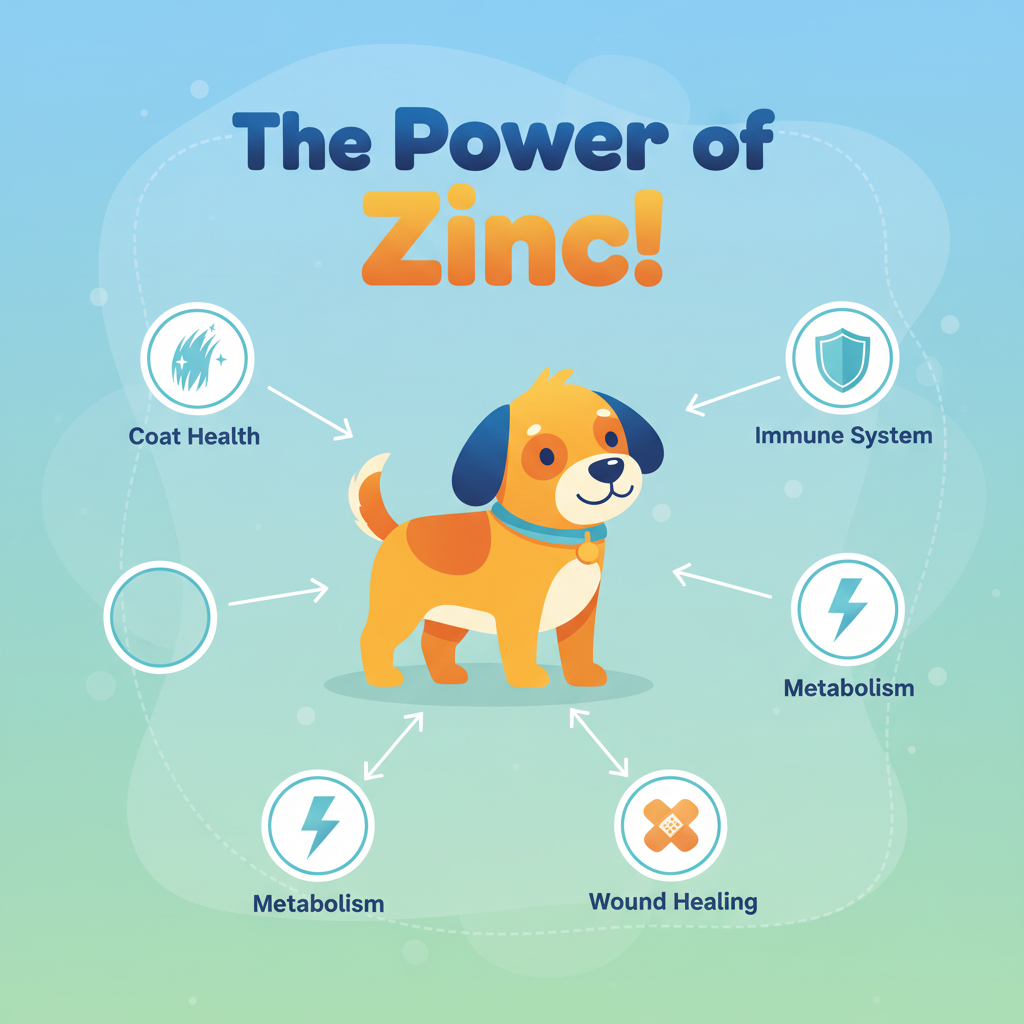
So, what exactly does this mighty mineral do? Here are just a few of its critical jobs:
- Skin & Coat Health: This is where you’ll often see the first signs of a problem. Zinc is crucial for cell division and the production of keratin, the protein that makes up hair and nails. A healthy supply of zinc leads to a lustrous coat, strong nails, and supple skin.
- Immune System Function: Zinc is a cornerstone of a robust immune system. It helps develop and activate T-cells, the white blood cells that are essential for fighting off infections and diseases. A dog low in zinc is more susceptible to getting sick.
- Metabolism & Thyroid Function: Zinc is a key player in metabolizing proteins, fats, and carbohydrates, ensuring your dog gets the energy they need from their food. It also plays a vital role in regulating thyroid hormones, which control the body’s metabolic rate.
- Wound Healing: Got a dog who loves to play rough? Zinc is essential for repairing skin and tissues. It helps cells regenerate and reduces inflammation, allowing cuts and scrapes to heal faster.
Without enough zinc, it’s like asking a construction crew to build a skyscraper with half the necessary nuts and bolts. The foundation will be shaky, and the whole structure becomes vulnerable.
Is Your Dog Secretly Crying Out for More Zinc?

Zinc deficiency can be tricky because its symptoms often mimic other common health problems, like allergies or fungal infections. This is why it often goes undiagnosed. If you notice any of the following signs, especially in combination, it might be time to consider if a lack of zinc is the underlying issue.
Common Red Flags for Zinc Deficiency:
- Dull, Dry Coat: One of the first and most visible signs. The fur may become brittle and sparse.
- Hair Loss (Alopecia): You might notice symmetrical hair loss, particularly around the eyes, mouth, and ears.
- Crusty, Scaly Skin: Sores or lesions that won’t heal, especially on the face, paws, and joints. The skin can become thick, hard, and cracked.
- Thickened Paw Pads (Hyperkeratosis): The pads of your dog’s paws might become hard, crusty, and prone to cracking.
- Chronic Infections: Because the immune system is compromised, your dog may suffer from recurring skin or ear infections.
- Lethargy and Poor Appetite: A general lack of energy and disinterest in food can also be a sign that something is amiss internally.
Certain breeds, like Siberian Huskies and Alaskan Malamutes, have a genetic predisposition to zinc-responsive dermatosis, a condition where they can’t absorb zinc properly. However, any dog can become deficient if their diet isn’t providing enough of this crucial mineral.
Nature’s Tiny Treasure: Oysters to the Rescue!
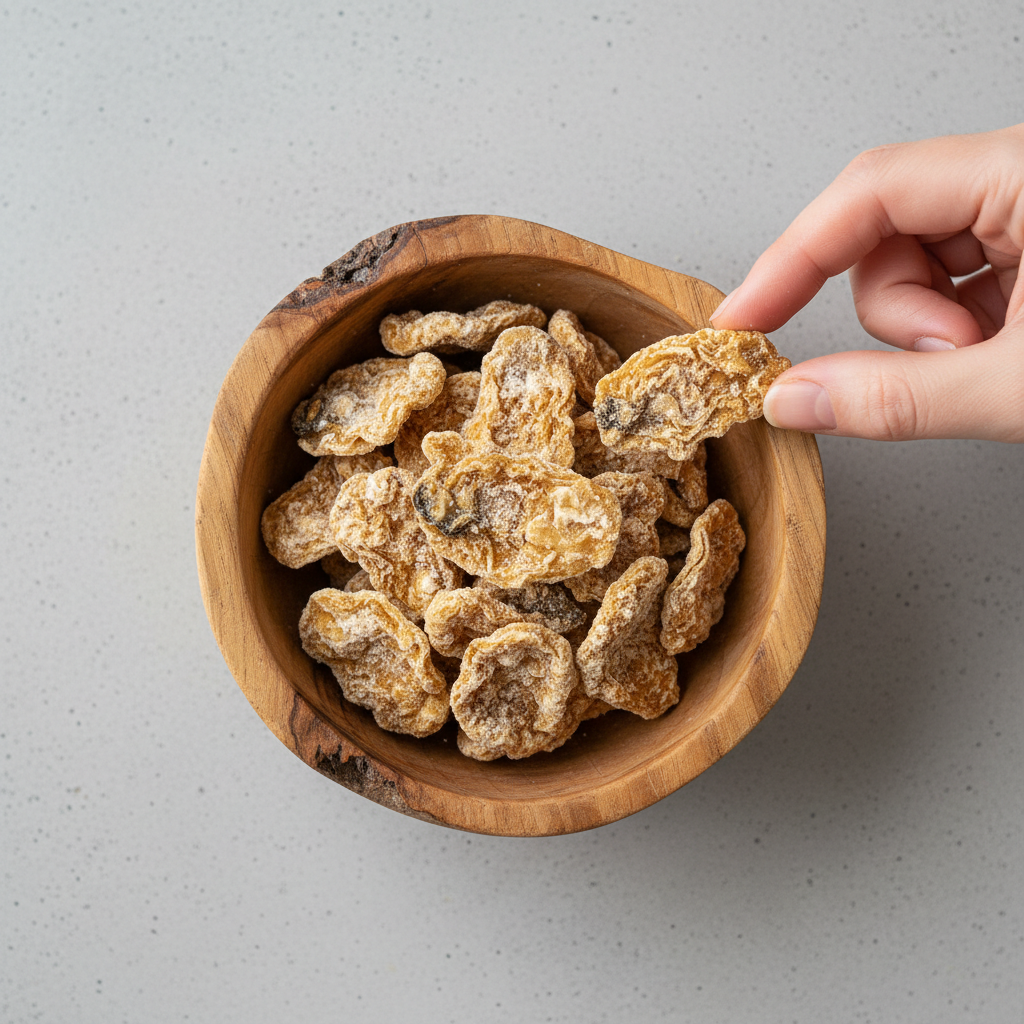
So, you suspect your dog might need a zinc boost. While there are synthetic supplements available, why not turn to one of nature’s most concentrated sources? Enter the humble oyster. Oysters are, ounce for ounce, one of the most zinc-rich foods on the planet.
Why are dehydrated oysters such a fantastic choice for dogs?
- Nutrient Concentration: The dehydration process removes water, which concentrates all the amazing nutrients into a small, potent, and easy-to-serve treat.
- Bioavailability: The zinc found in oysters is highly bioavailable, meaning your dog’s body can absorb and use it more efficiently compared to the zinc oxides or sulfates found in many commercial dog foods and supplements.
- A Full Nutritional Package: Oysters aren’t a one-trick pony! Besides zinc, they are packed with other vital nutrients like:
- Copper: Works in tandem with zinc to support healthy bones and connective tissues.
- Selenium: A powerful antioxidant that supports thyroid and immune health.
- Vitamin B12: Essential for brain function and the formation of red blood cells.
- Omega-3 Fatty Acids: Famous for their anti-inflammatory properties and benefits for skin, coat, and joint health.
Giving your dog dehydrated oysters is like offering them a whole-food multivitamin that targets exactly what they might be missing.
Serving Up Oysters: The Safe and Smart Way
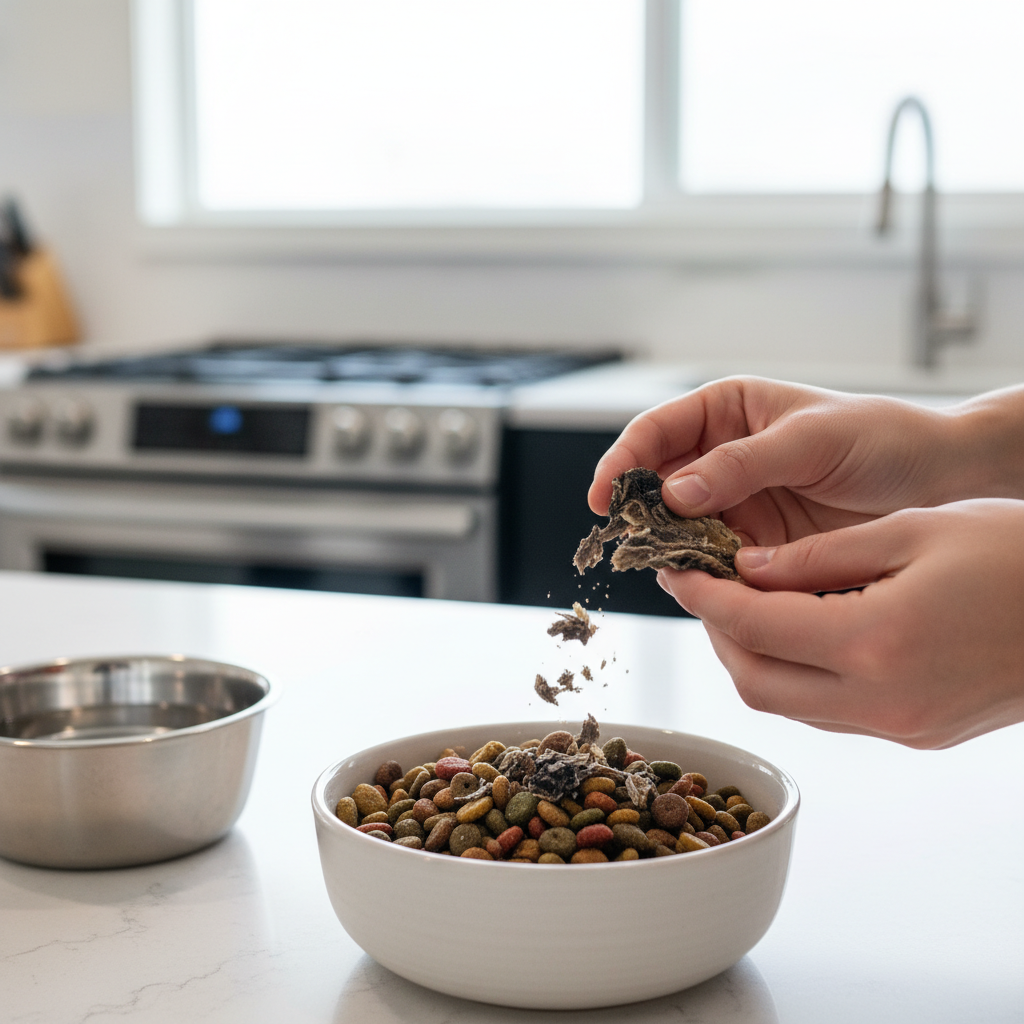
Adding any new food to your dog’s diet should be done thoughtfully. While dehydrated oysters are incredibly beneficial, moderation is key. Over-supplementing zinc can interfere with the absorption of other minerals, like copper.
General Serving Guidelines:
Always start with a smaller amount than recommended to see how your dog tolerates it. You can offer them as a high-value treat or crumble them over their regular food. The exact amount depends on the specific product, but here is a general guide:
- Small Dogs (under 20 lbs): 1/2 to 1 small oyster per day.
- Medium Dogs (20-50 lbs): 1 to 2 oysters per day.
- Large Dogs (over 50 lbs): 2 to 3 oysters per day.
What to Look For: Ensure you are buying high-quality dehydrated oysters specifically made for pets. They should be 100% oyster with no added salt, seasonings, or preservatives. The oysters should be sourced from clean, tested waters to avoid contaminants.
Expert Tip: Before making any significant changes to your dog’s diet or adding supplements, it’s always best to have a conversation with your veterinarian. They can help confirm if a zinc deficiency is likely and recommend the perfect serving size for your individual dog’s needs.
Conclusion
Your dog’s health is a puzzle, and nutrition is one of the biggest pieces. If your dog is showing signs of lackluster skin, a dull coat, or a weakened immune system, a zinc deficiency could be the missing link. Dehydrated oysters offer a powerful, natural, and bioavailable way to bridge that nutritional gap, providing not just a blast of zinc but a host of other beneficial nutrients as well.
By paying attention to the subtle signs your dog gives you and considering a whole-food solution like dehydrated oysters, you can take a proactive step toward ensuring they feel as vibrant and happy on the inside as they look on the outside. After all, they deserve nothing less!