Why Your Dog Attacks The Broom And How To Stop It Instantly
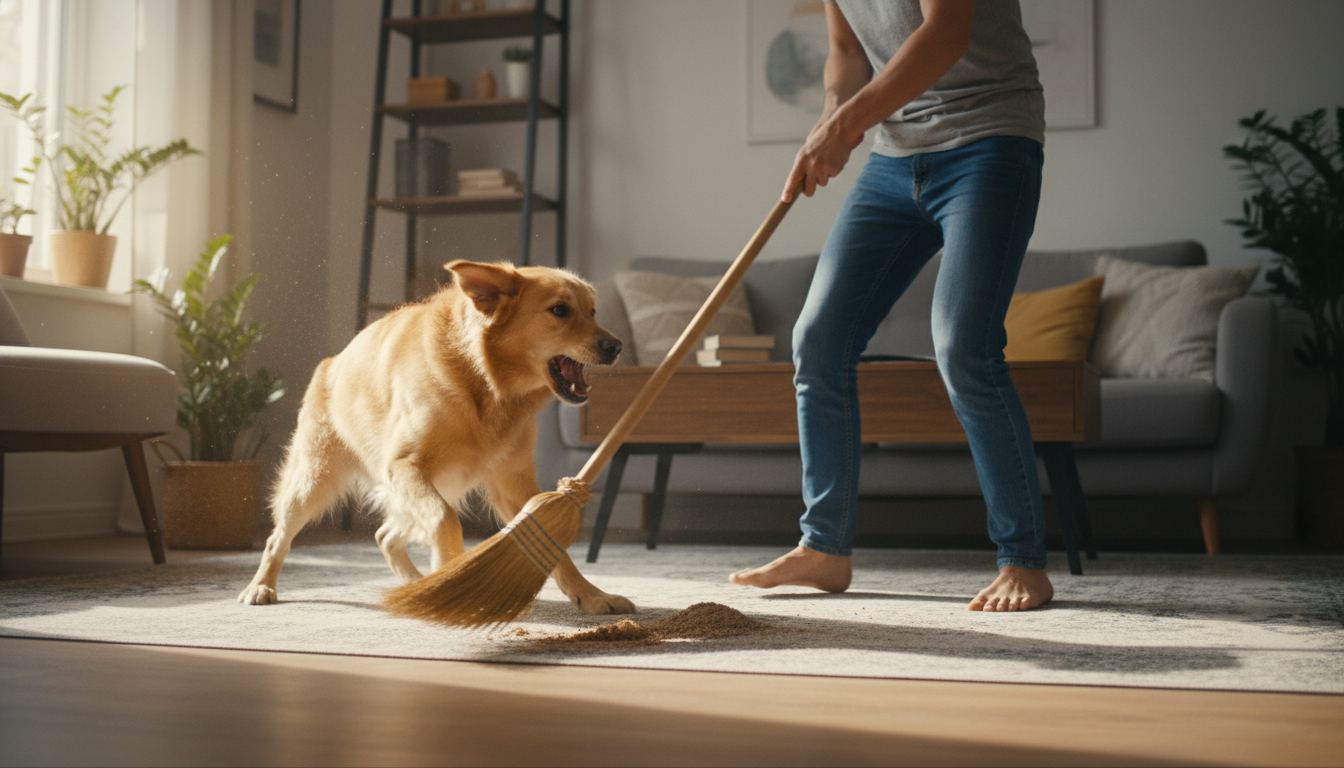
For many dog owners, the simple household chore of sweeping the floor can quickly escalate into a chaotic event. You open the closet, grab the broom, and suddenly your otherwise well-behaved canine companion transforms into a frenzy of barks, growls, and lunges. This scenario is incredibly common, yet it can be frustrating and even dangerous if the dog attempts to bite the bristles or the handle. Understanding why your dog attacks the broom is the first step toward resolving the issue.
While it may seem like aggression, this behavior is often rooted in natural instincts such as prey drive, herding genetics, or fear. The sweeping motion mimics the erratic movement of small prey, triggering a biological response to chase and ‘kill’ the object. In this comprehensive guide, we will dissect the psychology behind this behavior and provide you with a professional, step-by-step training protocol to stop it. By utilizing positive reinforcement and desensitization techniques, you can turn cleaning time back into a peaceful activity.
The Psychology of the Attack: Prey Drive and Herding
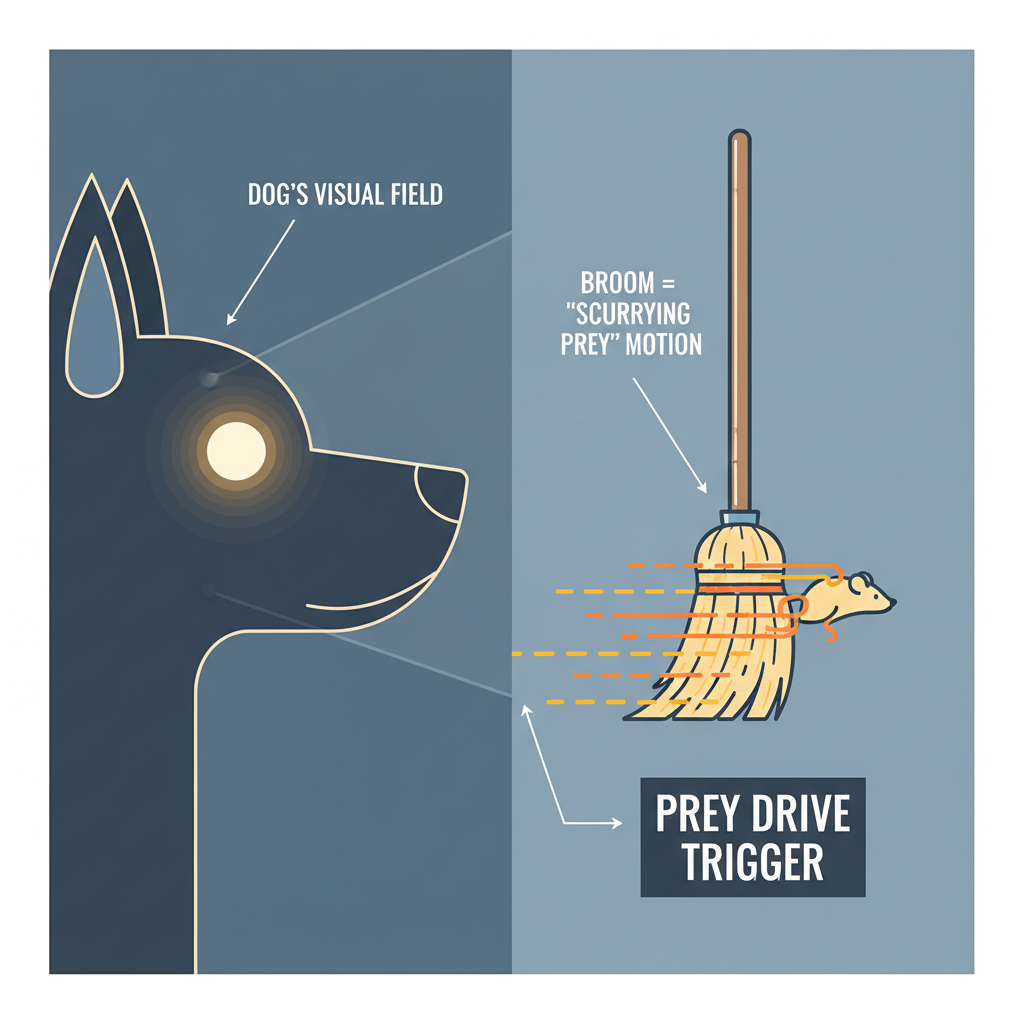
To effectively stop the behavior, we must first understand the motivation. Dogs do not attack brooms out of malice; they react to stimuli. The most common culprit is prey drive. In the wild, predators are triggered by movement. The back-and-forth, erratic motion of a broom sweeping across the floor closely mimics the scurrying of a rodent or small animal. When you sweep quickly, you are inadvertently activating your dog’s predatory sequence: eye-stalk-chase-bite.
Additionally, breed genetics play a significant role. Herding breeds, such as Border Collies, Australian Shepherds, and Corgis, are genetically wired to control movement. To them, the broom is a wayward sheep that needs to be nipped and corralled. Alternatively, for some dogs, the broom represents a threat. The sound of the bristles on the floor and the large object moving toward them can elicit a fear-based defensive reaction. Identifying whether your dog is playing, herding, or fearful is crucial for tailoring your training approach.
Immediate Management: How to Stop It Instantly
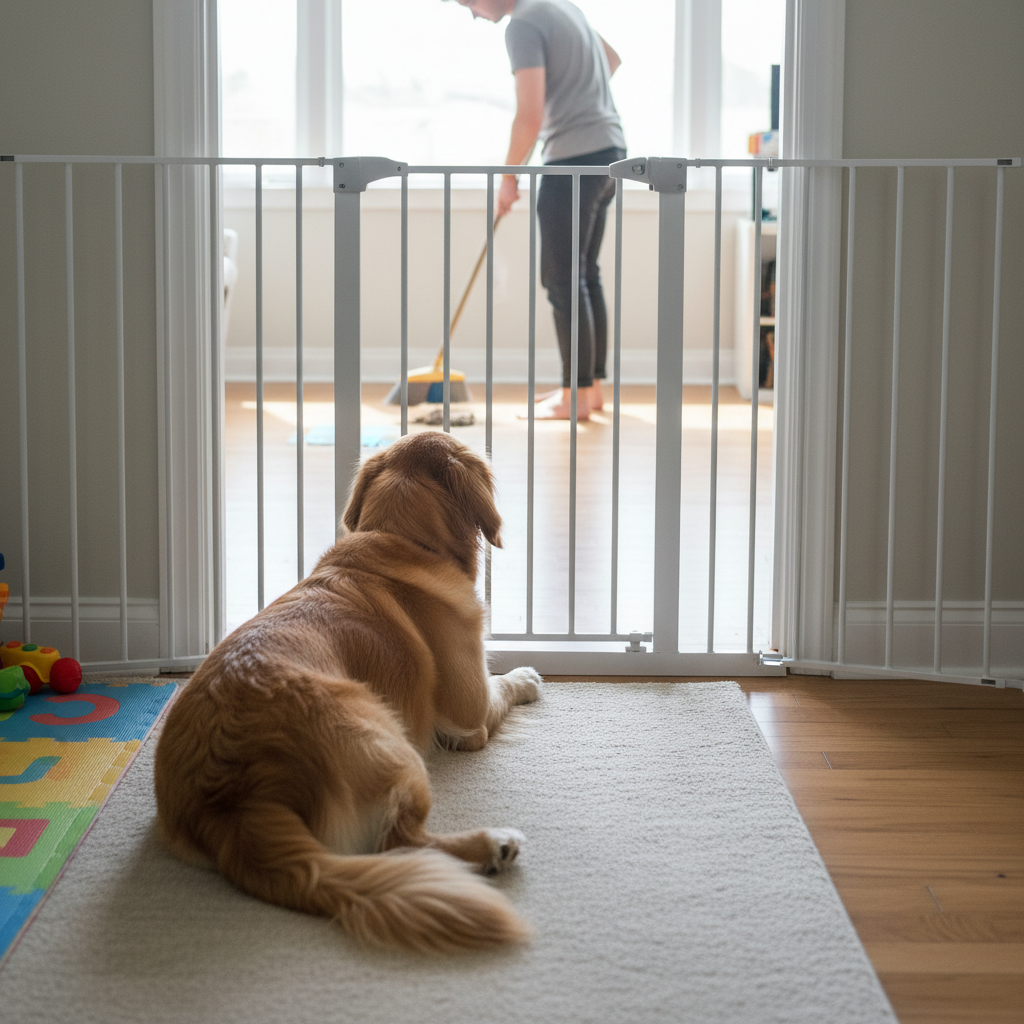
While training takes time, you likely need to clean your floors today. The ‘instant’ solution lies in environmental management. If your dog practices the behavior (attacking the broom), they are self-reinforcing that behavior. Every time they chase the broom, they get a dopamine hit, making the habit harder to break. Therefore, the first rule of training is to prevent the behavior from occurring when you are not actively training.
- Confinement: Before you even touch the broom, place your dog in a crate, a separate room, or behind a baby gate. Give them a high-value chew toy or a stuffed food puzzle to keep them occupied.
- The ‘All Done’ Signal: If you must sweep with the dog present, keep the broom movements slow and deliberate. If the dog engages, stop immediately and remove the broom.
- Remove Access: Store the broom in a closet where the dog cannot access it. Some dogs will attack the broom even when it is stationary if they have developed a fixation.
By removing the opportunity to practice the bad behavior, you stop the cycle of reinforcement immediately.
Tools You Will Need for Training
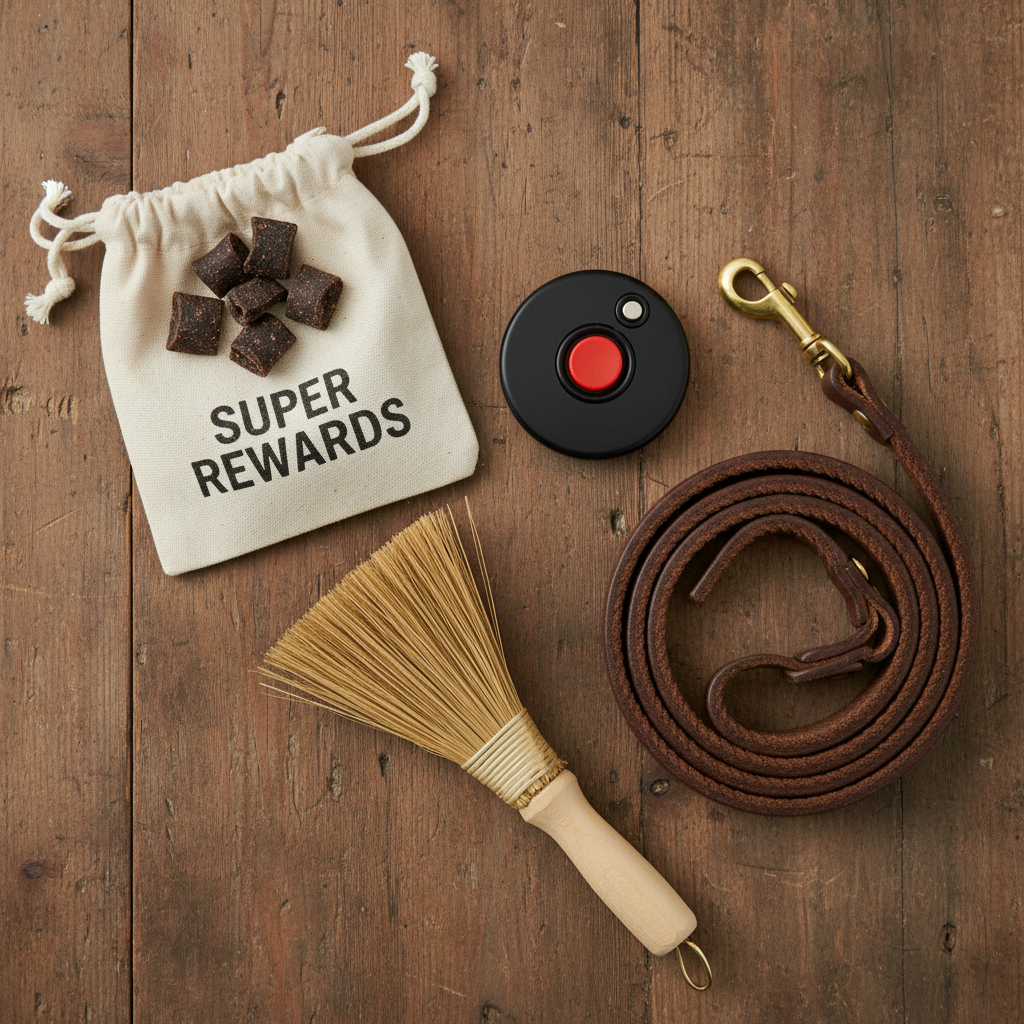
To transition from management to active training, you will need to prepare a few tools. We will be using a method called Counter-Conditioning and Desensitization. This changes the dog’s emotional response to the broom from excitement or fear to calmness and anticipation of a reward.
Essential Training Gear:
- High-Value Treats: Dry kibble will likely not be enough. Use small pieces of boiled chicken, cheese, or freeze-dried liver. The reward must be more interesting than the broom.
- A Clicker or Marker Word: A clicker is excellent for marking the exact moment of good behavior. If you don’t have one, choose a consistent word like ‘Yes!’.
- A Leash: For safety and control, keep your dog on a leash during the initial stages of training to prevent them from making contact with the broom.
- The Broom: Your training tool.
Step-by-Step Desensitization Protocol
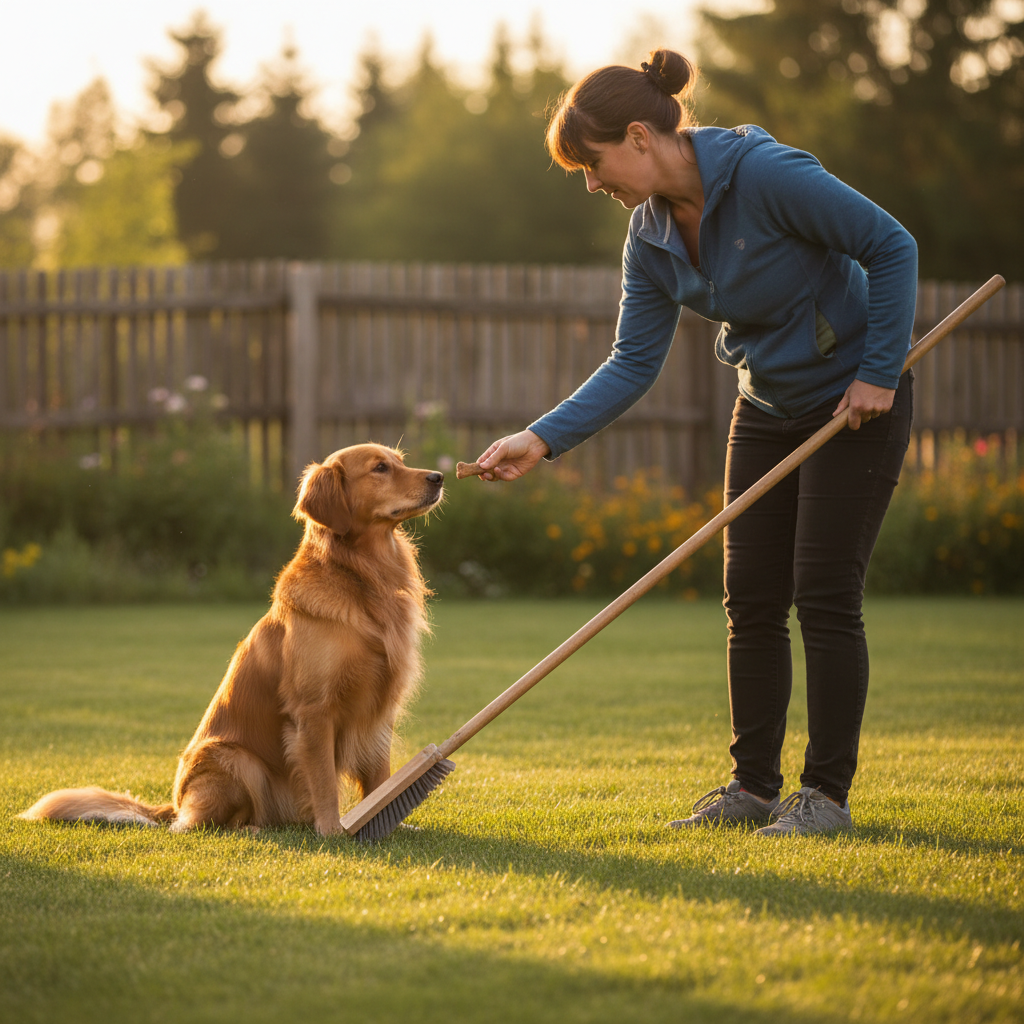
Follow this protocol strictly. Do not rush to the next step until your dog is completely calm at the current step. This process may take several sessions over a few days.
Step 1: The Stationary Broom
Place the broom on the floor without moving it. With your dog on a leash, walk into the room. As soon as your dog looks at the broom and does not react, mark (click/”Yes”) and reward. If they attempt to lunge, you are too close. Increase the distance and try again. The goal is to reward the dog for ignoring the stationary object.
Step 2: Touching the Handle
Once the dog is ignoring the broom on the floor, pick it up. Do not sweep yet. Just hold it. If the dog remains calm, mark and reward heavily. Move the handle slightly in your hand. Mark and reward for calmness. We are teaching the dog that the presence of the broom predicts treats, not a battle.
Step 3: Minimal Movement
Slowly move the broom an inch along the floor. Do not make a sweeping motion yet; just create a small sound or movement. Mark and reward immediately before the dog has a chance to react. If the dog reacts, you moved too fast. Go back to Step 2.
Step 4: Full Sweeping Motion
Gradually increase the intensity of the movement. Sweep once, mark, and reward. Then sweep twice. Eventually, you should be able to sweep normally while your dog looks to you for a treat rather than attacking the bristles.
Teaching the ‘Place’ Command
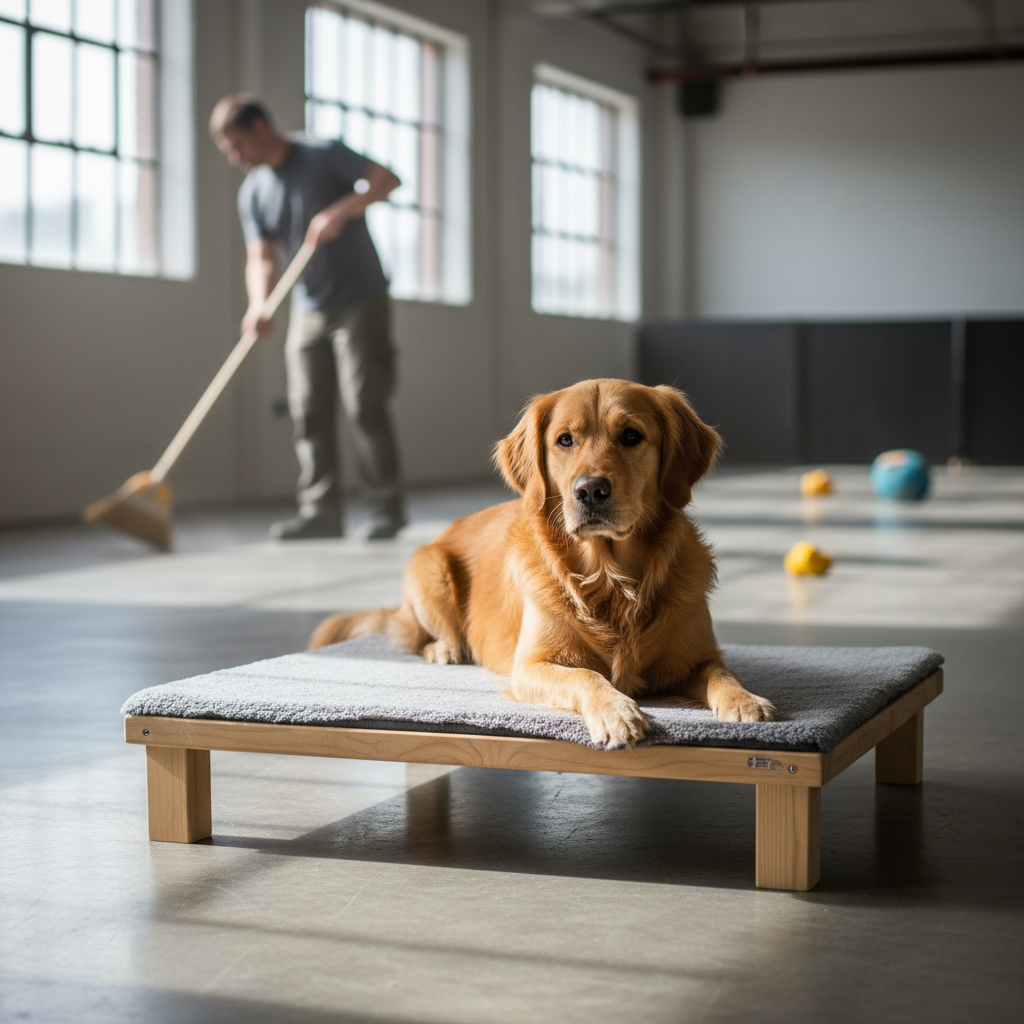
Desensitization teaches the dog how not to feel, but giving them a job teaches them what to do. The ‘Place’ command is invaluable for household chores. This command tells the dog to go to a specific mat or bed and stay there until released.
Start by training ‘Place’ without the broom present. Lure your dog onto their bed, reward them, and build duration. Once the dog understands that staying on the bed earns rewards, introduce the broom. Ask your dog to ‘Place’, then pick up the broom. If they stay on the mat, reward them. This gives the dog an incompatible behavior to perform; they cannot attack the broom if they are holding a ‘Place’ command. This is often the most sustainable long-term solution for high-drive dogs.
Common Mistakes to Avoid

Even with the best intentions, owners often inadvertently make the problem worse. Avoid these common pitfalls to ensure your training is successful.
- Yelling or Scolding: Shouting ‘No!’ or ‘Stop!’ often adds to the chaos. High-energy vocalizations can ramp up the dog’s excitement, making them think you are barking along with them. Keep your energy calm and low.
- Using the Broom as a Toy: Never use the broom to play with your dog. If you sometimes tease them with it and other times scold them for attacking it, you are creating confusion. The broom must always be a neutral object.
- Moving Too Fast: The biggest mistake is rushing the desensitization process. If your dog reacts, you have pushed them past their threshold. Take a step back and make the exercise easier.
Restoring Peace to Your Cleaning Routine
Stopping your dog from attacking the broom requires a mix of immediate management and patient training. By understanding that this behavior is driven by natural instincts like prey drive or fear, you can approach the problem with empathy rather than frustration. Remember to utilize the ‘Place’ command and the desensitization protocol to change your dog’s association with the broom.
Consistency is key. If you are consistent with your criteria and generous with your rewards, your dog will soon learn that a sweeping broom is nothing to get excited about. If you find the behavior is escalating to genuine aggression or you are unable to make progress, do not hesitate to contact a certified professional dog trainer for personalized assistance.