Why Is My Dog Humping The Air? Solutions That Actually Work
Witnessing your dog hump the air can be a confusing, awkward, and sometimes concerning experience for pet owners. While it is often the subject of jokes, air humping—technically referred to as mounting behavior without a partner or object—is a legitimate canine behavior that communicates specific needs or states of mind. Contrary to popular belief, this action is rarely strictly sexual, especially in neutered or spayed dogs. Instead, it often serves as a displacement behavior indicating excitement, stress, or even an underlying medical issue.
As a responsible owner, understanding the root cause is the first step toward a solution. Whether your dog is overstimulated, seeking attention, or suffering from a skin irritation, the approach to stopping the behavior varies significantly. In this guide, we will explore the veterinary and behavioral reasons behind air humping and provide you with actionable, professional solutions to manage and redirect this behavior effectively.
Is It Sexual or Behavioral? Understanding the Root Cause
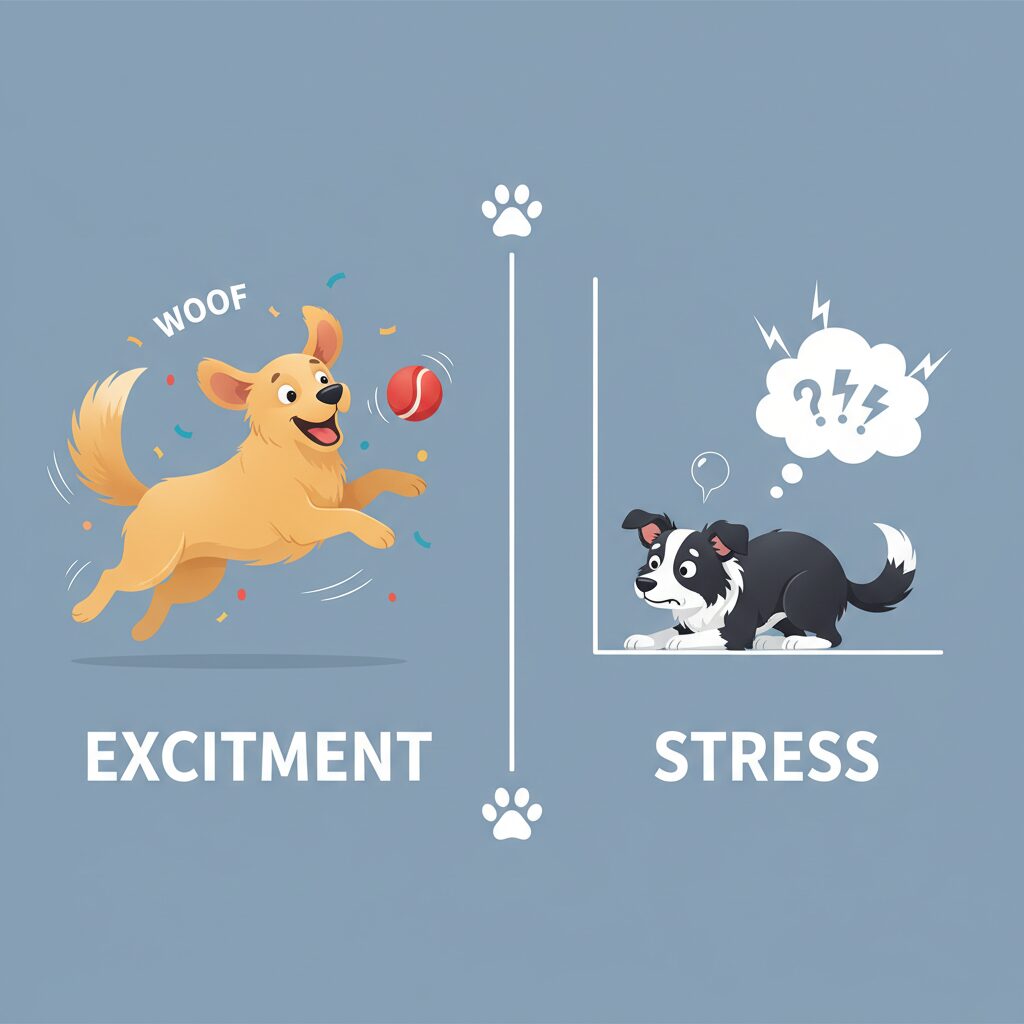
Before attempting to correct the behavior, it is crucial to distinguish between sexual motivation and non-sexual behavioral triggers. In the vast majority of cases, especially with desexed dogs, air humping is non-sexual. It is frequently a displacement behavior—a coping mechanism dogs use when they are conflicted, over-excited, or unsure of how to react to a situation.
- Excitement and Play: High-energy play sessions often lead to overarousal. When a dog does not know how to channel that excess energy, they may resort to humping the air.
- Stress and Anxiety: Just as humans might pace or bite their nails when nervous, dogs may hump the air to relieve tension caused by new guests, loud noises, or separation anxiety.
- Social Status (Rare): While often cited as ‘dominance,’ modern behavioral science suggests this is rarely about rank and more often about controlling a chaotic environment.
Recognizing the context in which the behavior occurs is vital. Does it happen when you come home from work? When strangers visit? Or during intense play? Identifying the antecedent is the key to selecting the right solution.
Medical Red Flags: When to Visit the Vet
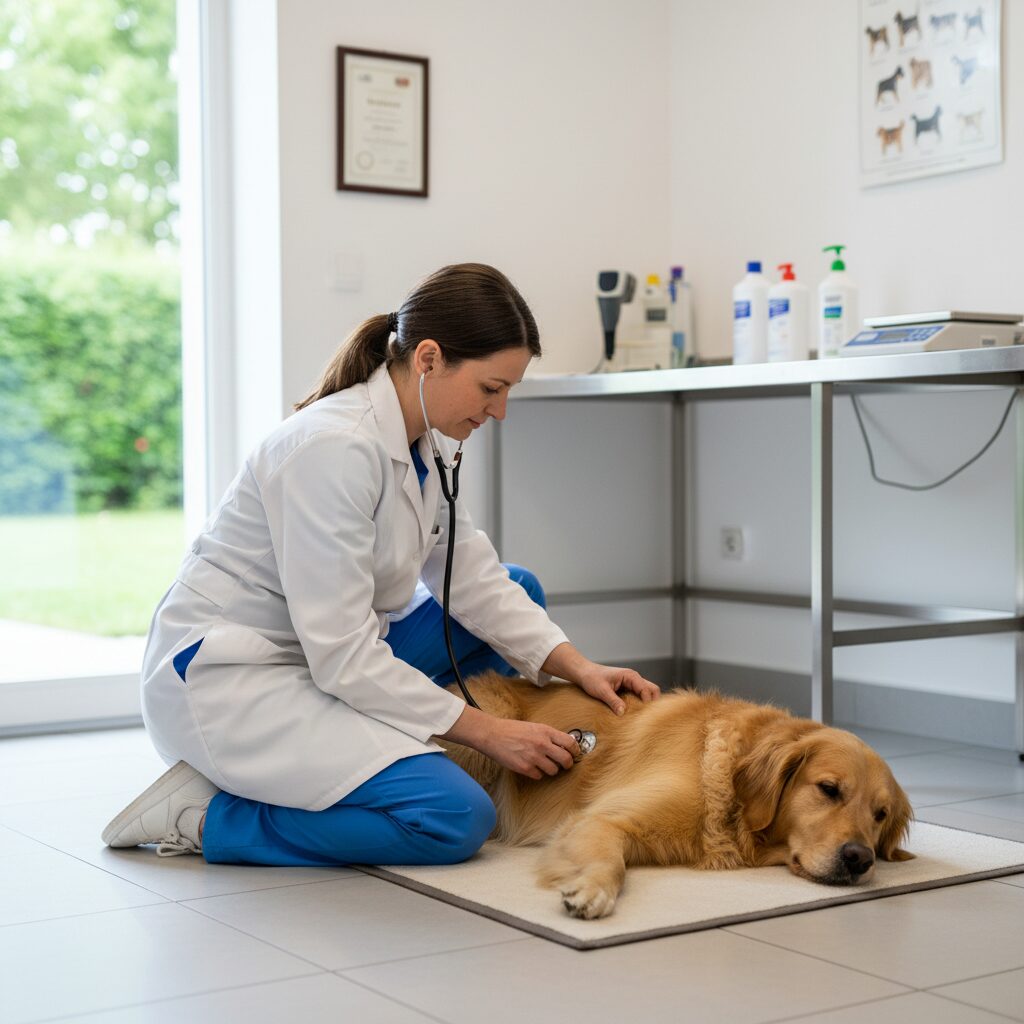
Before implementing training protocols, you must rule out medical causes. Air humping can sometimes be a physical response to pain, irritation, or discomfort in the genital or abdominal area. If a dog suddenly starts humping the air without a history of the behavior, or if the behavior is obsessive, a veterinary checkup is mandatory.
Common Medical Causes
- Urinary Tract Infections (UTIs): Pain or itching associated with a UTI can cause a dog to hump the air in an attempt to soothe the sensation.
- Skin Allergies: Dermatitis or flea bites around the groin area can lead to this behavior as a form of scratching an itch they cannot reach.
- Priapism: In male dogs, a persistent and painful erection can cause distress leading to air humping.
- Neurological Issues: In rare cases, repetitive air humping can be a sign of seizure activity or compulsive disorders.
If you notice other symptoms such as licking the area excessively, whining, lethargy, or changes in appetite, consult your veterinarian immediately to address the physiological root of the problem.
Identifying Triggers: Stress, Boredom, and Overstimulation
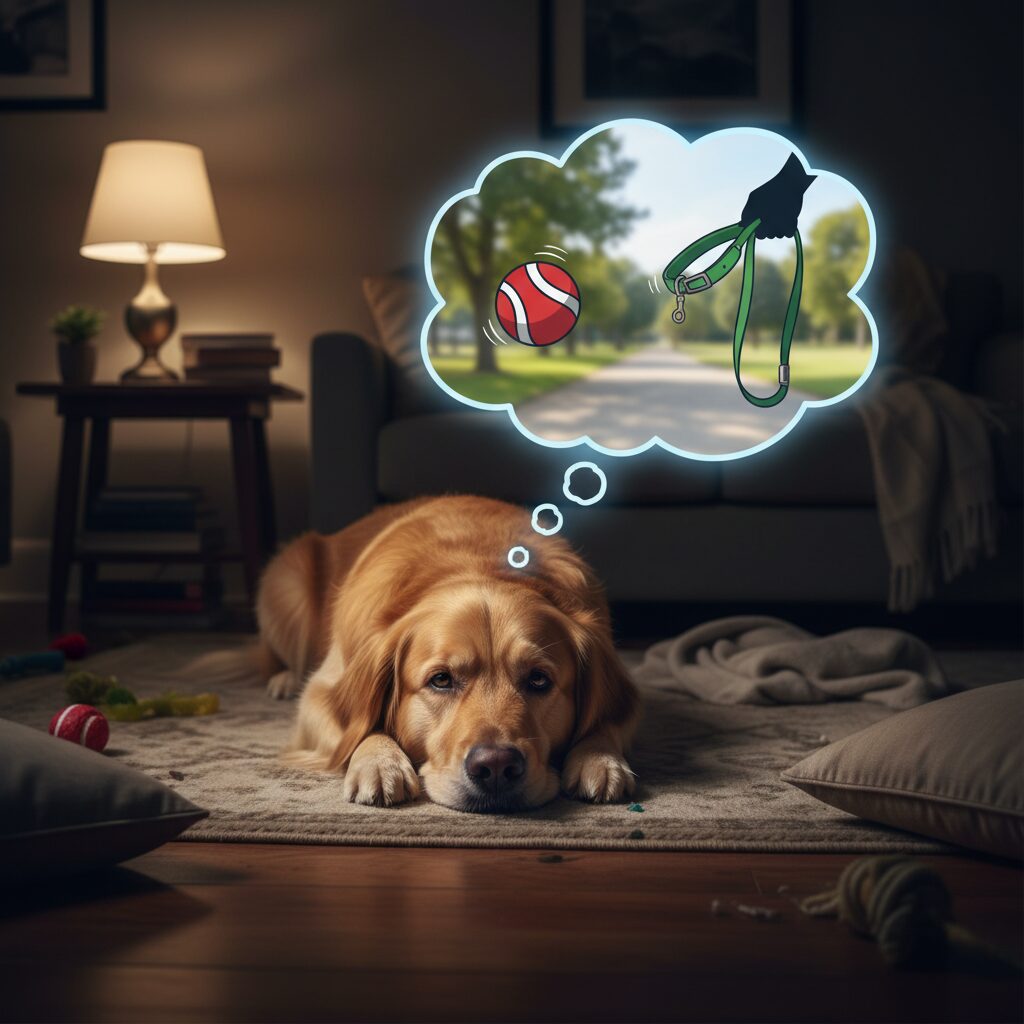
Once medical issues are ruled out, the focus shifts to environmental and emotional triggers. Dogs thrive on routine and mental stimulation; when these needs are unmet, ‘nuisance’ behaviors like air humping often emerge.
Boredom is a leading culprit. A dog that lacks sufficient physical exercise or mental enrichment may hump the air simply because it gives them something to do. Similarly, attention-seeking is a powerful motivator. If you have previously laughed, scolded, or interacted with your dog while they were humping the air, they may have learned that this action yields a reaction from you. Even negative attention (scolding) is better than no attention to a bored dog.
Conversely, overstimulation occurs when a dog is overwhelmed. This is common in puppies or high-drive breeds during play. Their brain becomes flooded with dopamine, and they lose impulse control, resulting in the humping motion.
Step-by-Step Training Techniques to Stop Air Humping
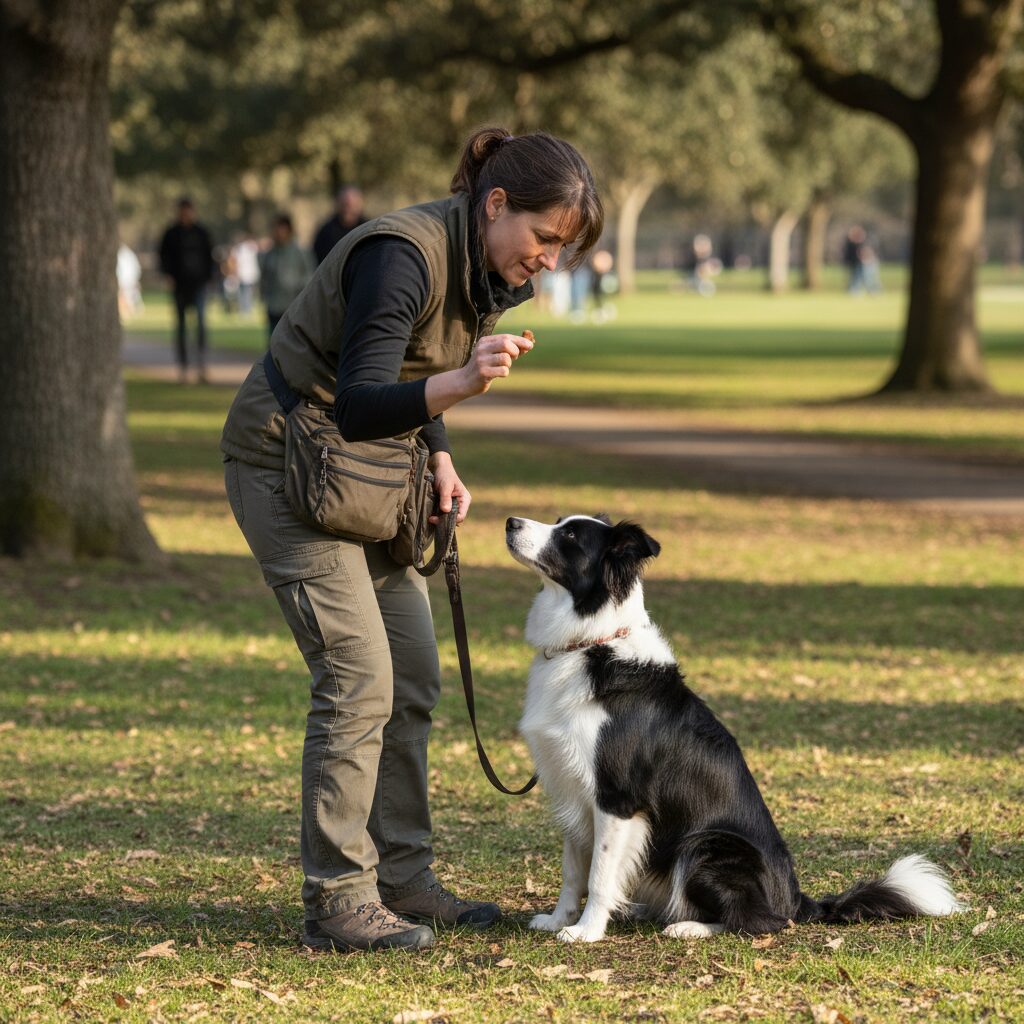
To stop air humping effectively, you must use positive reinforcement and redirection. Punishment is rarely effective and can increase anxiety, potentially worsening the behavior. Follow these professional steps to manage the issue:
1. Catch It Early
Watch for pre-humping signs, such as panting, pacing, or intense focus. Intervening before the behavior starts is far more effective than trying to stop it mid-act.
2. The Redirection Method
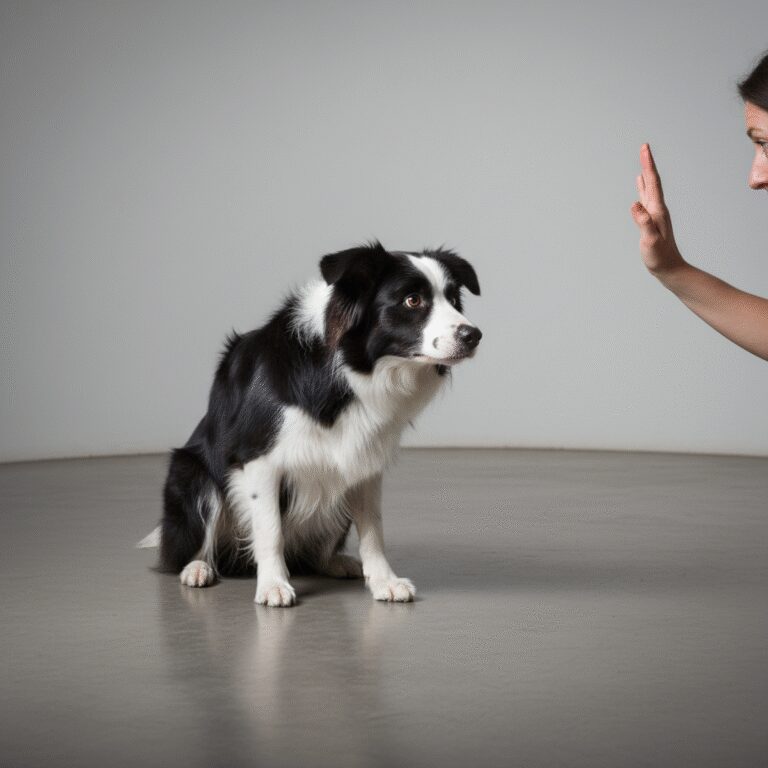
When you see the behavior begin, immediately ask for an incompatible behavior. A command like “Sit,” “Down,” or “Place” makes it physically impossible for the dog to hump the air. Once they comply, reward them heavily with a high-value treat or a toy.
3. The “Time-Out” Strategy
If the behavior is driven by overstimulation during play, a gentle time-out is effective. Calmly remove the dog from the stimulating situation for 1-2 minutes to allow their arousal levels to drop. This teaches them that humping results in the end of fun.
4. Increase Enrichment
Proactively prevent the behavior by burning off excess energy. Incorporate puzzle toys, long decompression walks (sniffari), and obedience training into their daily routine to reduce boredom and anxiety.
Common Mistakes Owners Make (And How to Avoid Them)
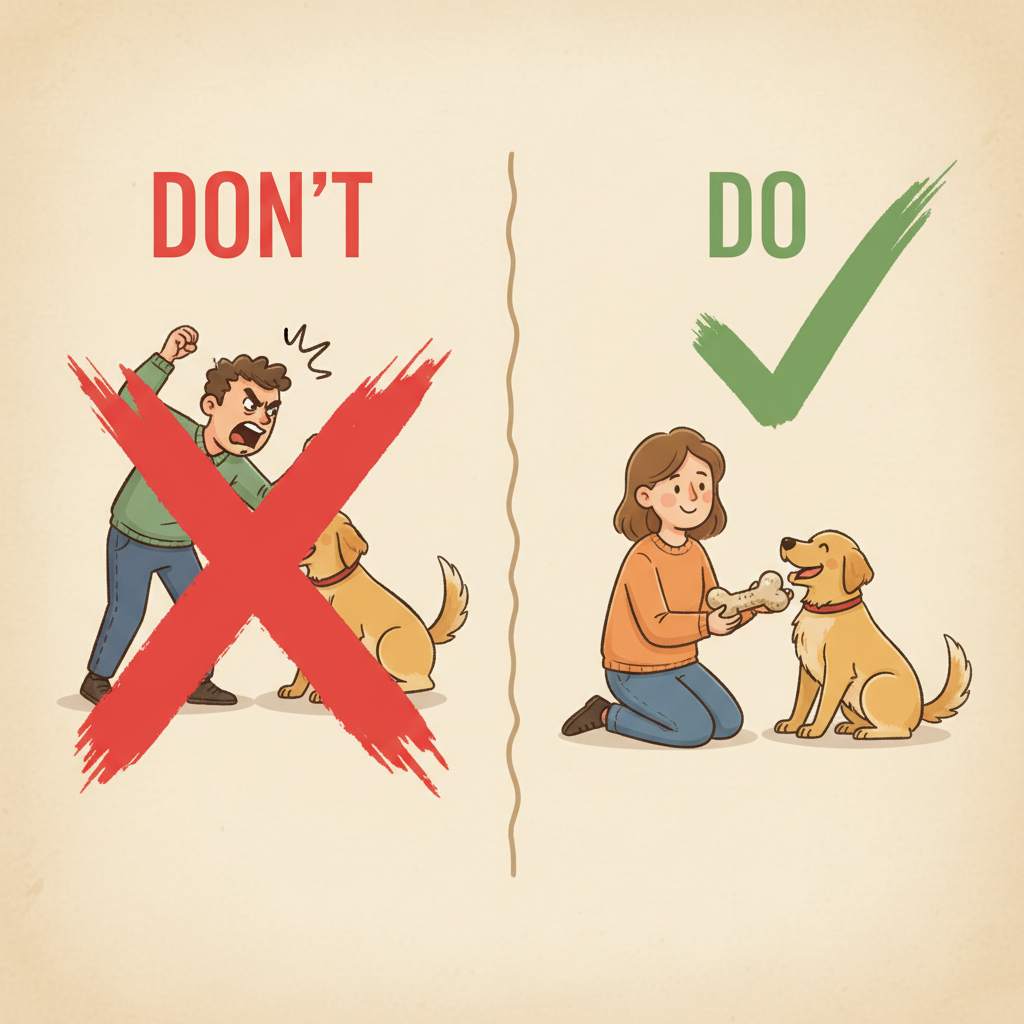
In my experience as a canine specialist, owners often inadvertently reinforce the very behavior they are trying to stop. Avoiding these common pitfalls is essential for long-term success.
- Laughing or Cheering: It may look funny, but laughing signals to the dog that you approve of the behavior or that it is a game. Maintain a neutral demeanor.
- Physical Punishment: Pushing the dog down or hitting them is abusive and ineffective. It creates fear, which can lead to more stress-induced humping or defensive aggression.
- Inconsistency: You cannot allow the behavior sometimes (e.g., when you are alone) and forbid it others (e.g., when guests are over). Dogs require consistent boundaries to learn effectively.
- Ignoring the Context: Simply stopping the action without addressing the underlying emotion (fear, excitement) will likely result in the dog developing a different displacement behavior, such as barking or chewing.
Final Thoughts on Managing Canine Behavior
Air humping is a multifaceted behavior that requires a thoughtful, analytical approach rather than a quick fix. By determining whether the cause is medical, emotional, or behavioral, you can tailor your response to help your dog feel more secure and balanced. Remember that patience is key; behavior modification takes time and consistency.
If you have tried these solutions and the behavior persists, or if it is accompanied by aggression or extreme obsession, do not hesitate to contact a certified veterinary behaviorist. They can provide a specialized modification plan to ensure the well-being of both you and your canine companion.