Why Dogs Eat Paper Towels & How to Stop the Pica Behavior
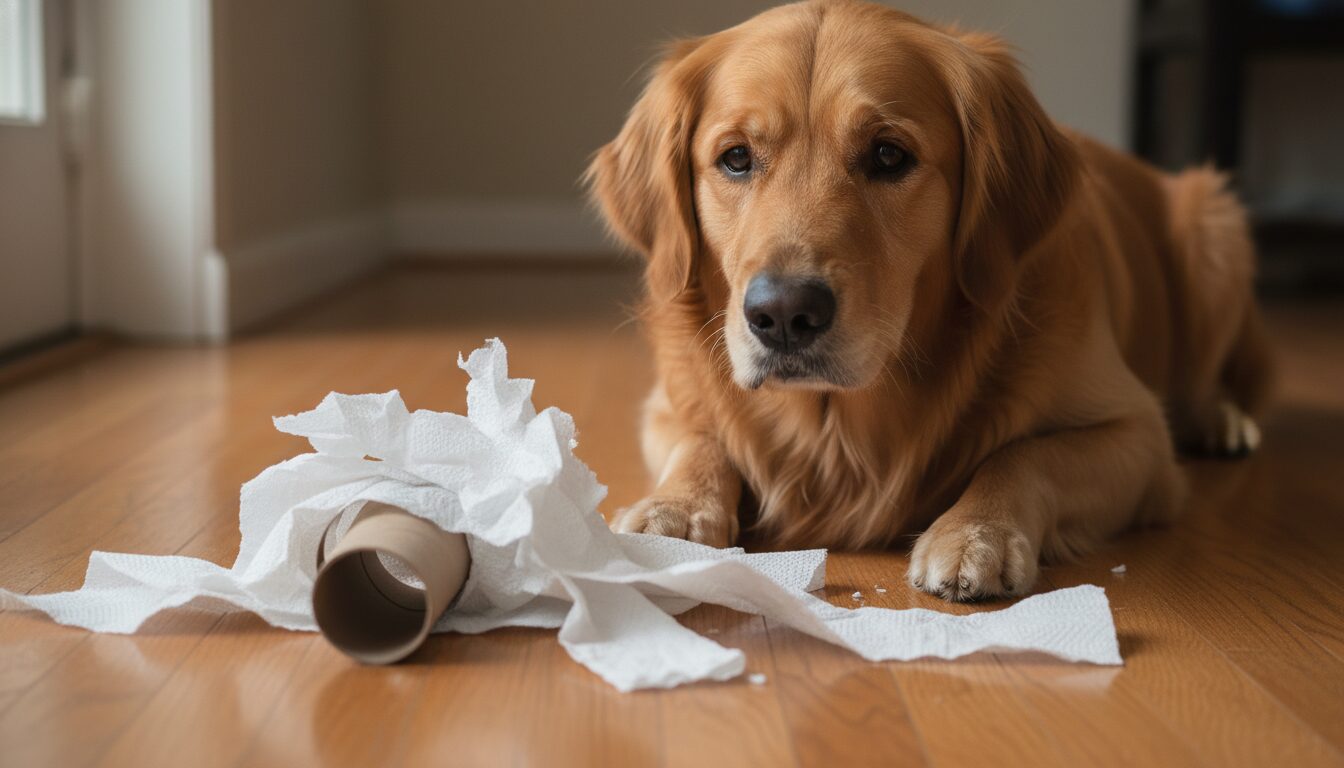
Discovering your canine companion shredding and consuming a roll of paper towels can be a frustrating and alarming experience for any pet owner. While the act of shredding might seem like innocent play, the ingestion of paper products poses significant health risks, ranging from mild digestive upset to life-threatening intestinal blockages. This behavior often points to a condition known as Pica, which is characterized by the compulsive intake of non-food items.
Understanding the root cause is the first step toward a solution. Whether your dog is driven by a nutritional deficiency, underlying anxiety, or simple boredom, addressing the issue requires a multifaceted approach. In this guide, we will analyze the medical and behavioral triggers behind why dogs eat paper towels and provide you with a professional, step-by-step protocol to modify this dangerous habit and ensure your dog’s long-term safety.
Understanding Pica: Medical vs. Behavioral Causes
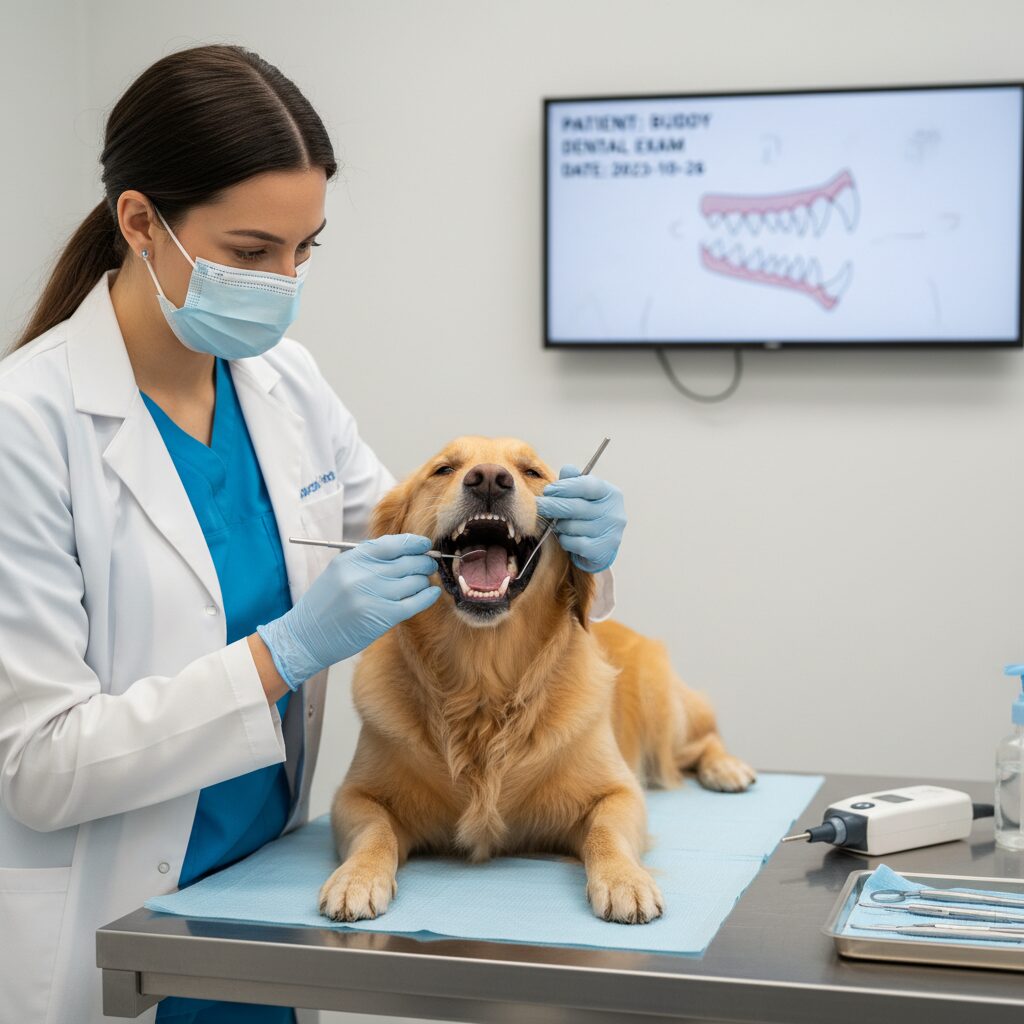
Before assuming your dog is simply acting out, it is crucial to rule out medical issues. Pica is not always a behavioral quirk; it can be a symptom of an underlying physiological problem. When a dog compulsively eats non-food items like paper towels, their body may be signaling a need for help.
Common Medical Triggers
- Nutritional Deficiencies: Although modern commercial diets are balanced, some dogs may suffer from malabsorption issues or lack specific minerals, driving them to seek nutrients in odd places.
- Gastrointestinal Disorders: Conditions such as Inflammatory Bowel Disease (IBD) or parasitic infections can cause discomfort that leads to strange eating habits.
- Endocrine Issues: Diseases like diabetes or thyroid imbalances can dramatically increase appetite (polyphagia), causing dogs to eat anything in sight.
If this behavior is sudden and accompanied by other symptoms like weight loss or lethargy, a veterinary consultation is mandatory to perform blood work and fecal analysis.
The Psychology of Shredding: Boredom and Anxiety
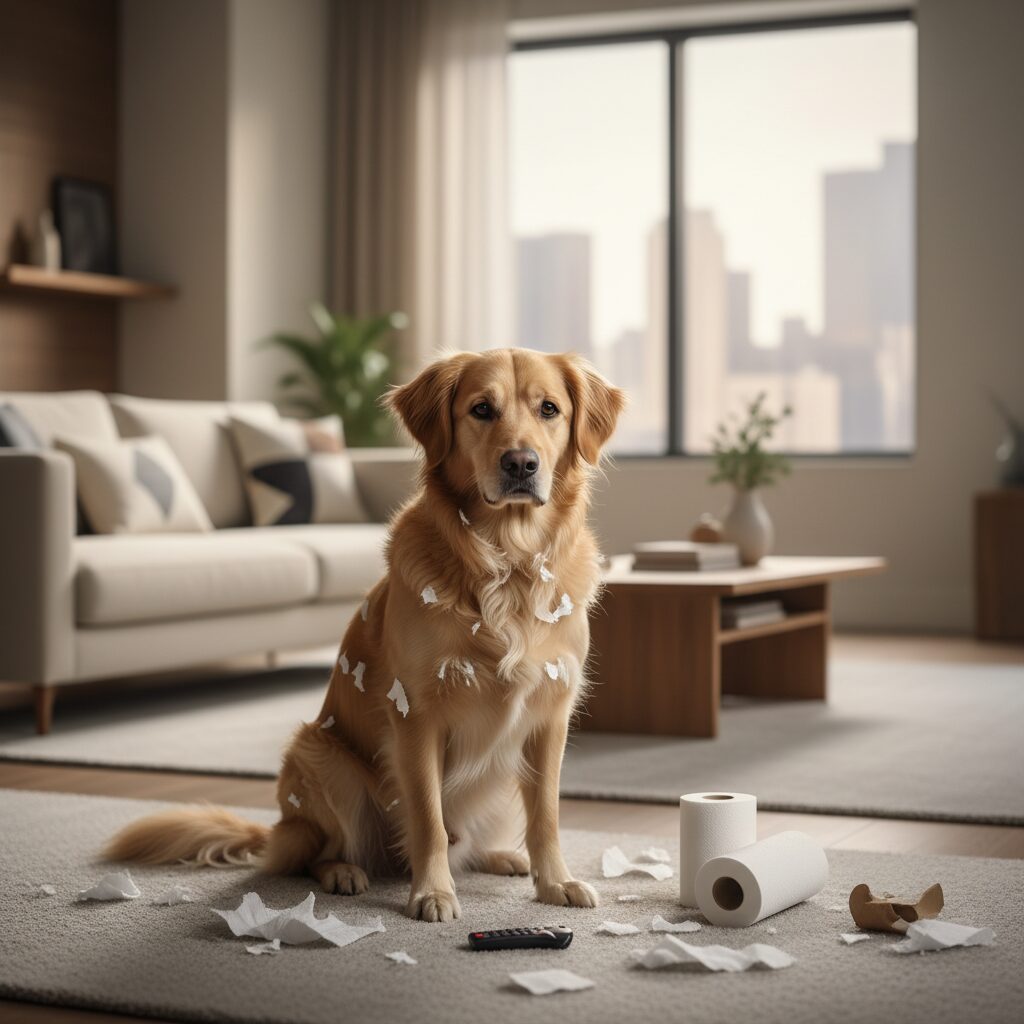
If medical causes are ruled out, the behavior is likely psychological. Dogs explore the world with their mouths, and the texture of paper towels can be incredibly satisfying to shred. However, the transition from shredding to swallowing often indicates a deeper behavioral issue.
Behavioral Motivations
- Boredom: High-energy breeds require significant mental stimulation. If left under-stimulated, they will create their own entertainment, often targeting household items.
- Separation Anxiety: Dogs suffering from anxiety when left alone may engage in destructive behaviors as a coping mechanism. Eating paper towels can be a self-soothing repetitive action.
- Attention Seeking: If you chase your dog every time they grab a paper towel, they may learn that this object is a ticket to immediate interaction with you, even if that interaction is negative.
The Dangers: Intestinal Blockage Risks
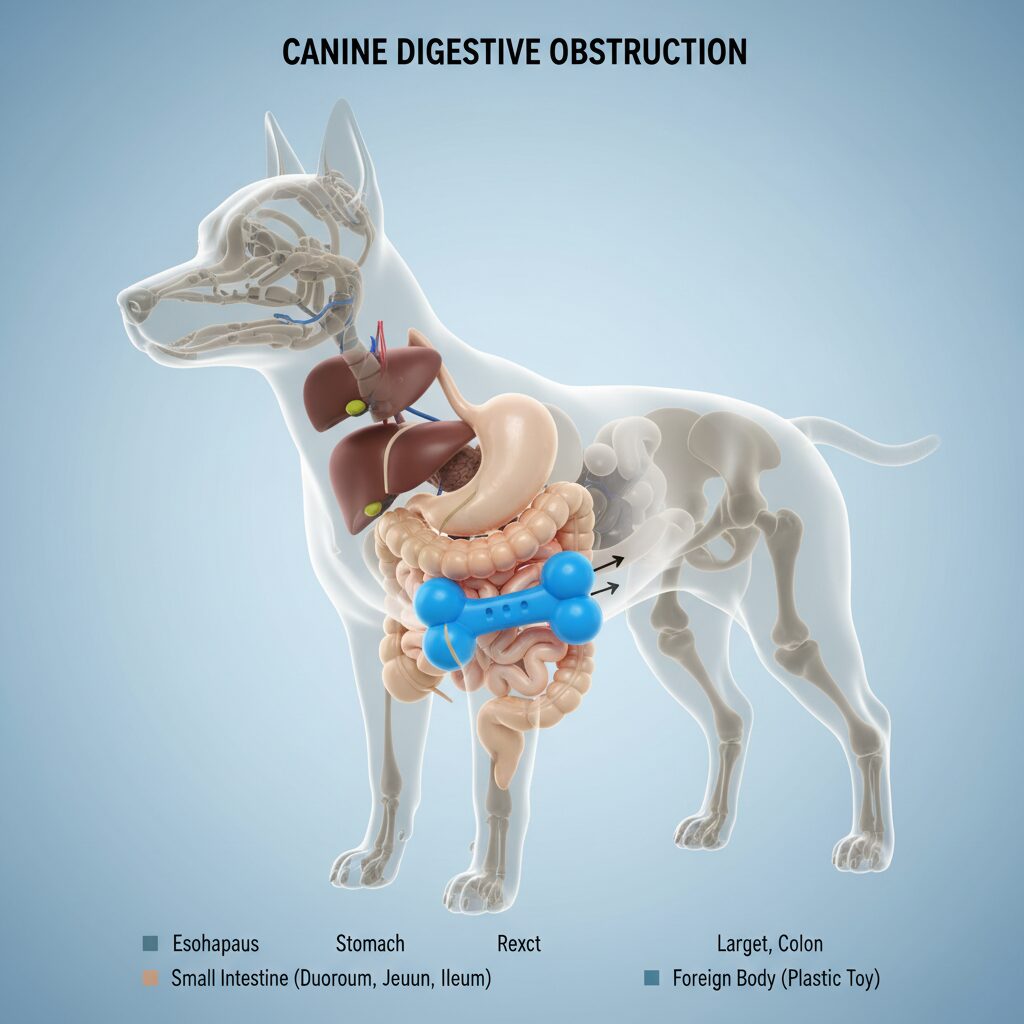
It is a common misconception that because paper is biodegradable, it is safe for dogs to eat. This is false. Paper towels are designed to be absorbent and durable when wet. Once ingested, they do not break down easily in the stomach; instead, they absorb gastric fluids and can expand or clump together.
This clumping presents a high risk of gastrointestinal obstruction. A blockage prevents food and fluids from passing through the intestines and can cut off blood flow to the tissue, leading to necrosis. This is a life-threatening emergency requiring surgical intervention.
Warning Signs of Blockage
- Repeated vomiting or dry heaving.
- Inability to defecate or straining.
- Abdominal pain (hunched posture or whining when touched).
- Lethargy and loss of appetite.
Immediate Intervention: What to Do If Consumption Occurs
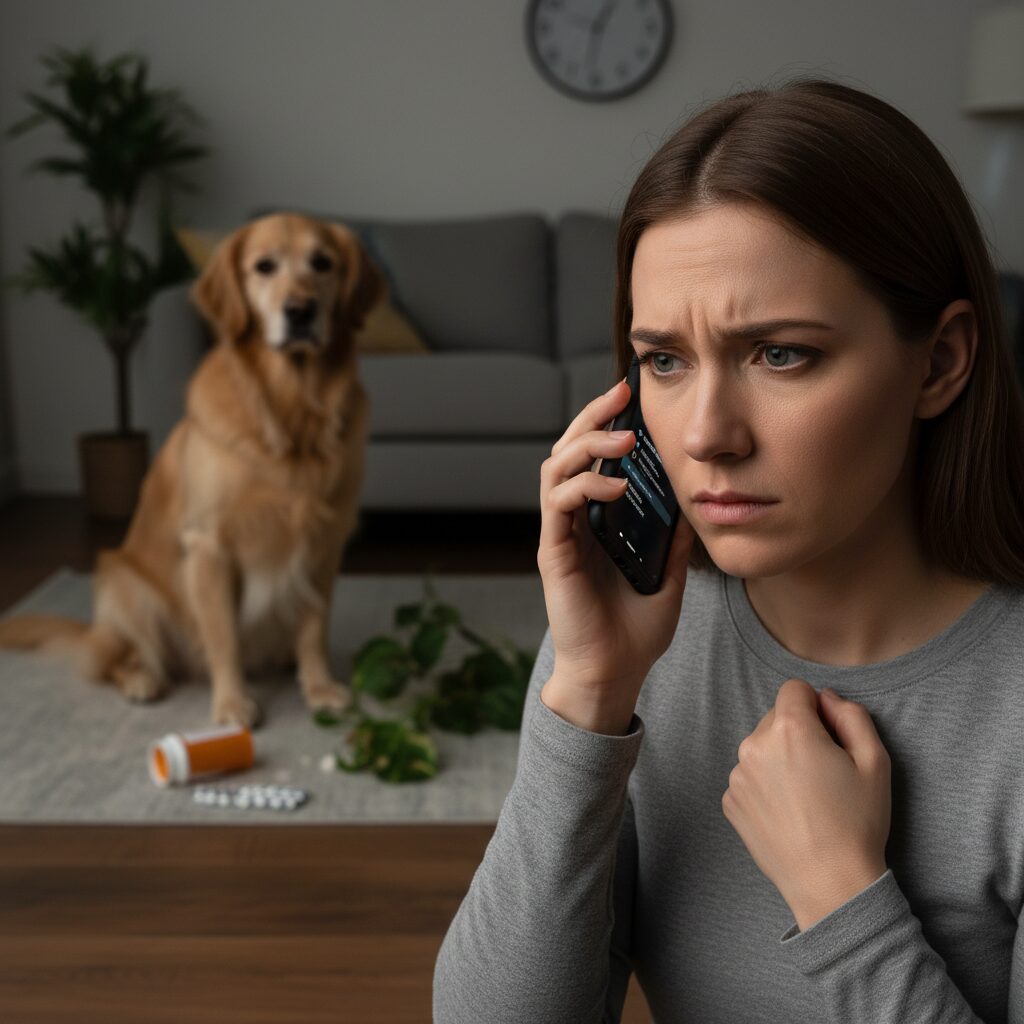
If you catch your dog in the act of swallowing a paper towel, panic is your enemy. Your response should be calculated and calm to prevent escalating the situation.
- Assess the Quantity: Did they eat a small corner or half a roll? A small piece may pass through a large dog, but a small dog is at higher risk with even minor amounts.
- Do Not Induce Vomiting Without Advice: Never induce vomiting unless explicitly instructed by a veterinarian. Paper towels can pose a choking hazard coming back up.
- Monitor Closely: If your vet advises monitoring at home, watch for the warning signs listed above for the next 24 to 48 hours.
- Feed a Bulking Agent: In some mild cases, a vet may suggest feeding a small amount of white bread or pumpkin to cushion the object as it passes, but only do this under professional guidance.
Step-by-Step Guide to Stopping the Behavior
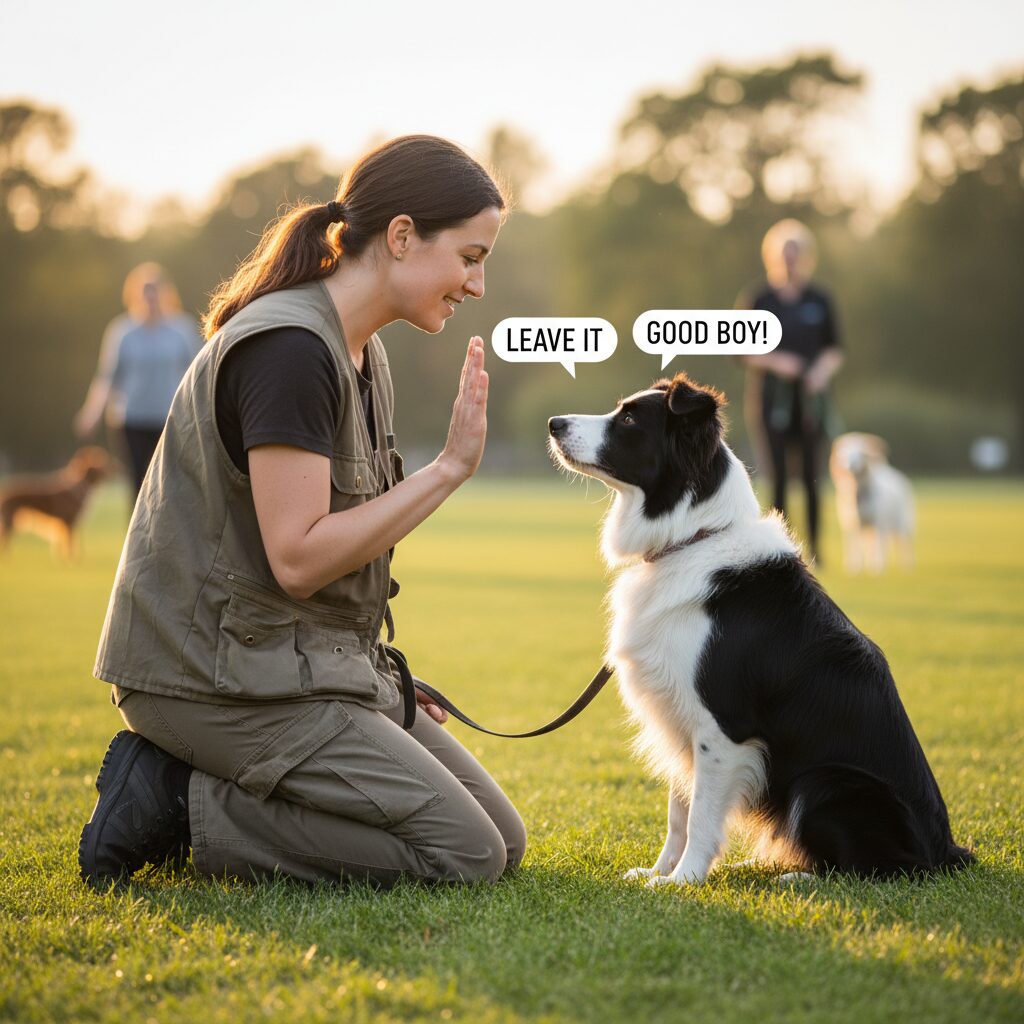
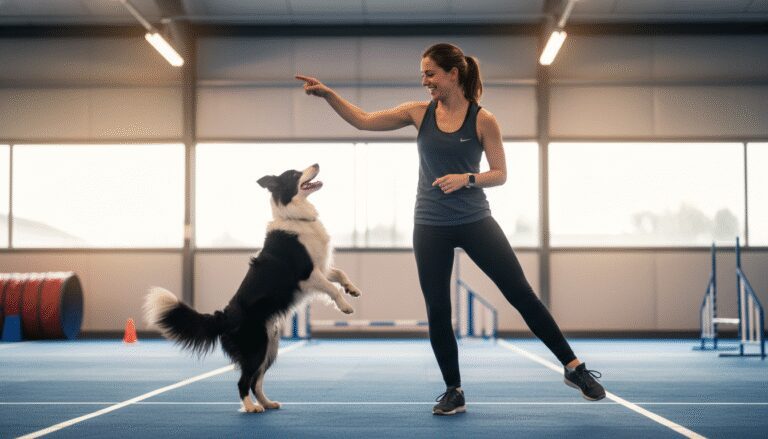
Stopping Pica behavior requires a combination of environmental management and active training. You must remove the opportunity while teaching the dog impulse control.
1. Environmental Management
The most effective immediate solution is prevention. Store paper towels in cabinets, high shelves, or inside pantry doors. Use trash cans with locking lids to prevent scavenging. If the dog cannot access the item, the habit cannot be reinforced.
2. The ‘Leave It’ Command
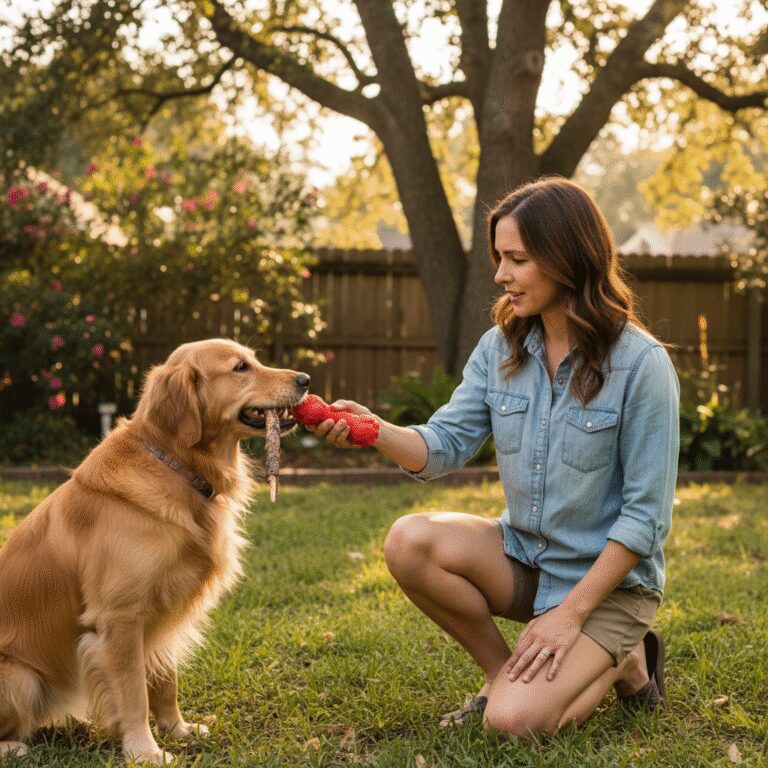
Teach your dog that ignoring the item yields a higher reward than eating it.
- Step 1: Hold a treat in a closed fist. Let the dog sniff but do not give it. Say ‘Leave It’.
- Step 2: Once they stop sniffing and look at you, mark the behavior with ‘Yes!’ and give a treat from the other hand.
- Step 3: Progress to placing a low-value item (like a piece of paper) on the floor while covering it with your hand, eventually uncovering it as their impulse control improves.
3. Mental Enrichment
Combat boredom by providing appropriate outlets for shredding and chewing. Offer puzzle toys, frozen Kongs, or safe chews. If your dog loves to shred, consider giving them a head of lettuce or a cardboard box (if they don’t consume the cardboard) under strict supervision to satisfy the instinct safely.
Final Thoughts on Managing Pica
Dealing with a dog that eats paper towels requires patience, vigilance, and a consistent strategy. By identifying whether the root cause is medical or behavioral, you can tailor your approach to effectively stop the Pica behavior. Remember that management is just as important as training; removing access to paper products prevents the habit from strengthening.
If your dog continues to ingest non-food items despite your best efforts, or if they show signs of illness, consult your veterinarian or a board-certified veterinary behaviorist immediately. With the right balance of health care, mental stimulation, and training, you can keep your home safe and your dog healthy.