Why Does My Dog Lick the Couch? 3 Ways to Stop It Fast
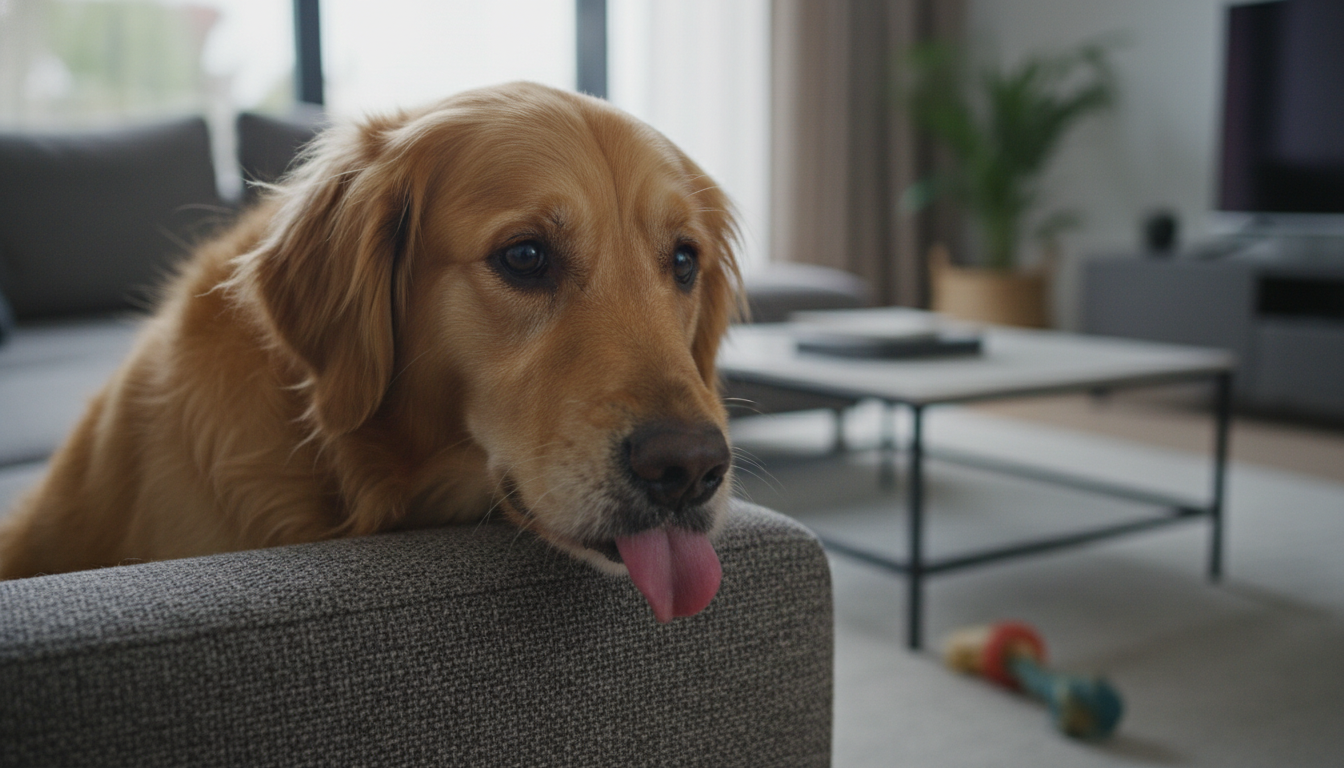
It is a sound every dog owner knows all too well: the rhythmic, wet sound of a dog licking a surface. While it is normal for dogs to groom themselves, it becomes a confusing and often frustrating ordeal when that attention turns to your furniture. You might find yourself asking, why does my dog lick the couch? Is it the taste? Is it anxiety? Or is it simply a strange habit they have developed?
Canine behavior is complex, and licking is a primary mode of communication and exploration for dogs. However, when it targets your upholstery, it can lead to wet spots, damaged fabric, and concerns about your pet’s mental or physical health. While occasional exploration is harmless, obsessive licking can signal underlying issues ranging from boredom and anxiety to gastrointestinal distress.
In this comprehensive guide, we will analyze the root causes of this behavior to help you understand what your dog is trying to communicate. More importantly, we will provide you with three actionable, professional strategies to stop the behavior fast, ensuring a happier dog and a cleaner home.
Decoding the Behavior: Why Dogs Lick Furniture
To effectively stop the behavior, you must first identify the motivation behind it. Dogs do not lick furniture out of spite; there is always a biological or psychological driver. Understanding these drivers is the first step toward a solution.
1. Sensory Exploration and Taste
Dogs experience the world largely through their mouths. Your couch may harbor scents and tastes that are imperceptible to you but irresistible to them. This could include:
- Microscopic food particles: Even if you do not eat on the couch, crumbs or residue from your hands can transfer to the fabric.
- Human salts: Sweat and natural skin oils transfer to furniture, and many dogs find the salty taste appealing.
- Texture: The specific texture of microfiber, velvet, or leather might provide sensory satisfaction to the dog’s tongue.
2. Behavioral Issues: Boredom and Anxiety
Licking releases endorphins in a dog’s brain, which are natural calming chemicals. Consequently, licking can become a self-soothing mechanism.
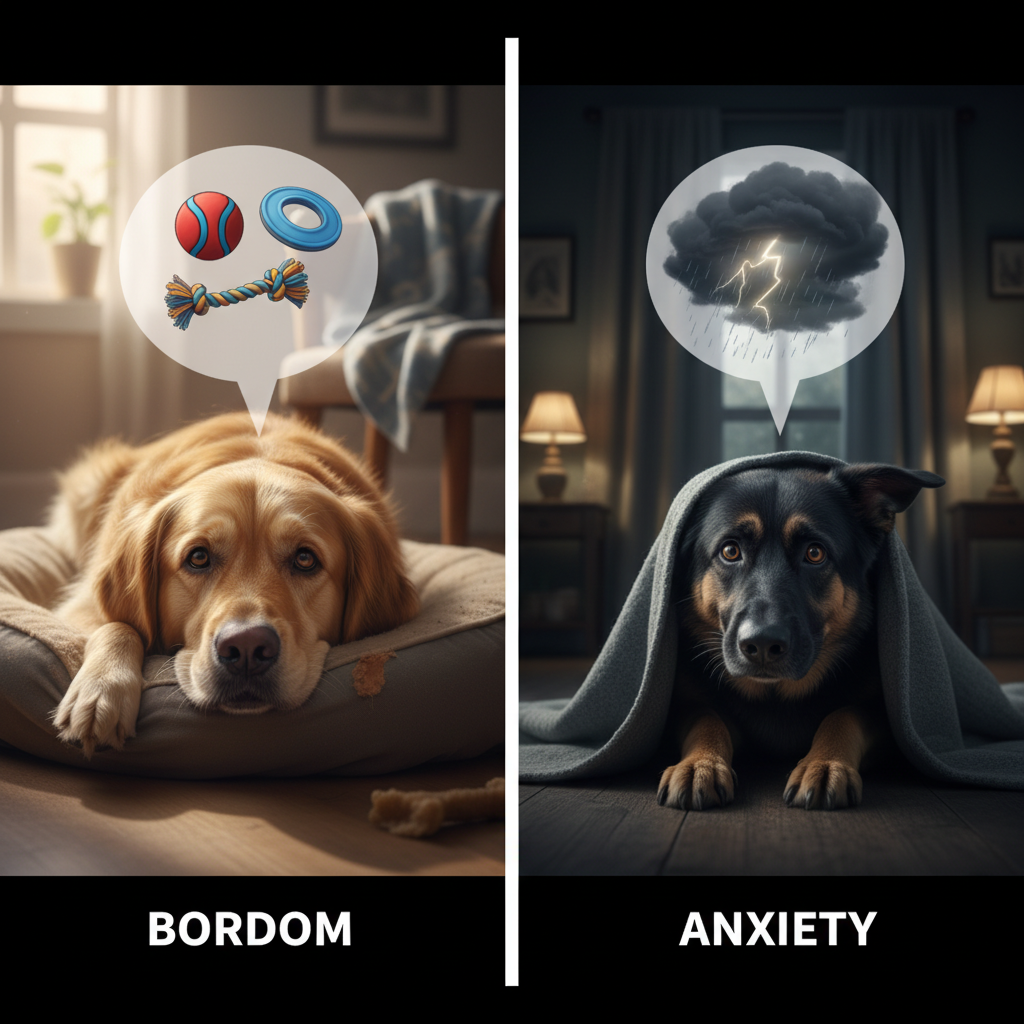
- Boredom: If a dog lacks physical exercise or mental stimulation, they may turn to the couch to pass the time.
- Anxiety: Dogs suffering from separation anxiety or general nervousness may lick rhythmically to calm themselves down. In severe cases, this can escalate into Canine Compulsive Disorder (CCD), similar to OCD in humans.
3. Medical Causes
Before assuming it is a behavioral quirk, one must rule out medical issues. Excessive licking of surfaces (also known as ELS) can be a symptom of:
- Gastrointestinal upset: Nausea or acid reflux can cause a dog to lick surfaces in an attempt to induce vomiting or soothe their stomach.
- Dental pain: Issues with teeth or gums may cause a dog to lick soft surfaces to relieve pressure.
- Pica: A condition characterized by the urge to eat non-food items, which can manifest as obsessive licking.
Method 1: Environmental Management and Deterrents
The fastest way to stop the behavior immediately is through environmental management. This does not necessarily teach the dog why they shouldn’t lick, but it prevents the rehearsal of the behavior, which is crucial for breaking the habit.
Use Taste Deterrents
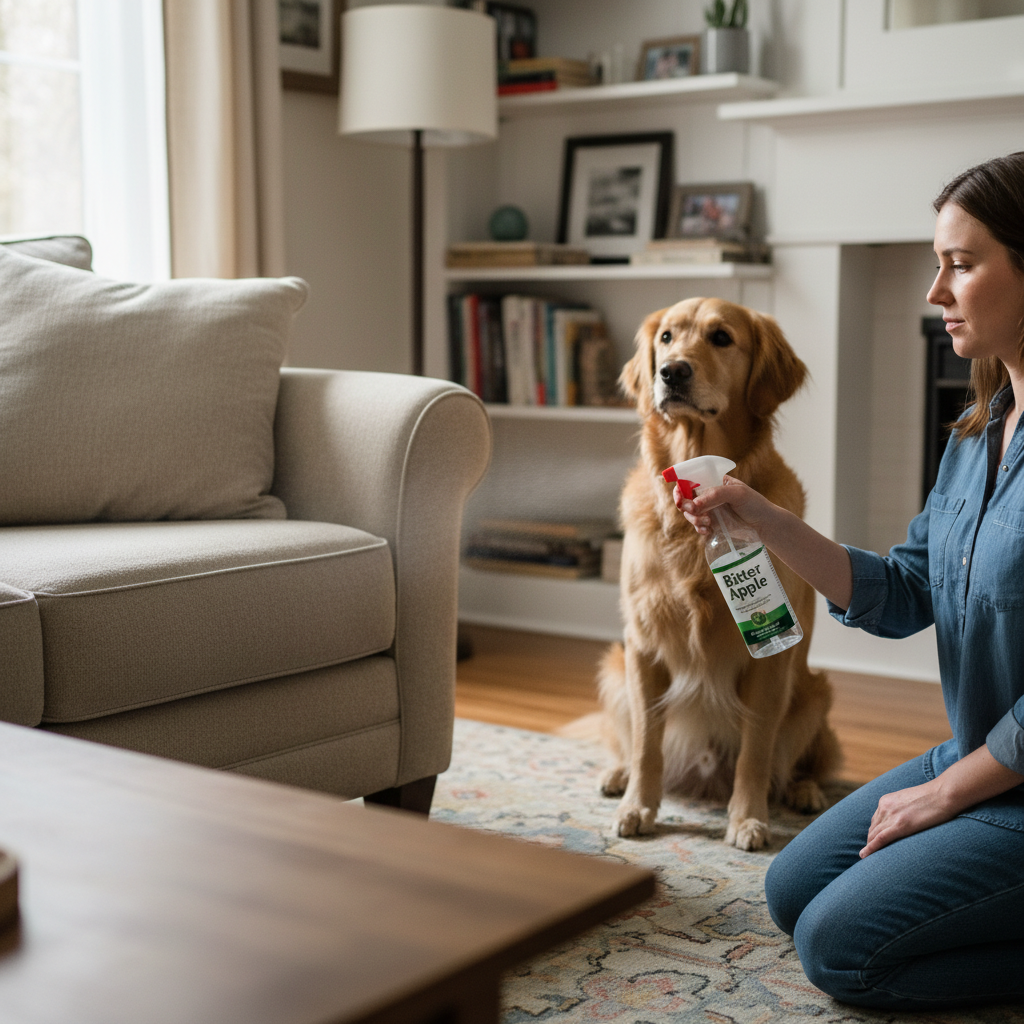
Taste deterrents are sprays designed to taste terrible to dogs without harming them or your furniture. Common options include bitter apple or bitter cherry sprays.
- Test the fabric: Always test the spray on an inconspicuous part of the couch to ensure it does not stain.
- Apply liberally: Spray the areas your dog favors.
- Reapply often: These sprays evaporate and lose potency, so reapplication is necessary.
However, a deterrent alone is rarely a cure. If the motivation is high enough (e.g., severe anxiety), some dogs will lick through the bad taste. Therefore, this method works best when combined with the enrichment and training steps below.
Remove the Temptation
If the dog is licking because of food residue or skin oils, a deep clean is required. Use an enzymatic cleaner to break down biological odors that might be attracting your dog. By removing the scent profile that triggers the licking, you reduce the urge to investigate the area.
Method 2: Redirecting with Enrichment
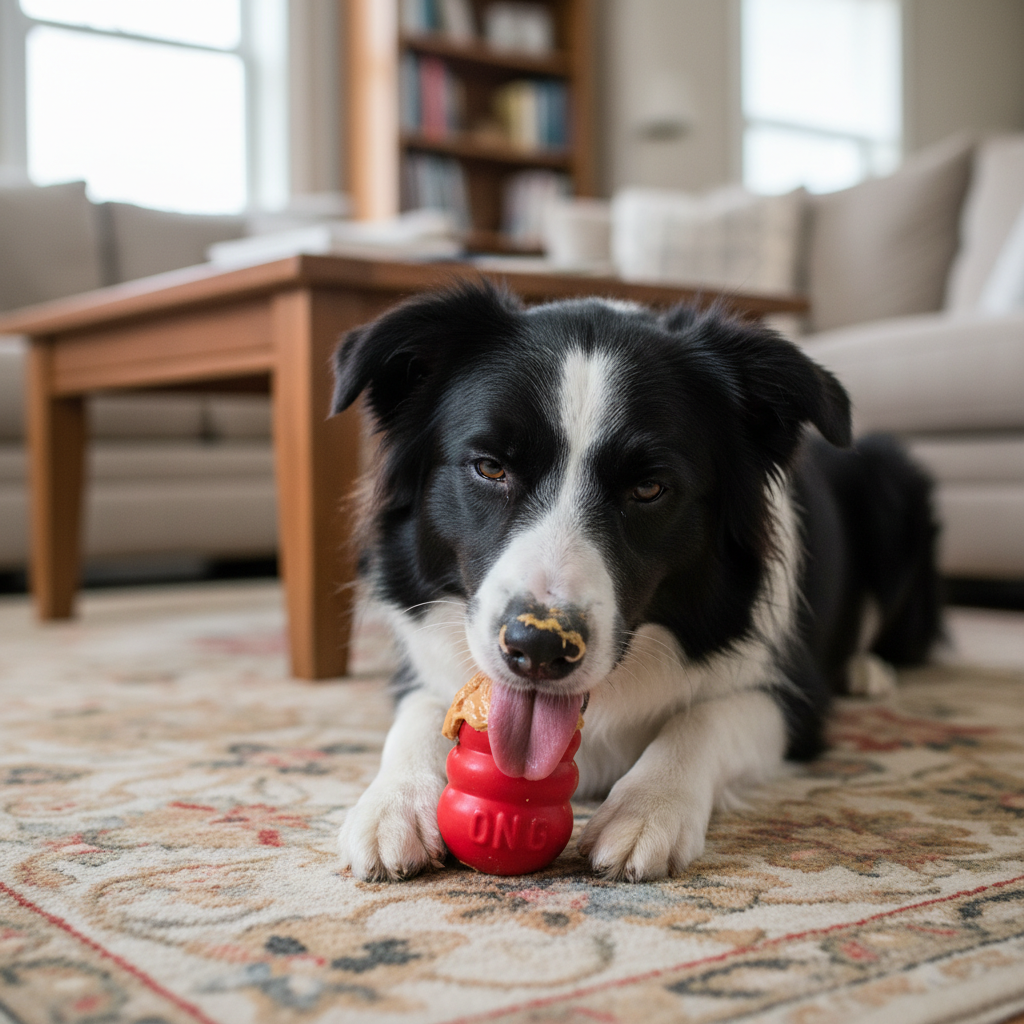
If your dog is licking the couch to self-soothe or alleviate boredom, you must provide an appropriate outlet for that natural urge. You cannot simply suppress the behavior; you must redirect it to something positive.
The Power of Lick Mats and Chews
Licking is a natural need for dogs. Instead of forbidding it, provide a designated “licking zone.”
- Lick Mats: These are silicone mats with grooves. Smear them with dog-safe peanut butter, yogurt, or pumpkin puree. This provides the endorphin release the dog is seeking but on an appropriate surface.
- Long-lasting Chews: Bully sticks, yak cheese chews, or frozen stuffed toys can keep a dog occupied for extended periods, removing the boredom factor.
Increase Physical and Mental Exercise
A tired dog is a good dog. Often, couch licking is a symptom of pent-up energy. Evaluate your dog’s daily routine:
- Decompression Walks: Allow your dog to sniff freely on walks rather than just walking for distance. Sniffing is mentally tiring.
- Puzzle Toys: Feed your dog their meals out of puzzle toys to engage their brain.
By meeting their physical and mental needs, the compulsion to find their own entertainment (licking your sofa) will naturally diminish.
Method 3: Active Training and the “Leave It” Command
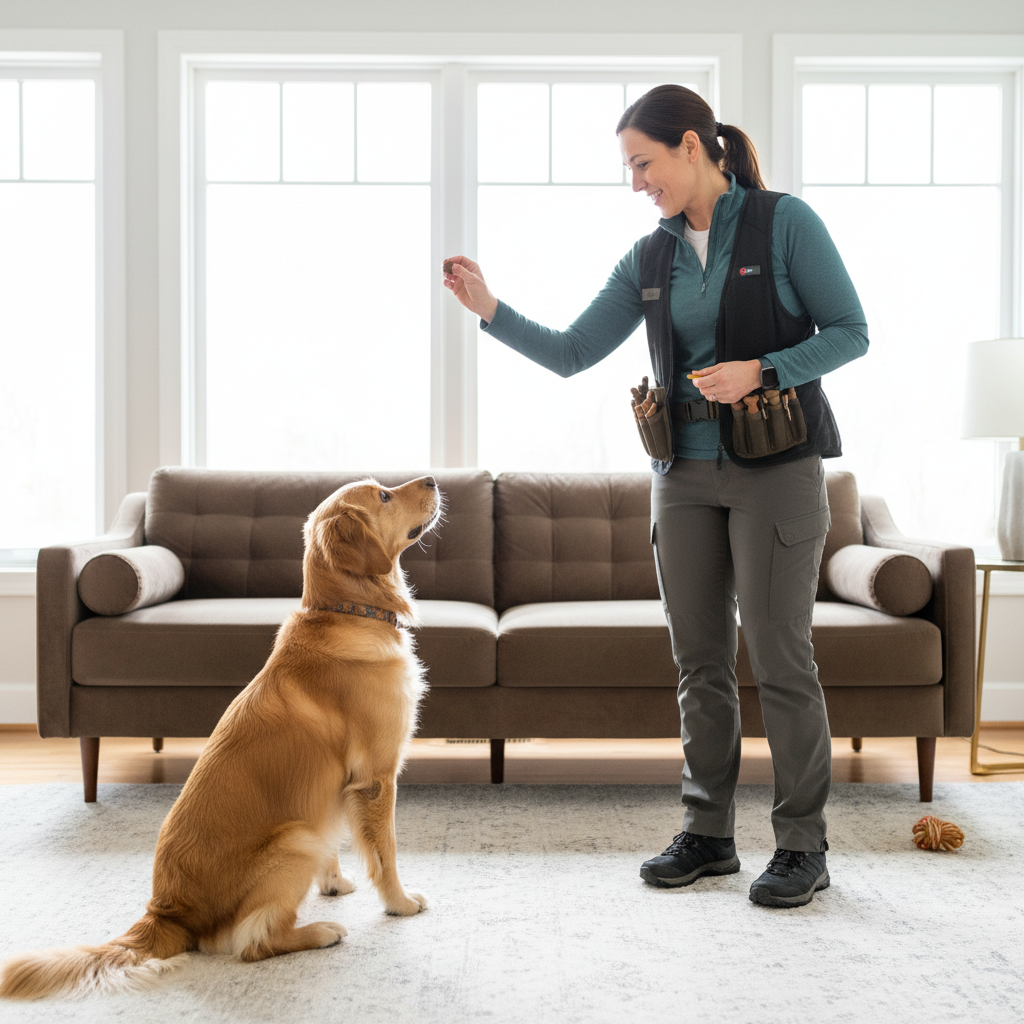
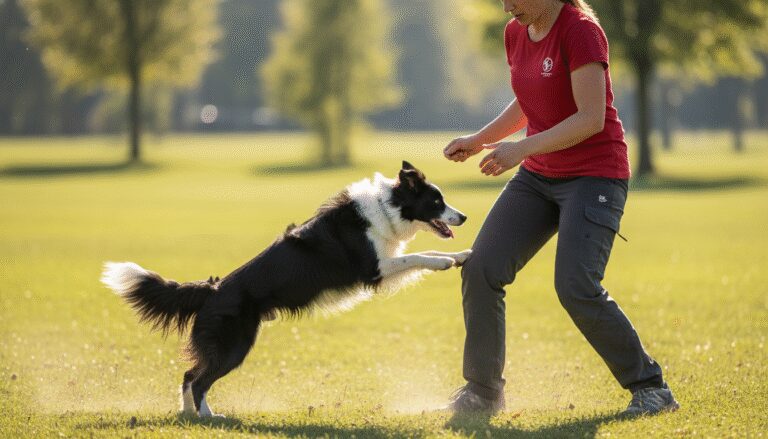
For a long-term solution, active training is essential. You need to communicate to your dog that the couch is off-limits for licking and that ignoring it yields a higher reward.
Teaching “Leave It”
The “Leave It” command is invaluable for this scenario. Here is how to apply it to furniture licking:
- Catch them in the act: The moment your dog approaches the couch to lick, or begins licking, say “Leave It” firmly but calmly.
- Mark and Reward: As soon as the dog stops licking or turns their head away from the couch, mark the behavior (using a clicker or a word like “Yes!”) and immediately give them a high-value treat.
- Consistency is key: You must reward the absence of the behavior. If they look at the couch and choose not to lick it, reward that choice heavily.
The “Place” Command
Alternatively, teach your dog the “Place” command (go to your bed). When the dog begins to lick the furniture, send them to their place and give them a chew toy. This interrupts the behavior and gives them an alternative job to do. Over time, the dog will learn that relaxing on their bed is more rewarding than licking the upholstery.
Final Thoughts: Consistency and Patience
Stopping a dog from licking the couch requires a multi-faceted approach. By understanding whether the cause is medical, behavioral, or sensory, you can tailor your response effectively. Remember that punishment is rarely the answer; instead, focus on management, redirection, and positive reinforcement.
Start by cleaning the area and applying deterrents, then immediately introduce lick mats or chews to satisfy the oral fixation. Simultaneously, work on your “Leave It” command to build better habits. If you try these three methods and the behavior persists or is accompanied by other symptoms like vomiting or weight loss, consult your veterinarian immediately to rule out underlying gastrointestinal or neurological conditions.